By Shimona Chadha | Fundraising and Communications
In the last quarter, 494 soil tests were conducted for farmers across 53 villages in rural Maharashtra. Through a combination of soil testing, group training sessions, farmer meetings, field demonstrations, and exposure visits, 2,014 farmers have been equipped with scientific knowledge to enhance their farming practices. These efforts not only help farmers achieve higher yields but also reduce their costs and increase their incomes.
As part of our ongoing Agriculture and Climate Action project, we have been working closely with farmers in Maharashtra to promote sustainable and climate-resilient farming practices. Our interventions include providing soil testing services and expert advice to address critical challenges such as nutrient deficiencies, improper fertilizer use, and rising production costs. By adopting precise, data-driven methods, farmers are empowered to improve crop productivity while minimizing the environmental impact of agriculture.
To further support this mission, we conducted training and capacity-building sessions on key topics such as vermicomposting, agricultural food waste management, scientific crop management, and the integration of dairy and agriculture. Below are three inspiring stories highlighting the transformative impact of our interventions on local farmers.
Santosh Salunkhe Transformative Journey with Potato Farming
Village : Chorade
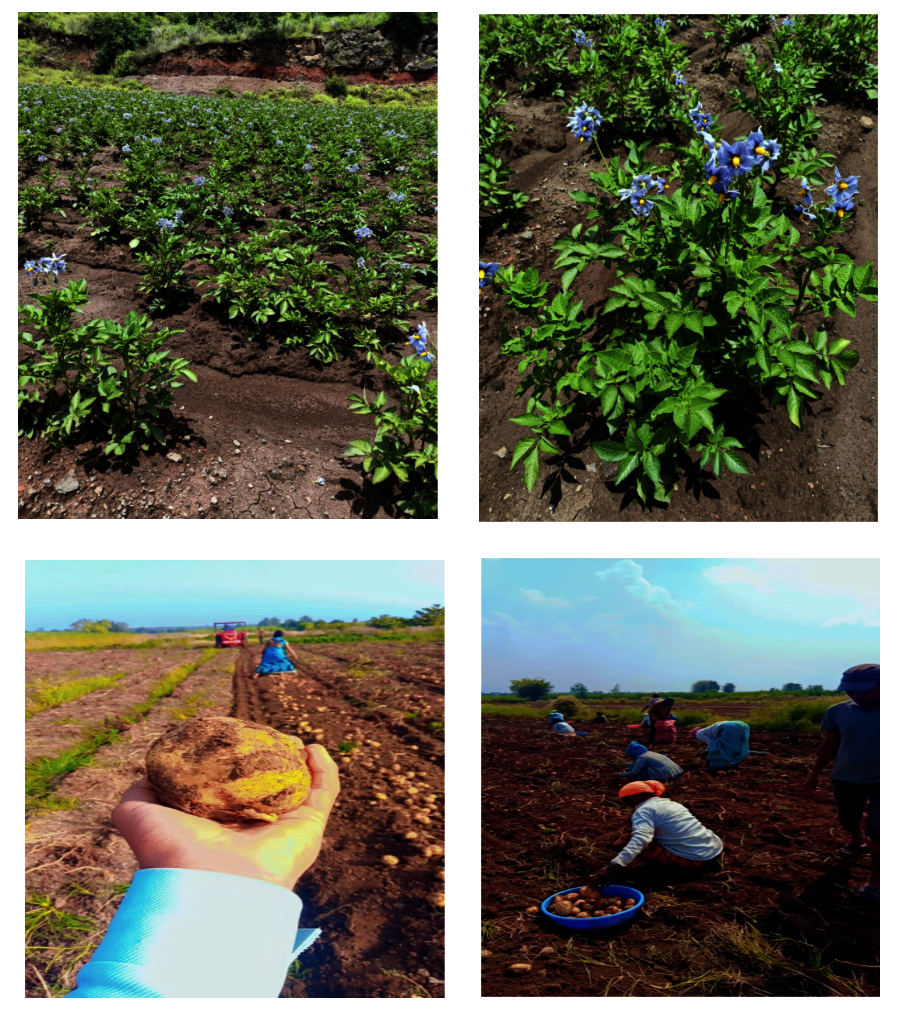
Santosh Salunkhe, a farmer from Chorade village, had been growing potatoes on his 1-acre farm for years. Despite his hard work, he often faced low yields, high costs, and pest problems. These challenges left him struggling to make ends meet.
In 2023, Santosh attended a workshop by the Mann Deshi Agriculture Centre, where he learned about the importance of soil testing. Encouraged by their guidance, he decided to test the soil in his potato field.
Soil Testing Brings Solutions
The soil test revealed:
The Mann Deshi team created a simple crop plan for Santosh, focused on improving his soil and boosting his yield.
Implementation of crop schedule:
The Results, Improvements in just one season:
A Better Future
With the extra income, Santosh upgraded his tools, improved his storage, and saved for his children’s education. His success inspired other farmers in his village to try soil testing and scientific farming.
Santosh’s Message
"Testing my soil changed everything. Thanks to Mann Deshi Agriculture Centre, I now know how to farm better. I urge every farmer to test their soil and follow a crop plan—it truly works!"Santosh Salunkhe’s story shows how simple steps like soil testing and better farming methods can make a big difference for farmers.
Sitaram Mali's Transformative Journey with Maize Farming
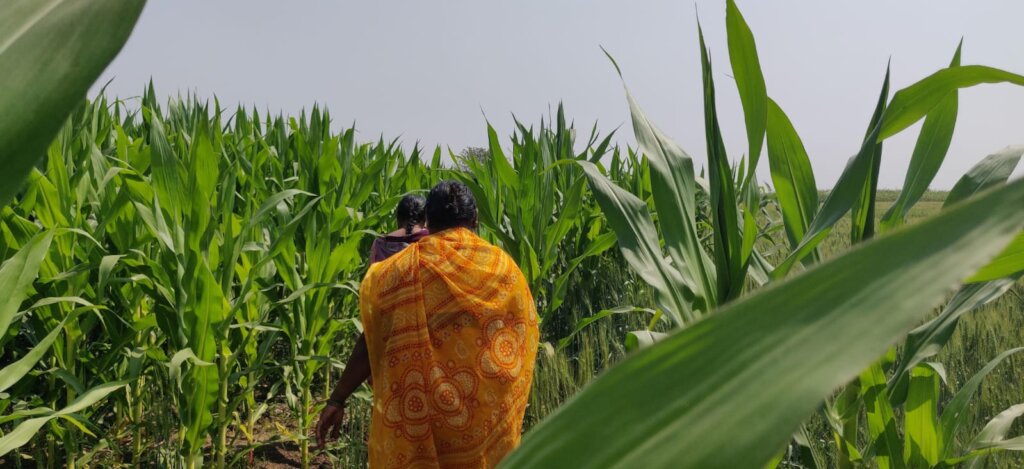
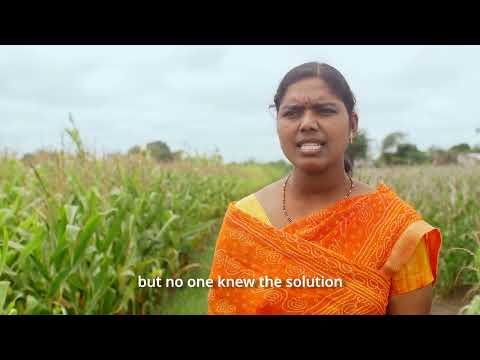
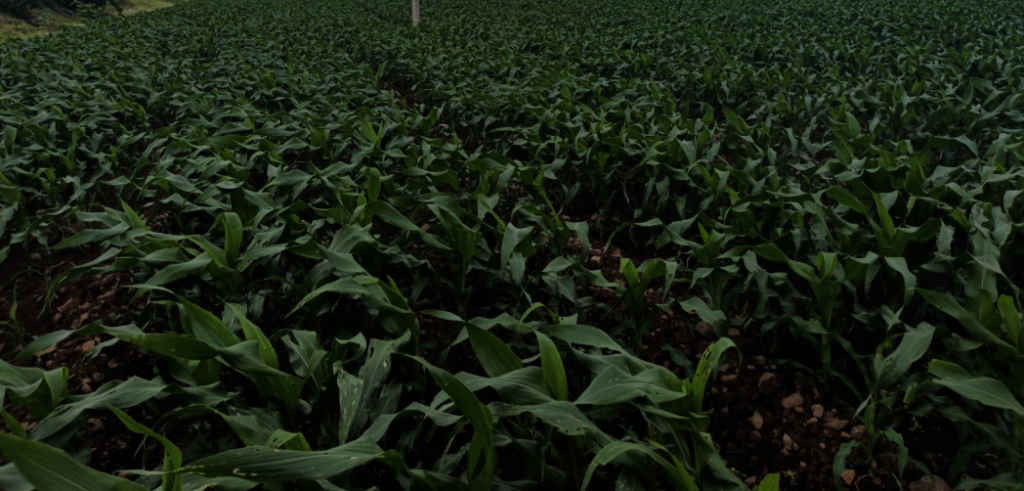
Sitaram Mali, a dedicated farmer from a mhaswad in Satara District, had been cultivating maize on his 0.5 acre plot for the last 3 years. Despite his hard work, he often struggled with inconsistent yields and rising input costs. His farming methods, though traditional, lacked the scientific approach required to tackle soil fertility issues and optimize crop production.
In 2024, This farmer attended an agricultural awareness meeting organized by the Mann Deshi Agriculture Centre. Inspired by their approach, he decided to conduct a soil health test for his maize field in this kharif season.
Soil Testing and Crop Schedule:
The soil test revealed critical imbalances in nutrients such as nitrogen, ph, and Calcium Carbonate, along with low organic carbon levels. Based on these results, Agronomist at the Mann Deshi Agriculture Centre provided customized crop schedule that included:
Harvesting: By following the crop schedule meticulously, Farmer saw remarkable improvements in his maize crop:
The Impact
For the first time, This Farmer earned a substantial profit from his maize crop. With the additional income, he invested in better farming tools and also installed a new drip filter on his well.
Sitaram's Message to Fellow Farmers:
"Understanding my soil's needs changed everything. The guidance from Mann Deshi Agriculture Centre not only improved my crop but also gave me hope for a brighter future. I urge all farmers to embrace soil testing and scientific farming methods—it truly works!"
Sitaram Mali’s story stands as a shining example of how scientific interventions and personalized support can transform traditional farming into a more productive and sustainable livelihood.
Sopan Kisan Jathare Transformative Journey with Pomegranate Farming
Village: Virkarwadi
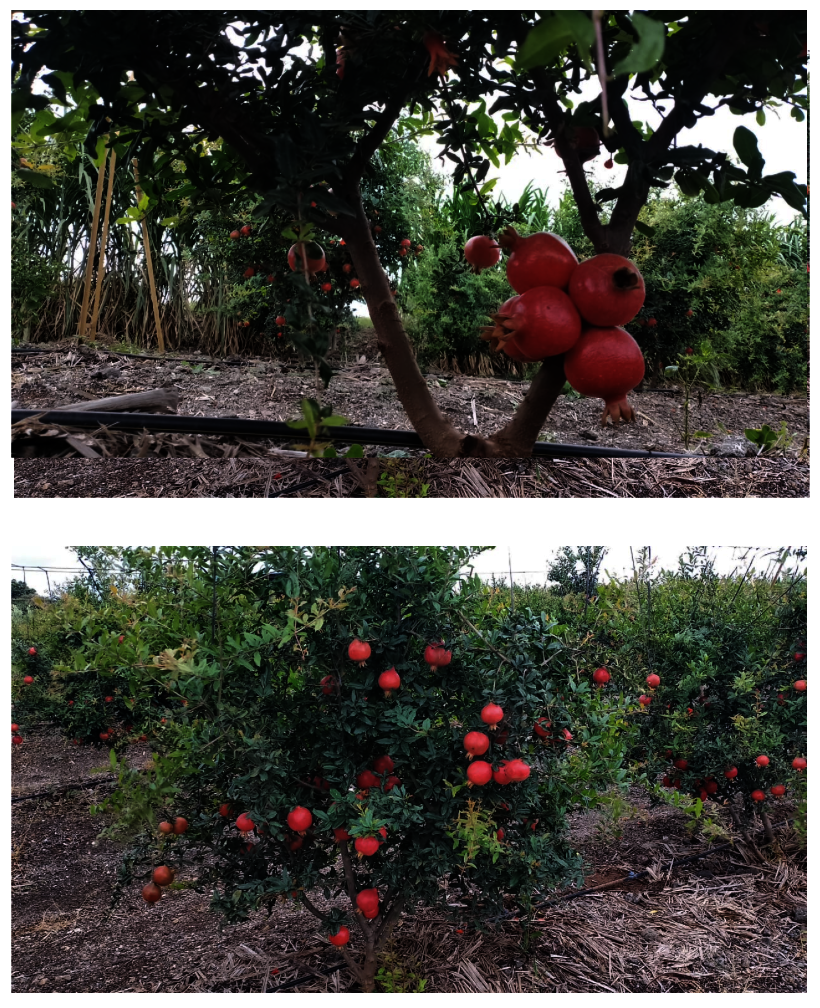
Sopan Kisan Jathare, a new pomegranate farmer, was looking for ways to optimize his farming practices. Like many farmers, he faced challenges with increasing input costs, especially with fertilizers, and was striving to increase the yield of his pomegranate crop. To achieve these goals, Sopan took the proactive step of conducting soil testing to better understand the needs of his land.
The Problem: High Fertilizer Costs and Suboptimal Yield
For years, Sopan had been using fertilizers based on general recommendations. However, this approach led to rising costs and did not always result in the yield improvements he expected. His pomegranate trees were not producing at their full potential, and he realized that something needed to change to make his farming more sustainable.
The Solution: Soil Testing and Crop Schedule
Sopan decided to get a soil test done for his pomegranate plot. The test results revealed key insights into the soil's nutrient composition, showing areas of nutrient deficiency and imbalanced pH levels that were likely affecting the plants' growth and fruiting potential.
With the soil testing report in hand, agricultural experts worked with Sopan to develop a customized crop schedule that addressed the specific needs of his soil. The new plan included:
Impact on Yield -
Cost of Production - 4 lakh
Cost of Production in Ton - 4 Ton
Cost of fertilizer - 1.5 lakh.
These stories illustrate the transformative power of scientific interventions and sustainable farming practices in improving the lives of rural farmers. Through soil testing, personalized crop schedules, and targeted training, farmers like Santosh Salunkhe, Sitaram Mali, and Sopan Kisan Jathare have achieved higher yields, reduced input costs, and increased their incomes. Moreover, these practices have contributed to better soil health and reduced environmental impacts, showcasing a path toward sustainable agriculture. By continuing to empower farmers with knowledge and tools, initiatives like the Mann Deshi Agriculture Centre are not only enhancing livelihoods but also paving the way for a more resilient and sustainable future in agriculture.
Links:
Project reports on GlobalGiving are posted directly to globalgiving.org by Project Leaders as they are completed, generally every 3-4 months. To protect the integrity of these documents, GlobalGiving does not alter them; therefore you may find some language or formatting issues.
If you donate to this project or have donated to this project, you can receive an email when this project posts a report. You can also subscribe for reports without donating.



Support this important cause by creating a personalized fundraising page.
Start a Fundraiser