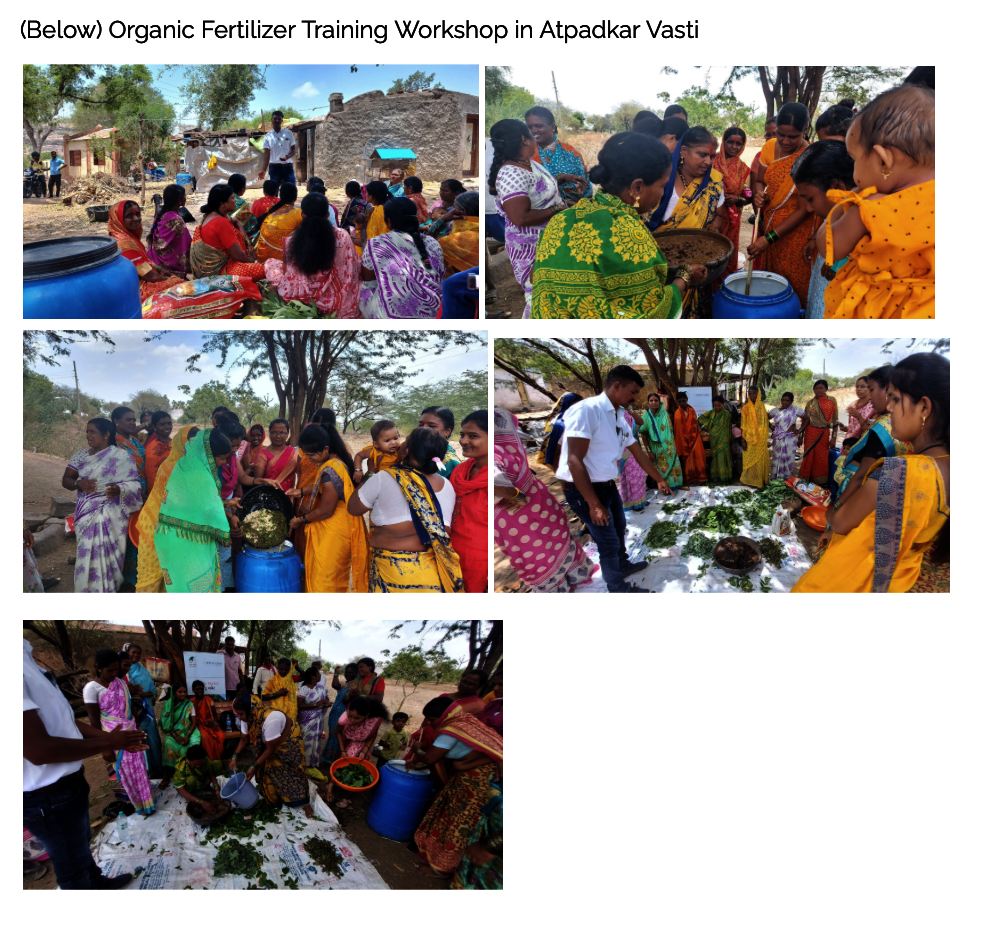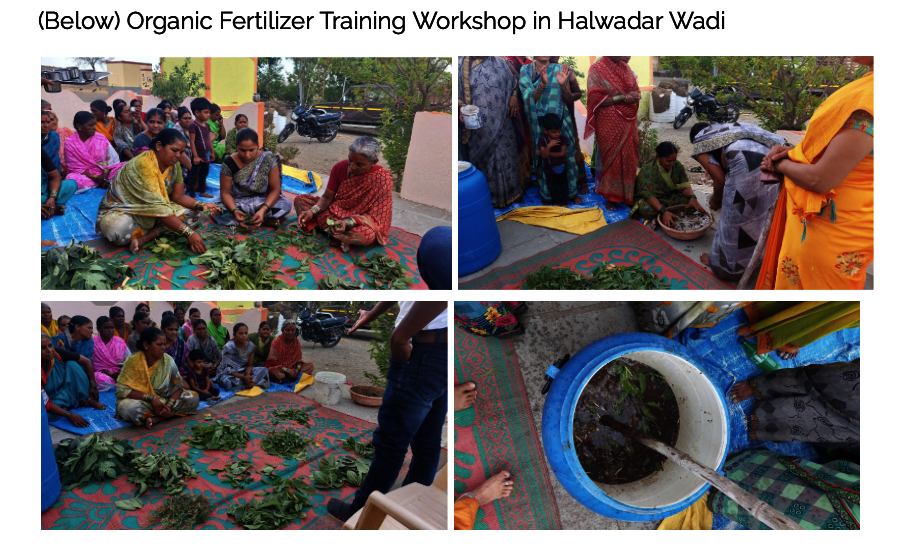
By Shimona | Project Manager
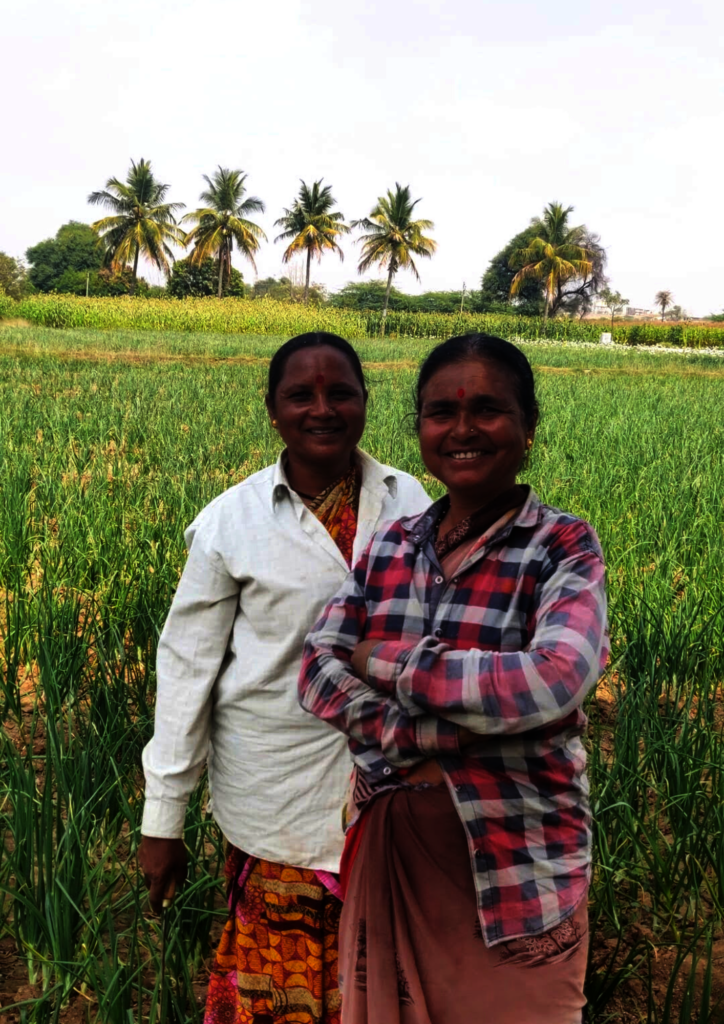
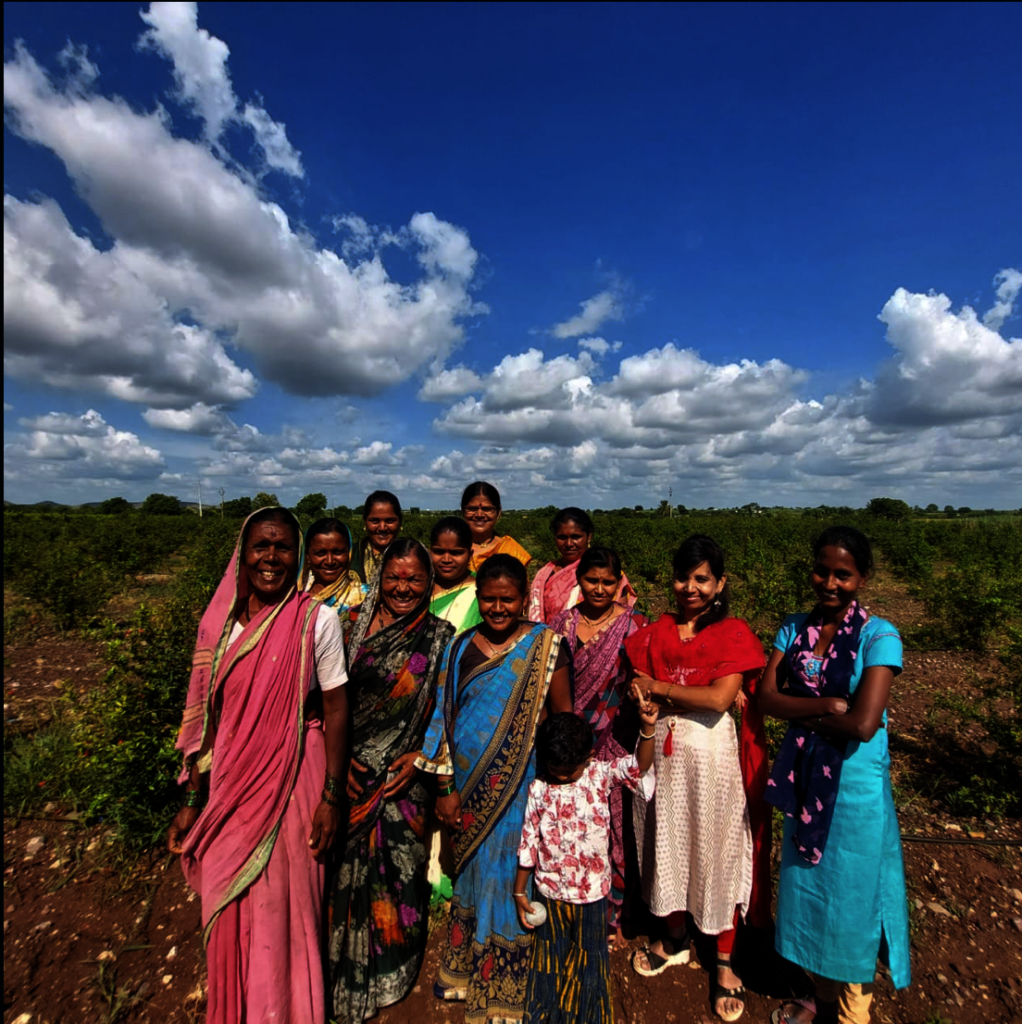
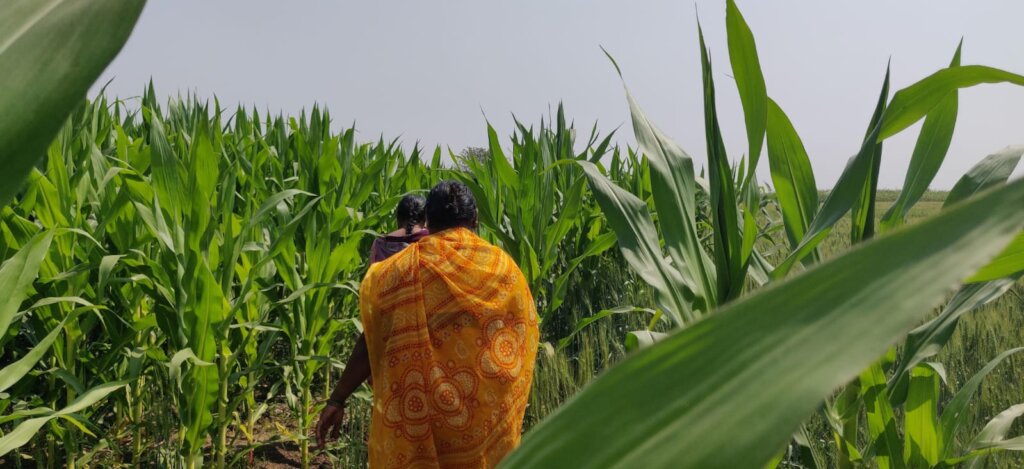
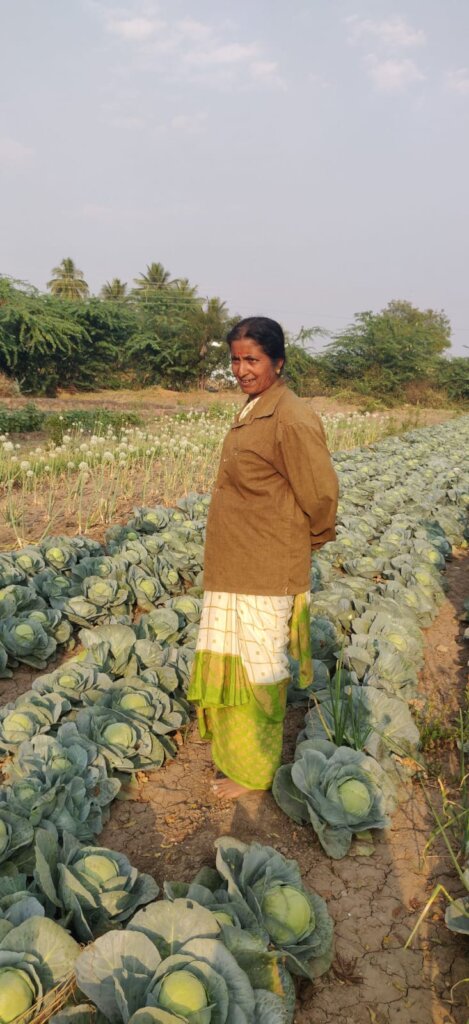
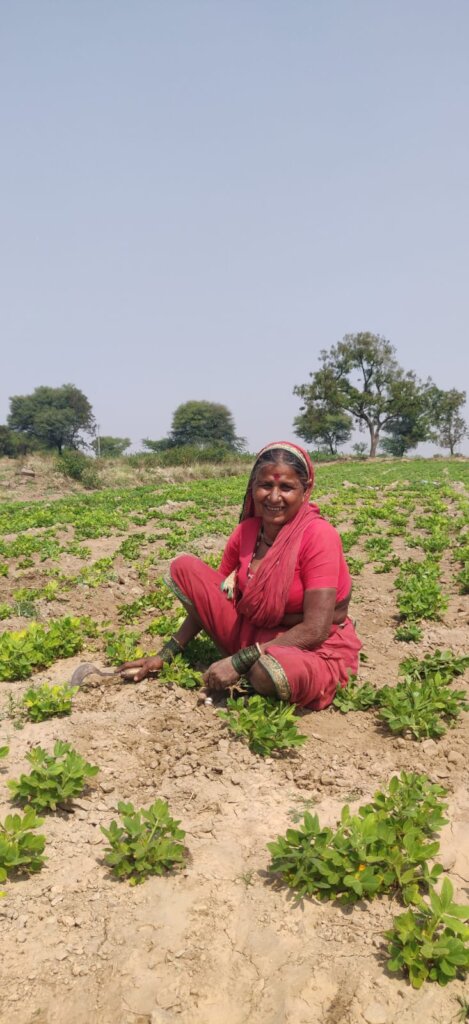
Mann Deshi Foundation is head-quarted in Mhaswad which is a drought-prone region. The region is predominantly agrarian with many farming households. The erratic climatic conditions of unexpected rainfall and increasing temperatures in summers directly impacts the livelihoods of farmers in the community. The Rural Sustainability and Afforestation Project aims to address this challenge being faced by farmers. By providing farmers with training on Miyawaki Forests and Organic Fertilizers farmers, we are exposing them to the different techniques that exist to improve farming conditions and help build their climate resilience. The Rural Sustainability and Afforestation Project aims firstly, to provide women farmers with capacity building on sustainable farming practices such as making organic fertilizers. This will not only reduce the costs and increase disposable income for farmers but also safeguards their soil and increases climate change adaptation. Secondly, this project will also provide the training to 52 women farmers to create a Miyawaki Forest. The creation of Miyawaki Forests will help regulate summer temperatures, increase percolation of water to the groundwater table and provide a habitat for biodiversity to flourish. Additionally, Miyawaki forests absorb 30% more carbon dioxide than conventional forests. As a part of this project we are also providing soil testing and millet adviosry to farmers in the coming months.
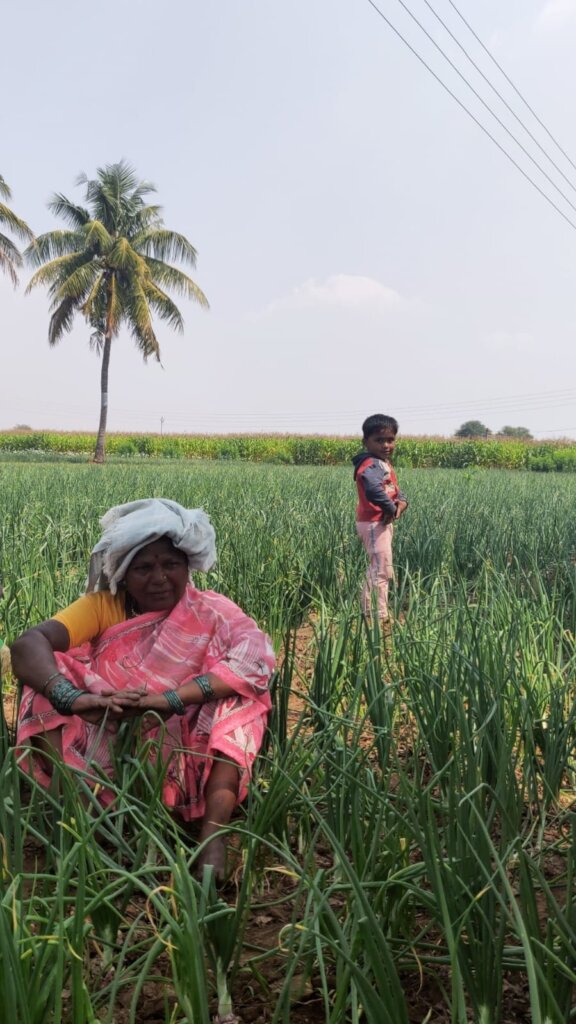
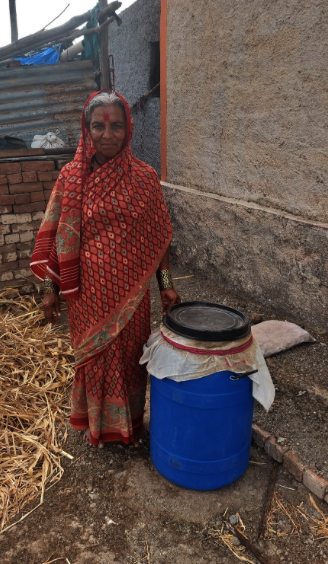
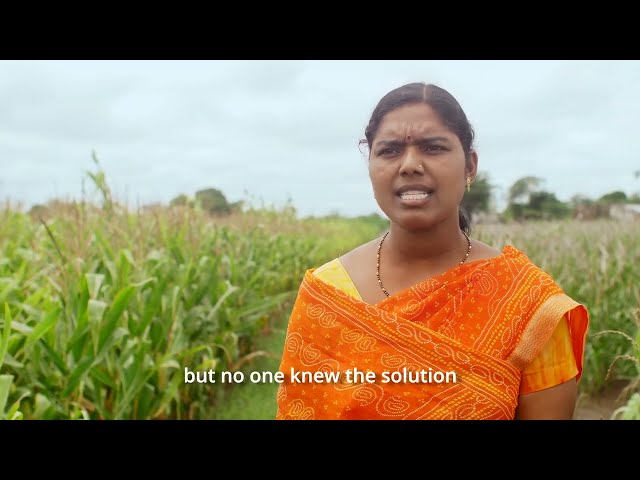
Tai is a woman farmer who attended the Organic Fertiliser training workshop on Jeevamrut during the previous quarter. Jeevamrut is a natural liquid fertilizer. It is made by mixing water, dung (in the form of manure) and urine from cows with some mud from the same area as the manure will be applied in later. Food is then added to speed the growth of soil microbes. When we visited Tai’s village this quarter to conduct the next round of workshops, she approached one of our team members and said while pointing out to her barrel, ‘Look, I have made what you taught me during the last workshop’. She was very happy and proud to show us her new learnings and hardwork. When our team member asked her what have you made, she started to explain the entire process of creating jeevamrut. She also added that she has made Jeevamrut and plans to utilize it in her field where she is growing fodder for her cattle. She wants to provide good quality fodder to her
Project reports on GlobalGiving are posted directly to globalgiving.org by Project Leaders as they are completed, generally every 3-4 months. To protect the integrity of these documents, GlobalGiving does not alter them; therefore you may find some language or formatting issues.
If you donate to this project or have donated to this project, you can receive an email when this project posts a report. You can also subscribe for reports without donating.



Support this important cause by creating a personalized fundraising page.
Start a Fundraiser