By Jess Foster | Development Writer
World Central Kitchen (WCK) is first to the frontlines providing meals in response to climate, humanitarian, and community crises. We launched the Climate & Natural Disaster Fund in November 2021, as our decade-long commitment to raise and spend $1 billion to support communities impacted by the natural disasters and the climate crisis. While there are always unknowns for a disaster relief organization—such as when, where, or how many crises will occur—these flexible resources allow us to respond around the world with the urgency of now rather than having to wait for disaster-specific funding.
The past few months have been a true test for our teams, who have responded to everything from wildfires in Europe to floods in Nepal, from earthquakes in Venezuela to a prolonged power outage in Indiana. Natural disasters don’t have a pre-determined schedule, and neither do we. Thanks to the C&NDF, and with your ongoing support, we are able to stay prepared, preposition whenever possible, and engage with local partners to start serving meals immediately. Since June of this year we have responded to 17 natural disasters in 8 countries, serving almost 3.5 million meals to communities in need.
We are pleased to share highlights from a few of these responses below, and we hope you share our pride in what we have accomplished:
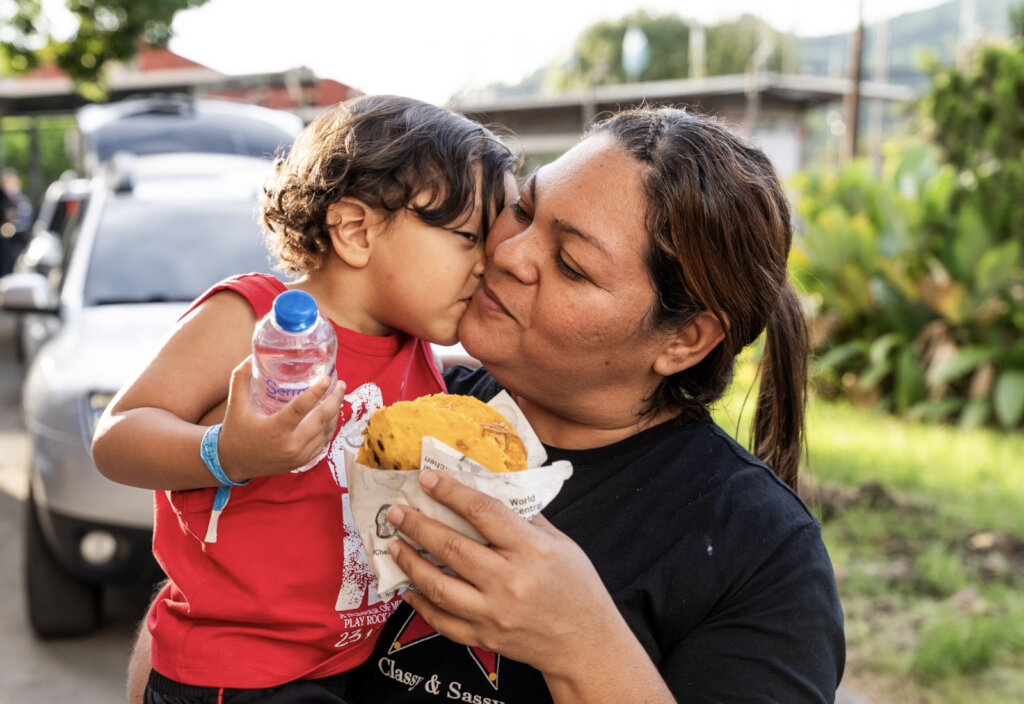
Earthquakes in Venezuela:On June 24, two powerful earthquakes struck Venezuela just 39 seconds apart, registering 7.2 and 7.5 magnitude. The quakes collapsed buildings in the capital of Caracas and in coastal communities in La Guaira, sending shockwaves across multiple states and forcing residents to evacuate into the streets in search of safety.
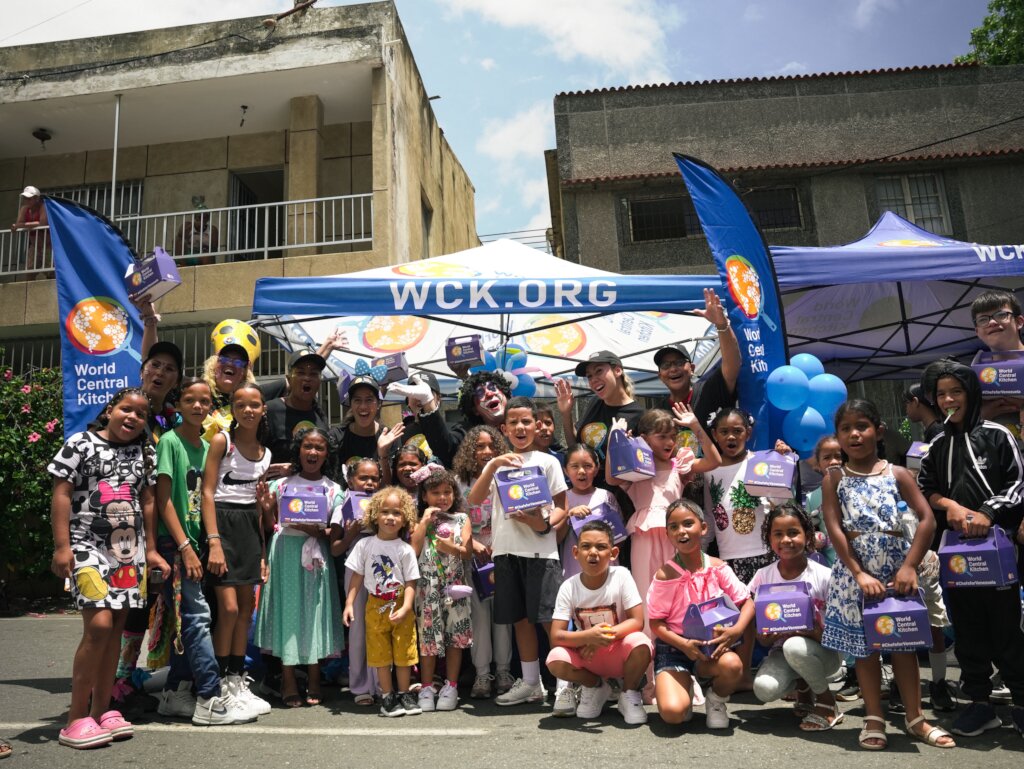
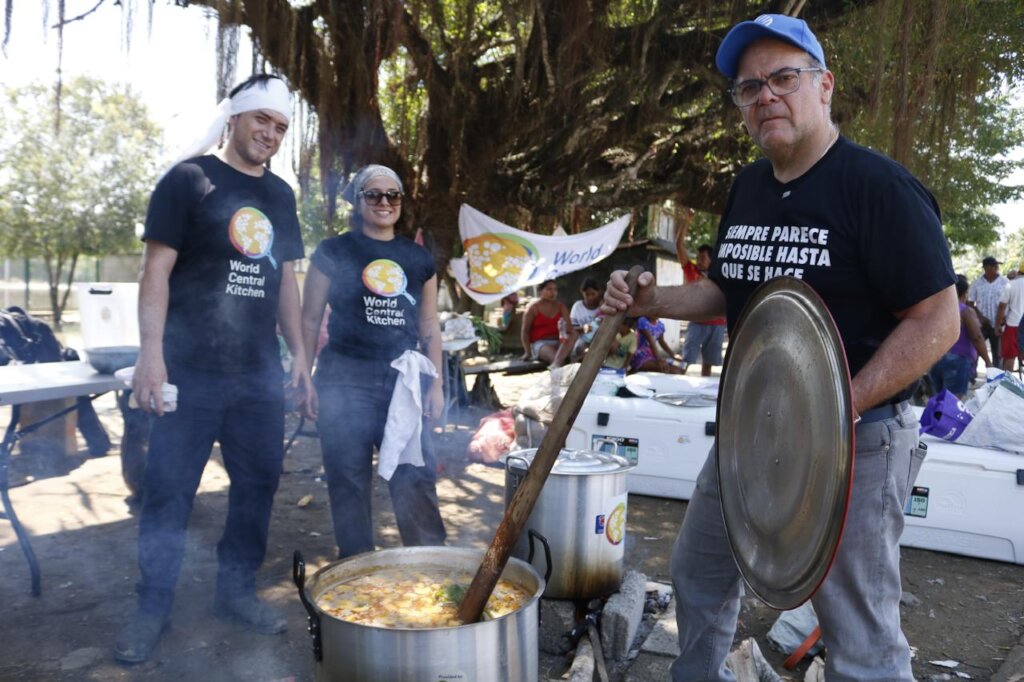
Within 24 hours of the earthquakes, WCK had activated our long-standing network of local restaurant partners, suppliers, volunteers, and community organizations in Venezuela, built and maintained through our past responses to Hurricane Beryl in 2024 and Hurricane Julia in 2022. As search and rescue efforts got underway, WCK prioritized putting comforting meals and snacks into the hands of the helpers—the first responders, healthcare workers, recovery crews, and volunteers. Providing water and ice was also essential, as the summer heat took its toll on first responders and families living in shelters.
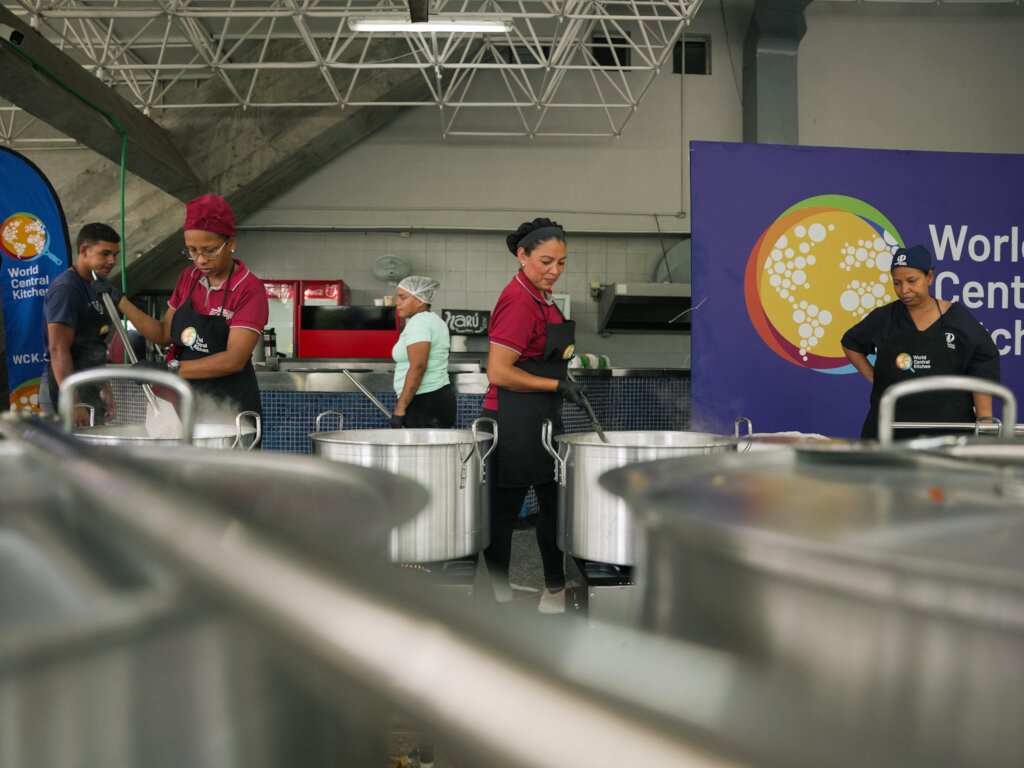
By July 1st, our teams on the ground had built out an operational headquarters in hard-hit Naiguatá, complete with a Field Kitchen, warehouse space, and housing for staff. This kitchen increased our cooking capacity by over 30,000 meals per day, and brought operations closer to the communities that needed hot food the most. The facility was operated by 100+ local staff and volunteers from chefs to delivery drivers to dishwashers, ensuring that from top to bottom, our response was led by Venezuelans, for Venezuelans. Over the course of 68 days, WCK served over 1.7 million meals and 1 million liters of clean water in Venezuela.
Wildfires in Europe: This summer, WCK responded to a wave of wildfires that broke out across Spain and southern France, forcing thousands of families from their homes and testing communities already strained by an increasingly volatile fire season.
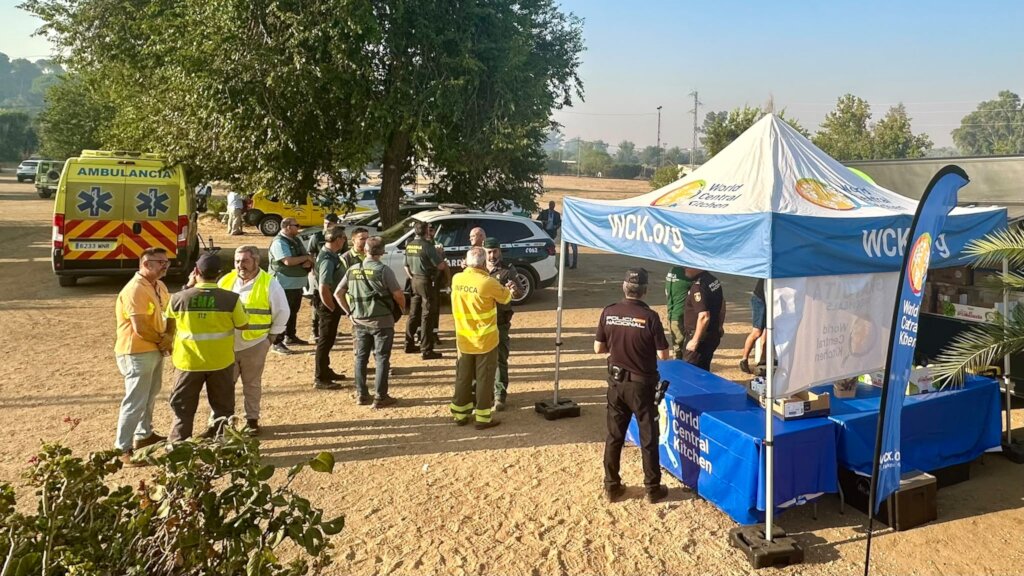
In Spain, wildfires tore through the Ávila region, an area WCK also served in 2025, in what local authorities call the worst fire the region has seen in half a century. The Burgohondo fire forced families and first responders to evacuate, and WCK teams mobilized quickly, drawing on a standing network of local restaurant partners to serve hot meals to displaced residents and emergency personnel. As the fire season intensified, WCK expanded operations into Castellón, Salamanca, and Zamora to reach communities facing rising need, even as families in Ávila and Madrid began returning home.
At the same time, wildfires broke out in France's Gironde region, displacing more than 220,000 people and disrupting roadways across an area four times the size of Paris. Shifting winds complicated containment efforts and pushed more communities under evacuation orders. WCK teams mobilized alongside partners already active in Spain, working with local restaurants to serve families and first responders cut off from reliable food access. In total, WCK served over 62,000 meals in Spain and 9,000 meals in France to families and first responders affected by the wildfires.
Earthquake in Colombia:On August 10, a magnitude 7.4 earthquake struck the Pacific coast of western Colombia, with an epicenter near San José del Palmar in the department of Chocó. The earthquake caused significant damage to infrastructure, roadways, and power lines, with major impacts felt in over 350 municipalities.
Despite the widespread destruction, WCK teams were able to distribute the first hot meals just five hours later. Given the immense scale and geographic spread of the disaster, WCK built our response around restaurant partnerships rather than a single centralized kitchen. This approach let our teams reach both urban centers and harder-to-reach rural communities quickly, meeting families where they are instead of asking them to travel to one distribution point. WCK, working with 70+ local restaurants and food suppliers, served more than 1 million meals.
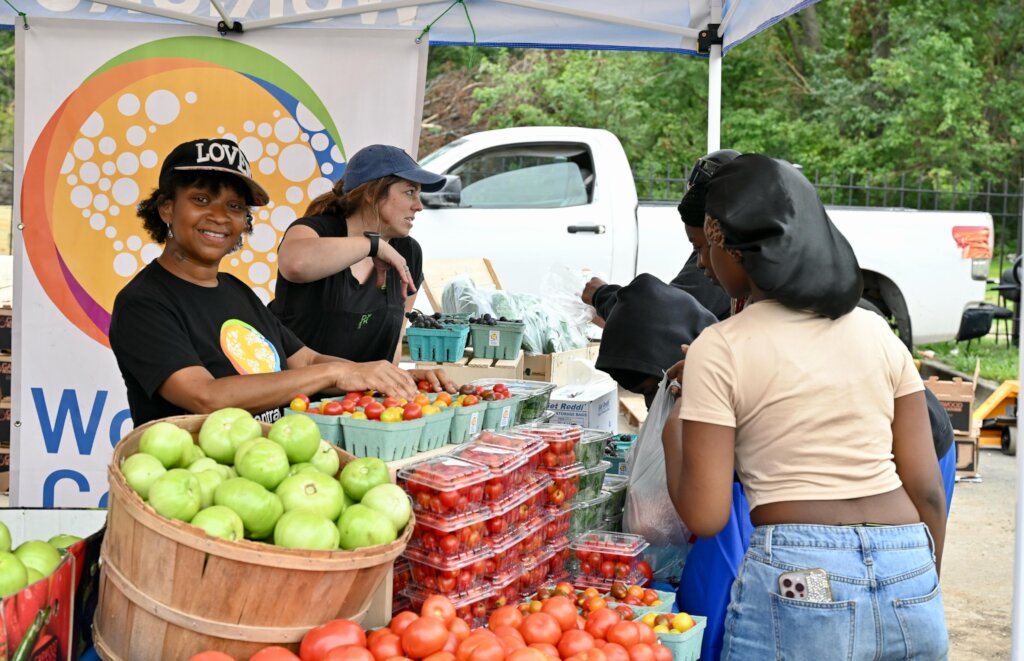
Power Outages in Gary, Indiana: In response to a powerful storm that struck Gary, Indiana, on August 11 and left thousands of residents without power for weeks, WCK mobilized to serve fresh, nourishing meals to families, seniors, and other residents facing mobility and access challenges.
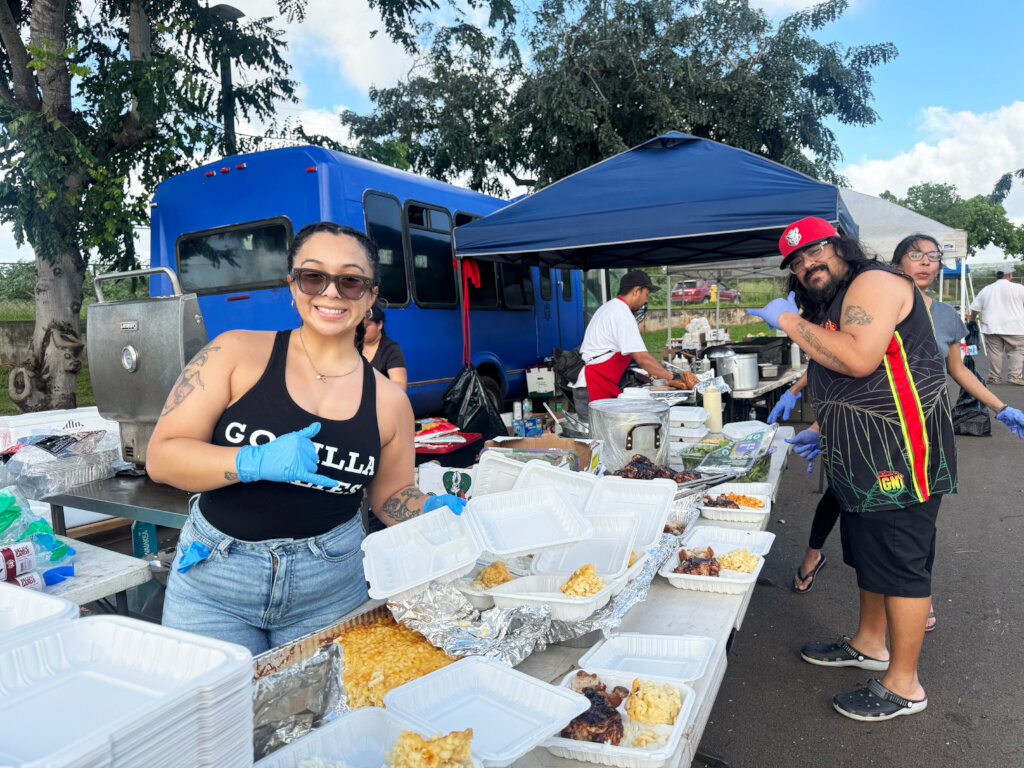
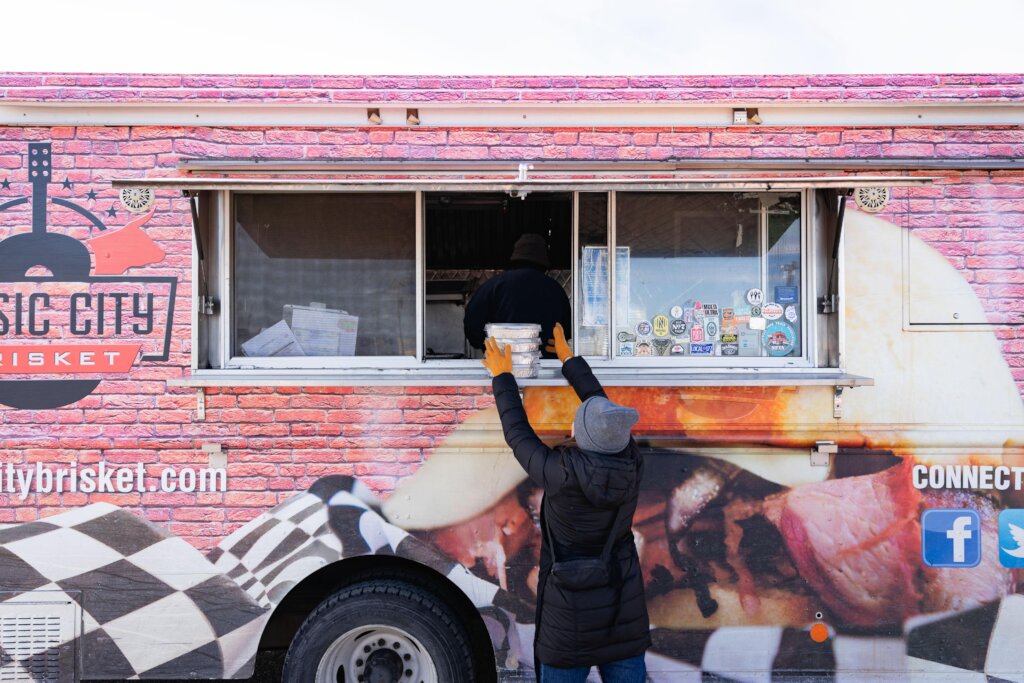
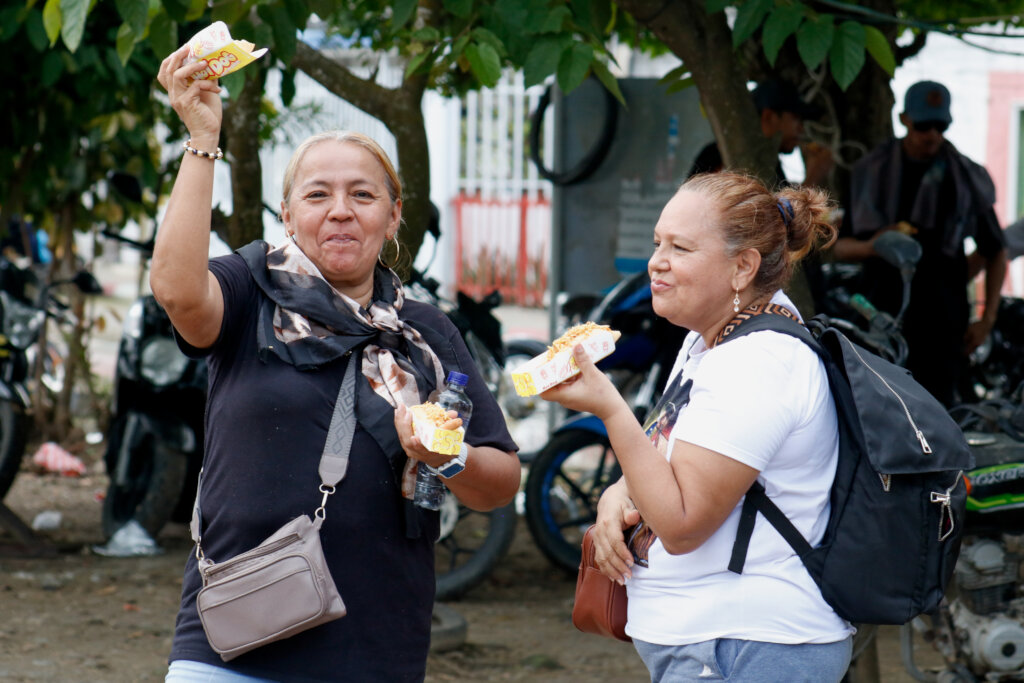
WCK worked with 30 local restaurant and food truck partners, sourcing food from Gary, East Chicago, and surrounding communities, and served meals at locations including housing complexes where many residents could not easily travel for support. Alongside hot meals, the team distributed water to families coping with spoiled food and limited refrigeration. As power was restored, WCK In total, WCK served more than 72,500 meals, bringing comfort and hope to the Gary community.
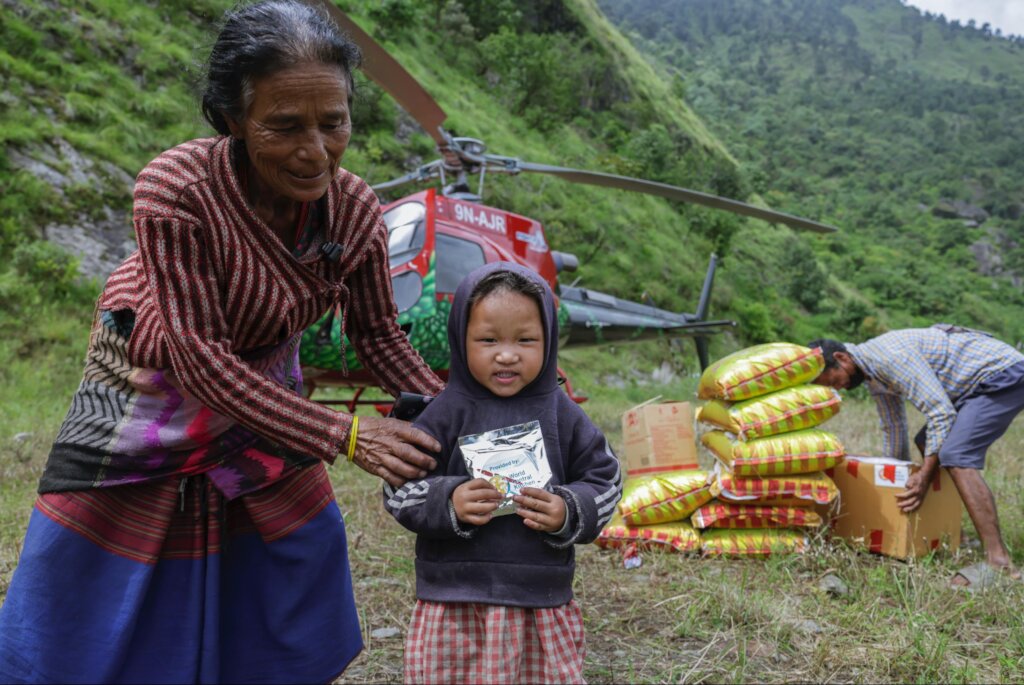
Nepal Flooding: On August 26, a glacier collapsed on the Nepal-China border, sending a catastrophic debris flow more than 60 miles downstream along the Trishuli River, wiping out bridges, roads, and settlements across a vast stretch of northern Nepal. Communities were completely cut off, reachable only by helicopter or on foot.
WCK mobilized immediately, to gain access and begin offering a little hope and comfort through a meal. Since day one, our response has continued to adapt to the needs of the hardest-hit communities. Our network of kitchens has switched from primarily serving hot meals and sandwiches to preparing large food kits—packed with fruits, vegetables, and shelf-stable ingredients—so that families can begin to cook for themselves again as the rubble is cleared and people return to their homes. As the short-term emergency response begins to wind down, activities at all 13 active WCK community kitchens will transfer to local, trusted NGOs, while WCK continues to provide financial support towards bulk food purchases and contractor wages. To date, we have served over 600,000 meals and counting to help support communities affected by the flooding.
Links:
By Jess Foster | Development Writer, Donor Relations
By Evan Cameron | Associate, Development Writing
Project reports on GlobalGiving are posted directly to globalgiving.org by Project Leaders as they are completed, generally every 3-4 months. To protect the integrity of these documents, GlobalGiving does not alter them; therefore you may find some language or formatting issues.
If you donate to this project or have donated to this project, you can receive an email when this project posts a report. You can also subscribe for reports without donating.



Support this important cause by creating a personalized fundraising page.
Start a Fundraiser