By Donaldo Zuniga | Manager of Operations and Project Leader
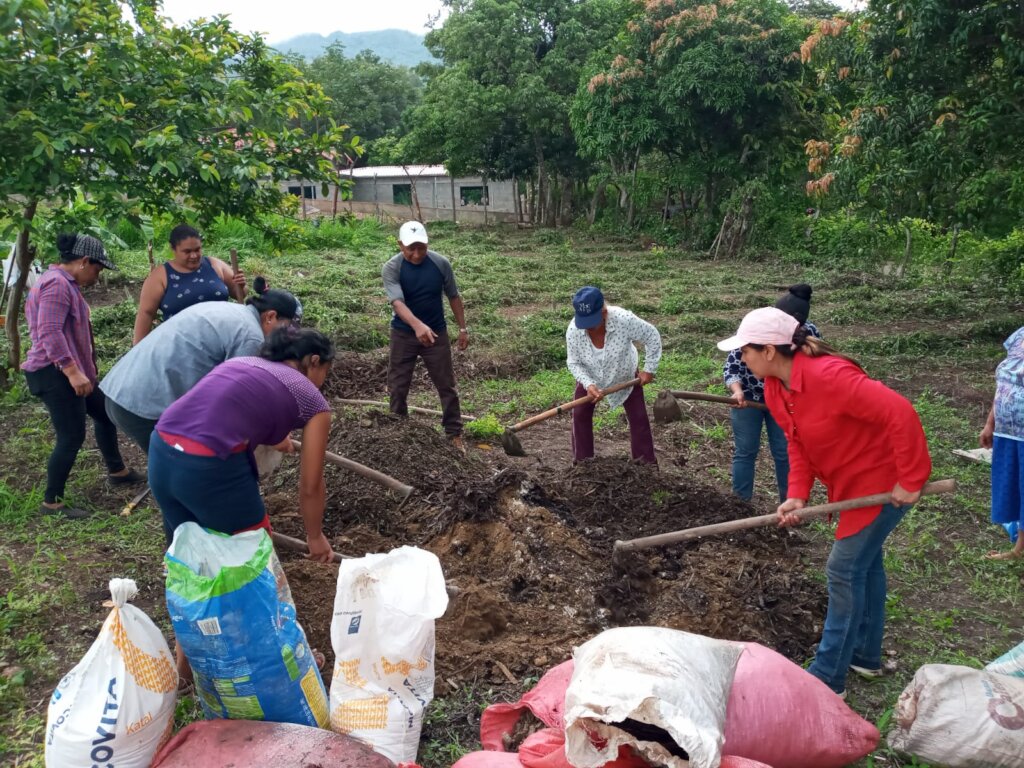
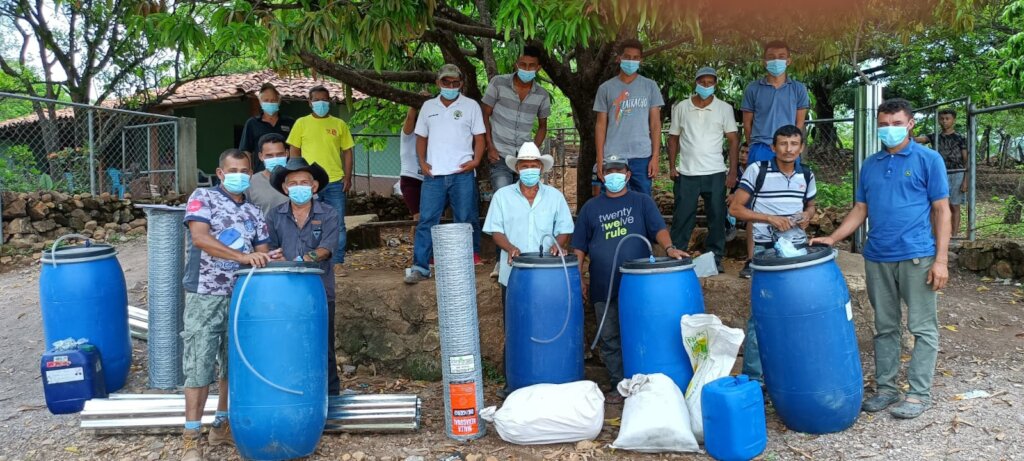
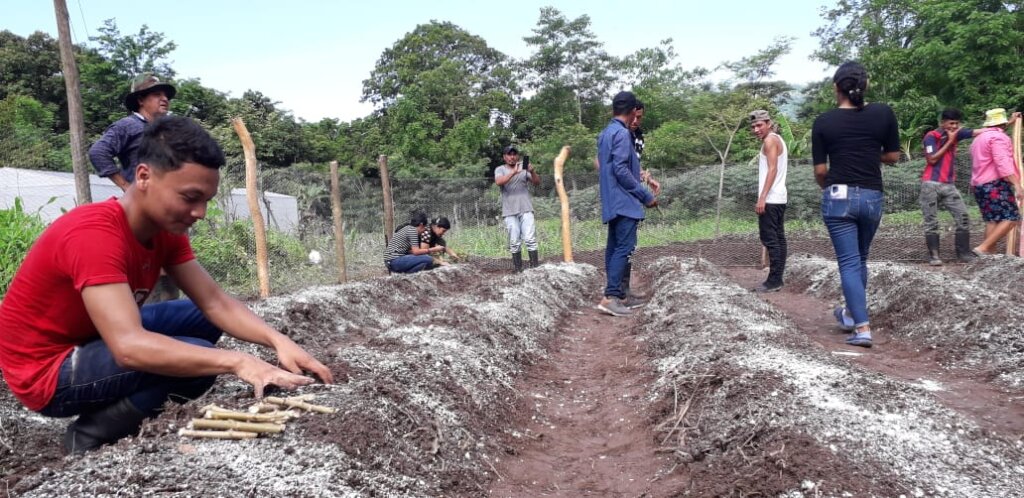
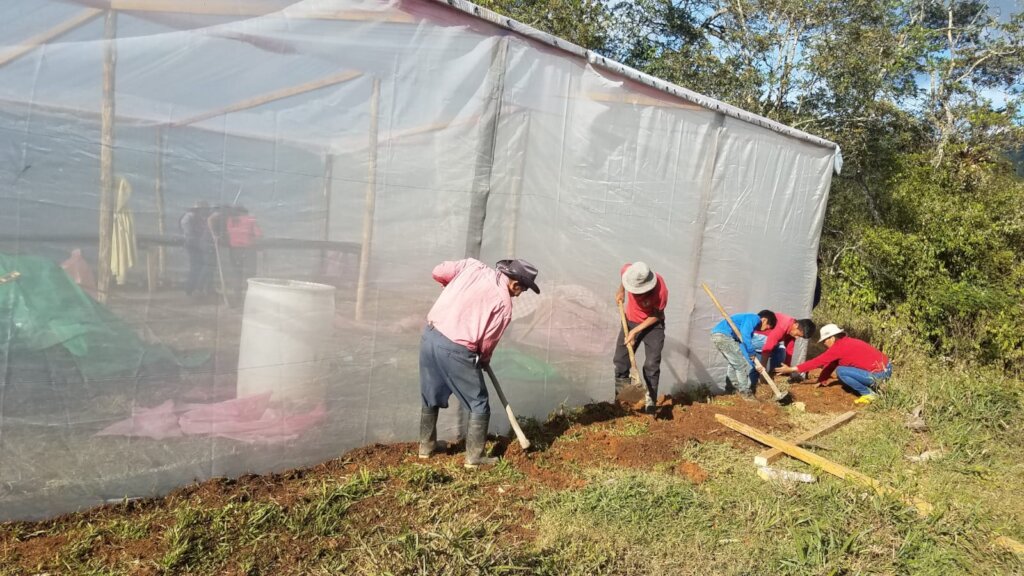
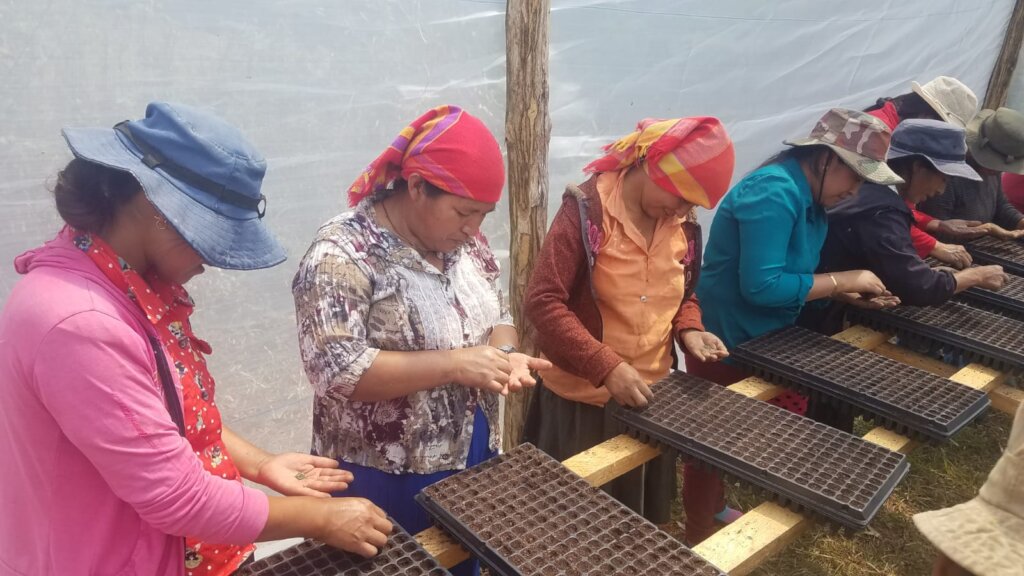
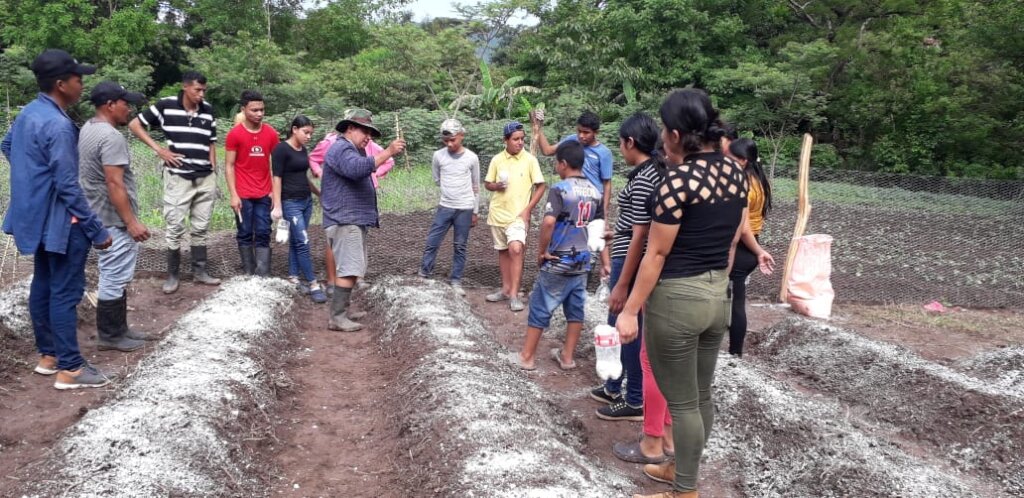
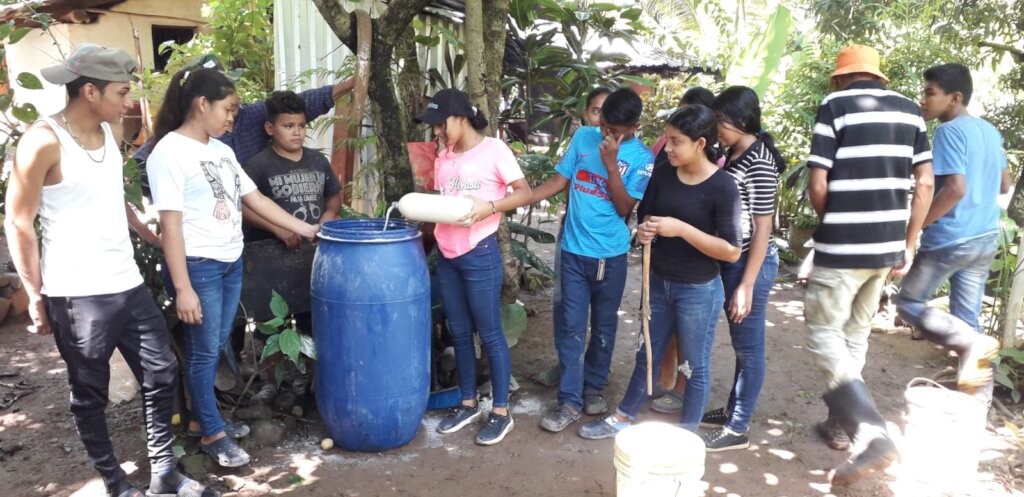
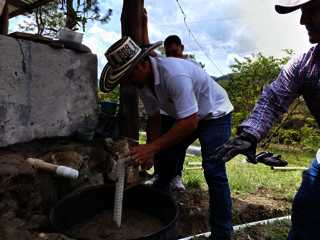
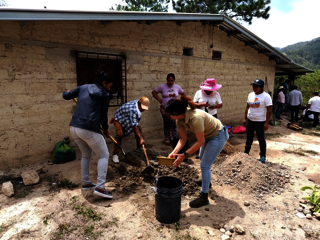
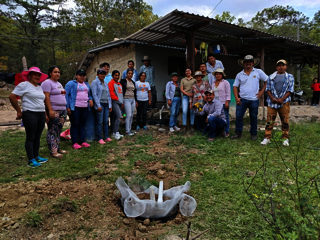
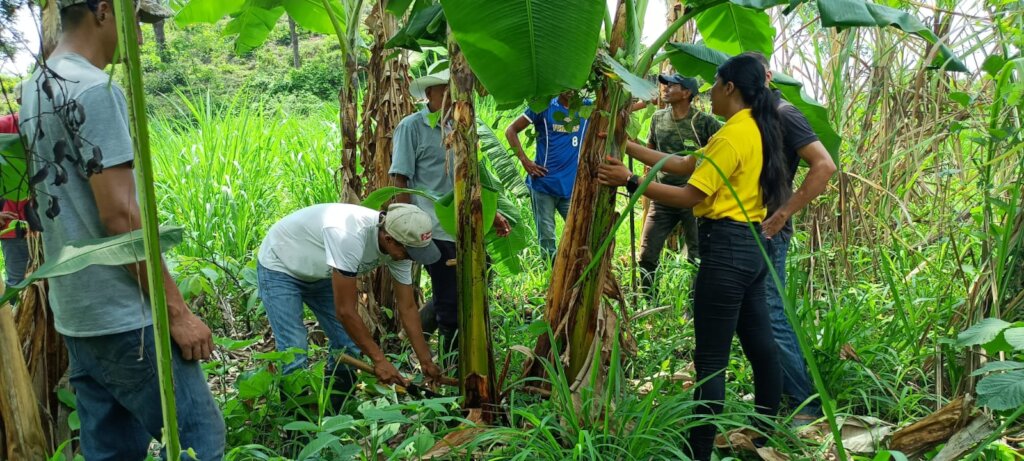
As temperatures rise and water becomes scarce, the COMAL network trained rural and indigenous families in the use of grey water filters. 35 producers who are members of the COMAL Network participated, including 29 women in the communities of La Estanzuela and El Pelón, Marcala, La Paz, participated in the training. Additionally, six field technicians participated and will reproduce the techniques with communities of La Paz, Intibucá and Lempira.
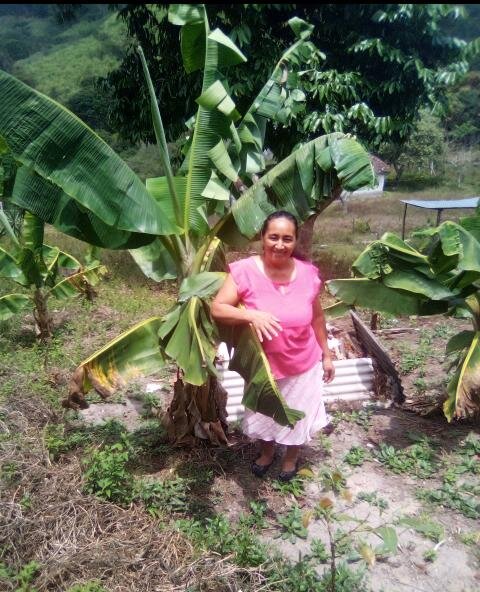
Why this training? The scarcity of water in the communities of the dry corridor impedes the irrigation of family gardens and other backyard crops. However, with this technology, families can filter the water they use in showers, in kitchen tasks and to wash clothes and other household utensils. This filtered water can be used to irrigate crops near the house. In addition, filtering the water reduces the pollution of the vicinity since grey water is normally discharged into rivers and streams.
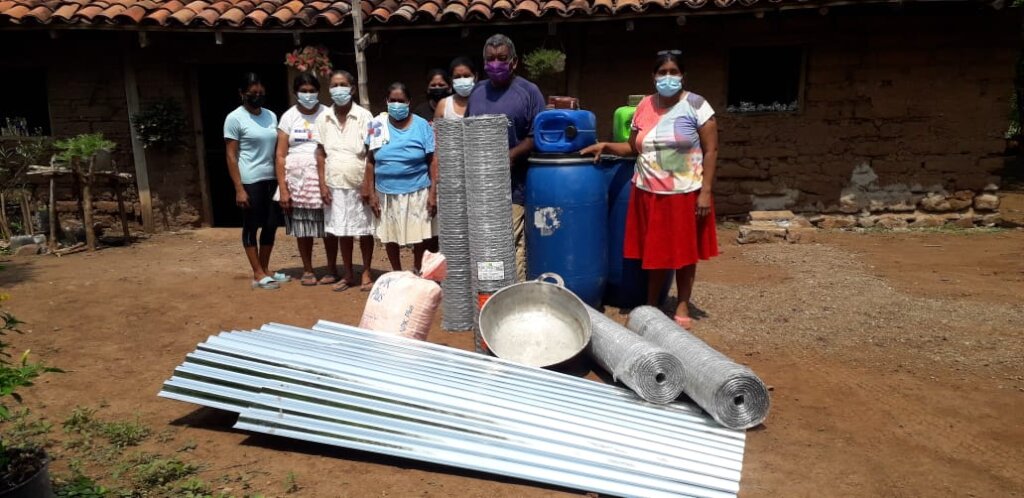
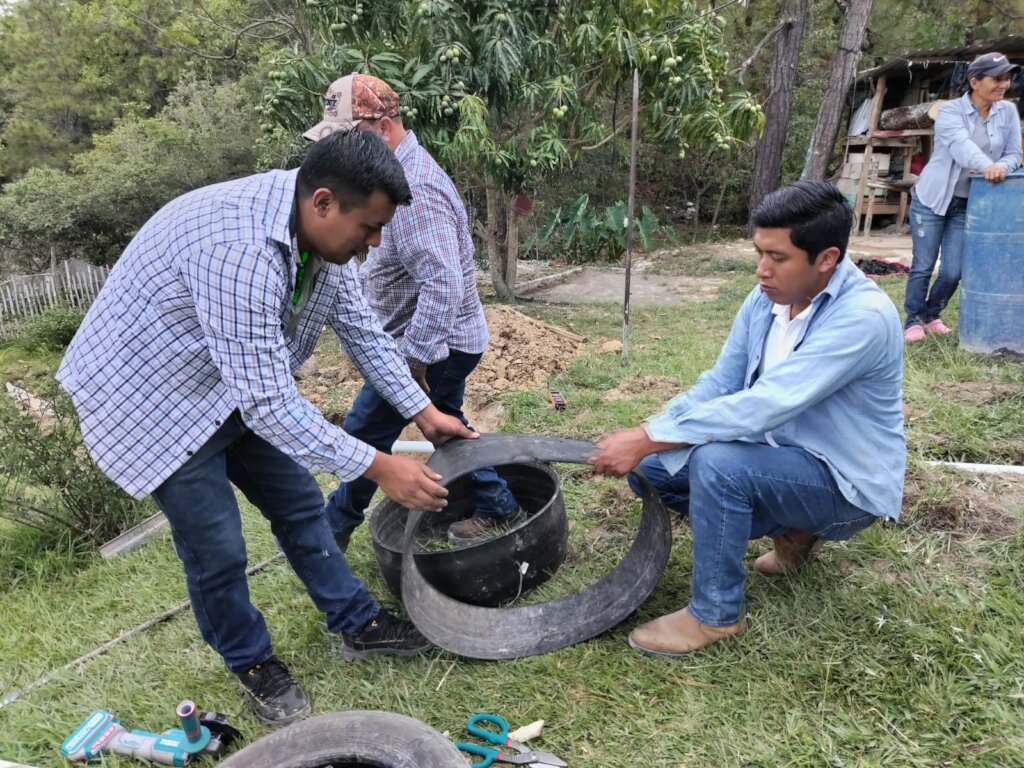
The filter is a low-cost technology that is easily adopted by producers. It is very useful since it separates the soapy and oily particles that result from washing dishes and clothes. This filter system has three parts: 1. A separator where the water from the basin falls. 2. A tire filter that uses gravel, sand, and charcoal to remove waste from water. 3. A well or barrel that stores the filtered water. A grey water filer uses four recycled vehicle tires, 1 1/2 bags of cement, a yard of screen mesh, a yard of sieve mesh, 30 pounds of coal, 1 set of 1 1/2" PVC tape, 1/2" PVC elbows, 60 shovels of fine river sand and 30 shovels of gravel. These items are not out of the reach of rural people, making the technology viable. Each producer contributes the used tires, the sand and the gravel necessary to build the filter. The COMAL network provides the rest as part of the technical training. And importantly, the farmers commit to maintenance and use of the grey filter, knowing that they will have water to irrigate their crops and thus produce the food they need.
Project reports on GlobalGiving are posted directly to globalgiving.org by Project Leaders as they are completed, generally every 3-4 months. To protect the integrity of these documents, GlobalGiving does not alter them; therefore you may find some language or formatting issues.
If you donate to this project or have donated to this project, you can receive an email when this project posts a report. You can also subscribe for reports without donating.



Support this important cause by creating a personalized fundraising page.
Start a Fundraiser