By Alison Filler | Development/Program Assistant
Dear Lifeline Supporters,
In addition to the ongoing mobilization of communities through Water User Committees and Community Development Clubs, this summer Lifeline entered new phases of partnership with the German development agency, GIZ, and the United Nations World Food Programme. Through these projects, Lifeline introduced its fuel efficient stove technology to two provinces in Burundi and is now preparing to roll out a comprehensive sanitation program across three town councils in Northern Uganda.
Empowering Community Leadership
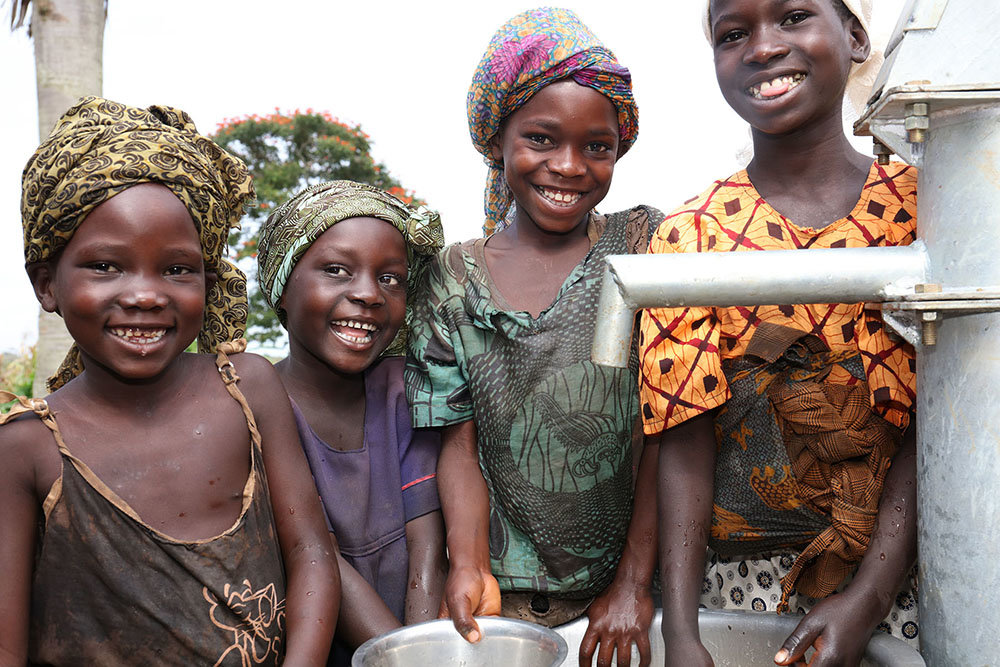
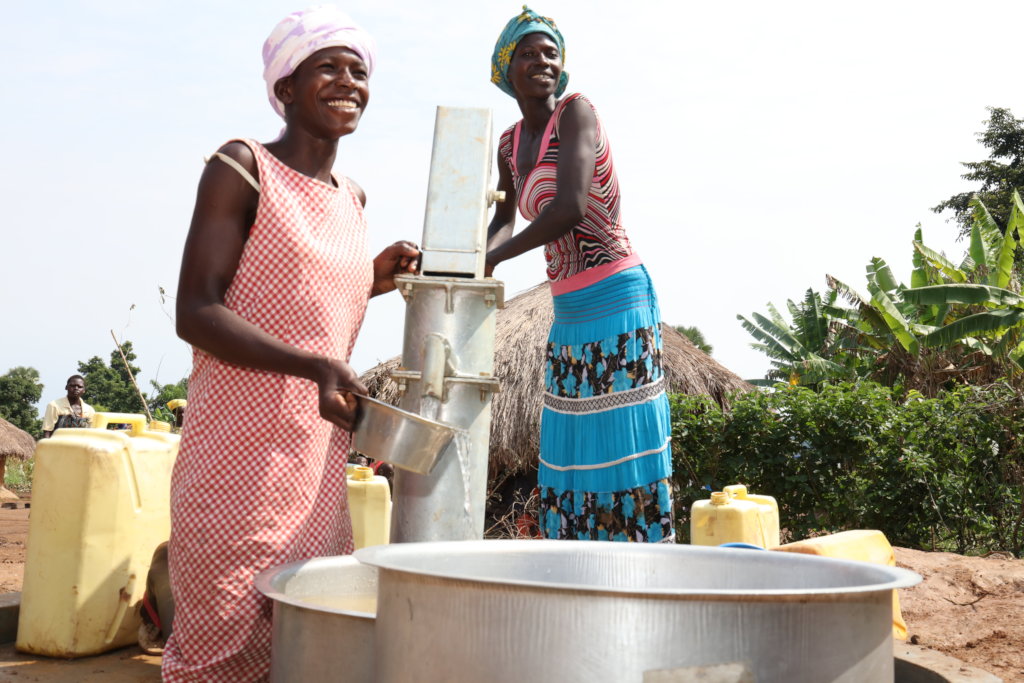
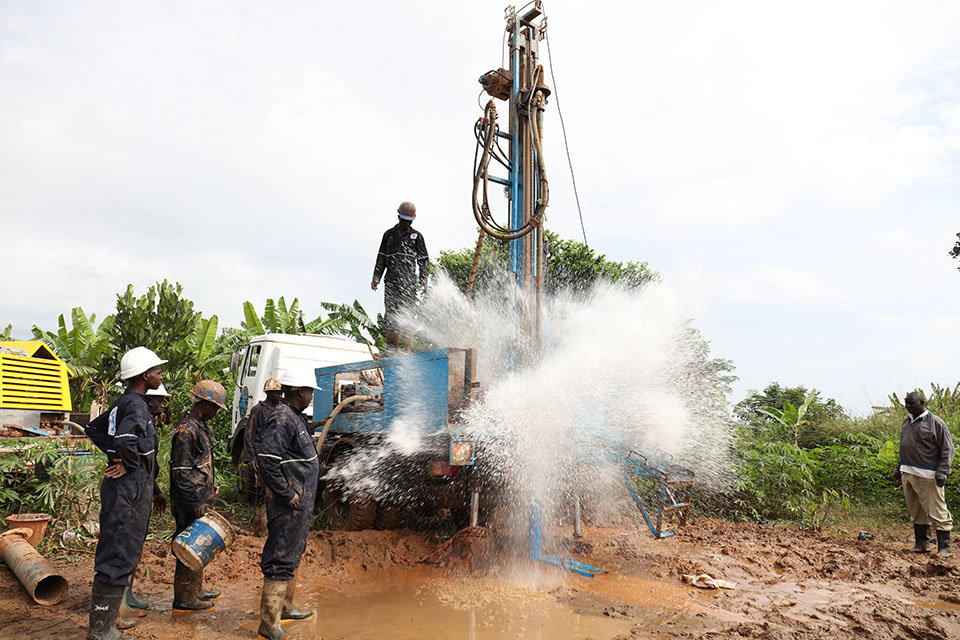
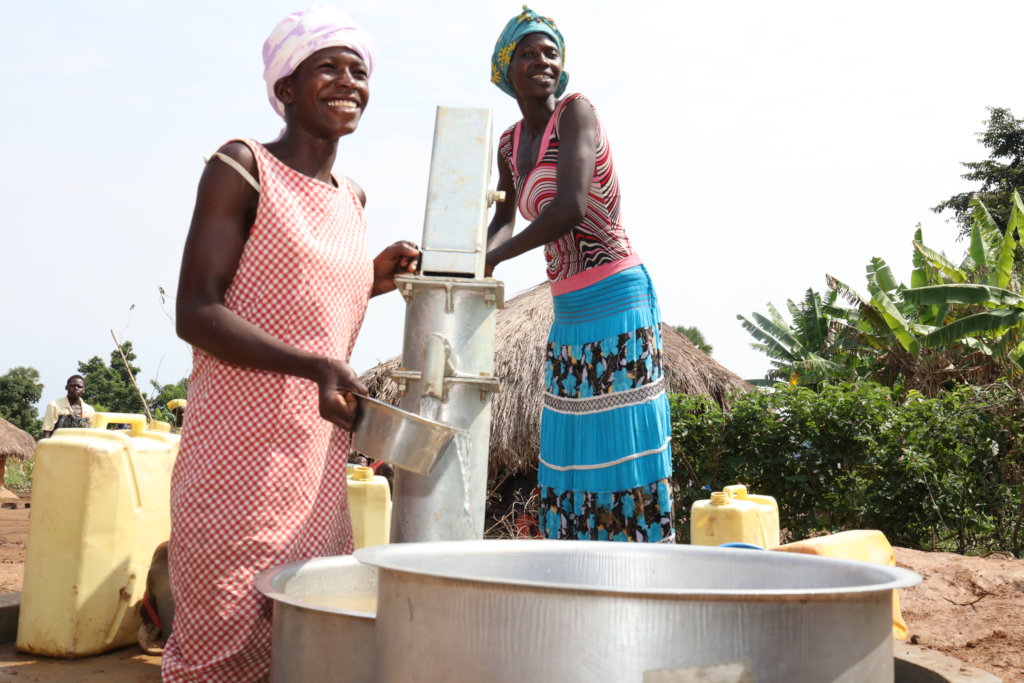
Throughout July, Lifeline completed drilling for 11 new boreholes in the Maruzi and Kwania sub-counties of Apac to bring clean drinking water to 4,570 residents. Each of these villages have also established Community Development Clubs, where local Community Based Facilitators have trained 692 club participants in proper handwashing techniques, household sanitation practices, and the importance of good hygiene as it relates to maintaining the purity of a water point.
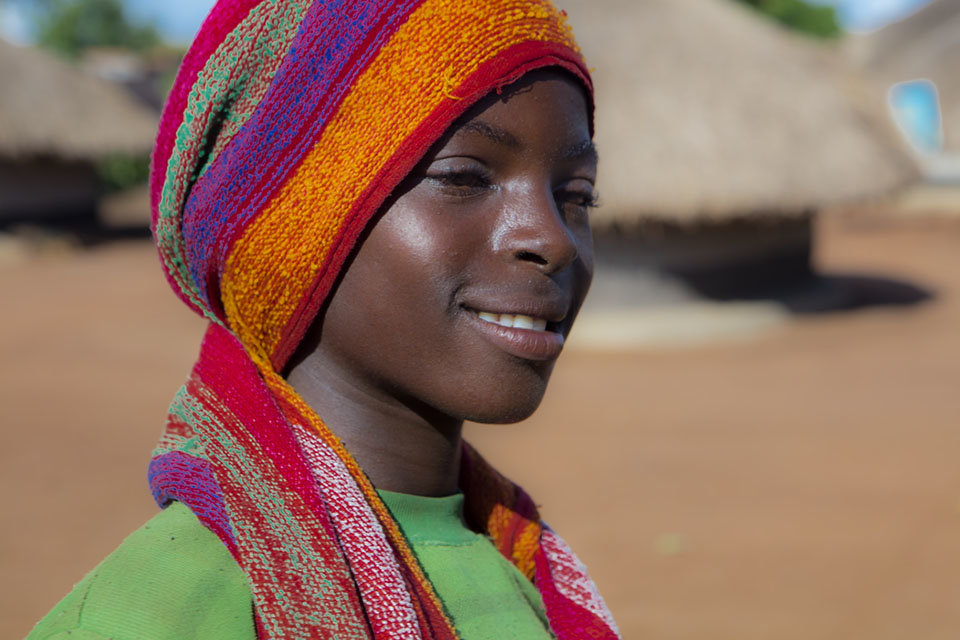
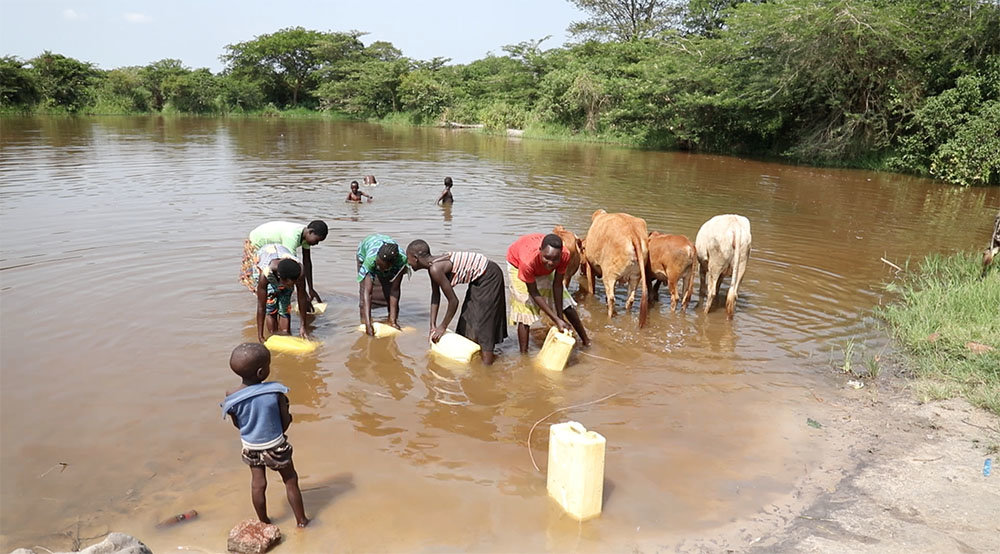
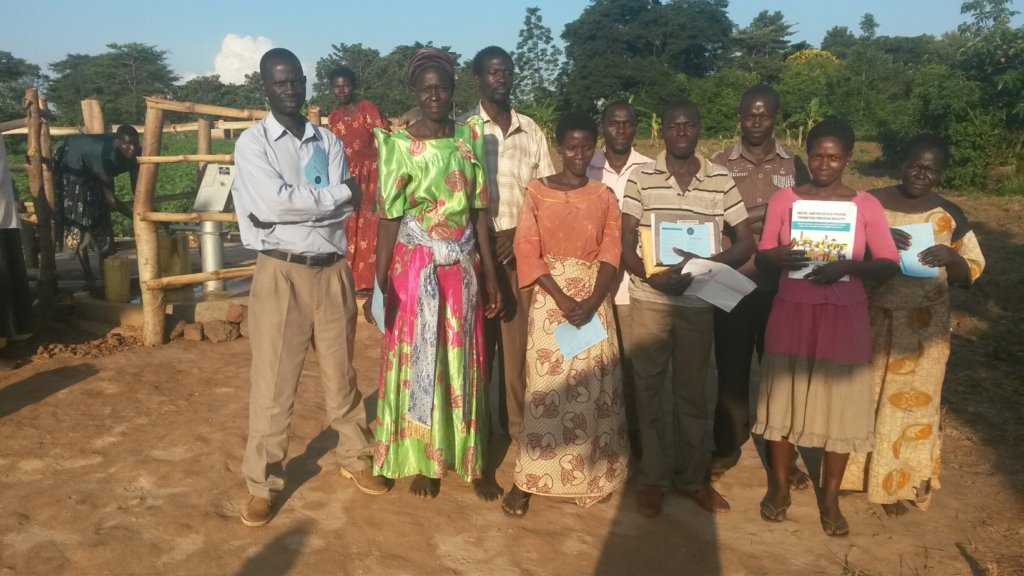
During a visit to the village of Alyeli for a technical inspection of one of these newly drilled boreholes, Lifeline was fortunate to observe a meeting among the local Water User Committee that had recently been trained to oversee the operations and maintenance of the water point. The committee discussed steps for opening a bank account, collecting water user fees, undertaking a project to improve the fence around their borehole, and the possibility of increasing user fees in order to pay a water point caretaker (pictured in green above).
During the borehole assessment that followed, Lifeline’s senior technical consultant was able to instruct the caretaker on aspects of the water point to inspect on a daily basis. As a result, the community created a daily log for the caretaker to continuously monitor the functionality of the water point and promptly report any malfunctions. Lifeline is proud to work with the dedicated residents of Alyeli towards our mutual goal of maintaining sustainable clean water access.
WASH Program – Improving Public Sanitation and Community Health
Having previously worked with GIZ on fuel efficient stove programs, Lifeline is excited to now serve as the implementing partner for GIZ’s premier WASH initiative. Lifeline is organizing an awareness campaign to improve hygiene and sanitation practices across the town councils of Apac, Aduku, and Ibuje. At present, only 35-48% of residents across these town councils employ proper handwashing practices before preparing food. Moreover, inadequate sanitation facilities at local schools and cultural stigmas surrounding menstruation often cause girls to drop out before completing their studies.
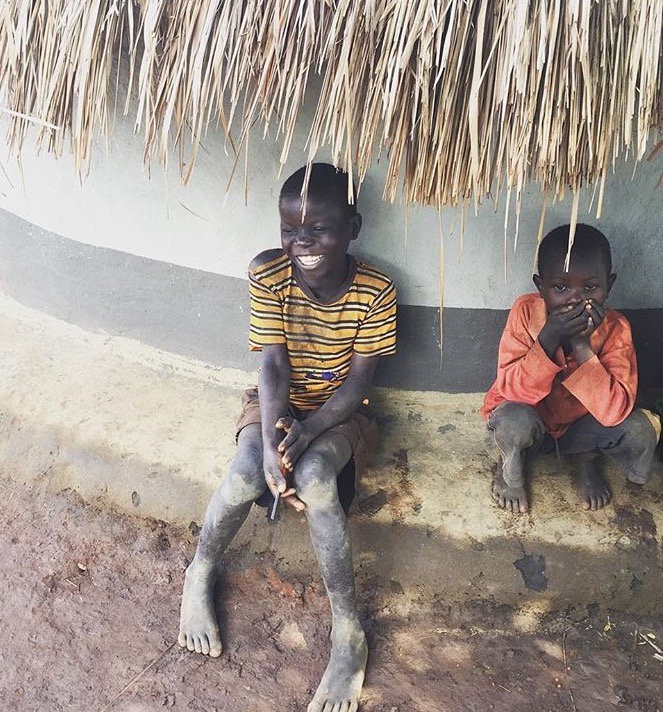
Working directly with students and teachers to establish School Health Clubs, Lifeline is preparing activities to train club participants from 17 primary, secondary, and vocational schools on critical handwashing times and menstrual hygiene management. By instilling the best practices for hygiene and sanitation, Lifeline seeks to decrease the incidence of communicable illness and improve school attendance rates, particularly among adolescent girls.
Within the larger town council communities, Lifeline is strengthening institutional support for improved public sanitation standards by working with local officials from the Apac District government to execute a village sanitation plan. This involves coordination with local business owners, transportation associations, and food vendor associations to improve sanitation practices in village centers and markets. Using visual aids, public service announcement videos, and radio talk shows, Lifeline aims to increase rates of handwashing and proper waste disposal, specifically among local vendors who handle food and currency.
Fuel Efficient Stoves in Burundi
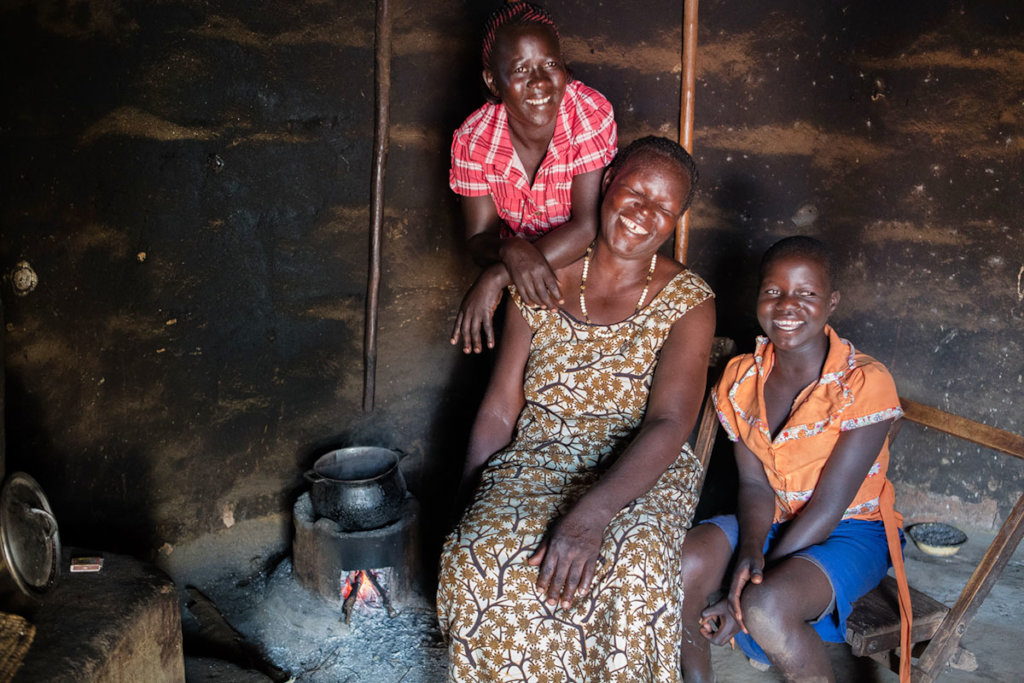
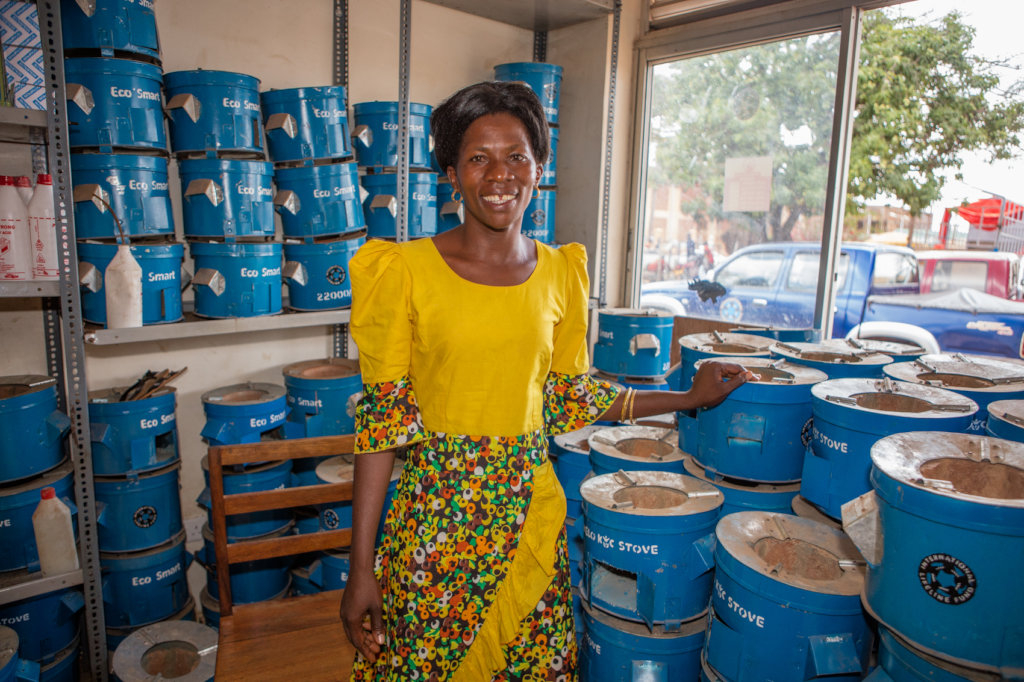
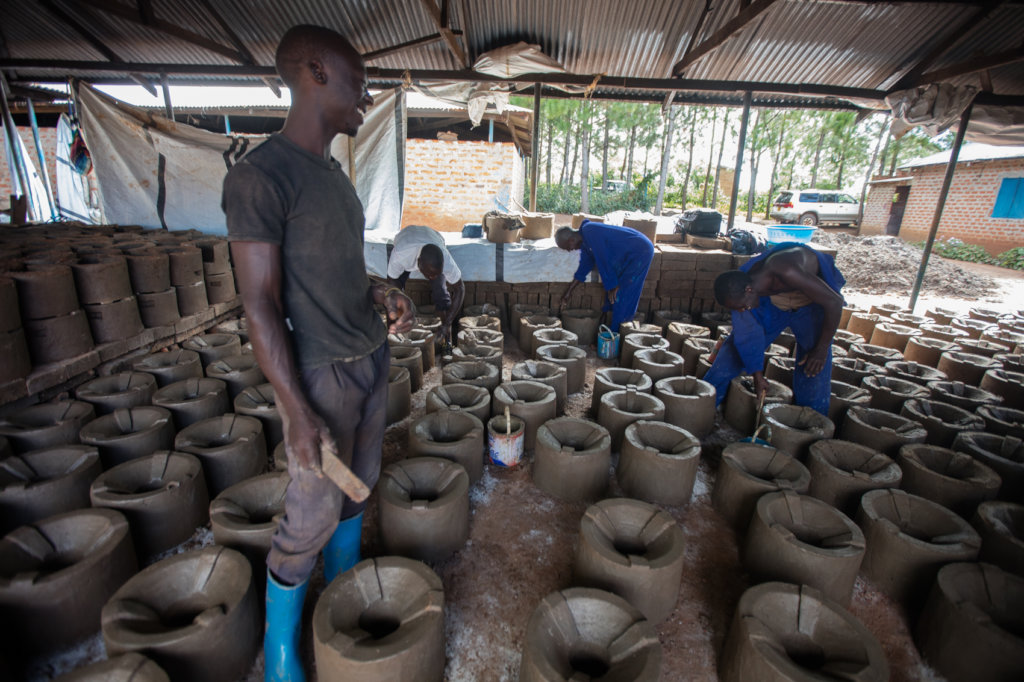
Building on the success of a three-year partnership with the United Nations’ World Food Programme (WFP), Lifeline was invited to provide technical expertise and program support to WFP’s institutional and household stove projects in Burundi. Throughout May, Lifeline worked in the Gitega province to train locals in the construction, testing, and quality assurance of its Rural Wood Stove. This stove offers 29% thermal efficiency and 47% fuel savings compared to a traditional three-stone fire. By requiring half the wood fuel as traditional cooking methods, Lifeline’s Rural Wood Stoves enable the women and girls of Gitega to save time in their weekly fuel collection.
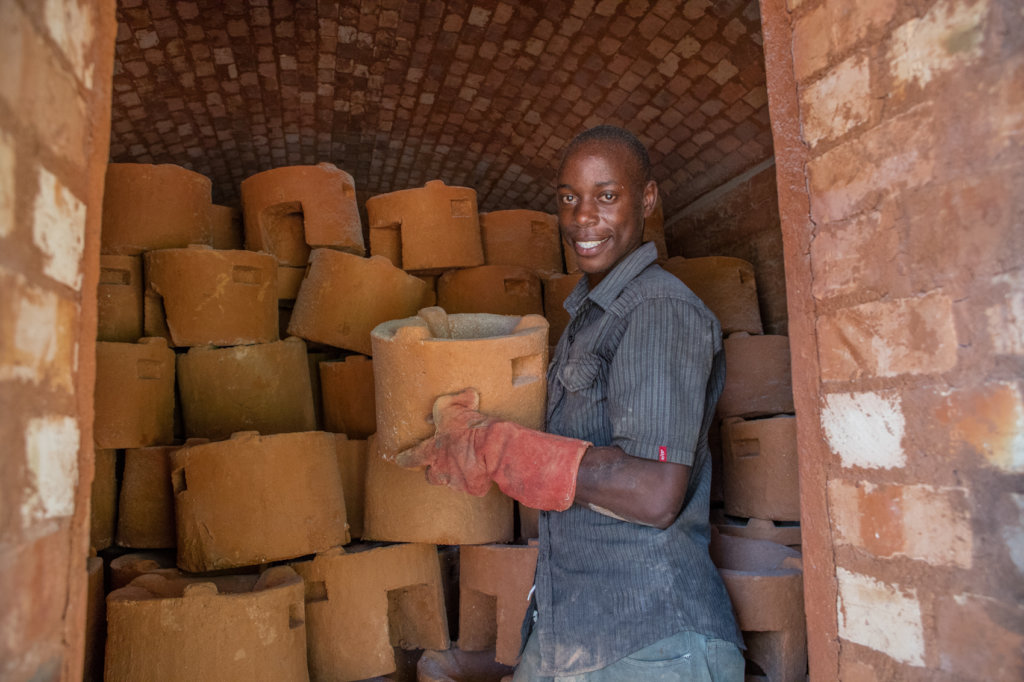
Together with WFP and Burundi Quality Stoves, Lifeline also constructed twenty institutional stoves to serve 5,588 students at four schools across the Cibitoke province. Using bricks, sand, and cement to construct the stoves, rice husk ash was used for insulation to raise temperatures inside the stove. This technical adjustment allows the school cooks to utilize fuel more efficiently and save time in preparing meals for the students.
As always, thank you for supporting Lifeline in our endeavors to empower women, uplift communities, and transform lives.
- The Lifeline Team
Project reports on GlobalGiving are posted directly to globalgiving.org by Project Leaders as they are completed, generally every 3-4 months. To protect the integrity of these documents, GlobalGiving does not alter them; therefore you may find some language or formatting issues.
If you donate to this project or have donated to this project, you can receive an email when this project posts a report. You can also subscribe for reports without donating.