By Alison Filler | Program/Development Assistant
Dear Lifeline Supporters,
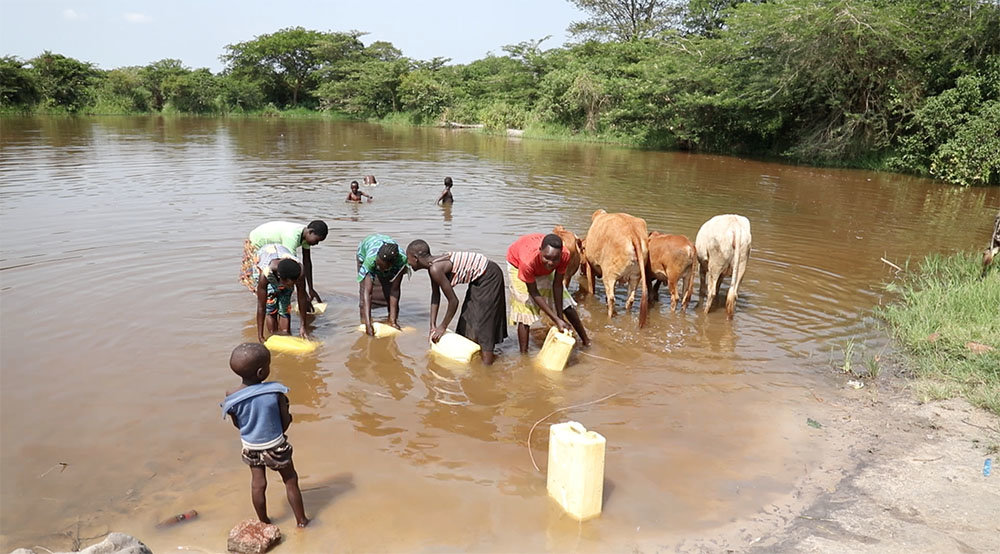
This Spring, Lifeline has made great strides in continuing its mission to increase access to clean water and cooking solutions among rural populations throughout Northern Uganda.
Cultivating Local Agents of Change
Paska Sizzela is a senior sanitation officer with the International Lifeline Fund. Having devoted over a decade of her life to the field of water, sanitation and hygiene, Paska is acutely aware of the problems associated with lack of access to sanitation and lack of knowledge surrounding proper hygienic practices.
Paska notes, “My work with Lifeline has brought me great joy because it has enabled me to witness firsthand how a community-based WASH program can be effective in bringing forth positive behavioral change. I am especially proud of the impact these programs have had on improving the health and livelihoods of women and children, as they are the ones who suffer the most from contaminated water and inadequate sanitation. For me, it has been incredibly fulfilling to be an agent of change who has been able to help empower women and, in doing so, strengthen their families and uplift their communities.
WASH Program - Clear Water Iniatives
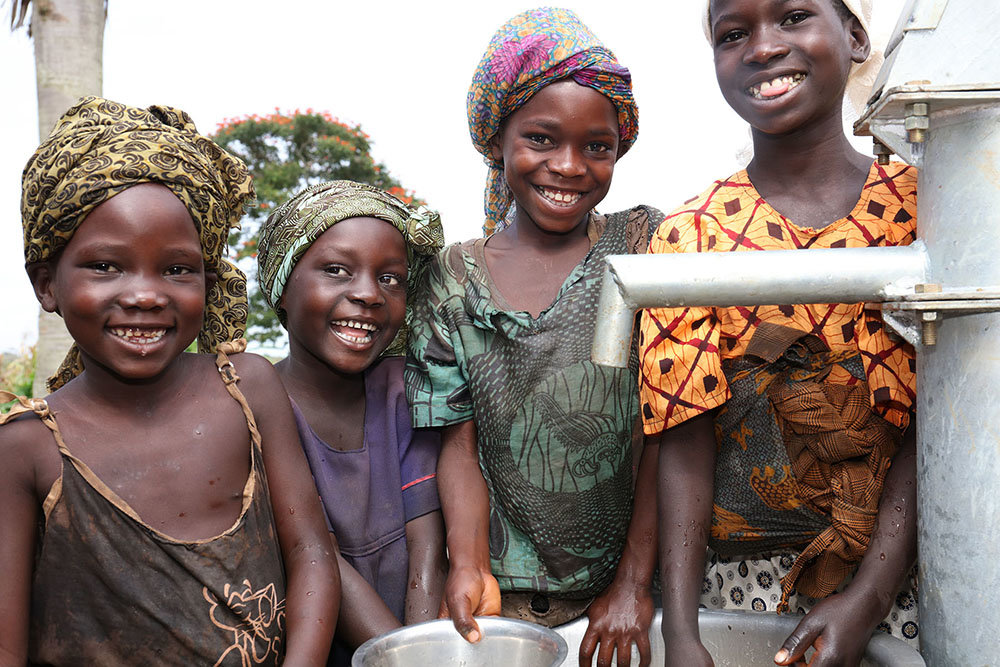
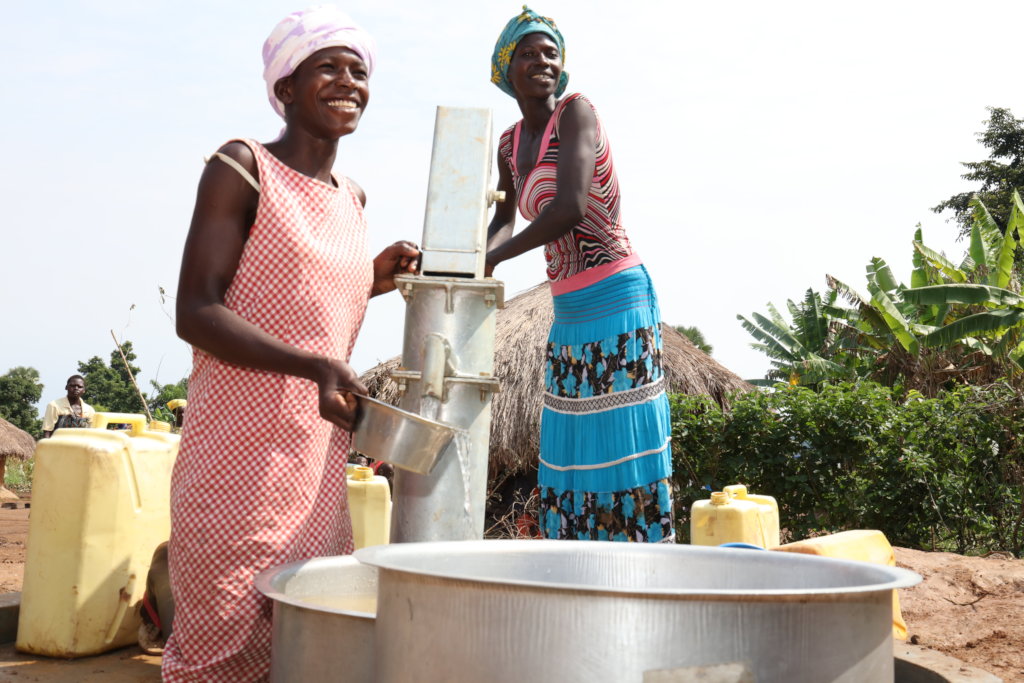
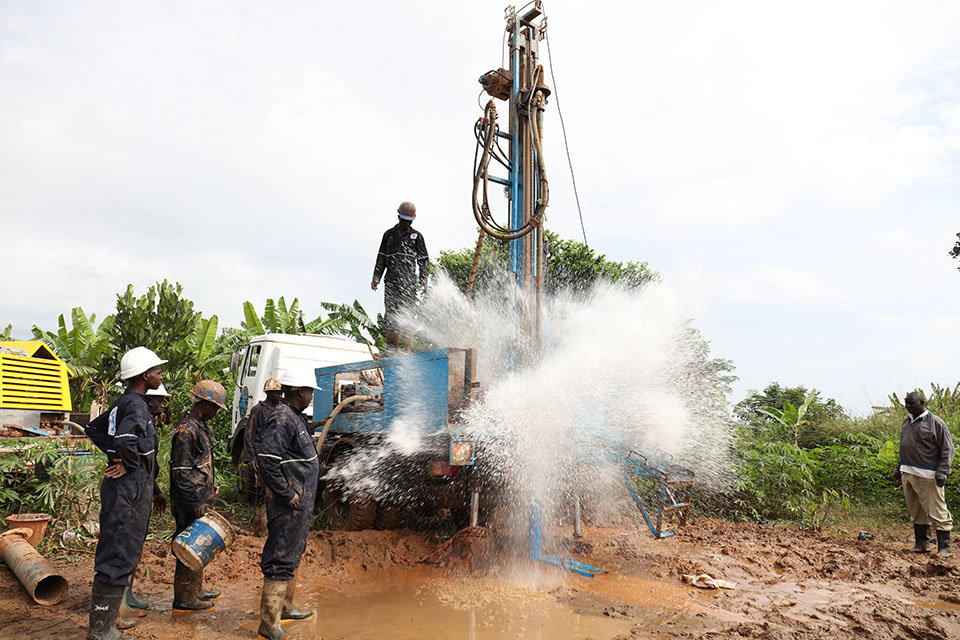
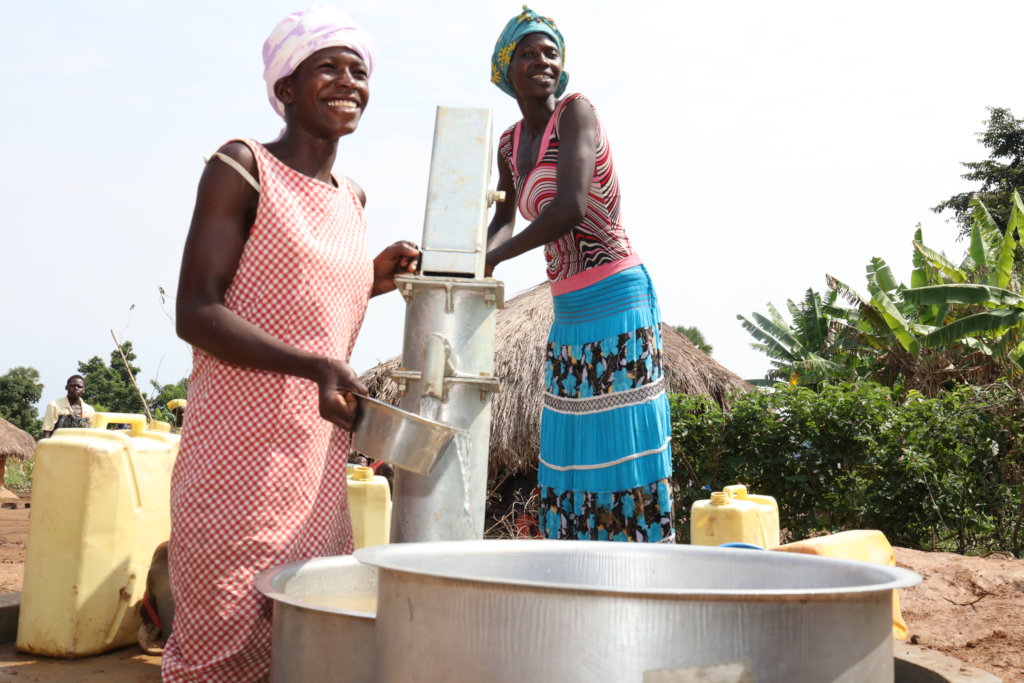
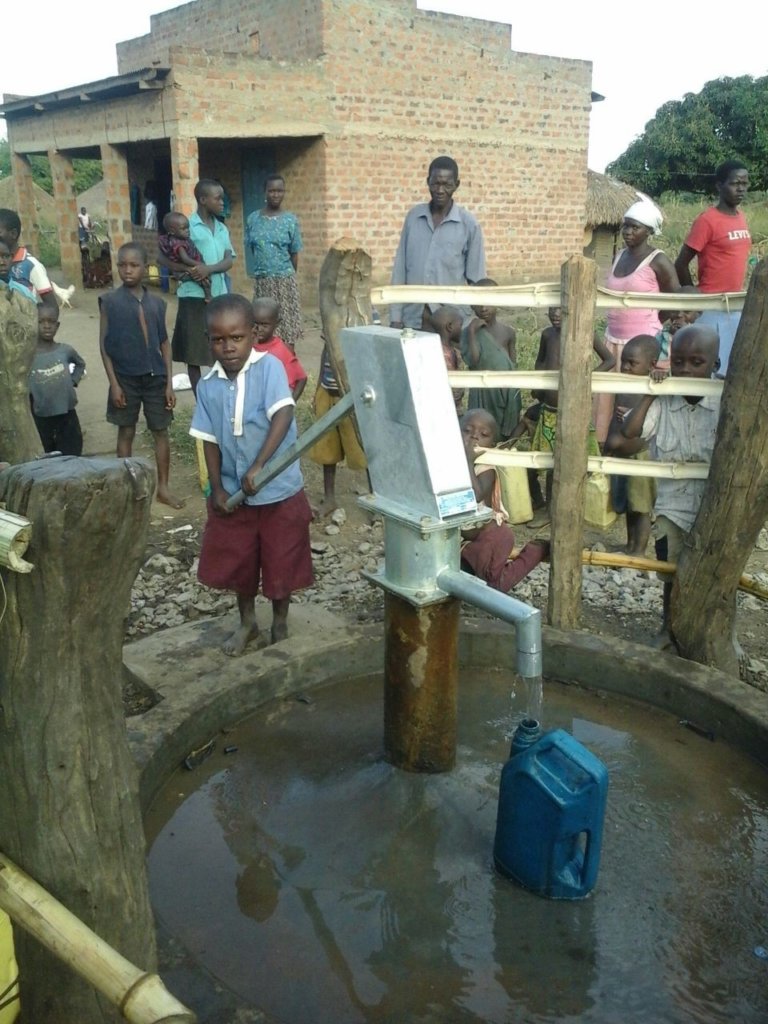
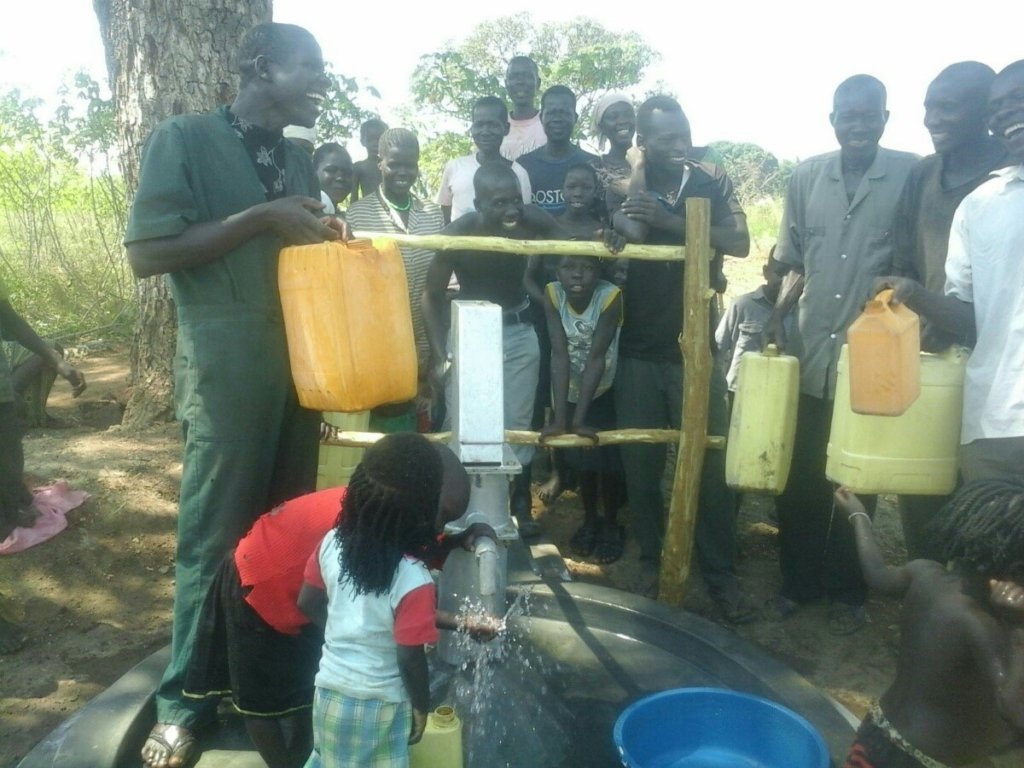
Since February, Lifeline has drilled two new boreholes in the villages of Ayegero and Dwokcan Ikweri and completed four well rehabilitations in Baropok, Aminomong, Teacoda, and Igoti.
From April 11 to 16, Lifeline was welcomed by a visit from Lynne Dobson of Water to Thrive. During her visit to the Gulu region of Uganda, Ms. Dobson attended a dedication ceremony at a new water point in the Atiak sub-county to place ownership of the well in the hands of the community members and their elected Water User Committee (WUC). This borehole yielded a remarkable water flow rate – ten times the national standard – and is now serving 275 residents with reliable clean water access.
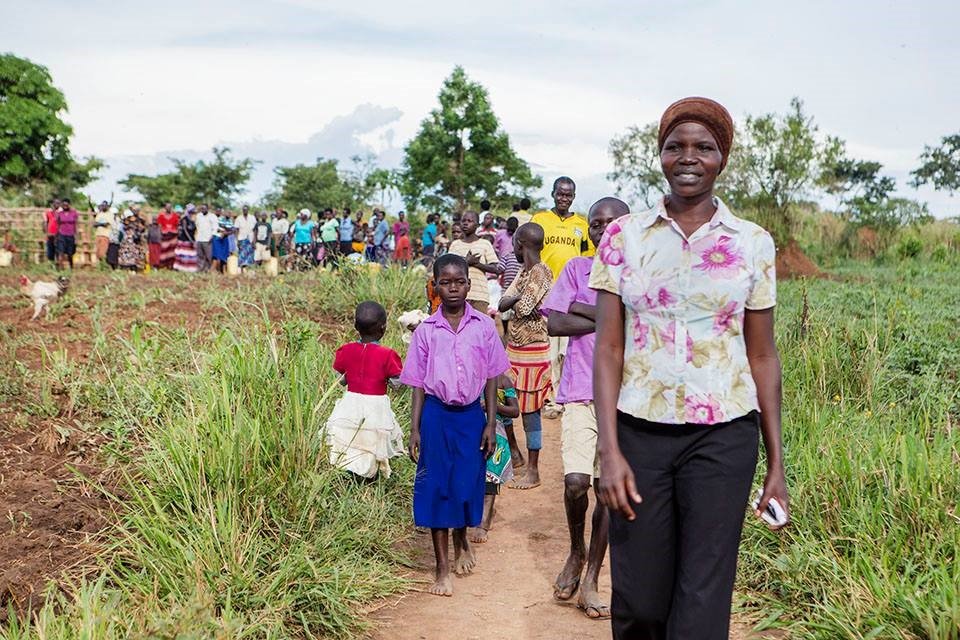
In addition to these well projects, Lifeline has been working with 16 new villages to elect WUCs and form Community Development Clubs (CDCs). These CDCs have served as critical platforms for community engagement in the operations and maintenance of local water points. As part of this community-led model, 28 local Community Based Facilitators instructed 927 CDC members in hygiene and sanitation training to ensure their health and livelihood through practices such as handwashing with soap and clean water storage. By adopting these best practices, community members are taking active steps to protect the purity and sustainability of their water points for years to come.
Fuel Efficient Stove Program
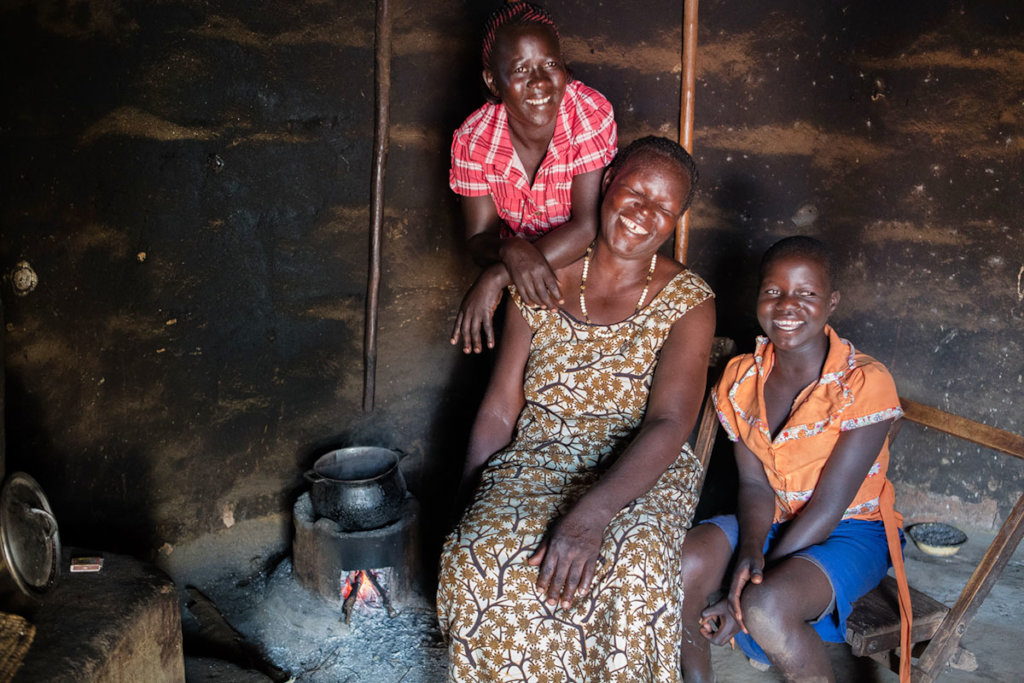
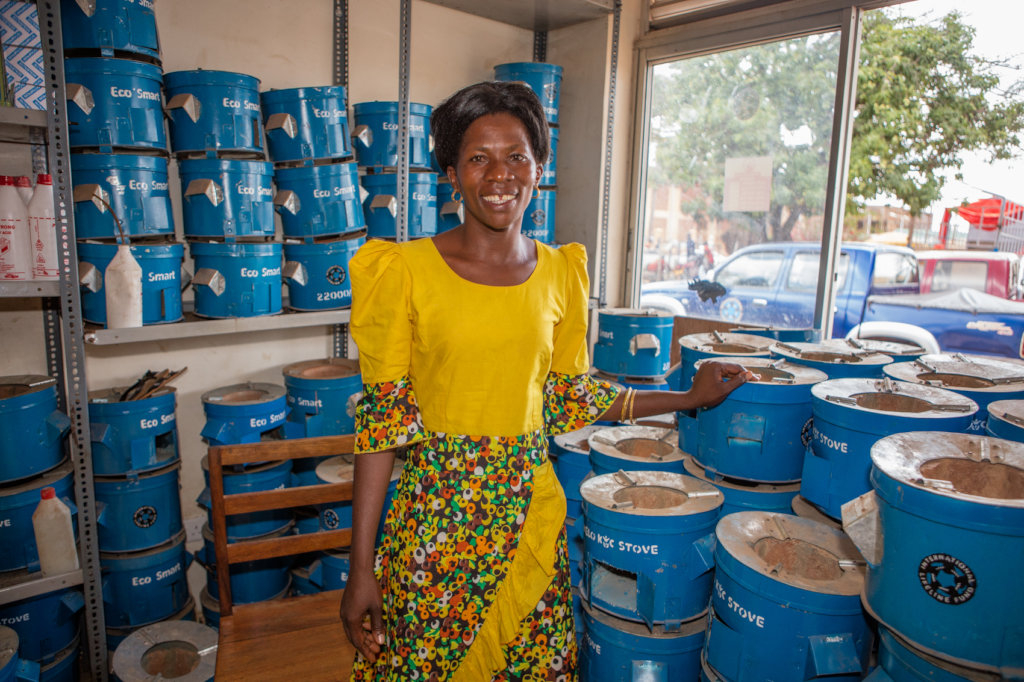
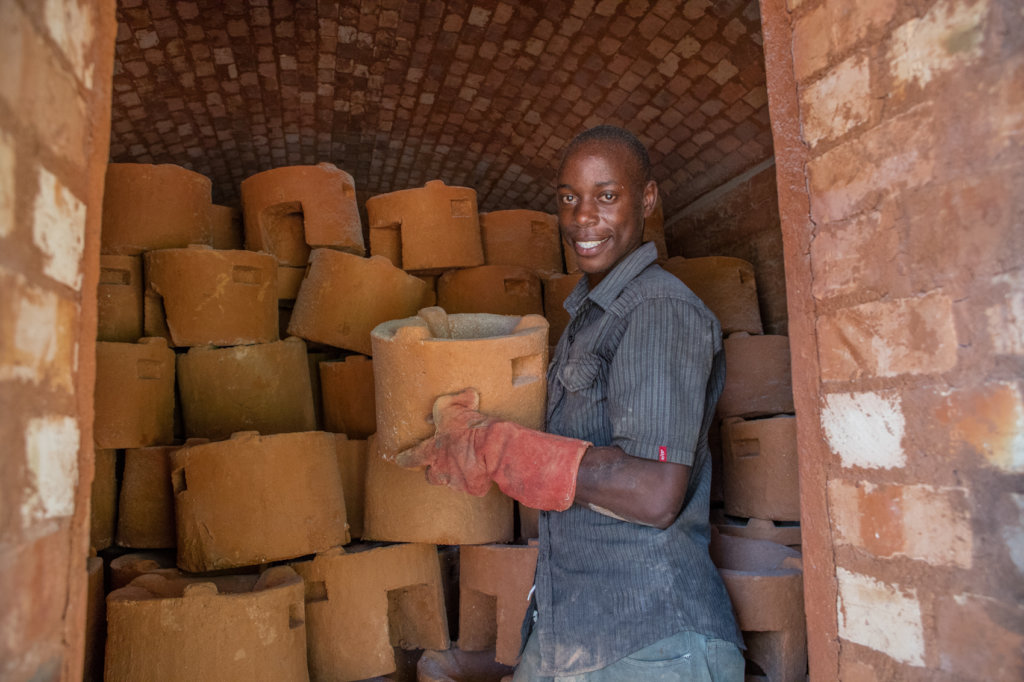
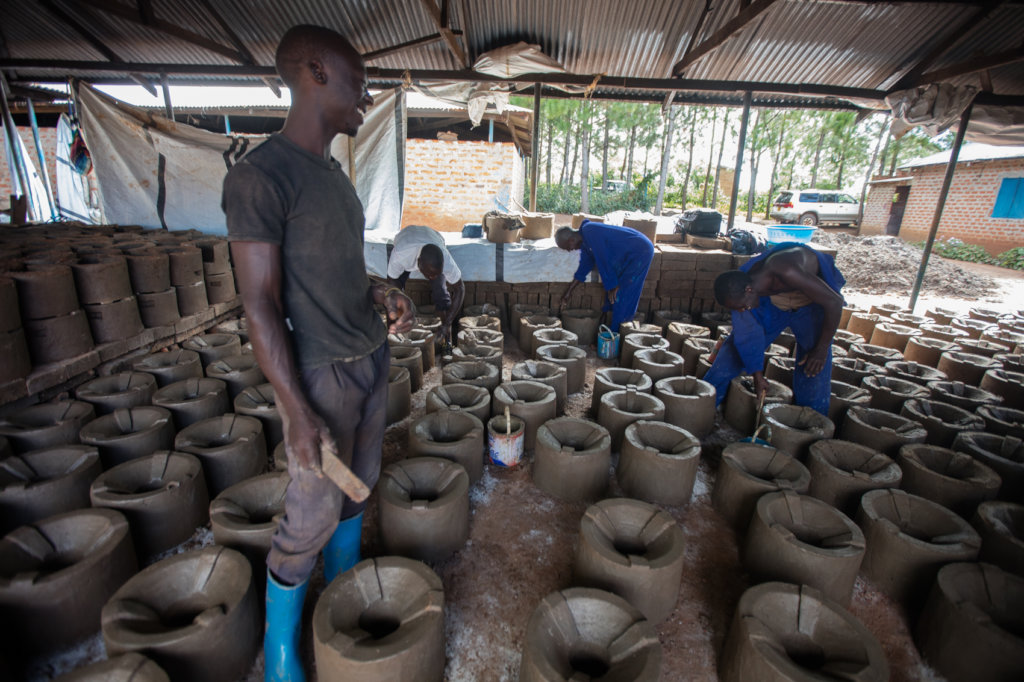
On April 8, Lifeline’s affiliate research team from the University of Notre Dame arrived in Lira to conduct a midline analysis on the health impacts of Lifeline’s rural firewood stove. Throughout this study, the team is conducting a randomized control trial across 70 villages with CDCs (35 for treatment and 35 for control) to measure the effects of clean cooking on respiratory health and gender-based violence. The feedback from this study will help demonstrate behavioral change from the introduction of clean cookstoves in communities that are separately benefitting from health and hygiene education and clean water access.
As we move ahead with exciting new programs throughout the summer, we are grateful for your continued support.
- The Lifeline Team
Project reports on GlobalGiving are posted directly to globalgiving.org by Project Leaders as they are completed, generally every 3-4 months. To protect the integrity of these documents, GlobalGiving does not alter them; therefore you may find some language or formatting issues.
If you donate to this project or have donated to this project, you can receive an email when this project posts a report. You can also subscribe for reports without donating.