By Maksuda Akter Hridi | Exicutive, Partnership, OBHIZATRIK Foundation
Summary
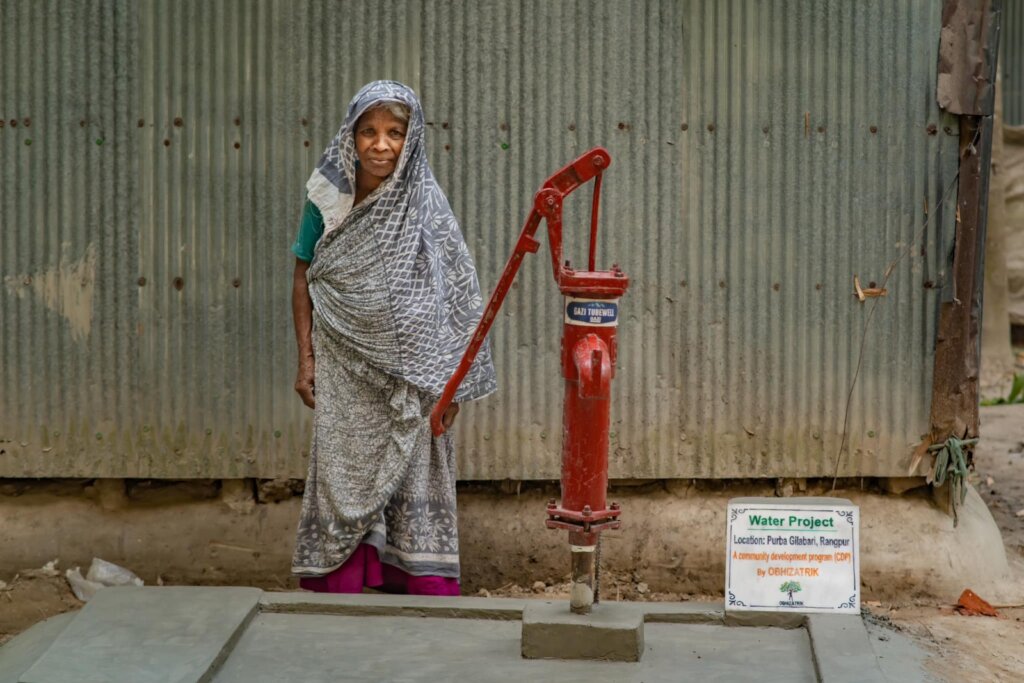
The “Clean Water at the Coast” project aims to improve access to safe drinking water and strengthen water management practices among vulnerable coastal communities in Bangladesh. OBHIZATRIK Foundation initially planned to install climate-resilient deep tubewells in coastal communities facing serious water shortages and contamination.
Although the Foundation continued its efforts to raise funds for the deep tubewell installation, the available donations were insufficient to implement the full infrastructure component during the reporting period. With support from GlobalGiving and generous donors, OBHIZATRIK Foundation instead initiated community-level water management activities in Char Lata, Patuakhali, with a particular focus on women, who play a central role in managing household water.
Challenge
Coastal communities such as Char Lata face significant challenges in accessing safe and sufficient drinking water. Salinity, seasonal water shortages, climate-related disasters, and limited access to safe water sources place additional pressure on vulnerable households.
Women are particularly affected because they are generally responsible for collecting, storing, and managing water for drinking, cooking, and household activities. During periods of heavy rainfall, water may be available but requires proper collection and storage. Conversely, during dry periods or when safe drinking water is scarce, families must carefully manage their limited water supplies.
Poor water collection, preparation, storage, and household use can also increase the risk of contamination and waterborne illness.
Solution
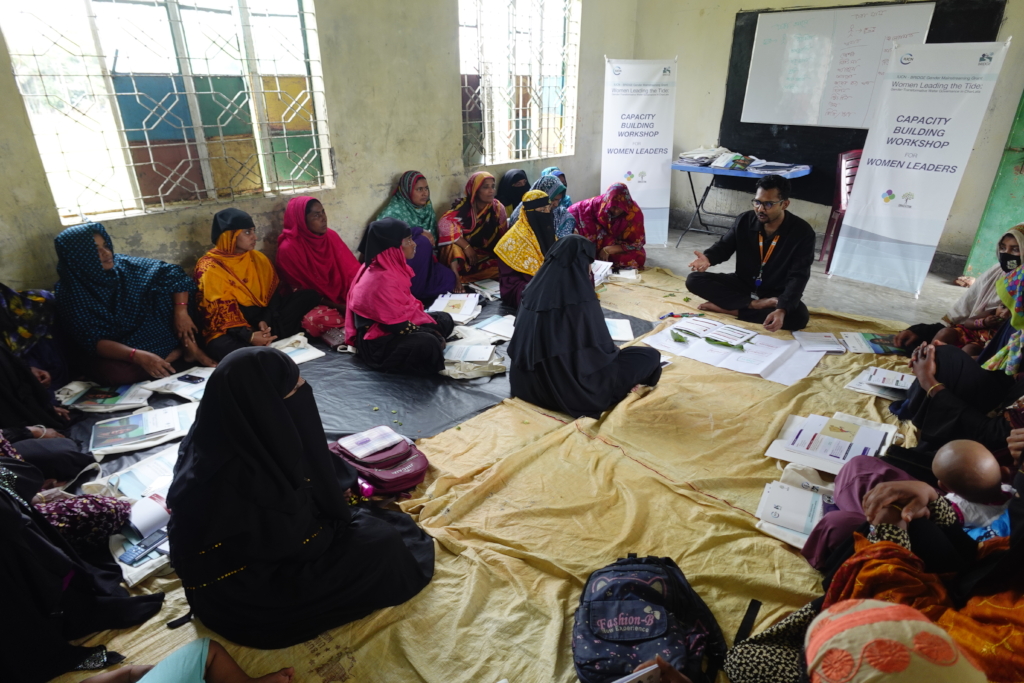
As an initial step toward improving community water security, OBHIZATRIK Foundation conducted water management training for women in Char Lata, Patuakhali. The training recognized women’s important role in household water management and focused on practical and easy-to-follow methods.
Participants were trained on:
At the same time, OBHIZATRIK Foundation continued its efforts to mobilize additional resources for the planned deep tubewell installation, which will help provide a more sustainable source of safe drinking water for the community.
Long-Term Impact
The project is expected to contribute to improved water security and healthier living conditions for vulnerable coastal families. The training has strengthened women’s knowledge and practical capacity to collect, prepare, store, and use water safely, while encouraging more efficient management of limited household water resources.
In the longer term, the planned installation of deep tubewells will further strengthen access to safe and reliable drinking water in climate-vulnerable coastal communities. Combined with community awareness and water-management capacity, this approach can help reduce the risk of water contamination, improve household hygiene, and strengthen community resilience to seasonal water shortages and climate-related disasters.
The project also places women at the center of household water management, helping build their knowledge and decision-making capacity around one of the most important resources for family health and wellbeing.
Project reports on GlobalGiving are posted directly to globalgiving.org by Project Leaders as they are completed, generally every 3-4 months. To protect the integrity of these documents, GlobalGiving does not alter them; therefore you may find some language or formatting issues.
If you donate to this project or have donated to this project, you can receive an email when this project posts a report. You can also subscribe for reports without donating.



Support this important cause by creating a personalized fundraising page.
Start a Fundraiser