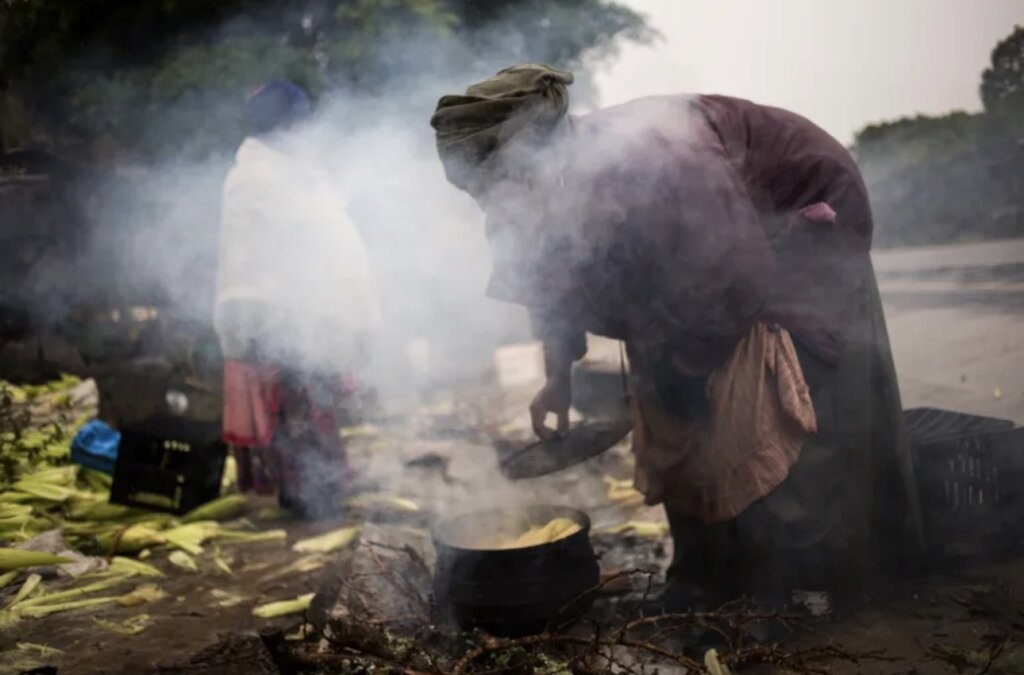
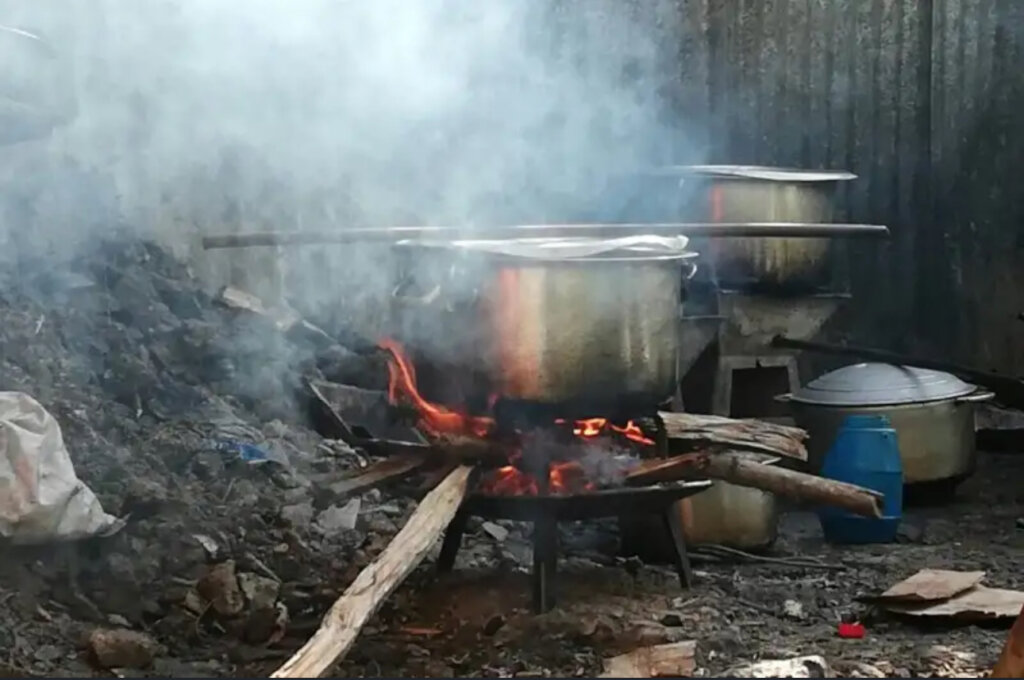
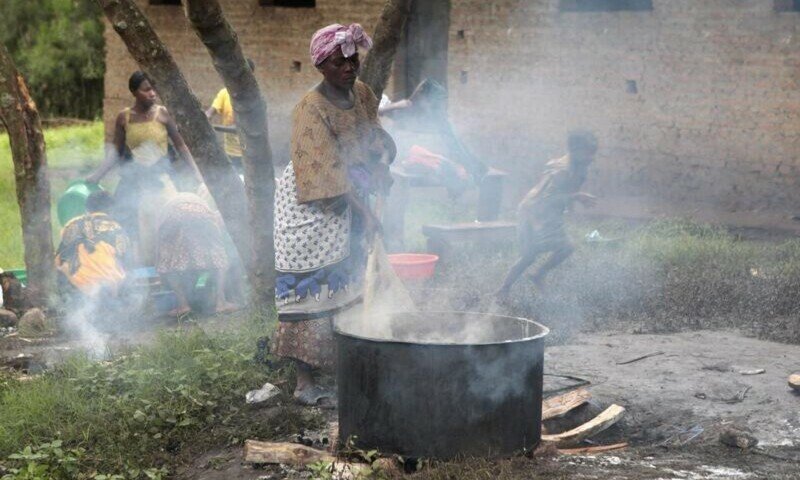
For generations across Africa, cooking with charcoal and firewood has been seen as a normal part of daily life. In countries like Liberia, the image of smoke rising from outdoor kitchens or charcoal stoves has become deeply tied to tradition, survival, and family life. But the reality is far more complicated.
The continued dependence on charcoal, firewood, and kerosene is not truly a cultural preference — it is often the result of poverty, energy inequality, and the lack of access to safer alternatives.
Today, millions of African families still cook over open fires or traditional charcoal stoves inside poorly ventilated homes. In Liberia specifically, the overwhelming majority of households continue to rely on charcoal and firewood for daily cooking, while many low-income families also use kerosene, despite its dangerous fumes and fire risks. Across Sub-Saharan Africa, polluting fuels remain the dominant cooking source for most households.
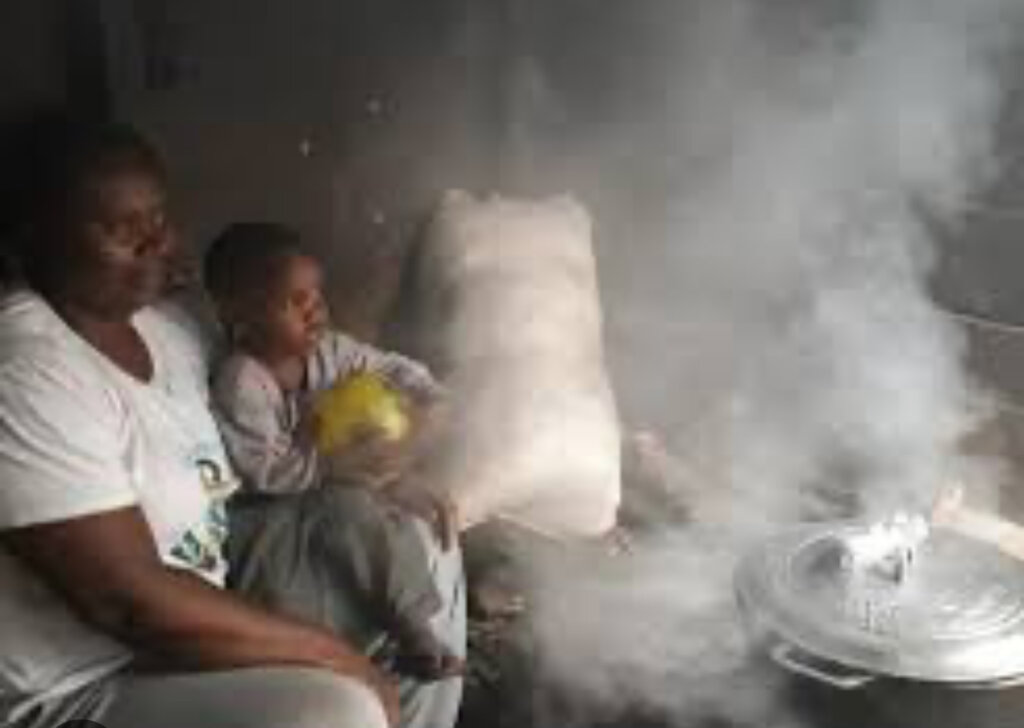
What many families do not realize is that the smoke filling their kitchens contains toxic pollutants that slowly damage the lungs, eyes, heart, and immune system. Women and children suffer the most because they spend the greatest amount of time near cooking fires. The smoke from charcoal, wood, and kerosene releases dangerous fine particles and carbon monoxide deep into the lungs.
The consequences are devastating.
According to the World Health Organization, household air pollution from polluting cooking fuels contributes to millions of premature deaths every year. Exposure to indoor cooking smoke nearly doubles the risk of childhood pneumonia and is responsible for a large share of pneumonia deaths among children under five.
In many Liberian homes, mothers cook over smoky charcoal fires while carrying babies on their backs. Young children inhale the fumes daily before their lungs are fully developed. What is often dismissed as “normal smoke” is linked to pneumonia, chronic coughing, asthma, lung damage, eye irritation, and long-term respiratory disease.
Women also face the burden of gathering firewood or spending a large portion of household income on charcoal. This dependence contributes not only to poor health outcomes, but also to deforestation and environmental degradation across Liberia. Forests that communities have depended on for generations continue to disappear under growing charcoal demand.
At Civic Village International, our clean cooking initiative exists because no mother should have to choose between feeding her family and protecting their health.
We believe clean cooking is more than an environmental issue — it is a public health issue, a women’s issue, and a dignity issue.
Through community awareness, locally appropriate clean cooking solutions, and support for safer fuels such as bioethanol, we are working toward a future where Liberian families can cook meals without filling their homes with toxic smoke.
For many families, the danger has been invisible for generations. But awareness is growing, and communities are beginning to understand that what was once accepted as “traditional” should not continue simply because there were no better options available.
Clean cooking can save lives, protect forests, reduce the burden on women, and give children the chance to grow up breathing cleaner air.
And that future is possible.