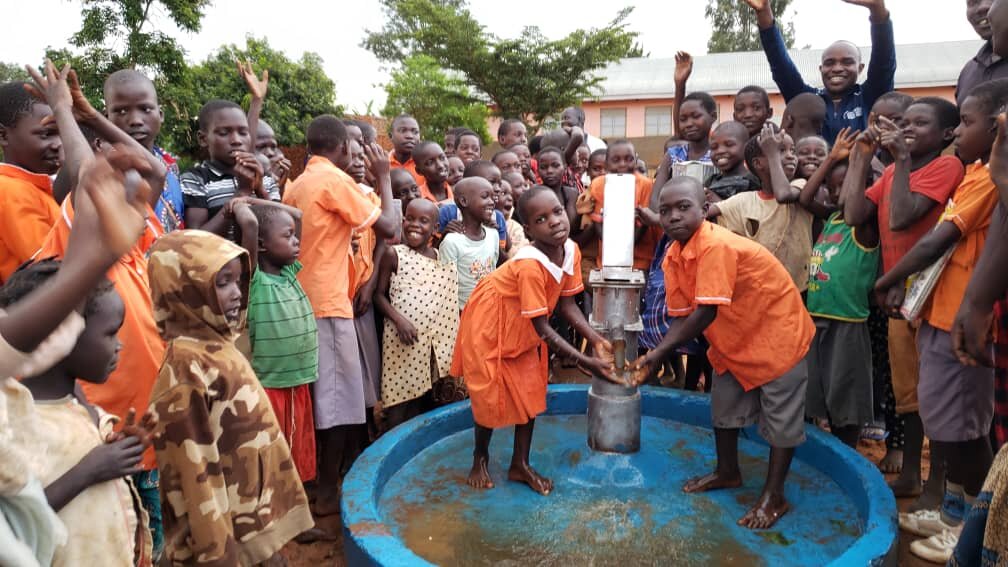
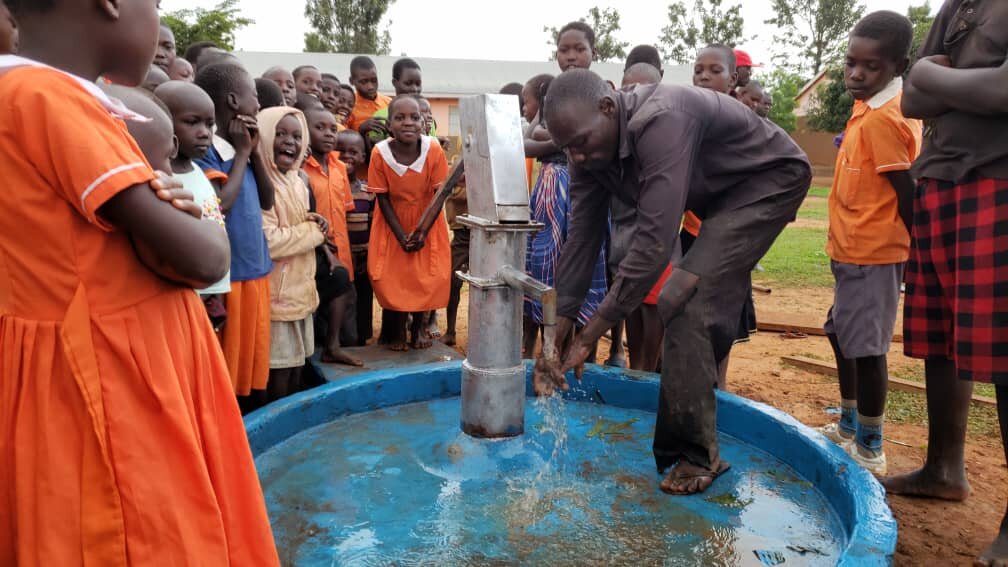
Access to clean and safe drinking water is a fundamental human right, yet millions of people in regions like Uganda face severe water scarcity and contamination issues. The current infrastructure is often inadequate, leading to reliance on polluted water sources, which can cause serious health problems and hinder economic development.
The primary challenges include: 1. Depleted Water Resources: Over-extraction of groundwater has led to declining water tables. 2. Pollution: Industrial waste and inadequate sanitation practices contaminate existing water sources. 3. Infrastructure Limitations: Lack of sufficient wells and distribution systems limits access to safe water. 4. Political and Economic Instability: Ongoing conflicts disrupt efforts to improve water access and infrastructure.
Implementation of sustainable water well projects, include: 1. Drilling New Wells: Establishing new wells in underserved areas to provide direct access to groundwater. 2. Water Quality Testing: Regular testing of water quality to ensure safety and address contamination issues. 3. Community Training: Educating local communities on water conservation, hygiene practices, and maintenance of water sources. 4. Renewable Energy Solutions: Utilizing solar-powered pumps to reduce reliance on fuel.
Partnerships with Local Organizations: Collaborating with local NGOs and government bodies to enhance project sustainability and community engagement. Alongside community education and training, and addressing the project components, the water well projects aim to provide long-term access to safe drinking water, improve public health, and support community resilienceinUganda.



Support this important cause by creating a personalized fundraising page.
Start a Fundraiser