By Deana Murtha | Senior Director of Development and Communications
Thanks to our generous supporters, from July 1 2020, through June 20, 2021, NYCP provided 7,977,552 meals across all our food programs, reaching more than 62,000 individuals across New York City. Grocery packages representing over 1.1 million meals were delivered to partner sites through our Mobile Pantry pilot program, distributed by these trusted community organizations to their populations in need. Our case managers accessed $4.4 million in services. In FY20, NYCP distributed over 6 million meals and Help 365 case managers accessed over $7 million in services for individuals and families seeking assistance. We attribute the difference between the two years to the pandemic. From March 16 to August 23 2020, the number of new intakes -- individuals who have not needed our services before -- increased by 21%. Emergency food assistance was sought by many individuals who had never faced food insecurity before, and this urgency continued through all of FY21. While we were able to swiftly implement low-contact systems for providing food aid, the lack of privacy at our walkup service counters on the sidewalks outside our Pantry locations, and temporary suspension of Help 365 Mobile services due to partner site closures, had an impact on delivery of case management services.
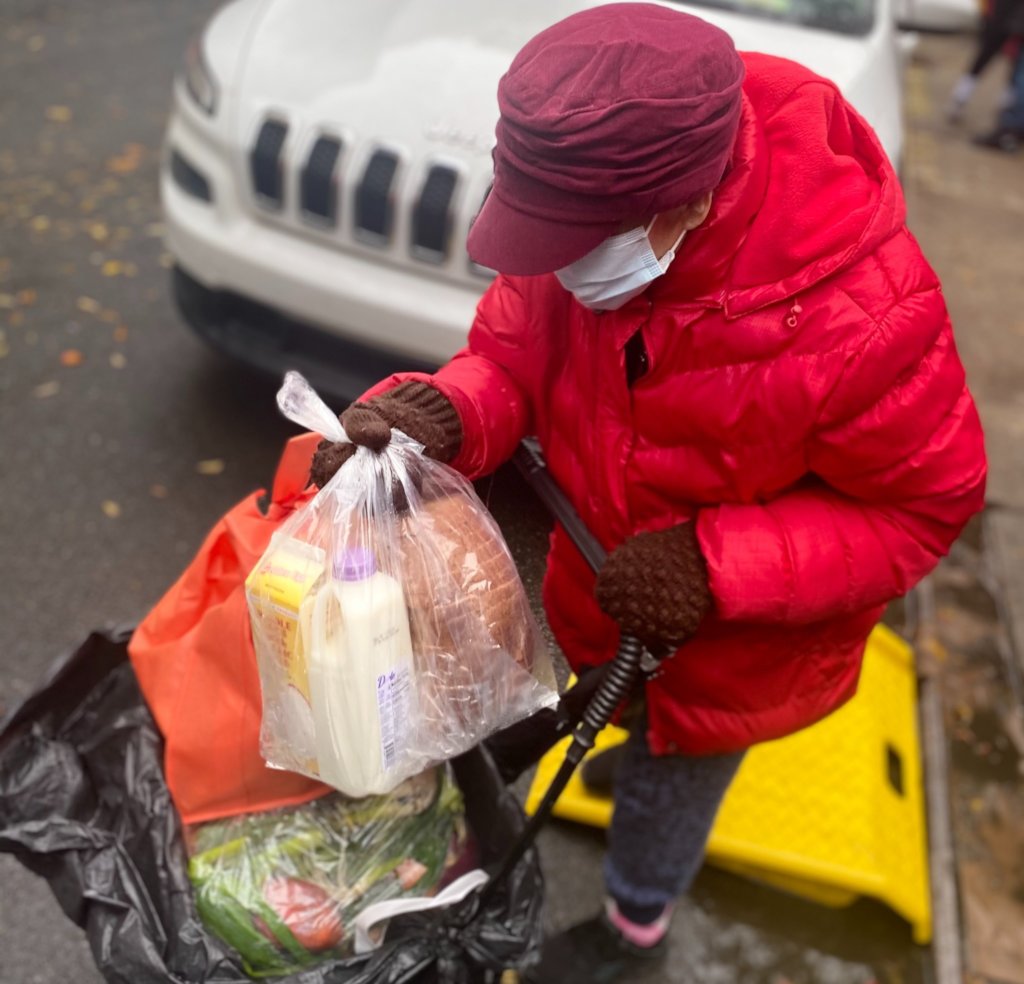
Prior to the pandemic, NYCP ran six food provisioning and social services programs, supported by a strong food rescue initiative. Choice Pantry distributes nutritionally balanced grocery packages to thousands of families annually from our locations in East Harlem and the Bronx. Our innovative “choice” model allows Pantry members to order their groceries online or on-site using touch screen tablets. Hot Meals program, based at our East Harlem location, offers healthy freshly prepared meals five days a week and “brown bag” lunches on weekends. Help 365 and Help 365 Mobile provide case-management services, such as assistance accessing SSI benefits, SNAP (Supplemental Nutrition Assistance Program), and the recently launched Excluded Workers Fund, as well as Choice Pantry program enrollment. Project Dignity serves as a bridge back to well-being for our homeless guests, offering on-site showers, laundry, and haircuts, providing a mailing address, and connections with services that aid in locating housing, medical care, and job training. Live Healthy!, our nutrition education program, provides interactive wellness education, helping participants build the food preparation and shopping skills to eat healthily on a budget, and collaborates with clinical partners to reach food insecure New Yorkers at high risk for diabetes, hypertension, and other illnesses related to a poor diet. Our Nourish program serves low-income seniors in their own communities, providing supplemental grocery packages for over 15,000 individuals over 60 years old in FY21. We conduct Food Rescue through partnerships across New York City, collaborating with wholesale and retail food suppliers to rescue nutritious food that would otherwise end up in a landfill.
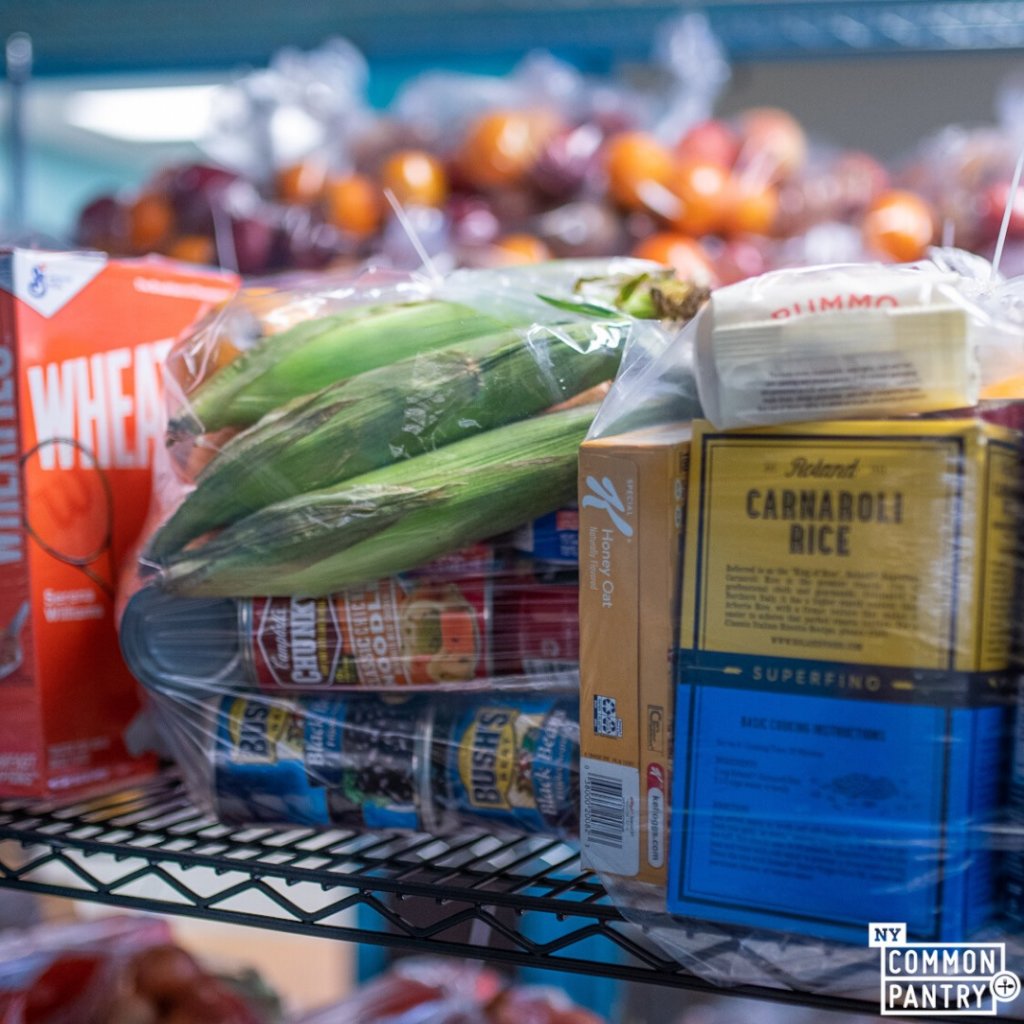
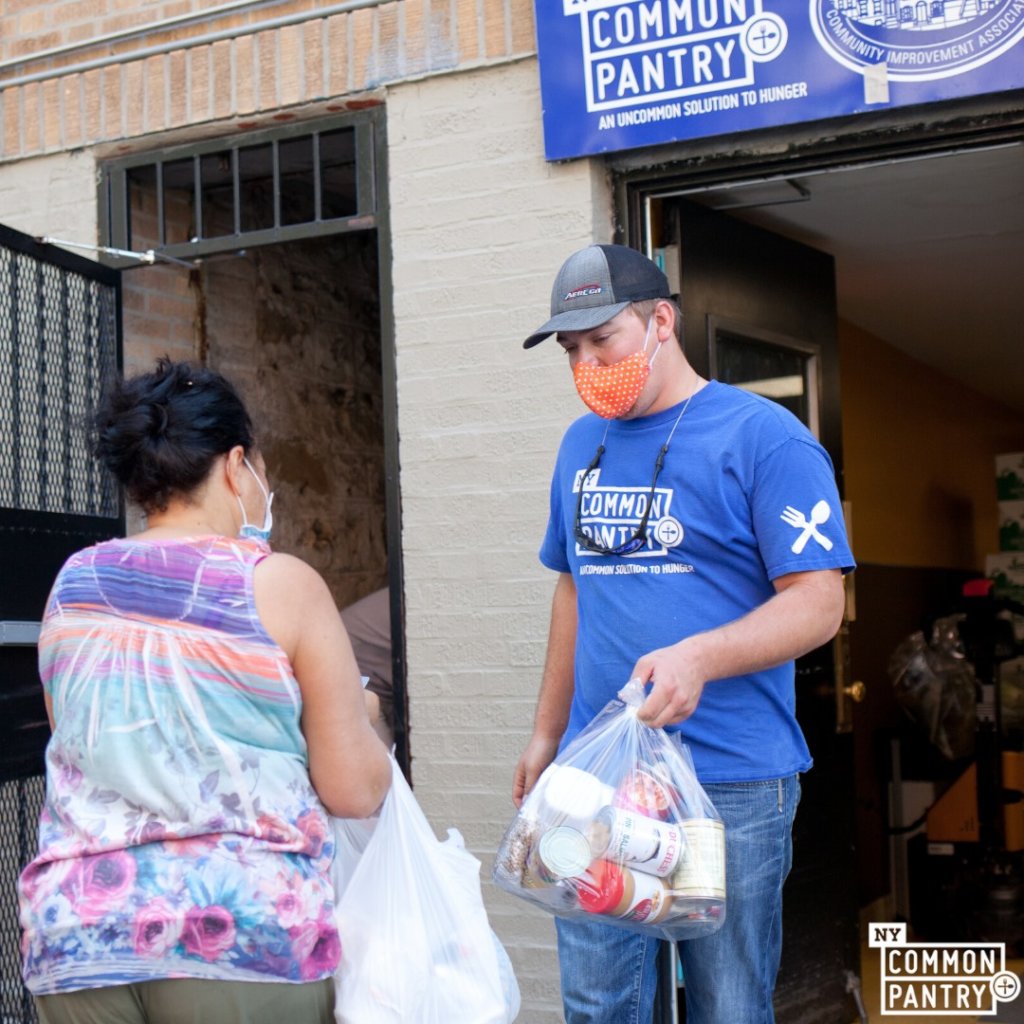
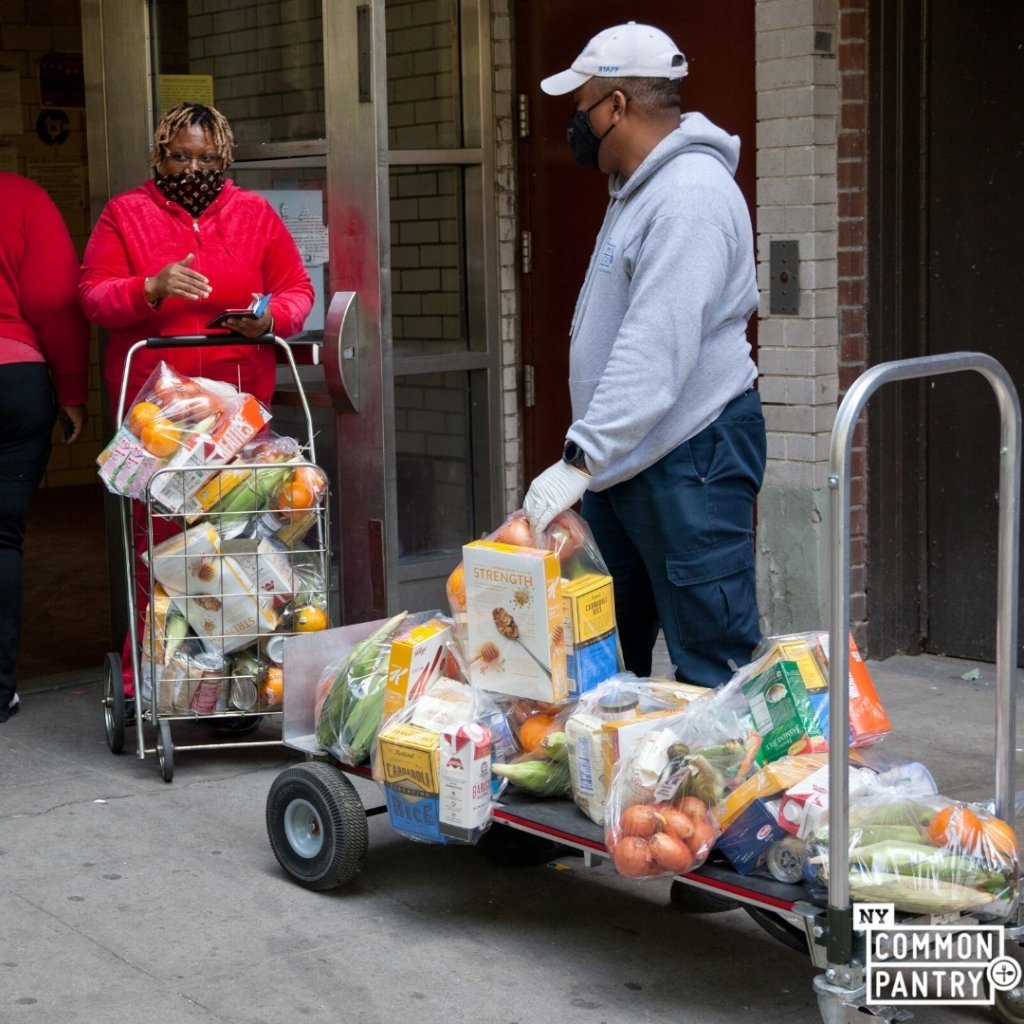
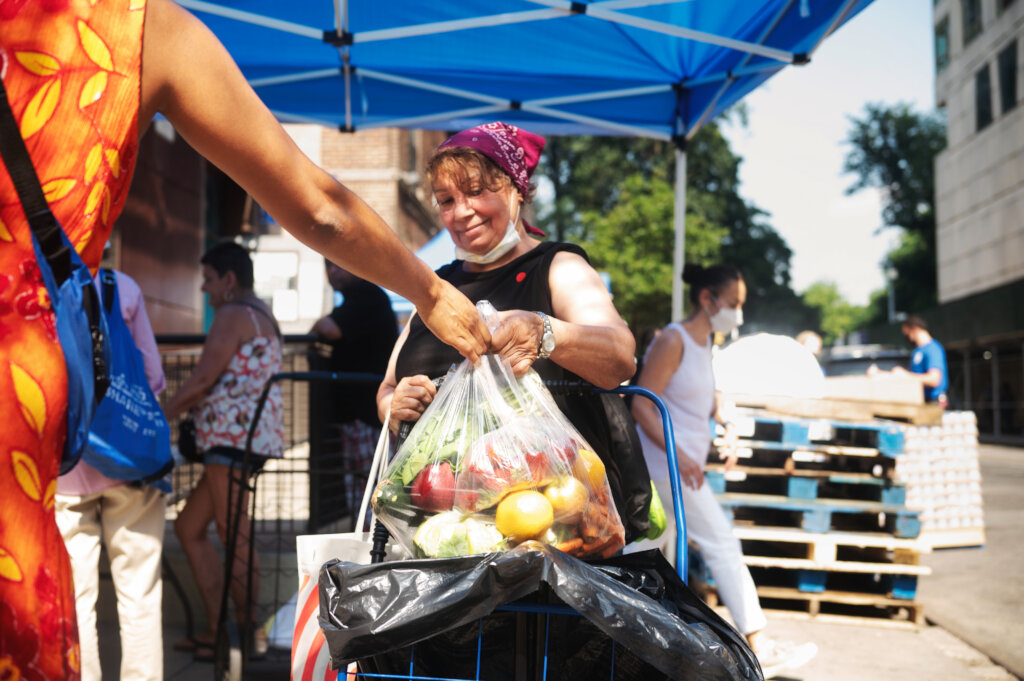
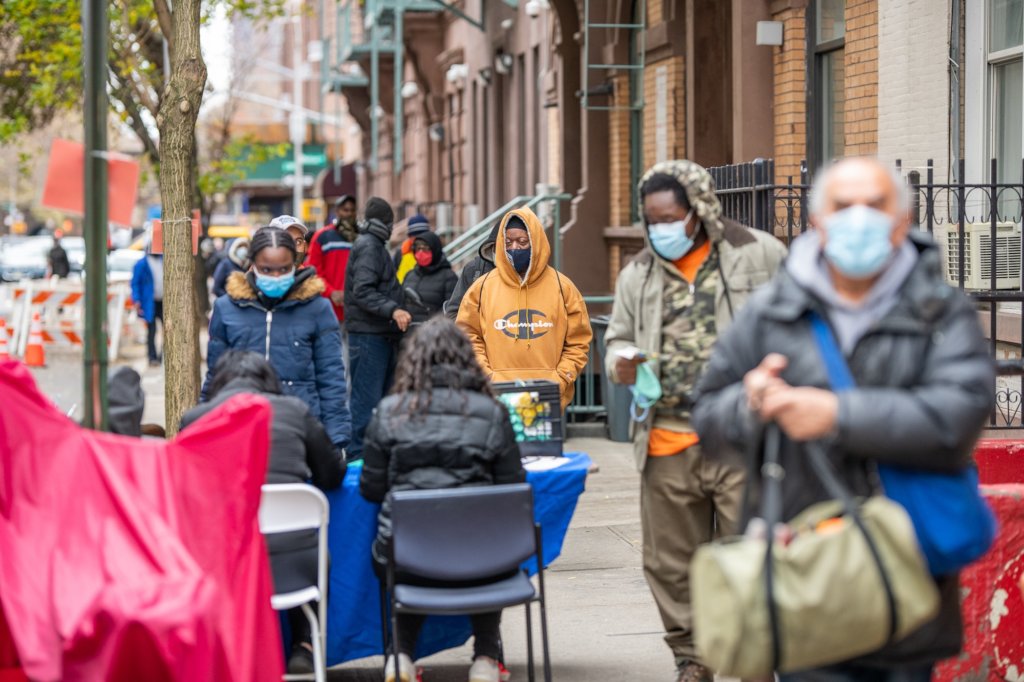
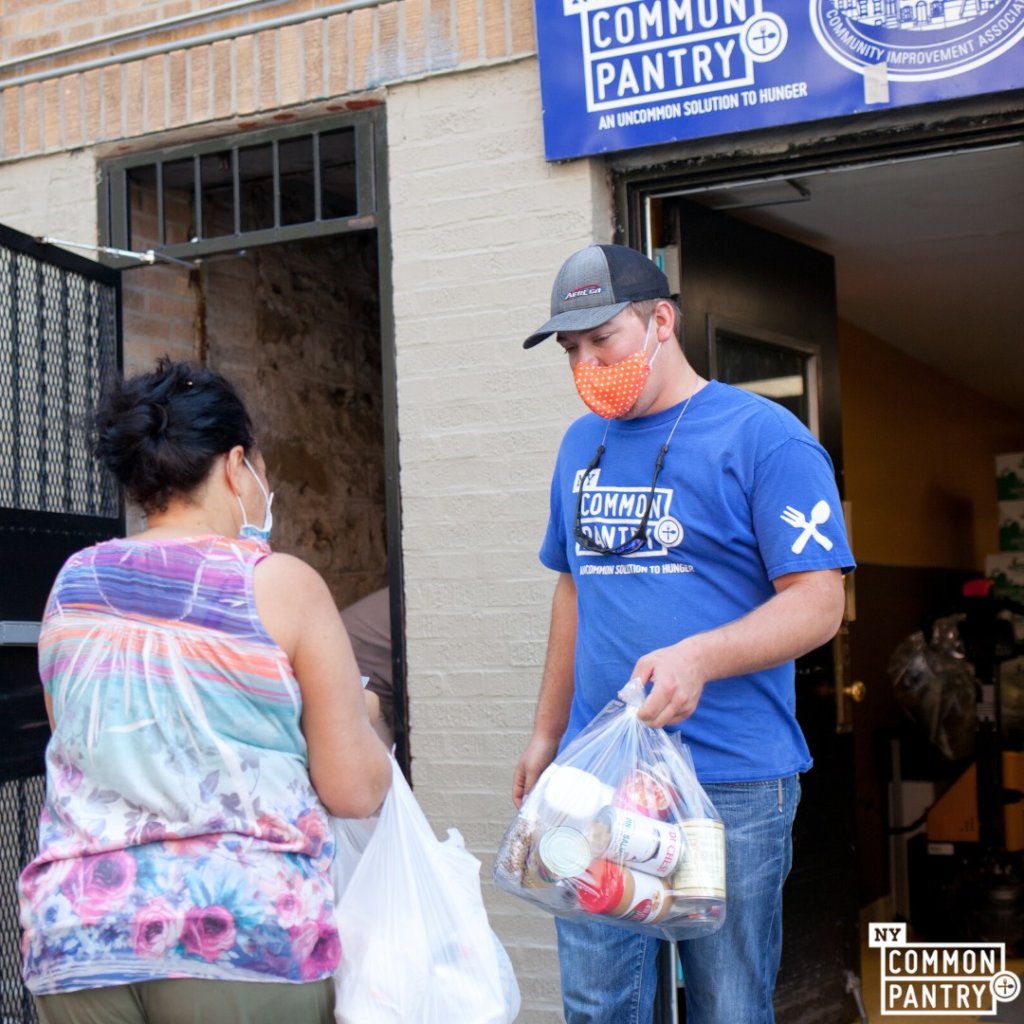
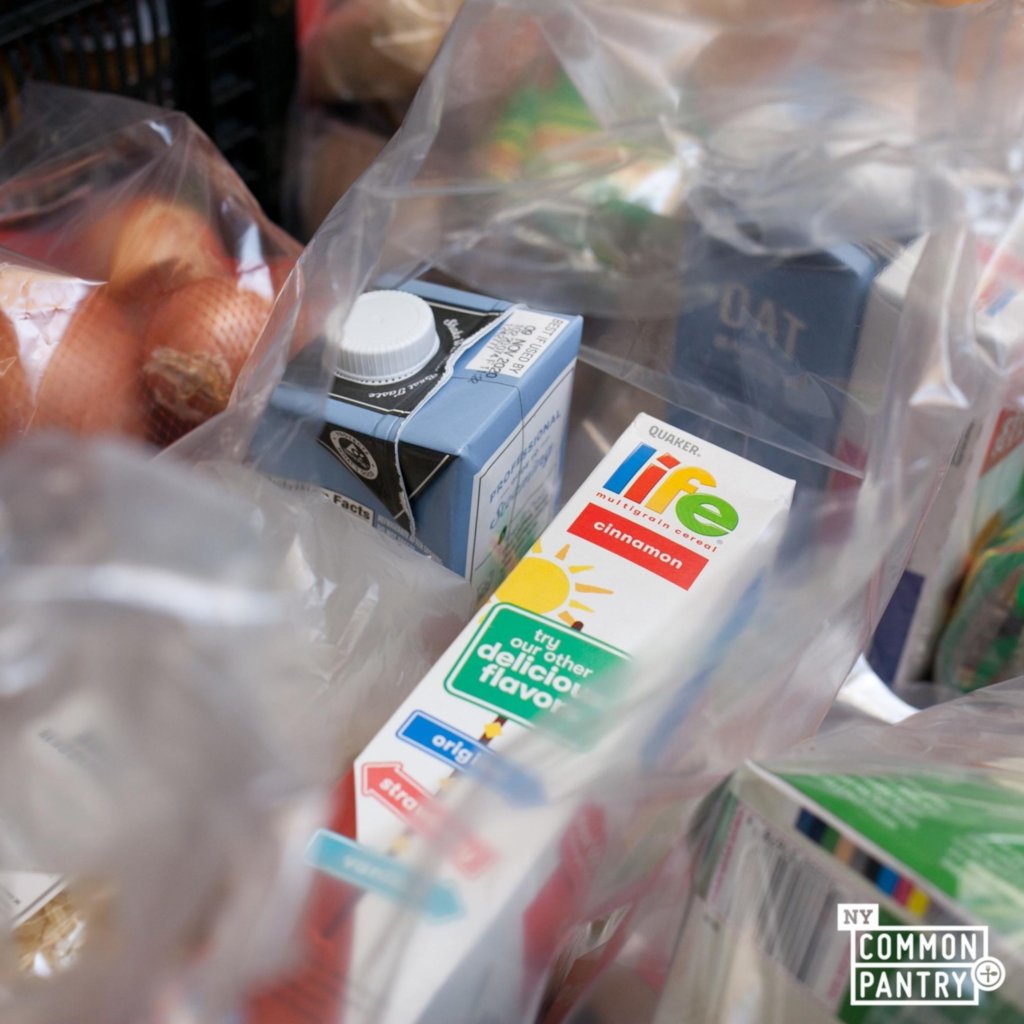
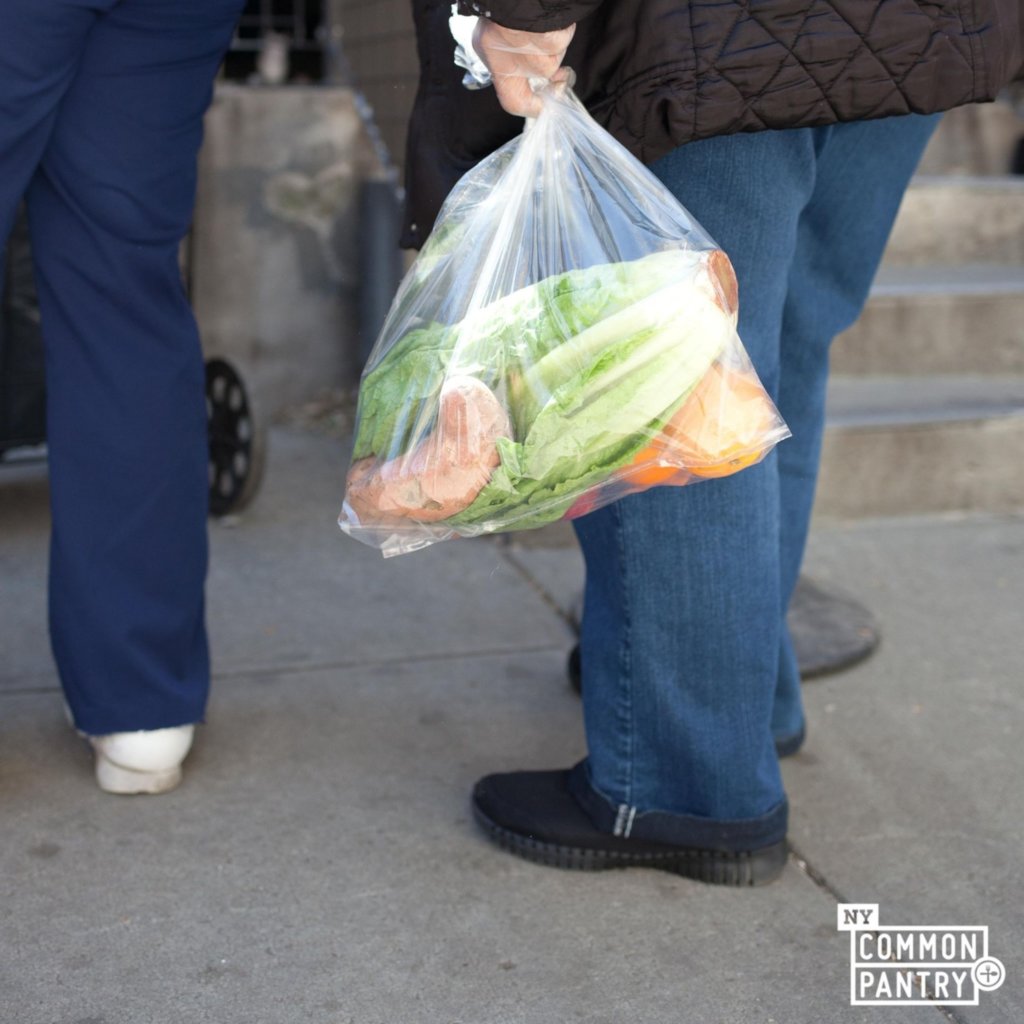
Since March 16, 2020 (the day we switched to COVID-19 operations), we have added more than 6,600 new Pantry members, and distributed over 10,000,000 meals. The Choice Pantry in Manhattan provides over 30,000 meals per week, with the Bronx Pantry averaging around 15,000. The flexibility and innovation that make NYCP unique among food providers served us well during the pandemic. We quickly moved on-site operations outdoors, creating a walkup service area with tents and tables on the sidewalk in front of Pantry locations with masked staff encouraging guests to form socially distanced lines. Choice Pantry members pick up pre-packaged groceries during the day, with our “choice” model only available if the guest has pre-ordered online as the additional workforce necessary for in-person ordering makes social distancing in the Pantry impossible. All members continue to receive meat and non-meat proteins, fresh vegetables and fruits, grains and dairy products in each pre-bagged pantry package. Mondays are “senior day” in East Harlem; Pantry members over 60 and Nourish guests can collect their groceries in a single socially distanced visit. Hot Meals are distributed “to go” during a socially distanced afternoon outdoor pickup. Help 365 case managers help with SNAP and Pantry membership registration during pickup hours and also schedule telephone counseling sessions to aid in accessing benefits. Help 365 Mobile has returned to serving community sites as they reopen. Project Dignity had to suspend hygiene services for COVID-19 safety. We were able to resume offering showers last fall, using a timed appointment system which served over 600 individuals in FY20, and reinstated laundry and haircuts this summer. At the height of pandemic operations, the program continued to provide assistance with obtaining ID, mail services, and offer telehealth psychiatric assessments, helping individuals qualify for housing assistance, but being unable to welcome guests into our spaces and help them get cleaned up kept participation in Project Dignity at lower than normal levels, one more example of how the pandemic has been hardest on those who were already in dire need.
Staff are working remotely when possible and in our locations on staggered shifts, wearing masks and practicing social distancing. Until very recently, we limited the involvement of volunteers to keep to a minimum the number of people in the Pantry spaces per shift and added additional shifts of per diem workers to keep Pantry operations on track. This was a difficult though necessary decision. Volunteers usually make up 70% of the Pantry workforce and many of our volunteers have generously given their time to NYCP for years. In FY19, 47 Brick Church volunteers contributed 141 hours of service to NYCP, and Brick Church members have long served on our Board and Advisory Council. Our volunteers are an integral part of the NYCP team, and we missed their energy and commitment. This spring volunteers have returned for limited socially distanced shifts, and it has been a pleasure to have the community back in our pantries. (If any Brick Church members would like to begin or resume volunteering at the East Harlem or Bronx Pantry location, they may get in touch with Erin Williams, Volunteer Manager: erinwilliams@nycommonpantry.org.)
Safety concerns caused a number of emergency food providers to close their doors, even as food insecurity rose dramatically in their service areas. According to a June report from the Food Bank of New York City, 38% of the soup kitchens and food pantries in their citywide network closed by mid-April. The poorest neighborhoods in the Bronx, Manhattan, Brooklyn and Queens lost the most emergency food resources; 73% of the closed providers were in areas where food insecurity was high even before the economic shutdown.
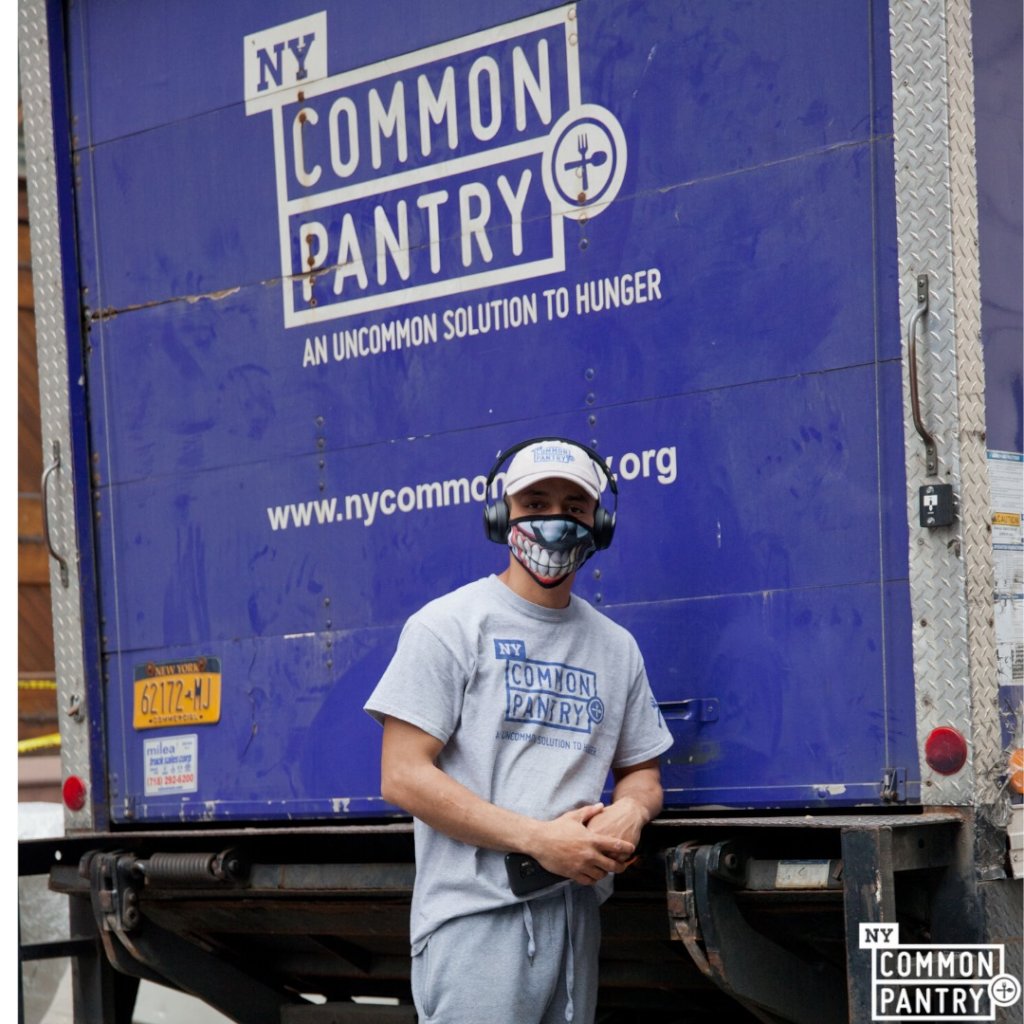
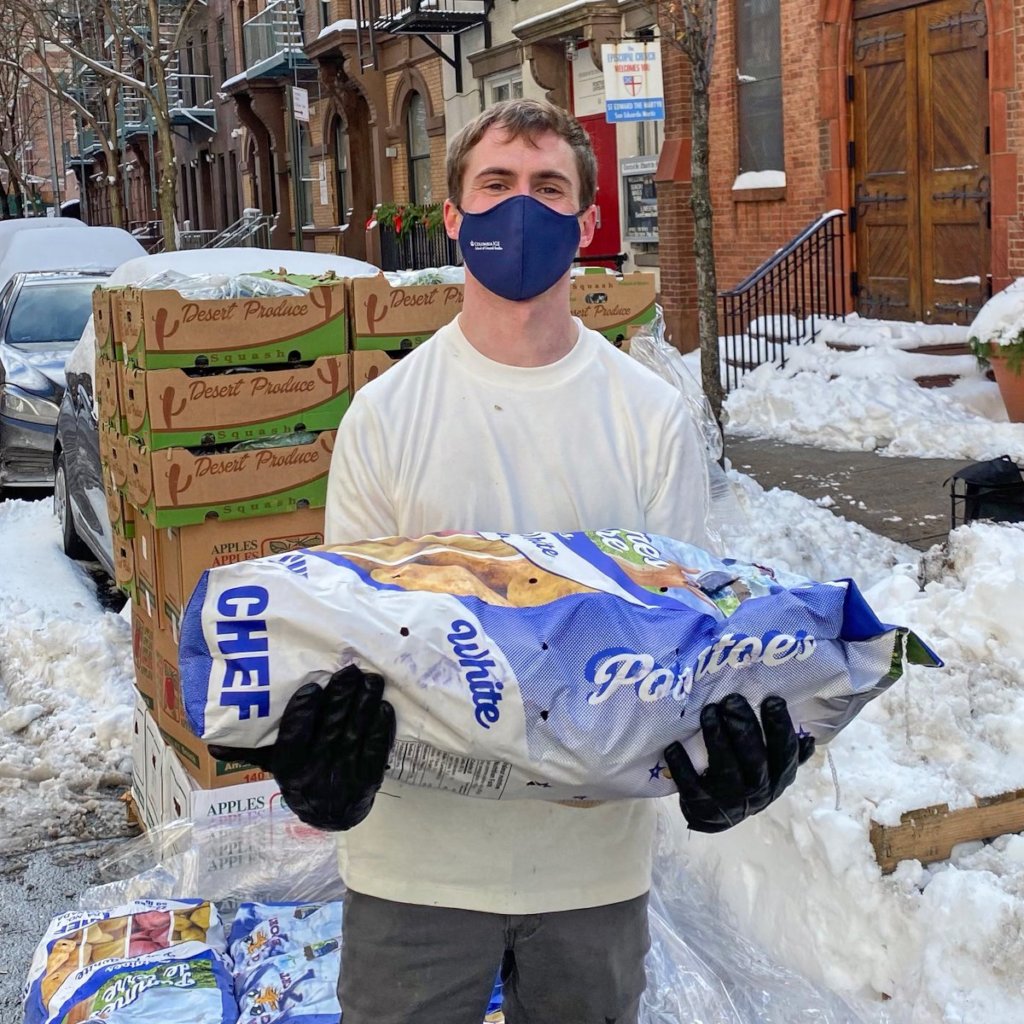
The biggest change NYCP made to help alleviate the increase in food insecurity citywide was accelerating the implementation of our Mobile Pantry pilot program. Since April 2020, we have been working with other social service organizations and community leaders, including Graham Windham, SAPNA, Child Center of New York, the Upper Manhattan Mutual Aid Society, and City Council members in the Bronx and Manhattan, to provide shelf-stable pre-bagged grocery packages for distribution, reaching New Yorkers in need in their own neighborhoods. While many of our food rescue and donation sources were closed due to COVID-19, we were able to repurpose our food rescue vehicles for this emergency service, making deliveries to locations around the city. The Mobile Pantry currently serves four NYC boroughs, reaching 20 weekly or bi-weekly community partner sites and another 26 monthly, on average providing 15,000 meals weekly, as many as our Choice Pantry Bronx.
As the city reopens and our food rescue trucks return to their intended use, the populations we are reaching via this program will still need help, especially those in “food desert” locations, with few affordable healthy food options. In the fall of 2021, our first Mobile Pantry Vehicle, with refrigeration, freezer, and concession window to serve guests directly from the truck, will begin serving locations in Upper Manhattan and the Bronx, providing full Choice Pantry services, including case management and nutrition education. NYCP has set the goal of at least 20 full-service Mobile Pantry sites citywide by 2024, while maintaining the current level of service at our brick-and-mortar Choice Pantry locations in Harlem and the Bronx.
Links:
By Deana Murtha | senior director of development and communications
By deana murtha | senior director of development and communications
Project reports on GlobalGiving are posted directly to globalgiving.org by Project Leaders as they are completed, generally every 3-4 months. To protect the integrity of these documents, GlobalGiving does not alter them; therefore you may find some language or formatting issues.
If you donate to this project or have donated to this project, you can receive an email when this project posts a report. You can also subscribe for reports without donating.



Support this important cause by creating a personalized fundraising page.
Start a Fundraiser