By Sara Haimowitz | Director of Development and Communications
CHL has completed 3-year project funded by the Bowse Health Trust: the Rutland Suicide Safer Care Project–with Rutland Regional Medical Center (RRMC), Community Health Centers of the Rutland Region (CHCRR), and Rutland Mental Health/Community Care Network. Partners worked successfully to keep the project goals and objectives moving forward across the three years, two of which were directly impacted by COVID.
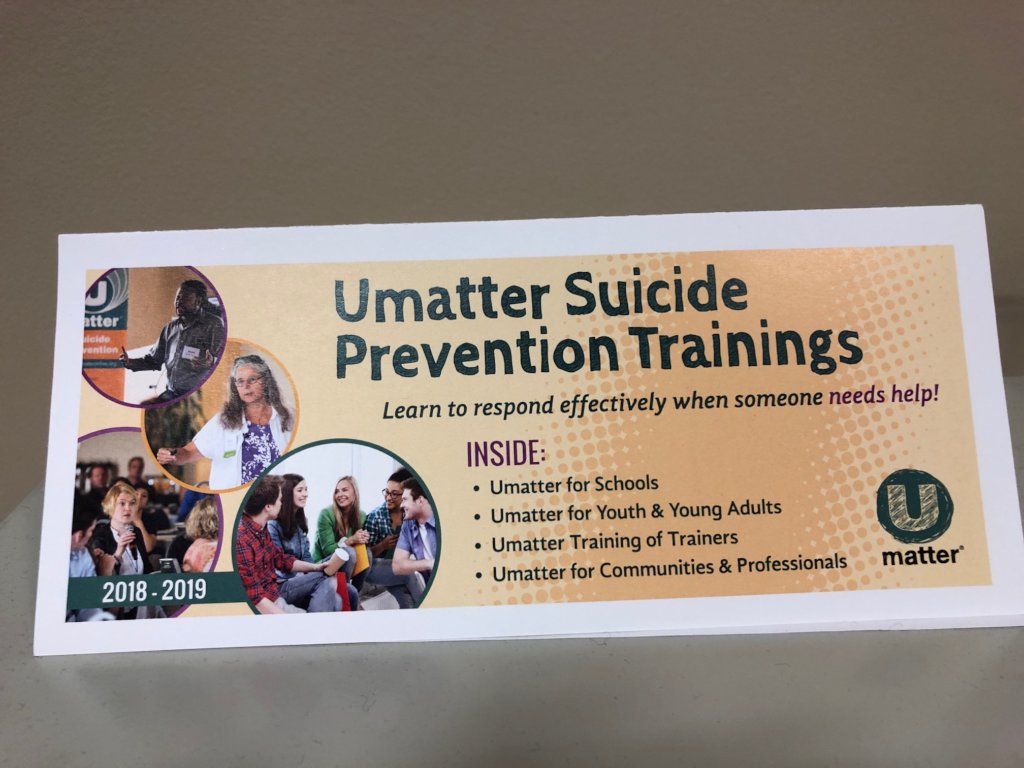
CHL provided project management and technical assistance to project partners to help them develop internal Zero Suicide systems and to communicate across organizations to improve care coordination for people struggling with suicidal thoughts and behaviors. The grant supported partner participation in Umatter® Gatekeeper, Introduction to Zero Suicide, CAMS (Collaborative Assessment of Suicidality), CALM (Counseling on Access to Lethal Means), CSSRS (Columbia Suicide Severity Risk Scale), and ASQ (Ask Suicide Questions) trainings. Over the course of 3 years, over 250 staff were trained.
Through the course of this three-year project, there were many obstacles that could have derailed it But with project management support from CHL and committed efforts from partners, the now completed project has led to real improvements in suicide care in the region. Connections between the three partners have been strengthened and consistent communication, the use of similar evidence-based practices and tools, and a greater understanding of best practices have led to better outcomes for people struggling with suicidal ideation or behaviors. As a result of the grant, CHCRR, RMH, and RRMC now have suicide-safe protocols and procedures in place and Electronic Health Records (EHRs) have appropriate workflows to help monitor and track clients and patients with suicidal support needs. This is a critical step towards effective management of people struggling with suicidality, and a key component to avoiding people ‘falling through the cracks of care. The vision for the future for health outcomes for people struggling with suicide in the Rutland region is brighter now due to the efforts of the Zero Suicide committee leadership and all staff at RMH, RRMC, and CHCRR.
The Bowse Suicide Safer Care project is now an example of the success that can come when partners across the health care system partner to reduce barriers to accessing suicide safe care by identifying system gaps and opportunities, building infrastructure for a collaborative, integrated system of care, and improving knowledge and skills among behavioral health providers, primary care practitioners, and hospital inpatient and Emergency Departments.
Project reports on GlobalGiving are posted directly to globalgiving.org by Project Leaders as they are completed, generally every 3-4 months. To protect the integrity of these documents, GlobalGiving does not alter them; therefore you may find some language or formatting issues.
If you donate to this project or have donated to this project, you can receive an email when this project posts a report. You can also subscribe for reports without donating.