By Muhammad Berlian Nuansa Adidaya | Communications and Fundraising Officer
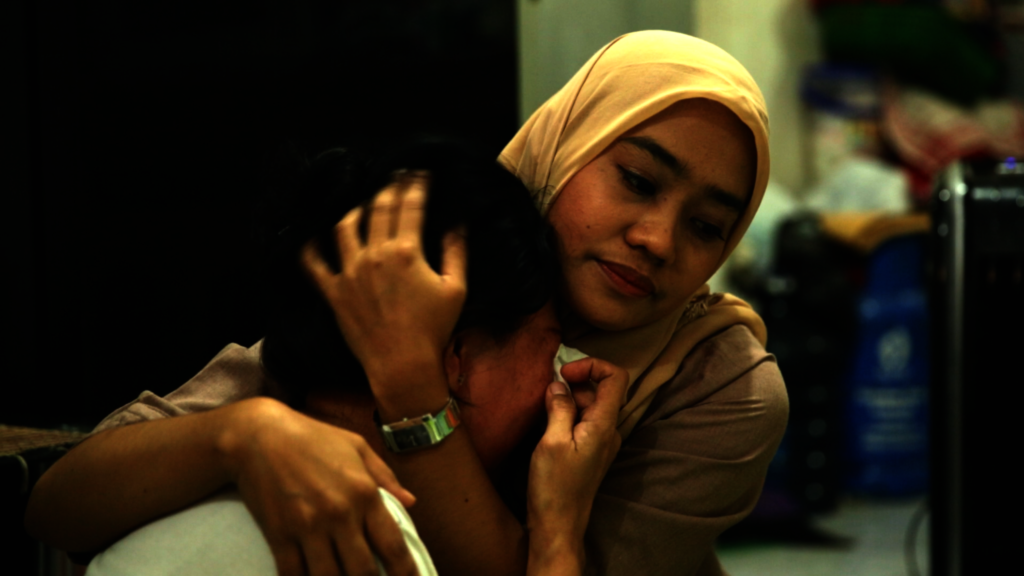
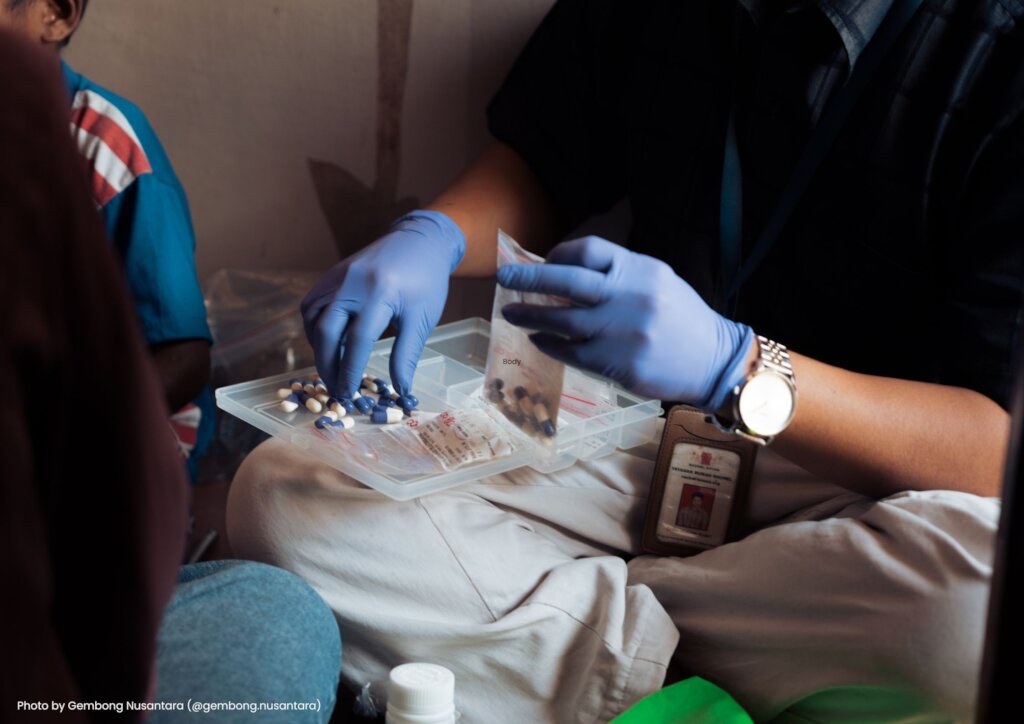
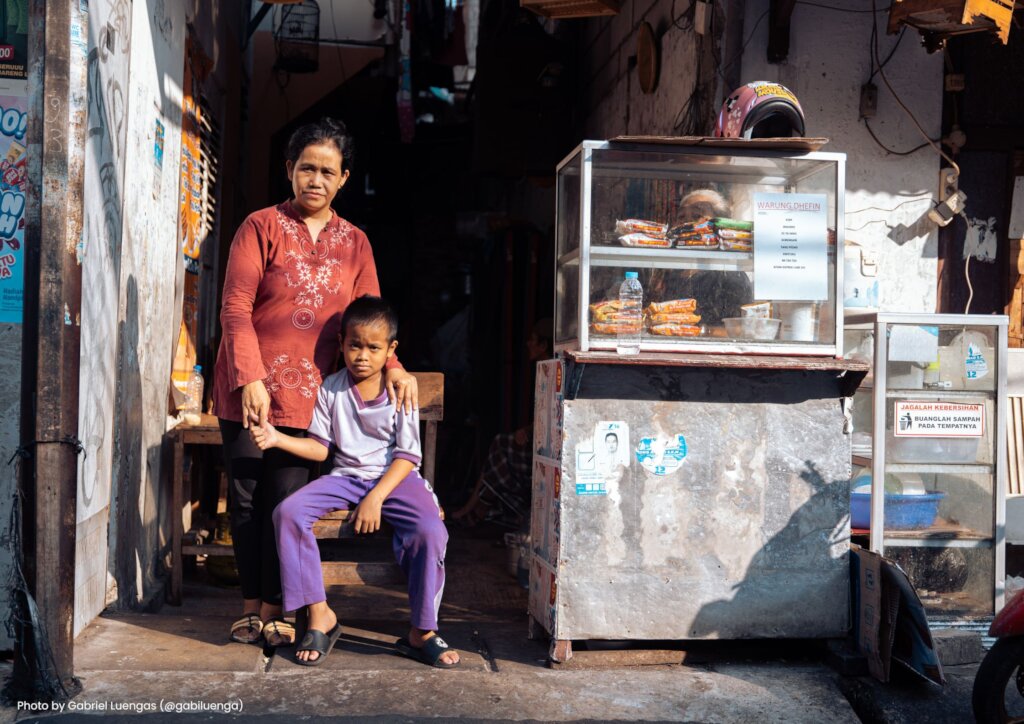
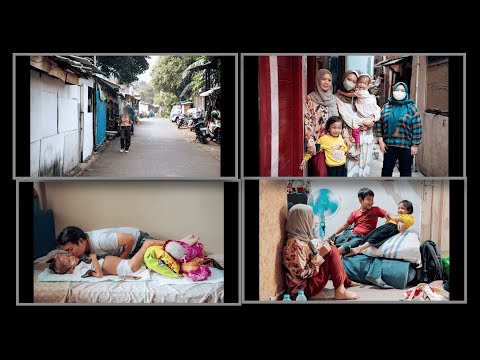
In a small, crowded corner of Jakarta, Siti reaches for a bag of prescribed medicines she can barely see.
Diabetes has left her right eye blind and her left eye with less than 25% of vision - making seeing challenging, and instructions on prescribed medicines almost impossible.
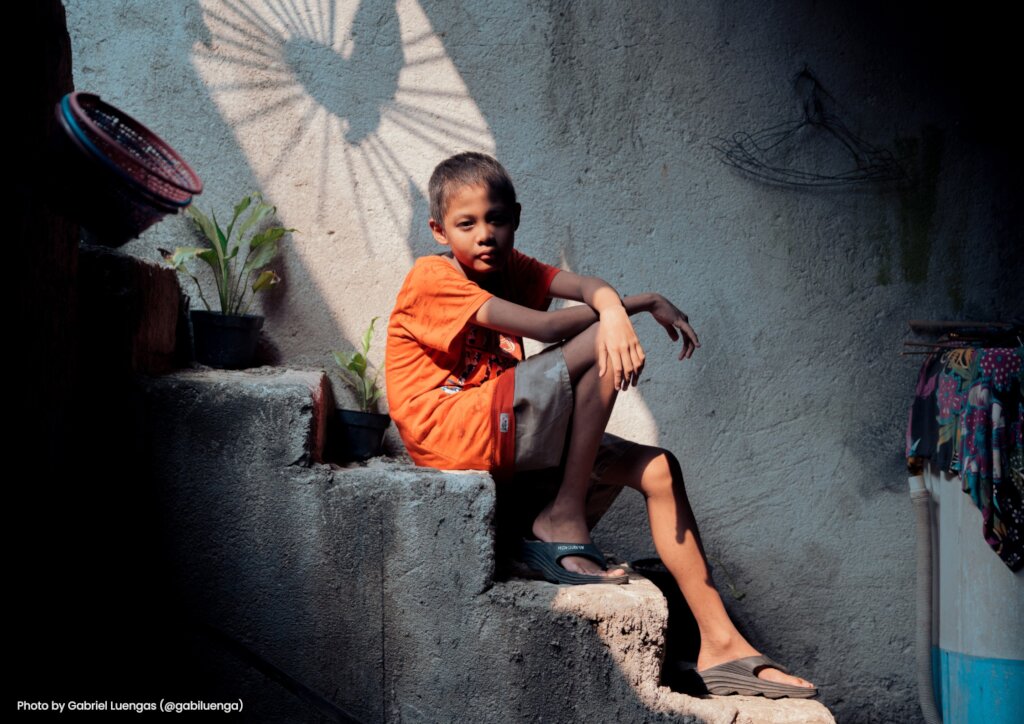
Despite her failing health and fading sight, she remains the sole provider and main caregiver for her 11-year-old son, Arif*.
The Silent Child
Siti’s heartbreak began at Arif’s birth when he failed to cry, a sign of a serious complication.
Apparently, he had inhaled amniotic fluid after a premature rupture of the sac, causing permanent brain damage.
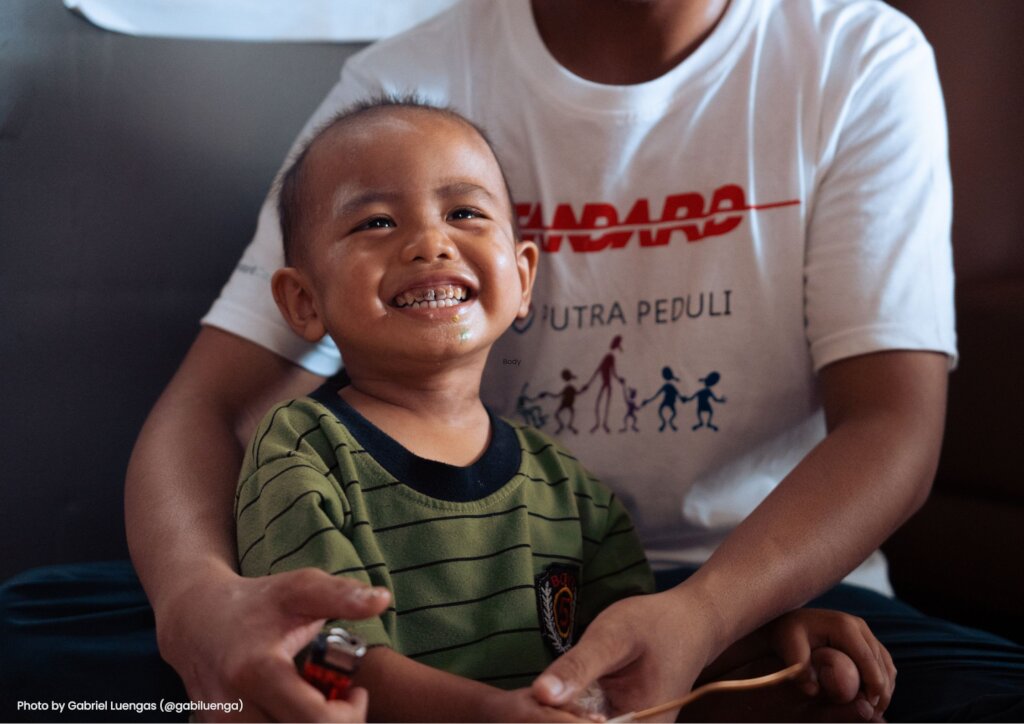
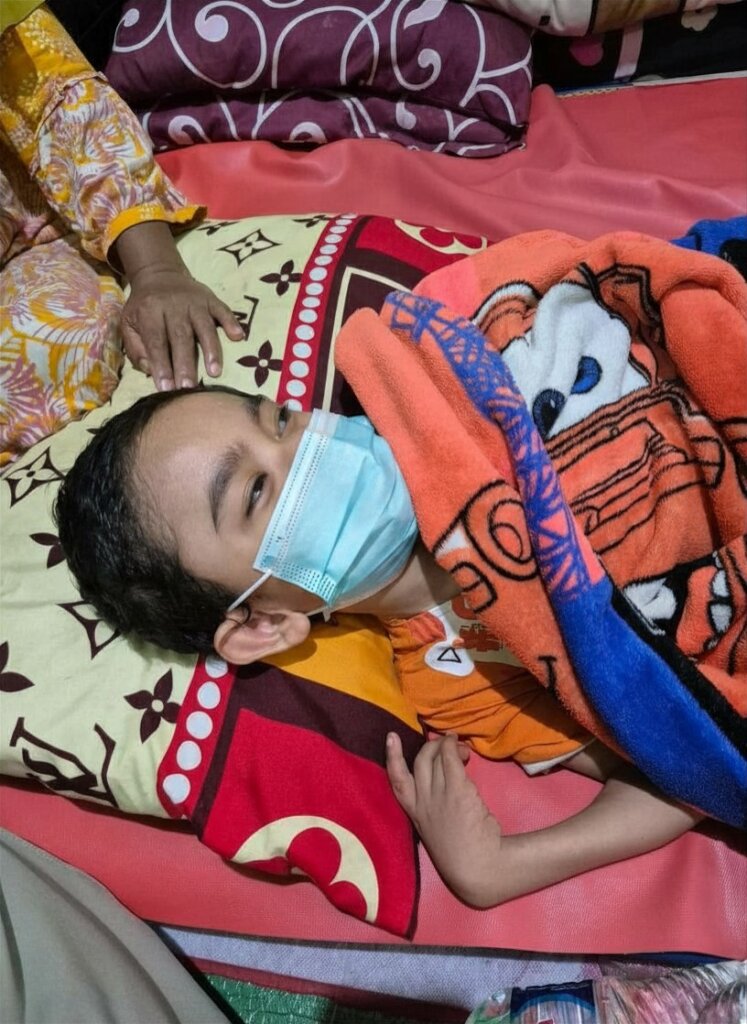
Now Arif lives with cerebral palsy and hydrocephalus, unable to move, speak, or communicate.
He spends his days lying in a body that feels like a prison, with no certainty of his sensory awareness.
Two Failing Bodies
Blindness isn’t the only limitation Siti has to face in the care for her son. At one point, she suffered from a stroke that weakened the right side of her body, making it difficult now for her to lift even Arif’s tiny 12.6 kg body.
Arif’s 13-year old sister tries to help, but she is at school for most of the day.
With Siti’s physical limitations, and no one to help, mother and children are often found living in a house that is dangerously unsafe - with compromised hygiene that threatens their health and wellbeing. Arif is bathed once a week, and his diapers are changed only when his sister is home from school. The family told us that Arif was once bitten by a rat roaming their home, and was only discovered when the wound was badly infected.
Unfortunately, because her husband left shortly after Arif's birth, the burden of care falls solely on Siti and her 13-year-old daughter.
Goes Beyond the Call of Duty
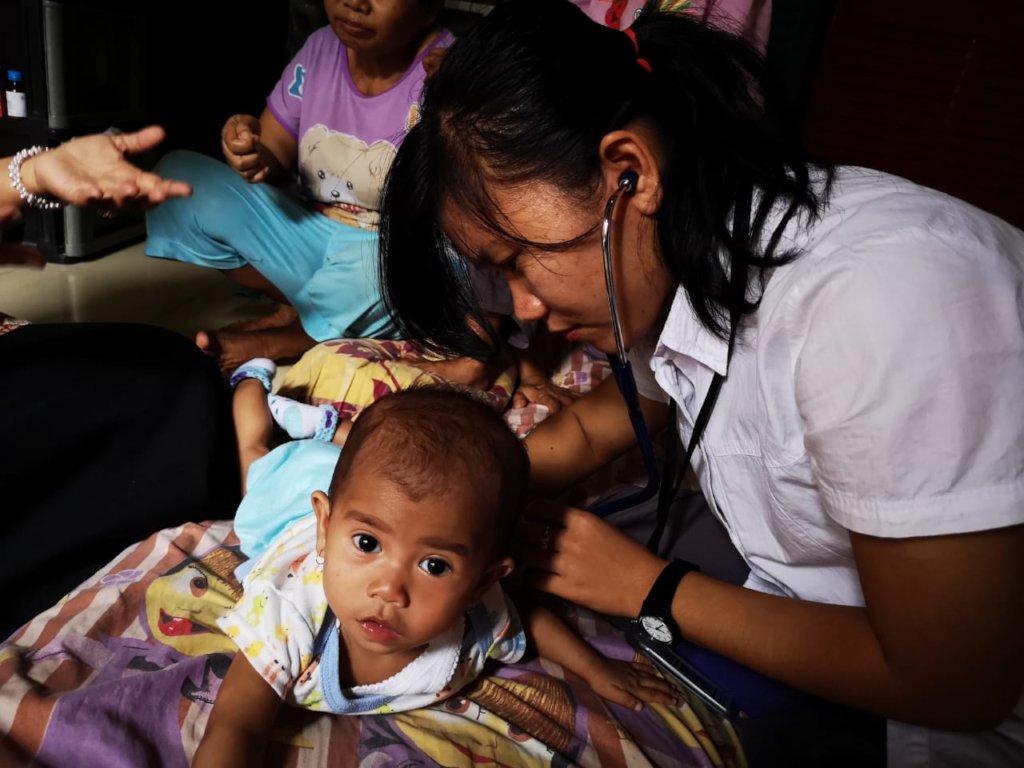
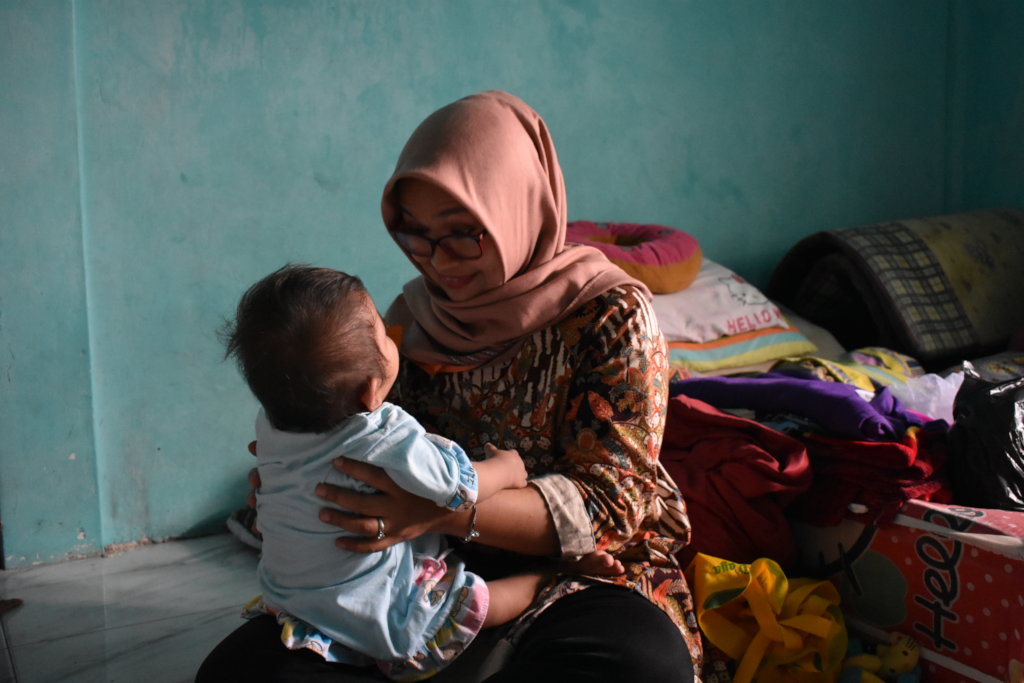
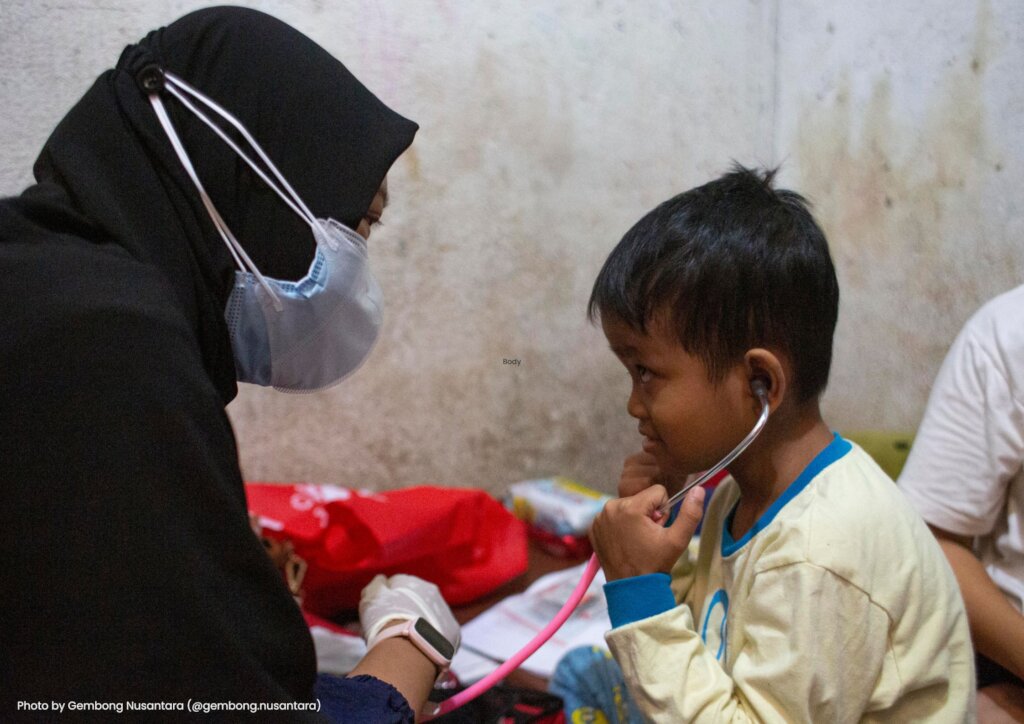
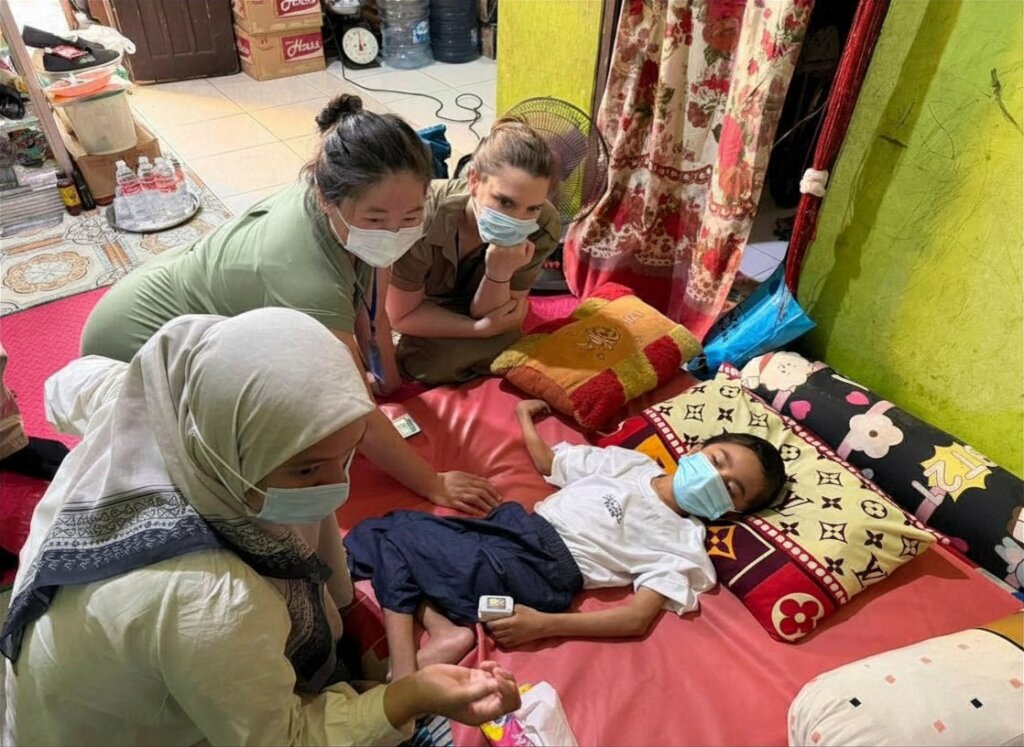
A few weeks ago, Rachel House's nurse, Eka, arrived on her weekly visit to Arif's home to discover him lying drenched in a pool of his own urine, that had soaked not only his clothes, but also his hair and face.
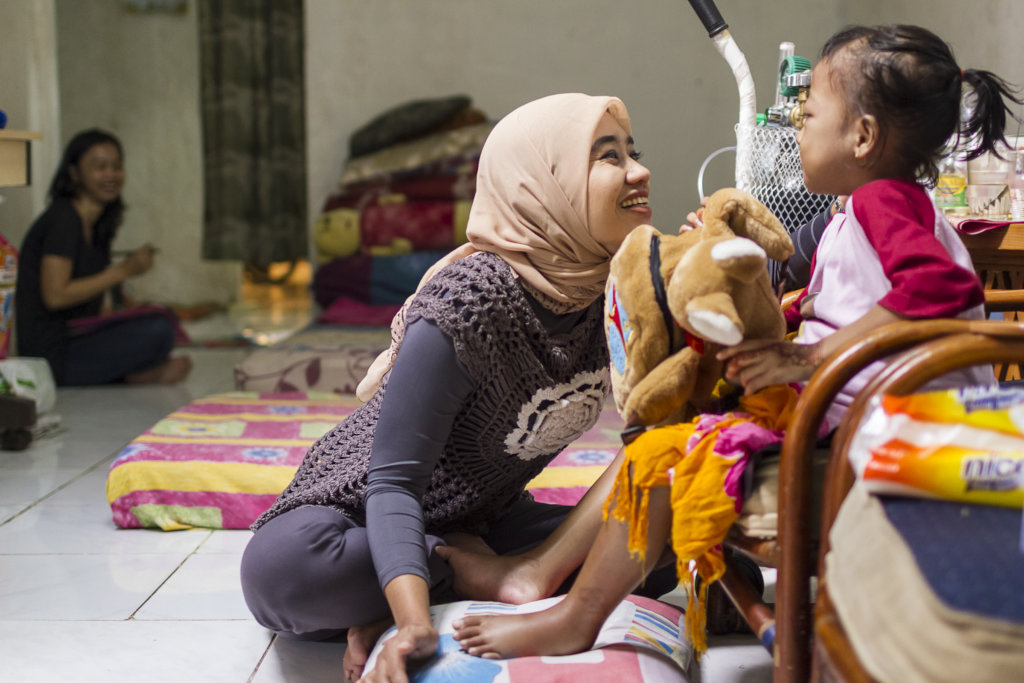
With Arif’s mother being weak and exhausted, Eka decided to bathe Arif herself.
“I just could not bear to see him like that… his mother was so weak and his sister was still in school,” said the nurse.
Eka and our community health worker have also subsequently connected Arif and his mother with home assistance provided by the Jakarta government, adding another layer of protection for the family.
Eka’s commitment and dedication in giving the best care for Arif illustrates how community-based care and involvement can fill the critical gaps for families without support.
Why Arif’s Story Matters
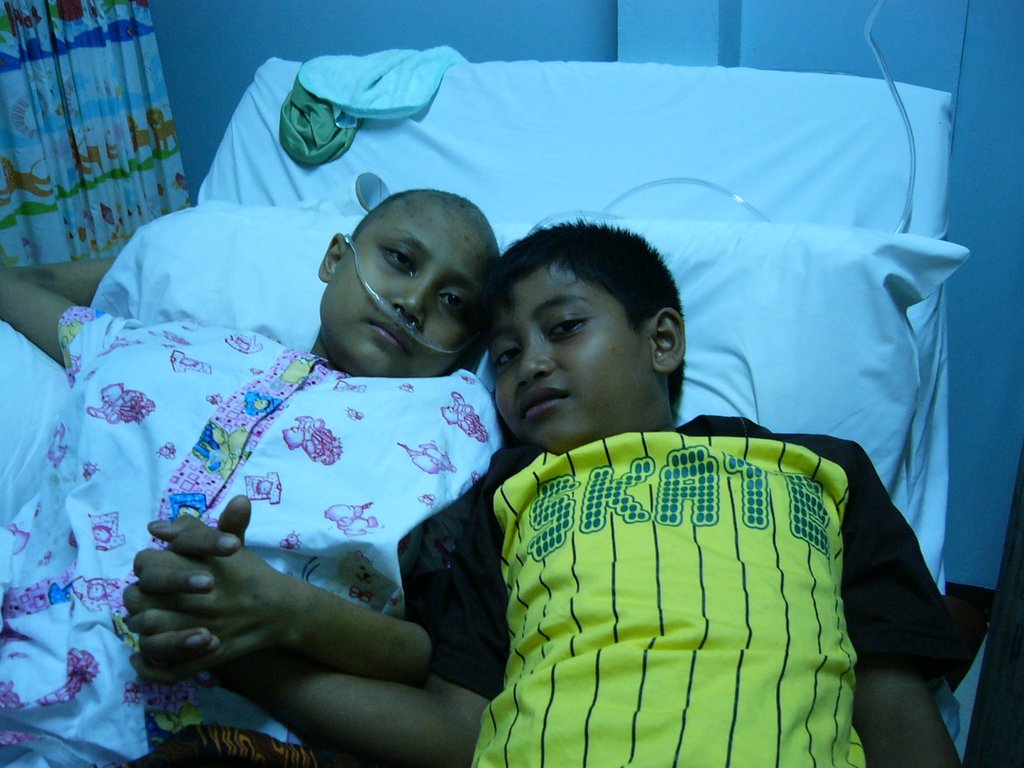
The tragic situation Arif faces is sadly not at all unique. Many Rachel House patients endure similar heartbreaking living conditions.
Arif's story reminds us of the many children in hidden corners of the city who suffer in silence.
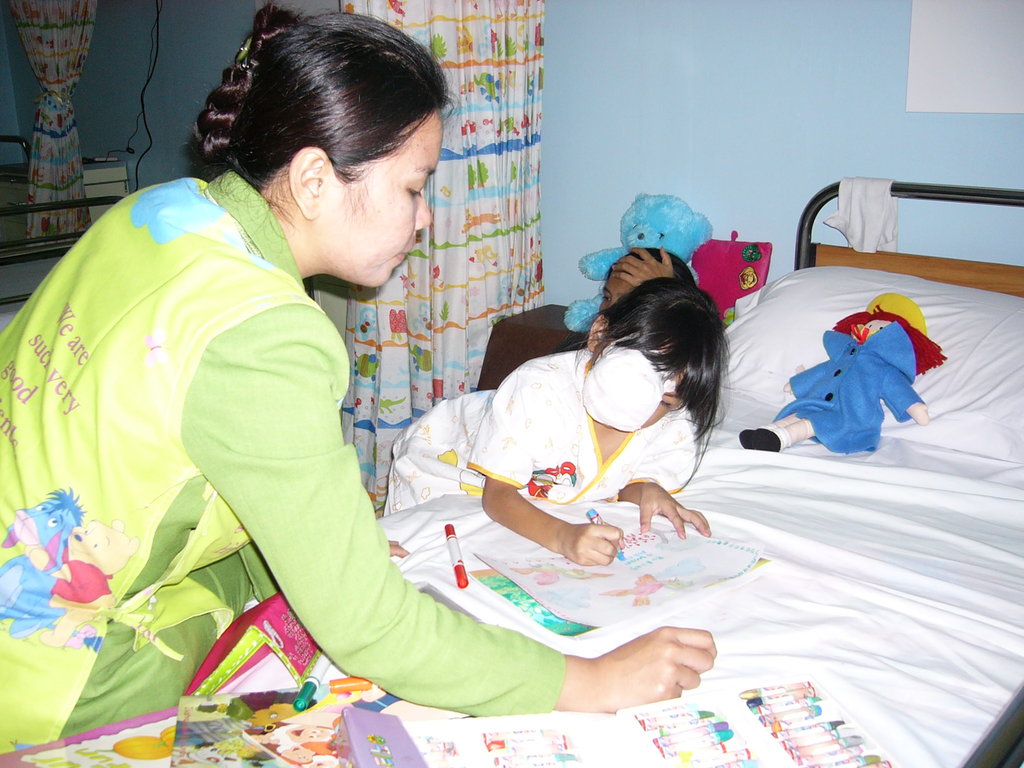
Rachel House aims to preserve dignity for children like Arif, ensuring they receive compassionate care.
How You Can Help
Your contribution helps seriously-ill children like Arif have access to the home-based palliative care they desperately need.
*name changed for privacy
Project reports on GlobalGiving are posted directly to globalgiving.org by Project Leaders as they are completed, generally every 3-4 months. To protect the integrity of these documents, GlobalGiving does not alter them; therefore you may find some language or formatting issues.
If you donate to this project or have donated to this project, you can receive an email when this project posts a report. You can also subscribe for reports without donating.



Support this important cause by creating a personalized fundraising page.
Start a Fundraiser