By Moza Reggie Adilen | Communications and Fundraising Officer
Salma* arrived in Jakarta carrying more than her illness.
The move to Jakarta was not hers alone—it was a decision made by her father, holding on to the hope that she might find better treatment there. For Salma, the move meant leaving behind all that was familiar and comfortable; her days after the move took on a different shape, marked by time at her new home and visits to the hospital.
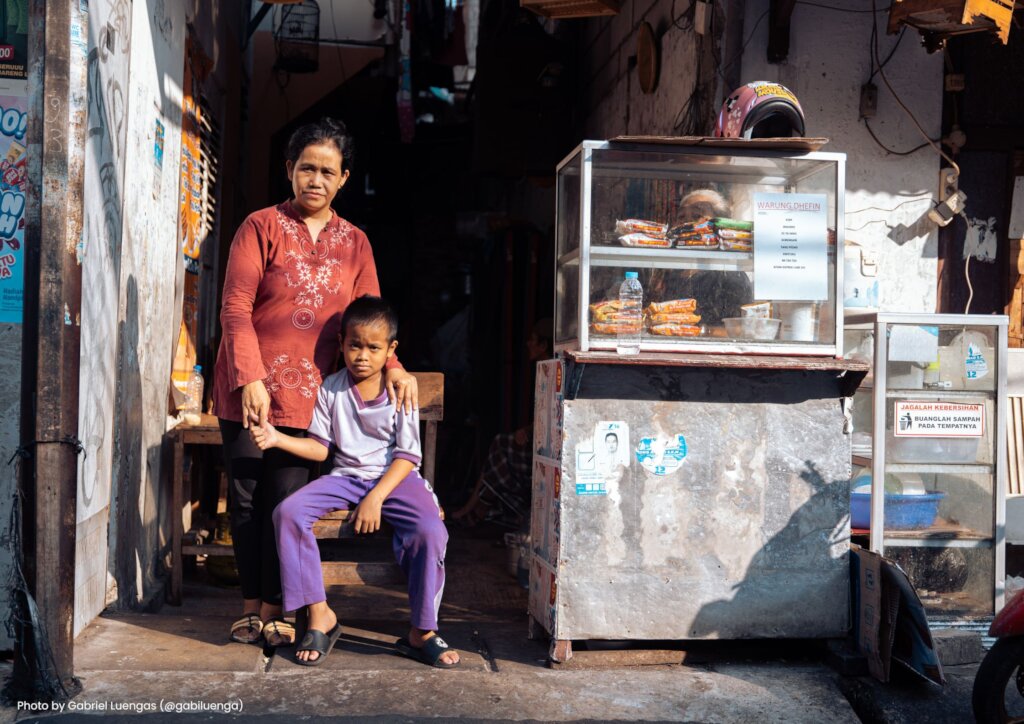
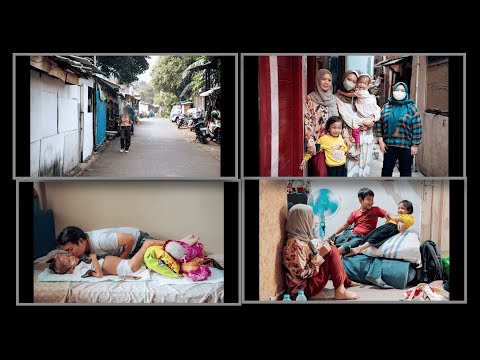
Her new home was always full of people—more than ten in a 3-room house, with voices filling every room, movement constant and close. But being surrounded did not mean being seen. In the middle of it all, she was alone.
Over time, her days settled into one place.
The living room.
It was where she slept, ate, and spent most of her days. A space chosen so she could be seen, so someone would notice if something changed. From outside, it looked like she was surrounded. But presence and care are not always the same.
As time passed, her body began to reshape her life.
Salma was battling HIV, complicated by lung tuberculosis and malnutrition. Over time her strength slowly faded. Weakness on one side of the body, tremors that came without warning, difficulty swallowing, a cough that lingered. She learned to live within the limits of what her body allowed.
Loneliness did not announce its arrival. It settled in the pauses—between people passing through, between brief check-ins, between hours that asked nothing of her but also gave nothing back.
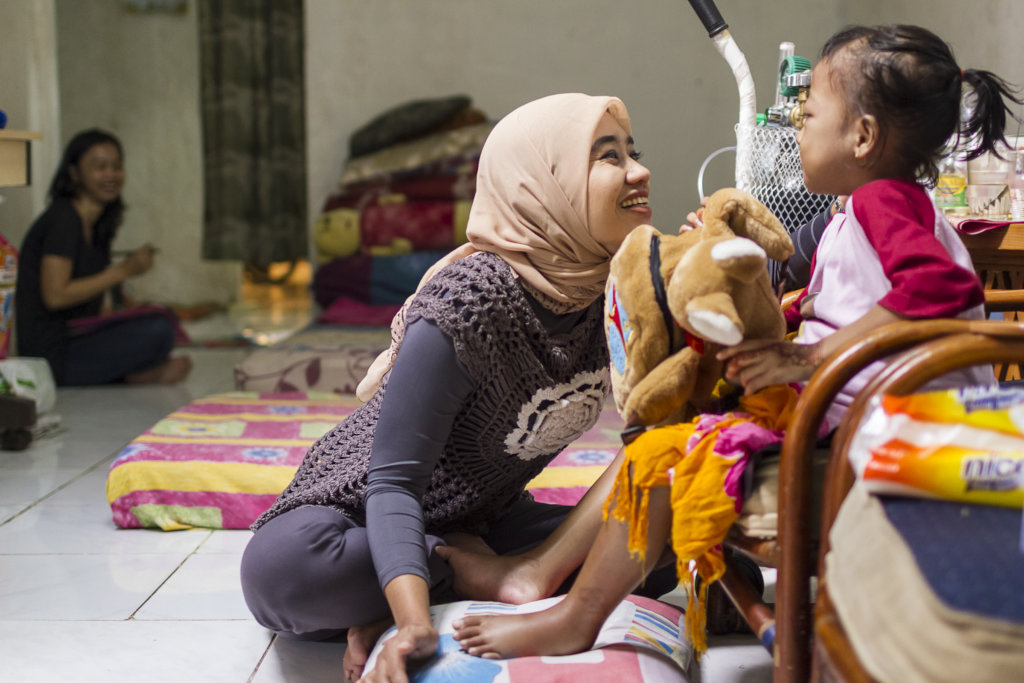
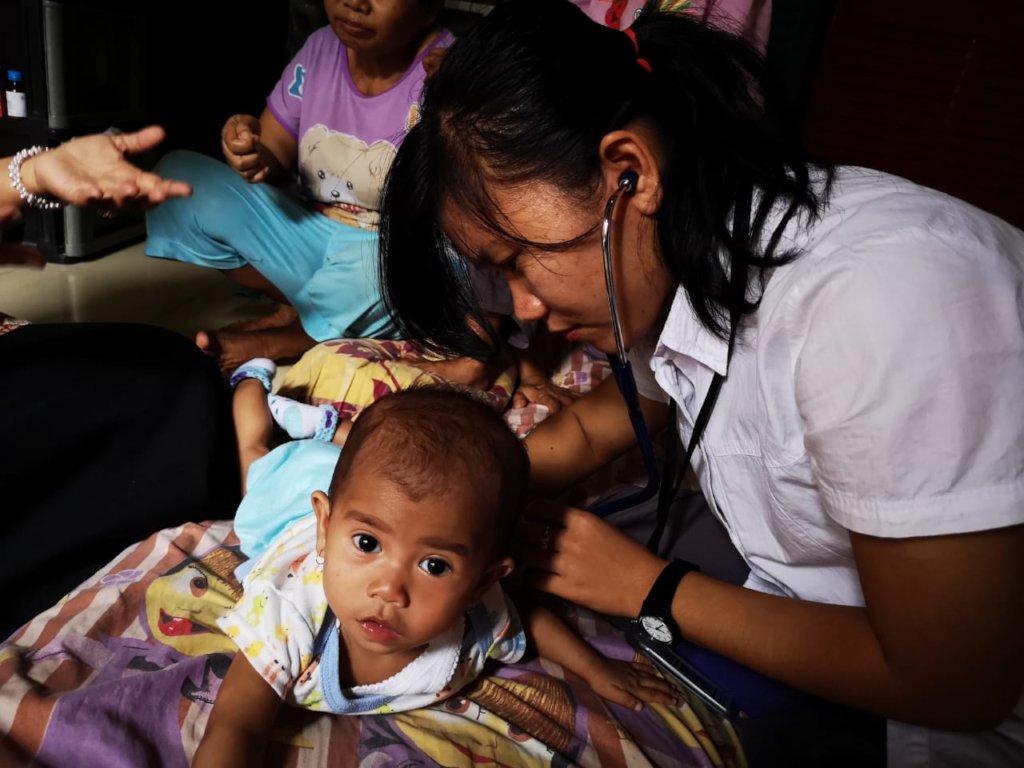
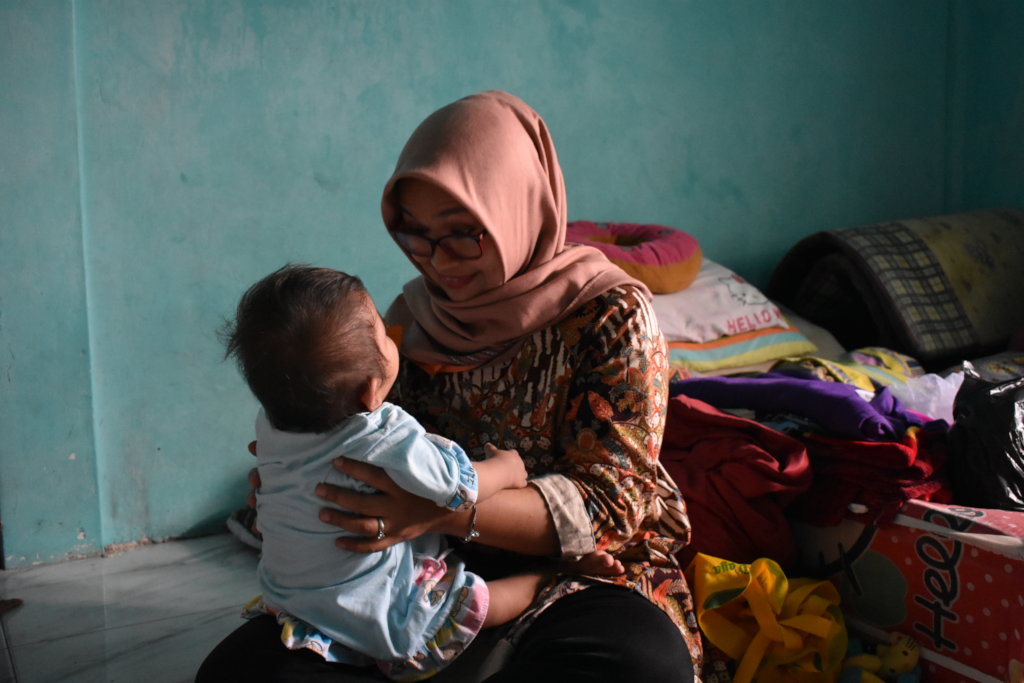
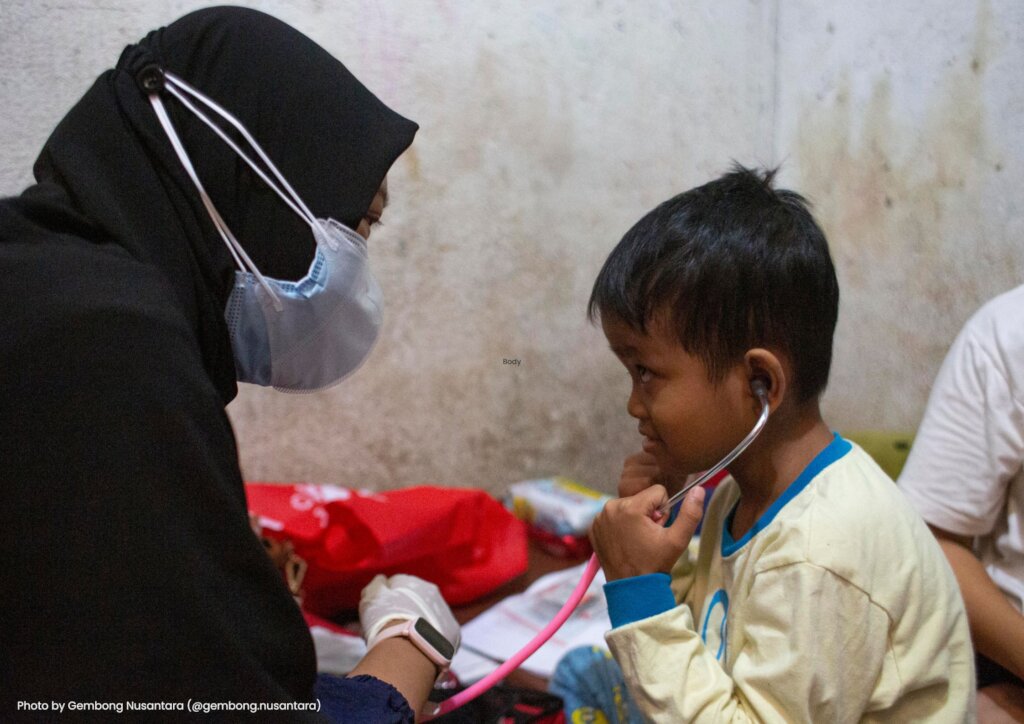
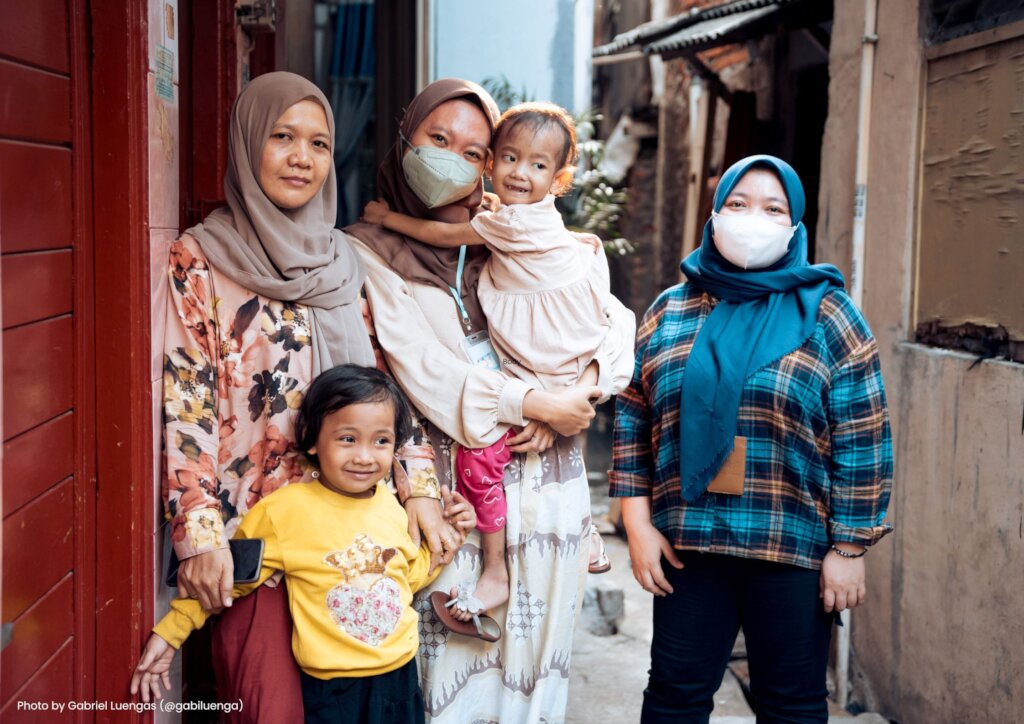
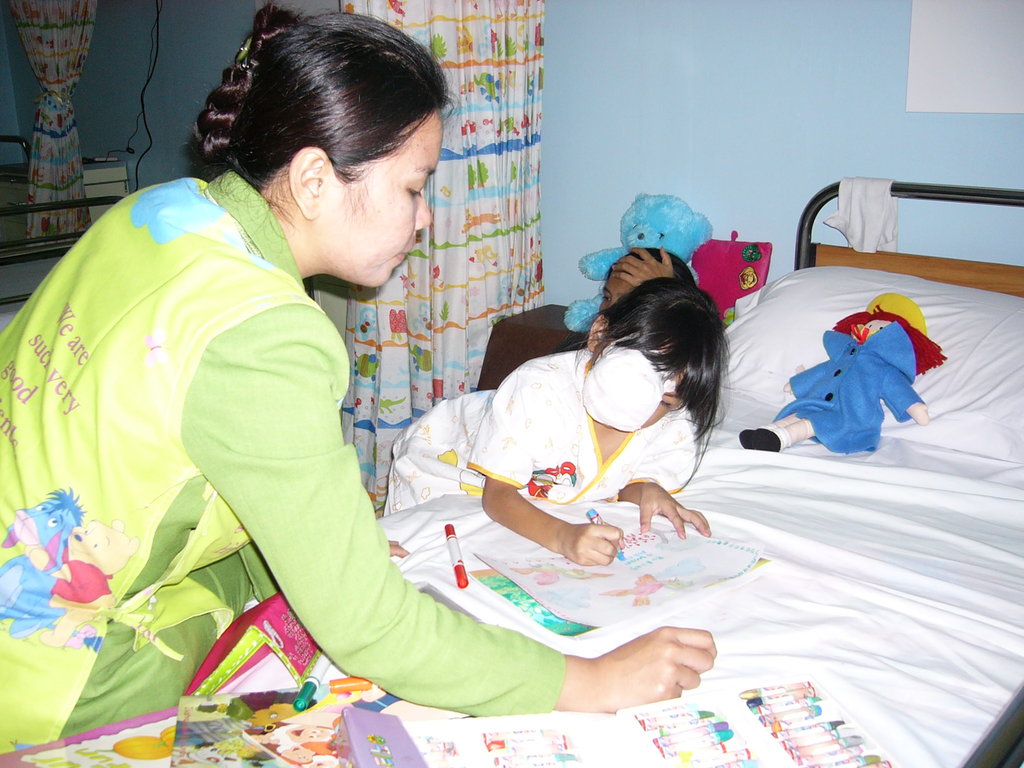
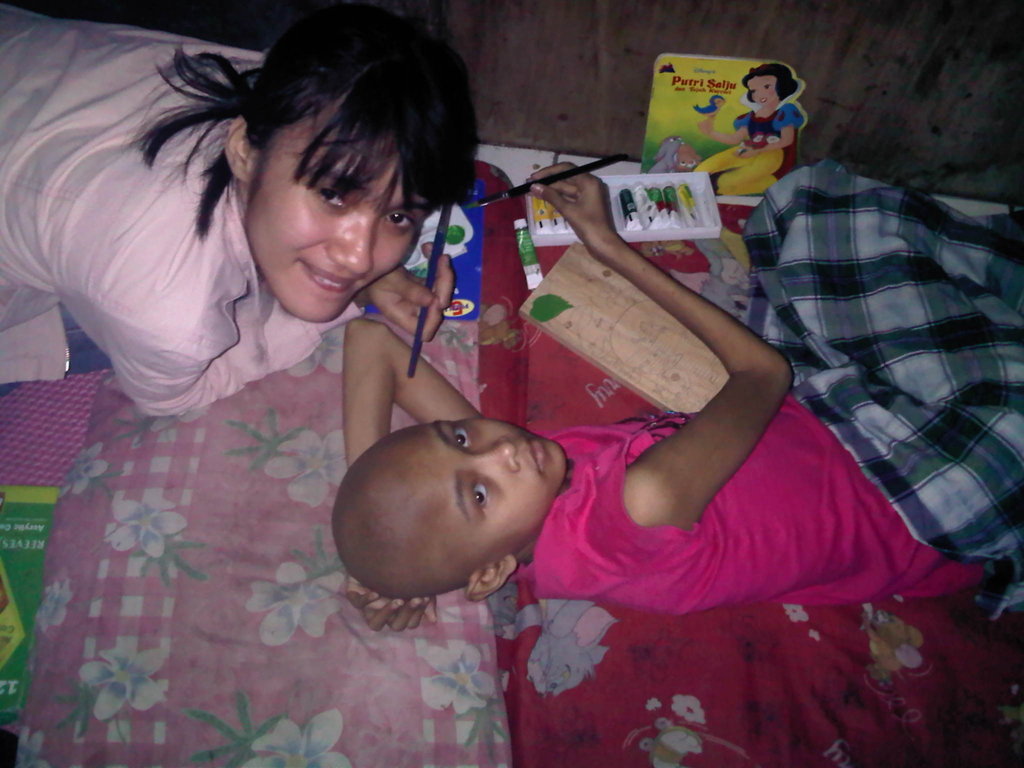
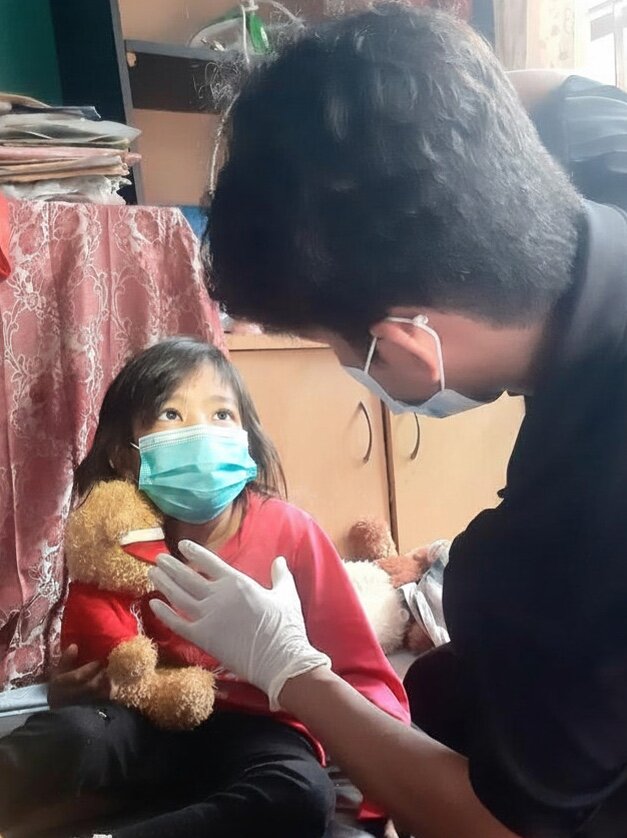
When Rachel House nurses began visiting her at home, the space around her shifted slightly. They sat with her. Talked with her. Played with her. They did not come and go quickly; they stayed long enough for the room to feel different.
Salma would say she felt happy when they came. Not loud happiness. Just enough to make the day easier to hold.
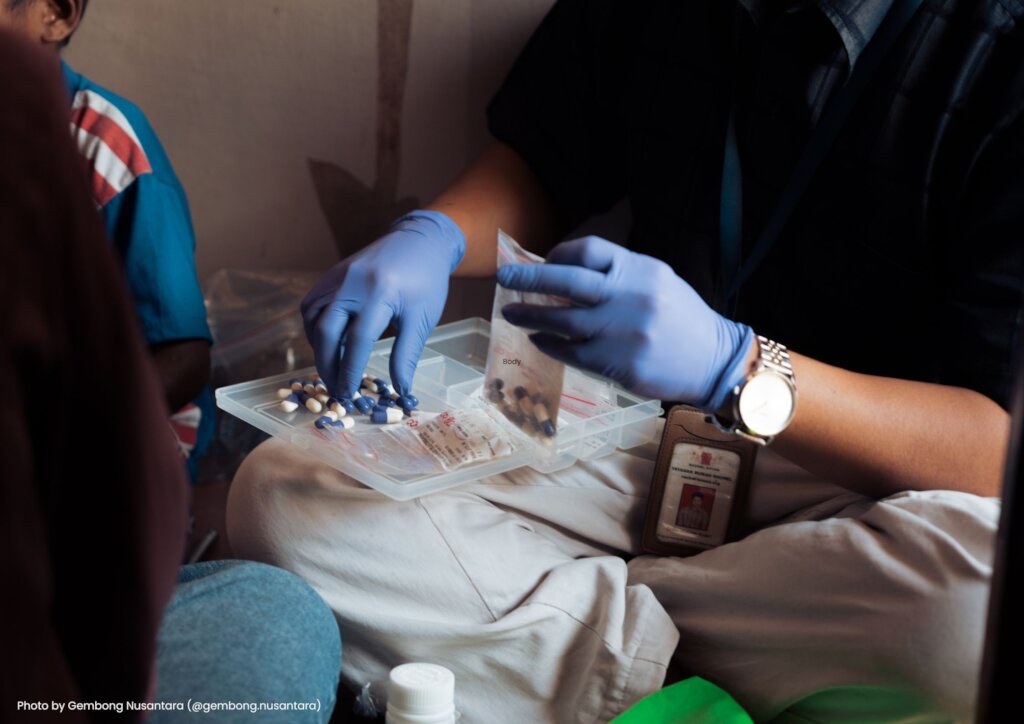
There were small improvements over time. Treatment became more consistent. Some symptoms eased. Life did not change entirely, but it became a little more manageable.
Until, one day, it wasn’t.
The seizures returned more frequently, with increasing severity, until hospital admission became necessary. The illness that had been lingering—an infection that had returned, swelling that spread through her brain—progressed beyond what her body could carry.
She did not go home after that.
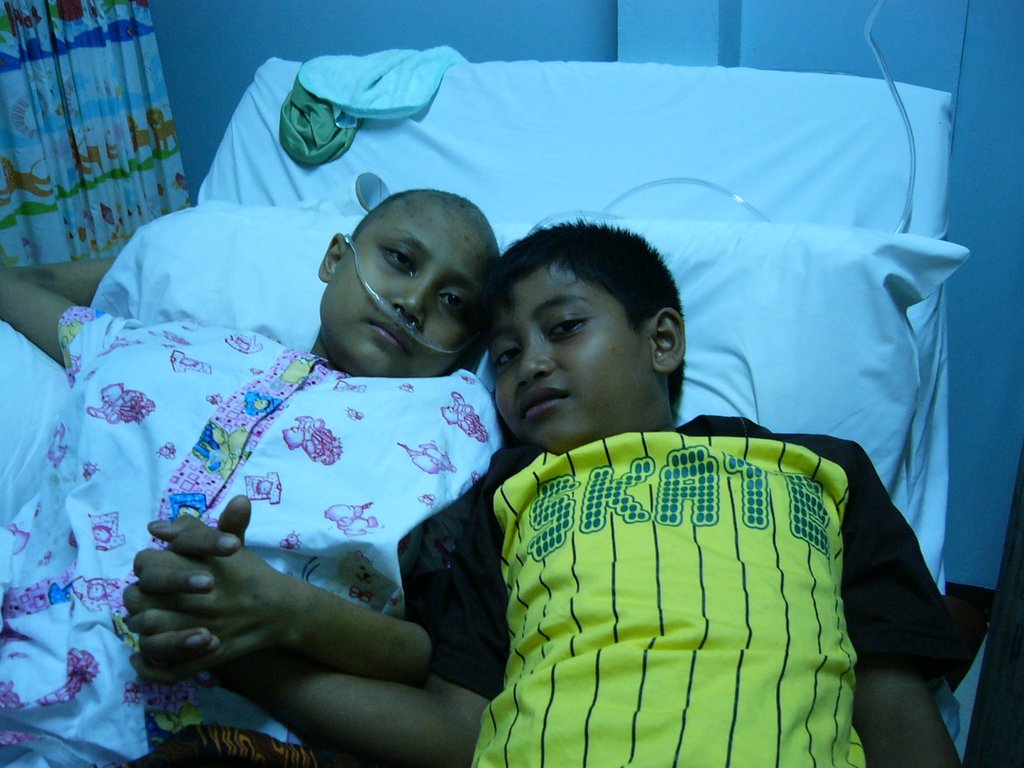
Salma was still in the years of becoming. But her world had already narrowed long before the end—from a house full of people, to a living room, to a hospital bed.
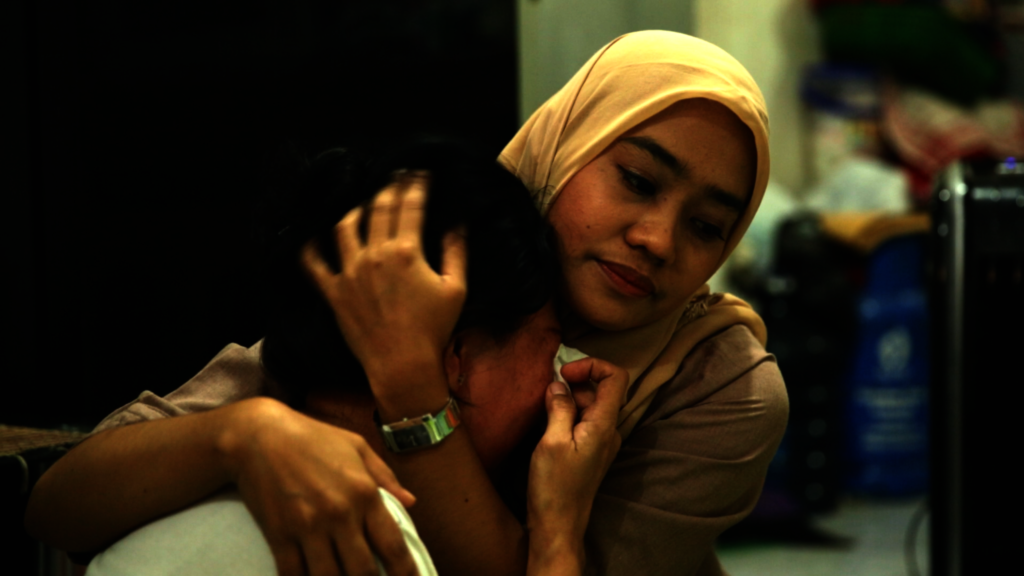
In her final days, she was not alone. Her father sat beside her when he could, and the Rachel House team remained present with her through to the end.
What remained were the small things: the quiet presence beside her bed, and the ordinary moments where she was not alone in her final days.
*name changed for privacy
Project reports on GlobalGiving are posted directly to globalgiving.org by Project Leaders as they are completed, generally every 3-4 months. To protect the integrity of these documents, GlobalGiving does not alter them; therefore you may find some language or formatting issues.
If you donate to this project or have donated to this project, you can receive an email when this project posts a report. You can also subscribe for reports without donating.



Support this important cause by creating a personalized fundraising page.
Start a Fundraiser