By Josias Santoso | Volunteer
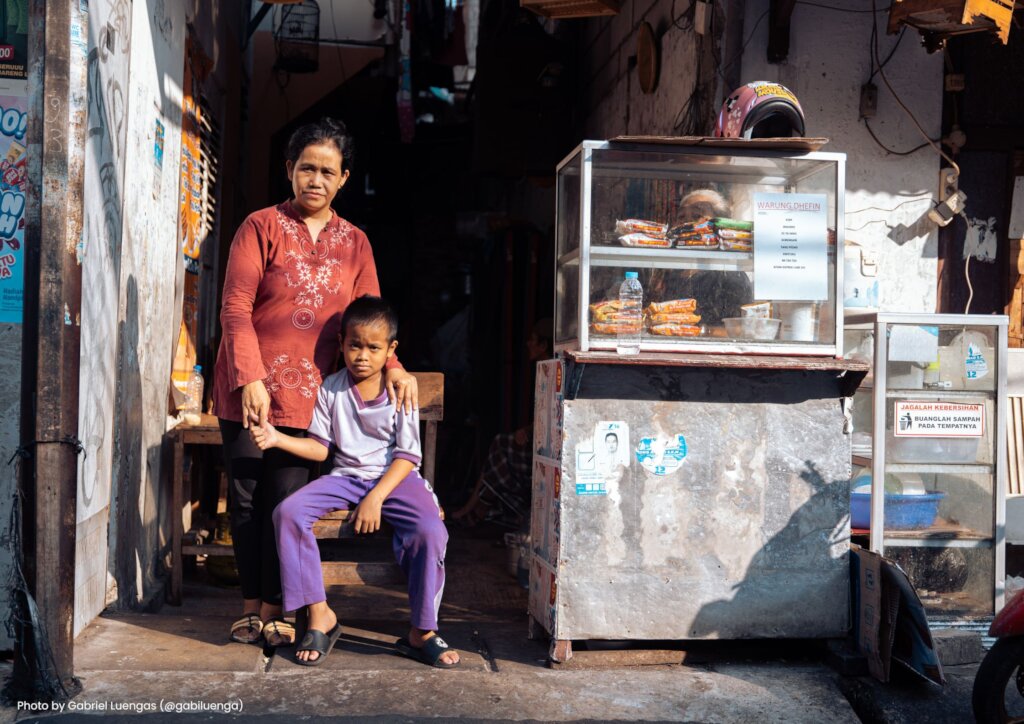
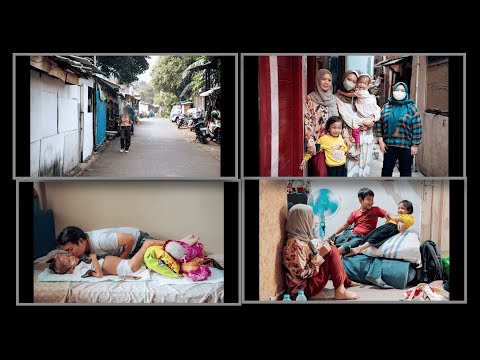
It was a humid afternoon deep in the bowels of Jakarta, the capital city of Indonesia, as we made our way to our next patient. The moment I stepped out of the air-conditioned car, the sweltering heat smothered me. The scene was overwhelming: cramped houses with colourful corrugated-iron roofs, the furious buzz of motorcycles and cars zipping past with horns blaring, and the acrid blend of petrol, street food, and sewage hanging in the air. This was a far cry from the rolling green hills of England I knew. Here, not a patch of green was in sight—only a toxic, dusty haze rising above the city, blanketing the skyline.
I hurriedly strapped on my mask, vigilant in an unfamiliar place, and caught up with my team, who had already disappeared into the narrow alleyways.
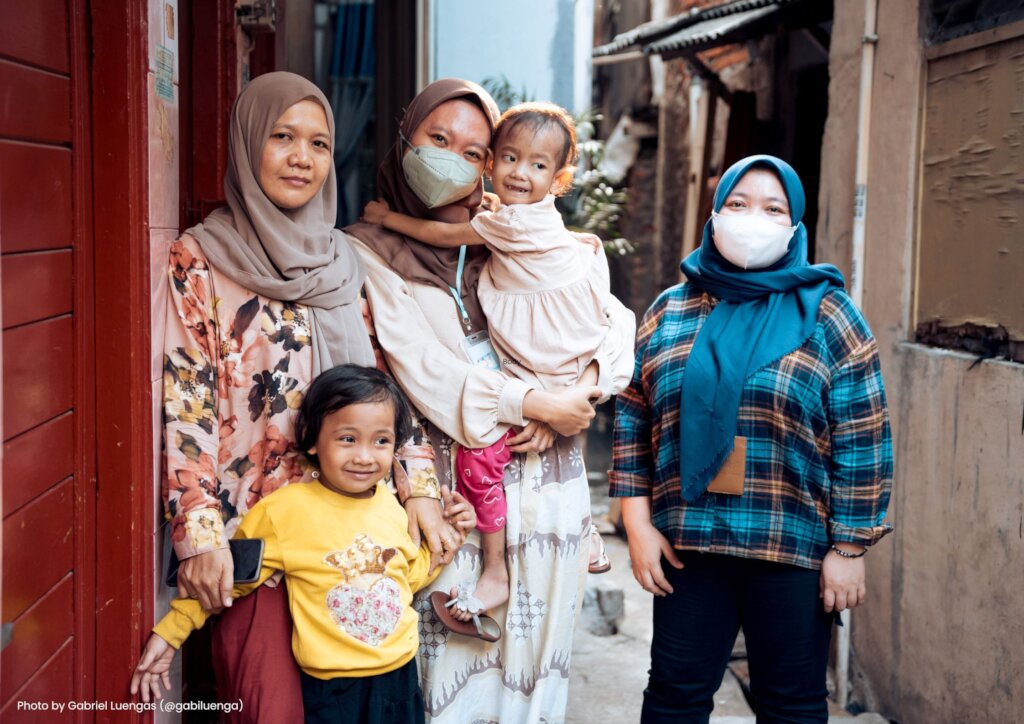
As I followed closely behind the nurses, the suffocating air seemed to grow heavier with each step. I kept my head fixed forward to stay on their path, yet I couldn’t ignore the curious stares of locals, puzzled at the sight of an Indonesian Brit in their midst. The walls of the alley pressed tighter, the sunlight dimmed, but life carried on—motorcycles barged through regardless, children played freely, and old men leaned out of windows, selling fruit and vegetables to those passing by.
I walked past the patient’s house without noticing—it was so inconspicuous that I only realized we had arrived when the child’s mother beckoned us inside. Her voice echoed from a narrow corridor, so tight that we shuffled single-file.
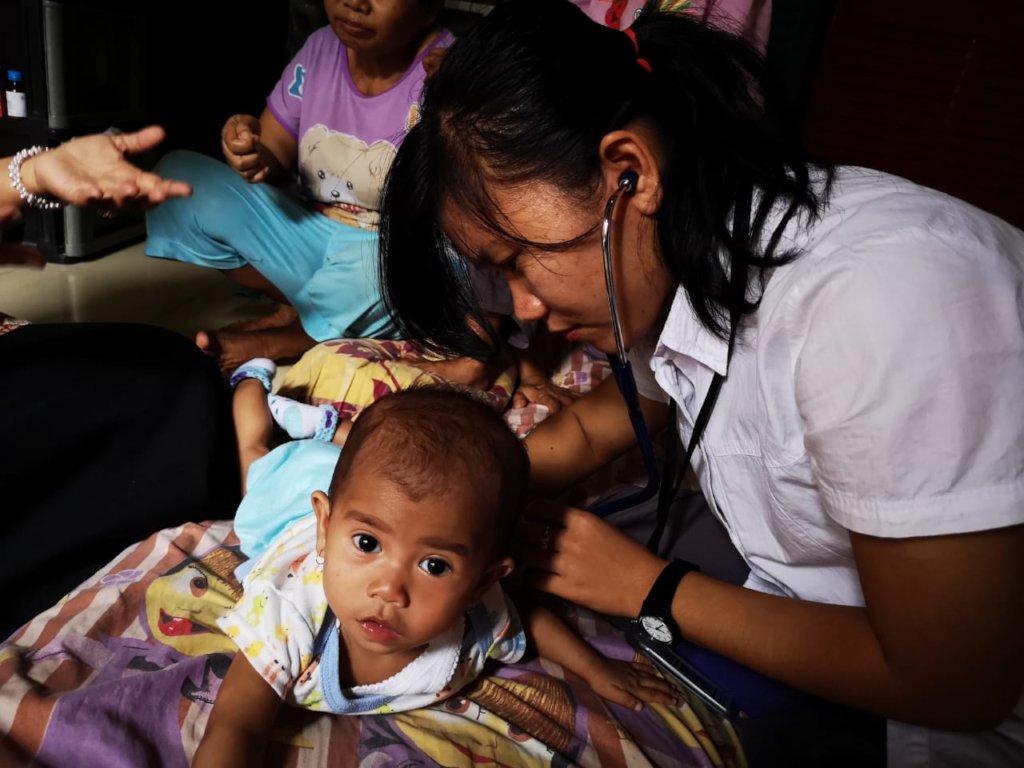
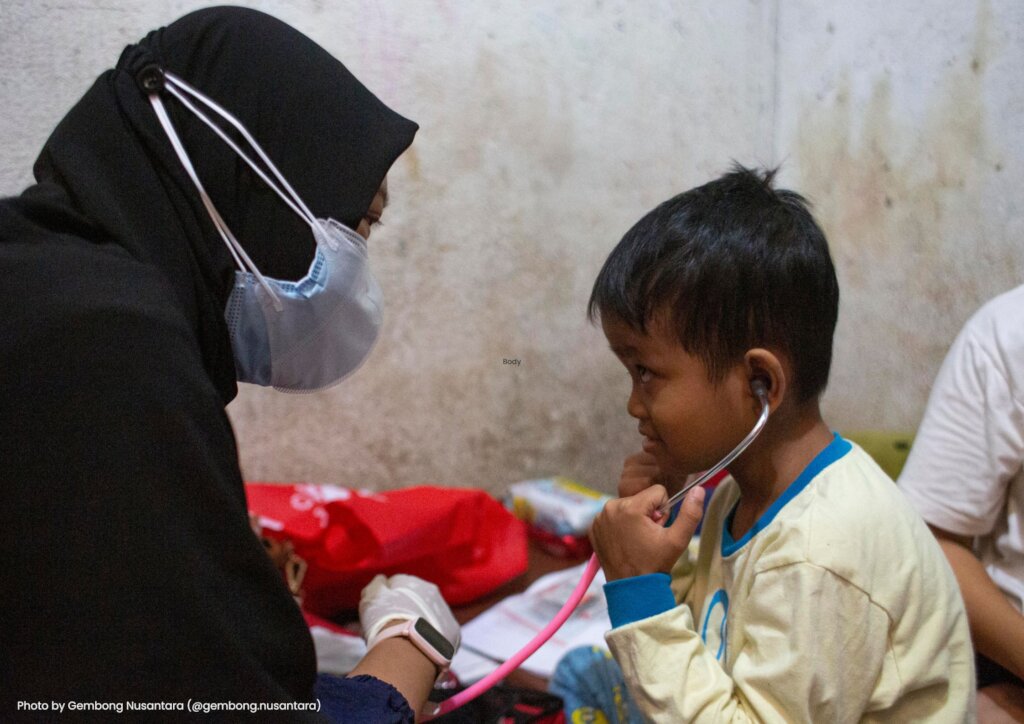
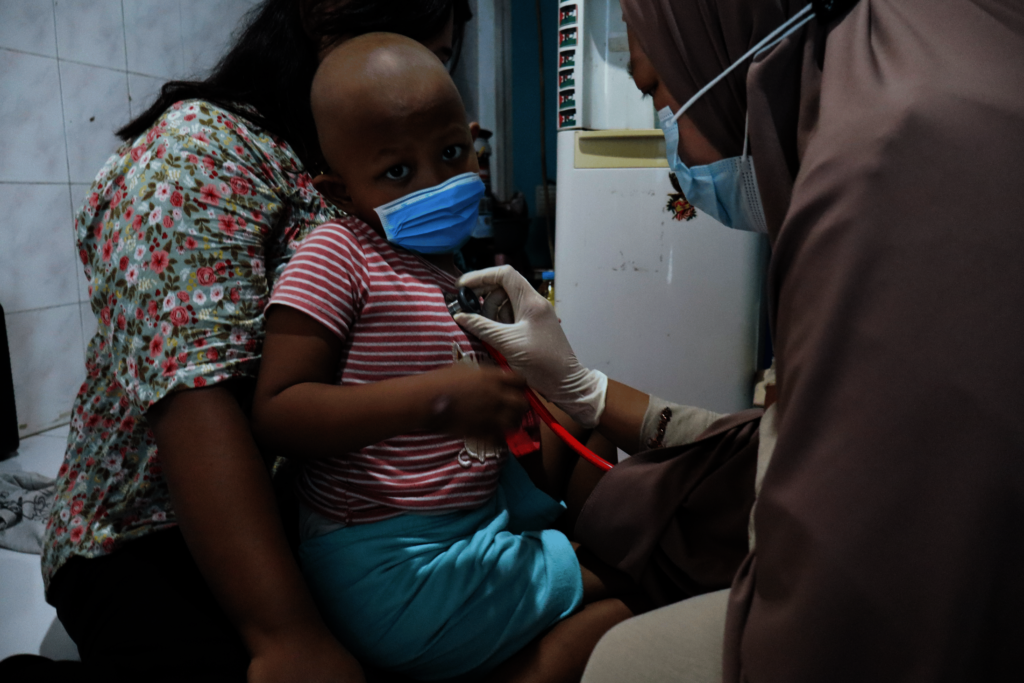
Inside, the “house”—really just a single small room—was stark. A mattress leaned against the wall, a heap of boxes filled one corner, and a lone fan struggled to stir the air. My colleague explained that five people had once slept here. We all sat cross-legged on the floor while the nurse unpacked her equipment to assess a little girl named Ais.
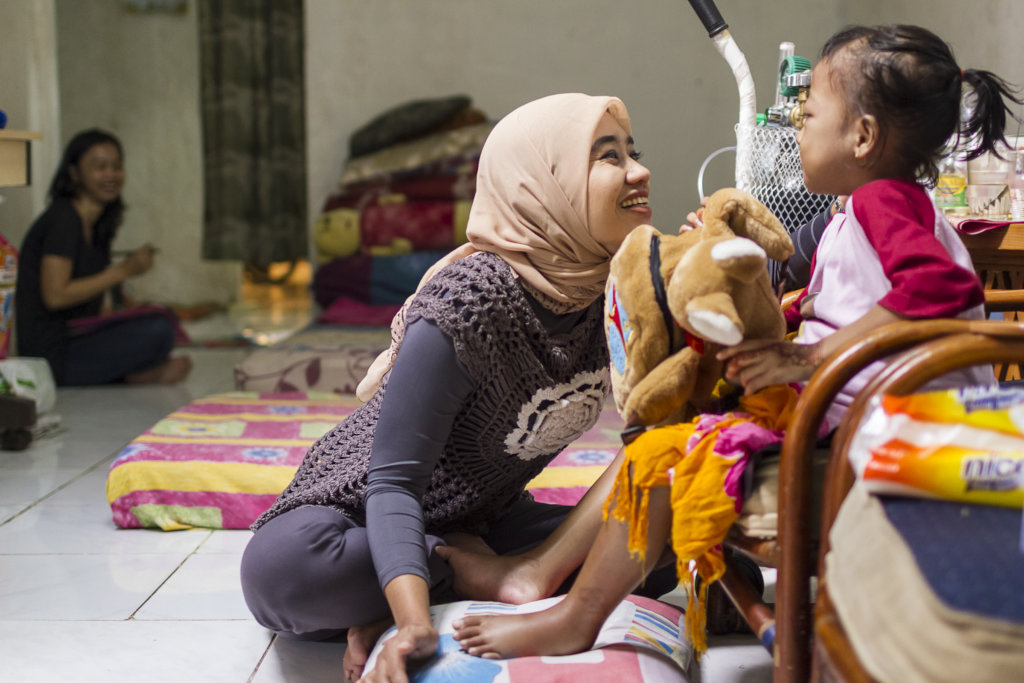
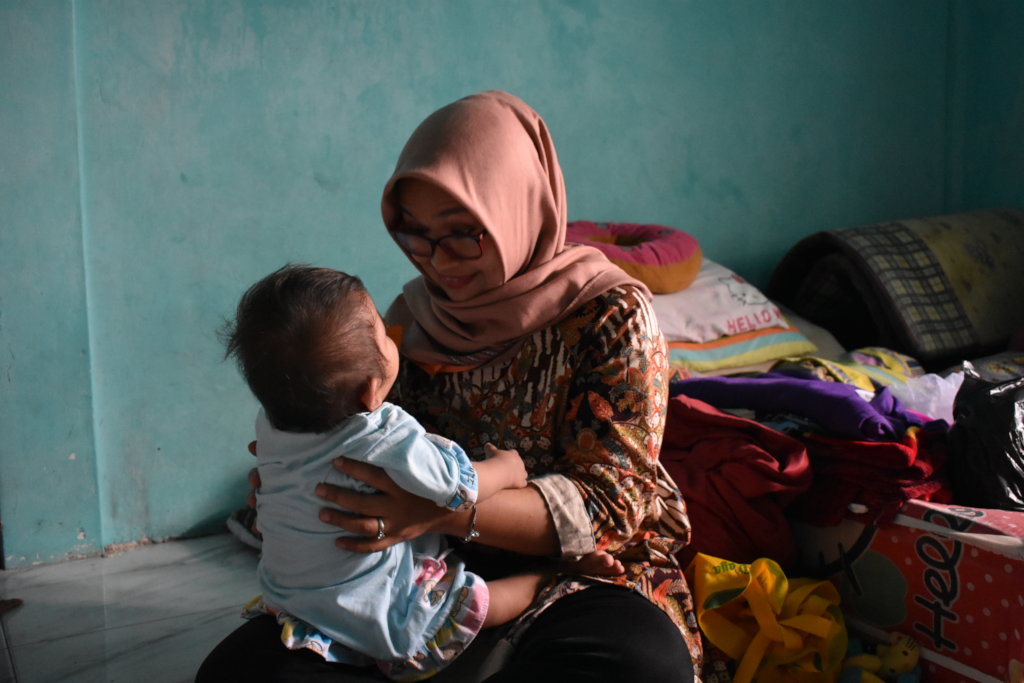
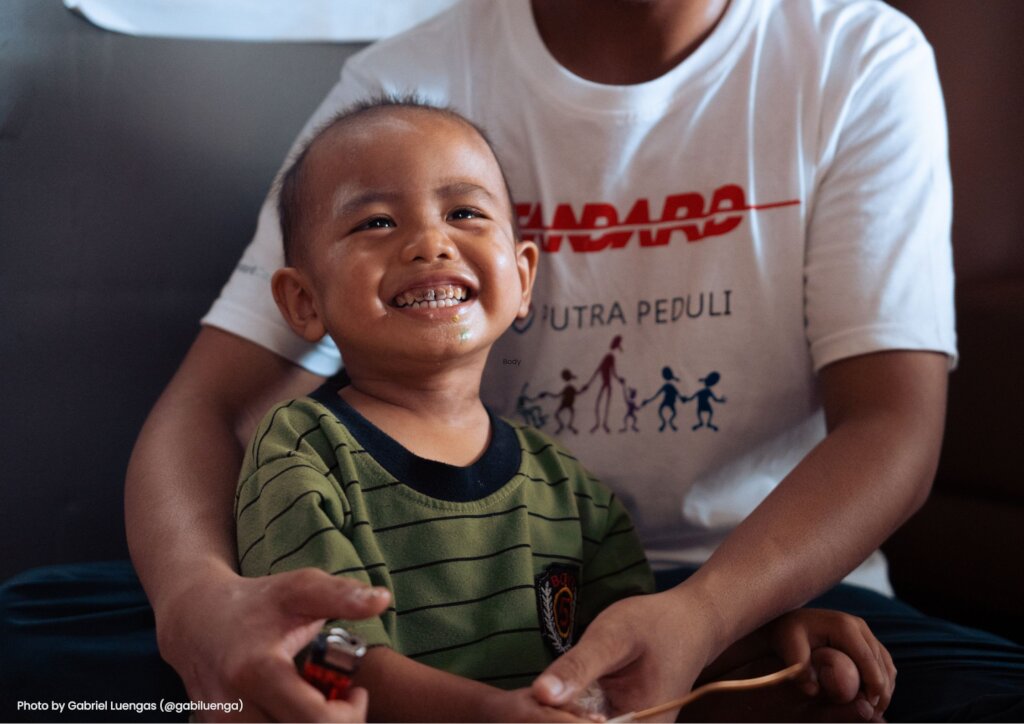
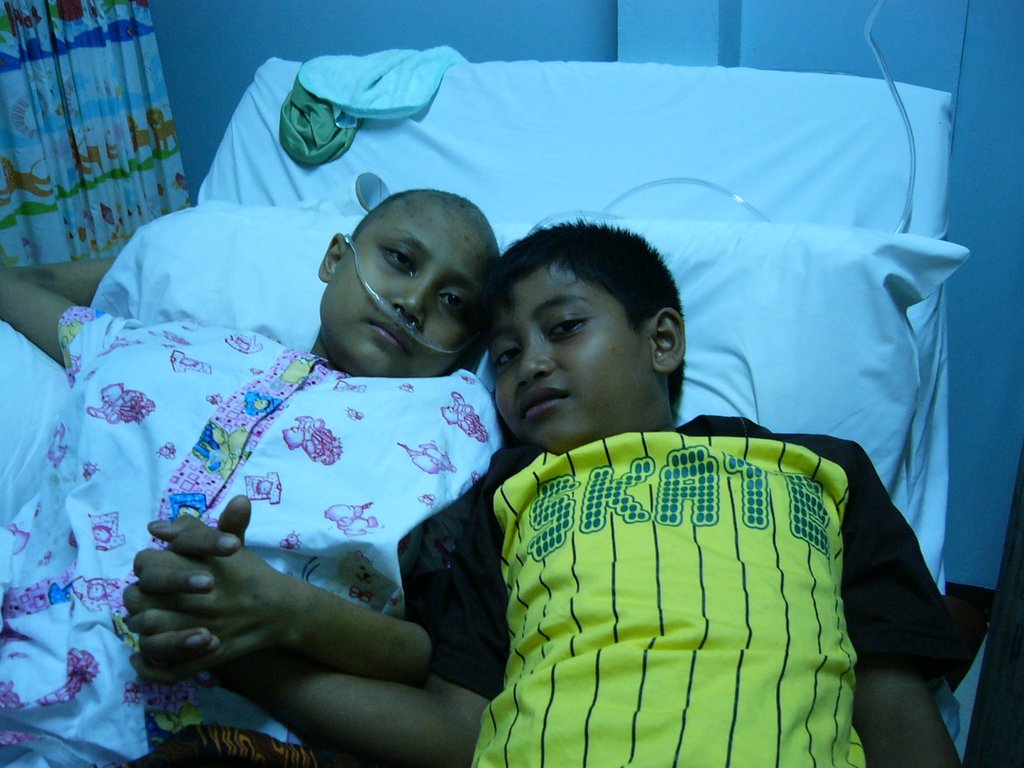
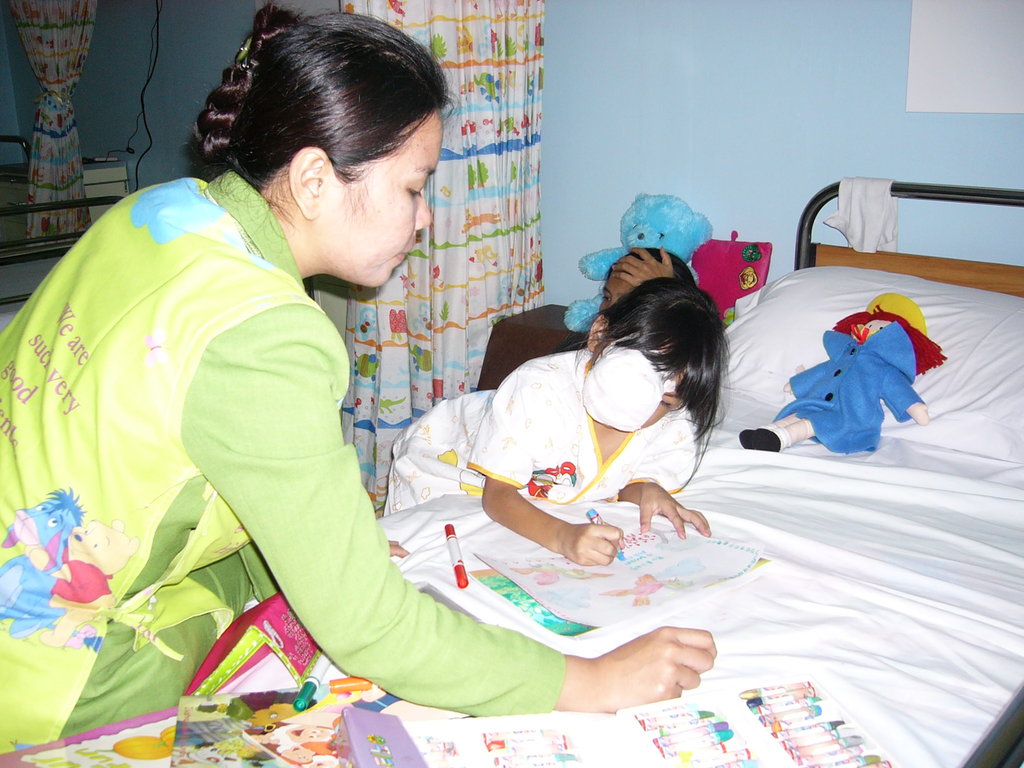
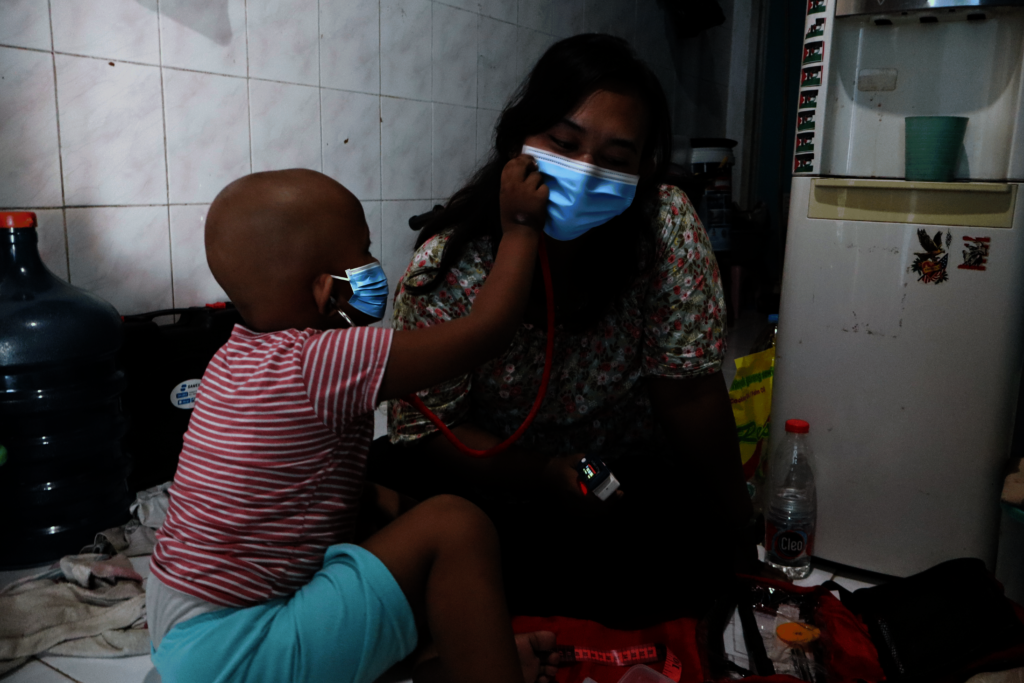
Ais was admitted to Rachel House with an immunocompromised disease and severe malnutrition in the early of 2025. Her primary physician, an immunologist from a general hospital, referred her to Rachel House to receive care at home, and guidance for her mother on how to care for her. For years, she had struggled with recurring infections such as pneumonia. Yet, aside from a few lumps on her arm and a round belly, Ais looked like any other three-year-old. She was lively, energetic, and mischievous—snatching the nurse’s measuring tape and demanding more medical tools as if they were toys. She seldom made eye contact with me, but when she did, she made an amusingly curious face for a few seconds and then resumed her playtime.
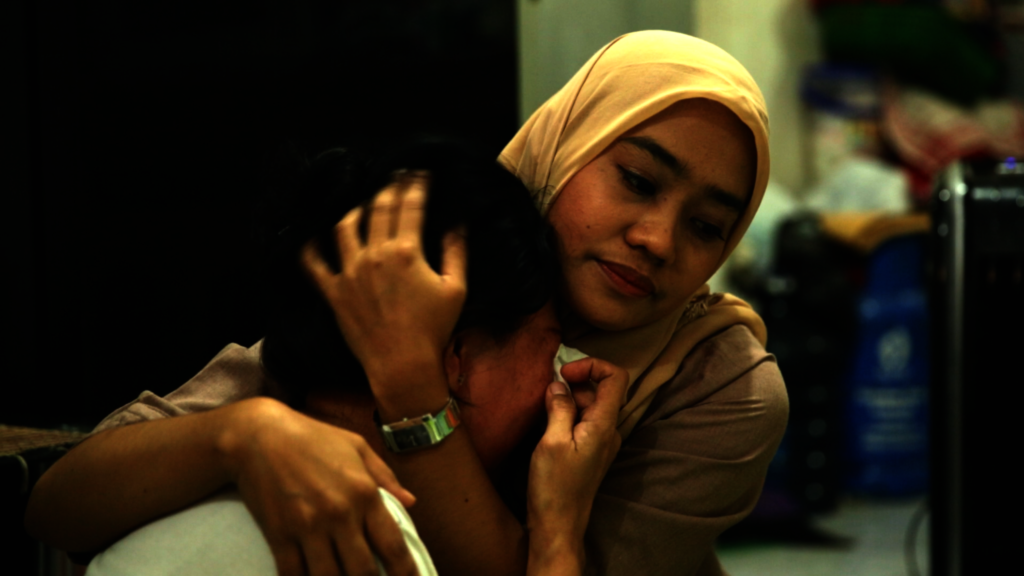
What struck me most was not Ais herself, but her mother. She smiled warmly throughout the visit, her face calm and composed. In her eyes, there was no trace of bitterness or despair. Instead, there was gratitude. Gratitude for the nurse’s care, for Rachel House’s support, and for the chance to see her daughter laugh. Life had dealt her a painful hand: a cramped home, meagre means, and an illness that shadowed both her and her child. Yet none of it seemed to rob her of joy.
As someone raised in the UK, I’m particularly prone to complaining. Back home, complaining is practically a national pastime. We gripe about early mornings, late buses, endless rain, and political mishaps. It’s almost cultural: things don’t go our way, so we moan about it. But seeing true poverty in Jakarta instantly challenged my instincts.
Here was a mother with every reason to lament her lot in life, yet she radiated only love and thankfulness. For her, Rachel House was not just a not-for-profit organization that provided free palliative care—it was hope, companionship, and relief. With their support, she could manage her daughter’s illness and face tomorrow with courage.
As I watched Rachel House nurses give their compassion and care to patients, I marvel at the gifts that I received from the patients and their families. Ais and her mother taught me a precious lesson, that gratitude isn’t about having things; it’s about cherishing the smallest blessings, even if it’s just a brief moment of togetherness. Now, the next time I complain about the train being delayed, I will remember to ask myself, What could I be thankful for today?
Project reports on GlobalGiving are posted directly to globalgiving.org by Project Leaders as they are completed, generally every 3-4 months. To protect the integrity of these documents, GlobalGiving does not alter them; therefore you may find some language or formatting issues.
If you donate to this project or have donated to this project, you can receive an email when this project posts a report. You can also subscribe for reports without donating.



Support this important cause by creating a personalized fundraising page.
Start a Fundraiser