By RUTH KONCHELLAH | DIRECTOR
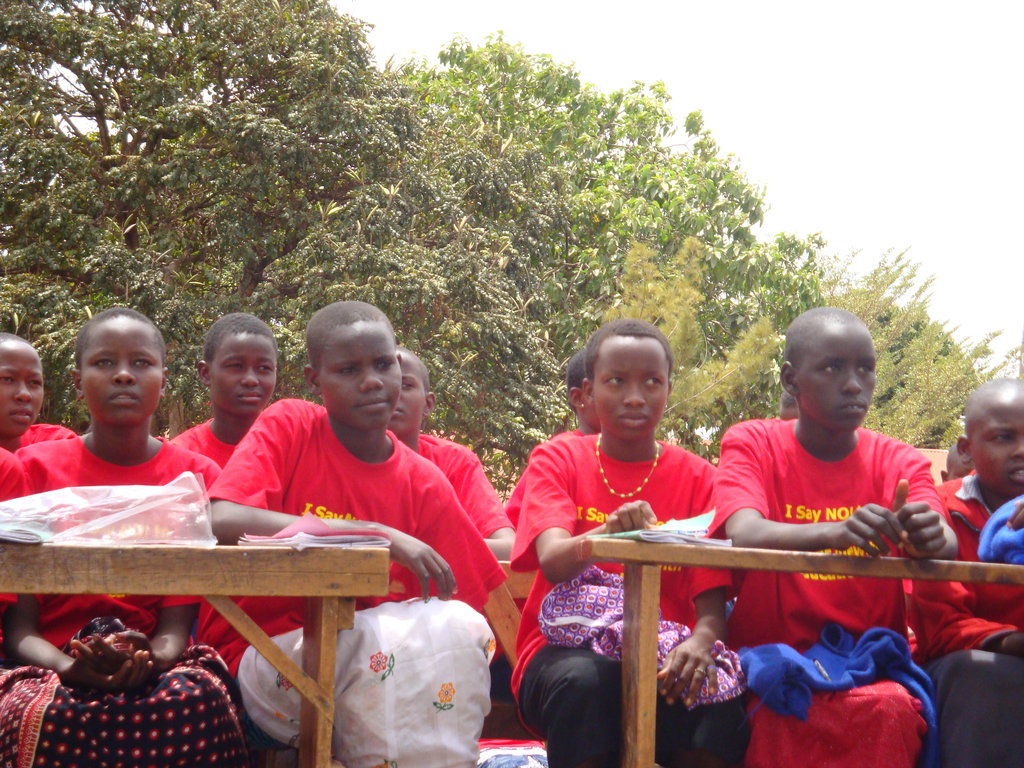
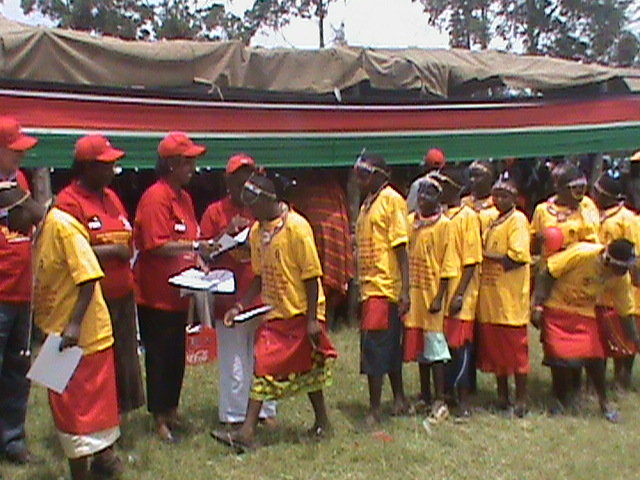
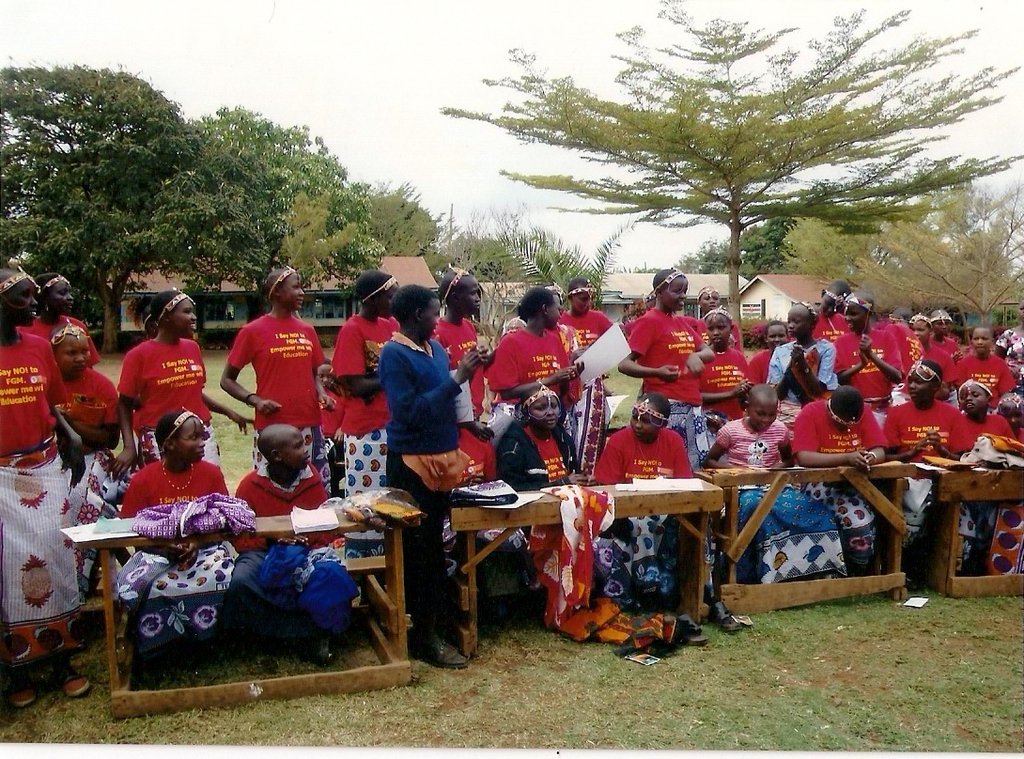
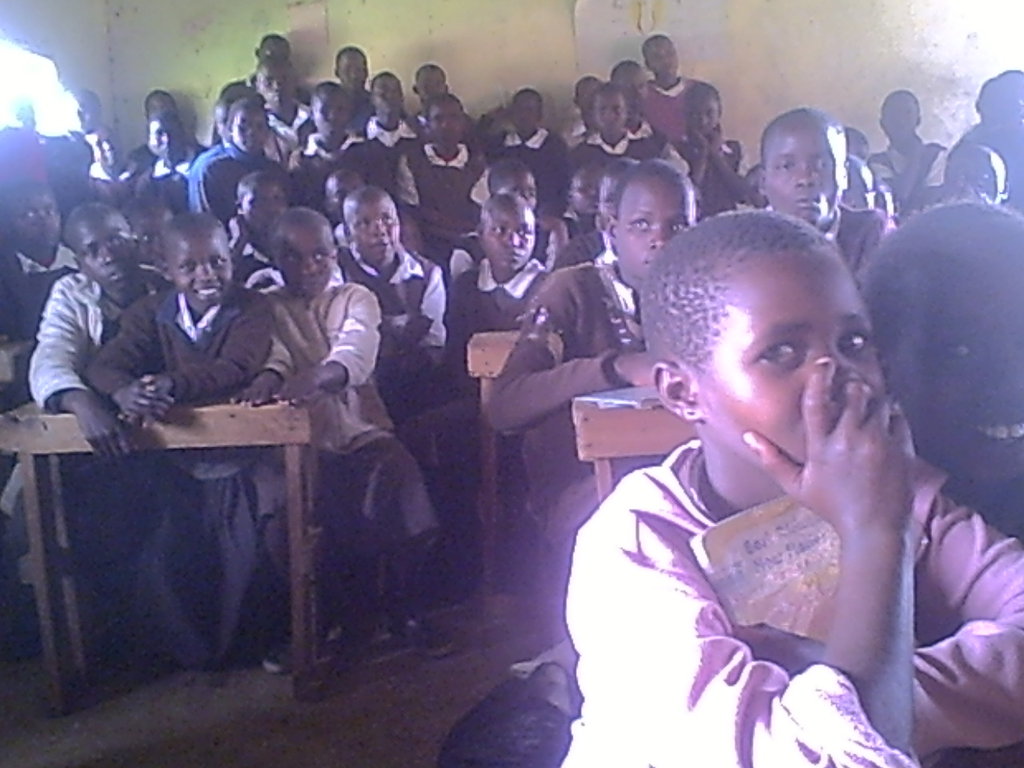
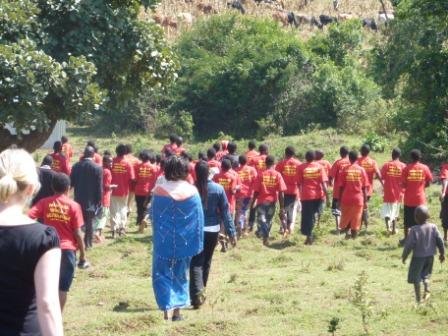
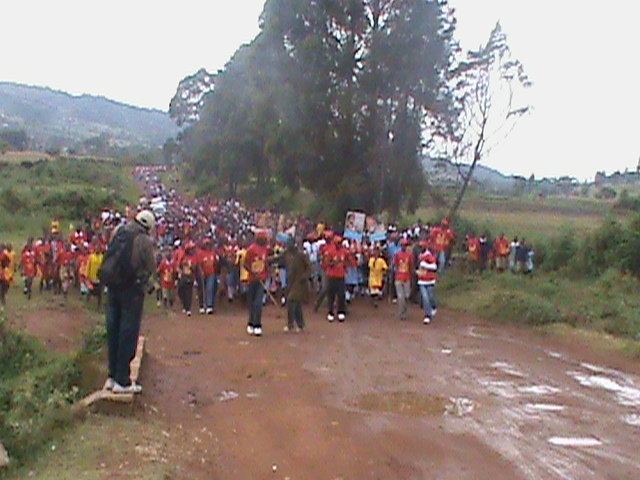
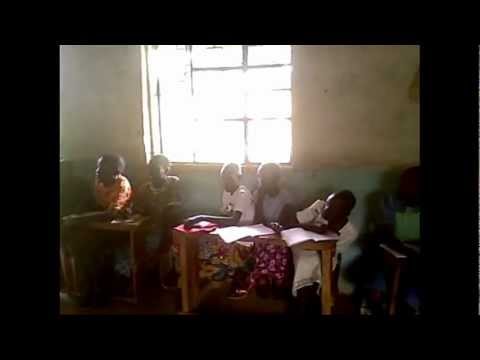
An Alternative rite of passage ceremony was conducted for thirty girls.
The ceremony involved a three (3) days training of facts about FGM and other traditional rites and their harmfulness to the society. The training incorporated useful information like that which was given to the girls in a traditional girls’ circumcision ritual referred to as the isolation period. Normally during this time, they would learn how to assume adult roles, prevent pregnancies before marriage, how to treat their husbands and upholding family stability. The big difference between the two is that in an alternative rite of passage ceremony the importance of seeking a good formal education was emphasized and more significantly the girls did not go through the cut. In the seminar the girls were allowed to express themselves regarding their sexuality and ambitions. At the end of the ceremony, the girls were awarded with certificates of participation.
Women Seminar
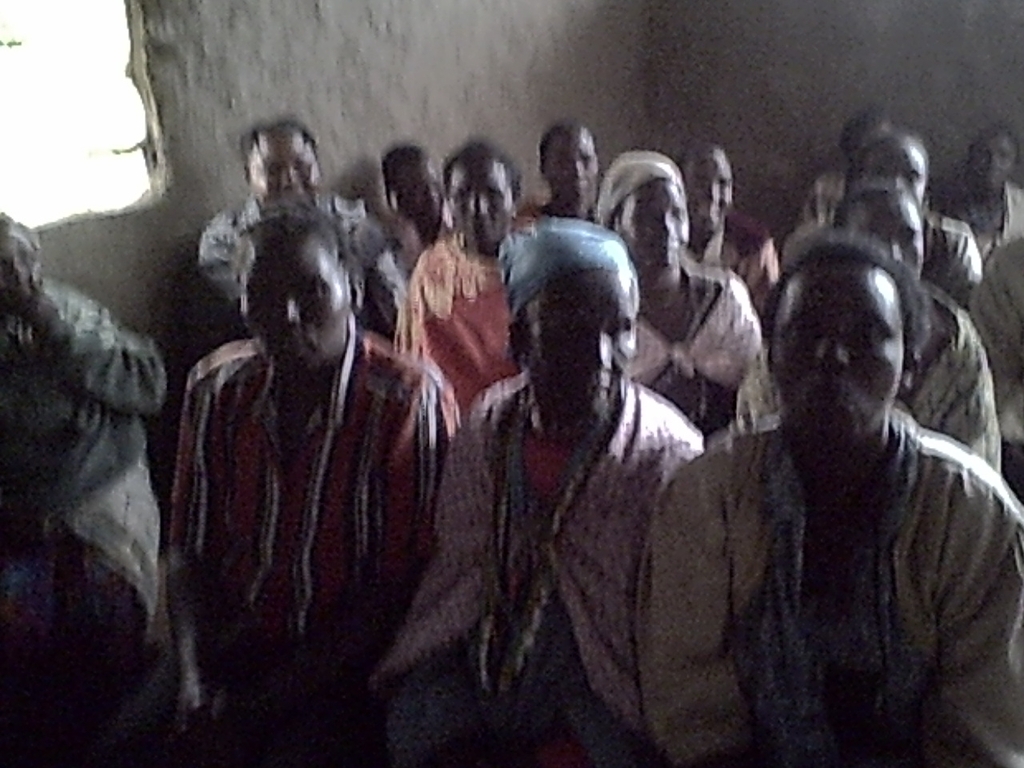
Also, Cherish Others held an ANTI FGM seminar for a group of fifty women. The training also saw the participation of three traditional birth attendants and one reform circumcisor.
Reasons why FGM was practiced:
The participants cited the following as the reasons why FGM continued to be practiced within the Masai community:
• Rite of passage from childhood to adulthood
• Marriageability
• To fit within the age group and society
• To avoid isolation from others
• due to pressure by the culture
• To win their parents' love
• It was during circumcision that the girls were educated on how to become good mothers and wives.
• For recognition or prestige
• To avoid future isolation
• To gain respect from the community
• Some were put through circumcision without their consent particularly in moments of child delivery by the traditional birth attendants.
The group was taken through a rigorous session of defining FGM and the various types of FGM; The effects of FGM and the implications of FGM and as a way Forward the participants resolved that
a. They would stop FGM practice
b. Encourage their girls to go to school
c. To encourage expectant mothers to give birth in hospitals whenever possible
Cherish Others would like to express heartfelt gratitude to our partners from the GlobalGiving Community for their partnership in this project of fighting FGM in the Masai Community.
Project reports on GlobalGiving are posted directly to globalgiving.org by Project Leaders as they are completed, generally every 3-4 months. To protect the integrity of these documents, GlobalGiving does not alter them; therefore you may find some language or formatting issues.
If you donate to this project or have donated to this project, you can receive an email when this project posts a report. You can also subscribe for reports without donating.



Support this important cause by creating a personalized fundraising page.
Start a Fundraiser