By RUTH KONCHELLAH | DIRECTOR
During the period under review the following activities took place;
PLANNING AND MOBILISING COMMUNITY
After holding the project planning meeting, the current Project Officers embarked on making visits to the project sites so as to solicit community support for the project. The officers met with the administrative officers and church leaders so as to chart out way forward in implementing the project. The dates for meetings with stakeholders and the target communities were set.
ALTERNATIVE RITE OF PASSAGE
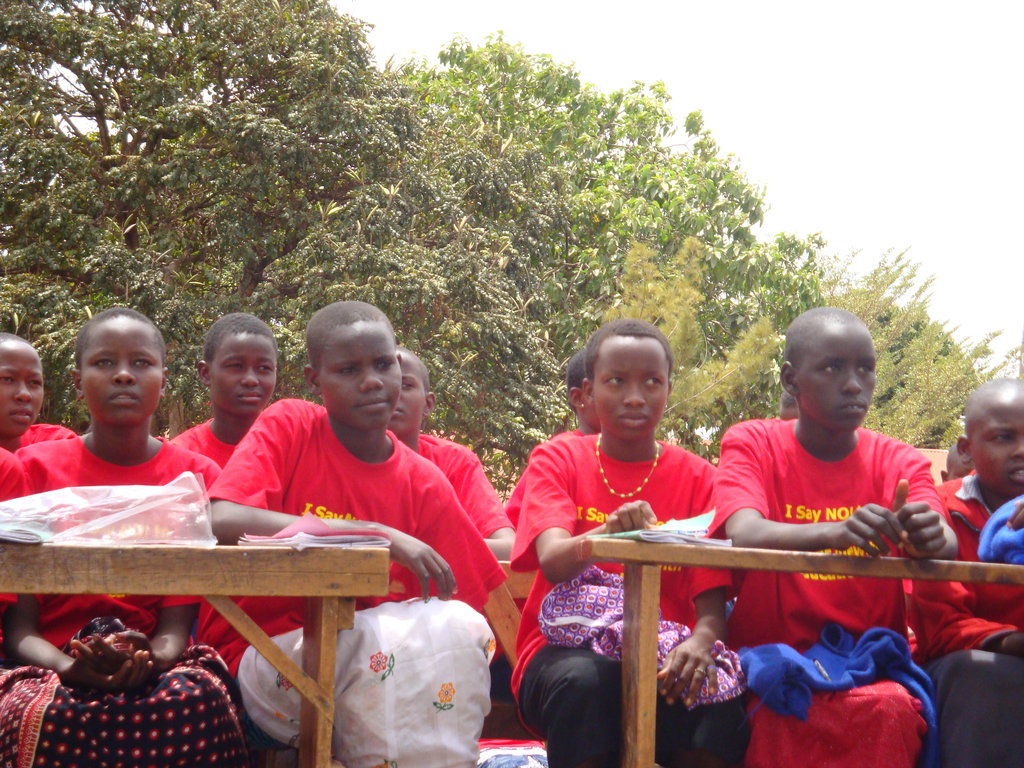
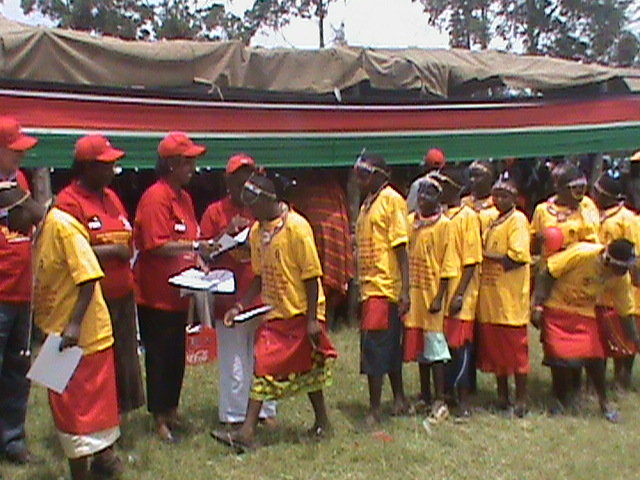
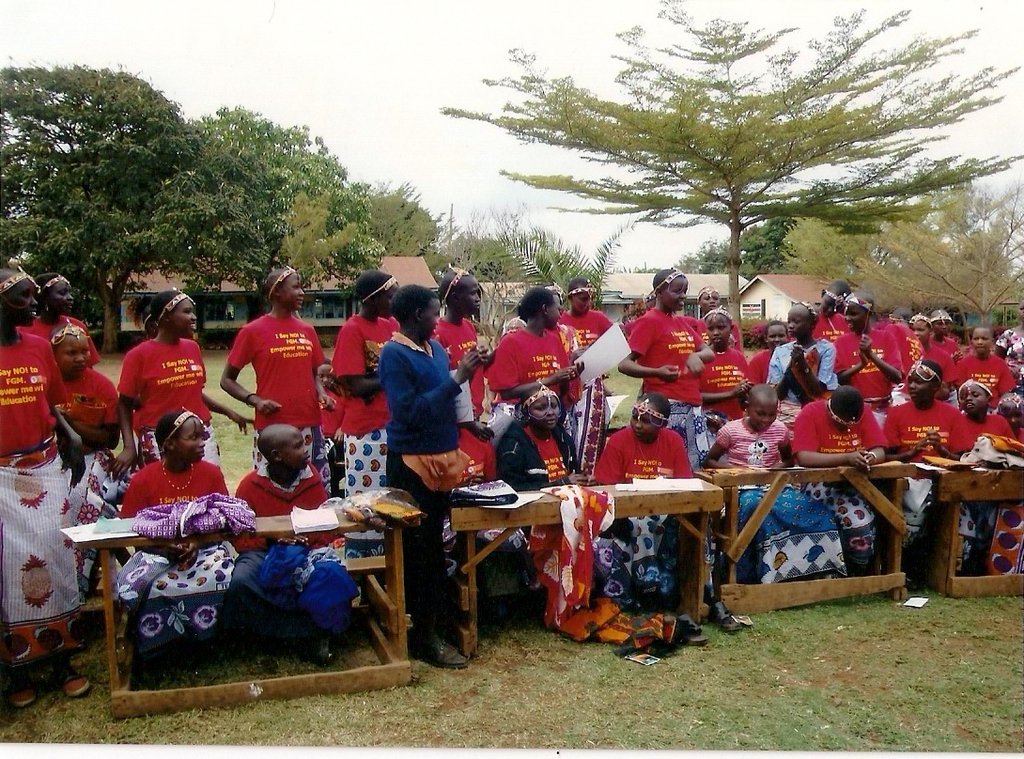
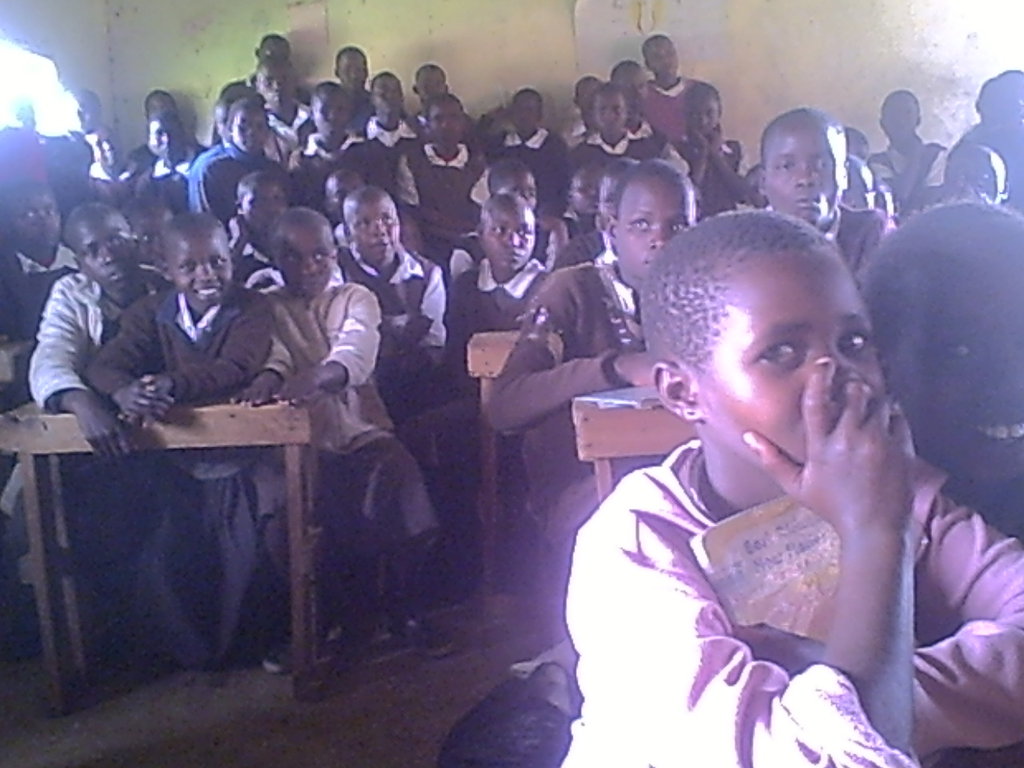
A seminar for fifty girls who had been registered by the community mobilisers to participate, took off on the first week of May in Kilgoris. The Seminar looked into the dangers of Female Genital Mutilation and H.I.V &AIDS including early/child marriages,
Types of FGM
1) Sunna –This is the removal of the tip or the whole clitoris. Considered the safest method of Female Genital Mutilation
-Practiced by the Abagusii community.
2) Excision-The removal of the clitoris, labia minora and majora and parts of the perineum.
-Usually practiced by the Maasai and Kalenjin communities and most FGM practicing communities.
3) Infibulation- The removal of the clitoris, labia minora and majora and the perineum.
-This is the severest type of FGM. After the operation further stitching is done which allows space for menstruation and urine passage. Practiced by the Borana and Somali communities
Of the fifty girls who were registered thirty four graduated as the other sixteen were so young to understand what FGM is and were therefore encouraged to attend the subsequent sessions.
The participating girls said that most of their girlfriends opted to undergo FGM due to pressure from the society at large and also from those girls who have undergone FGM. They said that others were ridiculed and rebuked to be cowards just because they preferred not to undergo FGM.
A girl, “woman” who had gone through the cut narrated her real life story so she could give the girls a highlight of exact activities that took place in the circumcising exercise. She said she succumbed to it because of peer pressure and was also influenced by her mother. She further said that she agreed to it in order for her to fit in the society.
As we all know all work and no play makes Seneya a dull girl so the evening sessions were scheduled in such a way that they could socialize with one another and also watch videos. Most of the educative video-tapes they watched were on FGM, H.I.V/AIDS and child marriages. The girls were appreciative of the information learnt and the fact that most of them had not seen or known more on FGM and H.I.V/AIDS.
During the seminar, it was determined that Maasai girls and women in general were not considered worthy in society if they had not undergone Female Circumcision. We also found out that those who did not undergo FGM were highly ridiculed. Cherish Others Organisation Kenya is grateful to the Global Giving Community and particularly all the donors who sacrificed their resources in order to fund this Anti FGM campaign.
Project reports on GlobalGiving are posted directly to globalgiving.org by Project Leaders as they are completed, generally every 3-4 months. To protect the integrity of these documents, GlobalGiving does not alter them; therefore you may find some language or formatting issues.
If you donate to this project or have donated to this project, you can receive an email when this project posts a report. You can also subscribe for reports without donating.



Support this important cause by creating a personalized fundraising page.
Start a Fundraiser