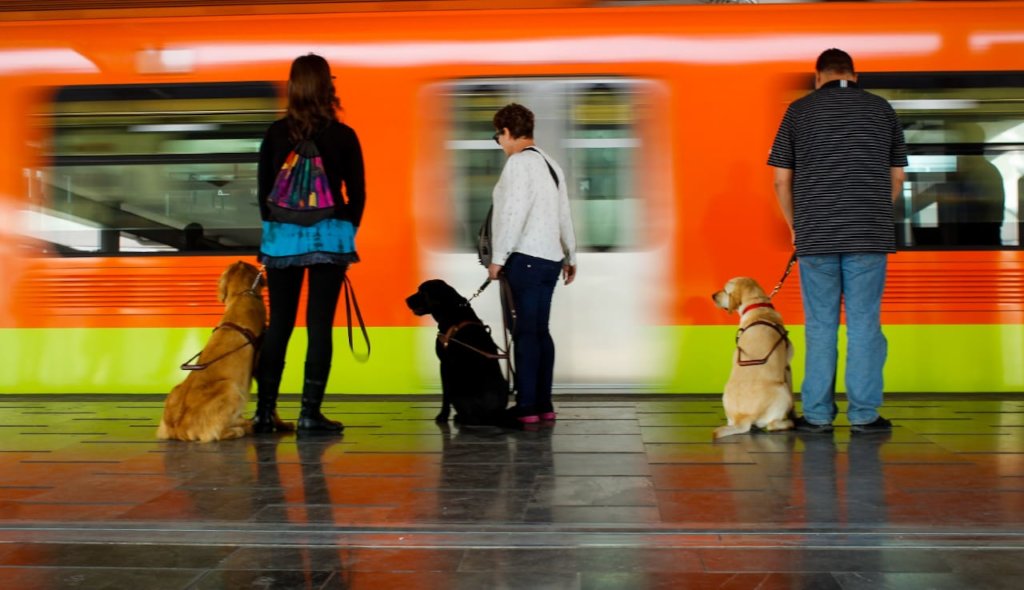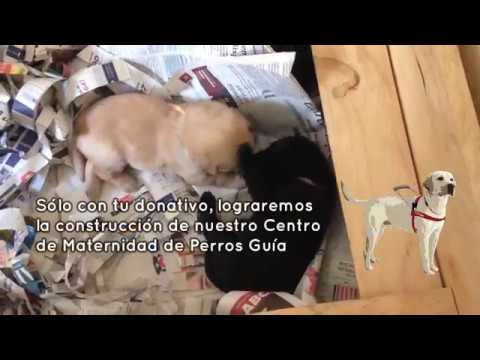
With the construction of a canine maternity center for responsible reproduction, the number of dogs in the graduate guide given to blind people in Mexico and Latin America can be increased to 70%.
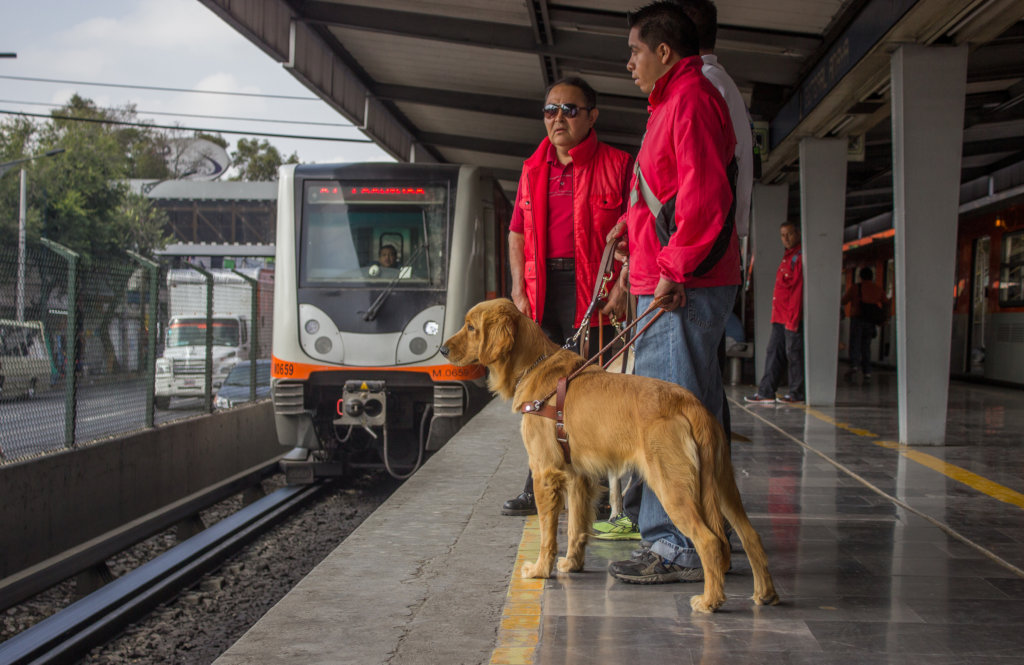
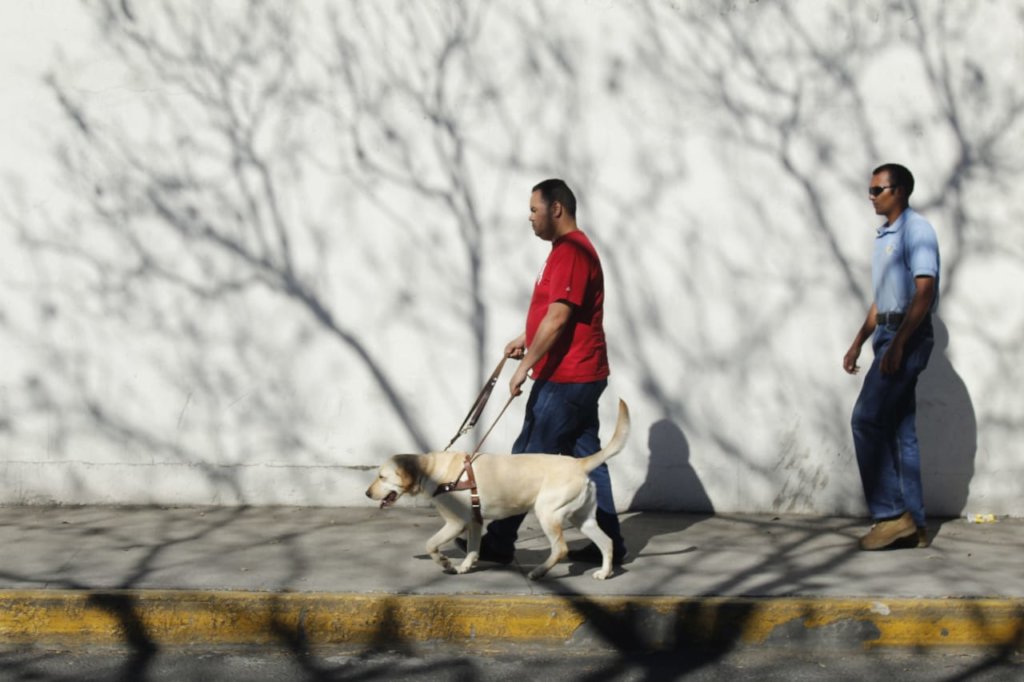
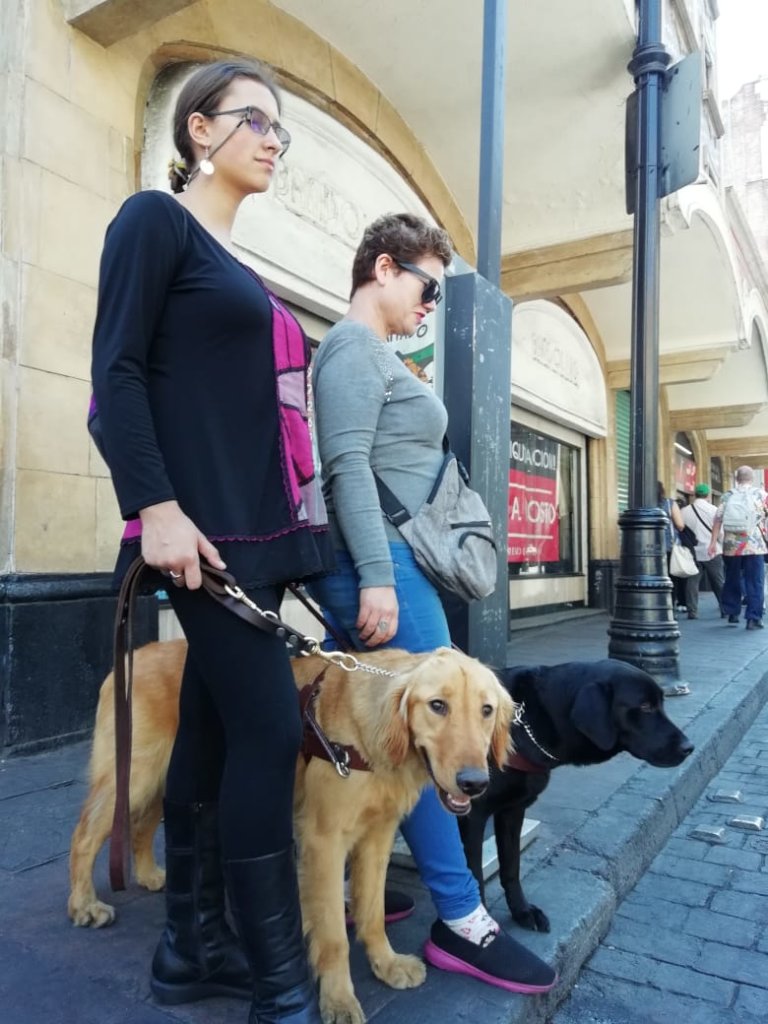
In Mexico, visual disability occupies the second most frequent place with 2,519 295 people. When a person is blind or low vision exercises autonomy, there is a displacement in the streets with broken, discontinuous stools, with stalls, with holes and sewers uncovered with the risk of accidents. This population has found in dogs an excellent alternative of mobility for its safe and faster movement than with the use of white cane.
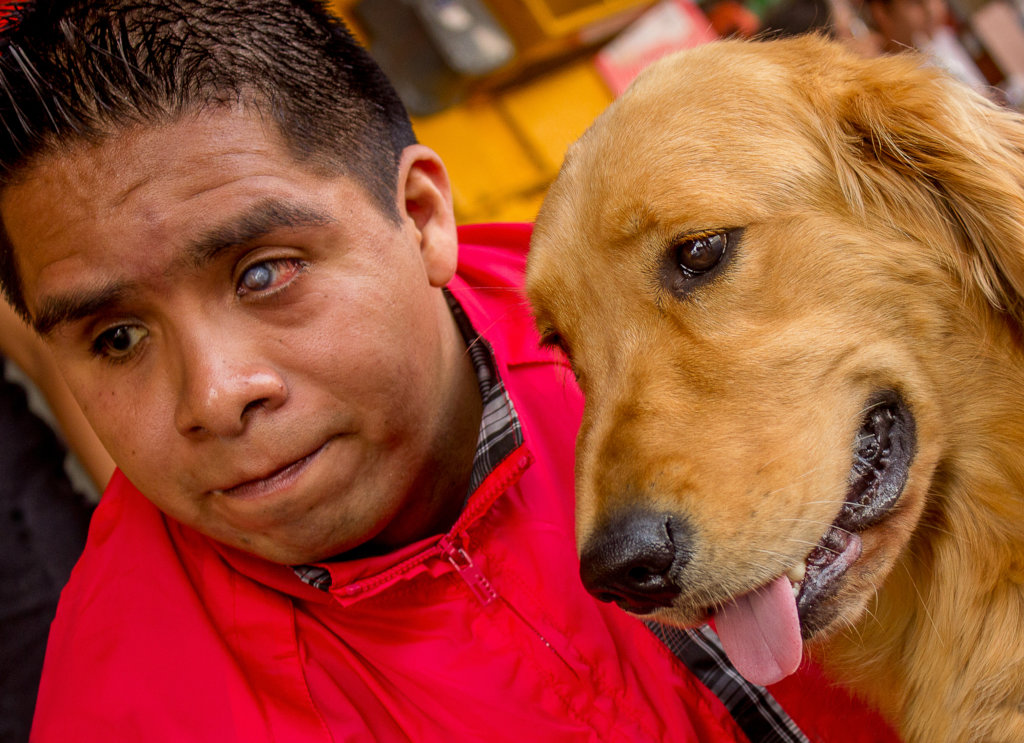
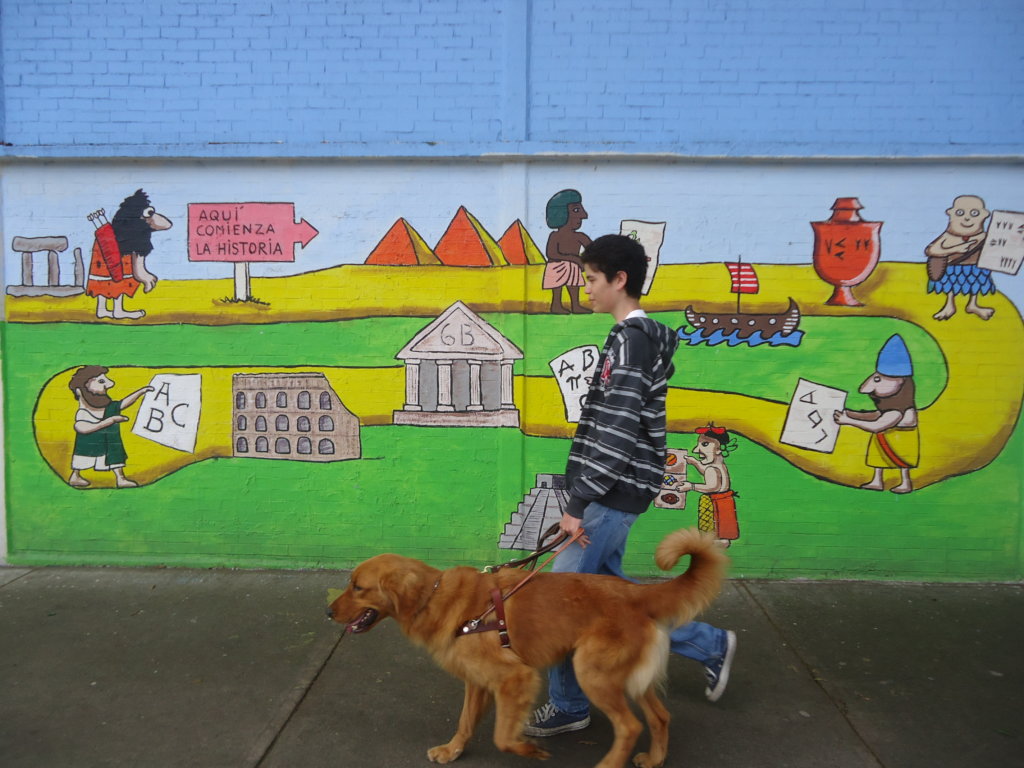
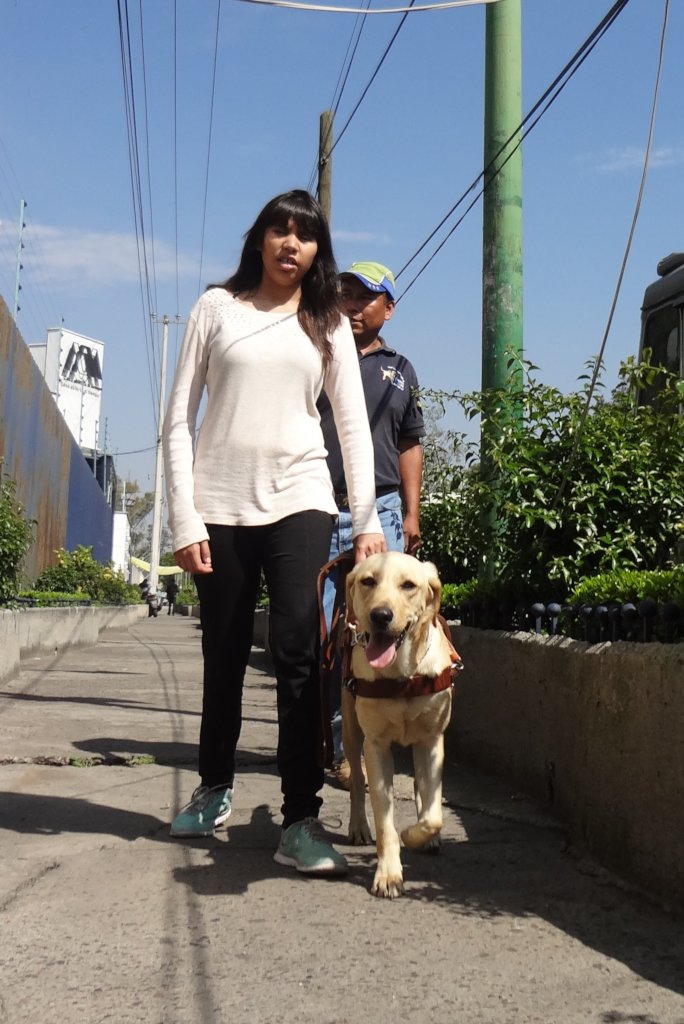
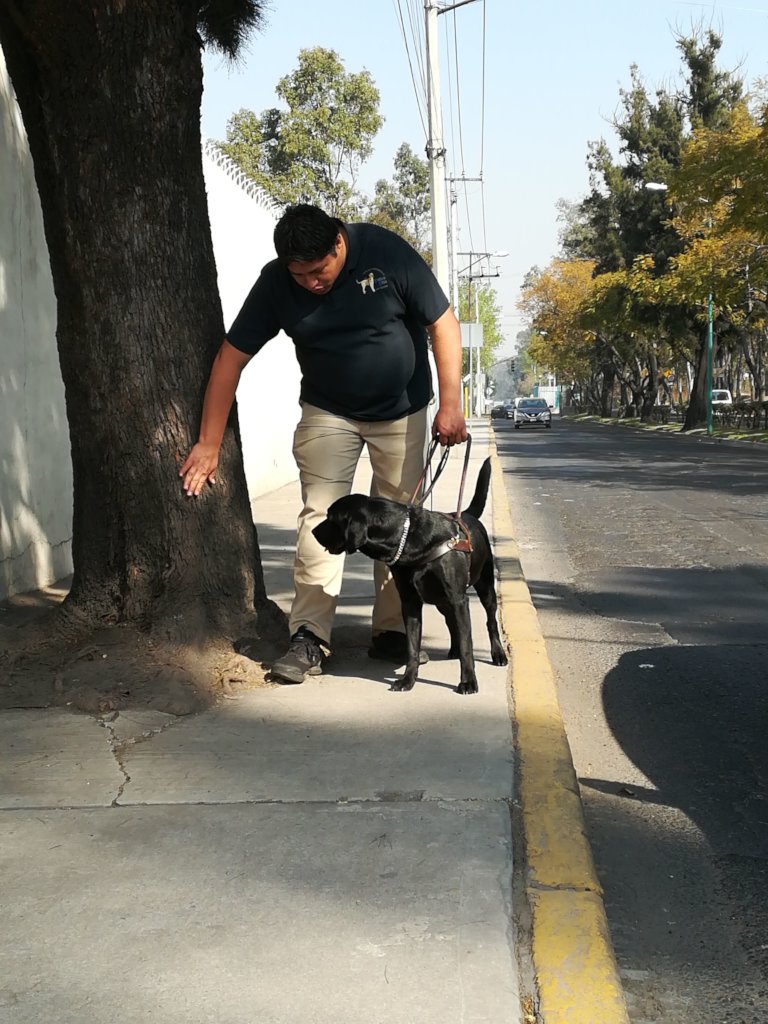
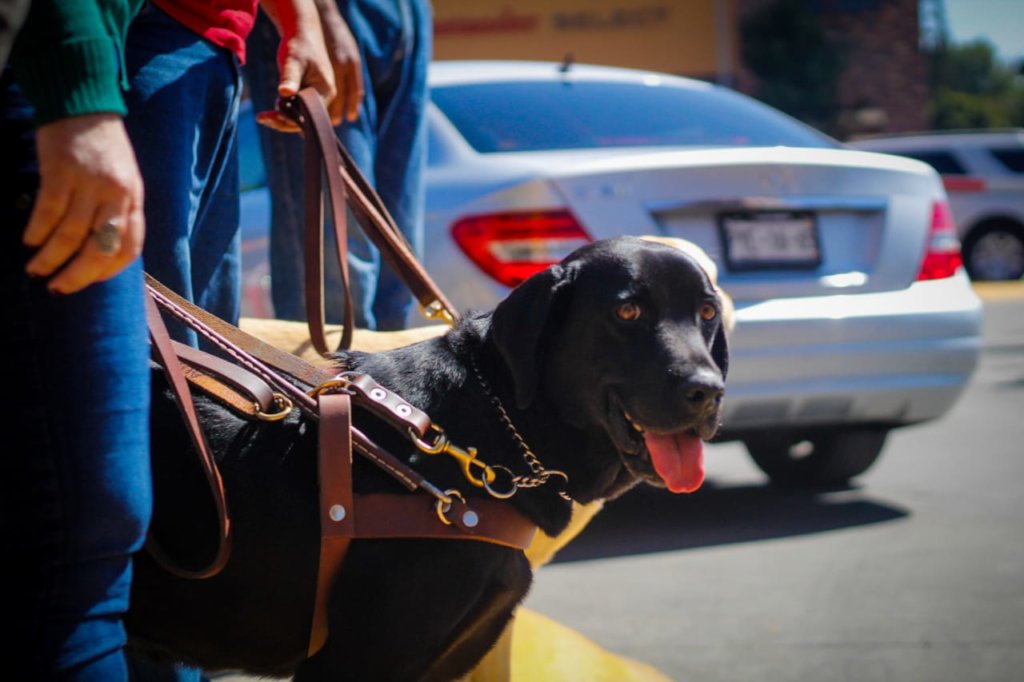
We raise, educate, train dogs of labrador race for their excellent temperament to grant them as guide dogs to people with visual disabilities. We provide training in the handling of the guide dog, monitoring and veterinary care during the work time of the dog at no cost to the user. We promote a culture of inclusion and human rights for people with disabilities and influence the elaboration of public policies that avoid discrimination in this population.
The project will annually donate 20 guide dogs to people with visual disabilities, which will allow them to improve their mobility, independence and self-esteem to achieve their social inclusion.
This project has provided additional documentation in a PDF file (projdoc.pdf).