By Nhi Tong | Communications Intern
Before you read this report, be inspired by this three-minute story of what you helped achieve for one rural Tanzanian.
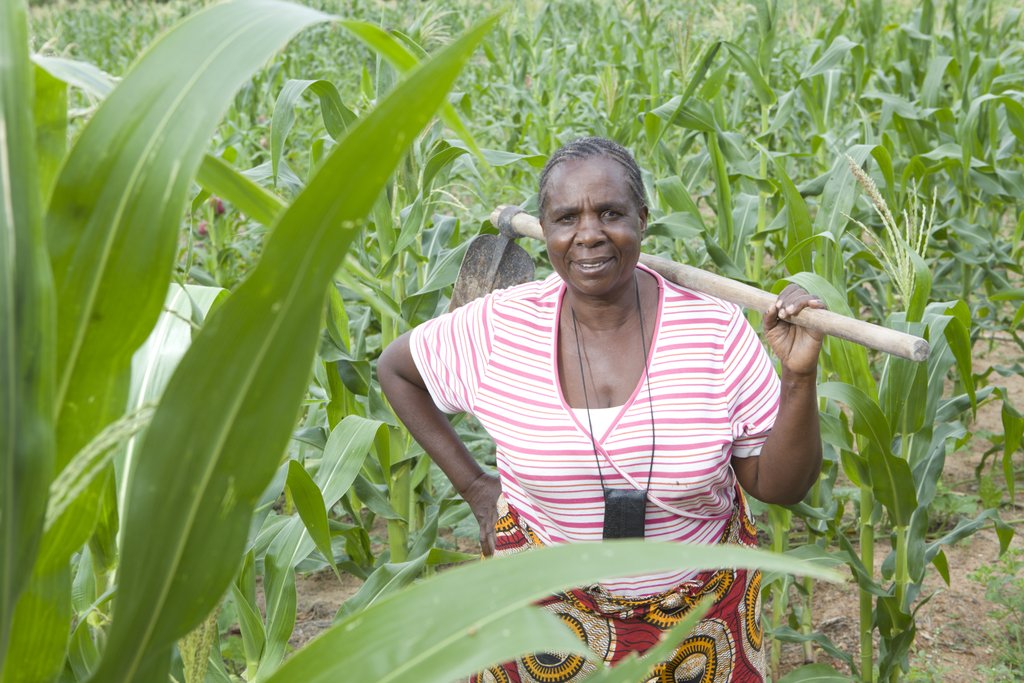
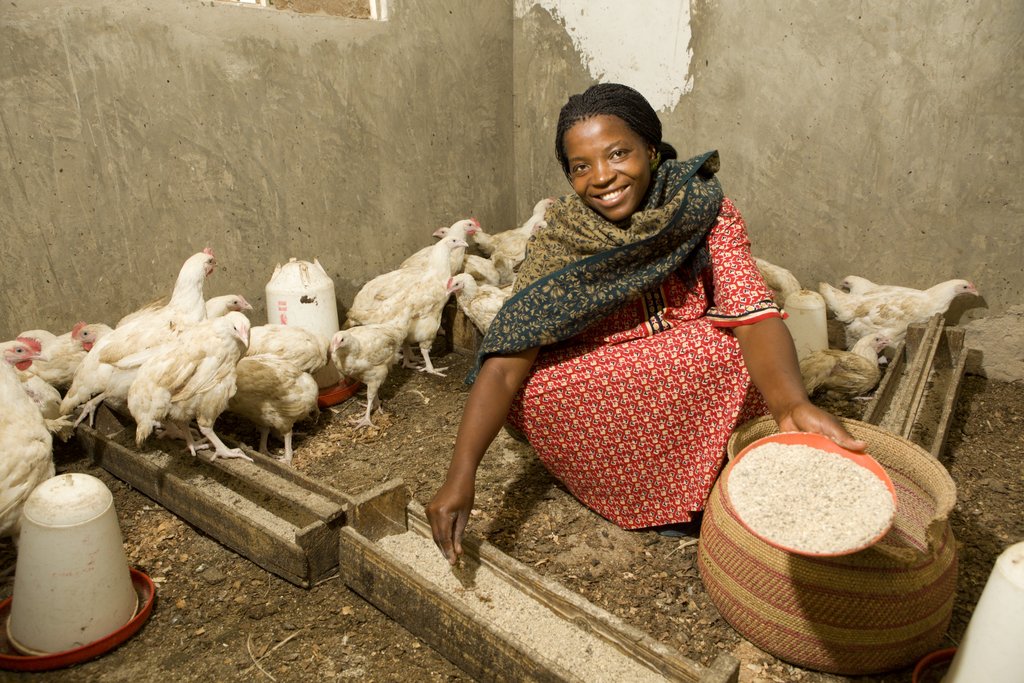
Prisca was a housewife, a farm worker, and a laborer for eight years, struggling to support her family solely on the meager income she earned. As the breadwinner, every responsibility fell on Prisca’s shoulders, including caring for her two beautiful daughters. To ensure their happiness, Prisca often had to work long distances away from home. “I had to leave my children with my mother for days. Sometimes, they got sick and I couldn’t come back,” she says.
It was different for Josia. At the age of 40, he decided to leave behind a ten-year career in carpentry and become a poultry owner. It was an entrepreneurial move: if successful, he could earn more money; but it was also full of risks. Josia had limited cash to start the business, no previous training in chicken rearing, and virtually no connection with customers. To Josia’s disappointment, only half of his chickens survived the first year. He ended up with just 20 percent of his monthly goal.
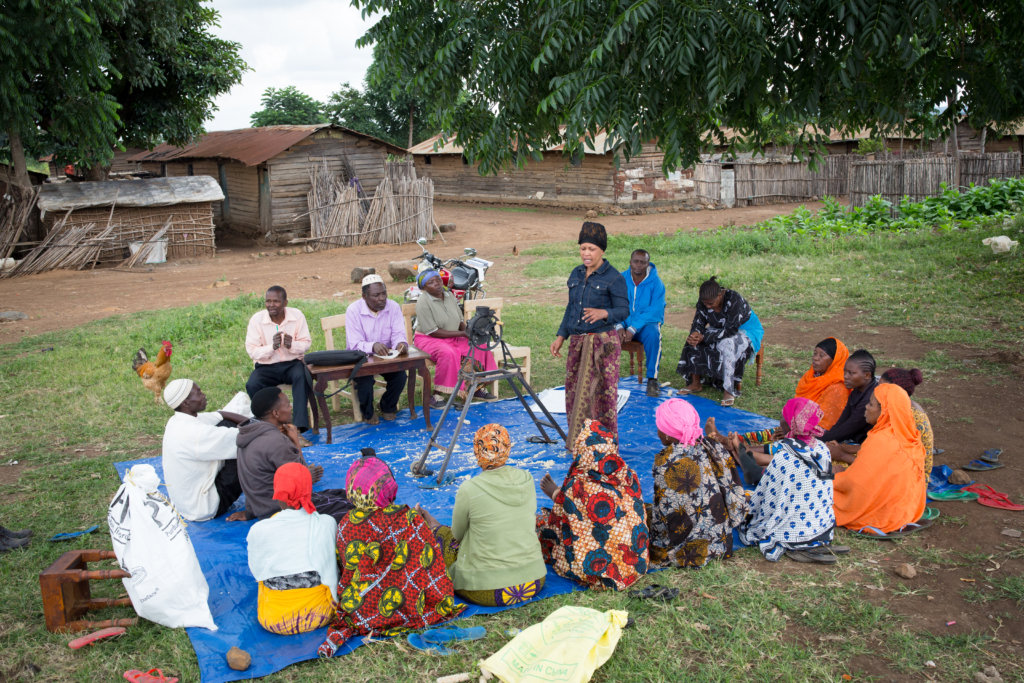
This was how BRAC first met Prisca and Josia, in 2015, as the Livelihood Enhancement through Agricultural Development (LEAD) project started in Tanzania. While agriculture is the main driver of the country’s economy (it contributes to 33 percent of the GDP), the sector remains inefficient, as farmers lack high-quality supplies and training, and food insecurity and poverty beset the country. A nation with more than 53 million people, in 2011 almost half of the population lived below the extreme poverty line.
BRAC wanted to alleviate poverty and food insecurity in Tanzania by supporting Tanzanian farmers. We asked: How do you raise the income of 105,000 farmers?
With the project’s completion in March, our Tanzanian team may have found one answer to that question. Here are a few key results that you helped achieve:
Importantly, women accounted for 65 percent of all the farmers that BRAC reached – and Prisca was one of them. With help from BRAC, she learned important agricultural techniques that improved her crop yields. She also received a loan of $150, which she used to invest in her farm operations and start a small grocery store. Today, Prisca enjoys more successful crops, and she expects more than 50 bags of corn this season. With her extra income, Prisca is helping friends open a small restaurant. BRAC is grateful to have been a part of her journey.
Josia also received a loan, and learned best practices in poultry farming. With these new skills, he turned his egg business around and then expanded it. Today, he produces 10 times what he did before. His income increased from $200 to over $9,000 per month. That’s an impressive accomplishment, but is only one of many among LEAD farmers.
In light of successes like Josia and Prisca, we are excited to share that BRAC will continue to operate the LEAD project in Tanzania. We are determined to reach more people and achieve change on a wider scale.
We appreciate your support over the last four years and are excited to share more reports in the future. Please hit the “Forward” button to share this meaningful project with friends who may want to help sustain the LEAD project long-term.
Until next time,
The BRAC Team
Project reports on GlobalGiving are posted directly to globalgiving.org by Project Leaders as they are completed, generally every 3-4 months. To protect the integrity of these documents, GlobalGiving does not alter them; therefore you may find some language or formatting issues.
If you donate to this project or have donated to this project, you can receive an email when this project posts a report. You can also subscribe for reports without donating.