By Tebben Lopez | Marketing & Communications Coordinator
"You are a team – not individuals. As an association, you must work together to improve yourselves and your products.”
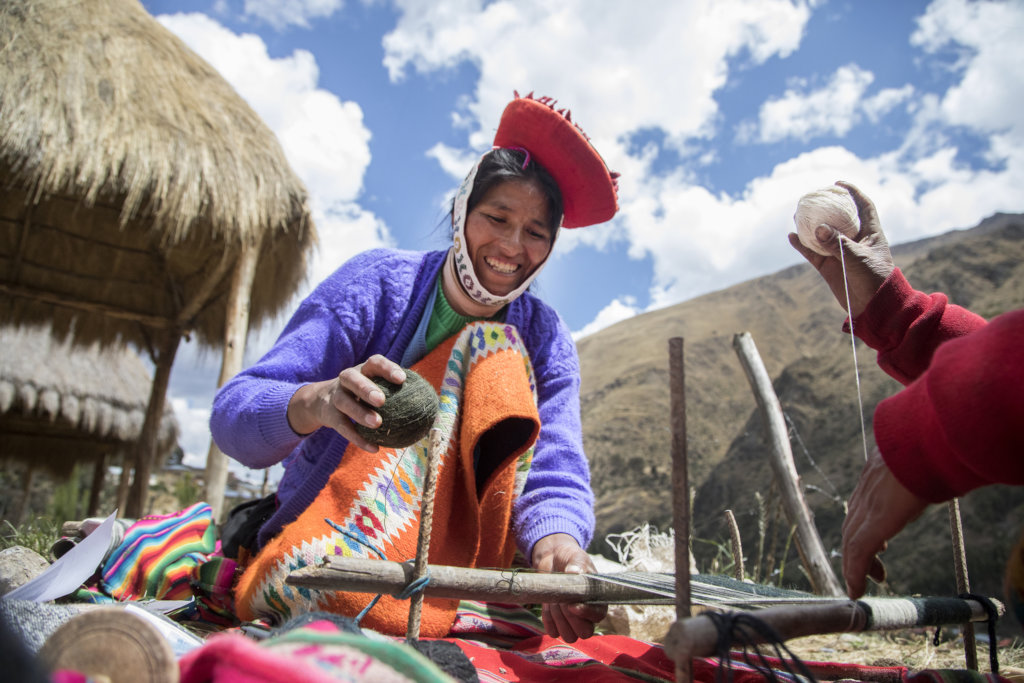
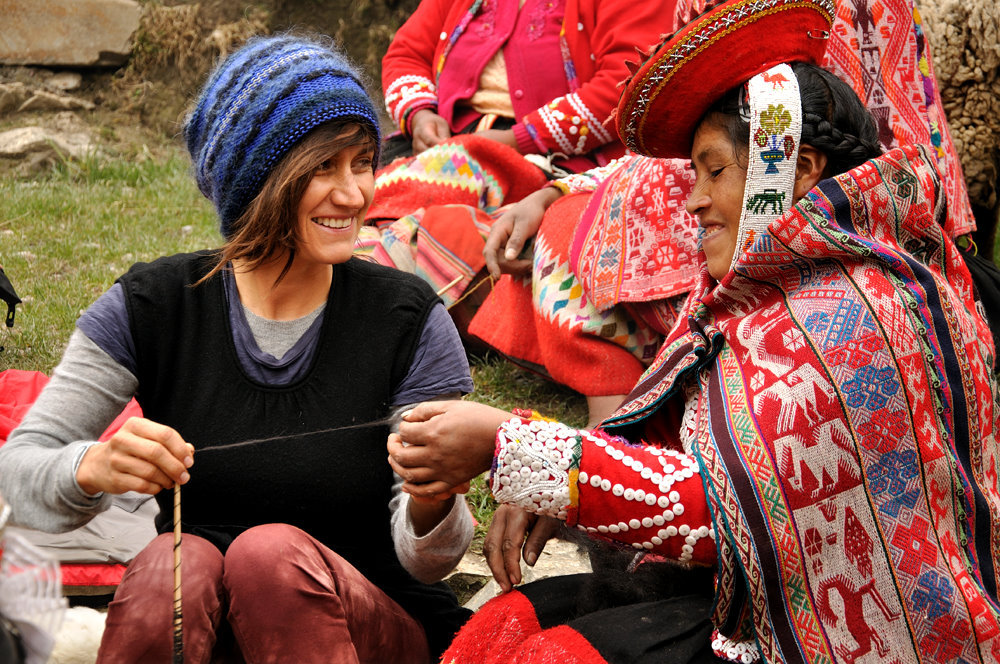
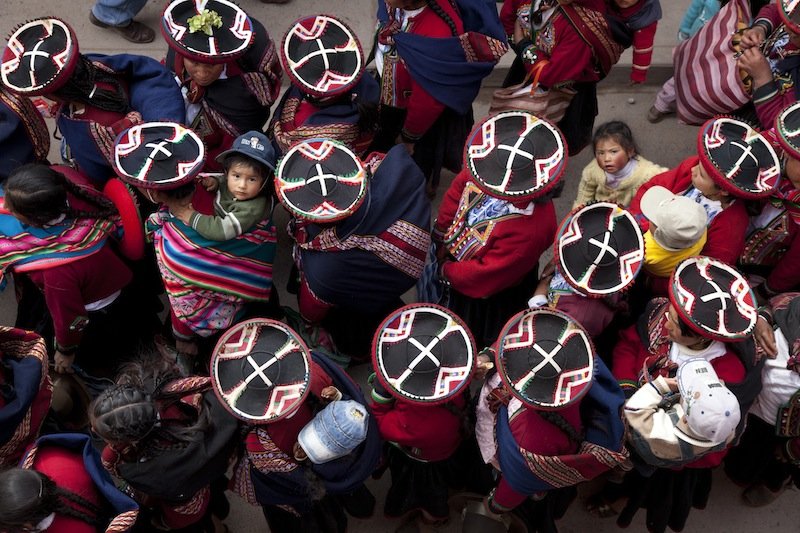
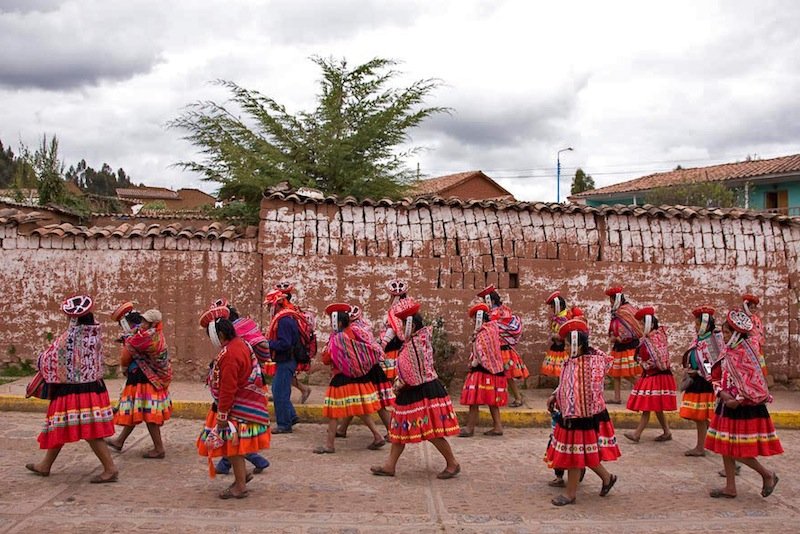
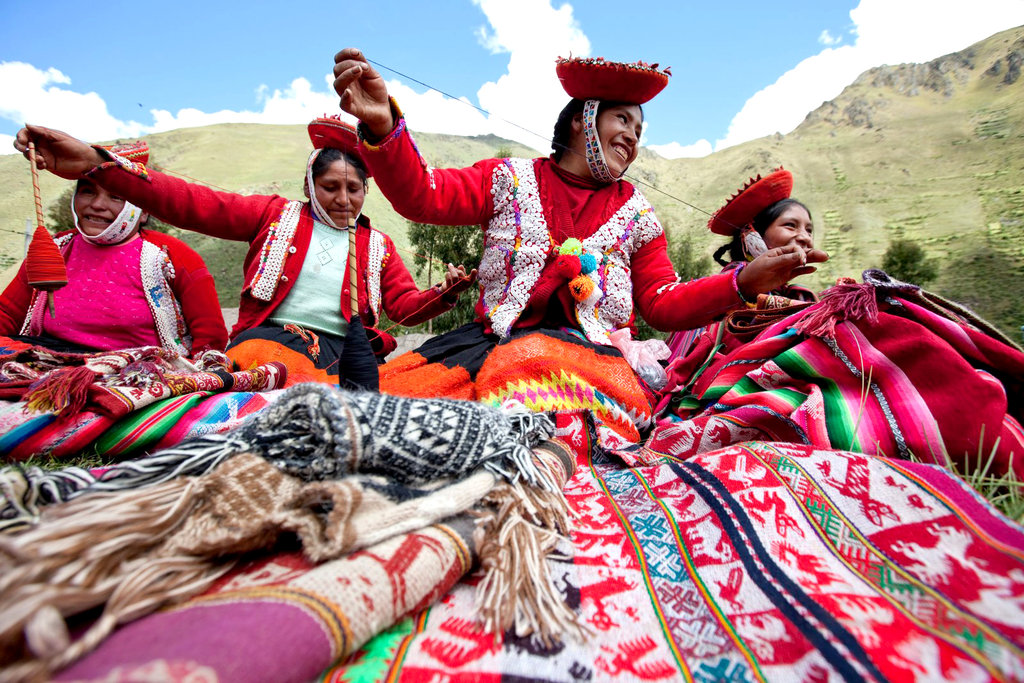
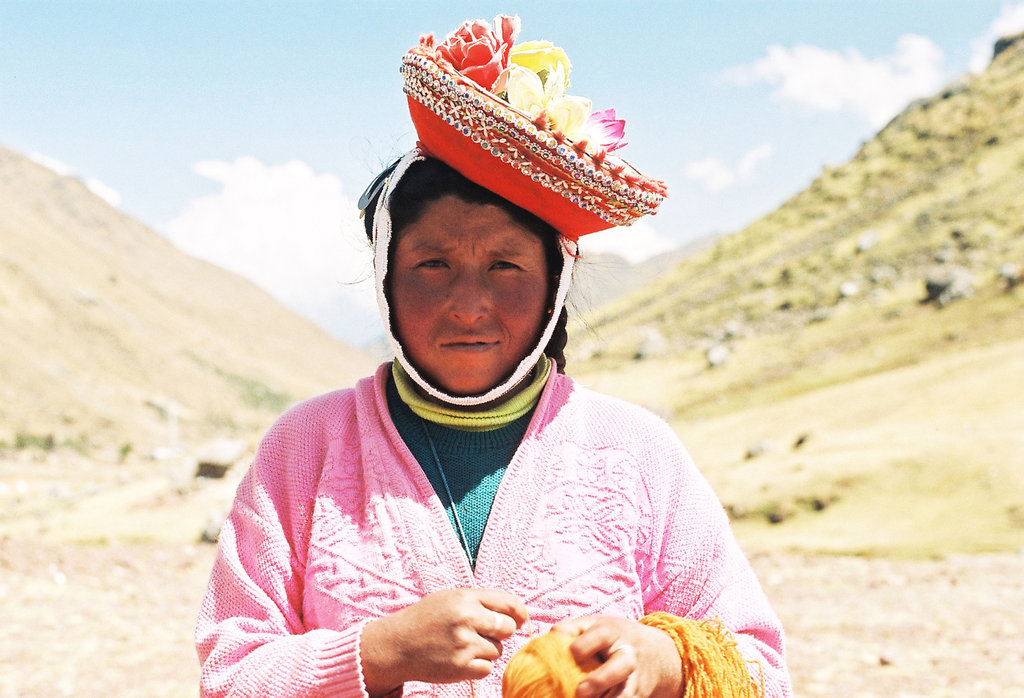
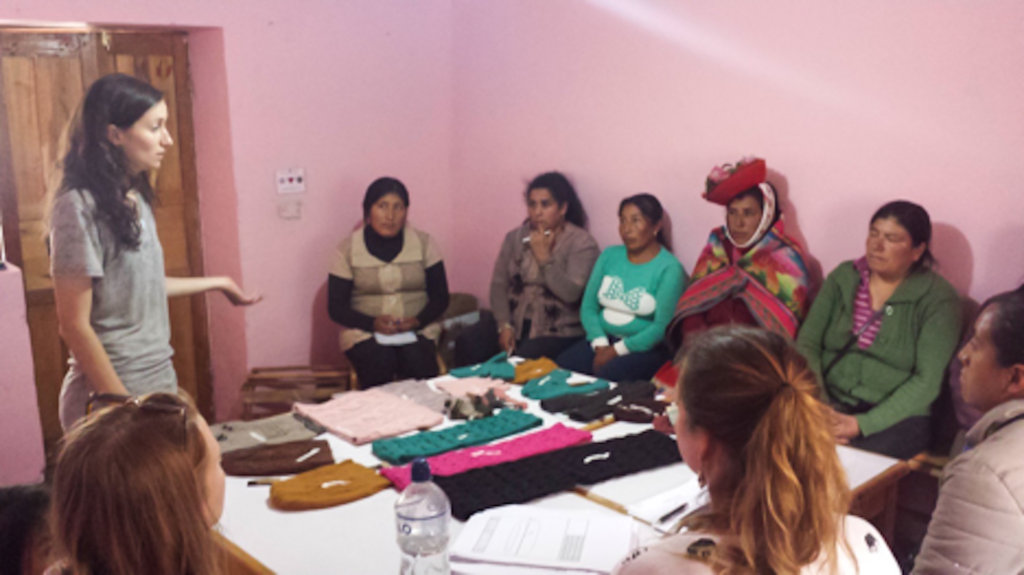
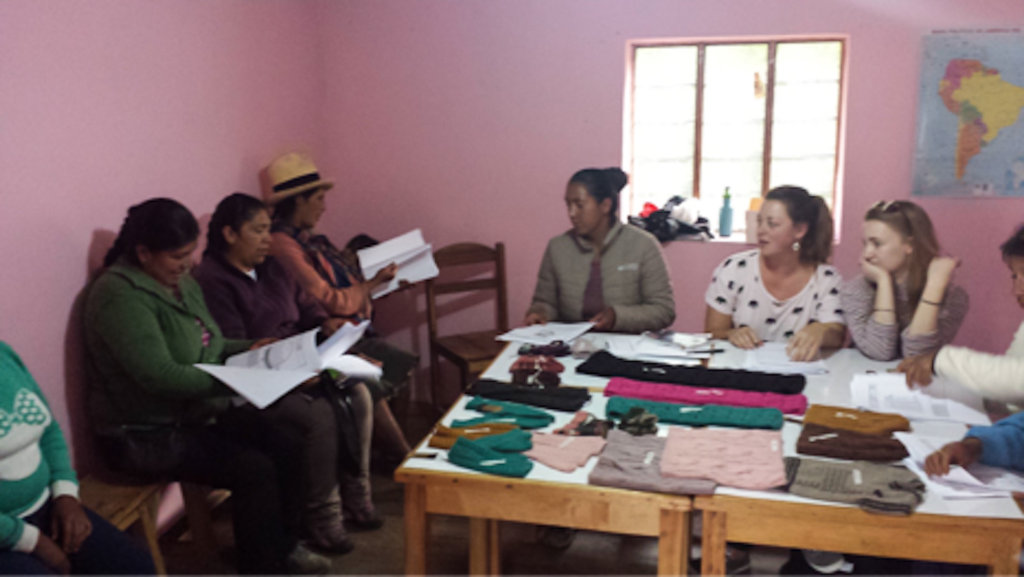
Giulia, head of our Monitoring and Evaluation department, opened the Quality Control Workshop with a strong push for teamwork. Women’s cooperative members from Huilloc, Puente Inca, and Rumira traveled down to our Ollantaytambo office in order to discuss ways to improve their hand-spun yarn and knitwear products. As part of the Awamaki Impact Model, we hold frequent capacitaciones with our artisans in order to help move their associations towards full independence.
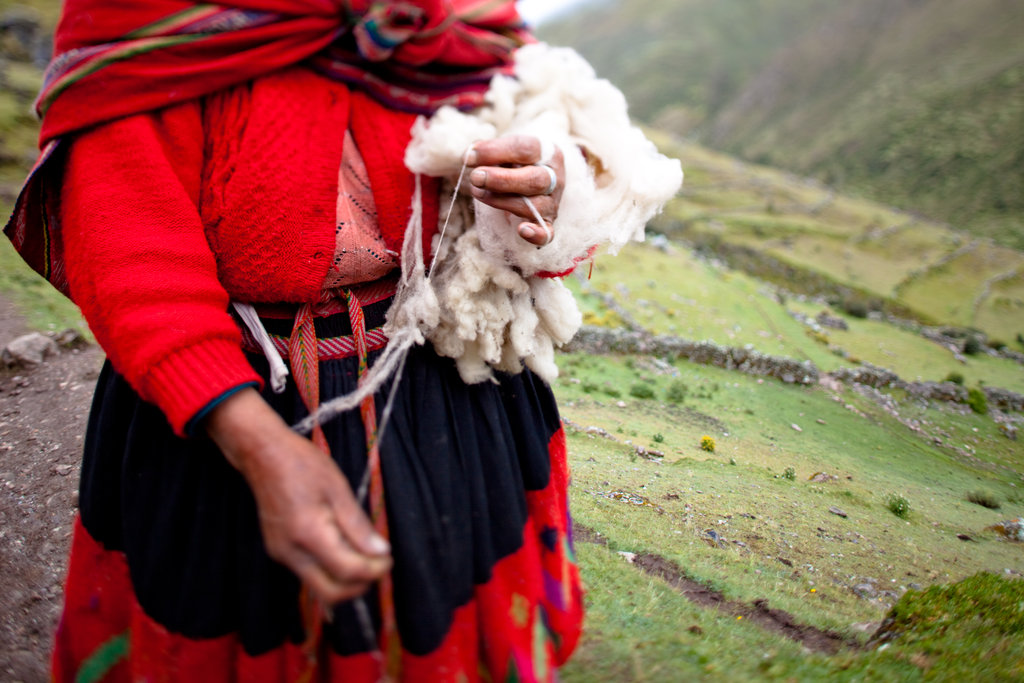
The meeting first addressed the Huilloc cooperative, the group that will be spearheading our expanded handspun alpaca yarn line. Giulia explained the new standardized weights for the yarn, citing that in the past the yarn weights had been too thin or too thick.
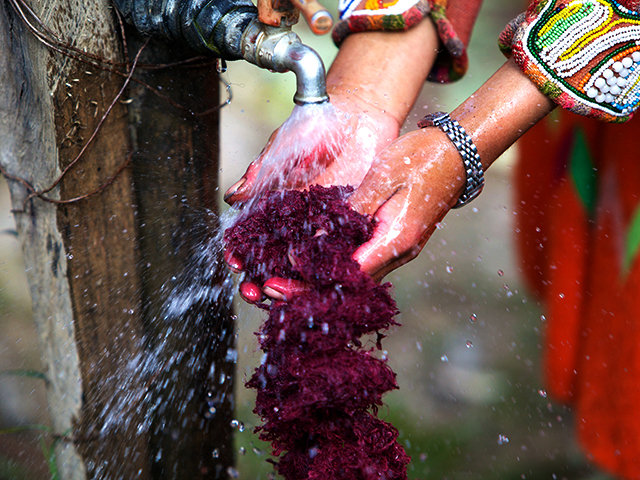
Some women from Huilloc began asking questions in rapid Quechua, and Martha, head of our Knitting Cooperatives, stepped in to translate. The discussion quickly moved to problems with the cleanliness of the yarn, and the group was assured that in the near future there will be an alpaca fleece washing workshop in order to prepare the yarn for spinning. Members from the Huilloc cooperative have been exemplary in the teamwork required to expand the Awamaki yarn line, a process that begins with new alpaca shearing techniques up in the highlands of the communities and ends with beautiful and natural hand-spun yarn in the Awamaki store.
Knitting cooperatives Rumira and Puente Inca took the stage next as the discussion shifted to the quality of the completed knitwear. Rumira has been thriving in the Impact Model, working on graduating to organizational independence. They have had three repeat knitwear orders with a client outside of Awamaki!
Puente Inca, on the other hand, has been producing products with a lot of variance and inconsistency in quality. We brought both groups together so they could discuss their strengths and weaknesses, and brainstorm ways to improve.
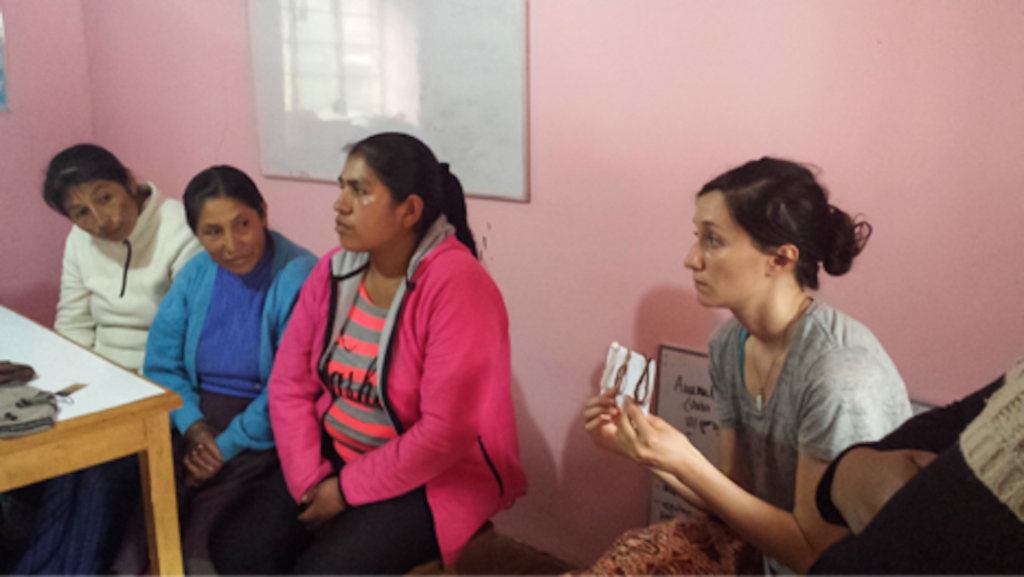
In response to this problem, Knitwear Design volunteers Rosey and Emma created pattern packets with updated measurements for each product. With clear instructions and examples, the women should now have the resources they need to eliminate the variance in their products.
To improve the product quality further, each cooperative has elected a Quality Control Manager, a woman who is responsible for reviewing the group’s products before they are delivered to Martha at Awamaki. Martha emphasized the importance of planning ahead with deadlines to the quality control managers for Rumira and Puente Inca. In order for products to be delivered on time they will need to set a date within their cooperative that is a few days ahead of the Awamaki deadline. This will ensure that they have enough time to review their cooperative’s products. If there are any mistakes, the group can then work together as a team to resolve the problems before presenting the products to Awamaki for final review. Because the whole group is accountable for individual mistakes, the quality control managers play an important role in ensuring the group’s success.
Mercedes, the head of our Women’s Cooperative Program, ended the meeting with one of her usual inspirational talks.
“For five years I have been working hard at my job to become the best professional I can be. Every day I get better at my job. It is part of my conscience to improve my job, and it should be part of your conscience to improve your products.”
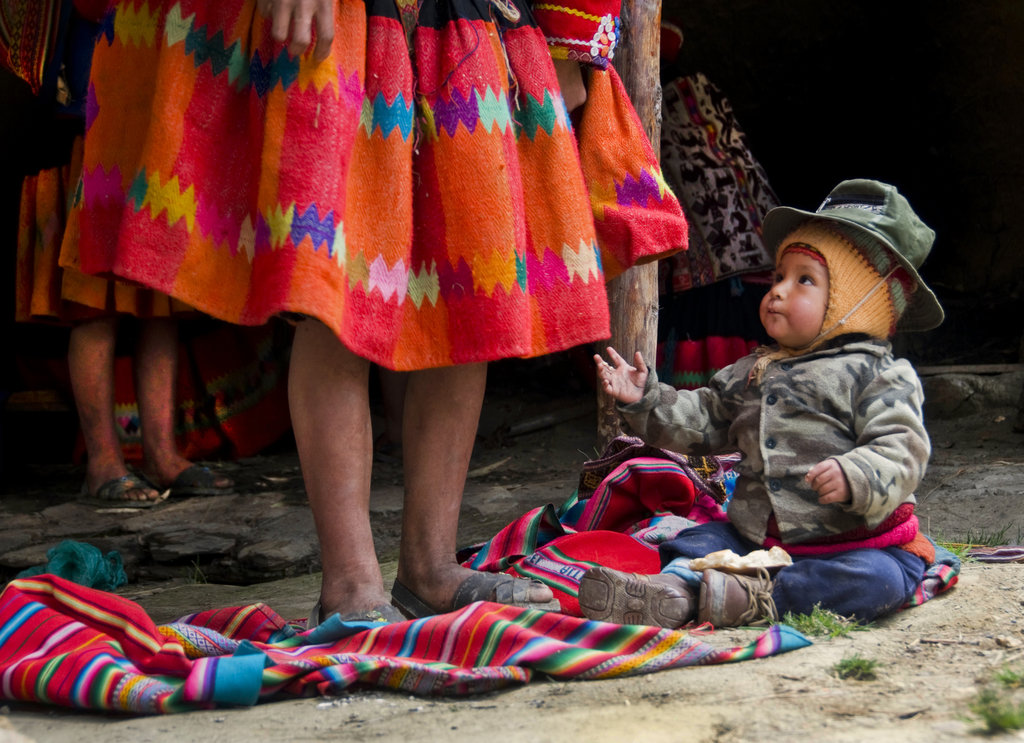
Equipped with clear expectations and improved guidelines, our hope is that the members of our knitting cooperatives have all the resources they need to make high-quality products. By working as a team, they can hold each other accountable for the success of the group. As the quality of their individual products improves, the collective skills of the group will grow, and they will be able to become a fully independent association. Your support allows us to continue our capacity building workshops and build the skills of our dedicated cooperative members.
Links:
Project reports on GlobalGiving are posted directly to globalgiving.org by Project Leaders as they are completed, generally every 3-4 months. To protect the integrity of these documents, GlobalGiving does not alter them; therefore you may find some language or formatting issues.
If you donate to this project or have donated to this project, you can receive an email when this project posts a report. You can also subscribe for reports without donating.



Support this important cause by creating a personalized fundraising page.
Start a Fundraiser