By Kiki Cokorinos | Marketing & Communications Intern
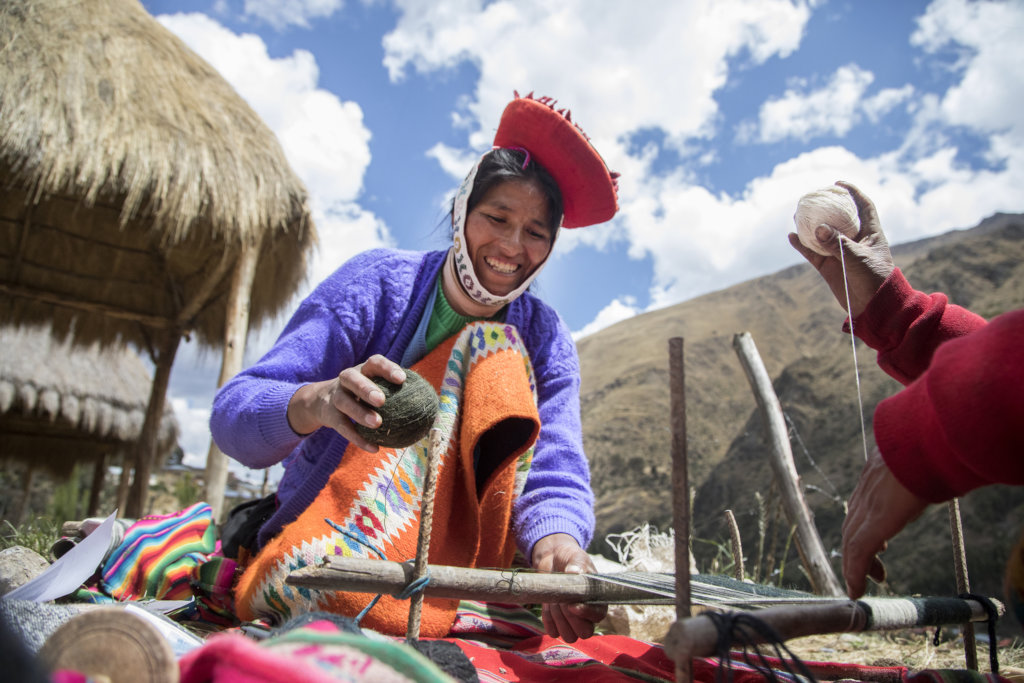
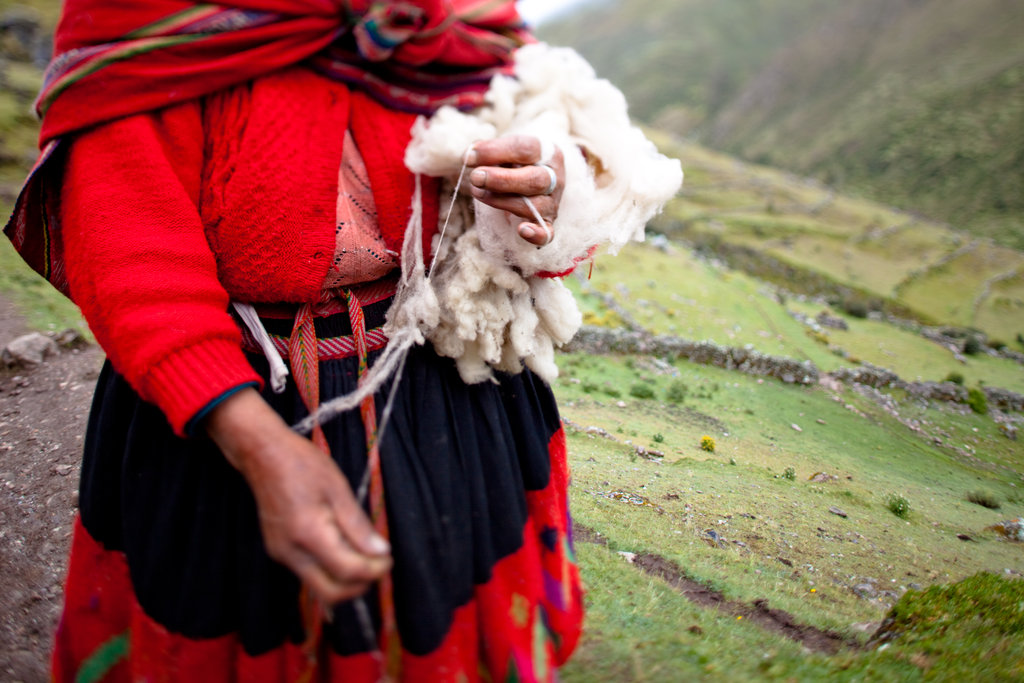
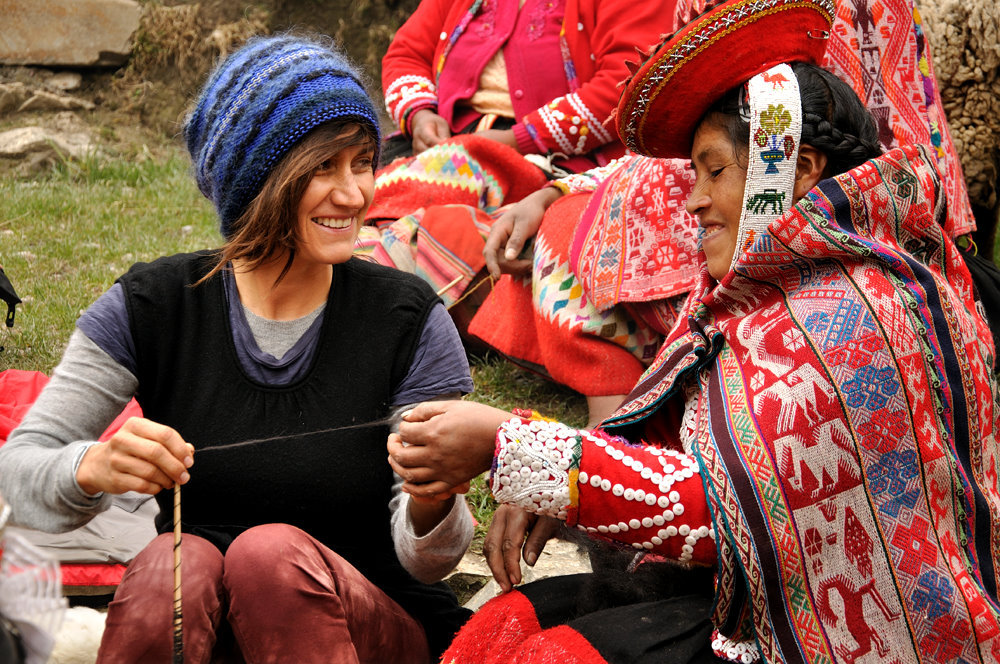
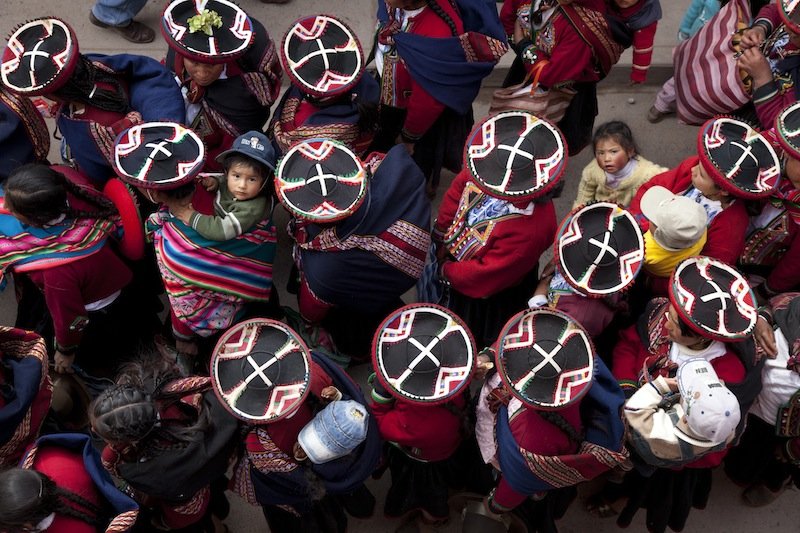
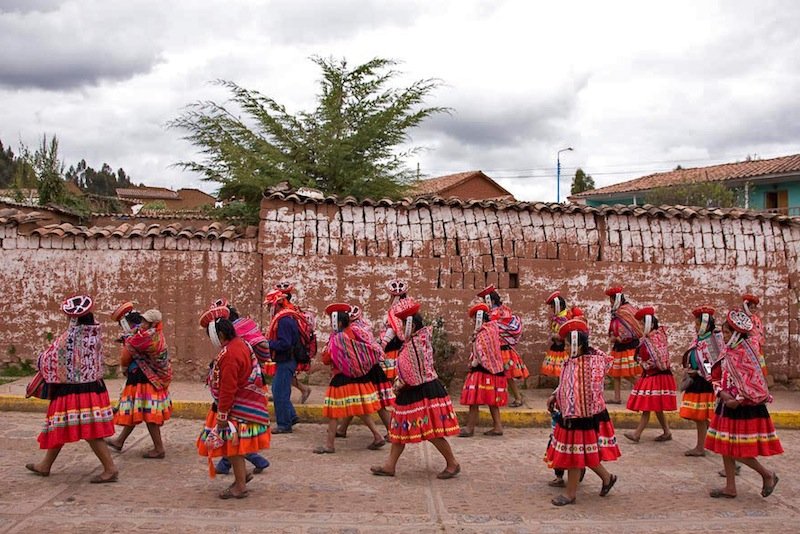
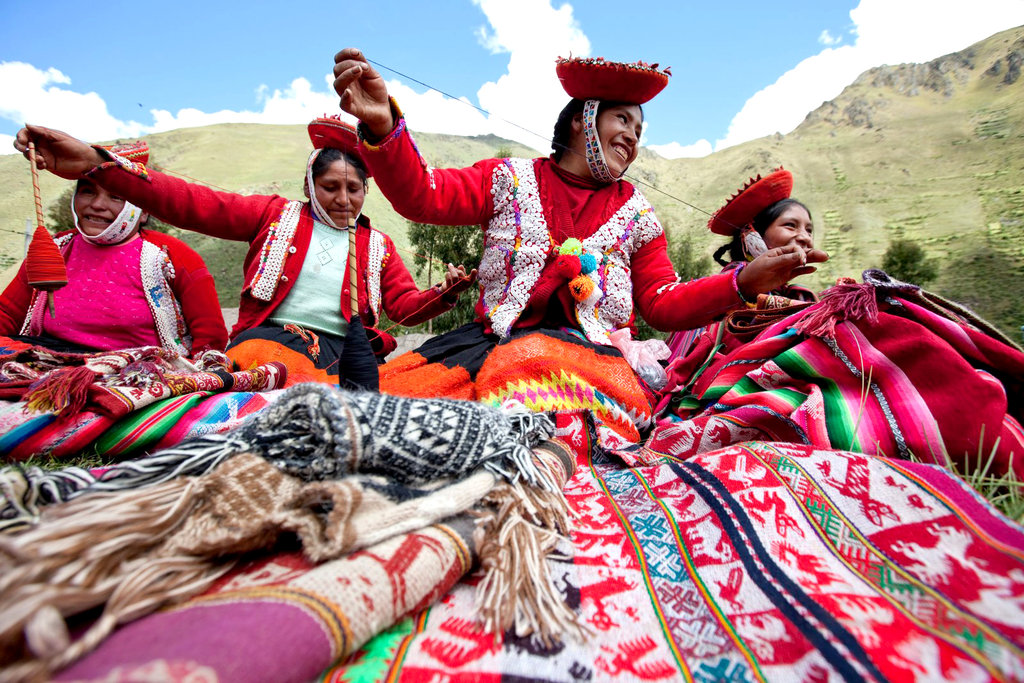
As the busy season winds down, our design team has been making frequent trips to our weaving cooperatives in Kelkanka and Patacancha to host capacitaciones with our artisans. These training sessions are designed to build the skills that will help the cooperative move up in the Impact Model. The three cooperatives in Patacancha and Kelkanka are all on Level 2, which means to get to Level 3 they must perfect the quality of their products and begin to make their own designs so that they may begin to sell to their own clients. With this in mind, we offer two series of workshops, one about Quality Control, and the other about the Principles of Design.
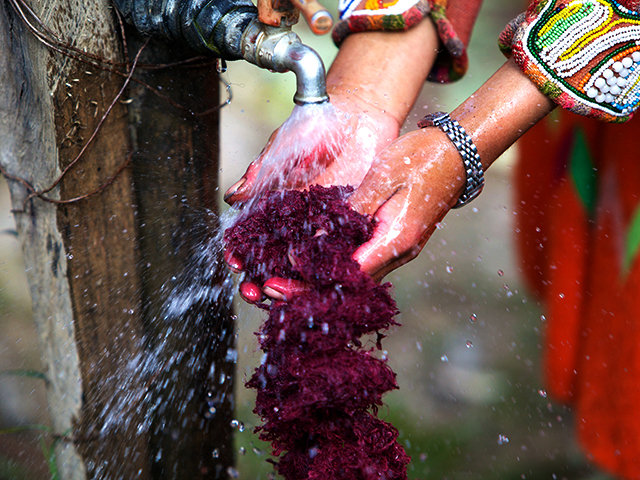
The Quality Control Workshop comes first. Here, we discuss the practical aspects of weaving quality products. This can be as straightforward as discussing ways to keep the textiles clean during production and transport, or as complicated as making sure width is consistent and lifts aren’t too long (see photo). This workshop reinforces the standards of production for which the artisans know they are accountable.
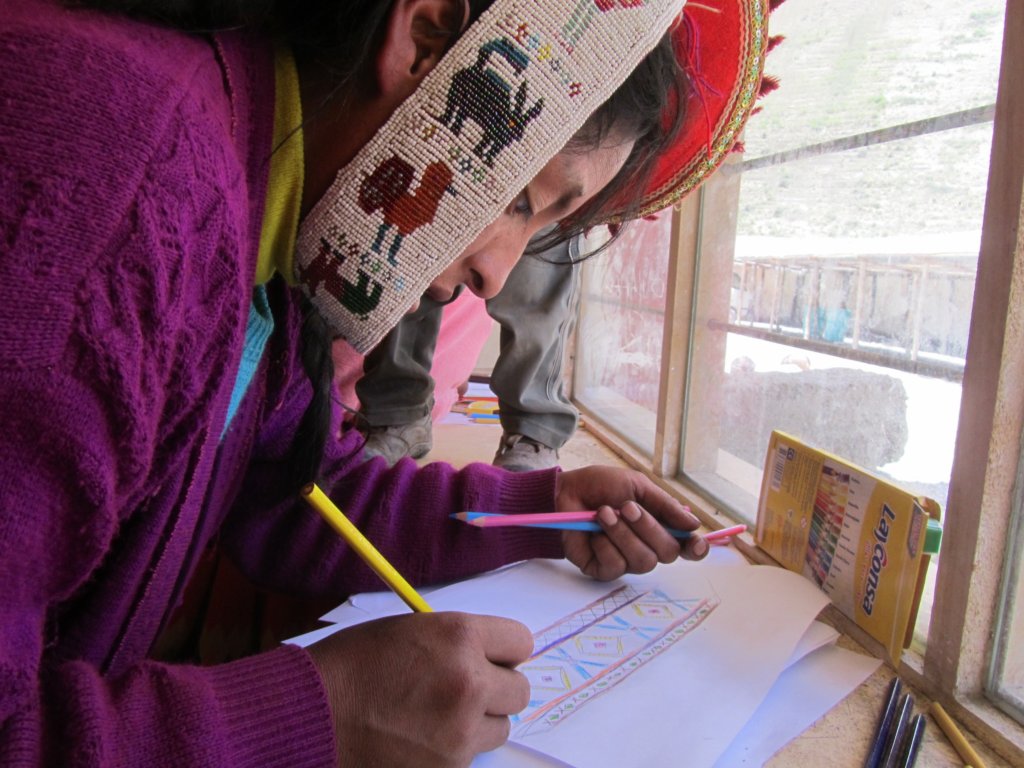
After we get the craftsmanship down pat, we start to get a little more conceptual with the Principles of Design Workshop. This is a fun one because the creative juices really start flowing. The workshop starts with a short presentation about what’s going on in today’s fashion industry. Here, the artisans gain a wider context for what’s going on at Awamaki. We start with some examples from fashion magazines, which we use as a jumping-off point for discussing the needs of our clients. What are our clients looking for? How will the textiles that our artisans are producing be used? Then comes the best part: the design contest. Each woman is given blank paper, a new pack of colored pencils, and the simple directions: they have two weeks to draw a design for a textile then weave the textile they designed. The artisans are compensated for their participation in the contest and the winners will receive cash prizes.
We piloted this design workshop with our Songuillay cooperative in Patacancha and were met with great success. Drawing designs before creating the 3D textile was a completely new concept to our Patacancha artisans, who previously just imagined their designs before setting up the loom. In fact for many of our artisans, it was the first time they had ever put pencil to paper to draw. But in no time the women were getting their ideas down on paper, excited about the new method and motivated by friendly competition. Meg, a volunteer in the Women’s Cooperative Program, describes the transformation, “Some of [the women] literally never picked up a pencil before and suddenly they’re like, ‘wow, I can design a whole bag.’”
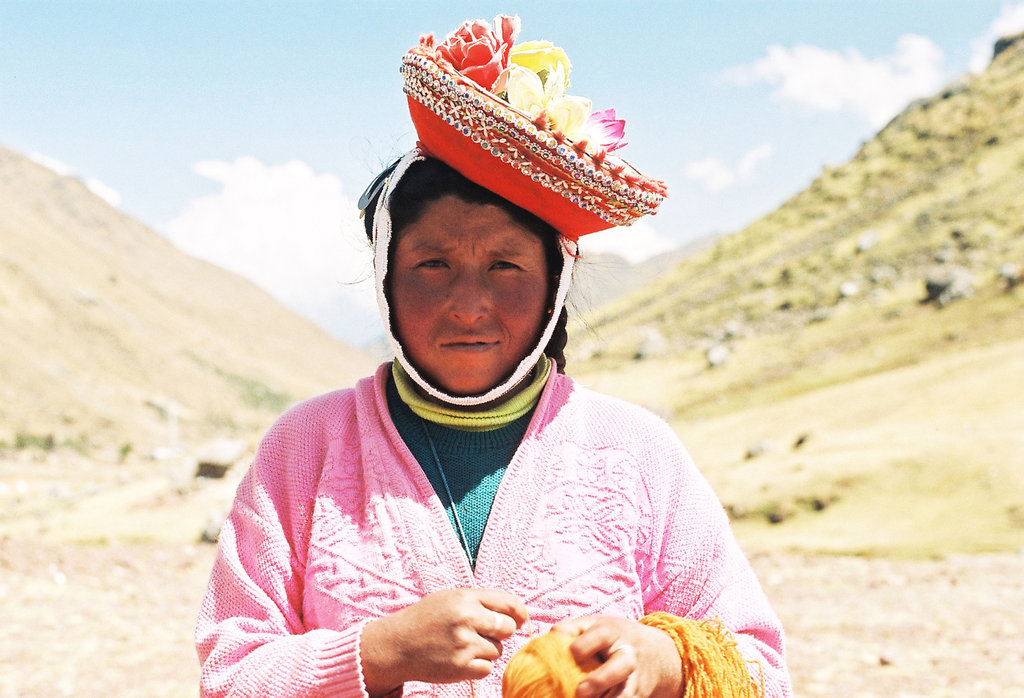
The opportunity to practice a new skill is having a profound effect on our artisans. It’s not just about drawing or design, it’s about empowerment. In learning about the design process for themselves, the women are recognizing their own agency within their cooperative. With this training, these women realize that they already have the tools they need to collectively design their own line—they just needed a few new materials. “They were amazed that they were getting the opportunity to do this….And at the end, they were so excited to get to keep the pencils,” Meg recounted with delight.
So on behalf of our artisans and our staff, we extend a huge THANK YOU for making these workshops possible. Your support has given 87 women the confidence (and materials!) they need to be their own designers. This has brought them one step closer to functioning as an independent Asociacion. We’ll be going back soon to follow up on the competitions, award the winners, and find solutions to any issues that may have come up. With how much progress they made in the two-hour workshop, we can’t wait to see what they’ve designed with two weeks. Thanks for your continued support!
Project reports on GlobalGiving are posted directly to globalgiving.org by Project Leaders as they are completed, generally every 3-4 months. To protect the integrity of these documents, GlobalGiving does not alter them; therefore you may find some language or formatting issues.
If you donate to this project or have donated to this project, you can receive an email when this project posts a report. You can also subscribe for reports without donating.



Support this important cause by creating a personalized fundraising page.
Start a Fundraiser