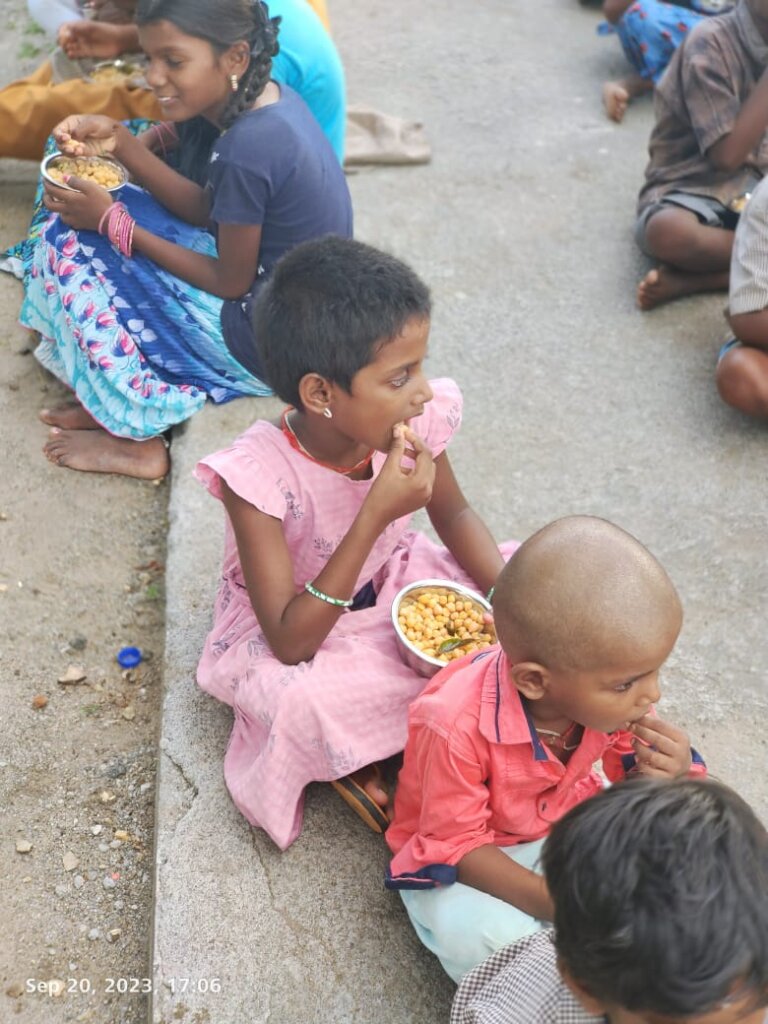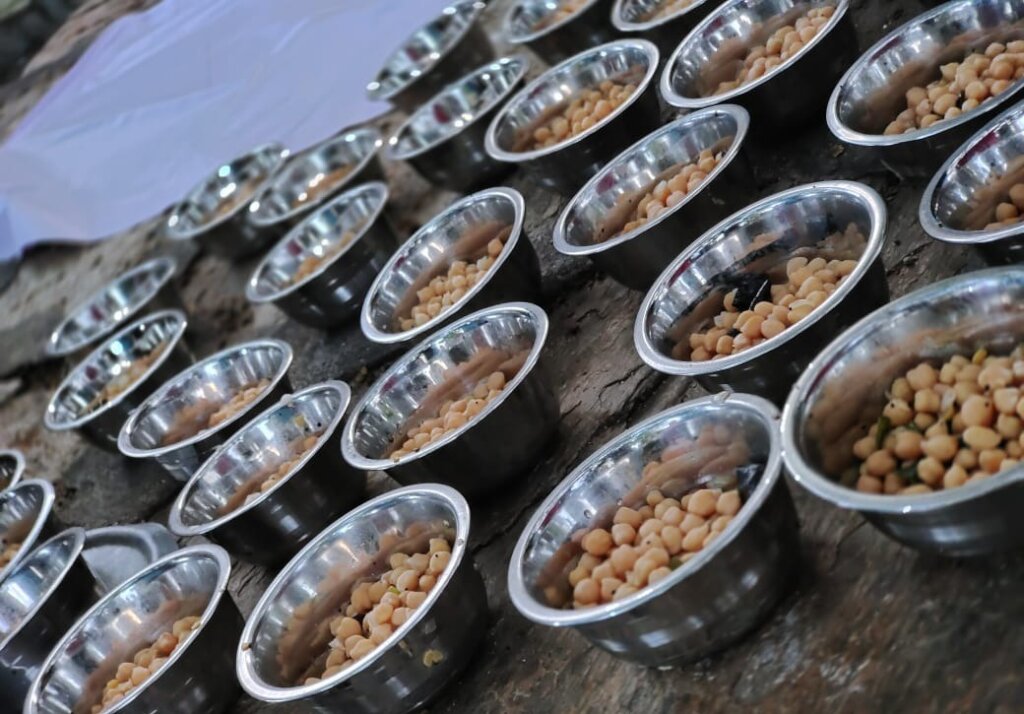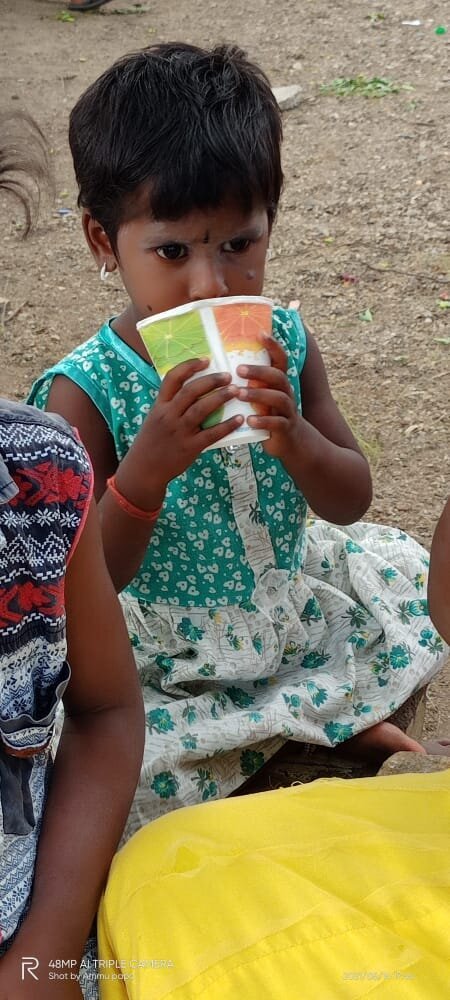
By Janet Preethi G | Project Leader
Summary
Climate change continues to impact vulnerable communities in Tamil Nadu, with El Niño conditions causing irregular rainfall, rising temperatures, and reduced agricultural output. These changes directly affect food availability and nutrition, especially for children from low-income families.
Through our interventions, VOICE Trust is raising awareness and promoting the inclusion of fruits in children’s diets to ensure better health, immunity, and resilience during this challenging period.
The Challenge
El Niño has led to significant environmental and economic stress in our region:
Irregular and reduced monsoon rainfall affecting farming communities
Increased heatwaves impacting daily life and health
Reduced crop yields leading to food shortages
Rising food prices making nutritious food less affordable
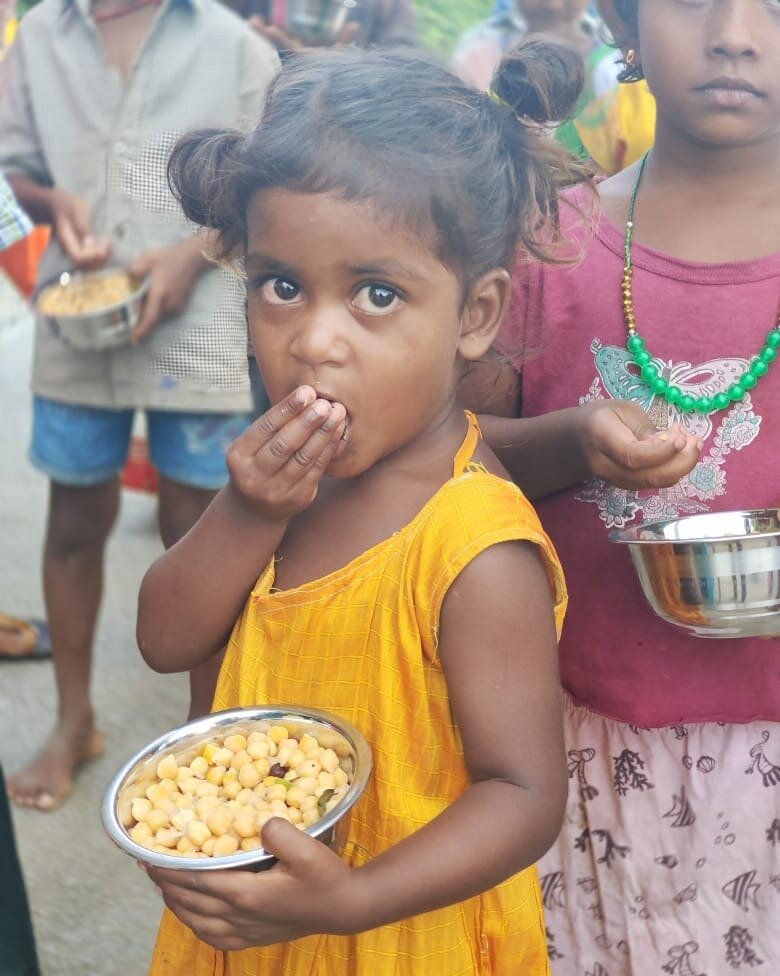
For children from vulnerable families, these challenges increase the risk of malnutrition and poor health outcomes.
Our Response
To address these challenges, VOICE Trust has focused on improving children’s nutrition through awareness and practical support:
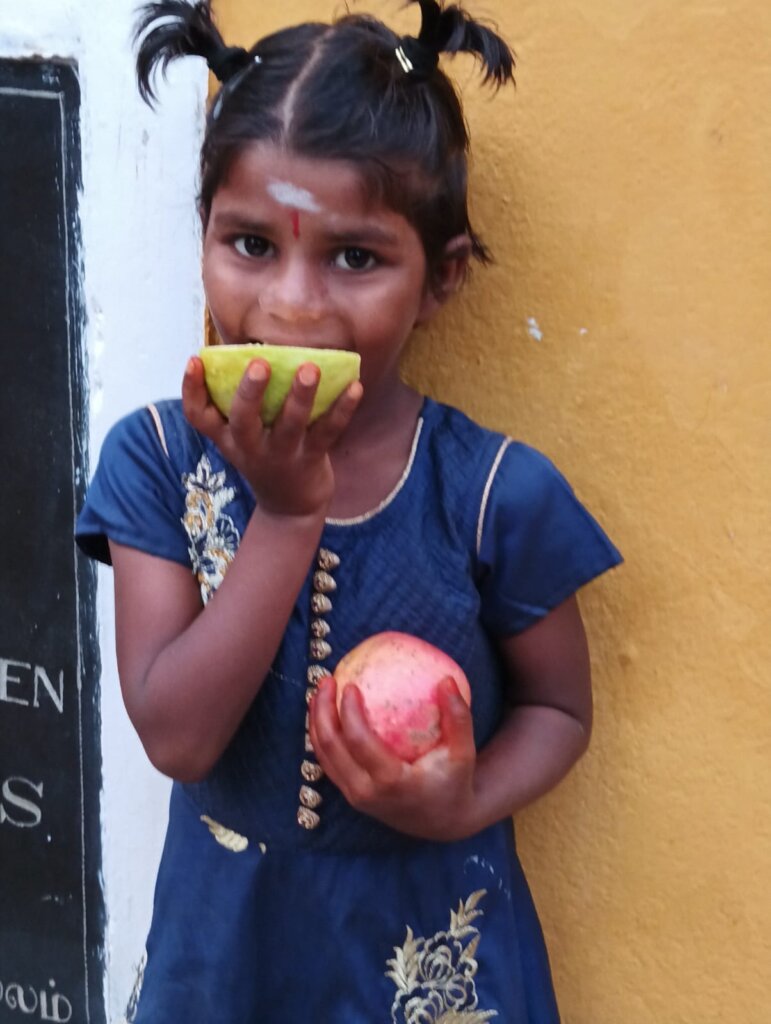
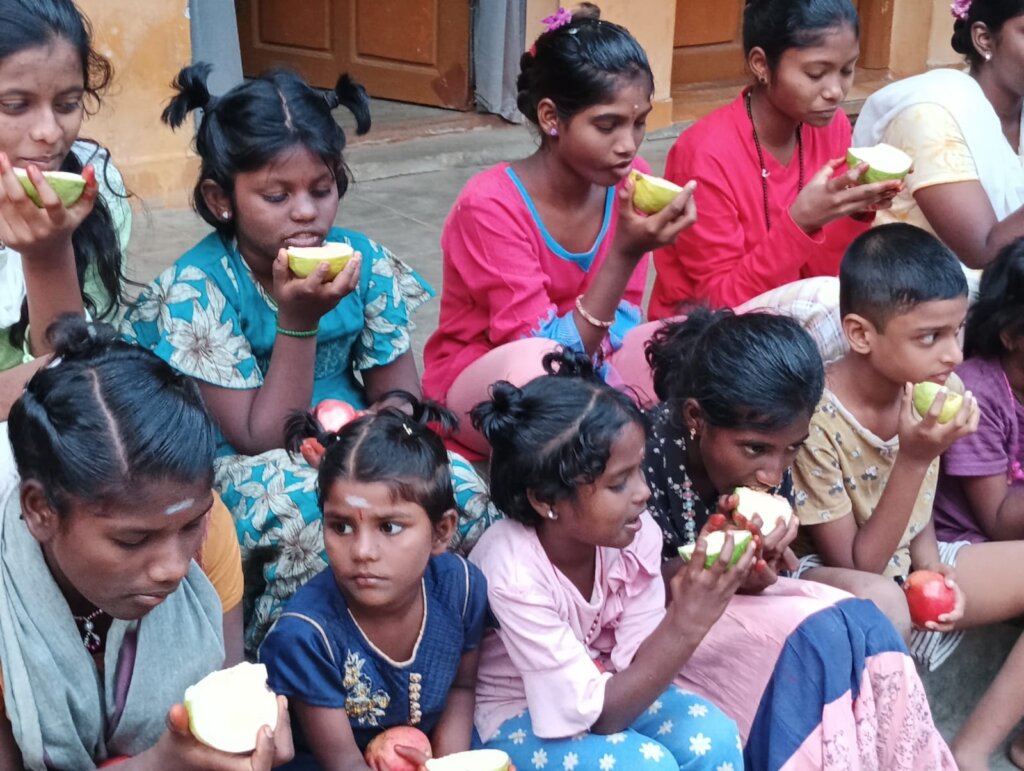
Promoting daily consumption of nutritious fruits
Educating parents on low-cost, locally available nutrition options
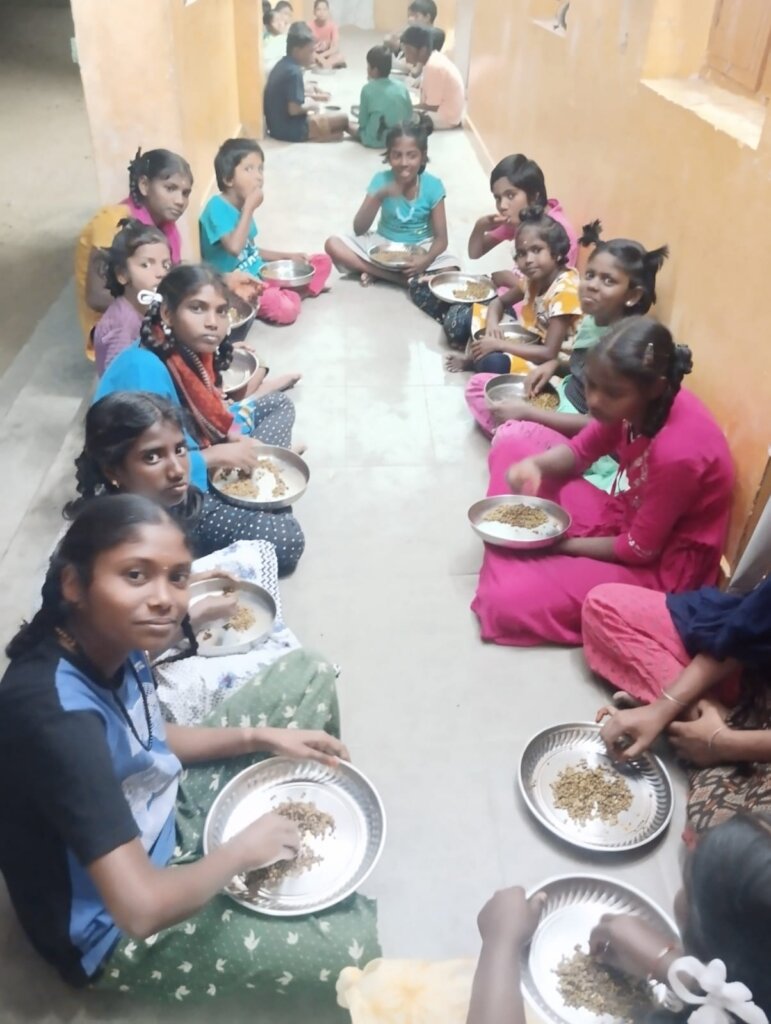
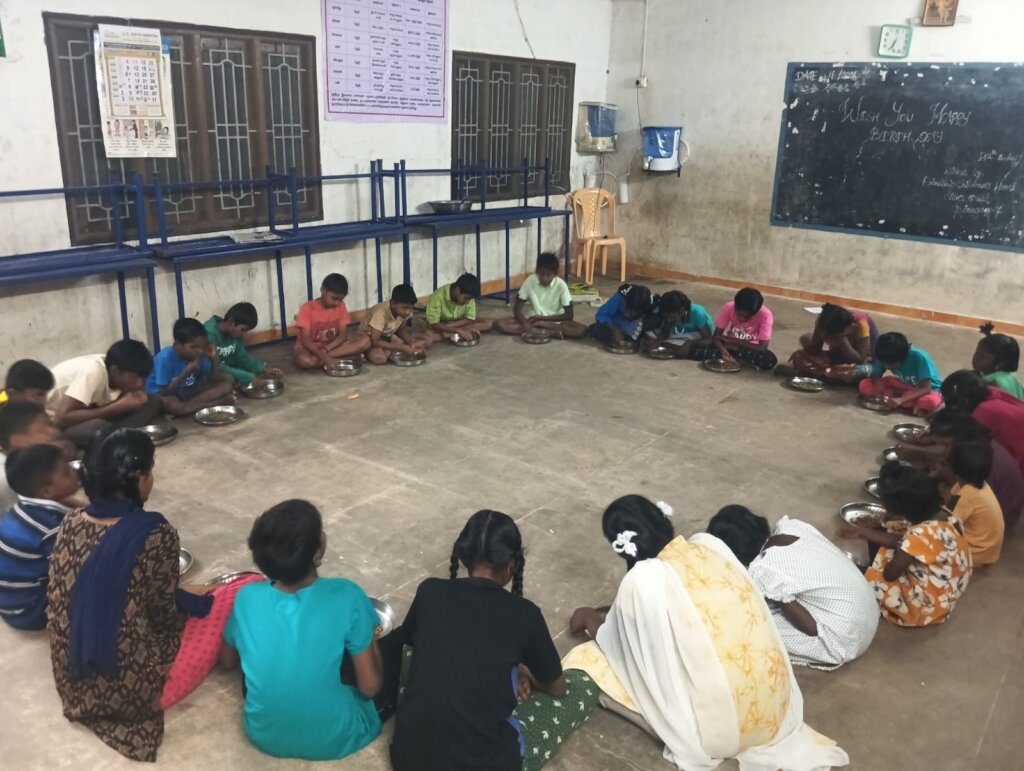
Integrating fruits into school and community feeding practices
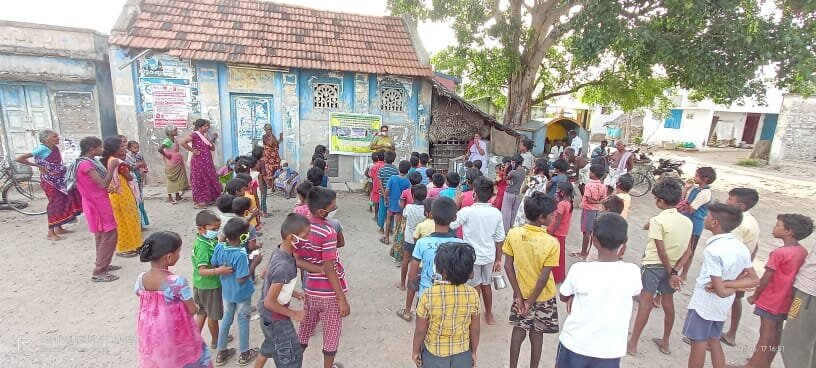
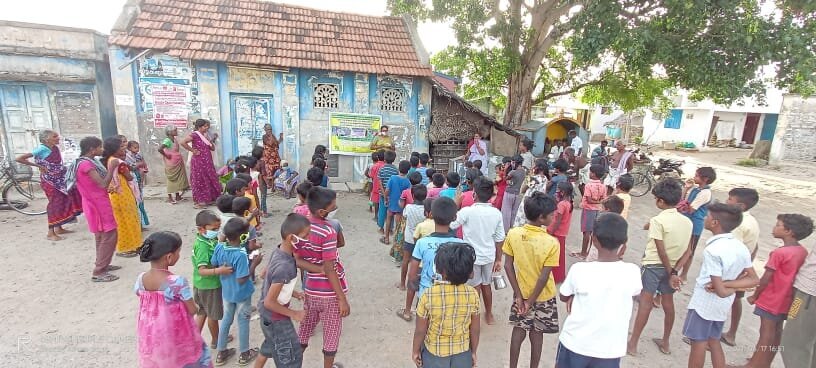
Conducting awareness sessions on climate and health impacts
Why Fruits Matter
Fruits are a simple yet powerful solution to support children’s health during climate-related food insecurity:
Rich in essential vitamins that boost immunity
Provide natural energy for growth and learning
Improve digestion and overall well-being
Help prevent nutrient deficiencies
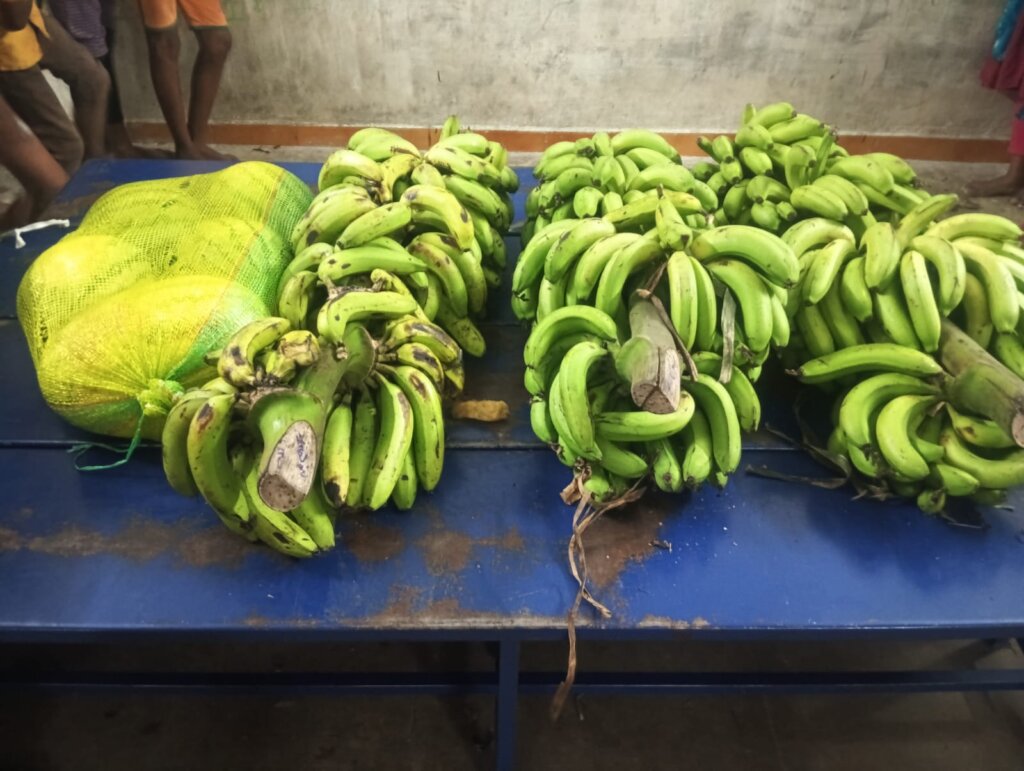
Even during periods of food scarcity, seasonal fruits like banana, guava, and papaya remain accessible and highly beneficial.
Impact So Far
Increased awareness among parents about child nutrition
Improved dietary practices in participating families
Children showing better energy levels and overall health
Strengthened community understanding of climate-related risks
Looking Ahead
VOICE Trust aims to expand its efforts by:
Including fruits regularly in child support programs
Reaching more families with nutrition awareness
Strengthening resilience against climate-related food insecurity
Conclusion
El Niño presents a growing challenge for vulnerable communities, but small, practical steps can make a significant difference. Ensuring that children have access to nutritious fruits is one such step that can protect their health and future.
With your support, we can continue to safeguard children’s nutrition and build stronger, healthier communities.
Thank you for standing with us.
Interested in virtual volunteering? Email to connect@voice-trust.org
Links:
By Janet Preethi G | Project Leader
By Janet Preethi G | Project Leader
Project reports on GlobalGiving are posted directly to globalgiving.org by Project Leaders as they are completed, generally every 3-4 months. To protect the integrity of these documents, GlobalGiving does not alter them; therefore you may find some language or formatting issues.
If you donate to this project or have donated to this project, you can receive an email when this project posts a report. You can also subscribe for reports without donating.



Support this important cause by creating a personalized fundraising page.
Start a Fundraiser