By Hannah White | Communications Director
“The only way to prevent Afghanistan from going backward is education.”
These words hung heavily in the hot air of a teacher’s lounge in a small village in Nangarhar province last year during a conversation about the future of Afghanistan with CAI Communications Director Hannah White.
They were spoken by Muhammad, an Islamic Studies teacher for grades 9 – 12 at Khodi Dust Girls’ Higher Secondary School. Muhammad is passionate about education, and he truly believes it is the only thing that can save his country.
Muhammad was born in this village, but his family moved just over the border to Pakistan where he lived for 18 years when the war in Afghanistan got too dangerous. There he studied Islam before returning back home to raise his children. Now, the Pakistani government is discouraging non-citizens from attending their schools and private schools are too expensive. He brought his family home to receive educations and to be a teacher himself.
“I work for the children, not for the salary,” he says.
A School At the End of the Road
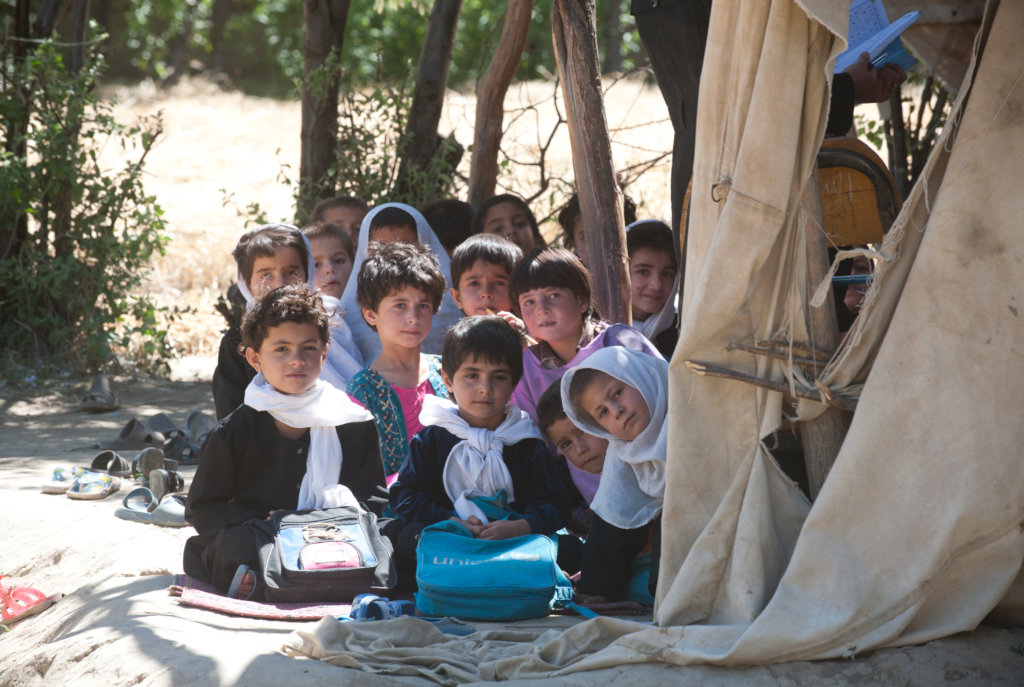
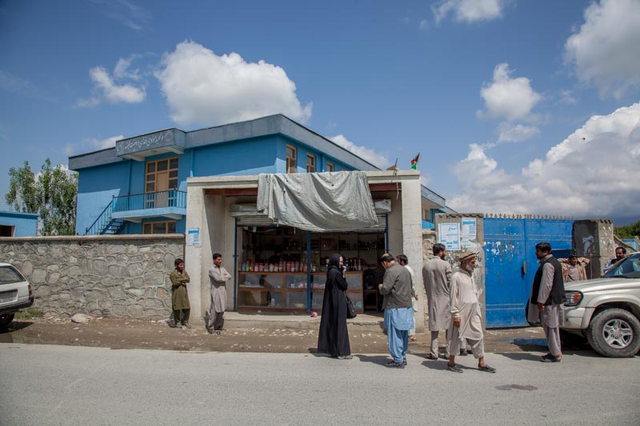
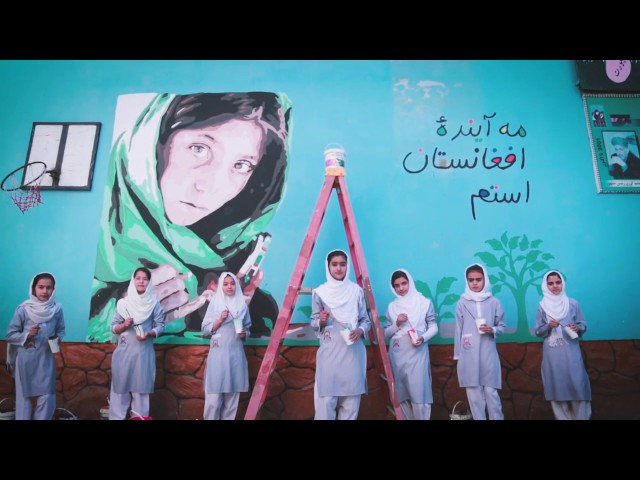
This high school is located less than an hour’s drive from Jalalabad, one of Afghanistan’s larger cities, but it might as well be a world away. Few NGO’s travel off the main route, up a dusty road to help the villagers. The school was built by CAI’s partner organization Star of Knowledge (SKO) in 2012,. Educating their children was so important that a local man with daughters of his own donated almost all of his land to the school. He kept a small strip right outside the where he built a little shop to sell sweets and snacks and watches over the children who attend the school. Though it is new, it has no electricity because the village has no electricity. They are hoping for an English teacher and a librarian for their library in the future.
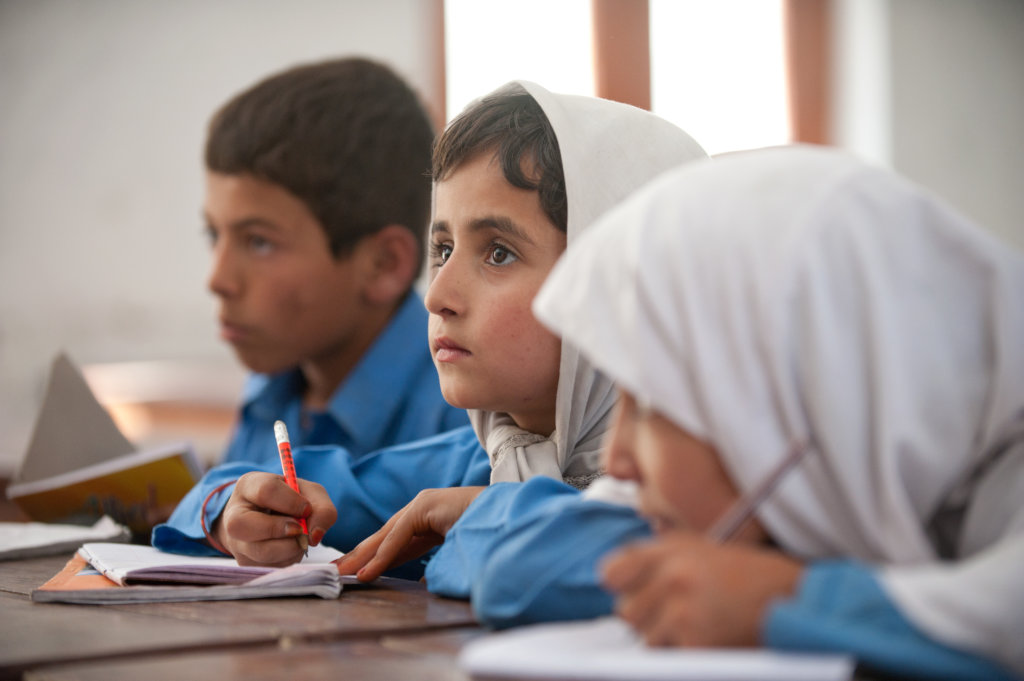
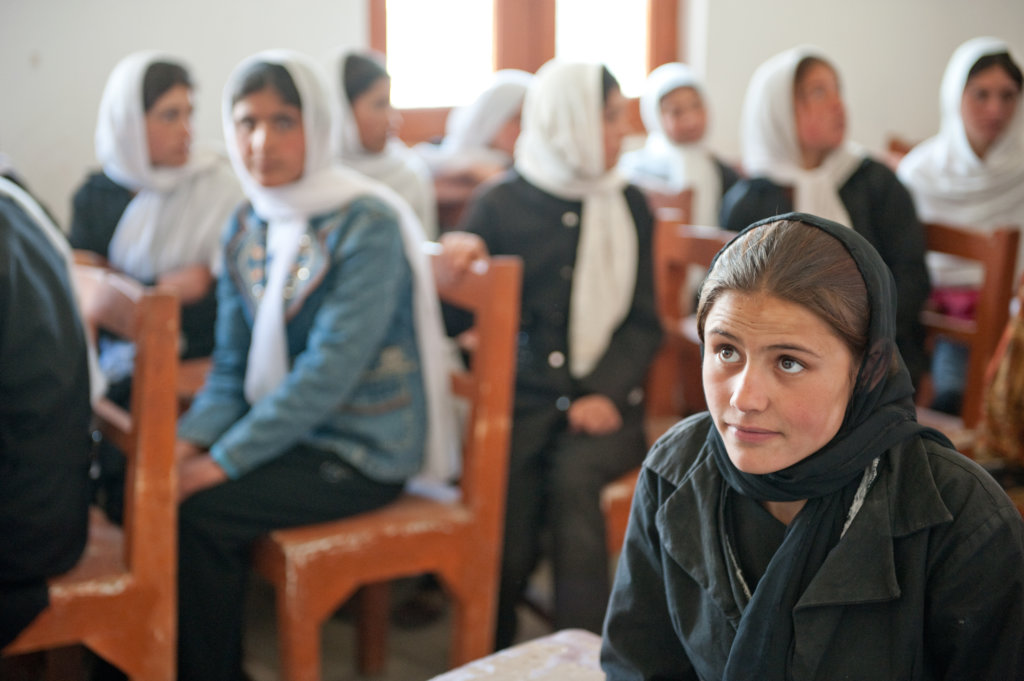
The children attend school in split shifts with boys in the morning and girls in the afternoon. There is only one female teacher. Muhammad says there are more women who are interested, but they live too far away and aren’t allowed to travel for work.
The villagers are poor, and this can lead to girls dropping out of school when they are old enough to work. The school has a parent’s committee, almost like a PTO, that tries to intervene when this happens. If the parents are too poor to keep their child in school, the committee will find a wealthy person to sponsor the education.
“If [the children] are not educated, there will be no economy,” says Muhammad. “If there is no economy then there is no security.”
Links:
Project reports on GlobalGiving are posted directly to globalgiving.org by Project Leaders as they are completed, generally every 3-4 months. To protect the integrity of these documents, GlobalGiving does not alter them; therefore you may find some language or formatting issues.
If you donate to this project or have donated to this project, you can receive an email when this project posts a report. You can also subscribe for reports without donating.