By Katie Smith | Communications Manager
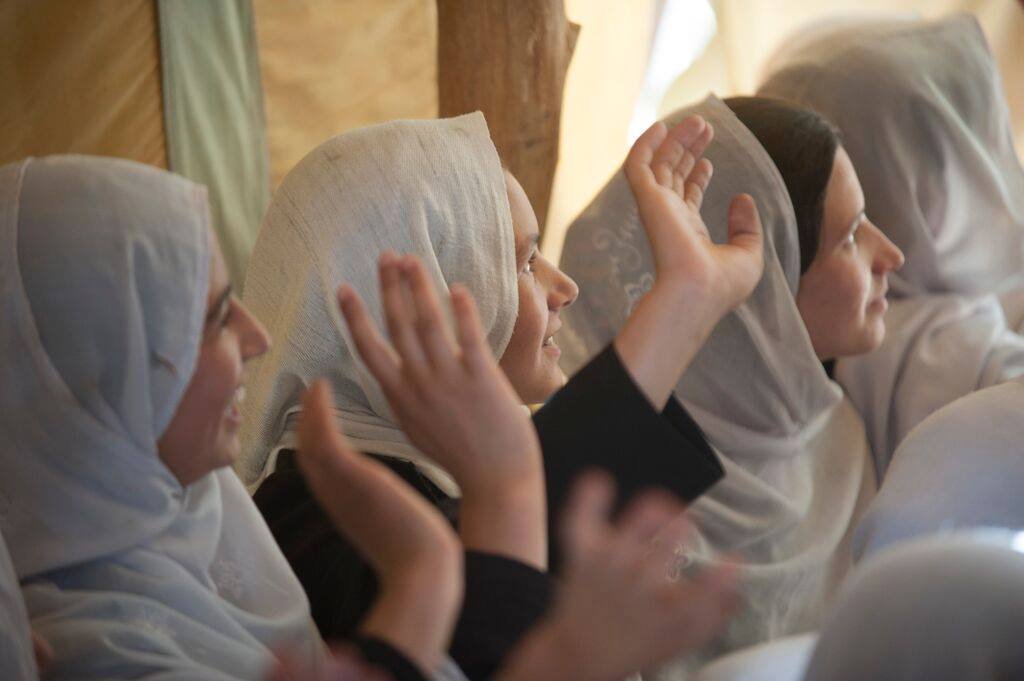
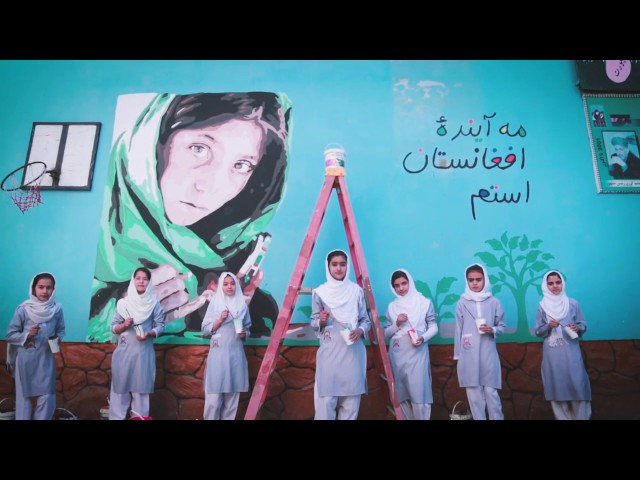
Accessing school in the rural villages of Afghanistan, Pakistan and Tajikistan can be a harrowing experience for a girl.
The nearest school may be a three- or four-mile walk on dangerous roads where she is subject to harassment from men she passes. The threat doesn’t always come from strangers, and often she is hiding her schooling from a male relative who will beat her, burn her or even kill her for attempting to do something as harmless as learning to write her name.
The cornerstone of women’s equality is education—but access to classrooms, school supplies, and teachers is often scarce in the places that need it the most. UNICEF reports that 65 million girls were out of both primary and lower secondary schools in 2013. There is a myriad of reasons girls miss out on education from poverty to war and displacement, to violence or lack of resources.
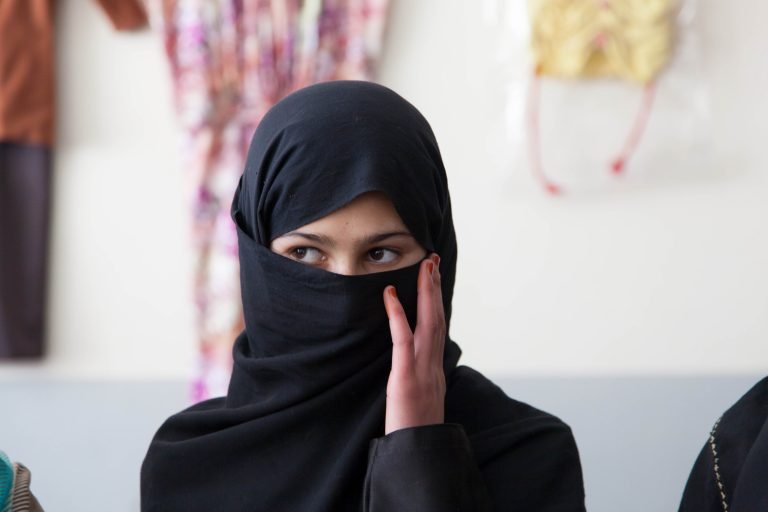
Cultural and familial norms may limit access to education through threats of violence and shame or ridicule, even when resources are available. Villages deep-seated in tribal customs and conservative traditions expect women to care for children, tend to household duties, and serve their husbands. A woman who challenges these norms by going to school can be seen as shameful or immodest, damaging the honor of the family. Men are expected to control their women, and violence is a common way to punish transgressions.
According to a report by Global Rights, a human rights organization, an estimated 90 percent of women in Afghanistan suffered physical, sexual, or psychological violence or forced marriage, most of it perpetrated by family. The situation is similar in Pakistan with an estimated 70 to 90 percent of women subjected to domestic violence. Admitting to domestic violence in the family is taboo in these developing countries, so many women don’t report their abuse. If they leave their husbands or families, they will be exiled with no resources and no place to go.
Not all men and families are opposed to their wives, daughters and sisters attending school. Many men, especially those who have had schooling, see the value in women’s education as a way to help support their families. However, violent resistance is still common, especially in rural and conservative communities where most detractors are themselves uneducated.
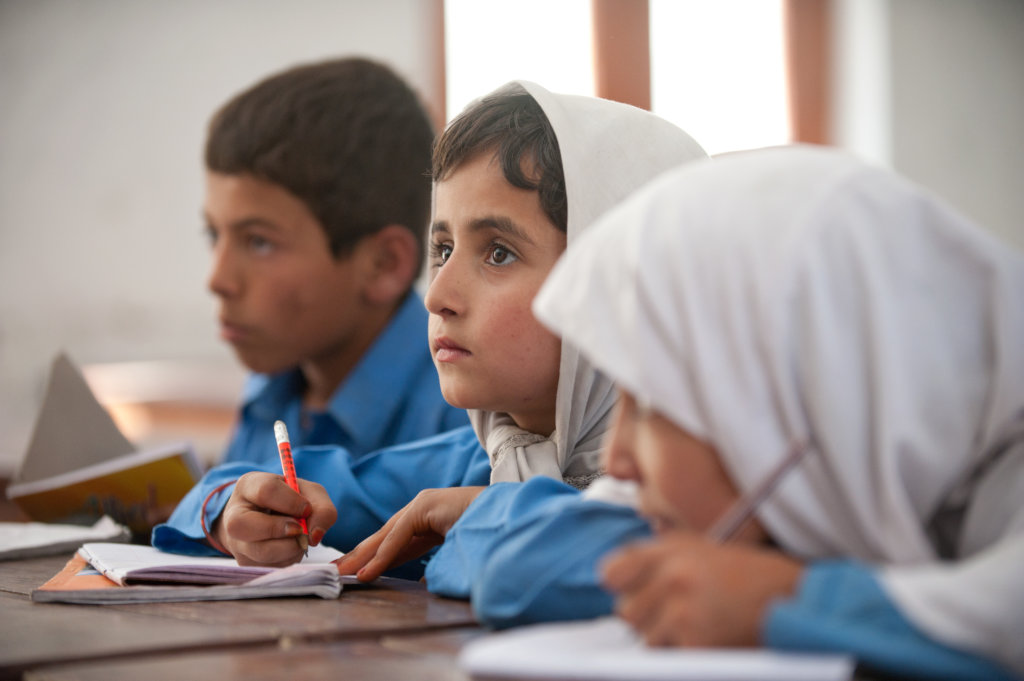
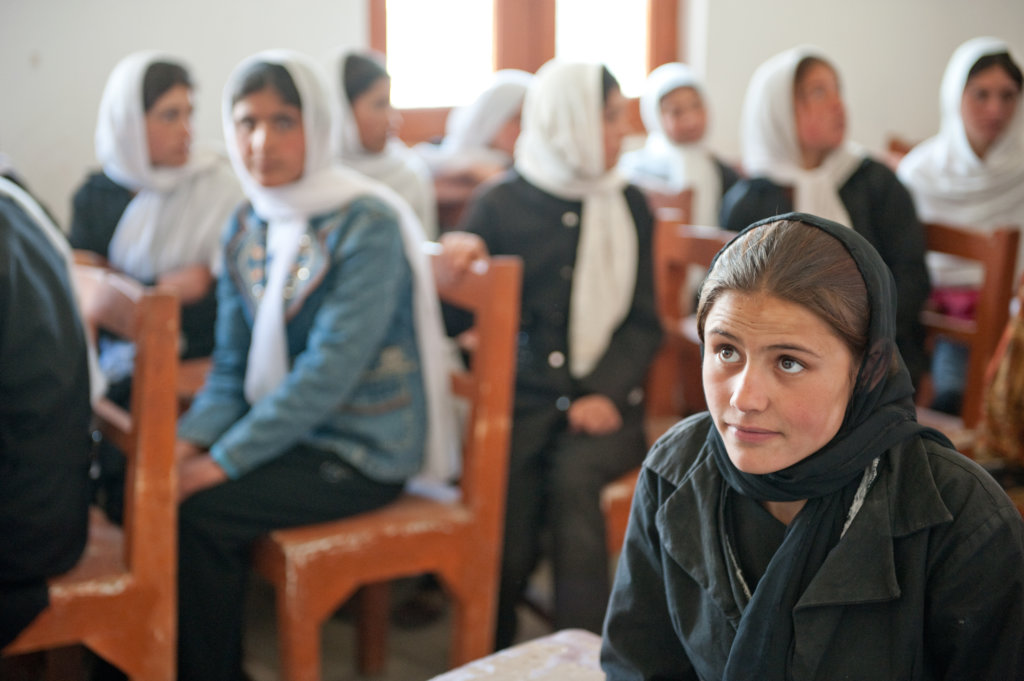
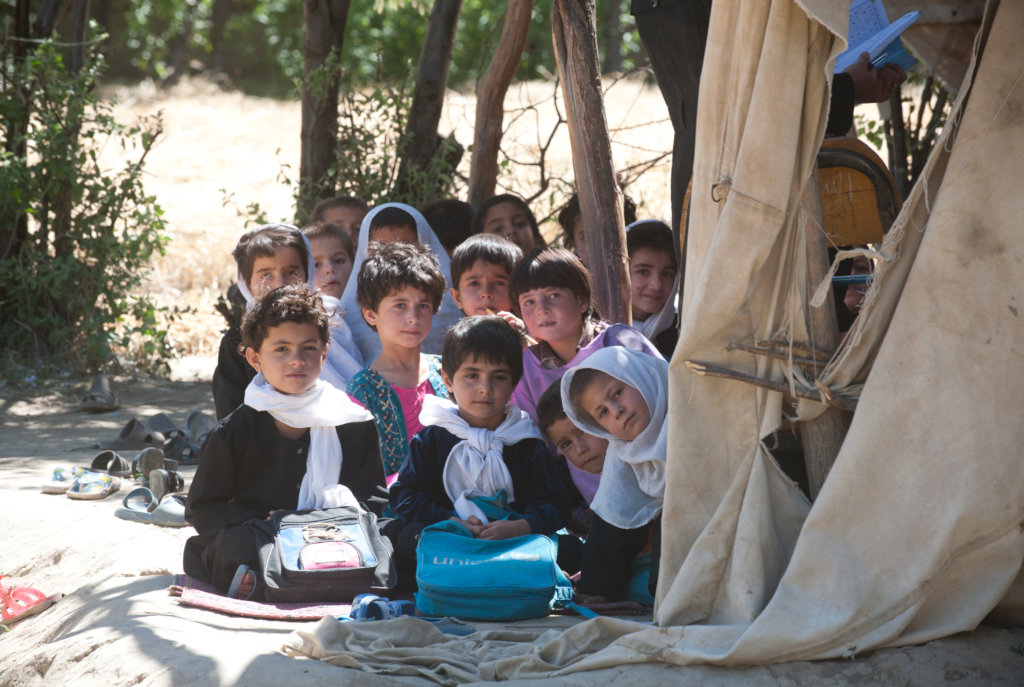
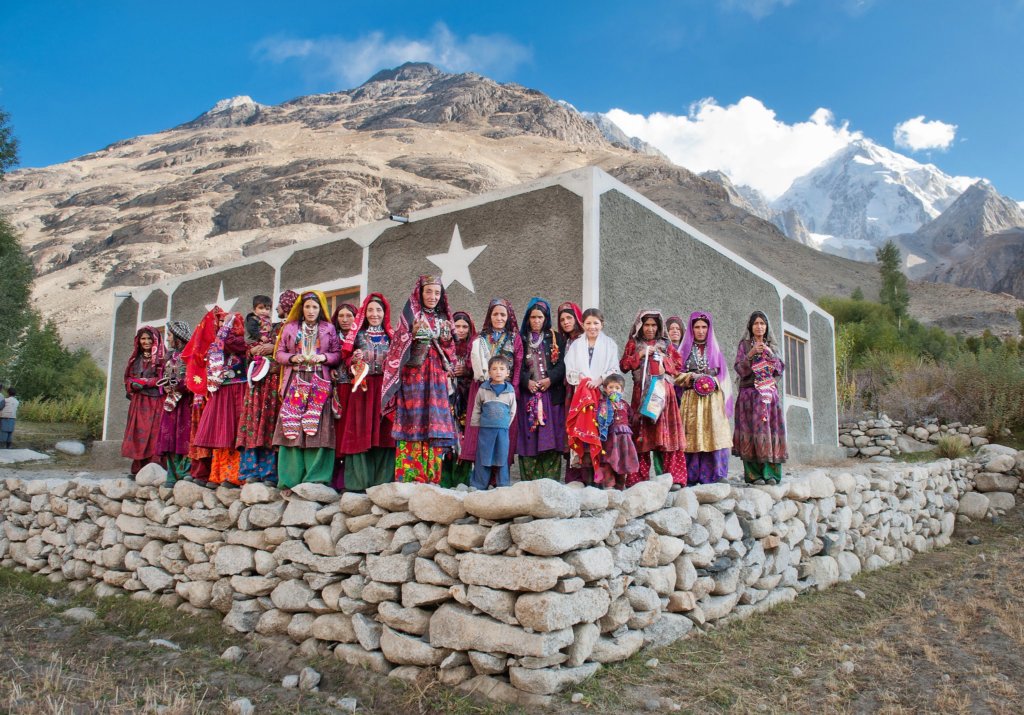
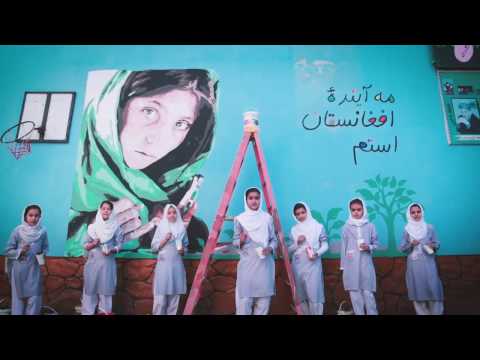
Despite this, sentiment towards girls’ education has been shifting in Central Asia for many years. Many more communities are making the change to support women’s literacy and girls’ education, despite the violence and threats. Central Asia Institute (CAI), a nonprofit organization based in the U.S., works with partners in Pakistan, Afghanistan and Tajikistan to build schools, provide teacher trainings and promote education for girls in some of the most remote areas of the world.
Please click on the link below to read the complete article.
Links:
Project reports on GlobalGiving are posted directly to globalgiving.org by Project Leaders as they are completed, generally every 3-4 months. To protect the integrity of these documents, GlobalGiving does not alter them; therefore you may find some language or formatting issues.
If you donate to this project or have donated to this project, you can receive an email when this project posts a report. You can also subscribe for reports without donating.