By Jason Graber | Resource Development Officer
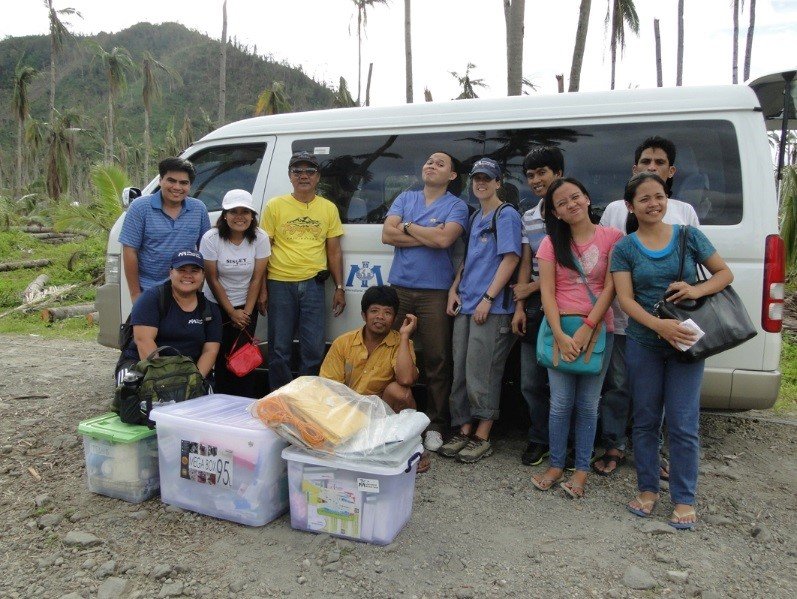
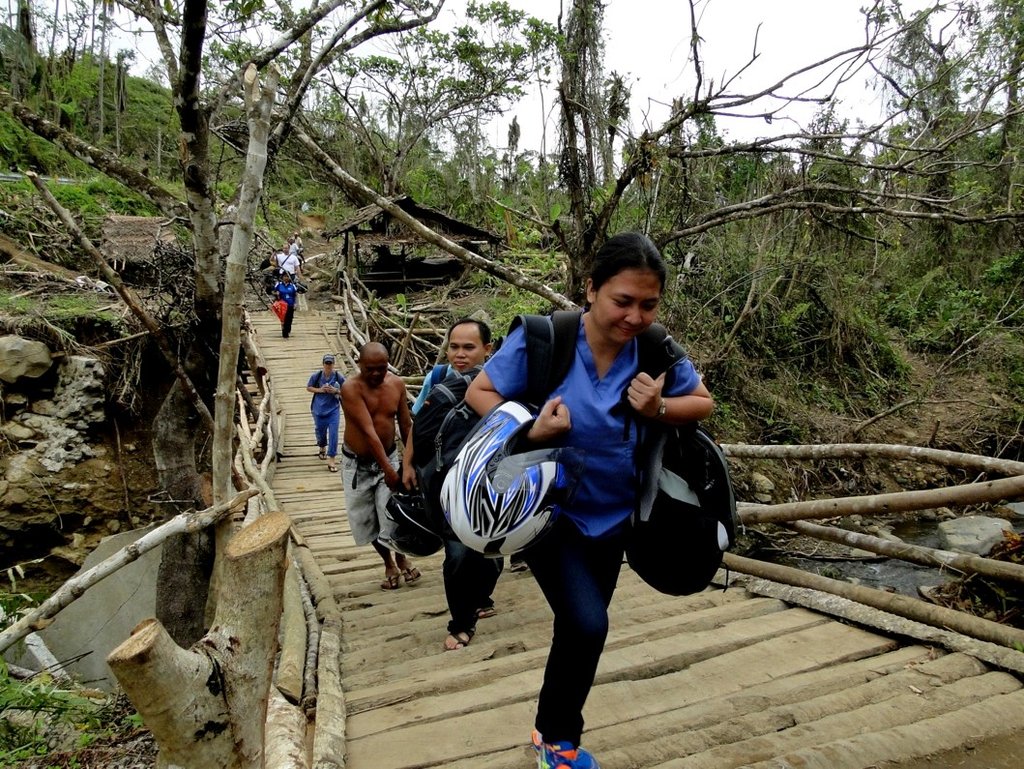
One of the most powerful typhoons on record, Super Typhoon Haiyan hit the Philippines last November and left widespread devastation affecting an estimated 16 million men, women and children, including displacing some 4.4 million people. International Medical Corps was on the ground within 24 hours of Typhoon Haiyan making landfall, providing emergency medical services to some of the most remote communities, many of which had yet to receive relief or health care. Rapid needs assessments revealed that Typhoon Haiyan severely damaged infrastructure, including homes, buildings and power lines; disrupted water supplies; and destroyed livelihoods, especially fishing and agriculture. There was substantial structural damage in rural health centers and village health offices and the storm destroyed stockpiles, creating a severe shortage of supplies and medicines critical to delivering health care.
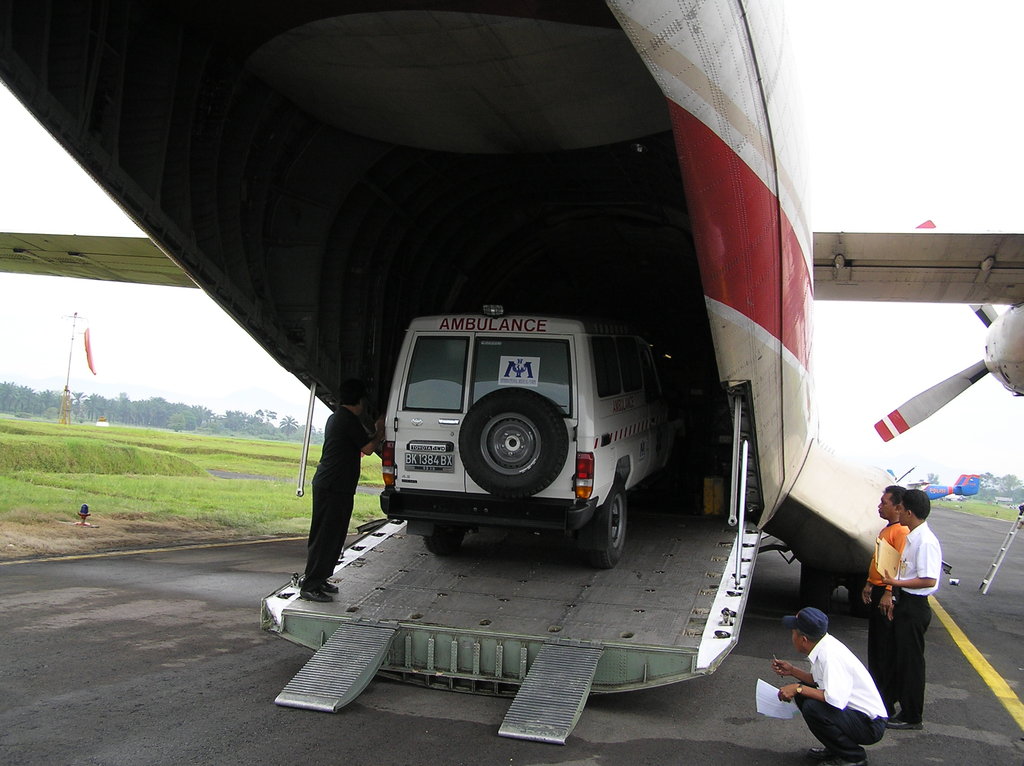
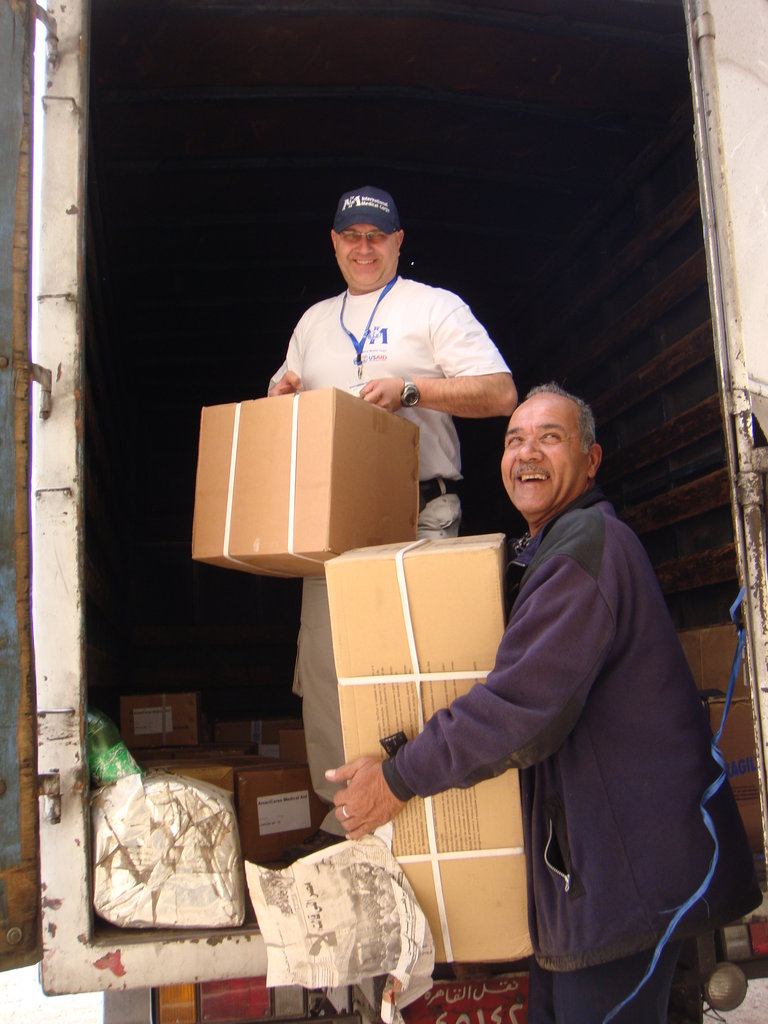
Because an immediate challenge when responding to a disaster is to provide mobile medical teams with the medical resources and pharmaceuticals to treat survivors, International Medical Corps works with multiple partners to quickly secure donations of quality medicine and supplies. As International Medical Corps deployed an Emergency Response Team, one of our international partners reached out to offer immediate help in the form of Doctor Travel Packs. With their support, we flew one pallet of nine Doctors Travel Packs into our Logistics hub in Cebu immediately, and then followed with a second shipment of nine more Packs a few weeks later.
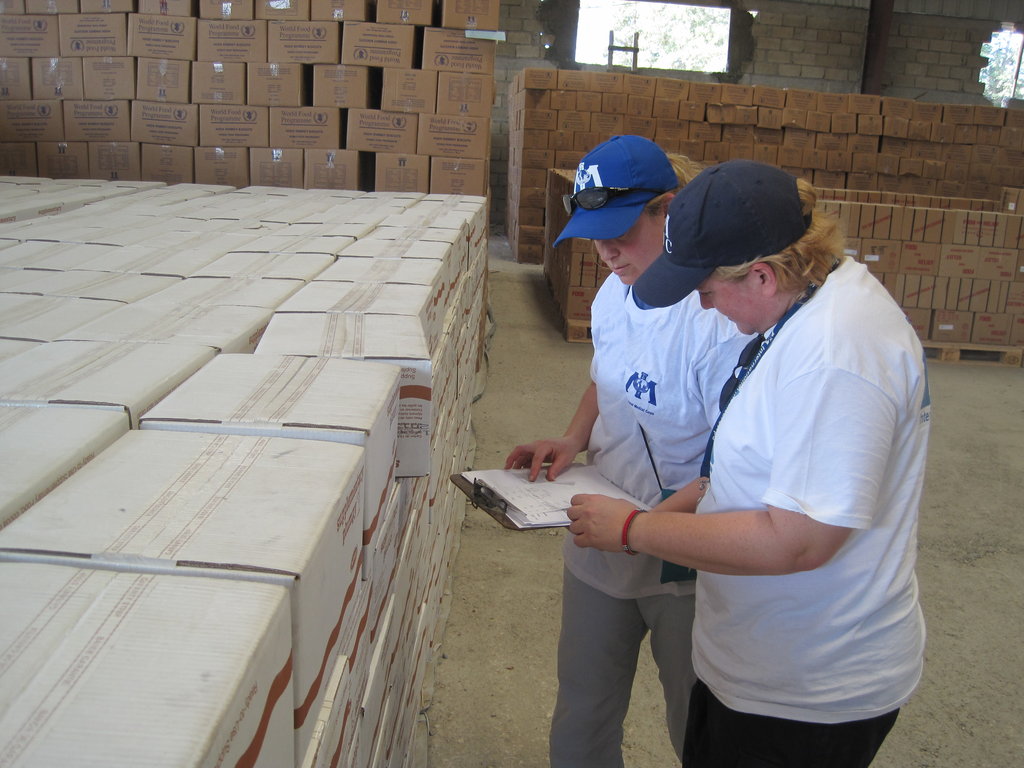
Each Doctor Travel Pack is made up of two boxes that are loaded with enough primary care medicine, such as antibiotics, antifungals, anti-inflammatories, to treat approximately 1,000 people. We also utilized Interagency Emergency Health Kits, which are slightly larger and are made up of a larger variety of medicines, including medical equipment, and are intended to treat up to 10,000 people for a period of three months. With donor support, International Medical Corps was able to deploy a total of 9 Doctor Travel Packs which reached 9,000 people and 5 Emergency Health Kits with provided health facilities with medicines to treat up to 50,000 people both during and after the disaster.
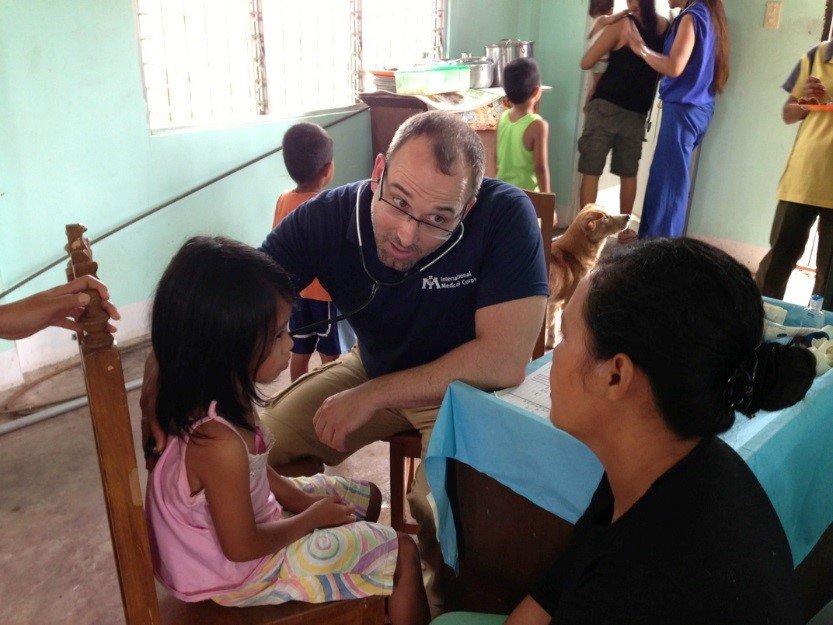
One of the underserved areas International Medical Corps focused on was the Philippine island province of Leyte. Three months after Typhoon Yolanda hit the Visayas Region, Nurse Evangeline Matoza of the MacArthur, Leyte Rural Health Unit (RHU) describes the challenges that her facility faced in caring for the 19,000 citizens of her city. “Right after the Typhoon hit,” Nurse Matoza says, “we went to the places where our patients had been evacuated… to the high school and the municipal hall. There were so many people that needed care, mostly for lacerations and other open wounds.”
Yet while the number of patients increased, Nurse Matoza and her colleagues were faced with dwindling supplies: “The main problem was the drug supply -- we consumed our supply of antibiotics and the first aid supplies within three days.” Relief came through government and NGO systems, but the health workers at MacArthur RHU still struggled to keep up with the high demand for health care supplies. “A few days after the typhoon, we received our first shipment of much-needed drugs and water purifiers,” she says, “but it was still not enough.”
“That’s why we were so grateful when the mobile medical units started,” Nurse Matoza continues. “International Medical Corps and other NGOs really helped ease the burden on us. When your teams came, they would go directly to the barangays (communities), and reach the injured people that we could not reach.” As her community moves from emergency response to building a more sustainable recovery, Nurse Matoza is grateful for the ongoing support of organizations like International Medical Corps: “You gave us supplies that we are still using to care for our patients. We need to do this to heal our community.”
With the Philippines, International Medical Corps was able to dispatch medical treatments for thousands of patients within a week, only because of the generosity of donors that enabled us to ship these resources quickly and directly to the hardest-hit areas. From November 15 – December 19, International Medical Corps’ teams also delivered and distributed more than $1,900,000 worth of medicine and medical supplies to support these health care services through the mobile and permanent health care facilities.
Pre-positioning of funding dedicated to medical supply shipments enables us to move as quickly as possible, and although most of the supplies we use to meet the needs of disaster-stricken people are donated, it is often necessary to raise money to cover the cost of shipping and deploying the materials to disaster zones. Donations made for disaster relief through fundraising vehicles such as Global Giving enable us to respond rapidly to the next emergency, ensuring that as our mobile medical teams trek across disaster zones, they’ve got the medicines and supplies they need to truly make a difference when it matters most.
Project reports on GlobalGiving are posted directly to globalgiving.org by Project Leaders as they are completed, generally every 3-4 months. To protect the integrity of these documents, GlobalGiving does not alter them; therefore you may find some language or formatting issues.
If you donate to this project or have donated to this project, you can receive an email when this project posts a report. You can also subscribe for reports without donating.