By Elena Serfilippi | Resilience Research
Disasters on the rise
Increasing disasters and lack of resilience are causing many households to go hungry, lose employment, and fail to thrive in farming.
We can best address these challenges by focusing on resilience, which is the capacity of people, communities, and systems to prepare for and to react to stressors and shocks in ways that limit vulnerability and promote sustainability.
The project
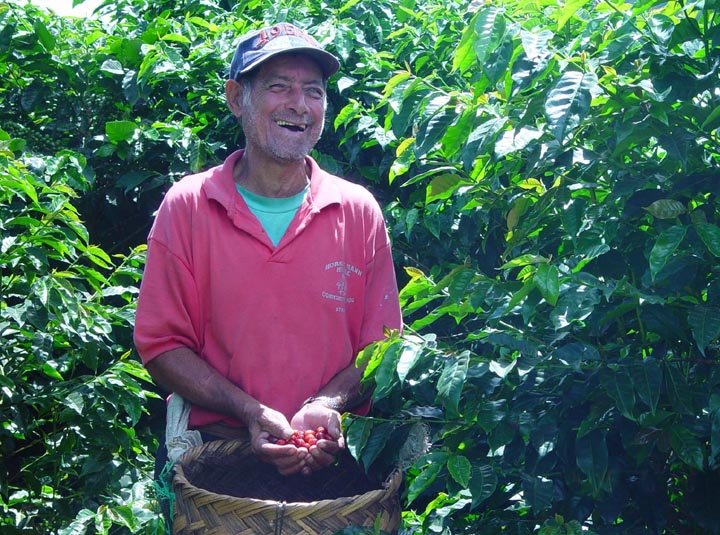
In a preliminary investigation in 2017, we asked almost 500 farmers in the Jinotega department in Nicaragua questions about individual household resilience and sustainability in a survey. The good news: our results show that economic conditions in this community improved with respect to five years ago – but only slightly.
To understand how to get greater improvement, your support will help to study the wider community-level resilience in the second quarter of 2019. By also including co-operative, government, and other stakeholder leaders, a forward-looking, bigger-picture view of the region can emerge from the regional effects that individual farmers may not see.
By analyzing the data together with individual farmer resilience data, we provide a deeper level of learning that can empower communities and their local community leaders with information and a pathway to better resilience practices.
Our plans include creating a resilience learning platform with data collected in Nicaragua and other resilience studies in Central America. The platform will contribute to the ongoing discussion of how to best create climate smart investment programs that protect smallholders. We’ll share these resilience lessons in global Webinars
Why Nicaragua
Nicaragua has made impressive gains in recent years on poverty reduction and economic growth. Between 1994 and 2016, real Gross Domestic Product (GDP) grew by four percent.
Despite this growth, Nicaragua has suffered from climate-related disasters and faces ongoing challenges as it works to reduce poverty for its smallholder farmers
Low agricultural productivity as well as short and irregular rainfalls are affecting poor smallholders living in part of Nicaragua’s territory known as the Dry Corridor: a strip of land of approximately 18,600 square kilometers that runs across some 50 Municipalities.
The deteriorating agricultural productivity and climate variability in this region jeopardize the recent gains in poverty reduction. Average annual precipitation is usually below 800 millimeters (about 31 inches) per year. During the El Niño Southern Oscillation (ENSO) years, precipitation can drop by 30 to 40 percent, with long periods of heat waves during which there is hardly any rainfall. Climate variability has devastating consequences on the cultivation of basic grain crops.
Low adoption rates of new technology and climate-smart practices especially among poor farmers, are putting productivity and food security at risk. Farmers’ ability to respond and adapt to severe weather and climate conditions are compromised.
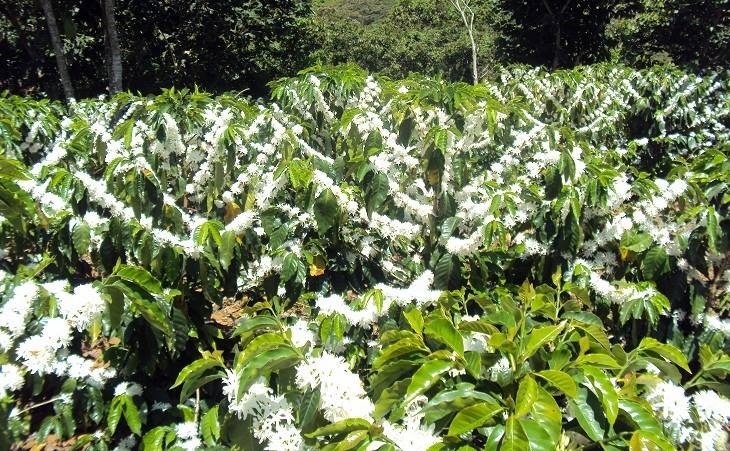
Investment in sustainable agriculture initiatives is still needed, particularly for programs that increase the productivity of coffee production and ensure a decent life to small farmers by providing financial resources, together with market and technical assistance.
We look forward to conducting this pilot test of COSA resilience tools at the community level and to keeping you informed.
Thank you for your support.
The Committee on Sustainability Assessment
Links:
Project reports on GlobalGiving are posted directly to globalgiving.org by Project Leaders as they are completed, generally every 3-4 months. To protect the integrity of these documents, GlobalGiving does not alter them; therefore you may find some language or formatting issues.
If you donate to this project or have donated to this project, you can receive an email when this project posts a report. You can also subscribe for reports without donating.