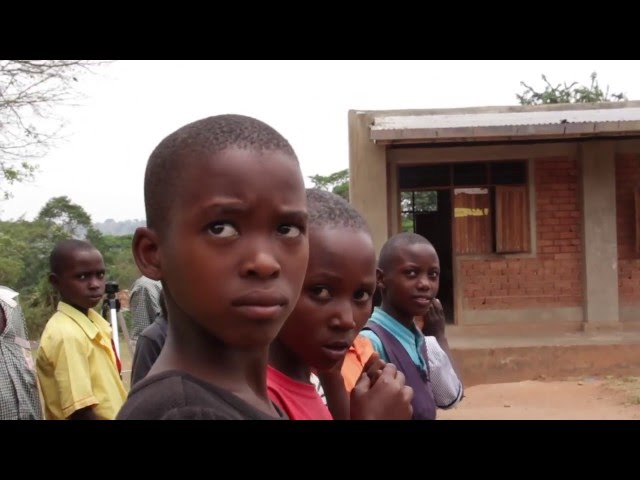
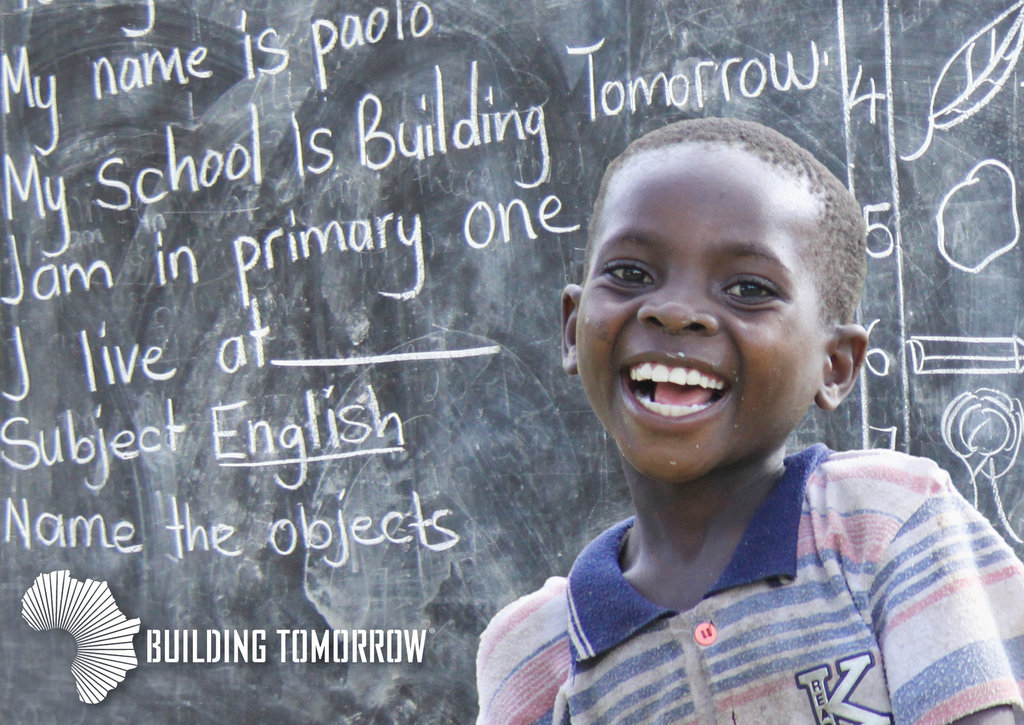
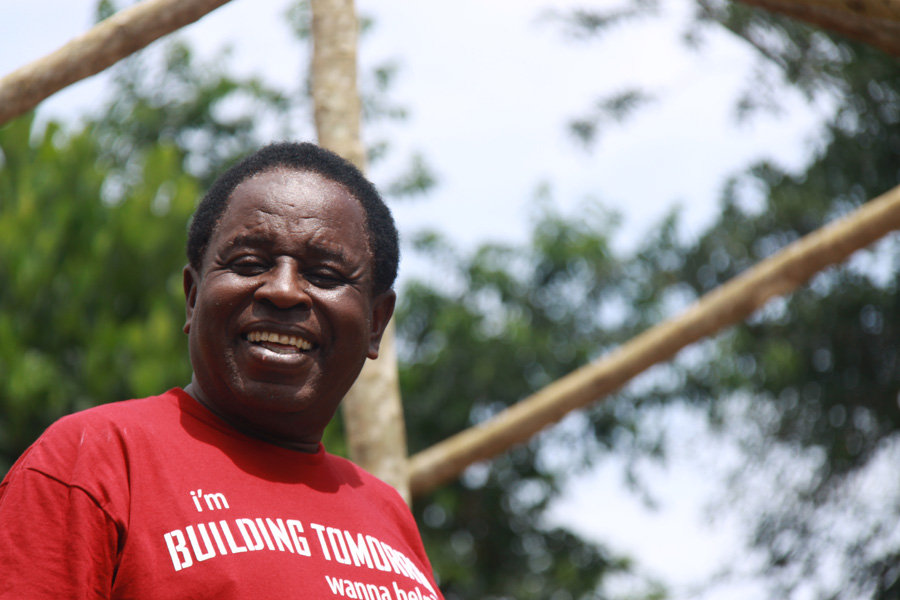
We’re partnering, empowering, innovating, sharing and learning every step of the way as we work to provide access to a quality education for hard-to-reach students and communities across rural Uganda.
And to kick-off 2014, we wanted to highlight a number of new projects, supporters and exciting developments to our model from the past year. All of which you (yes, you) make possible. Reading our updates, sharing our story, and making a donation through GlobalGiving go a long way towards catalyzing real change and providing incredible opportunity for our partner communities in Uganda.
Take a look:
Partnering
We partnered with the Varkey GEMS Foundation to provide training and resources for our teachers in Uganda. In September, two head teachers from Building Tomorrow academies and one of our staff members were selected to participate in a week-long workshop hosted by the Varkey GEMS Foundation. Keep reading...
Empowering
“My goal for Building Tomorrow at Pinecrest is not only to raise money to build a classroom but to raise awareness about how privileged we are to have the opportunity to go to school.”
- Maddie Dyer, Sophomore at Pinecrest High School
Maddie approached Building Tomorrow this past summer about getting involved. Her sister, Heather, has been involved with our chapter at UNC-Chapel Hill for years now. “When my sister first told me about Building Tomorrow, I became very interested. I spent lots of time researching the organization and very quickly became extremely passionate about the project… I have come to realize how fortunate I really am to be receiving an education.” Throughout the semester, Maddie has been rallying together a group of students to help raise funds and awareness for the construction of a classroom in Uganda. Keep reading...
Innovating
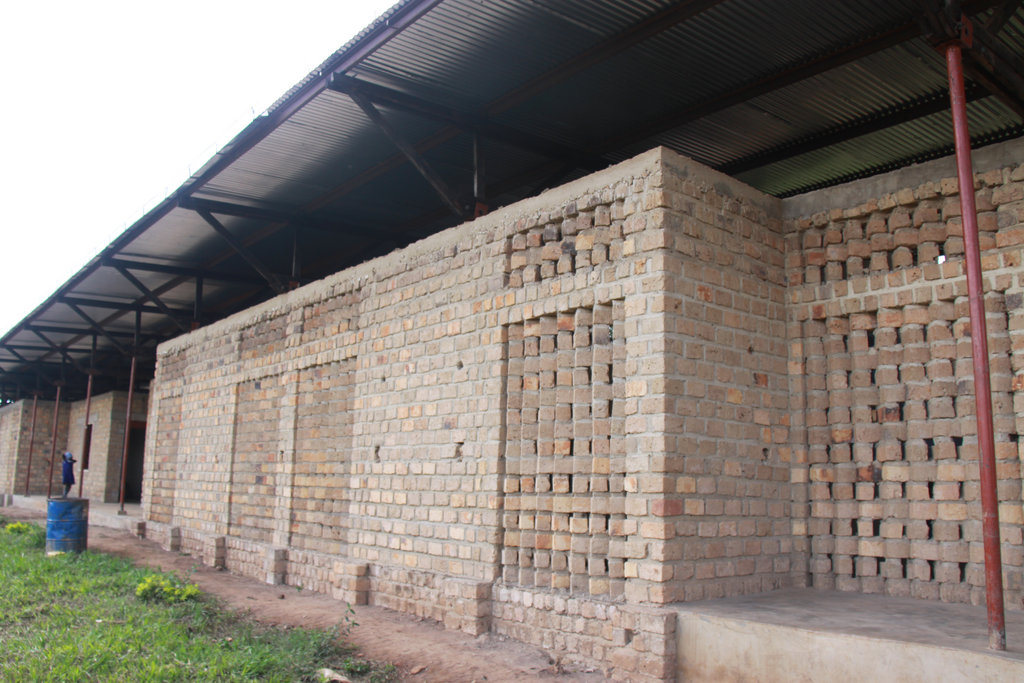
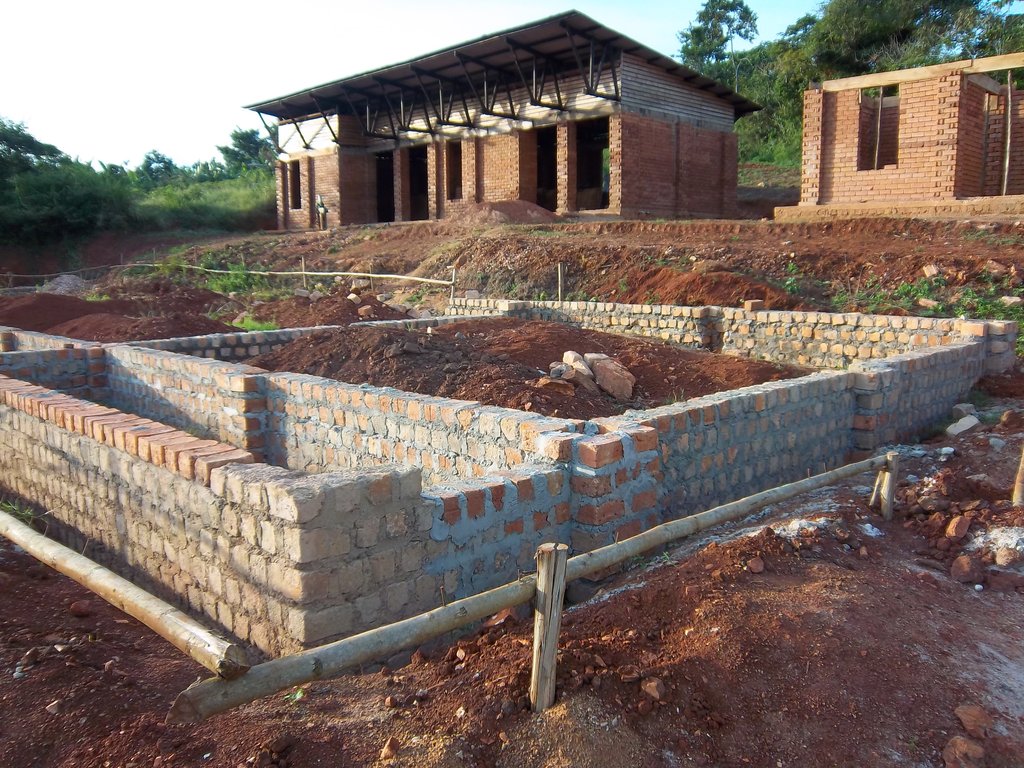
On a site visit earlier this year, Henry Katongole, now our Chief Community Development Officer brought me over to a foundation wall that had just been started. Strewn about the site were all the materials and tools one would usually see, a pile of bricks, bags of cement, string, a level and then a particularly-long metal bar a mason had just picked up. He positioned it horizontally and checked it against the three new bricks he’d just set. As I continued to watch, Henry looked over and said, “this is our latest innovation.” Keep reading...
Sharing
If you were to ask any member of our team, I am confident they would agree with the sentiment that one of Building Tomorrow’s greatest strengths as an organization is our willingness – eagerness, truly – to critically review every aspect of our model; constantly seeking out opportunities for improvement, no matter how large or small. And over the years, our community partners, staff and supporters have gone above and beyond, proving time and again their commitment to the shared belief that every child deserves the opportunity to learn in a safe, supportive and high quality learning environment.
Teachers are sharing best practices within their own networks, parents are taking an active role in the education of their children, and government officials are lobbying hard for support beyond what was initially committed. But it’s not been an easy process and we most certainly did not get where we are today without facing our fair share of challenges.
All that said and done, we have learned an incredible amount along the way. So much so that last year we embarked on a project to document, in great detail, the evolution of Building Tomorrow’s model from 2006 to 2012 and outline a step-by-step look at our programs, policies, and overall quality of education strategy moving forward in 2013. Keep reading...
Learning
In 2011, Uwezo-Uganda collected data indicating the percentage of P3-P7 students competent in English, Math, and both. On average, in districts where BT is active, less than 42 percent were competent in English, 58 percent in Math and 34 percent in both.
In our own experience, it goes without saying that rural public education—both access to and the quality of—remains one of the biggest challenges facing the post-2015 international development agenda. The flow of education-related capital, human resources, training and oversight to rural communities lags far behind the curve, and even further behind where it needs to be. Keep reading...
![Share on Twitter]()
![Share on Facebook]()