By Thelma SITHOLE | Project Leader
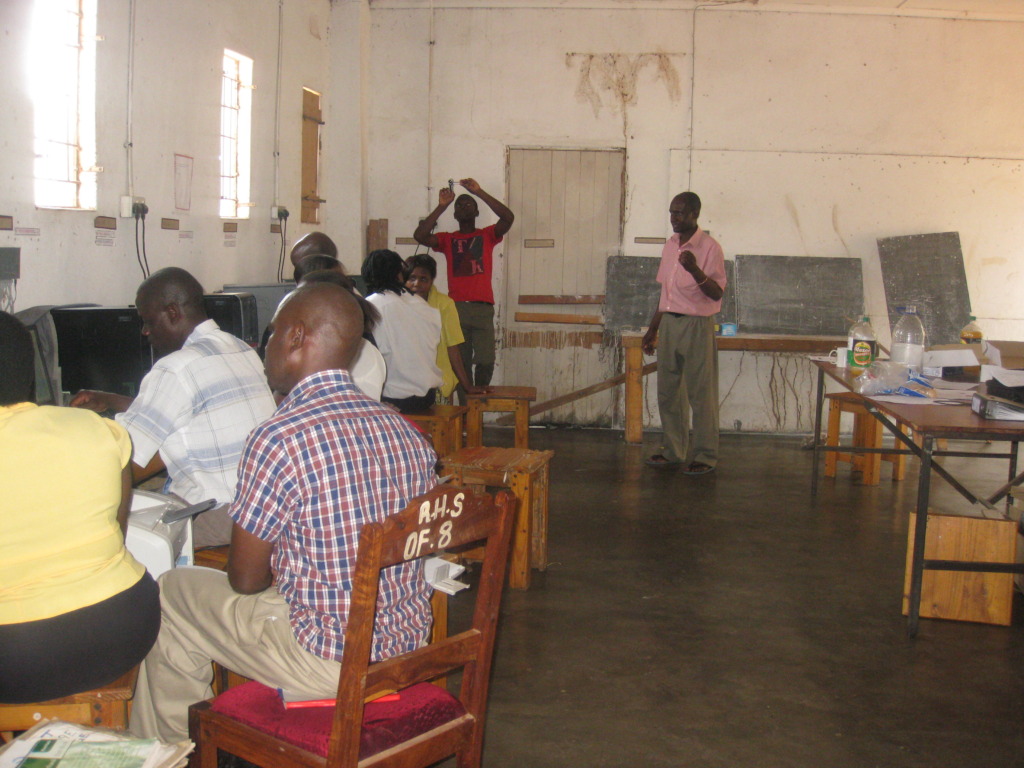
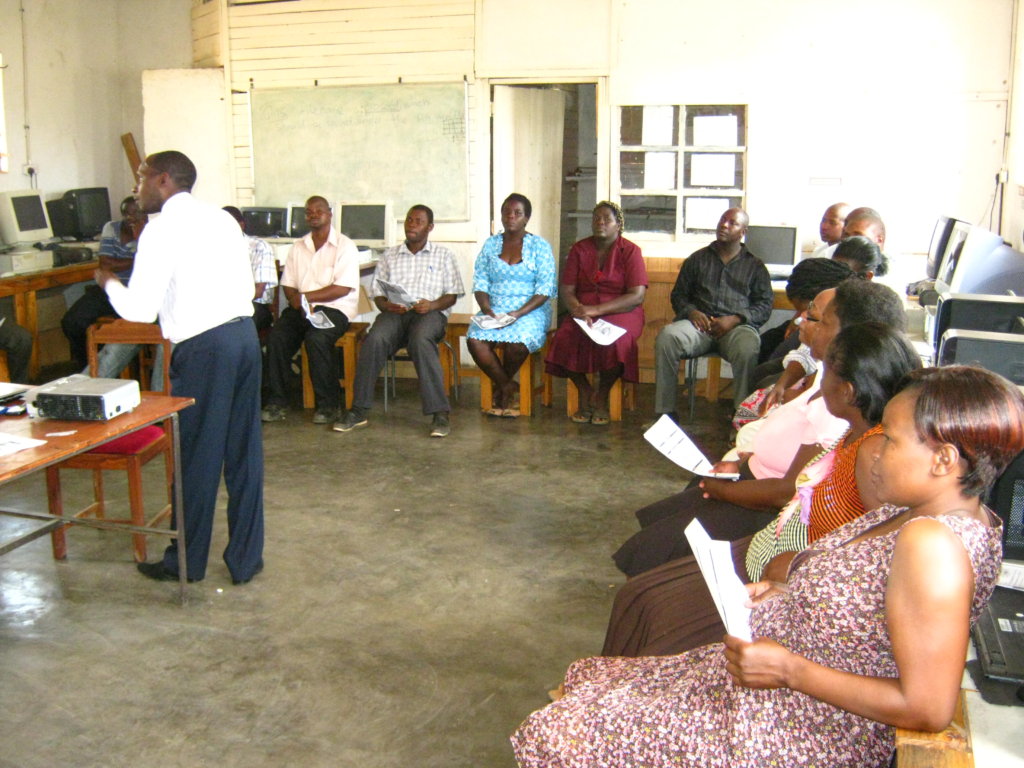
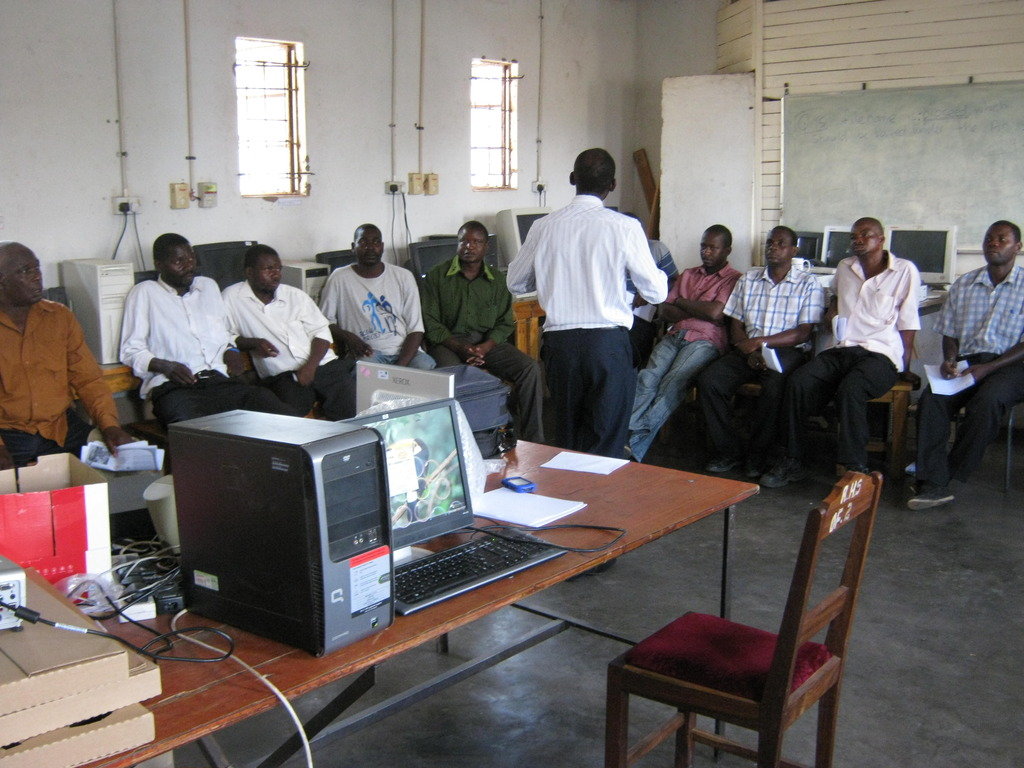
Thank you for your continued support of this project. We successfully completed Phase I of the project and are now in Phase II. The lessons learned in Phase I will help us tremendously as we take this project to the next level. Here are the highlights of what we accomplished together in Phase I:
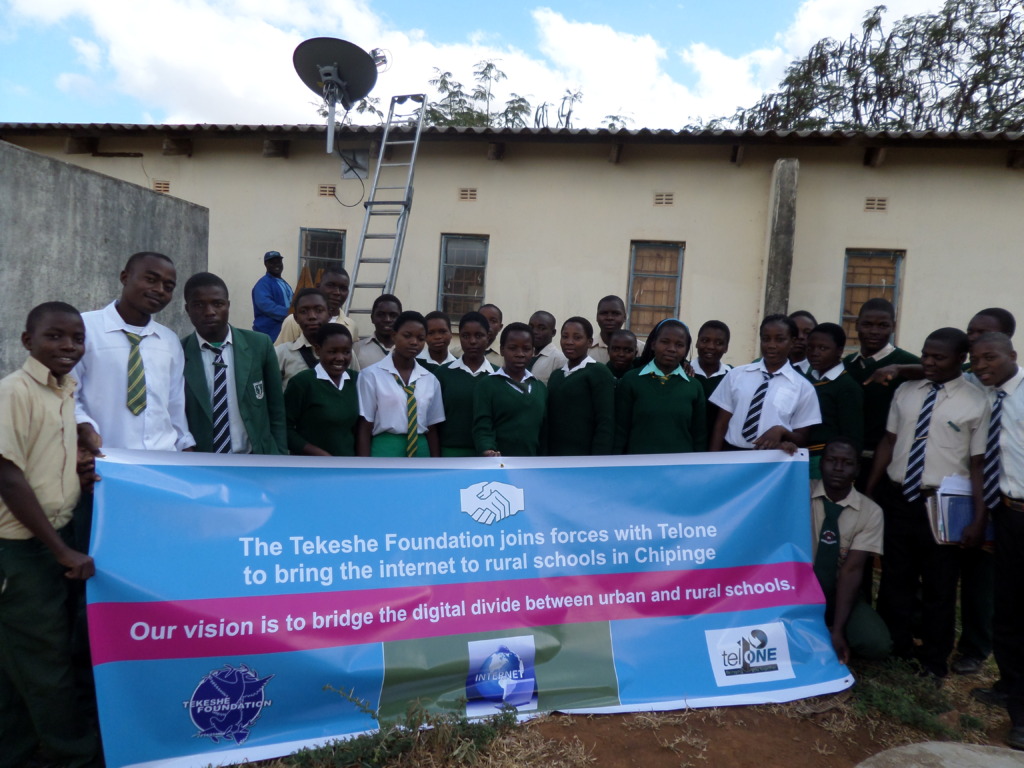
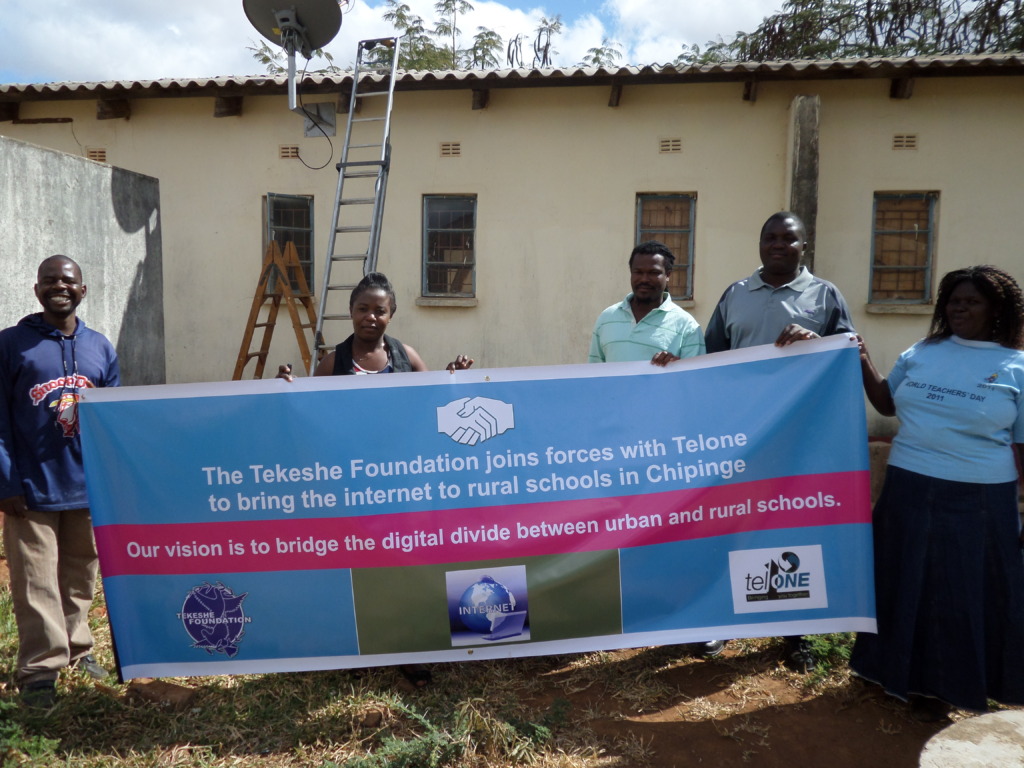
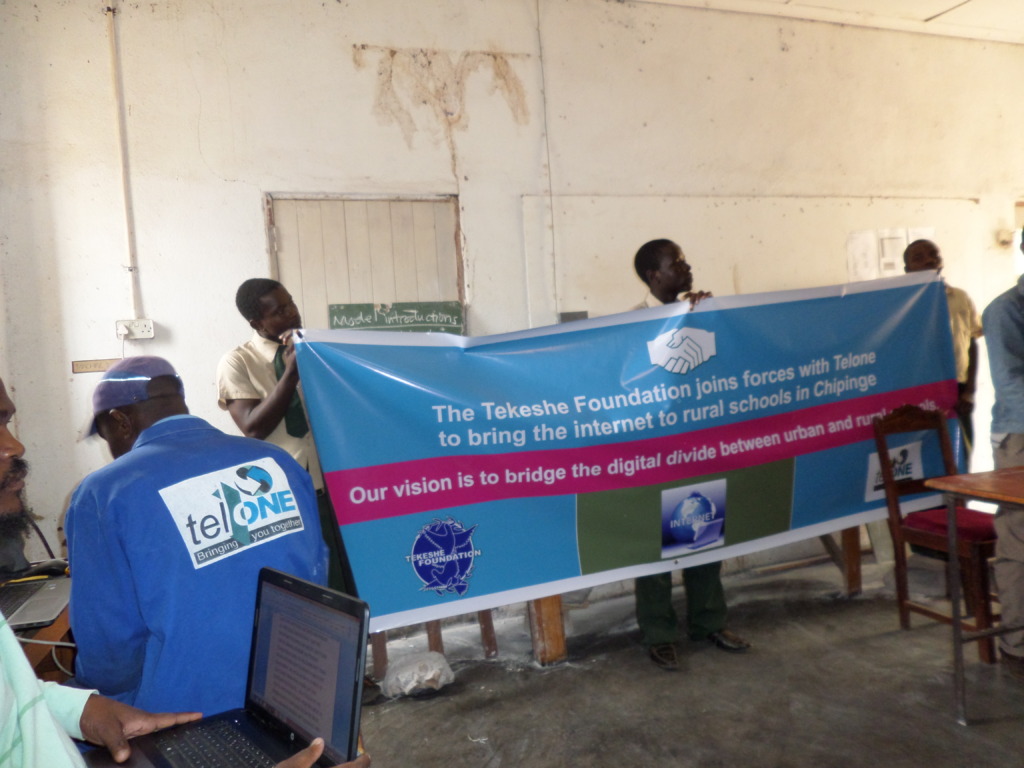
Together we successfully accomplished these objectives. Thanks for your help! On September, 8, 2014, through our partner, TelOne Zimbabwe, internet connectivity was successfully delivered to Rimbi High School. This is the first internet connectivity delivered to a rural day school in Chipinge South.
Lessons Learned in Phase I:
NEEDS ASSESSEMENT
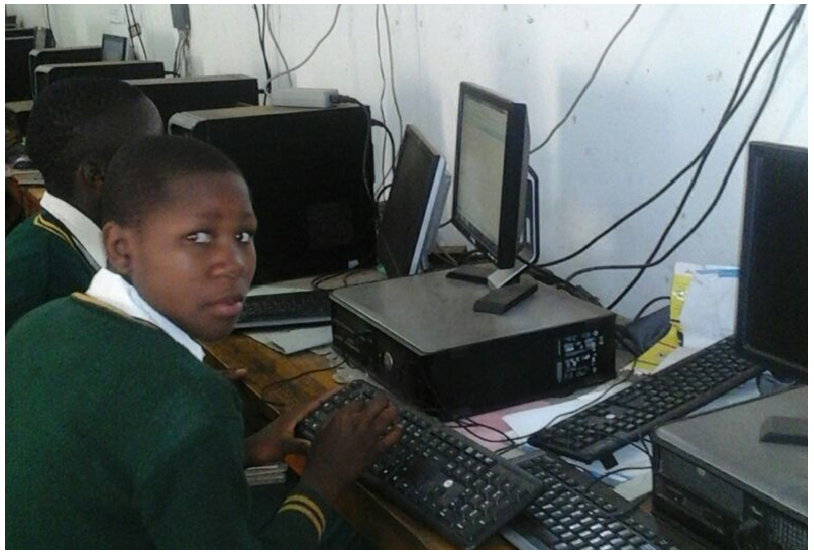
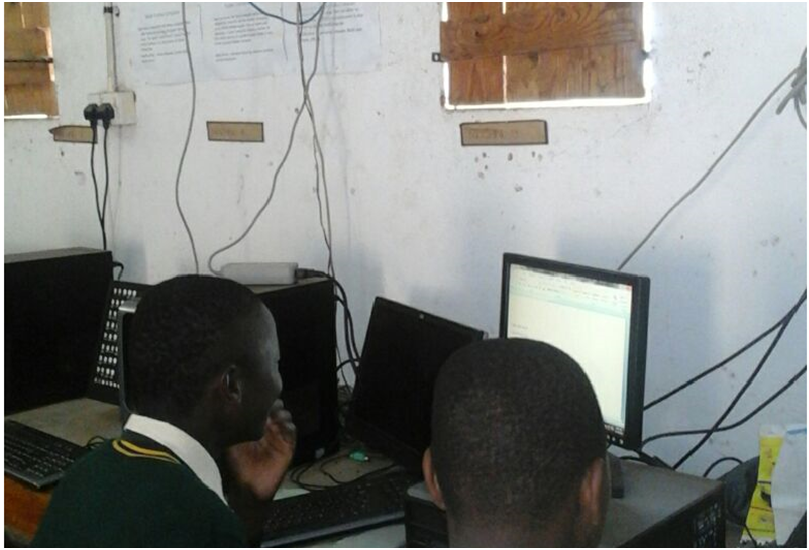
Even though we have made a lot of progress in our effort to bridge the digital gap there is still a lot of work to do. The majority of rural schools operate on shoe string budgets and are not able to harness computer technology for the purpose of teaching and learning due to lack of electricity, lack of ICT infrastructure and the problem of attracting and retaining teachers with ICT skills.
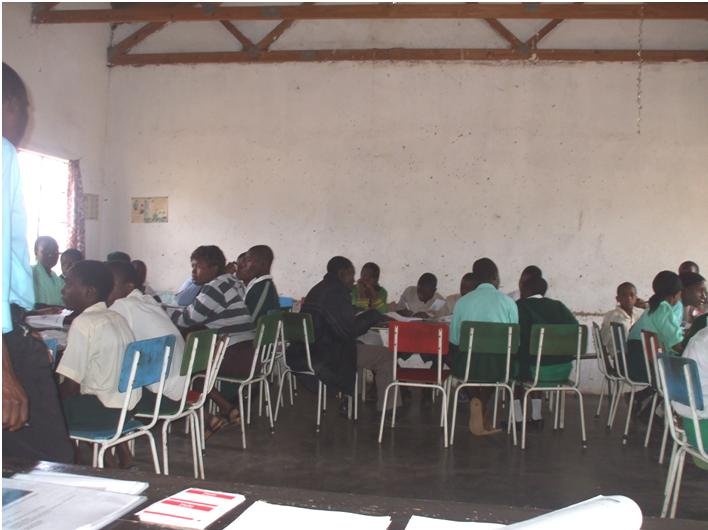
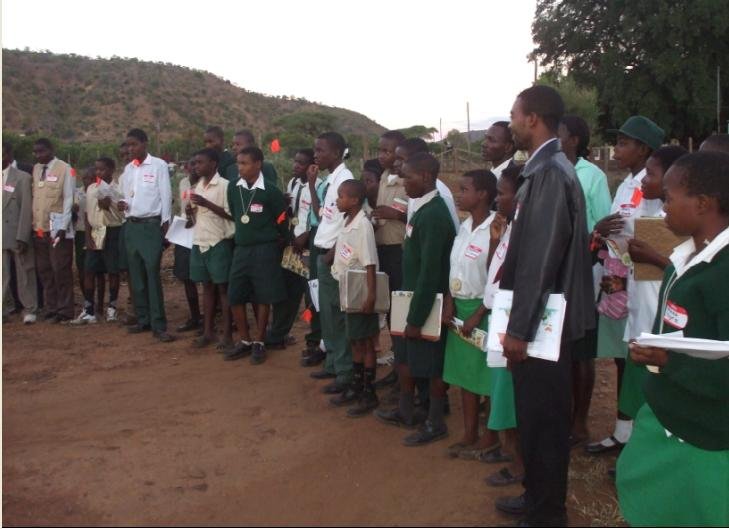
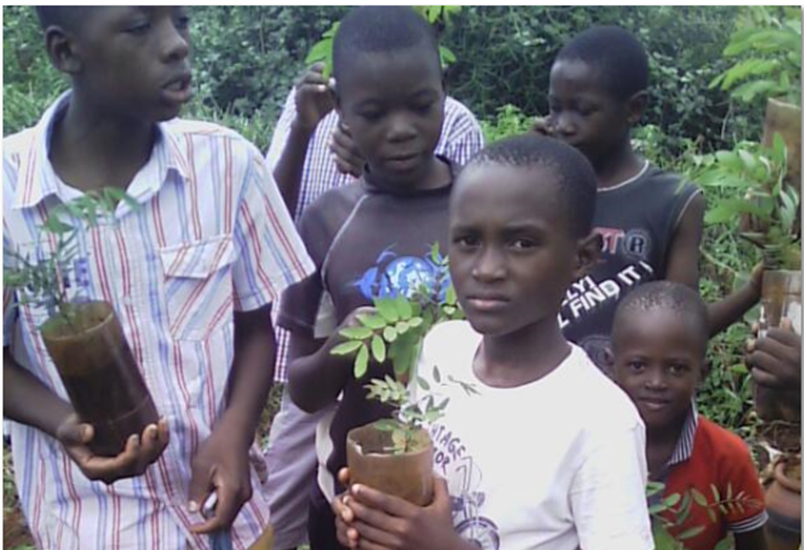
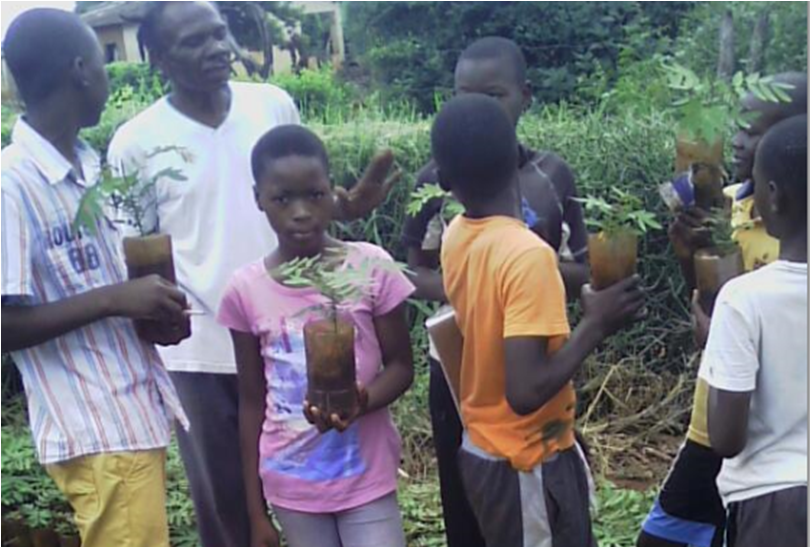
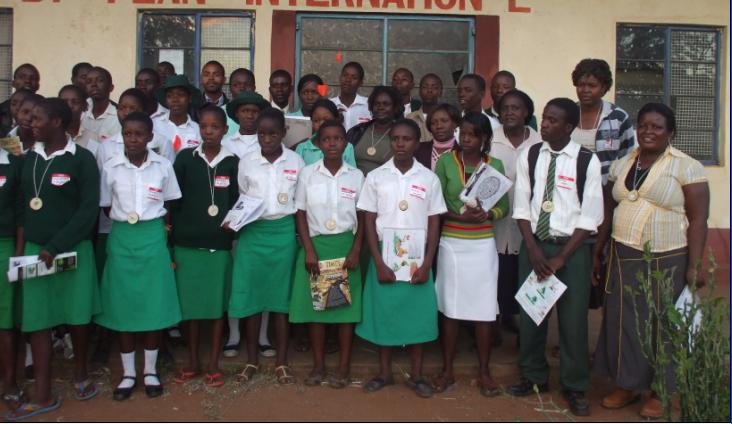
There is a tremendous need to provide teachers and students the technological skills they need to be successful in today’s highly digitized society. One example of how lack of access to ICT is disadvantaging rural youth and causing them to lag behind the rest of the world is evident with the Junior Master Gardener Program (JMG) offered through our Youth Cares Program in Rimbi village. The kids have no means of accessing the JMG website to upload the information about their project and to exchange ideas on environment protection initiatives with other kids across the globe. Also, the overall academic performance of rural students is low as compared to their urban counterparts who have better learning resources. After high school more than 75% of rural students are not able to pursue higher education due to poor grades or due to poverty and yet they are ill prepared to enter the workforce. Having computer skills would put them on level playing field to better compete for jobs. Harnessing computer technology in schools improves the quality of education which in turn improves the academic performance of the students and gives them a better chance of becoming successful in life.
PHASE II
The goal in Phase II of this project is to provide free public access to computers and the internet to students and teachers. This can be accomplished through the establishment of an ICT community center equipped with computers and high speed internet. The ICT community center will cater to the entire community. Kids participating in the JMG program and students from Rimbi and 5 surrounding villages will receive free internet and basic computer training. In addition community groups will also have free access to computers and the internet. The community groups range from teachers, nurses, farmers, business people, school dropouts, and adults to disadvantaged women.
Goals and Objectives:
Budget Break Down
Thanks again for the difference you are making to bridge the digital divide by providing technological skills that will enable rural students to be successful in today’s highly digitized society.
Best wishes,
Thelma
By Thelma SITHOLE | Project Leader
By Thelma SITHOLE | Project Leader
Project reports on GlobalGiving are posted directly to globalgiving.org by Project Leaders as they are completed, generally every 3-4 months. To protect the integrity of these documents, GlobalGiving does not alter them; therefore you may find some language or formatting issues.
If you donate to this project or have donated to this project, you can receive an email when this project posts a report. You can also subscribe for reports without donating.



Support this important cause by creating a personalized fundraising page.
Start a Fundraiser