By MUHAMMED DEEBEH | project leader
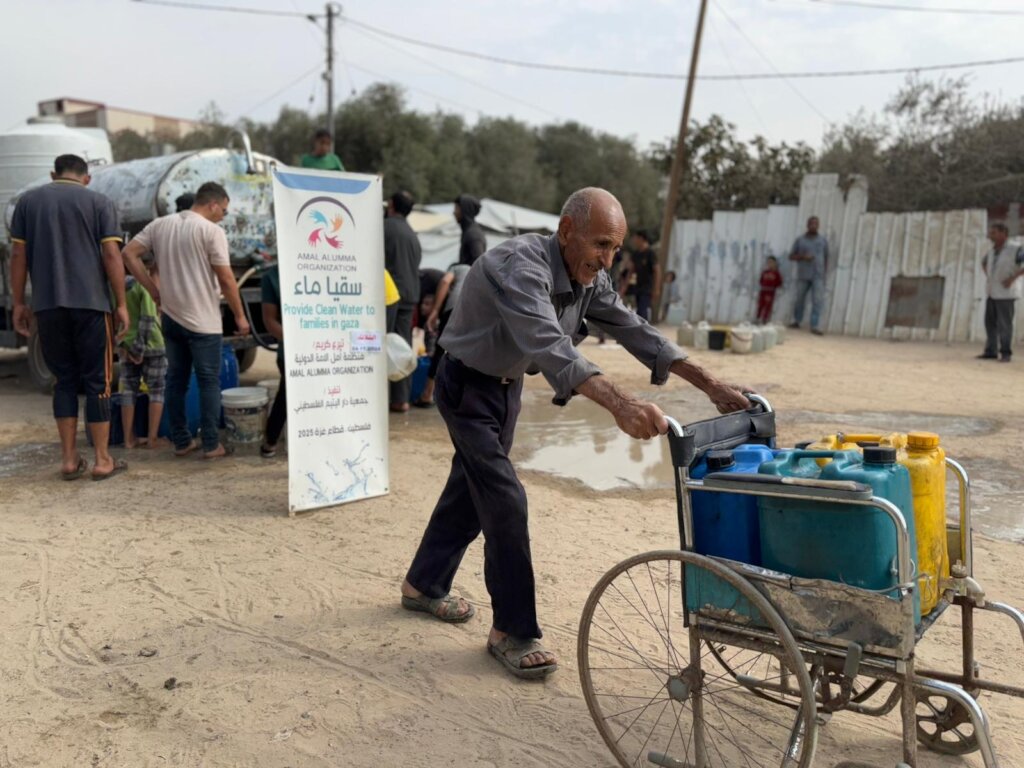
As part of its ongoing humanitarian response in Gaza, Amal Alumma Organization distributed clean drinking water to a displaced family in Al-Aqsa Camp.
The distribution reached a family whose children continue to face the difficult realities of displacement. Access to safe and clean water is an essential need, particularly for children, as families in Gaza struggle to secure adequate water for drinking and daily household use.
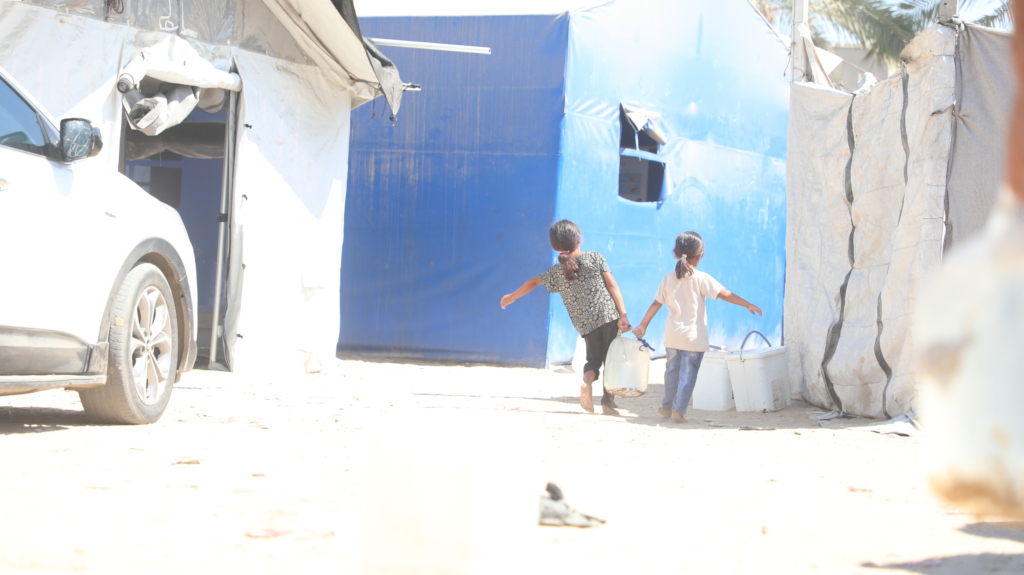
The image of the two young girls carrying a water container together reflects a reality shared by many displaced families: children are often directly affected by the struggle to obtain basic necessities.
Through our clean water distributions, we seek to ease some of this burden and help families access safe water with greater dignity and security.
For a displaced family, clean water is more than a basic necessity—it is protection, dignity, and hope for another day.
We are grateful to our donors and supporters whose generosity enables us to continue reaching families in need across Gaza.
By hasan sadk | Project leader
By hasan sadk | Project leader
Project reports on GlobalGiving are posted directly to globalgiving.org by Project Leaders as they are completed, generally every 3-4 months. To protect the integrity of these documents, GlobalGiving does not alter them; therefore you may find some language or formatting issues.
If you donate to this project or have donated to this project, you can receive an email when this project posts a report. You can also subscribe for reports without donating.



Support this important cause by creating a personalized fundraising page.
Start a Fundraiser