The humanitarian situation in the Gaza Strip remains extremely difficult. Millions of Palestinians continue to live under conditions marked by repeated displacement, damaged homes and infrastructure, and limited access to food, safe water, and healthcare. According to the latest United Nations reports from September 2026, most people in Gaza continue to live in difficult displacement conditions, while pressure on essential services remains severe.
Water: A Daily Need That Cannot Be Delayed
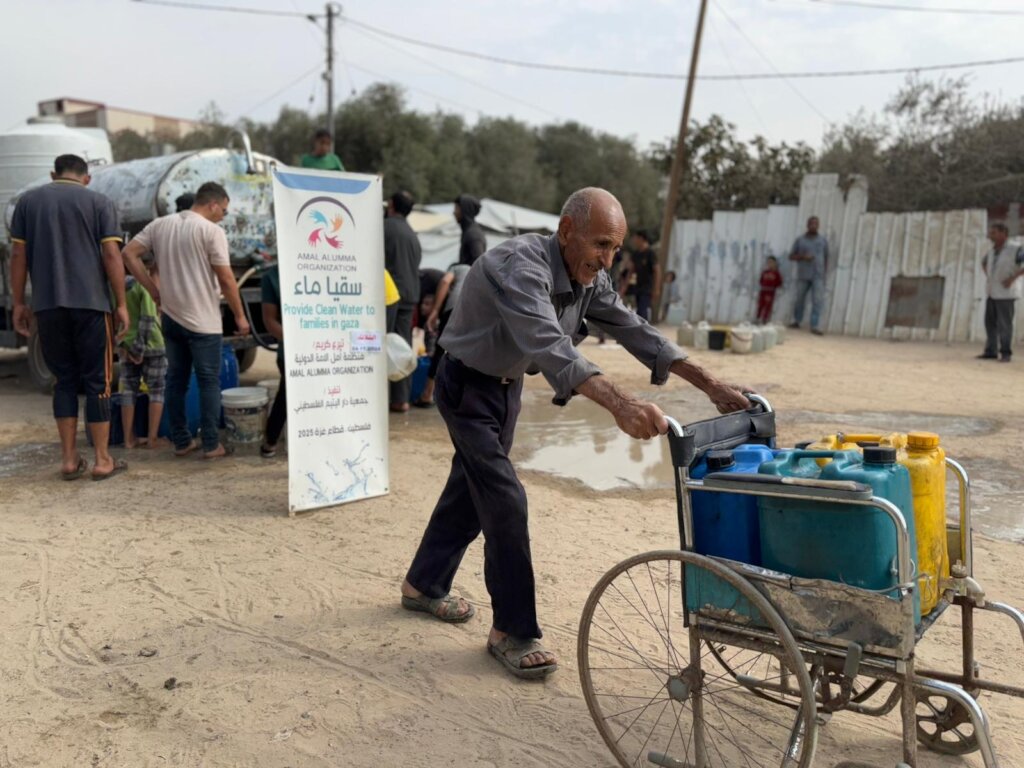
Access to clean water remains one of the most urgent challenges. Data from the United Nations Water, Sanitation and Hygiene Cluster indicates that 91% of assessed households in Gaza were experiencing moderate to high levels of water insecurity, with many families relying on water transported by trucks.
Damage to water and desalination facilities, along with shortages of fuel and spare parts, continues to limit the ability of humanitarian organizations to provide a stable supply of water.
The challenge extends beyond drinking water. Inadequate sanitation and hygiene services increase the risk of disease, particularly in overcrowded displacement areas.
Food And The Needs Of Families
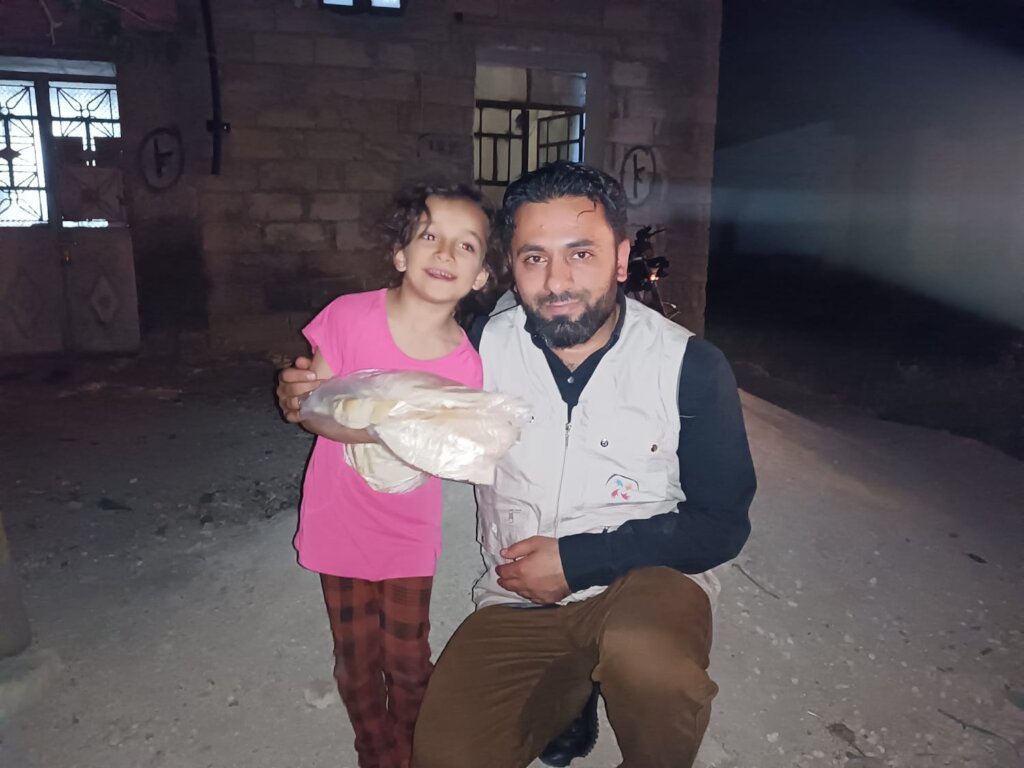
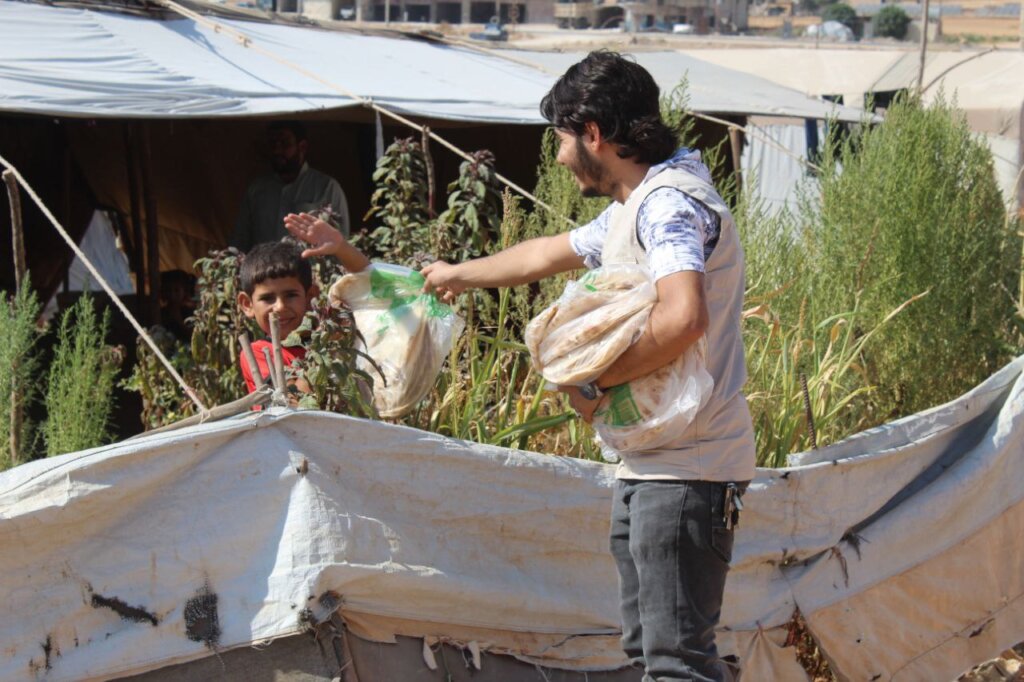
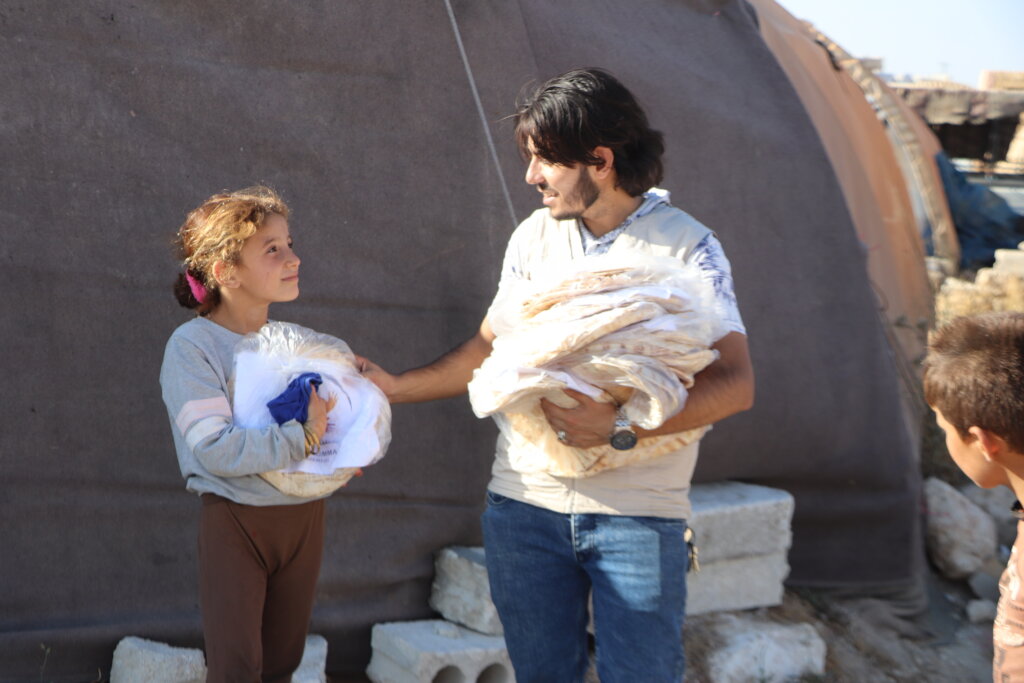
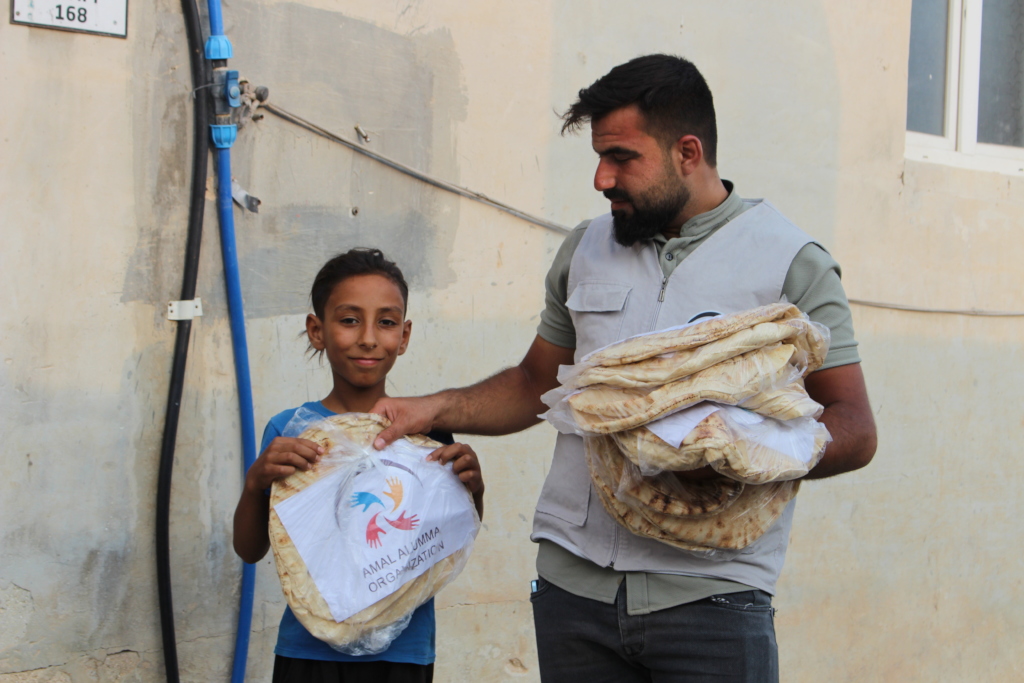
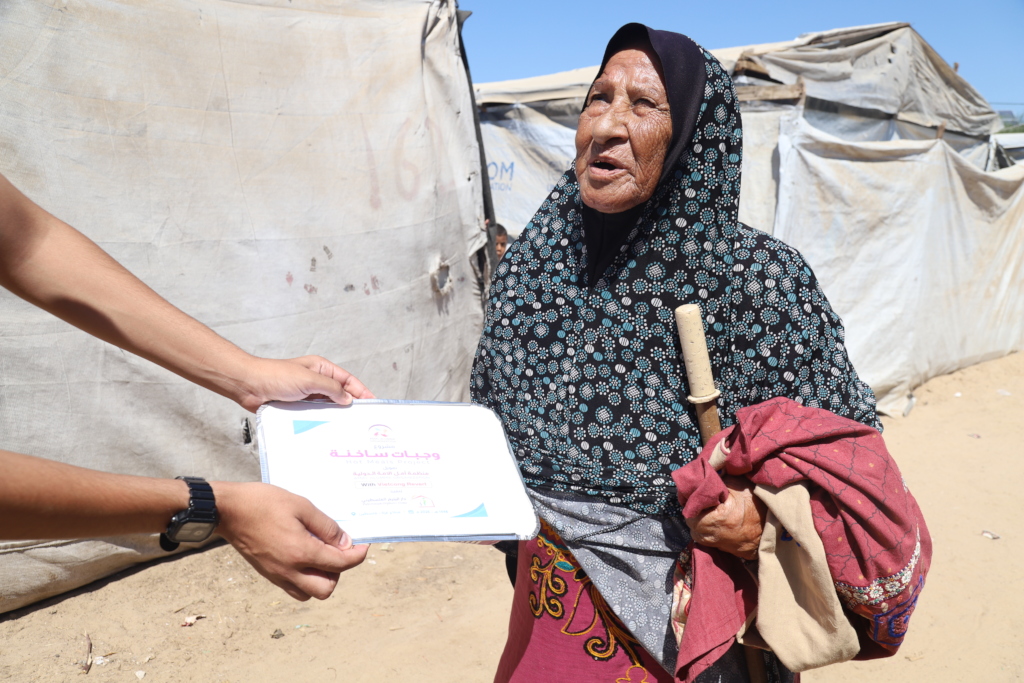
Despite ongoing food distributions and hot-meal programs, humanitarian needs remain high. In early September, humanitarian organizations provided in-kind food assistance to approximately 51,000 families, representing more than 205,000 people, while community kitchens were producing around 734,000 meals per day through 103 kitchens. Supported bakeries were also producing approximately 90,000 bread packages daily.
These figures demonstrate the importance of continuing food assistance, particularly for families who have lost their sources of income and have become heavily dependent on humanitarian aid.
Healthcare Under Growing Pressure
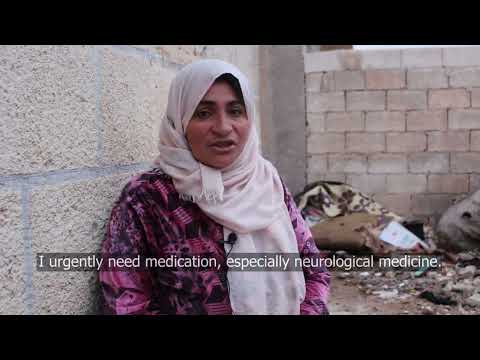
Gaza's healthcare system continues to face significant pressure due to shortages of medicines and medical supplies, as well as the spread of diseases associated with overcrowding and inadequate water and sanitation services.
Between August 10 and 30, acute respiratory infections accounted for nearly half of the reported communicable diseases, followed by skin diseases and acute watery diarrhea.
The World Health Organization also continues to report significant gaps in the availability of healthcare services in Gaza, with an ongoing need for essential resources and medical supplies.
Children At The Heart Of The Humanitarian Crisis
Children are among those most affected by the current conditions. UNICEF reported that approximately 1.9 million people out of Gaza's 2.1 million population were displaced according to mid-2026 data. Essential services for children—including water, sanitation, healthcare, protection, and education—remain severely affected.
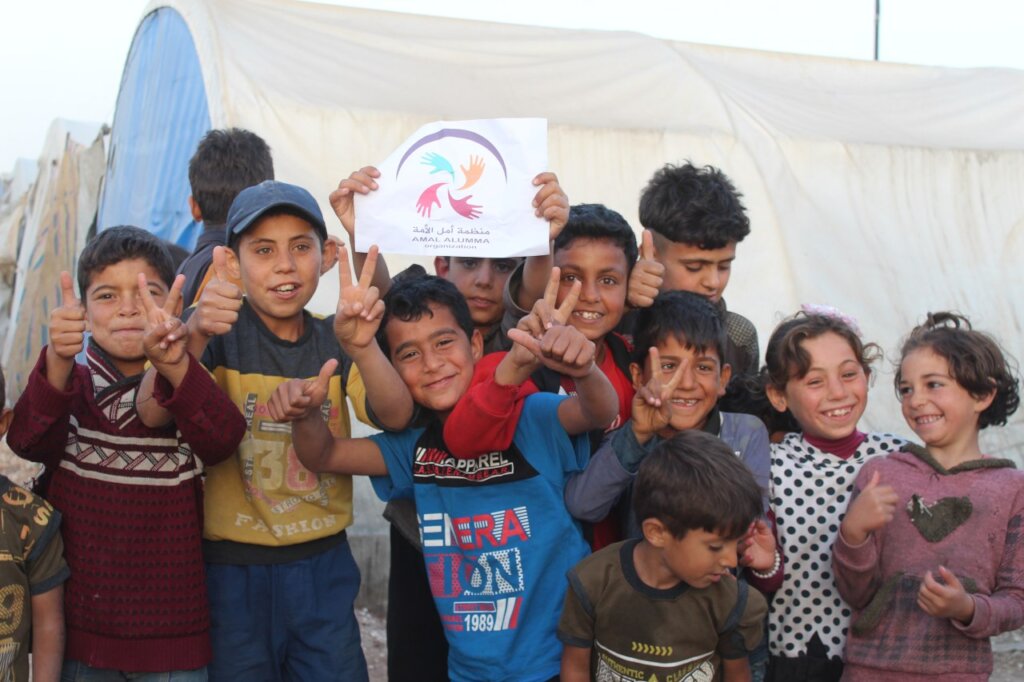
These conditions demonstrate that children's needs extend far beyond food. They also require clean water, healthcare, safe shelter, education, protection, and psychosocial support.
The Need For Continued Humanitarian Action
The scale of needs in Gaza makes continued humanitarian assistance essential. Food distributions, clean-water projects, hot meals, and support for displaced families are not separate interventions; they are interconnected components of the humanitarian response to people's daily needs.
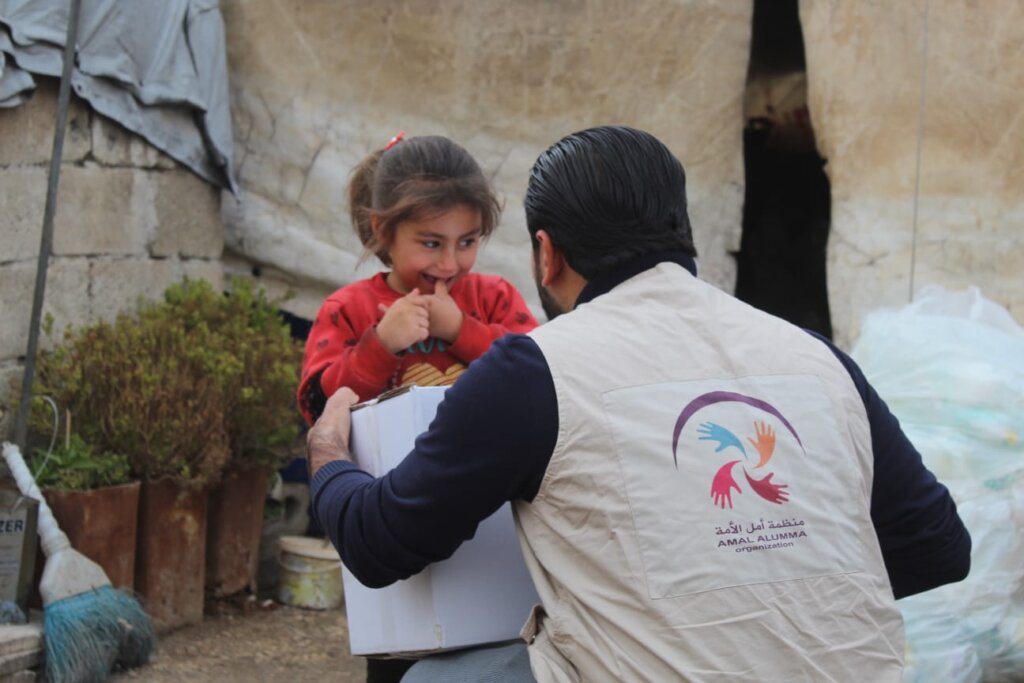
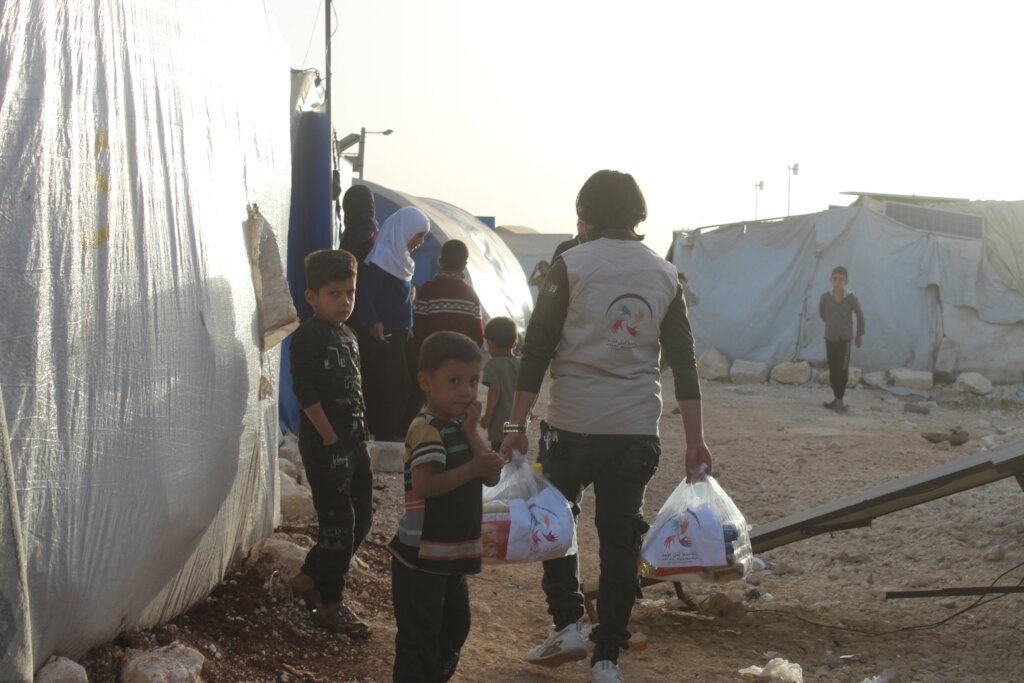
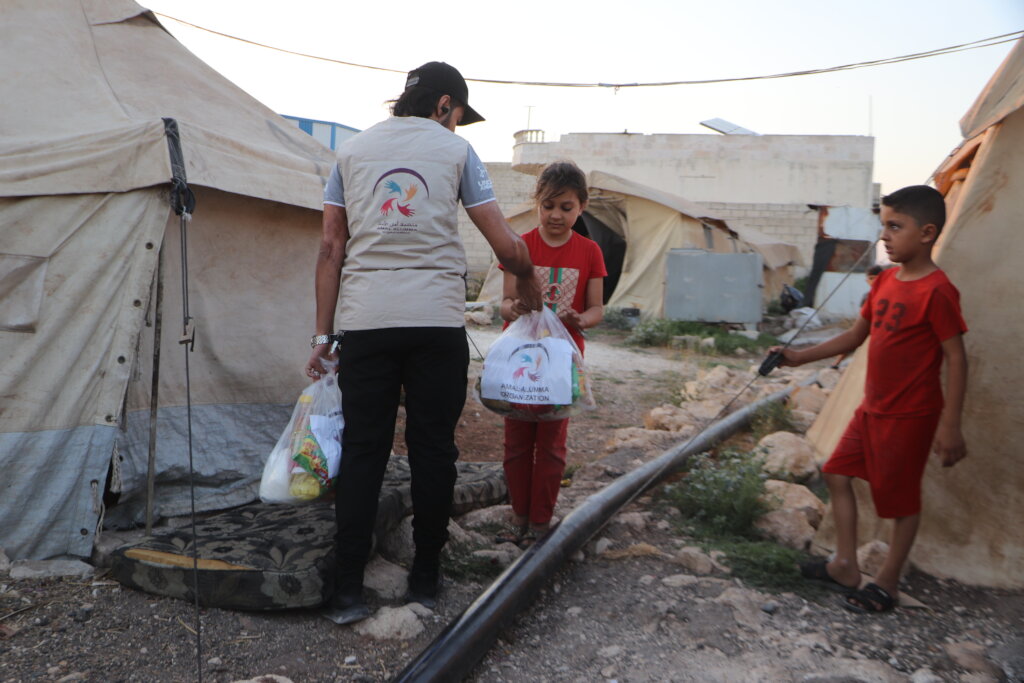
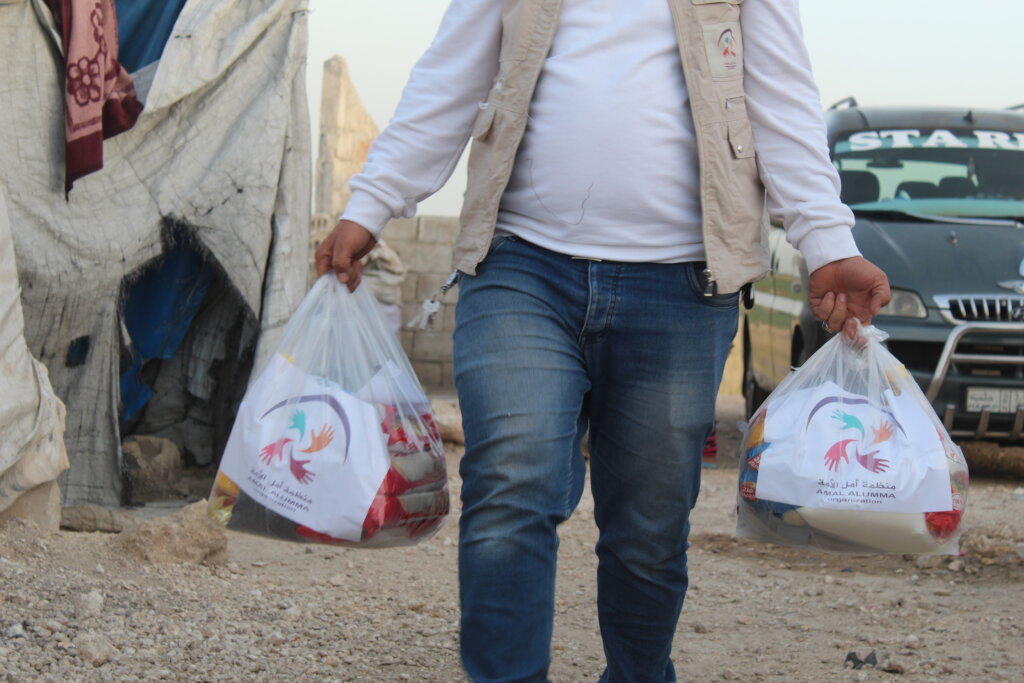
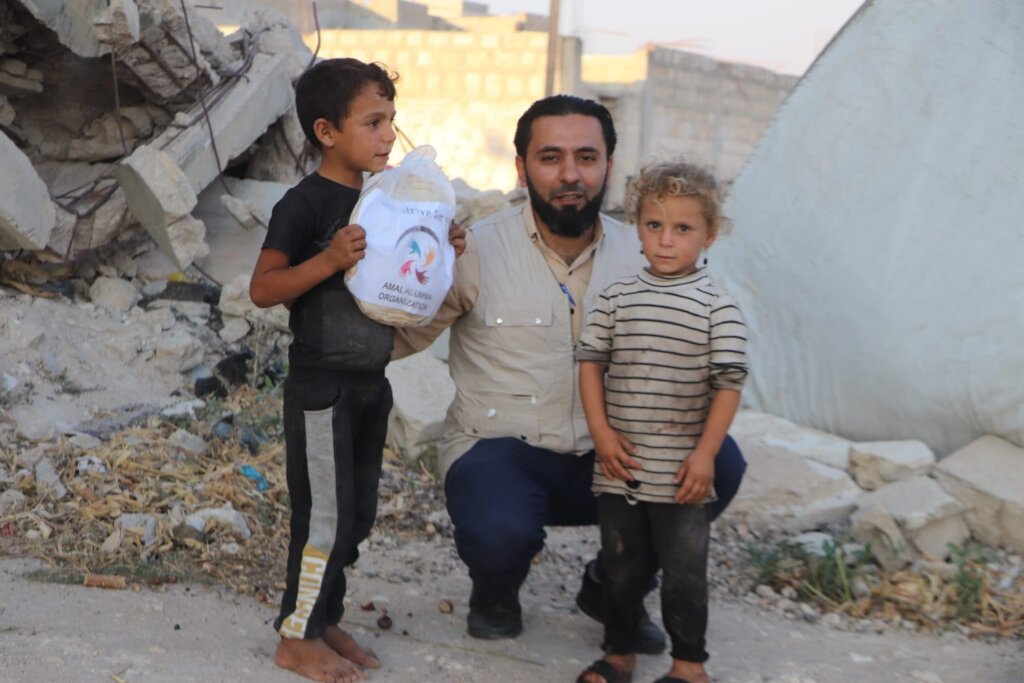
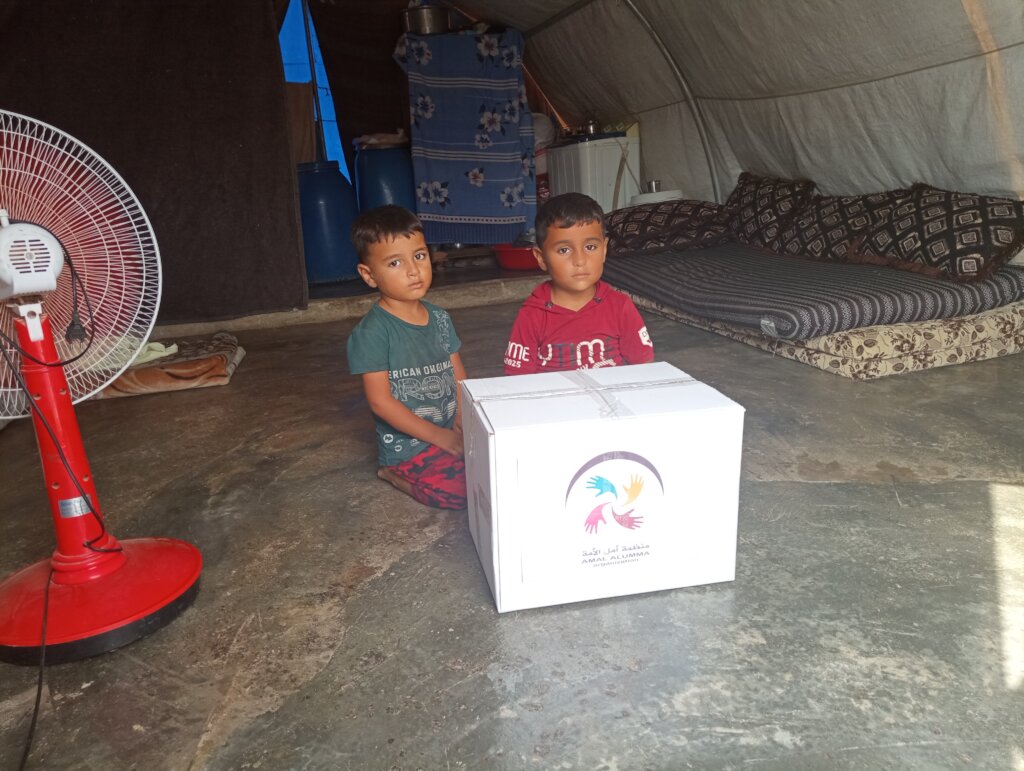
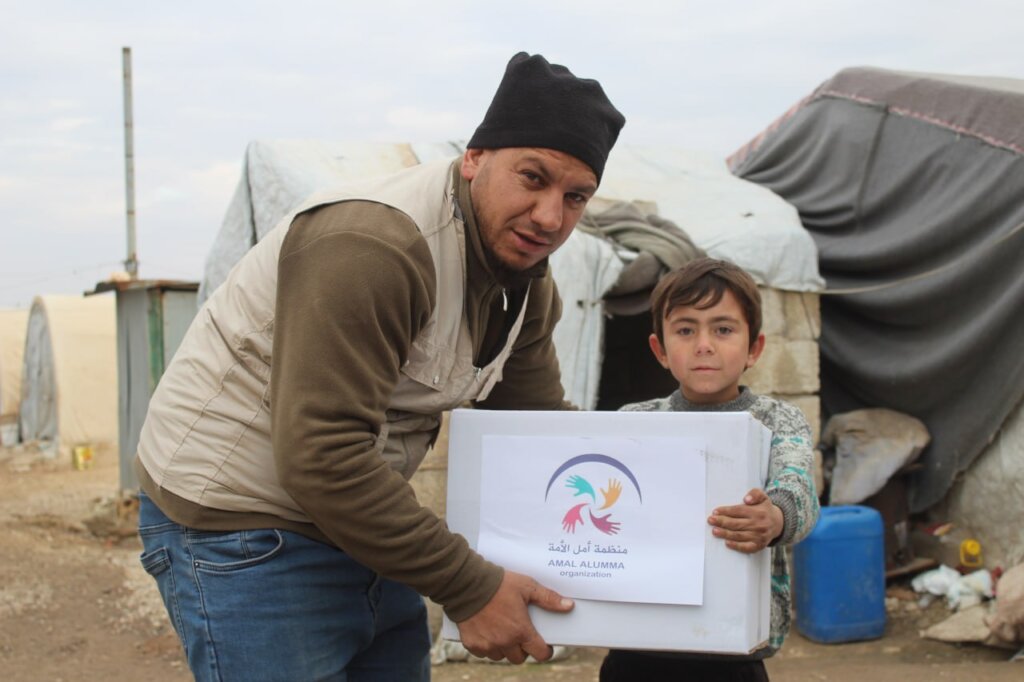
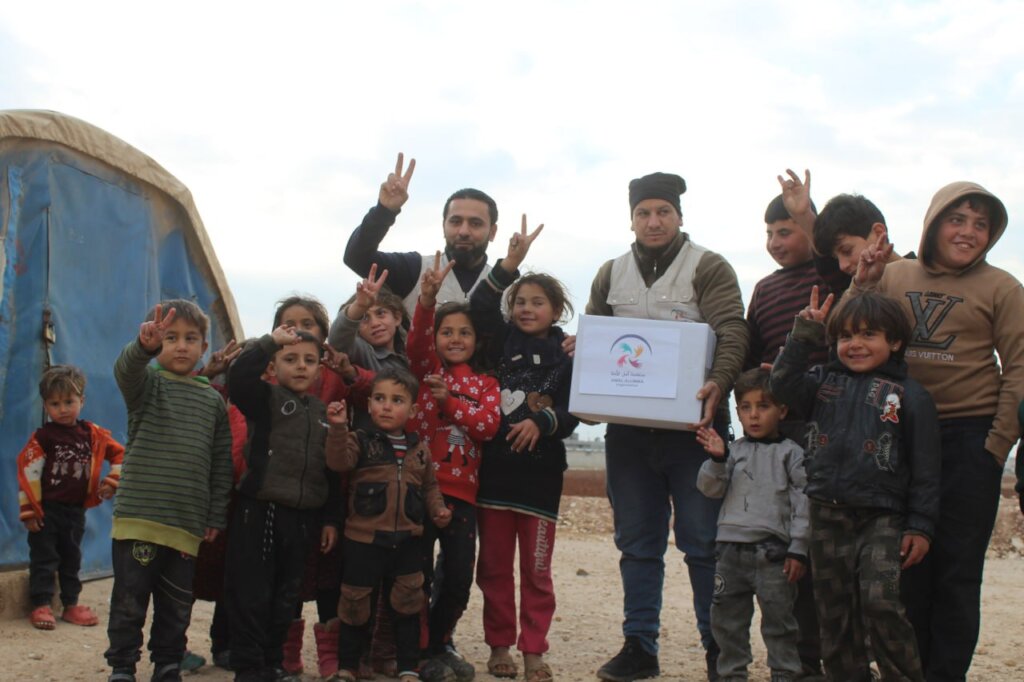
For this reason, Amal Alumma Organization continues working to deliver assistance to families most in need, focusing on essential needs that directly affect their daily lives.
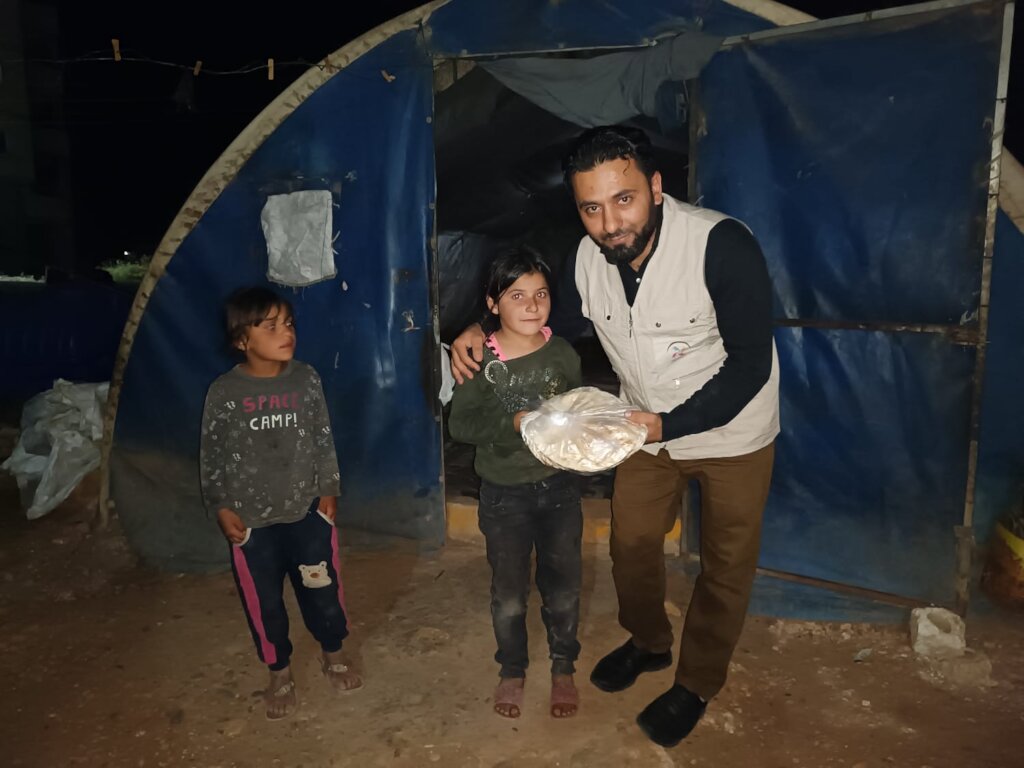
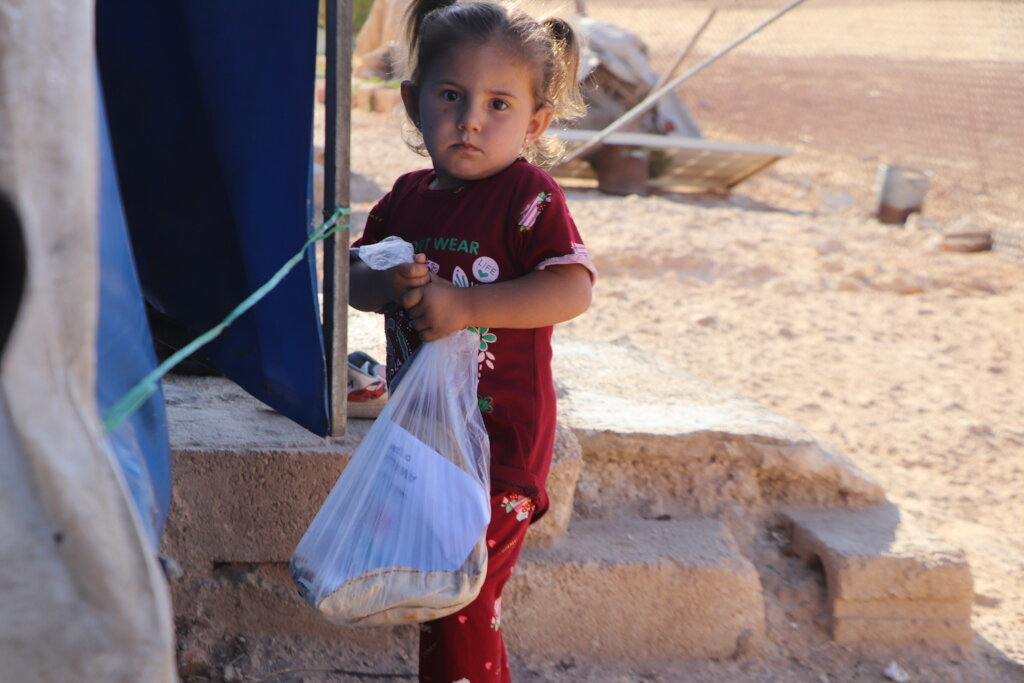
In Gaza, a cup of clean water, a hot meal, or a bag of bread may appear to be a simple form of assistance, but for a displaced family, it can represent meaningful support on an extremely difficult day. As the crisis continues, humanitarian solidarity and effective access to those in need remain essential to protecting human dignity.
Links:
![Share on Twitter]()
![Share on Facebook]()