By Kiran Peter | Executive Director
Executive Summary
Education is one of the most powerful tools for breaking the cycle of poverty and promoting peaceful coexistence. Since 2023, Weaving People to Grow Foundation (WPTGF) has been implementing the project "Bringing Out-of-School Children Back to School" to provide quality non-formal education and facilitate the transition of vulnerable children into formal schools. The project targets children from marginalized and low-income families who have either never attended school or dropped out due to poverty, child labour, migration, family responsibilities, or limited access to education.
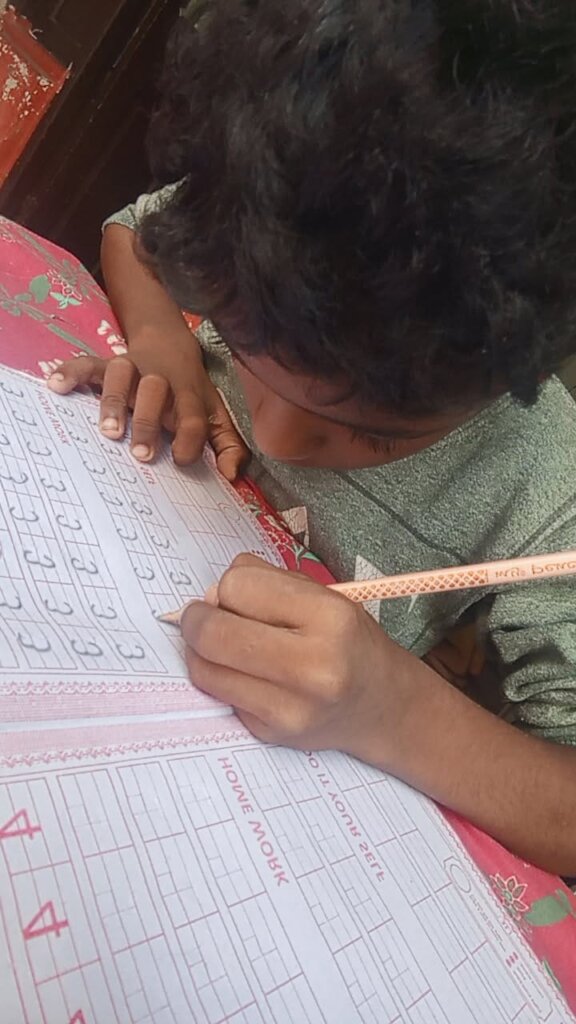
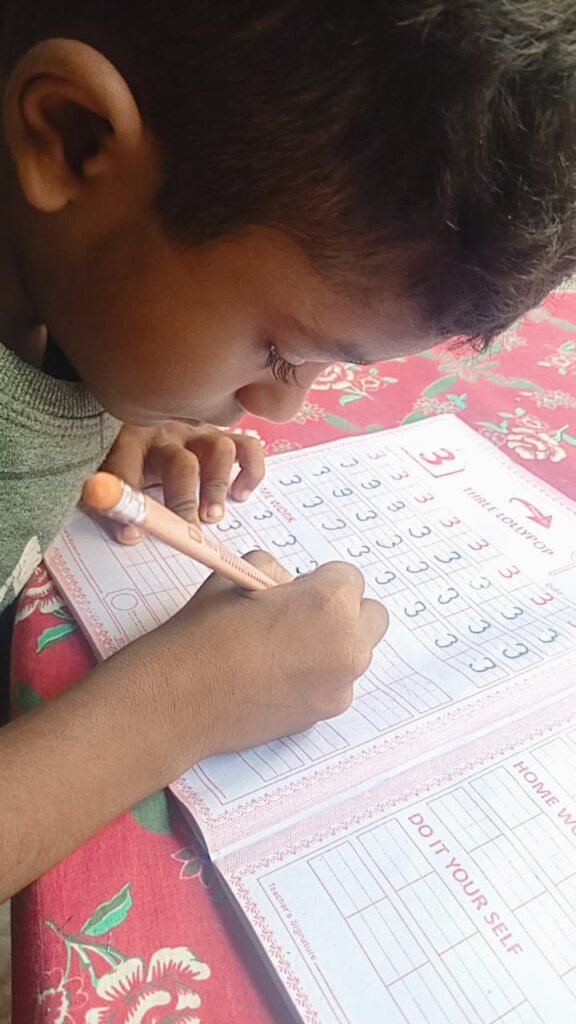
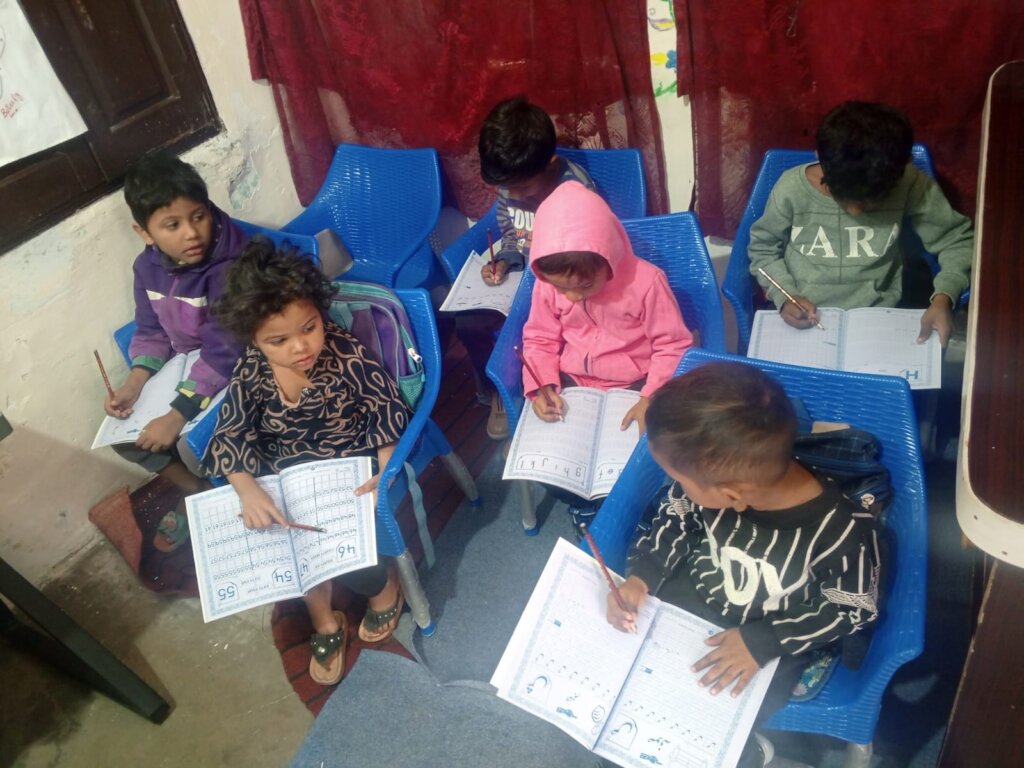
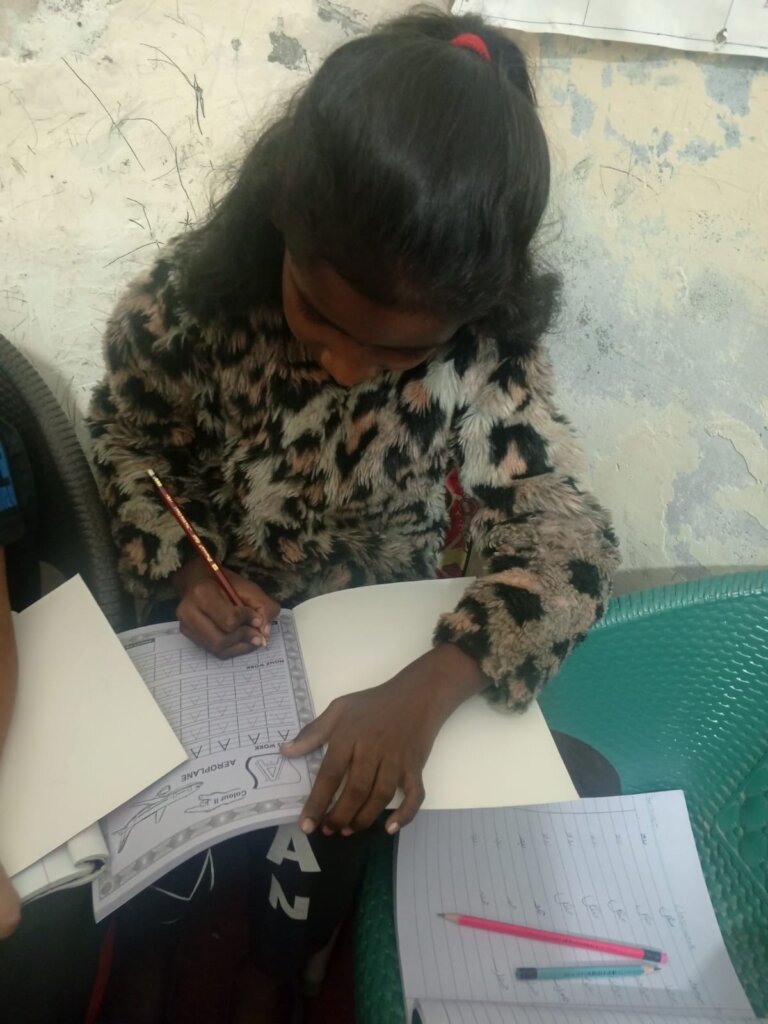
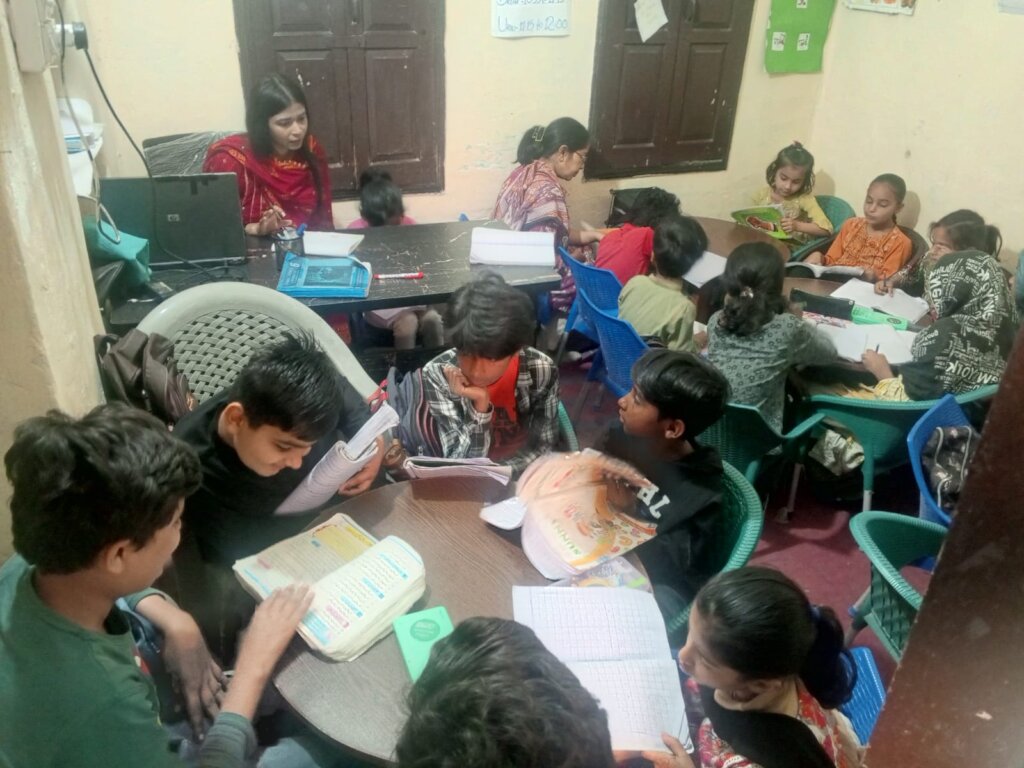
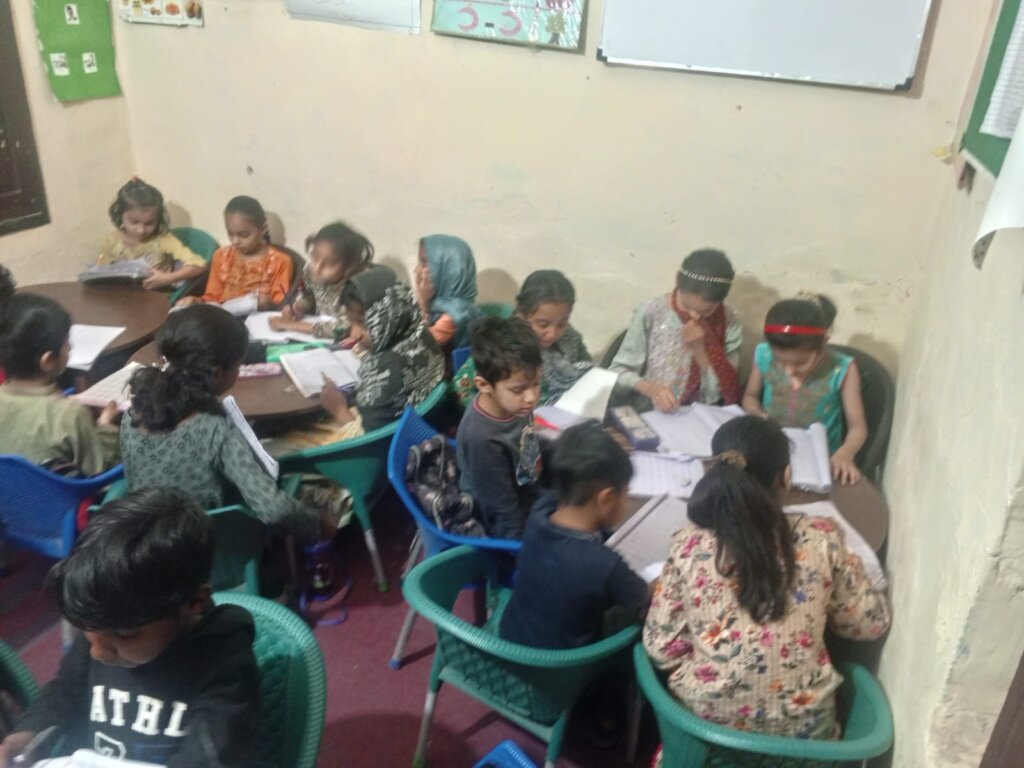
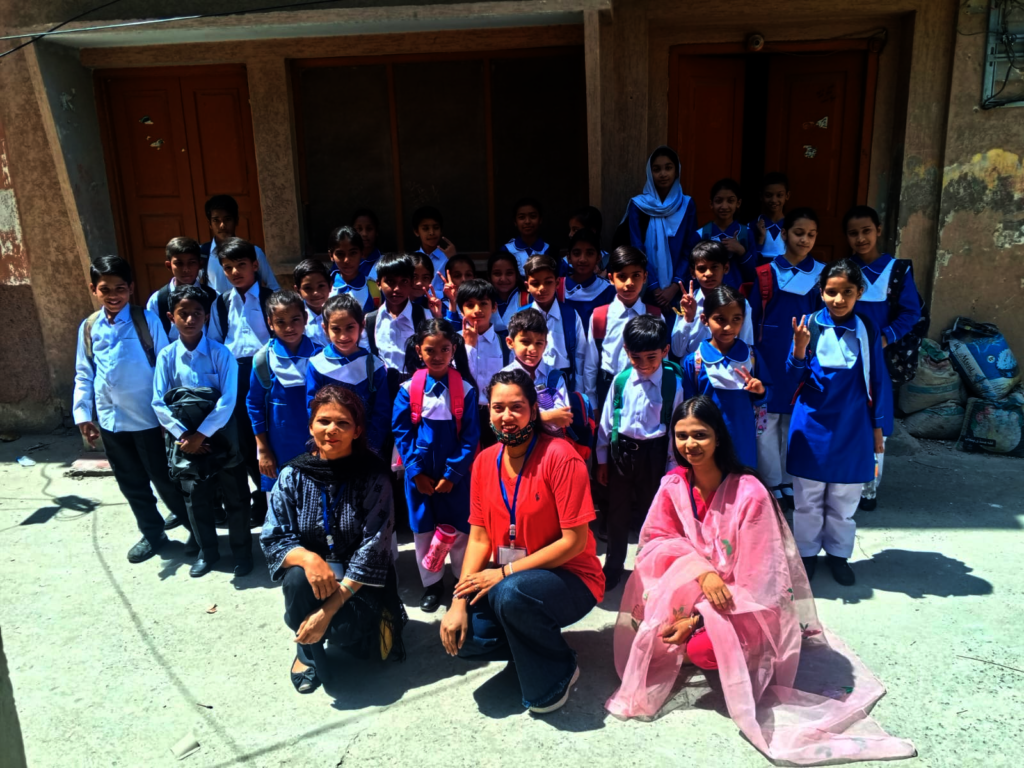
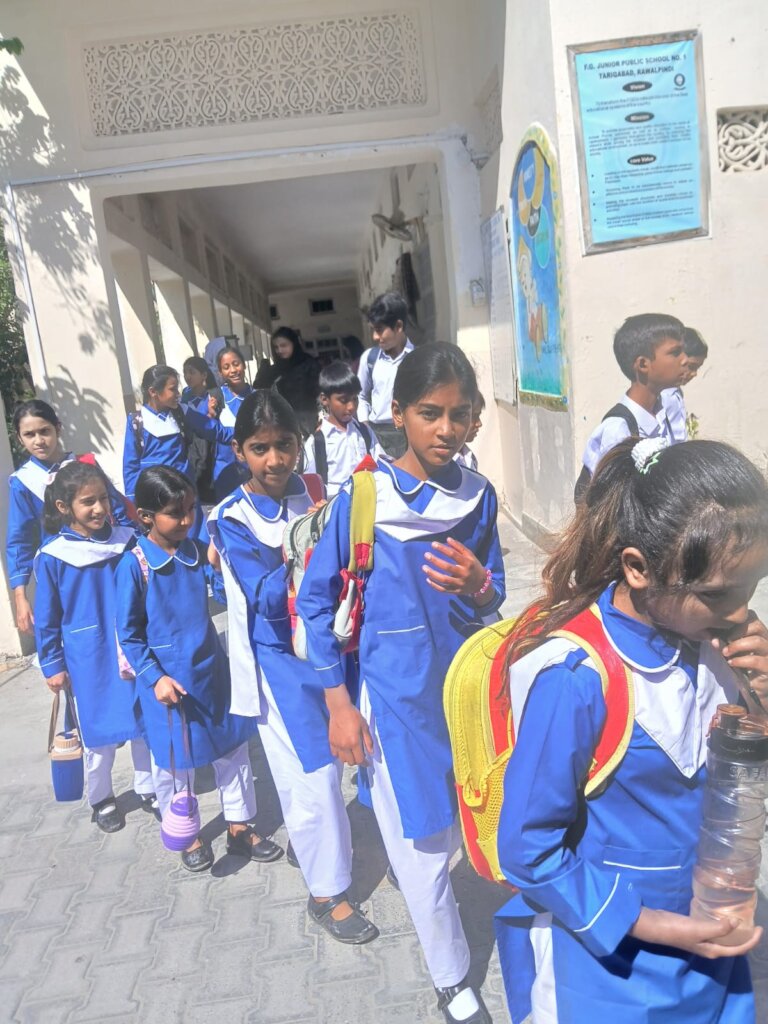
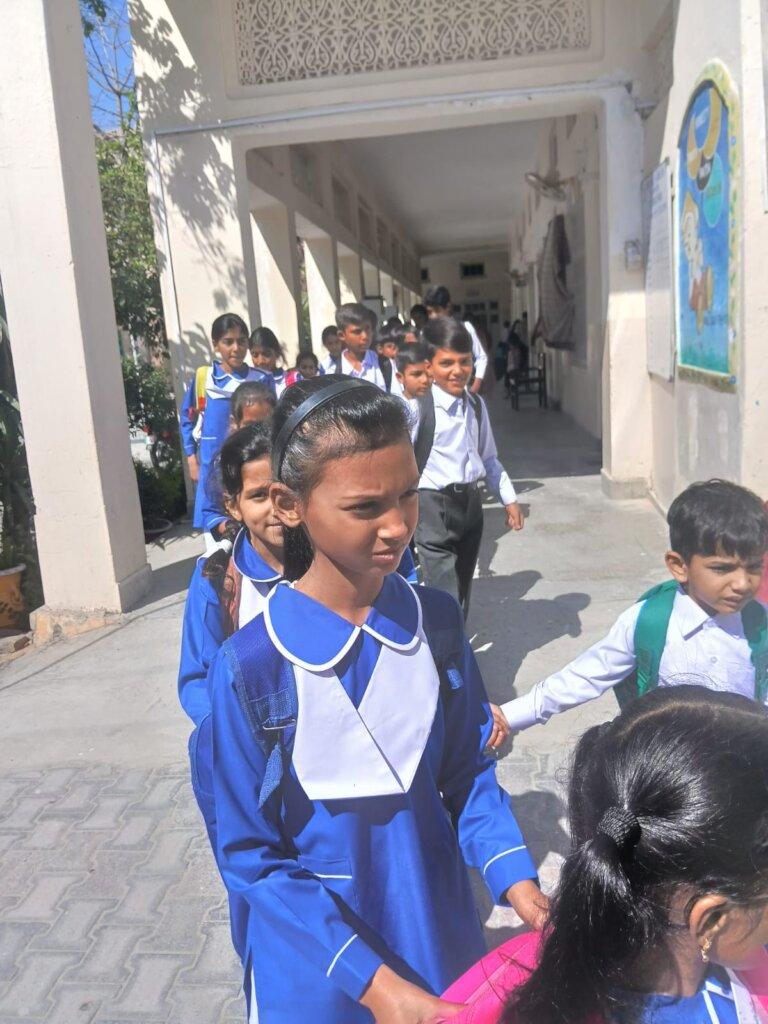
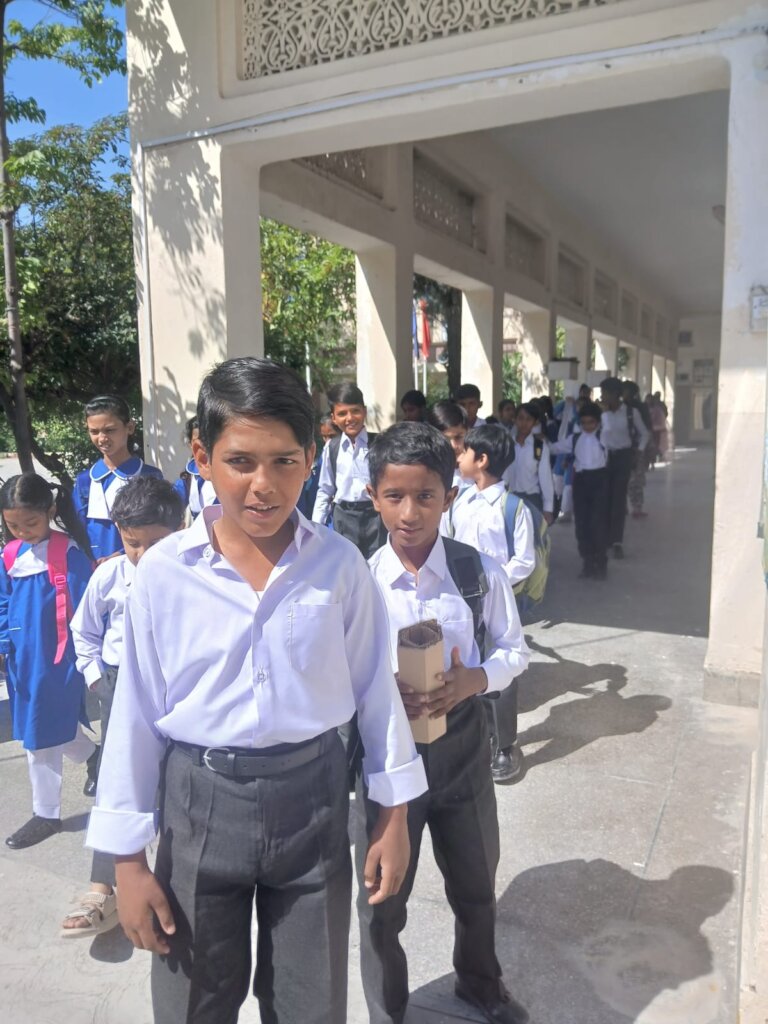
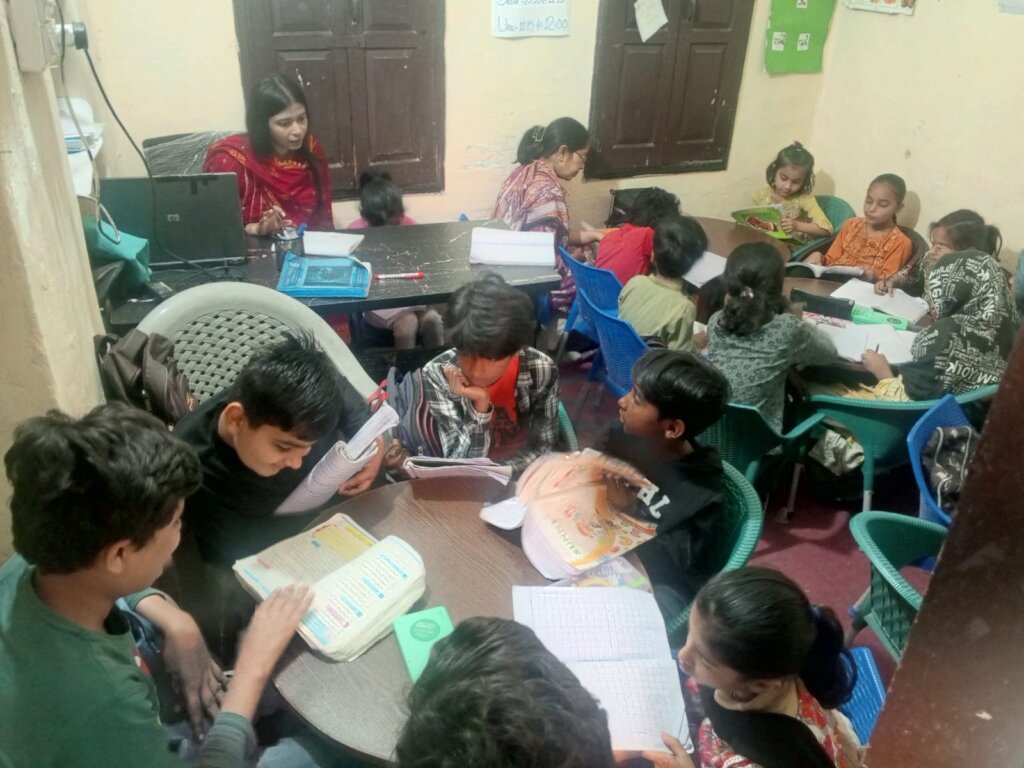
Through its Non-Formal Education Centre (NFEC), WPTGF has provided accelerated learning, moral education, and peace education to more than 100 out-of-school children. Simultaneously, intensive community mobilization and parental engagement have enabled the enrolment of 61 children into mainstream schools. This year, the project has enrolled 35 Muslim and Christian children into formal education. Beyond education, WPTGF is supporting children's retention through educational supplies while empowering parents with vocational skills and livelihood opportunities to improve household income and reduce future school dropouts.
Background
Pakistan continues to face one of the world's largest education crises. According to the Pakistan Education Statistics (2023–24/2024–25) and the UNESCO Global Education Monitoring (GEM) Report 2026, approximately 25.15 million children aged 5–16 years remain out of school, making Pakistan the country with the second-largest population of out-of-school children after Nigeria.
The challenge is multidimensional and includes:
These challenges are particularly severe among low-income families where education often competes with household survival needs.
Recognizing these realities, WPTGF established its Non-Formal Education Centre (NFEC) to bridge the learning gap and prepare children academically and socially for successful integration into mainstream schools.
Project Objectives
The project aims to:
Project Implementation: Establishment of the Non-Formal Education Centre (NFEC)
Since 2023, WPTGF has been operating a Non-Formal Education Centre where children receive:
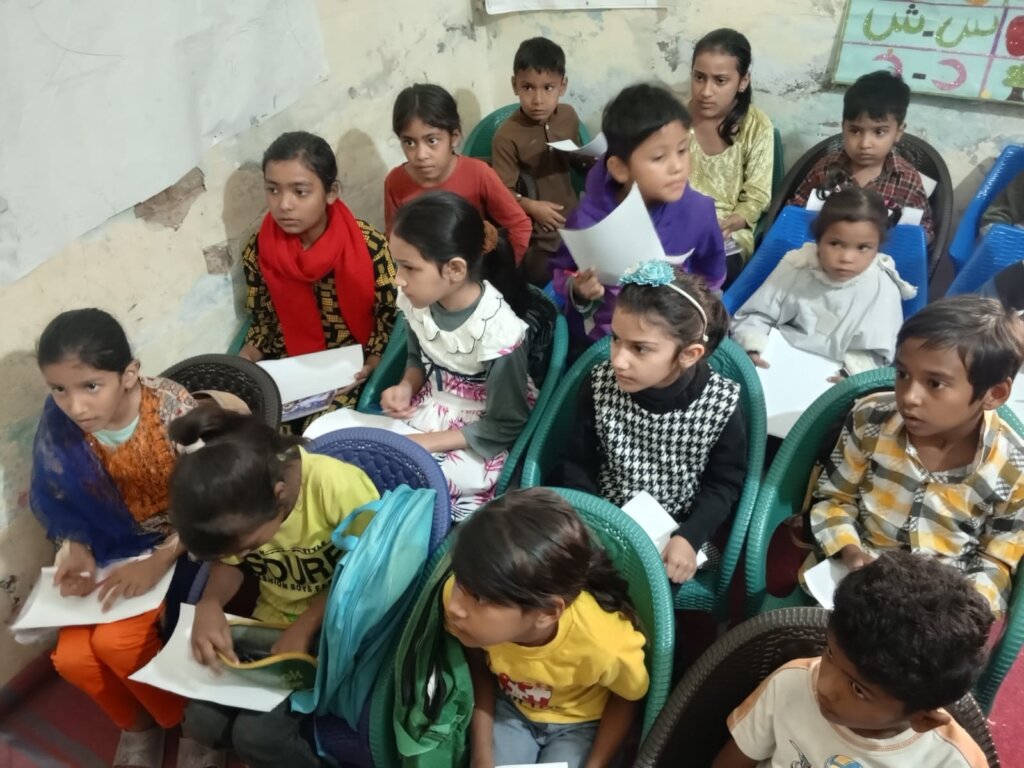
The centre provides a safe and inclusive learning environment for children belonging to vulnerable Muslim and Christian communities.
To date:
Community Mobilization
Understanding that parental attitudes significantly influence school enrolment and retention, WPTGF conducted continuous community outreach activities.
These included:
Parents were educated on:
As a result of these efforts:
Educational Support Package
To ensure that financial barriers do not prevent children from remaining in school, WPTGF provided each enrolled child with:
These interventions have significantly reduced the financial burden on vulnerable families and improved school attendance.
Peace Education and Social Cohesion
Education at the NFEC extends beyond academic learning.
Children participate in structured sessions promoting:
Children from Muslim and Christian communities learn together in an inclusive environment, helping reduce prejudice and strengthen social cohesion from an early age.
This integrated approach contributes to building peaceful communities while preventing discrimination and social exclusion.
Livelihood Support for Parents
WPTGF recognizes that sustainable educational outcomes require improved household economic conditions.
Many children leave school because families cannot afford educational expenses or rely on children's labour for income.
To address these root causes, the project supports parents through:
These interventions aim to:
Project Achievements
Since project implementation, WPTGF has achieved the following:
Indicator
Achievement
Non-Formal Education Centre established
1
Children receiving non-formal education
Over 100
Children enrolled in mainstream schools
61
Children enrolled through TVO partnership
35
School uniforms distributed
35
Books and stationery provided
35
School fees supported
35 children for one academic year
Parents mobilized through awareness sessions
Hundreds of family members reached
Peace education sessions conducted
Regularly integrated into learning programme
Impact
The project has generated significant positive outcomes for children, families, and communities.
Improved Access to Education
Children who previously had little or no access to education are now attending formal schools and continuing their academic journey.
Enhanced Learning Outcomes
Accelerated learning has enabled children to bridge educational gaps and transition successfully into age-appropriate school grades.
Increased Community Awareness
Parents now better understand the value of education and demonstrate a stronger commitment to keeping children in school.
Promoting Peaceful Coexistence
Children from different faith communities learn together, fostering mutual respect, friendship, and inclusive values that contribute to long-term peacebuilding.
Reduced Financial Barriers
Educational assistance has eased the economic burden on vulnerable families and encouraged regular school attendance.
Improved Household Resilience
Livelihood support initiatives are helping parents develop sustainable income sources, reducing the likelihood of children dropping out due to poverty.
Challenges
Despite encouraging progress, several challenges remain:
Lessons Learned
The project has demonstrated that:
Future Plans
WPTGF aims to expand the project by:
Conclusion
The "Bringing Out-of-School Children Back to School" project demonstrates that community-led, holistic interventions can successfully transform the lives of vulnerable children and their families. By combining accelerated education, parental engagement, peacebuilding, educational assistance, and livelihood support, WPTGF has enabled more than 100 children to access learning opportunities and facilitated the successful enrolment of 61 children into mainstream schools, including 35 through its partnership with TVO.
The project reflects WPTGF's commitment to ensuring that every child, regardless of socioeconomic background or religious identity, has the opportunity to learn, thrive, and contribute to a more peaceful, inclusive, and prosperous Pakistan. Continued support from GlobalGiving and development partners will enable WPTGF to expand this model and reach many more out-of-school children who remain deprived of their fundamental right to education.
Project reports on GlobalGiving are posted directly to globalgiving.org by Project Leaders as they are completed, generally every 3-4 months. To protect the integrity of these documents, GlobalGiving does not alter them; therefore you may find some language or formatting issues.
If you donate to this project or have donated to this project, you can receive an email when this project posts a report. You can also subscribe for reports without donating.



Support this important cause by creating a personalized fundraising page.
Start a Fundraiser