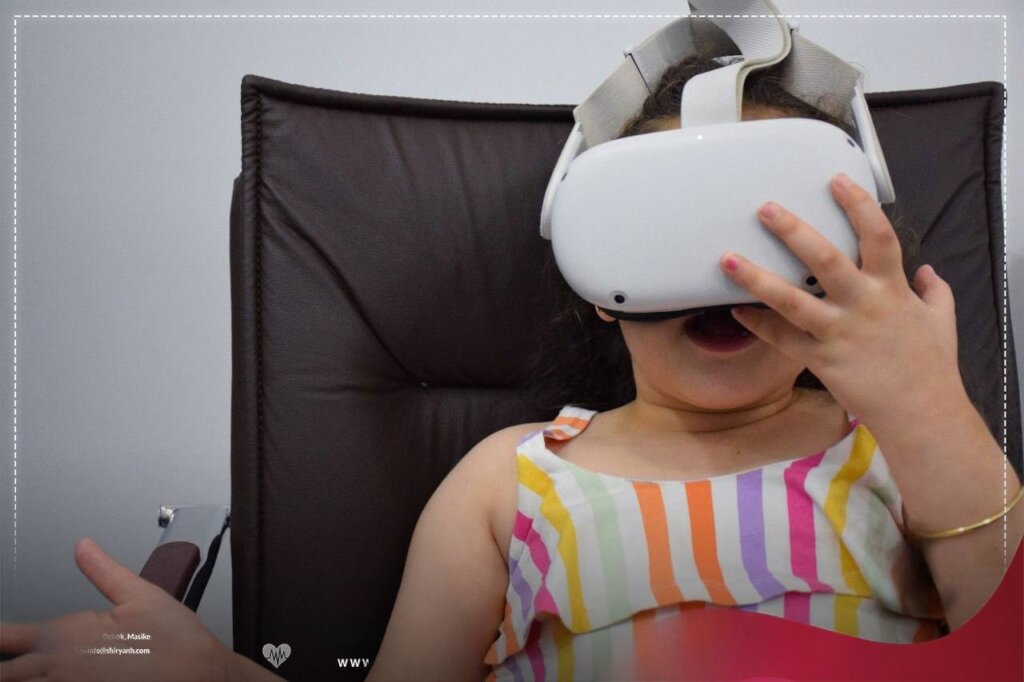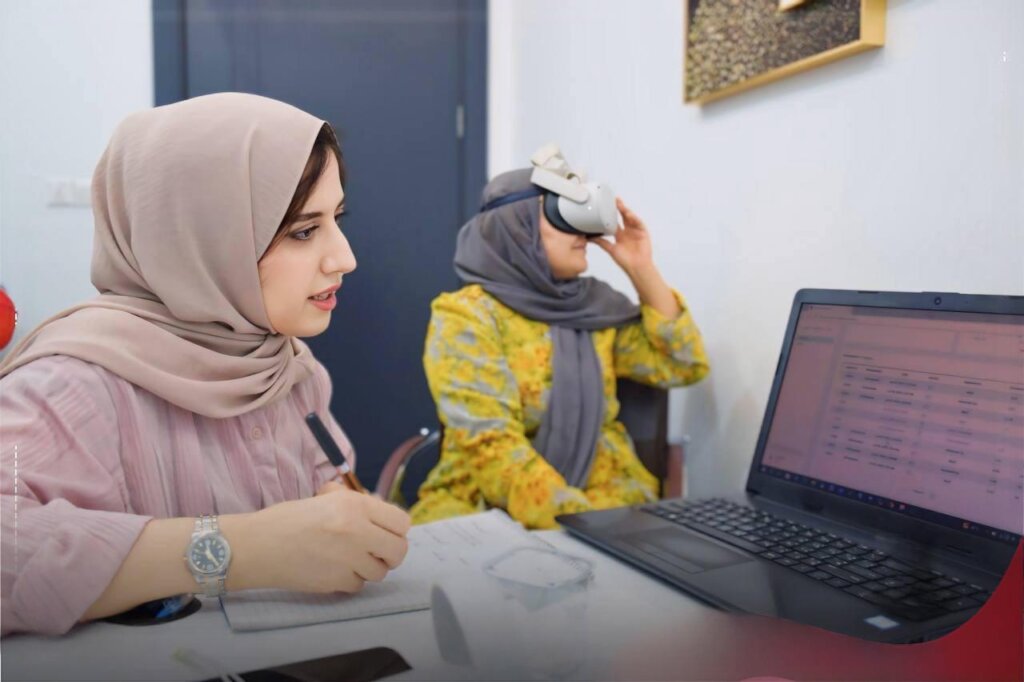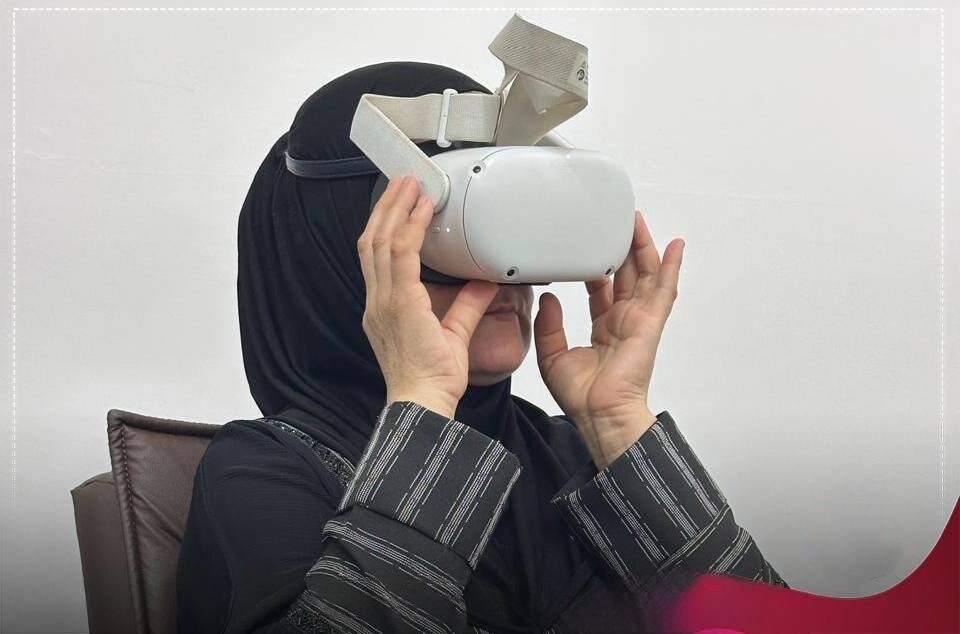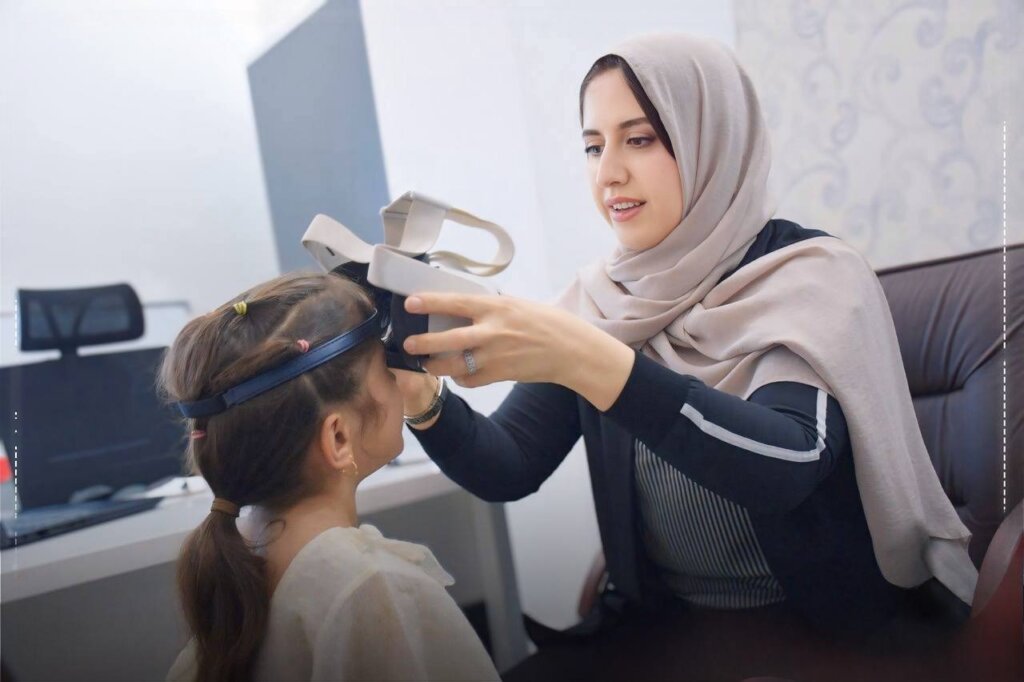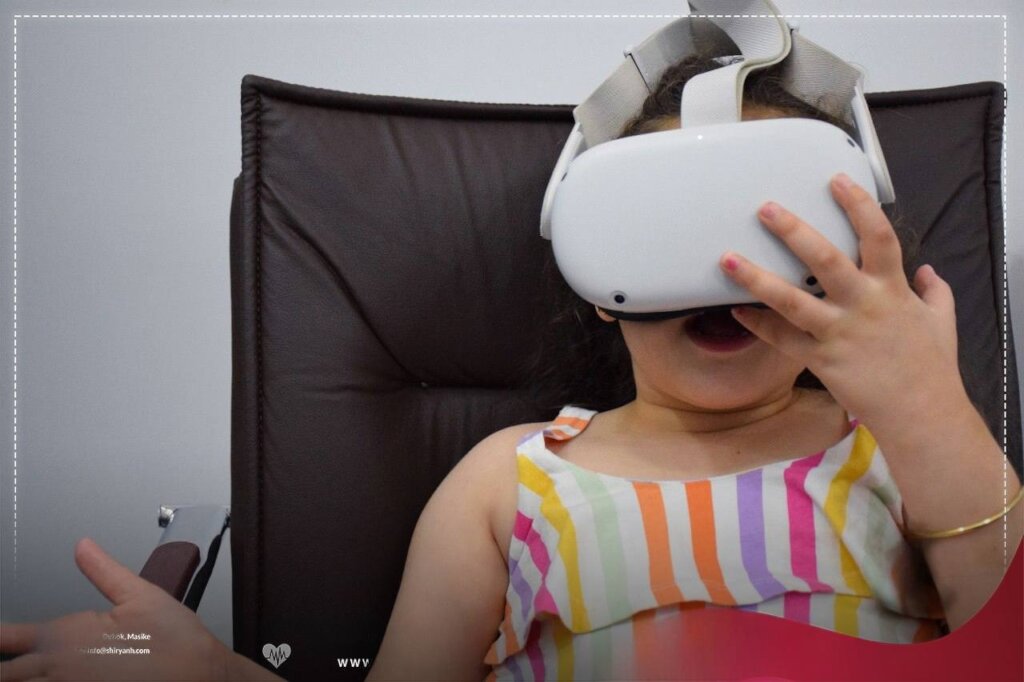
This project aims to sponsor and provide access for 100 low-income children with Autism Spectrum Disorder (ASD) and their families residing in villages, rural areas, refugee settlements, and internally displaced persons (IDP) camps across the Kurdistan Region of Iraq (KRI). The initiative seeks to enhance their learning and developmental outcomes by introducing an innovative, adapted Virtual Reality (VR) intervention focused on teaching daily life skills and providing therapeutic support.
In the Kurdistan Region of Iraq, more than 6,000 children with ASD lack proper diagnosis and support due to stigma, low awareness, and scarce specialists. Services cost USD 200-1,000 per child, making them inaccessible for low-income families. Most centers rely on outdated methods effective only for mild cases, while government providers face major funding gaps and cannot adopt modern, technology-based therapeutic tools. And the Gov staff are suffering from a lack of recourse and capacity.
Phoenix Organization, in partnership with the University of Duhok, successfully piloted VR sessions for 25 children with ASD, showing remarkable gains in communication, social skills, and daily living. Building on this success, the project will expand VR access to children and families across KRI, providing tailored virtual environments, caregiver guidance, and hands-on support to enhance learning, independence, and wellbeing for underserved communities.
We will leave a working, reusable system: a localized VR content library, a trainer network, and simple consent/safety protocols. As centers and health clinics use VR in place of classical methods, daily life skills stick, stigma drops, and inclusion rises. Authorities can scale a proven approach nationwide so more autistic children learn, participate, and thrive with dignity.
This project has provided additional documentation in a PDF file (projdoc.pdf).



Support this important cause by creating a personalized fundraising page.
Start a Fundraiser