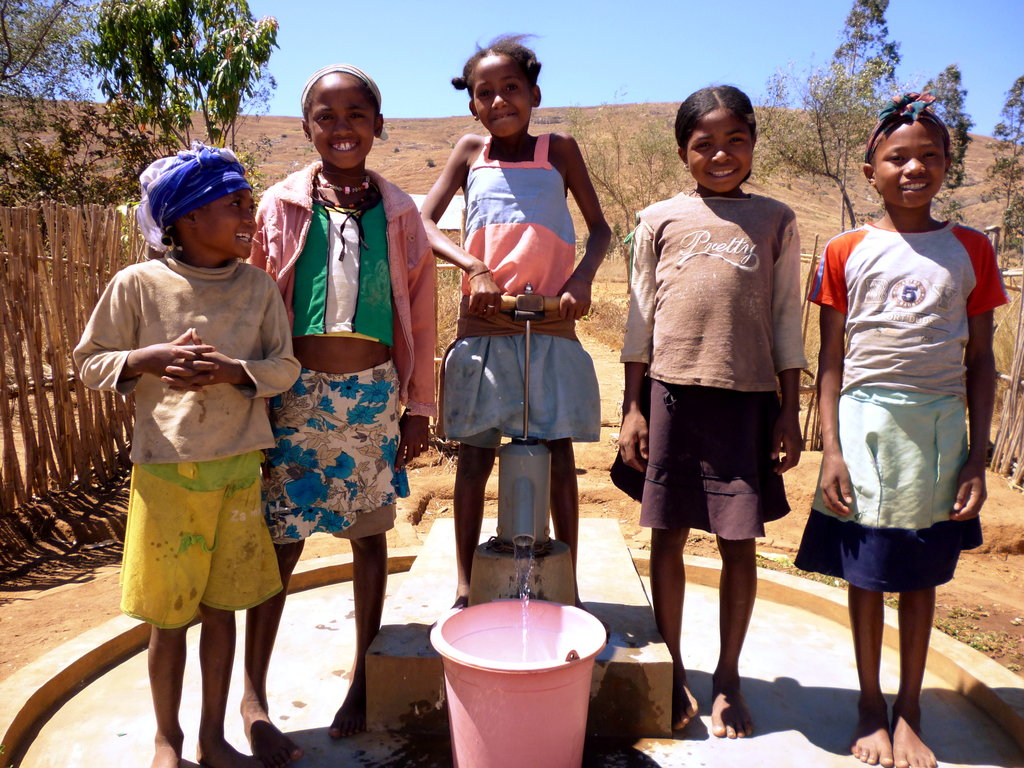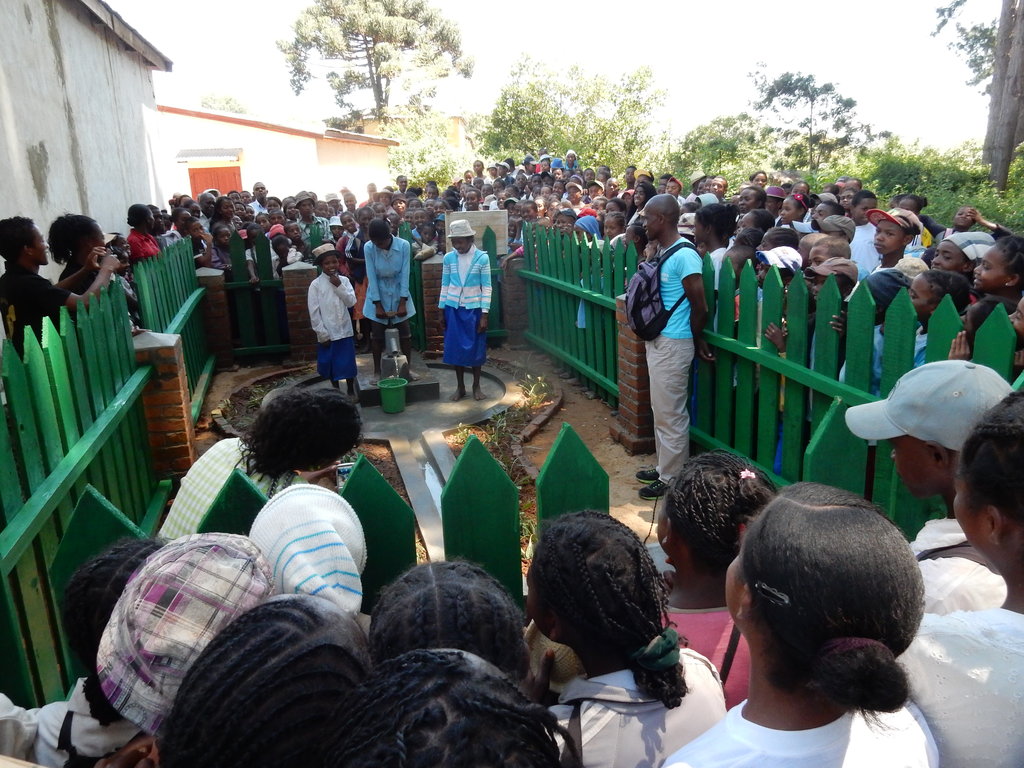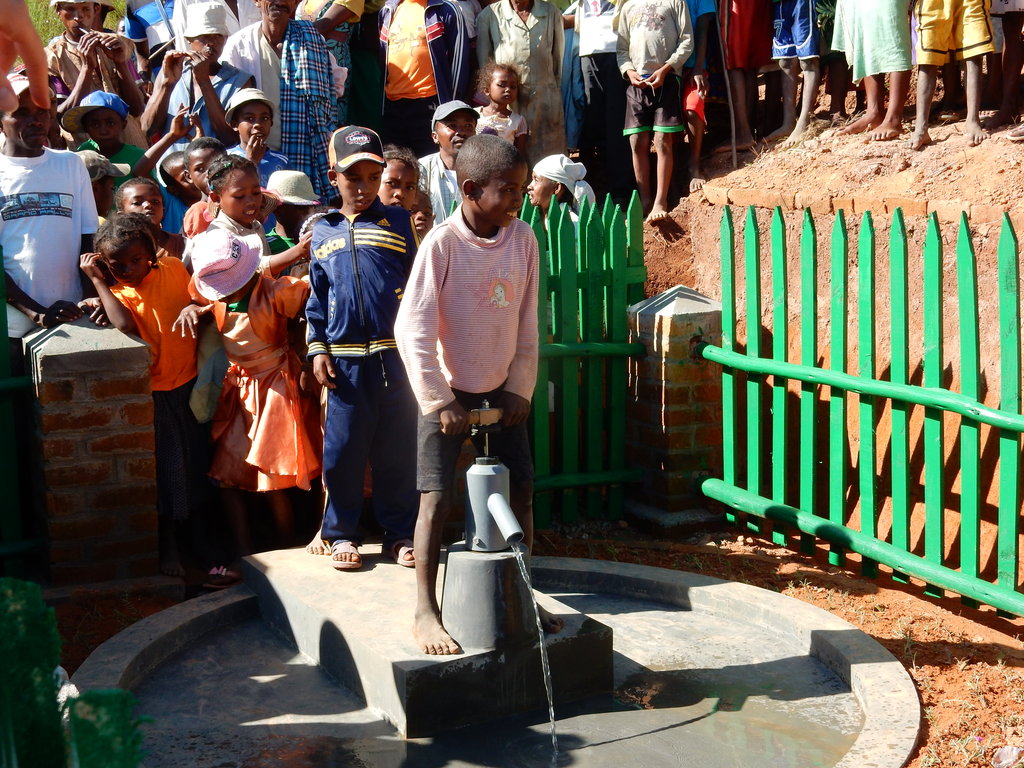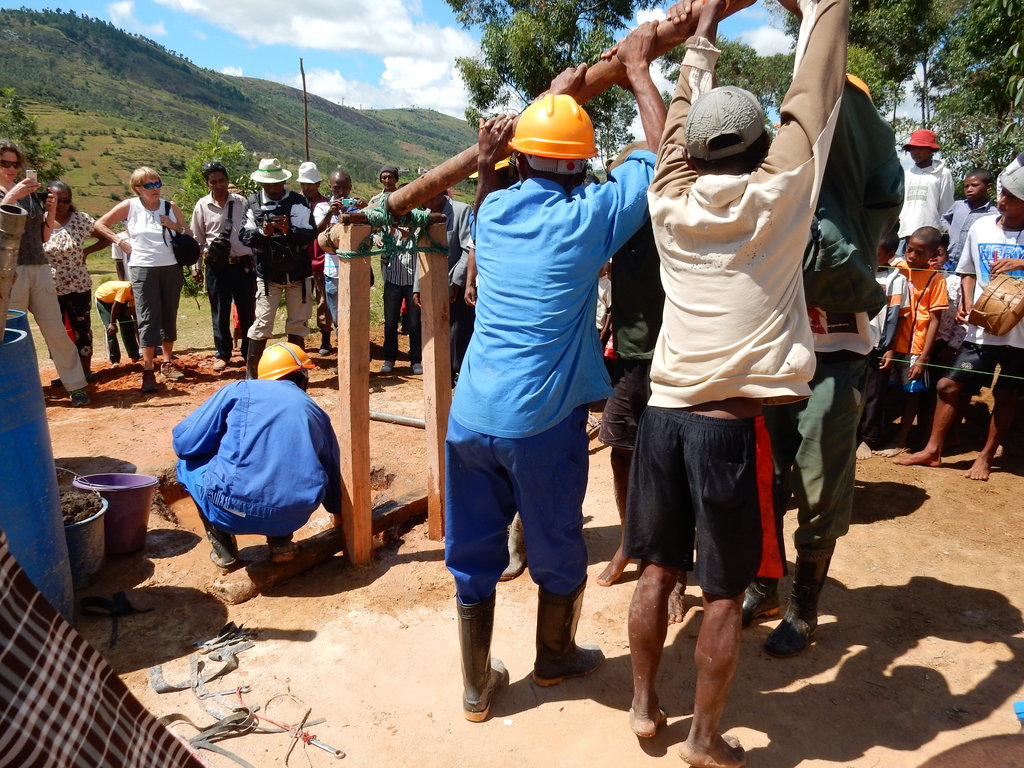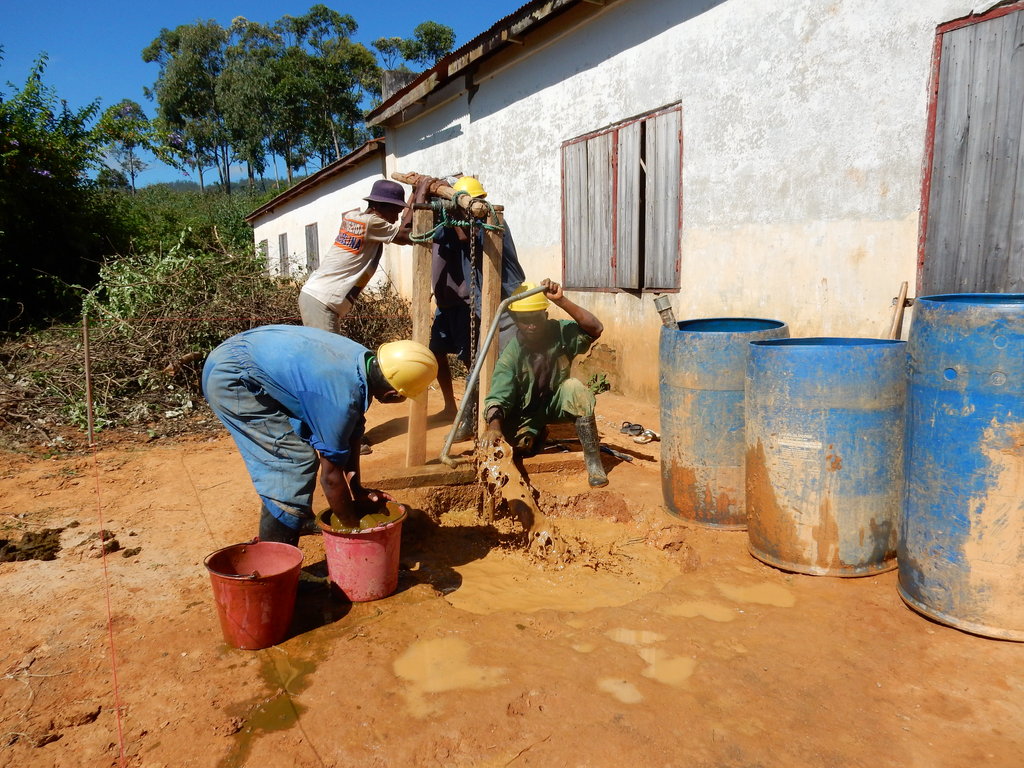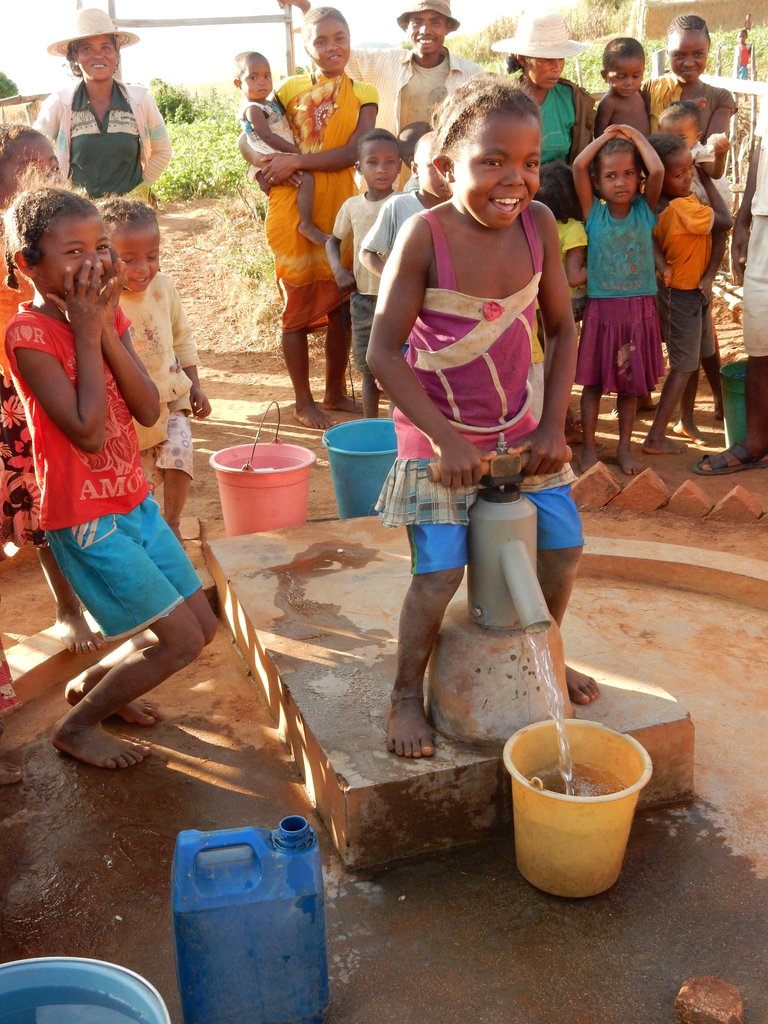
This project will provide access to safe drinking water through installation of 5 boreholes with hand-pumps in villages & primary schools who have succeeded in abandoning open-air defecation practices. This project aims to address the problem of high rates of morbidity & mortality suffered in rural communities in Madagascar, particularly amongst children under 5 years old, as a result of poor hygiene & sanitation, & lack of access to clean water. It also saves women time fetching water.
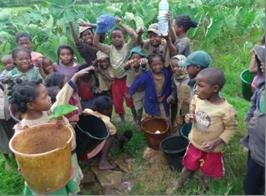
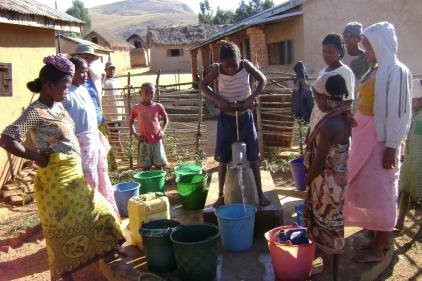
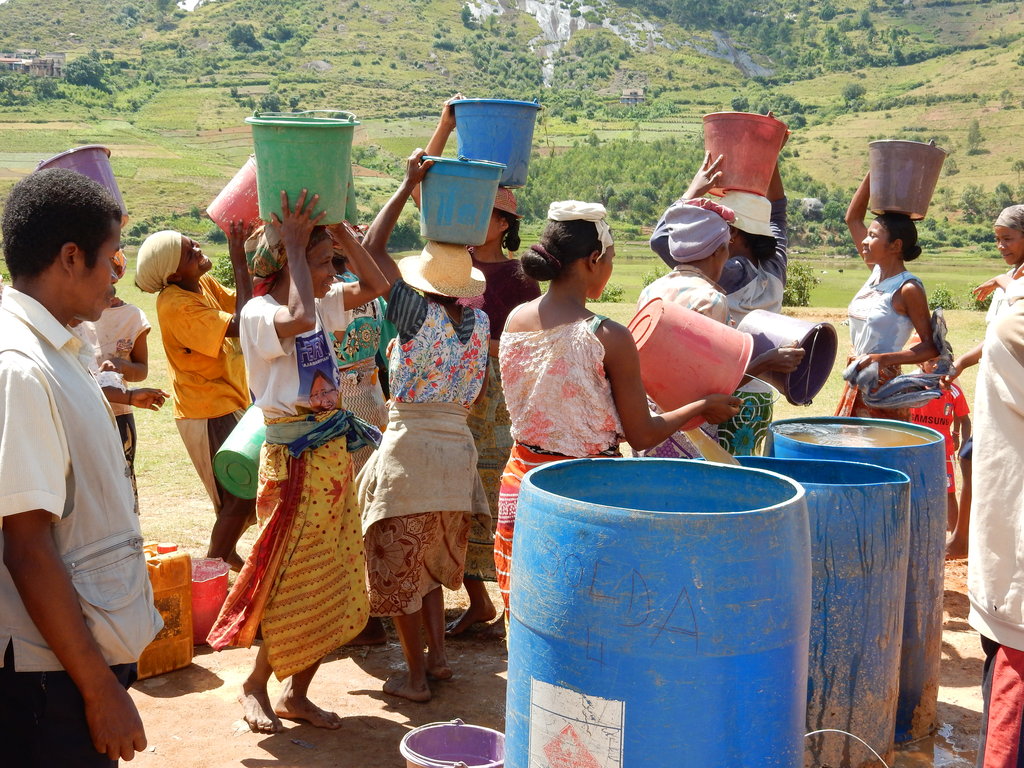
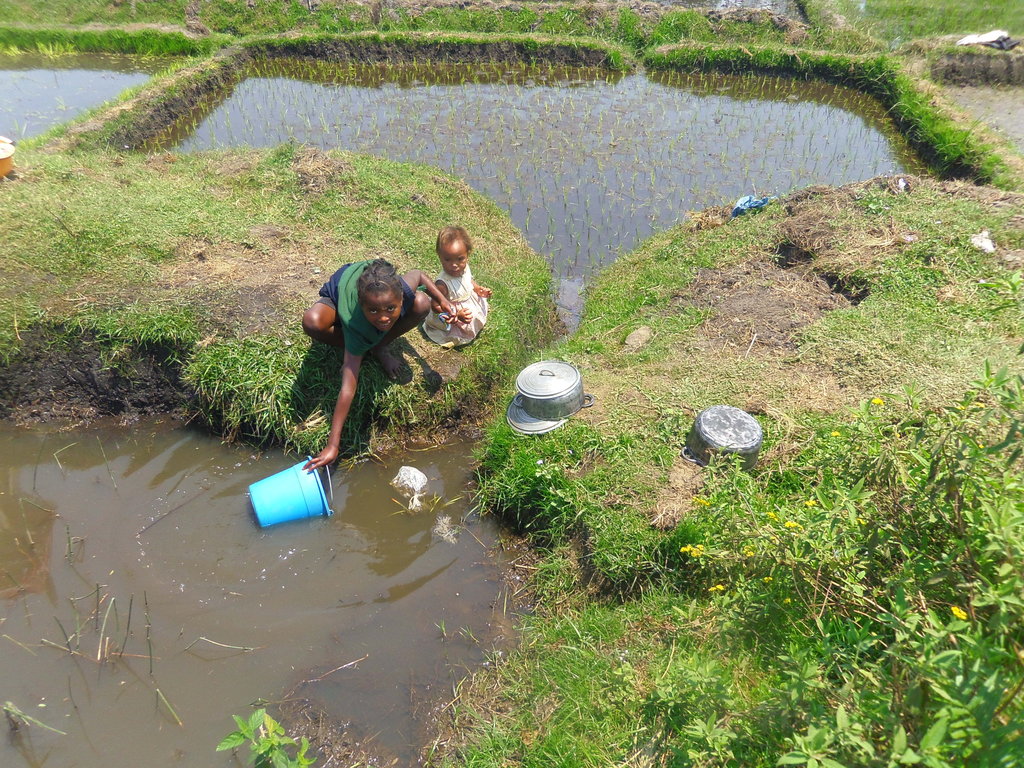
Madagascar is one of the poorest countries in the world with a population growing faster than its economy. Over 11 million people in Madagascar live without clean water and over 18 million people do not have access to adequate sanitation. Over 4,000 children die every year from diarrhoea caused by unsafe water and poor sanitation. Women and children often spend up to three hours a day collecting dirty water from unsafe sources, which may makes them seriously ill.
Providing access to safe water through installing water boreholes rewards communities that have succeeded in abandoning the open defecation practice as well as improving health and reducing disease. Installation of boreholes with hand-pumps in villages / primary schools will prevent waterborne disease caused by drinking contaminated water and lessens the burden of water collection, as well as security risks sometimes associated with women walking significant distances away from their villages.
This project will benefit around 1,000 people with increased water security & reduction of disease. Clean water, sanitation & hygiene training can reduce disease in an area by up to 45%. Safe water projects allow women more time to work & take care of their families. Children will be able to study better instead of spending their mornings walking for water. Experience show that having community-managed water infrastructure strengthens community solidarity & cohesion, & can lead to further action