By Ruby Brayton | Project Intern
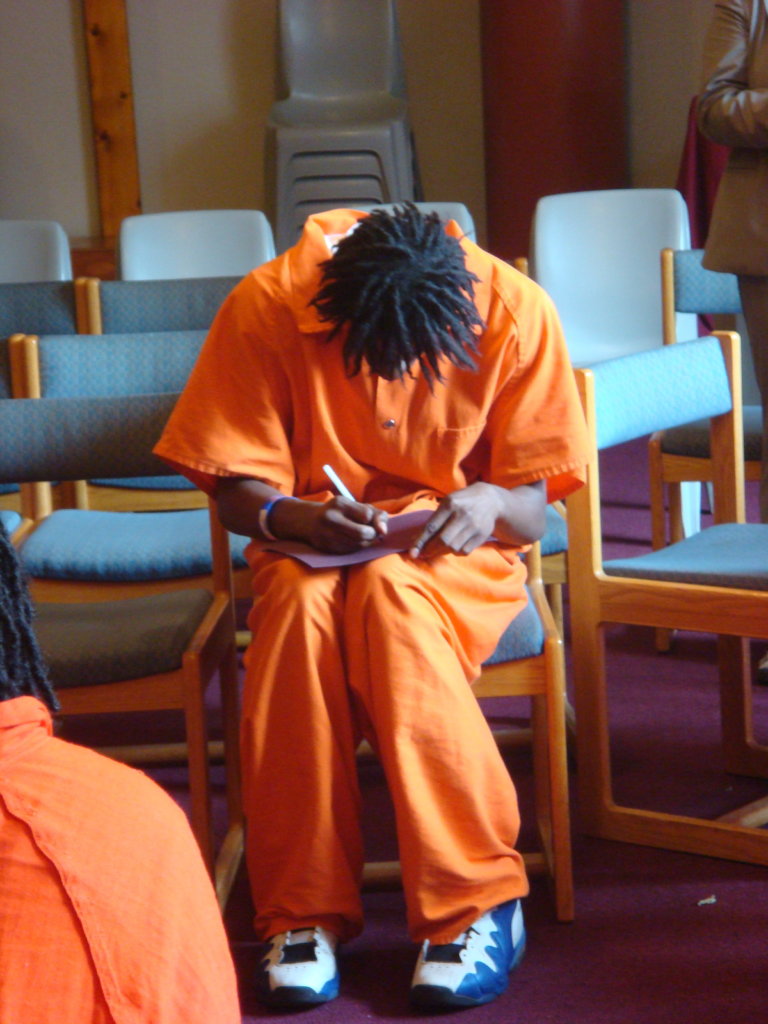
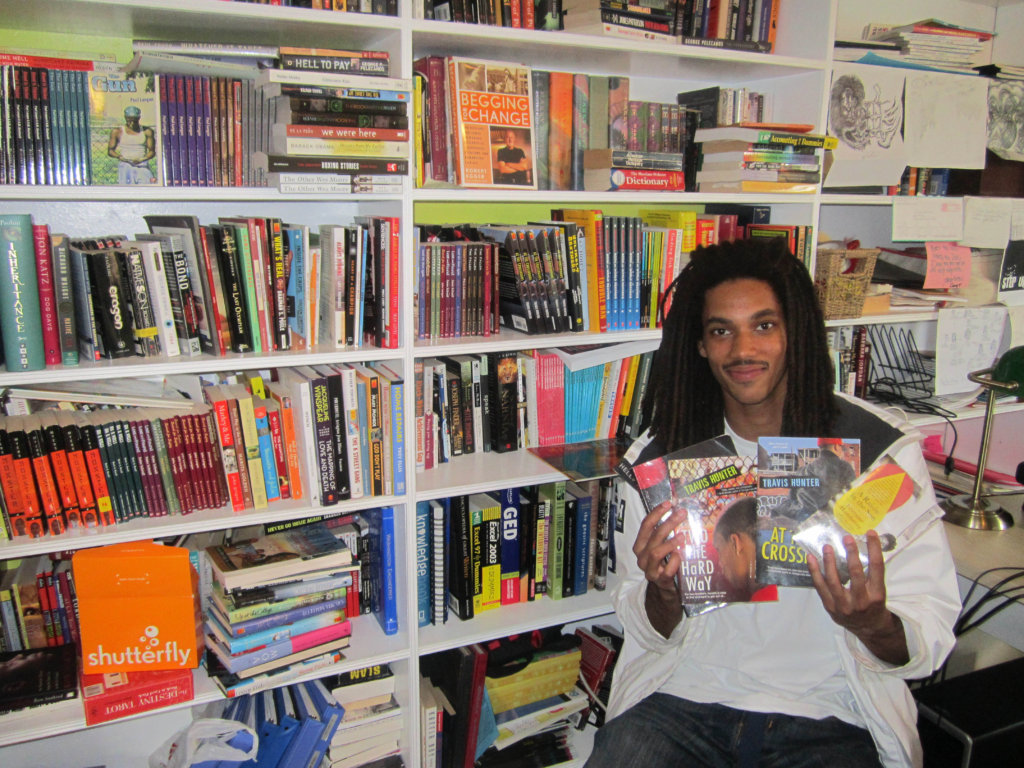
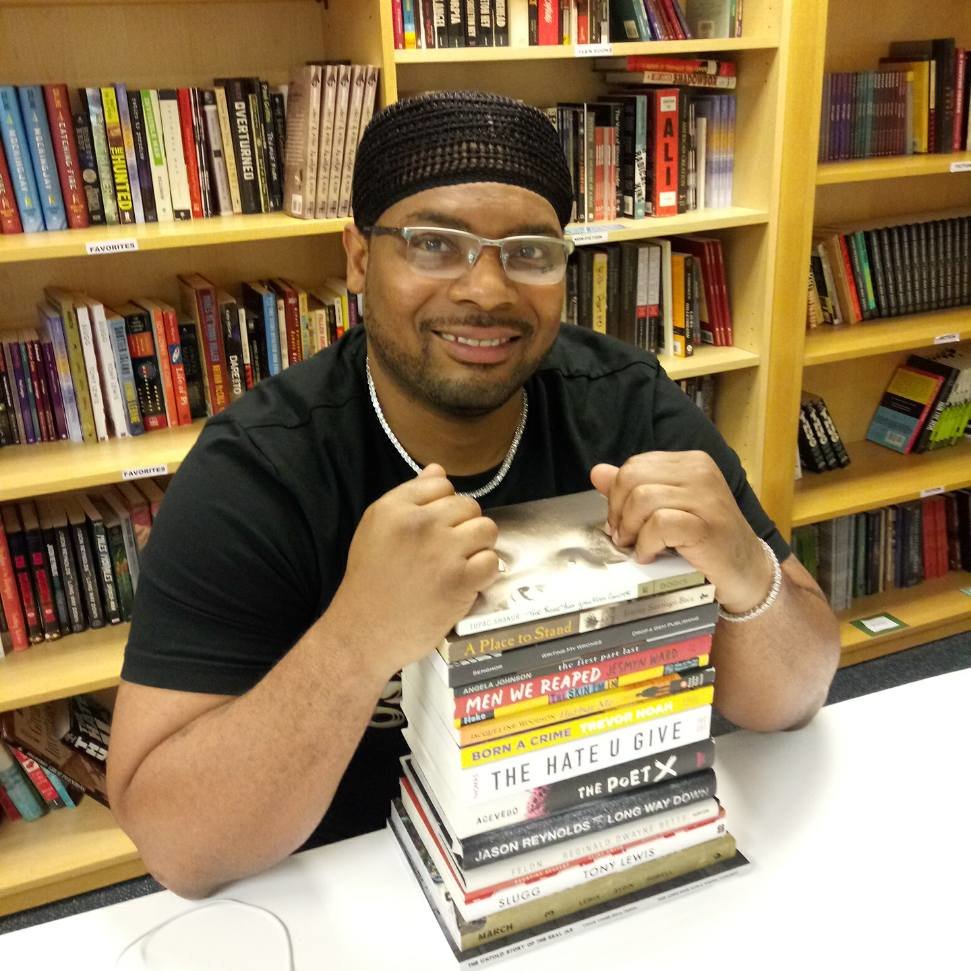
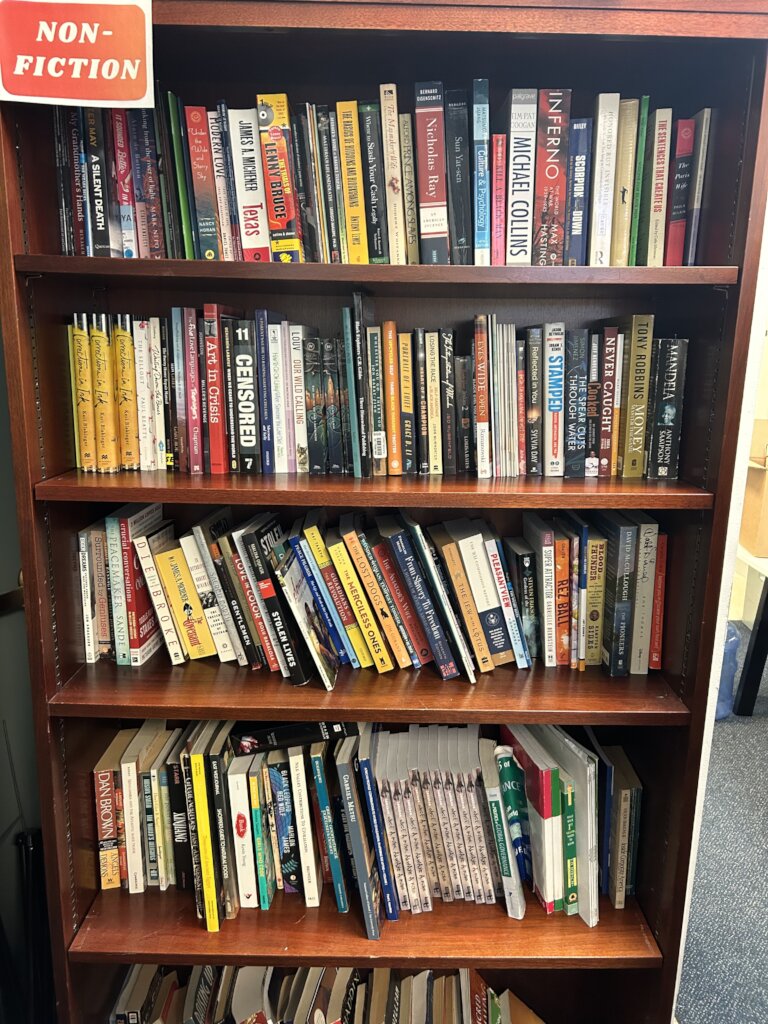
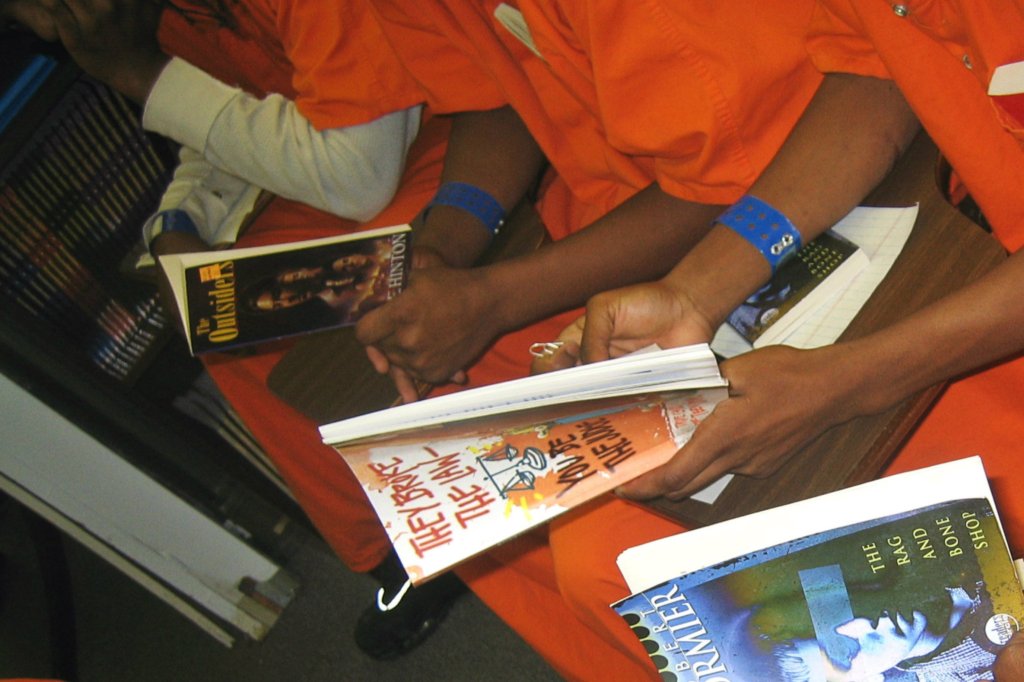
At Free Minds we see firsthand how the ability to express and convey ourselves authentically through reading and writing can be one of the most powerful tools for healing and transformation. The carceral system by its very nature limits access to creative outlets. Our Prison Book Club provides our incarcerated members powerful connections through shared reading, reflections, creative writing prompts, and community feedback.
Books Across the Miles (BAM)
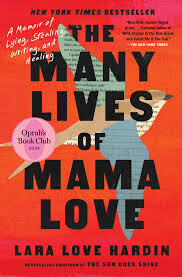
Members have the opportunity to choose from an offering of books and vote for the book they’d like to read as their Books Across the Miles (BAM) option three times a year. The BAM selection is sent to members in over 110 federal facilities across the country, along with a list of discussion questions that allow members to delve deeper into the meaning of the book and what it represents to them. This Spring, our members selected to read The Only Good Indians, an Indigenous horror novel from Stephen Graham Jones. Following four members of the Blackfeet Nation, this book traces how the group is haunted by a deadly act they committed ten years prior that refuses to let them rest. Exploring themes of cultural identity, guilt, retribution, and breaking cycles of violence, The Only Good Indians is a novel that left our members on the edge of their seats and with a wide array of responses.
Members centered their written reflections on a protagonist actively choosing to end a generational cycle of violence by preventing harm being done to another. Members were asked if there’s ever been a time where they have made a difficult choice to end a harmful cycle, and what impact it had. Member DK said he faced the recognition that a harmful generational pattern was rooted in “cycles of poor choices, pride, and misplaced loyalty…unless someone consciously decides to break it.” DK poignantly asserts that putting an end to a cycle of violence “is not dramatic, it is daily, disciplined, and often quiet. But its impact echoes forward into generations that may never know the struggle that it took to change the direction.” Another member, RA, reflected on how he’s worked “to stop some really serious things from happening inside and outside in society” since he became incarcerated. RA says that these efforts show “that I’m trying so much to end this cycle that seems neverending to many.”
These examples demonstrate how the Prison Book Club creates a space for members to think deeply on a chosen novel and generate thoughtful discussion across boundaries. Many responses are published in the Connect magazine, giving them the opportunity to see their own thoughts alongside others' insights. Free Minds witnesses the transformative power of communal reading and book discussions every day.
The Connect Magazine: Generations
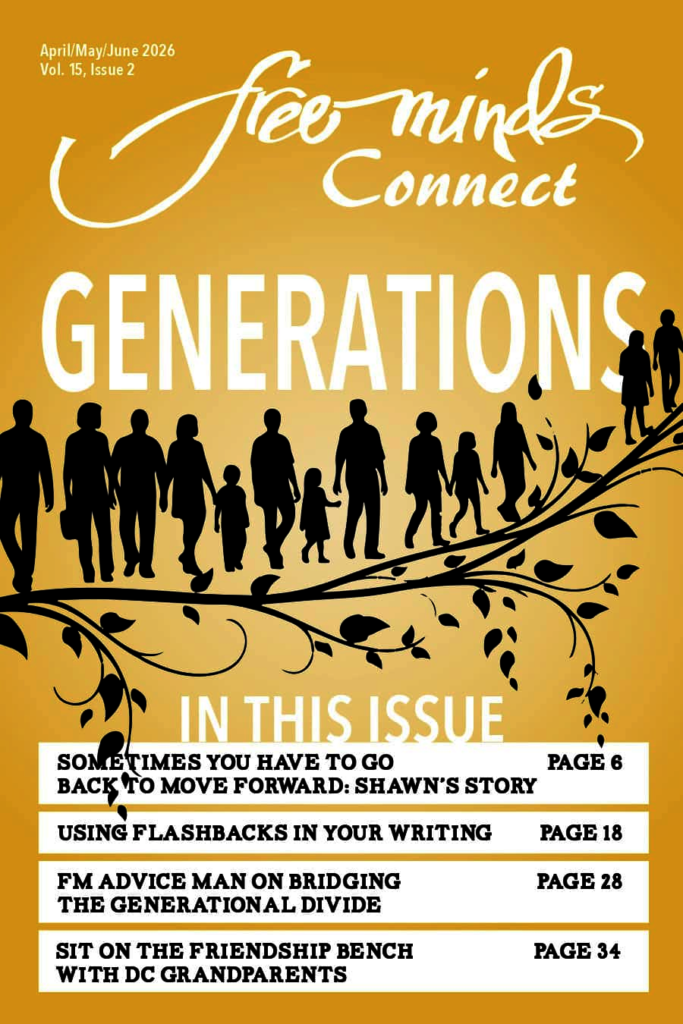
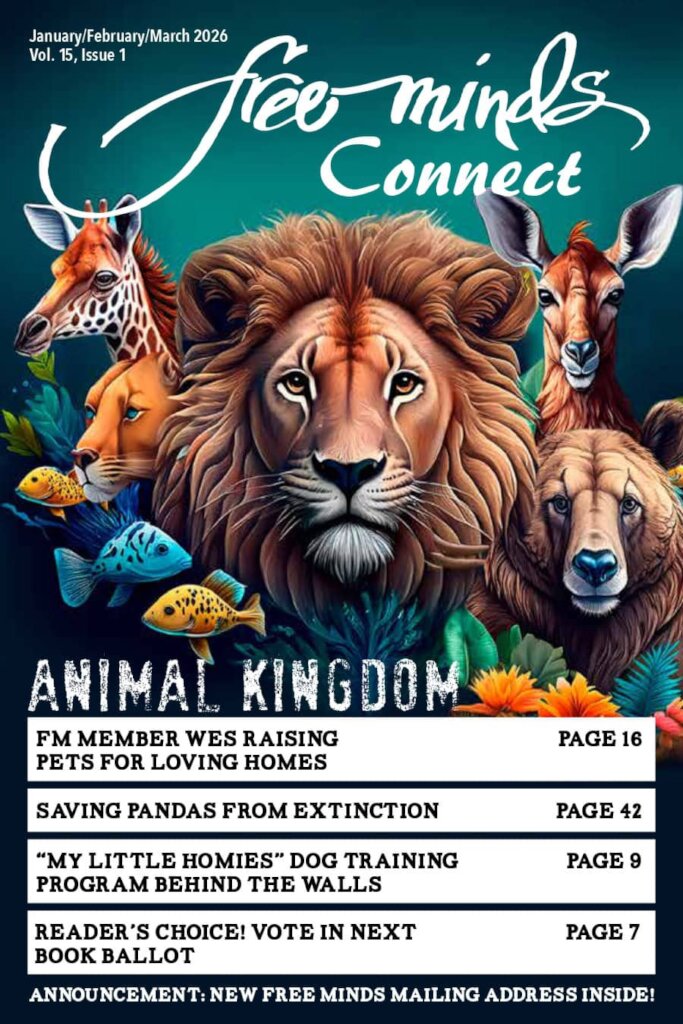
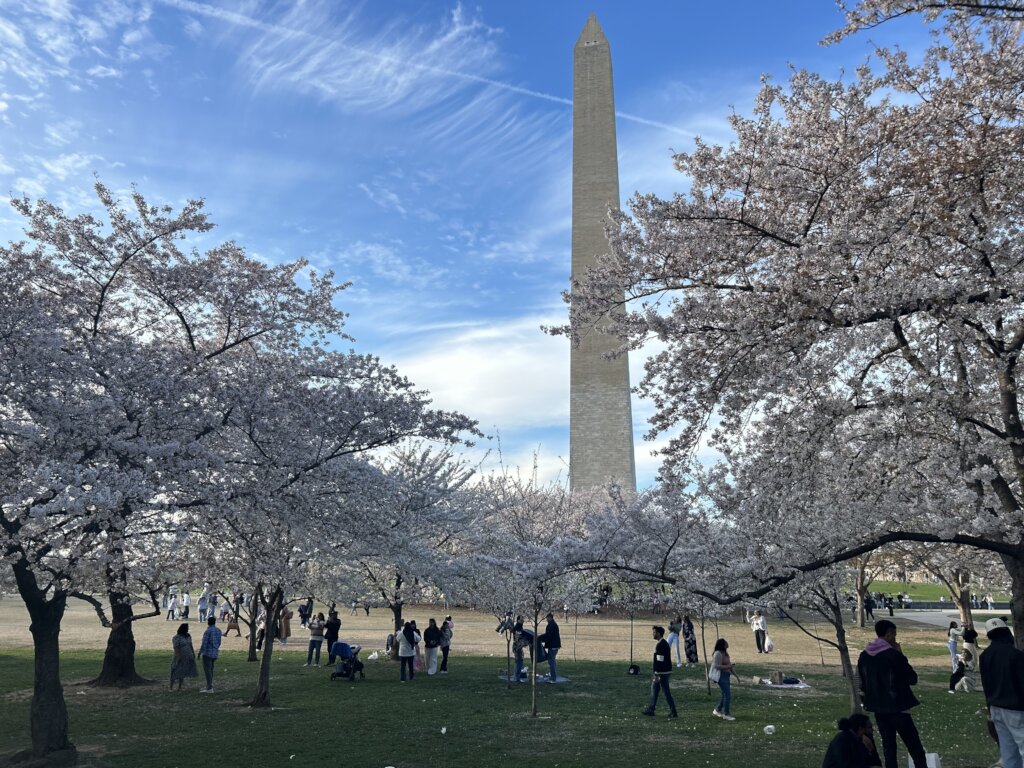
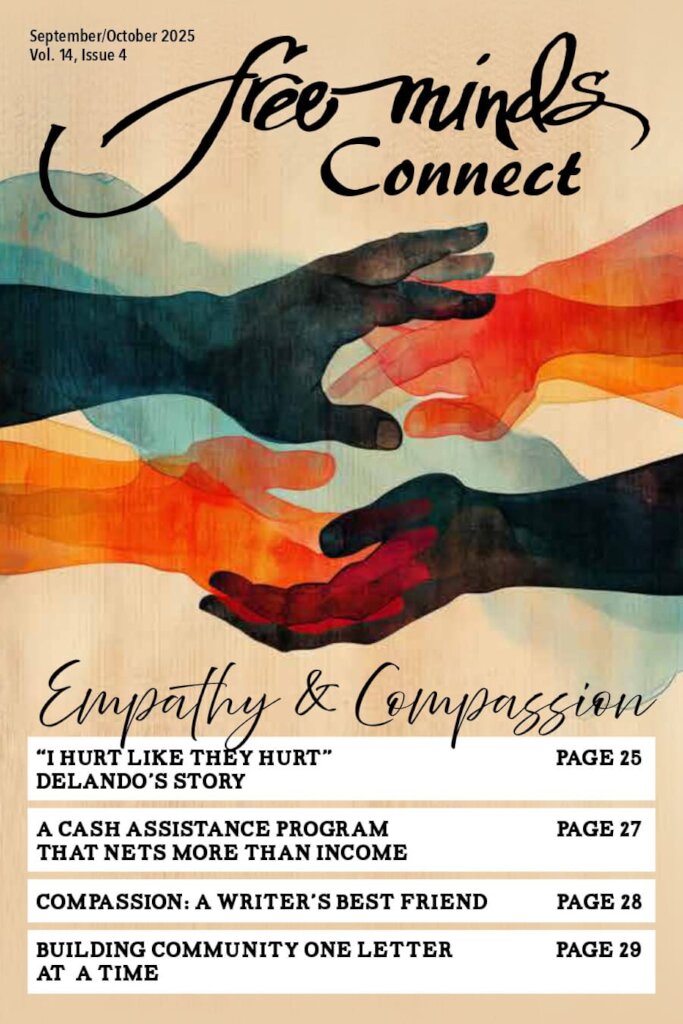
Our most recent Connect magazine’s theme of Generations aligned with the book selections about intergenerational impact. Published by and for our members incarcerated in the federal prison system, this issue celebrated intergenerational insights and relationships through members’ poetry, interviews, DC photos, and discussion of the BAM book. Throughout this edition, we encourage readers to think about how every generation has lessons to offer one another, to contemplate what future generations might bring, and reflect upon the importance of valuing intergenerational connections.
This theme is illustrated in the articles across the magazine, including the Reentry Profile in which a recently released member shared his thoughts on how times have changed and the younger generation differs from when he was a kid. The importance of community connections that transcend generational differences is also highlighted in the Paying it Forward column. In this edition, the aforementioned article is highlighting the work of DC Grandparents for Mental Health, where community elders can provide empathetic and actionable support for community members of all ages across DC.
Many members submitted poems, essays, and stories centered around what generations mean to them, whether it be in an ode to an older family figure, ending cycles of violence, or imagining the vast possibilities that future generations might bring. In a poem titled “Generations”, member AHA encourages us to remember that the progress we’ve made as a society was initiated by our ancestors, never forgetting the wisdom afforded to us by those who came before us, and knowing how to utilize that wisdom to move forward:
Generational wealth
Equal rights
Never forgetting the past
Evolving over time
Remaining humble
Ability to grow and learn
Teaching what shaped you
Incorporating life lessons
Opening doors to create
New adventures to inherit
Shaping what will live on forever
AHA’s writing reminds us of the importance of honoring those who came before us, especially as we continue to learn, grow, and help others so that we may work together as we travel on the path to transforming the world into what we want it to be.
Write Night
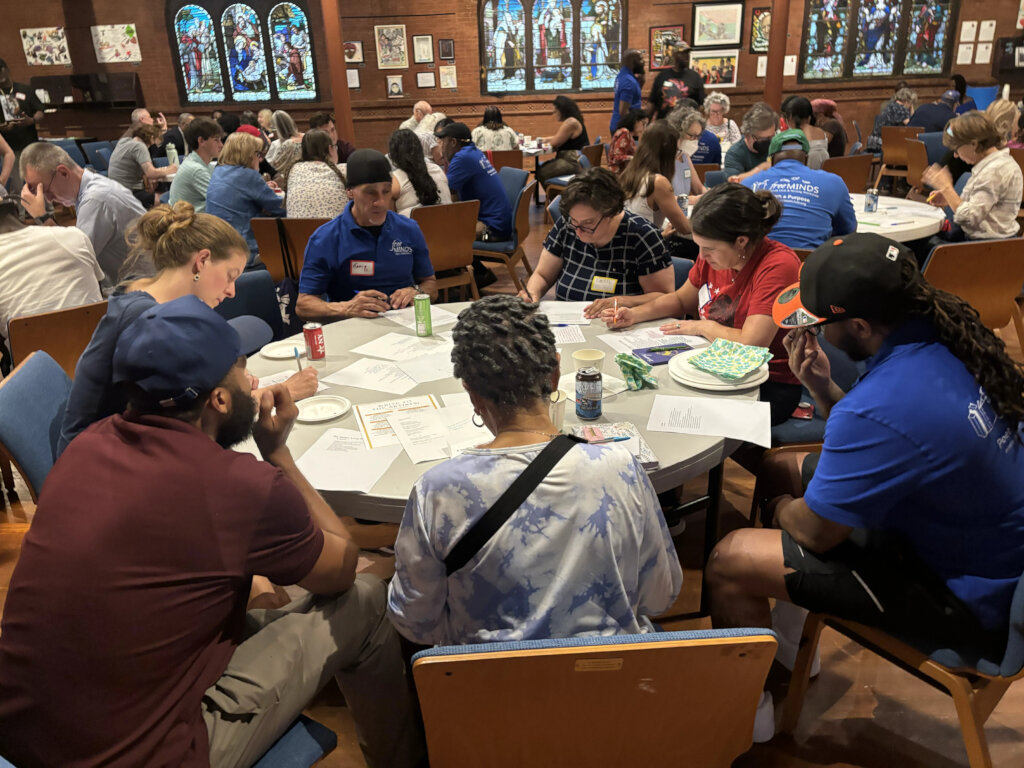
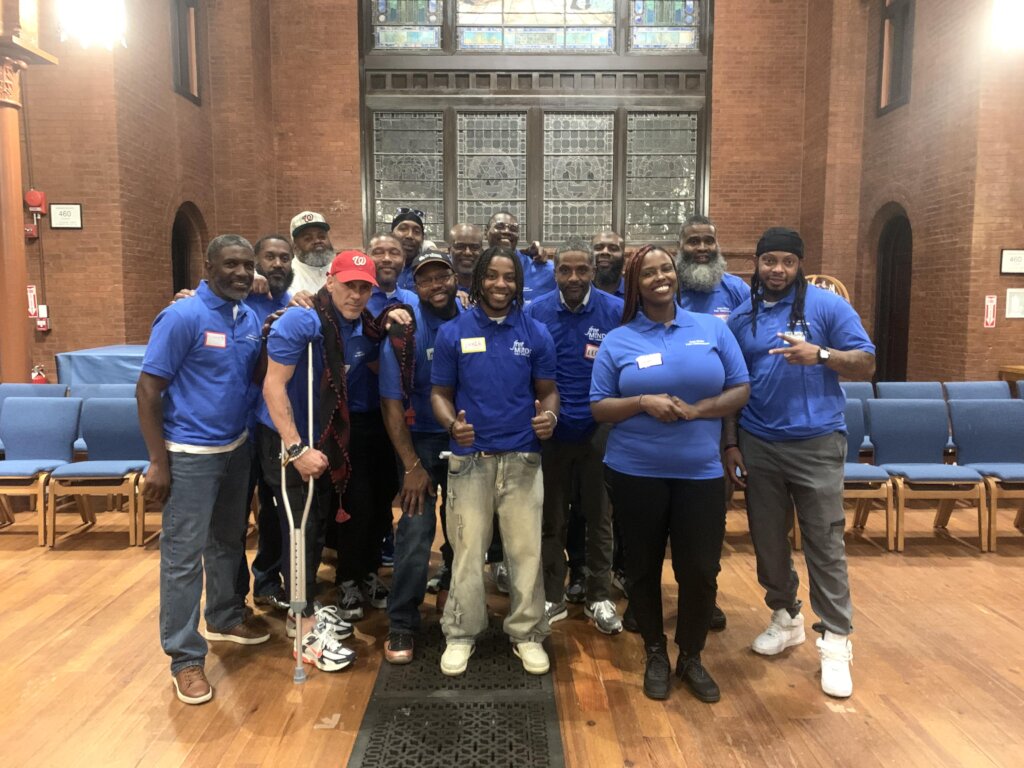
One of the most powerful ways that Free Minds has been able to forge connections and show solidarity with our currently and formerly incarcerated members is through our monthly Write Nights. Community members hear directly from Poet Ambassadors, Free Minds members who have returned home to their communities, about the deeply healing nature of writing poetry and the impact of community feedback on their poems.
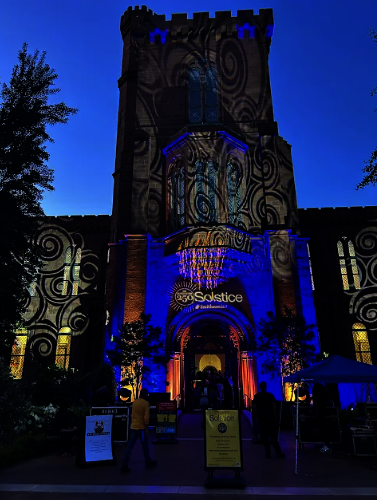
Our July Write Night was held in-person with over one hundred community members and 30 Poet Ambassadors in attendance eager to participate. Free Minds member Malcolm, who is home after 20 years in prison, shared: "Write Night was bigger and better than I ever imagined. Now that I'm home, Free Minds is full circle. While I was still incarcerated, the comments I got on my poems meant a lot to me. Now that I'm home, I see that the same people really believe in me. It's inspiring."
Write Nights provide a sincerely meaningful way for our incarcerated members to connect with the community through a mutual exchange that sparks hope and healing. It is our hope that we can continue to grow our community and live out our mission of showing people the extraordinary impact poetry, writing, and reading can have as tools of healing.
Free Minds expresses our deepest gratitude and appreciation for your support of our Prison Book Club programming. Your support allows our members to continue writing new possibilities into existence.
Links:
By Ruby Brayton | Project Intern
By Jeffrey Beamer | Communications Intern
Project reports on GlobalGiving are posted directly to globalgiving.org by Project Leaders as they are completed, generally every 3-4 months. To protect the integrity of these documents, GlobalGiving does not alter them; therefore you may find some language or formatting issues.
If you donate to this project or have donated to this project, you can receive an email when this project posts a report. You can also subscribe for reports without donating.



Support this important cause by creating a personalized fundraising page.
Start a Fundraiser