By Anny Moufarrej | Project Leader
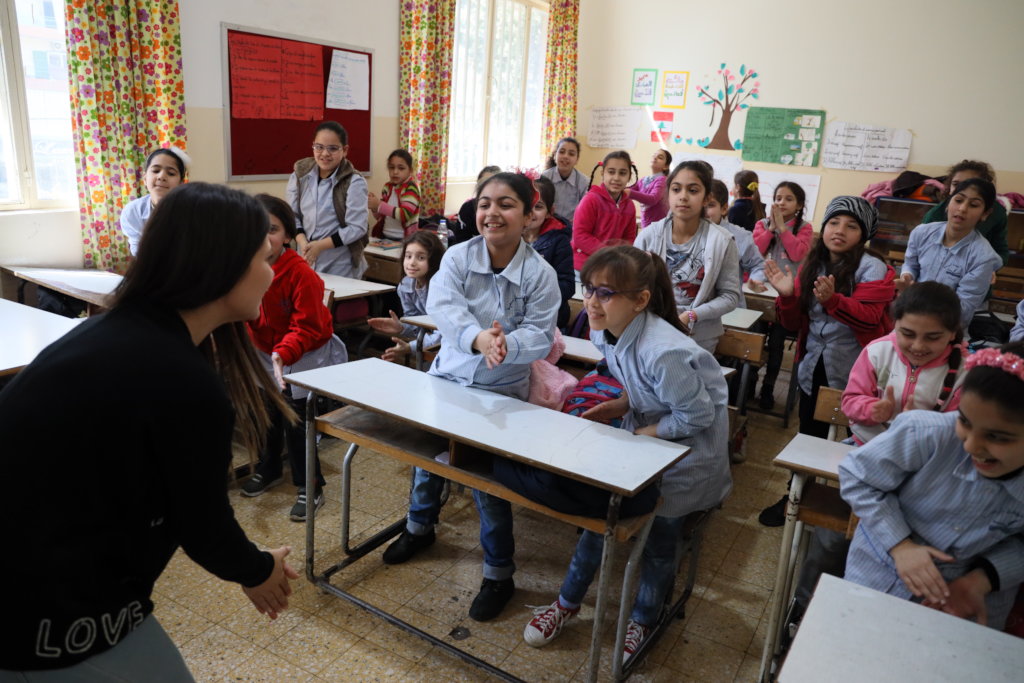
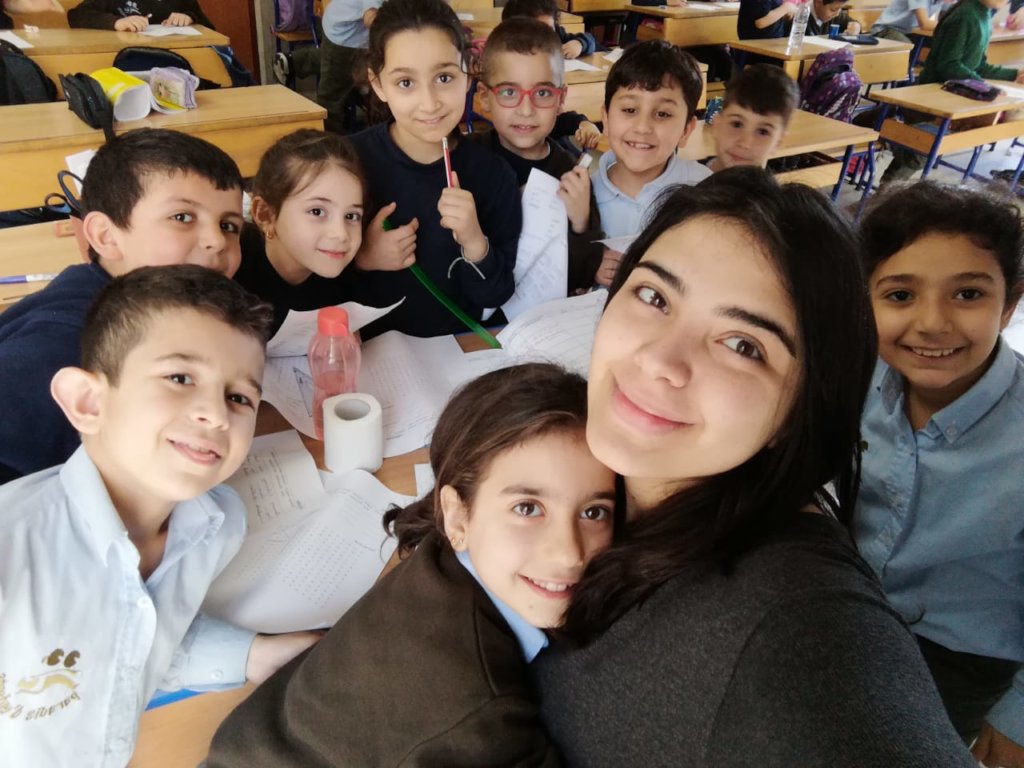
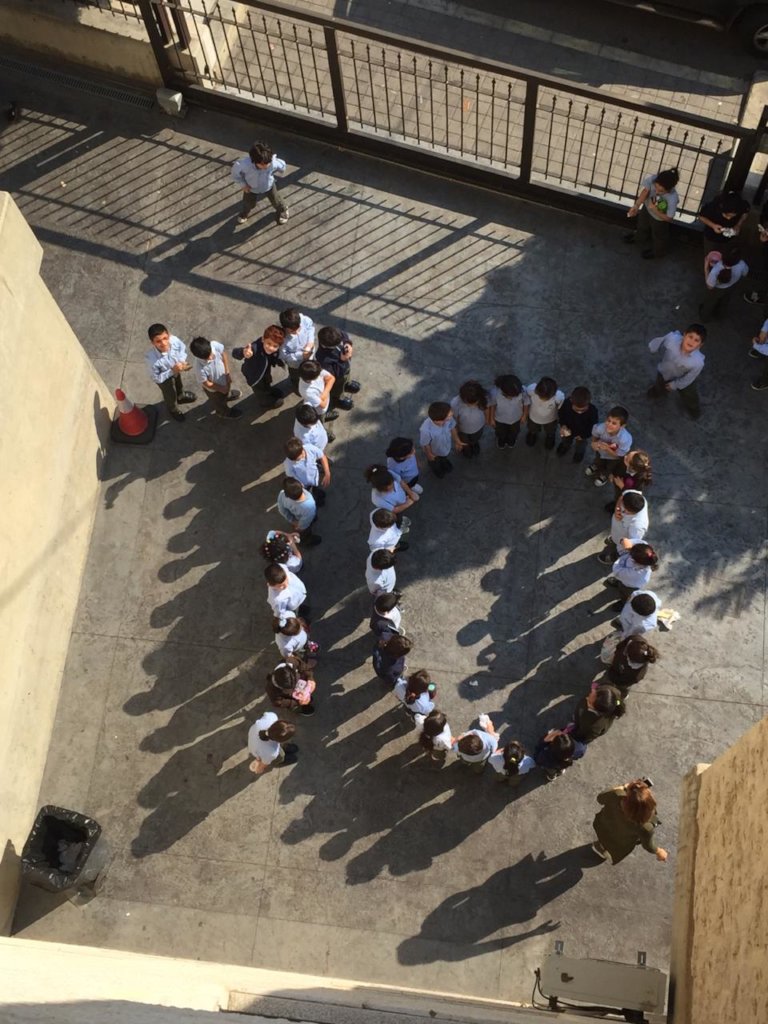
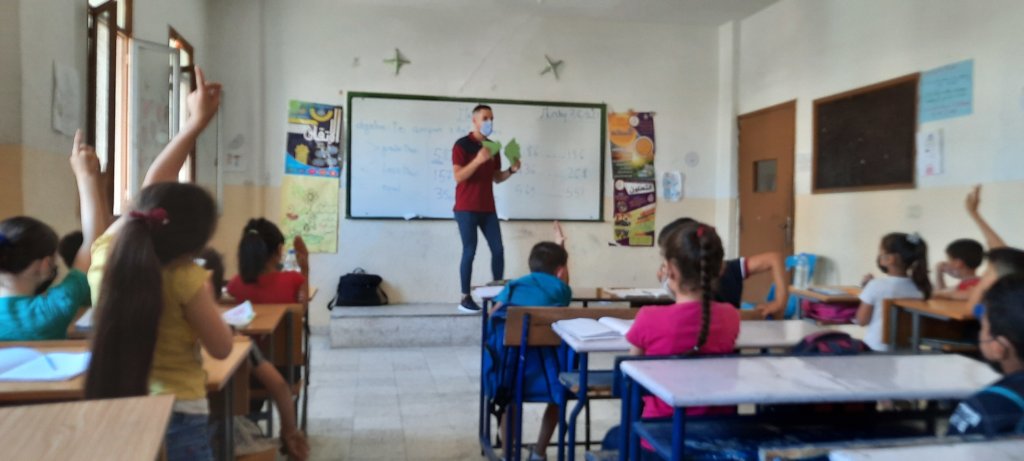
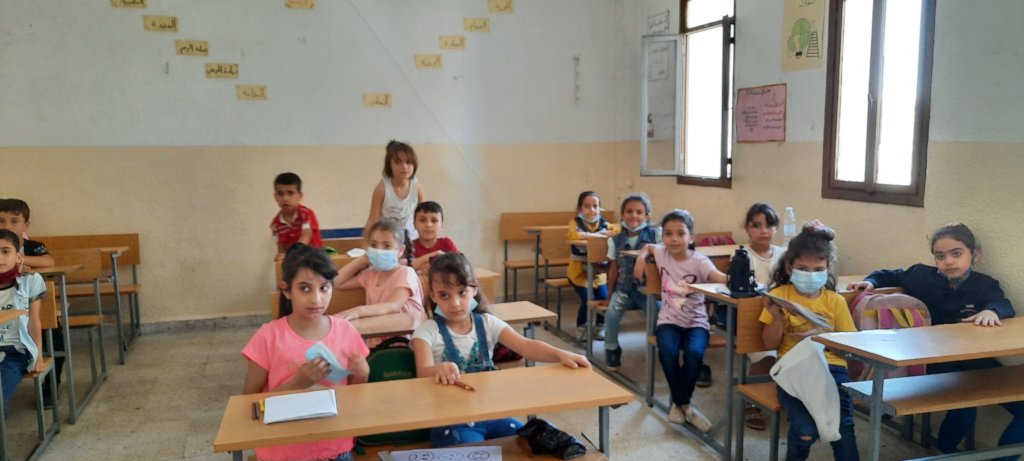
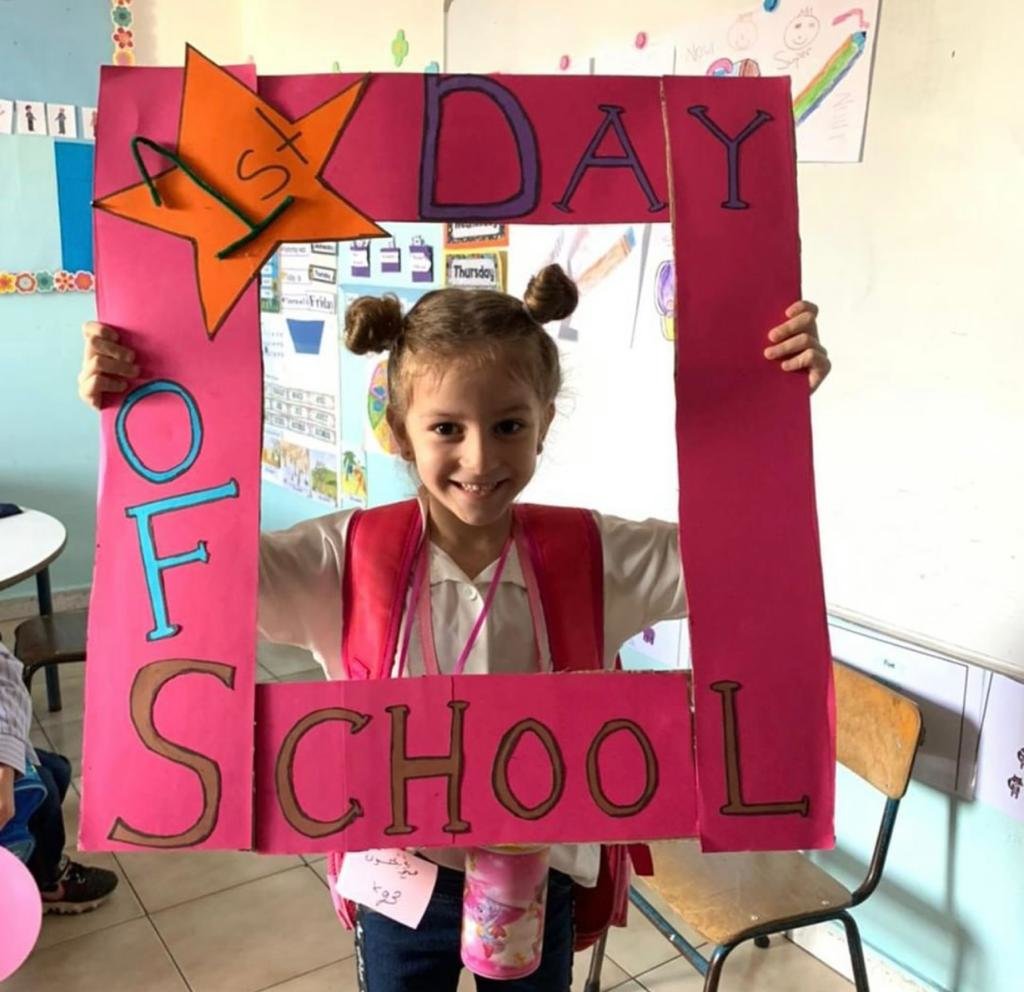
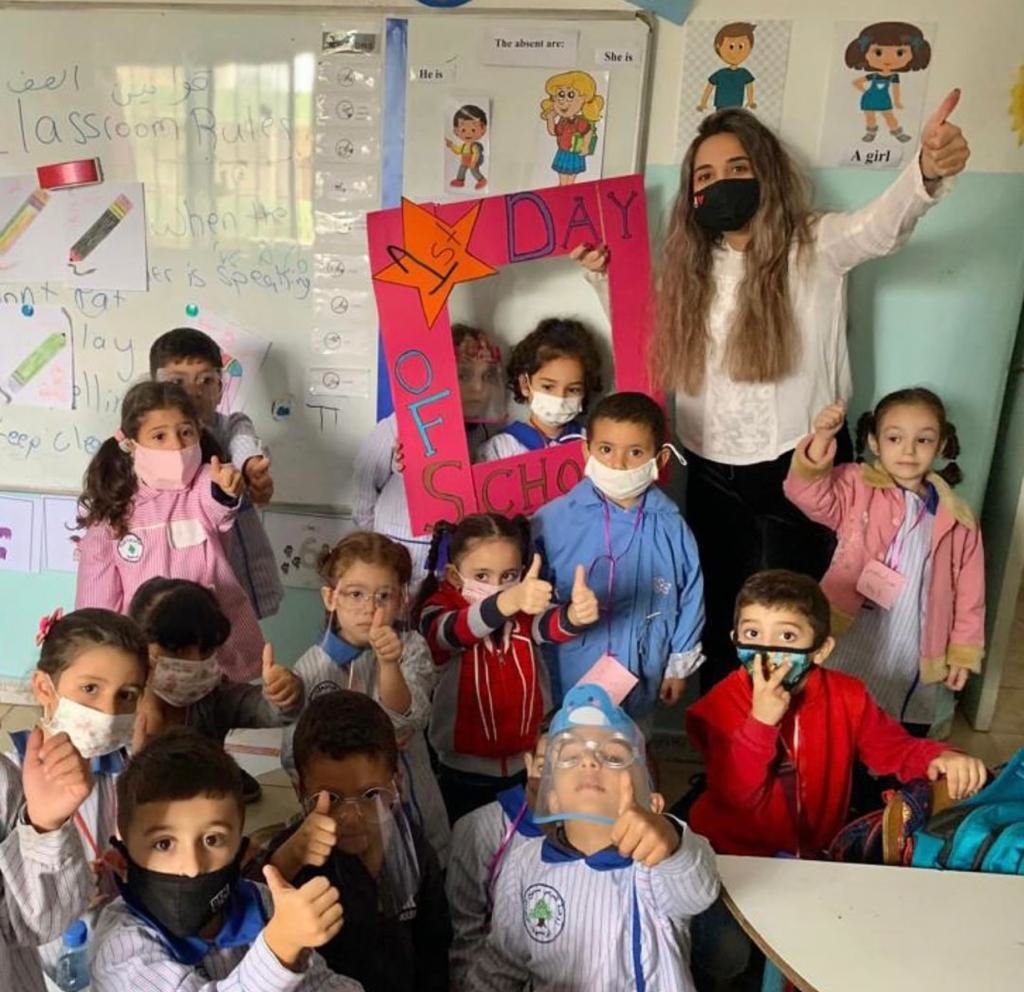
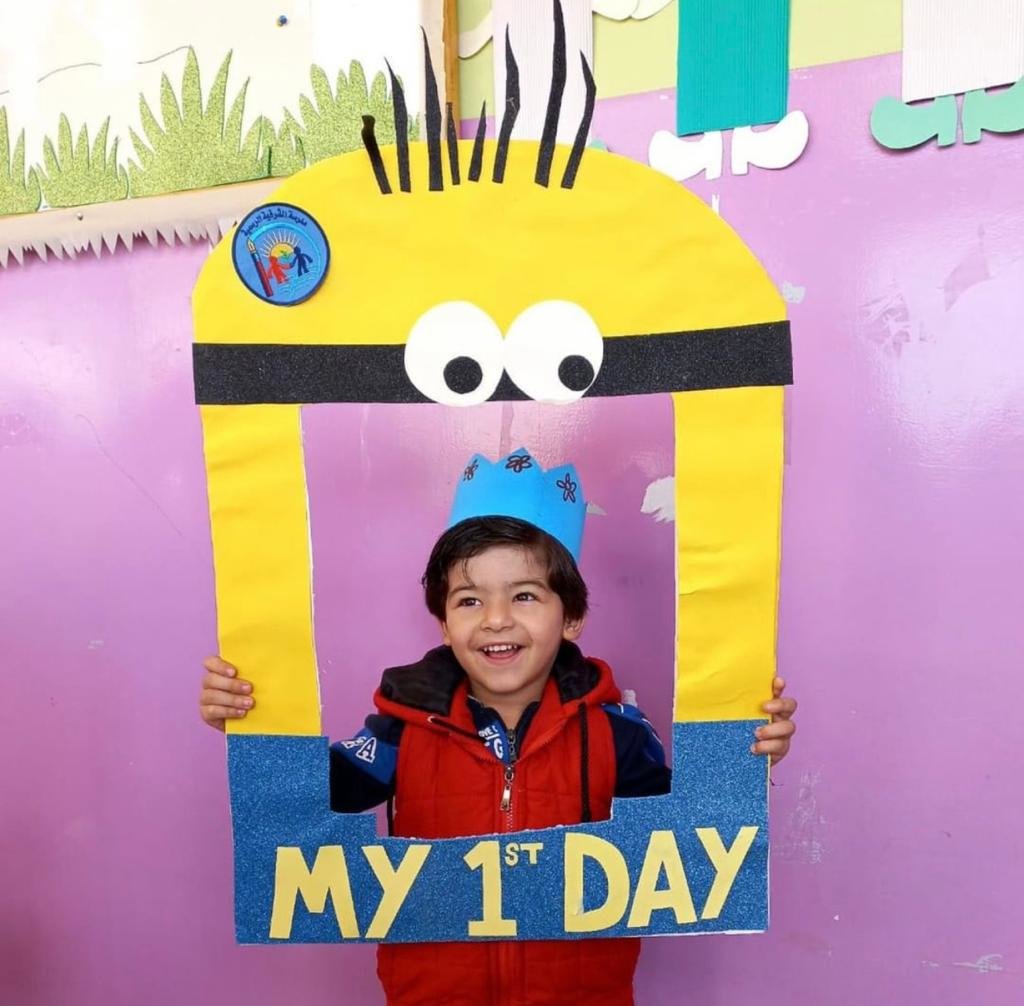
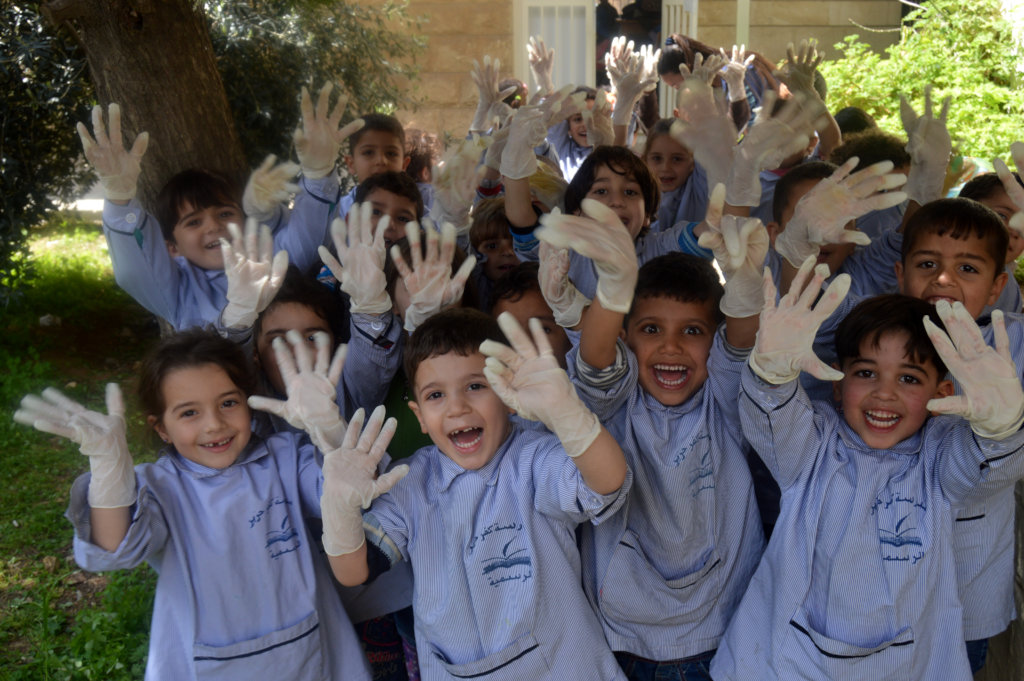
Going back to school is a time for celebration for children around the world, where they are excited to reunite with their friends after a long gap. This year in Lebanon, the long-awaited event of going back to school carries a significant burden on families.
In a press conference on August 23, Lebanese caretaker Education Minister Tarek Majzoub announced that public schools will start classes on September 27, to be followed by private schools between September and early October. Majzoub declaired "It is prohibited to close schools, and we have decided to return to attendance teaching in schools, secondary schools, colleges, and universities".
The announcement came amid concerns among parents about the unfavorable situation in Lebanon, which is facing a myriad of crises, including a financial downturn that has seen poverty rates soar to reach 78 percent of the population. Majzoub acknowledged the concerns of families across Lebanon and addressed the financial aspect of going back to school. In an attempt to ease their burden the official said that stationery will be provided for classes in public schools for the first two cycles.
While this was a good first step, a collective effort is still required to tackle other immediate needs. Pre-COVID 19 learning levels were already low with only 6.3 years of learning taking place. The pandemic necessitated long school closures, with limited remote learning opportunities. Rising poverty levels is also causing significant pressure on children to drop out of school so that they can work. Children in Lebanon are facing a “lost year” of learning with long-term consequences. This further exacerbates Lebanon’s low human capital indicators, putting it among the lowest in the region.
In collaboration with the Ministry of Education and Higher Education, the World Bank and other partners estimated that 87,000 students in grades 7 to 12 are at risk of dropping out from public schools. Thus, Teach For Lebanon urges you to contribute to this collective effort of reducing the burden on households, by donating to Books for Lebanon project on GlobalGiving.
Project reports on GlobalGiving are posted directly to globalgiving.org by Project Leaders as they are completed, generally every 3-4 months. To protect the integrity of these documents, GlobalGiving does not alter them; therefore you may find some language or formatting issues.
If you donate to this project or have donated to this project, you can receive an email when this project posts a report. You can also subscribe for reports without donating.