By Kali L Kirkendall | Executive Director
Hey everyone,
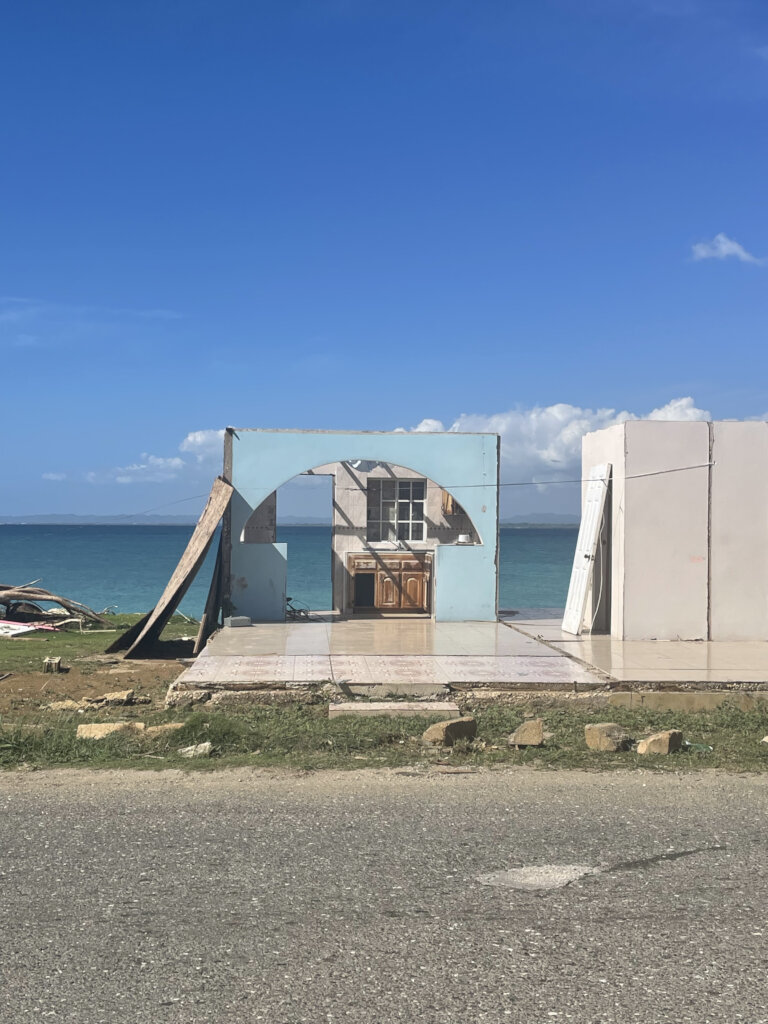
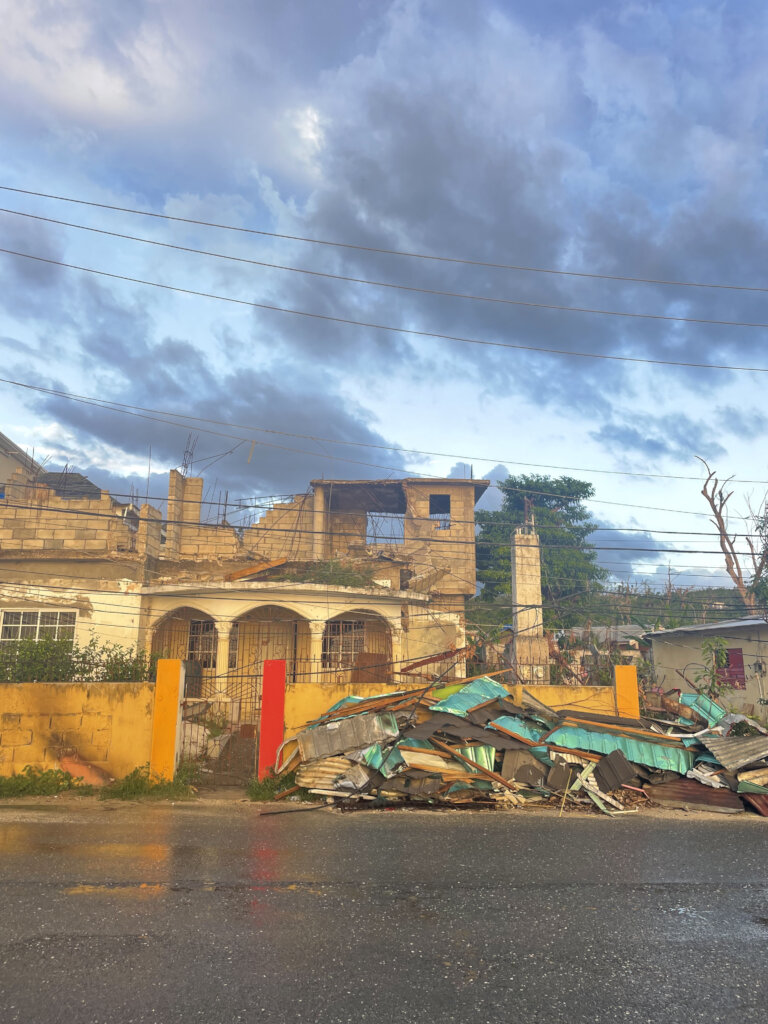
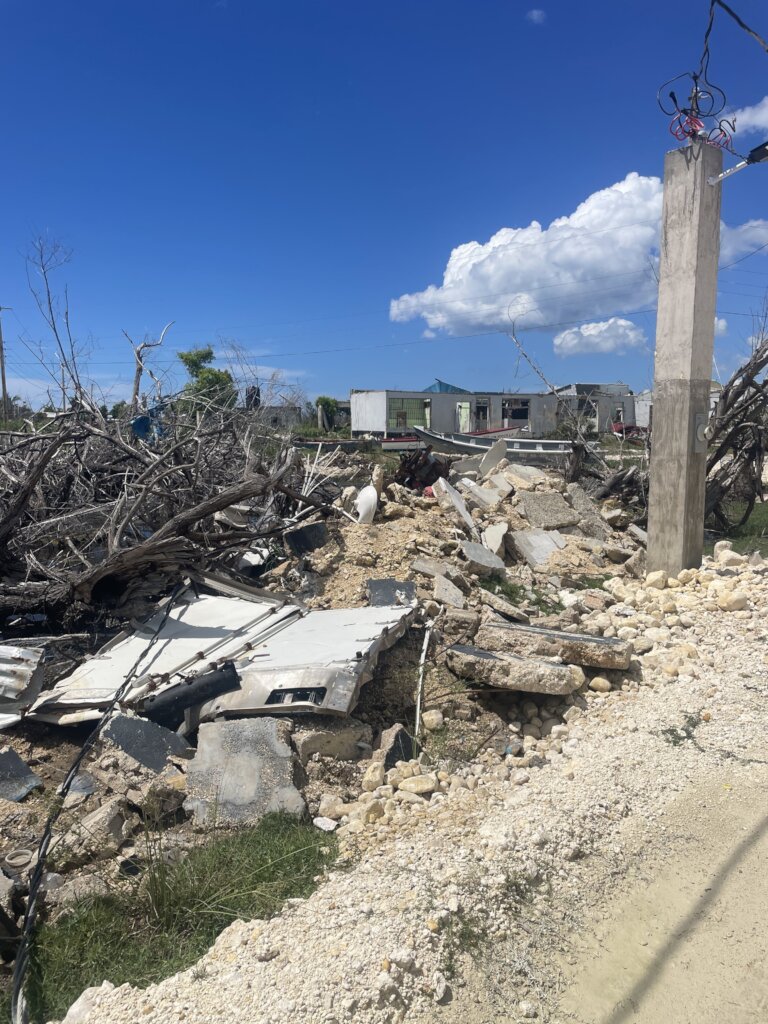
Thank you! Because of your support, our work in Jamaica has moved from emergency recovery to long-term resilience.
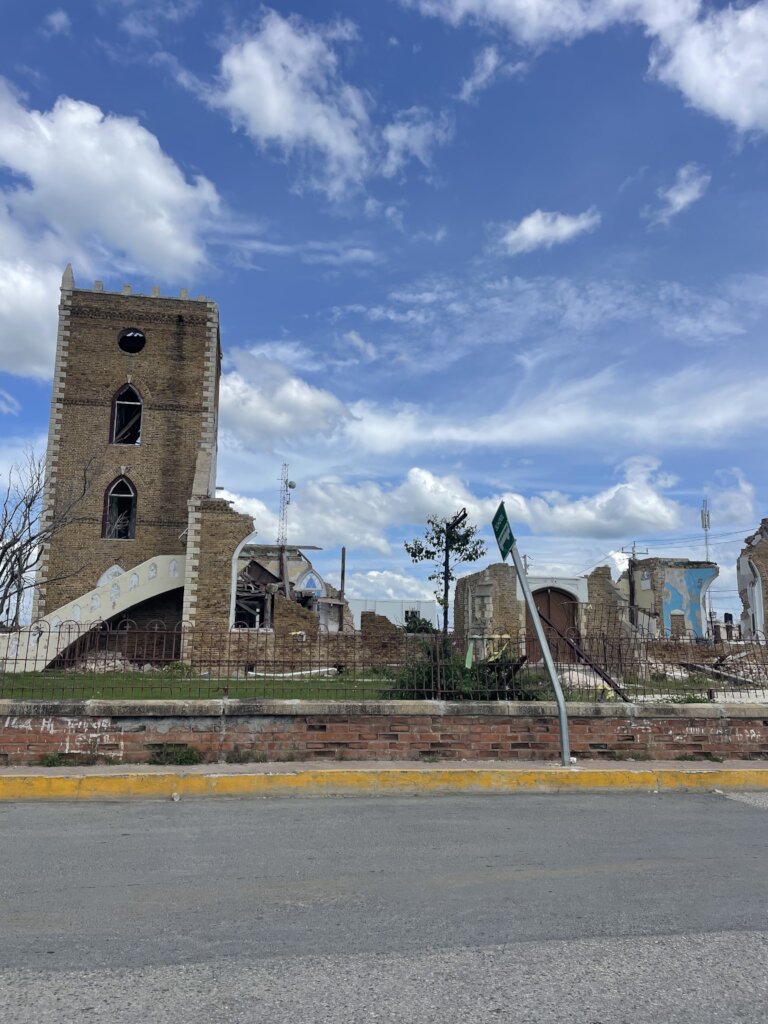
Nearly a year after Hurricane Melissa, the farms we helped rebuild are growing and selling again. At the first annual Blue Foods Conference, we built new partnerships across Jamaica. Now we are turning those partnerships into FEAST Centers, research and training. Here is what your gifts have made possible.
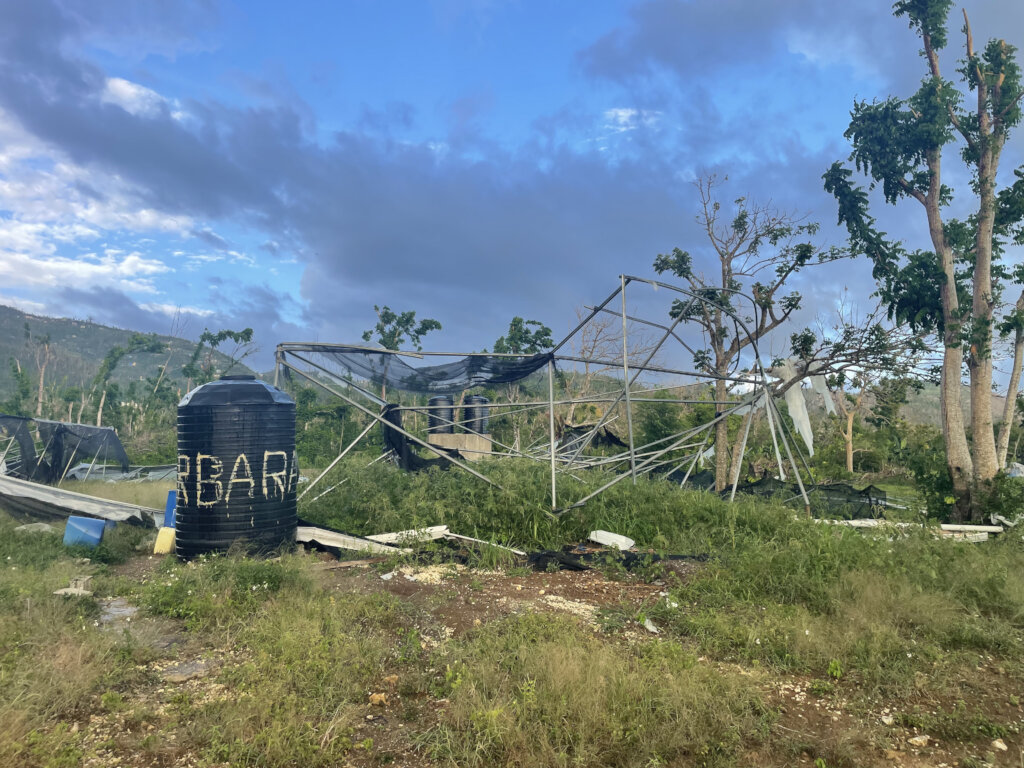
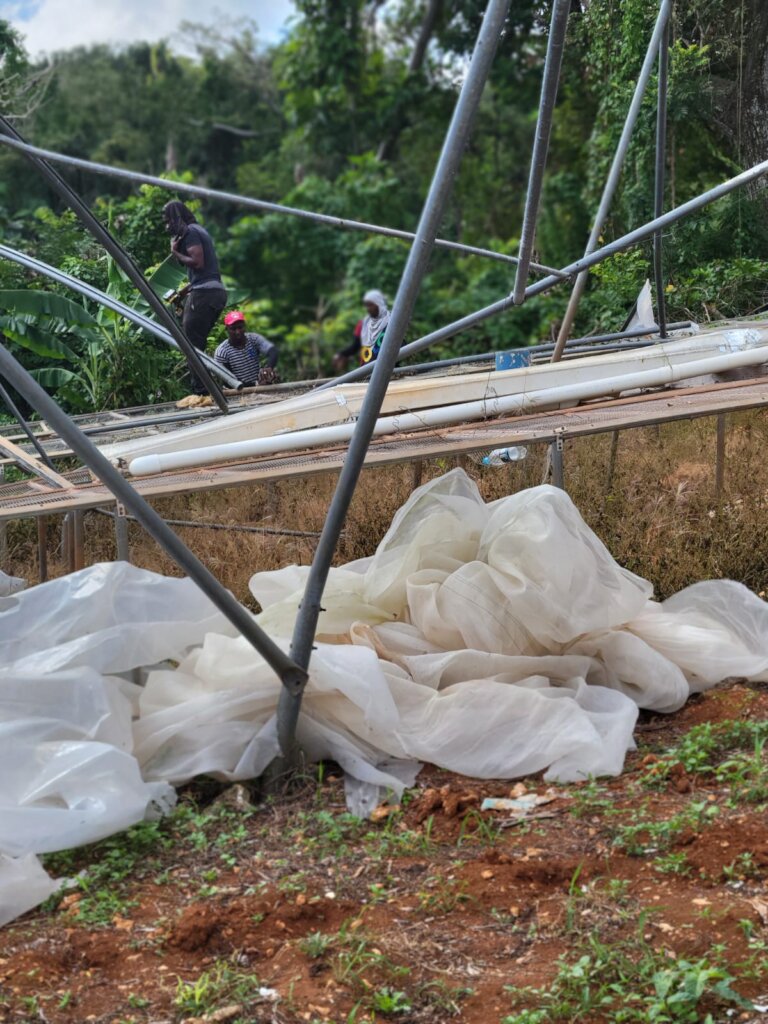
Recovery: rebuilding the farms that anchor their communities
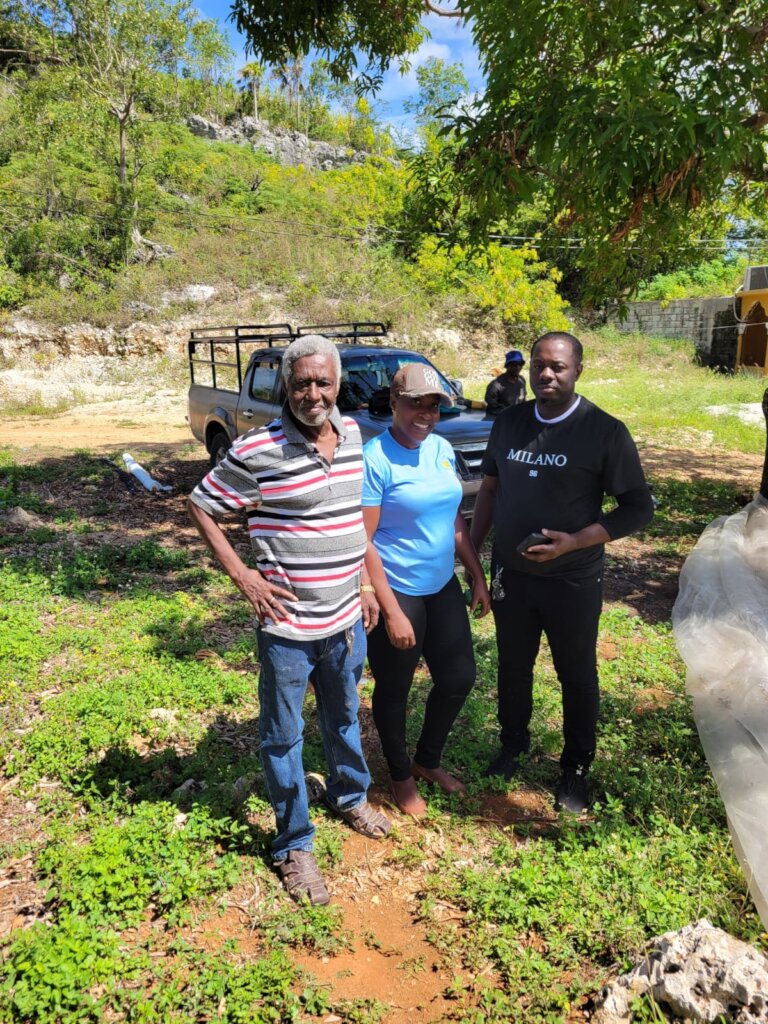
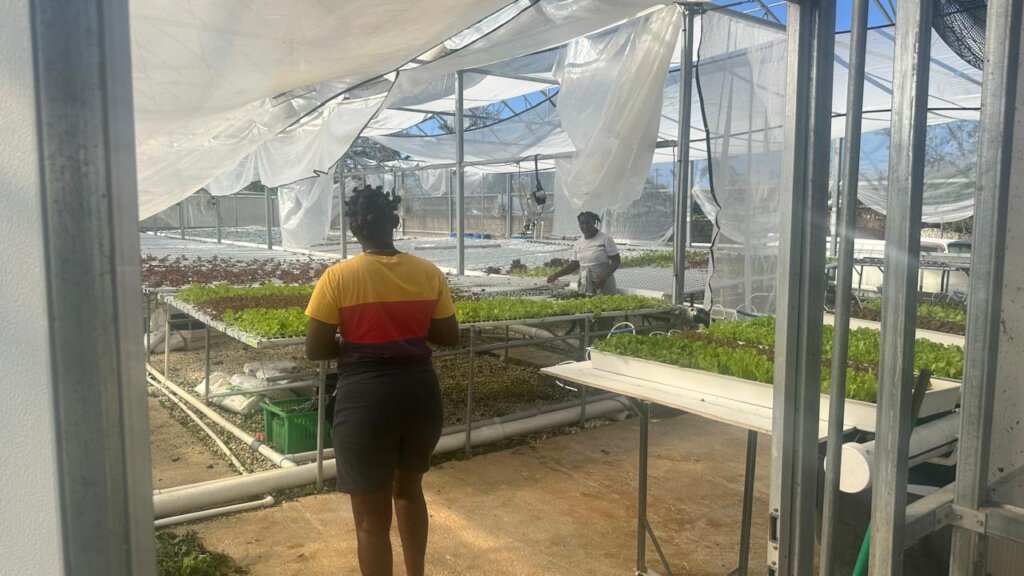
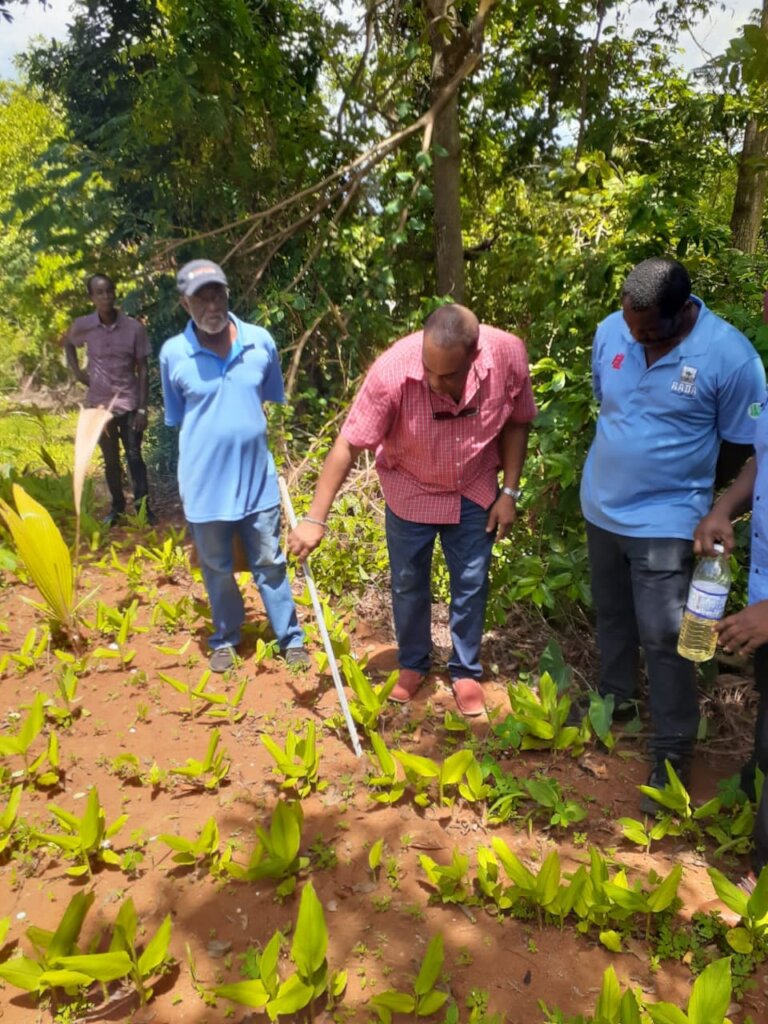
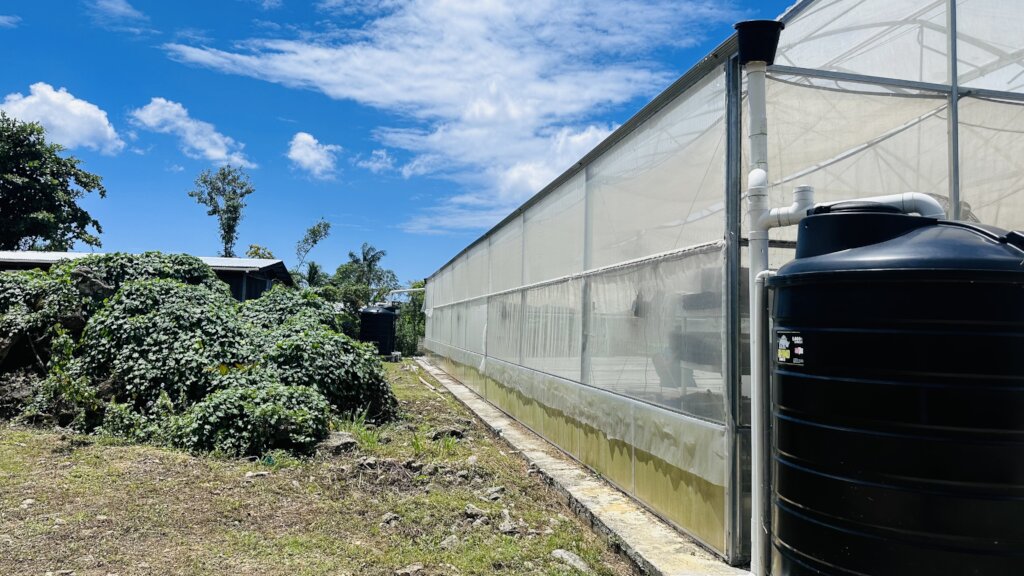
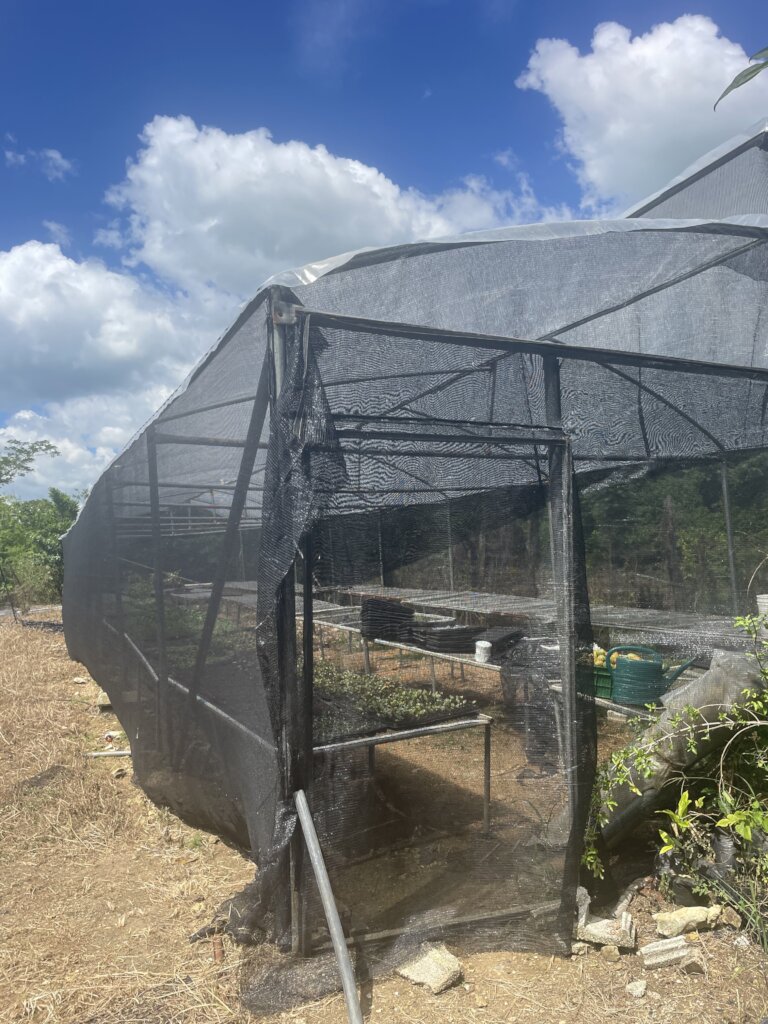
Our SULA recovery grants of $2,000 to $5,000 focus on farms that other farmers depend on, so each grant reaches far beyond a single farm:
Each of these is a pillar of its farming community. When they recover, their neighbors recover too.
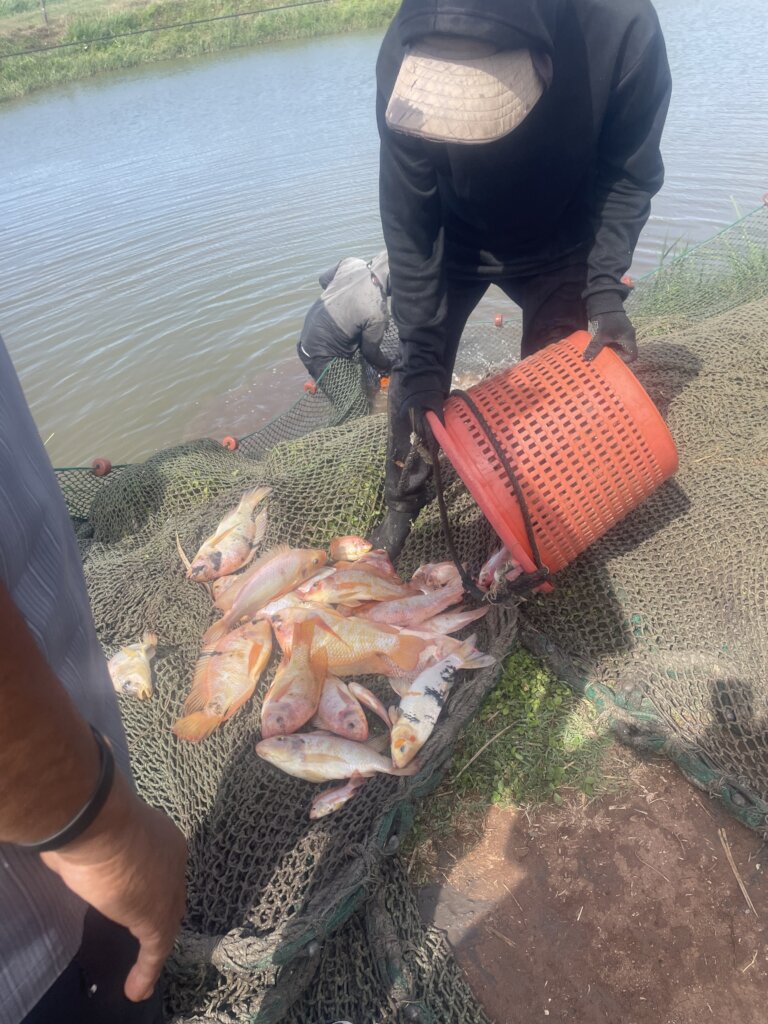
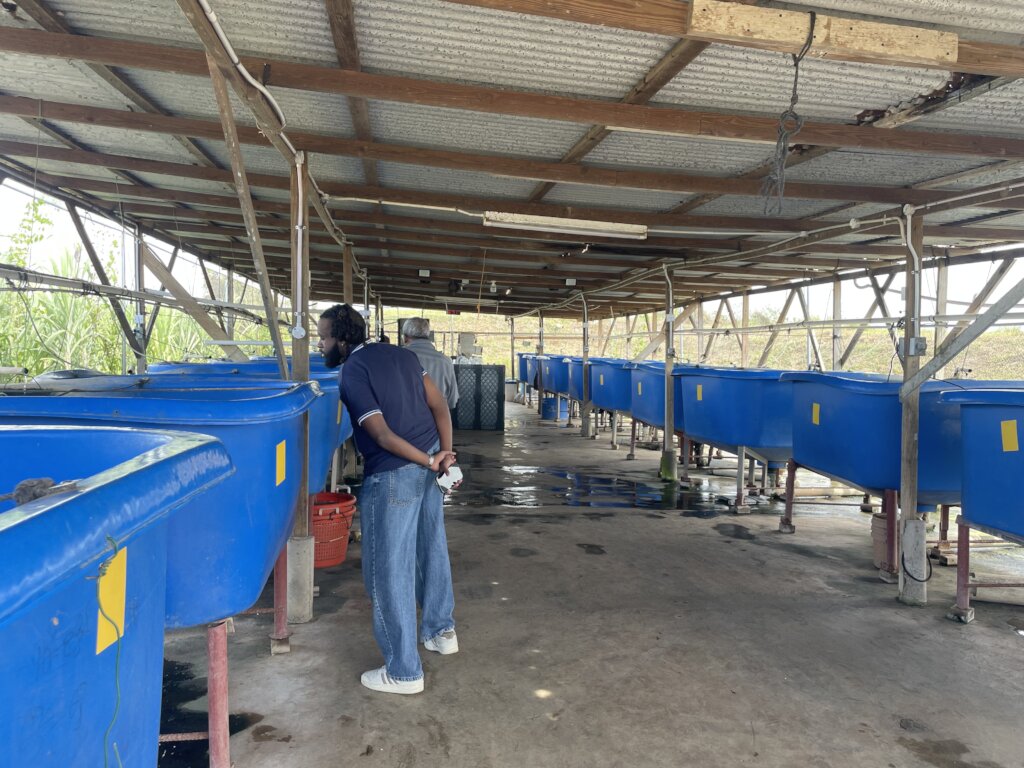
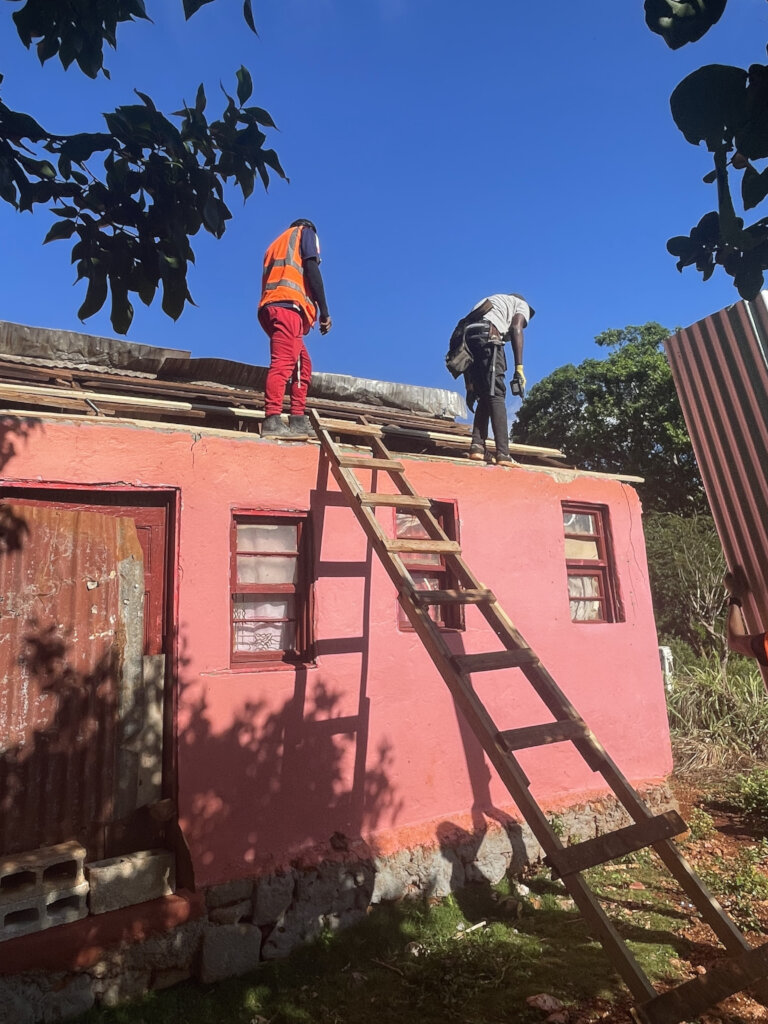
We have also worked an apiary who is back to producing honey, an aquaculture farm who has been able to get fish back to market. A partner organization that helps rebuild roofs with water catchment so both home and farm have a water supply. Little steps, that can make a real and lasting difference in the lives of the people we work with and for.
The Blue Foods Conference
On September 29 and 30, we joined the first annual Blue Foods Conference in Kingston, organized by the Caribbean Aquaculture, Education & Innovation Hub. It brought farmers, researchers, youth, nonprofits and private growers working on blue foods in Jamaica into one room to share what works and plan together.
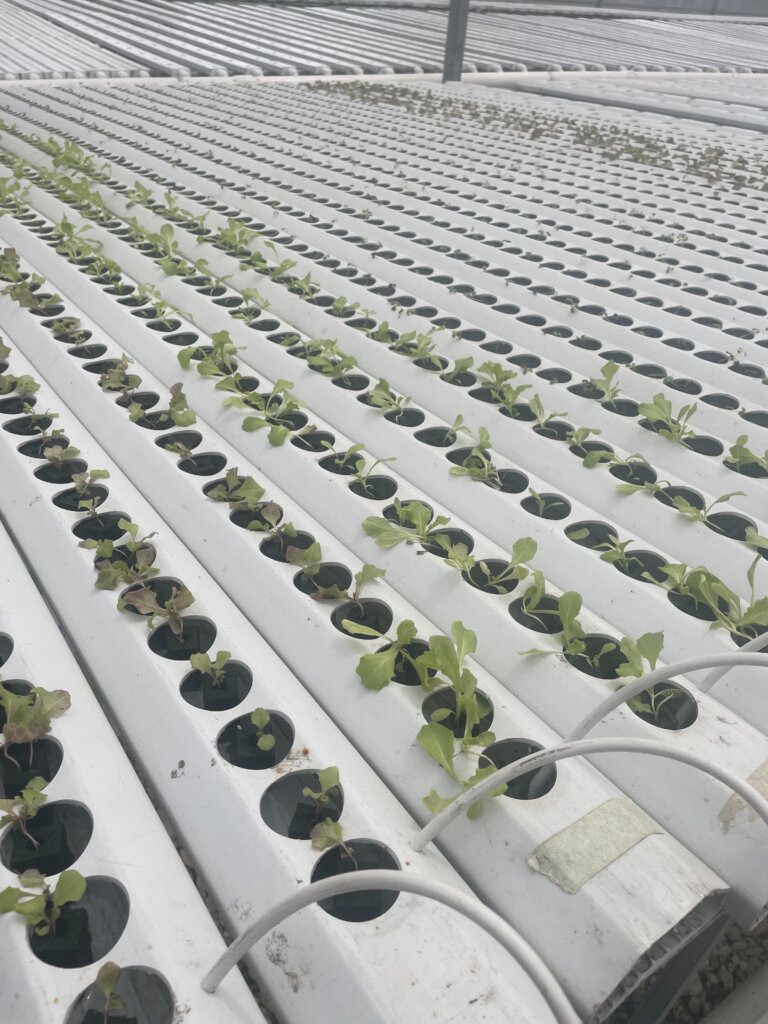
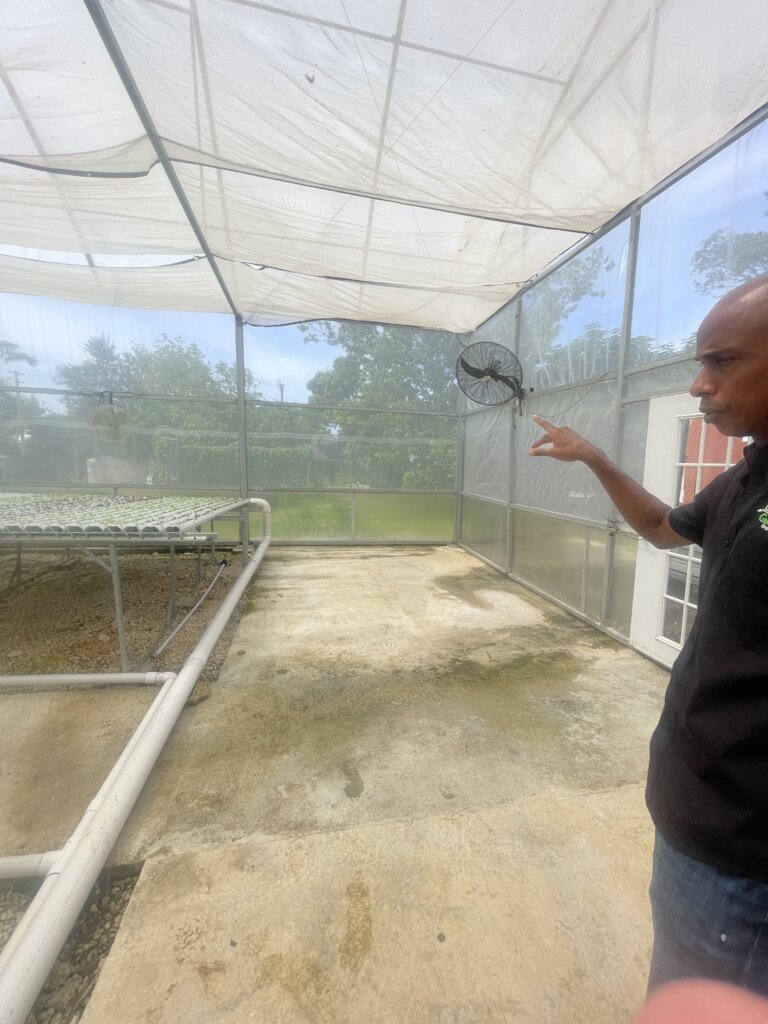
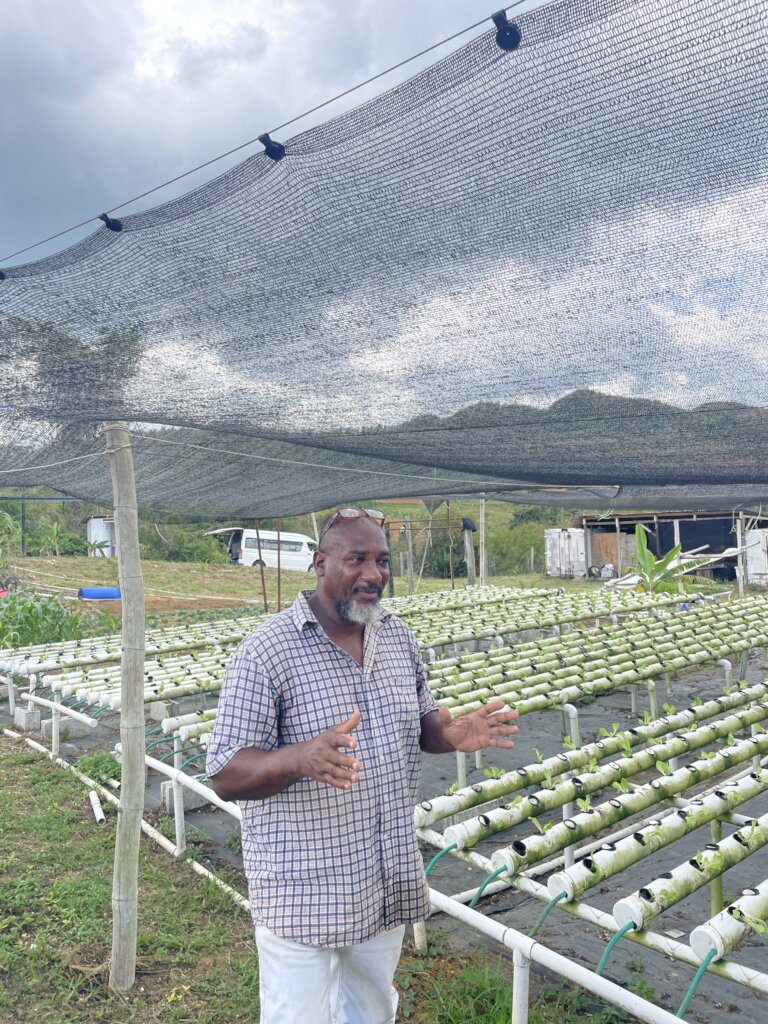
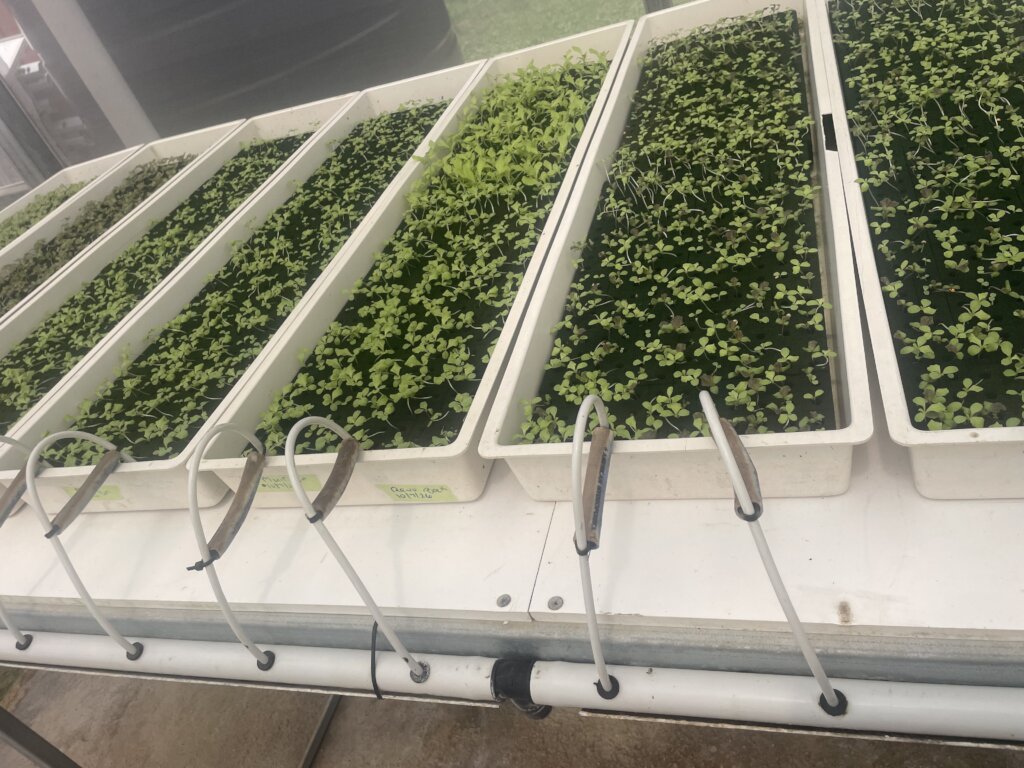
Two days of farm tours followed on October 1 and 2. We sponsored a tour of Paul Barrett's aquaponics farm in Manchester, so participants could see a working system up close. The conference gave us the partnerships behind everything that comes next.
New partnerships
Our work in Jamaica now rests on a wide network of partners:
Building next
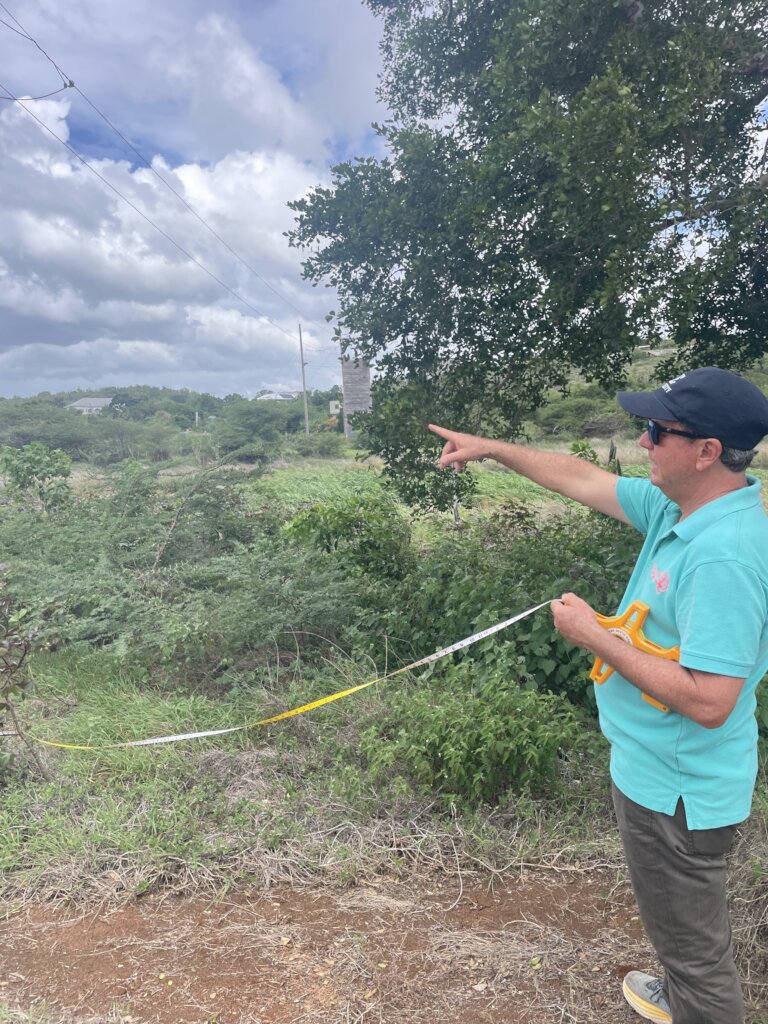
FEAST Centers. Our goal is to finish our first two Jamaican FEAST Centers, in Kingston and Treasure Beach, by the end of 2026, with International Samaritans Jamaica and BREDS. They will be hands-on hubs for training in climate-smart blue foods, handed over to local partners to run. We are also working toward centers in Westmoreland and Manchester.
Seaweed demonstrations. With the Hub and our university partners, we are planning seaweed farming demonstrations at two sites. Seaweed needs no fresh water, feed or fertilizer, and these pilots will show how it can feed families and support coastal livelihoods.
Shrimp farming in Westmoreland. With a partner, we are developing a large-scale shrimp project in Westmoreland, set to begin in early 2027.
Looking ahead to 2027
Once the first FEAST Centers are built, 2027 is when this work scales up:
Coming in fall 2027: Blue Foods Caribe. At the end of the 2027 hurricane season, we will launch Blue Foods Caribe, an interactive map of blue foods across the Caribbean. Blue Atlas will be navigating the Caribbean to map all Blue Food entities. It will help farmers, researchers and partners find each other and share what works, so the region can recover faster after every storm.
Every gift, support, share helps a Jamaican farmer, family or community grow more of its own food. Thank you for standing with Jamaica.
Links:
Project reports on GlobalGiving are posted directly to globalgiving.org by Project Leaders as they are completed, generally every 3-4 months. To protect the integrity of these documents, GlobalGiving does not alter them; therefore you may find some language or formatting issues.
If you donate to this project or have donated to this project, you can receive an email when this project posts a report. You can also subscribe for reports without donating.


Support this important cause by creating a personalized fundraising page.
Start a Fundraiser