Blue Revival: Restoring Ocean Health.

by Progress Yetu Group
Play Video
Blue Revival: Restoring Ocean Health.

Project Report | Jul 18, 2026
Months of change that created an impact

By Kellen Muthoni Mbungu | Project leader


Blue Revival ProjectOcean Pollution Clean-up Project Report

Project Name: Blue Revival Project – Ocean Pollution Clean-up Initiative

Reporting Period: January 2026 – June 2026

Implementing Organization: Progress Yetu Group

Project Location: Coastal communities, Kenya

Total Funds Utilized: USD 10,500

Executive Summary

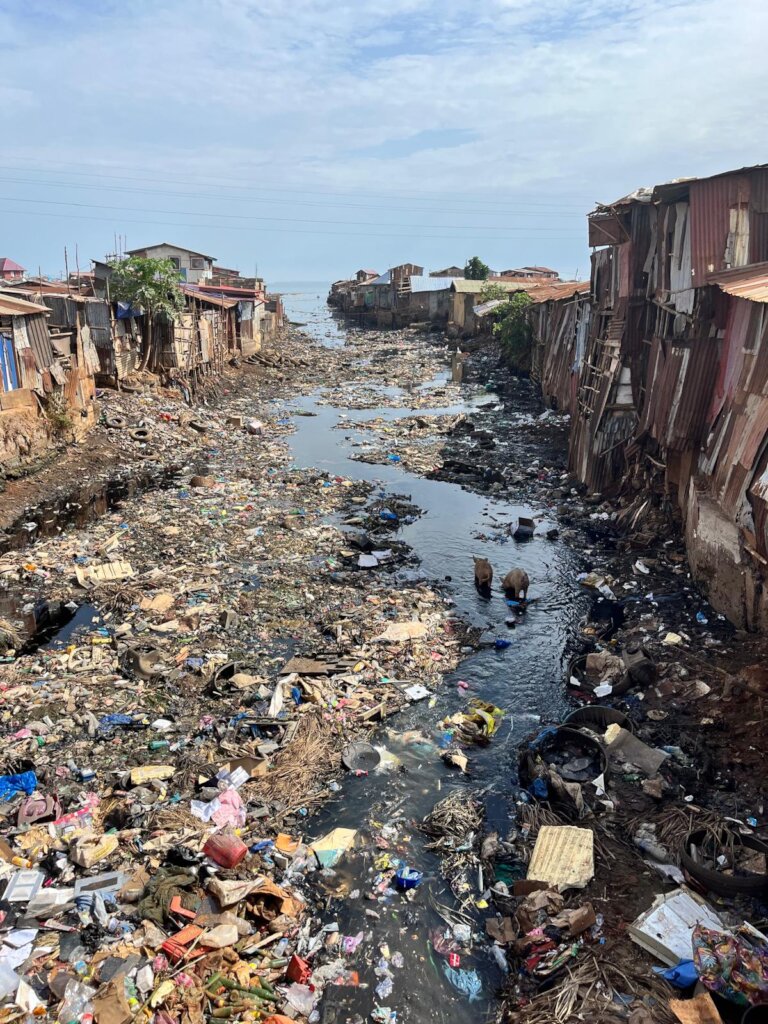
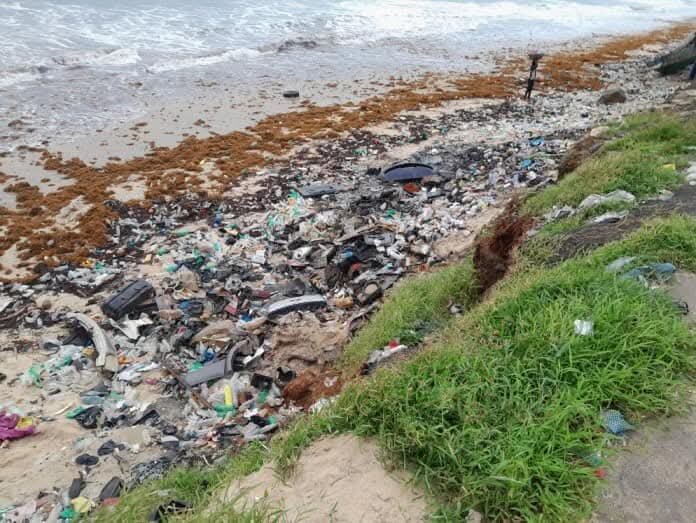
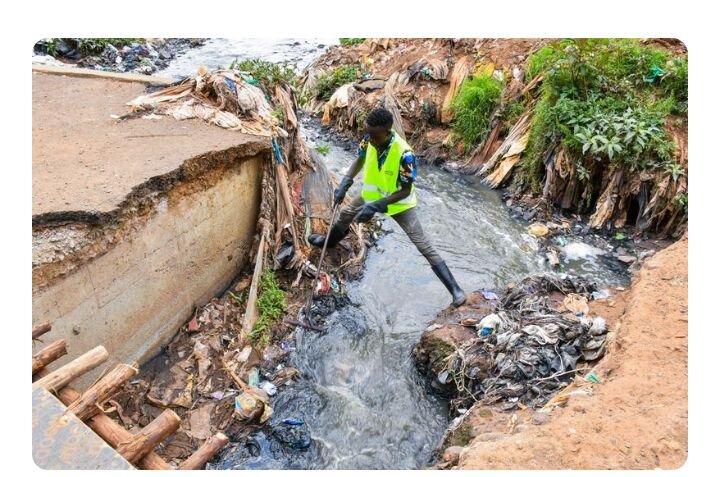
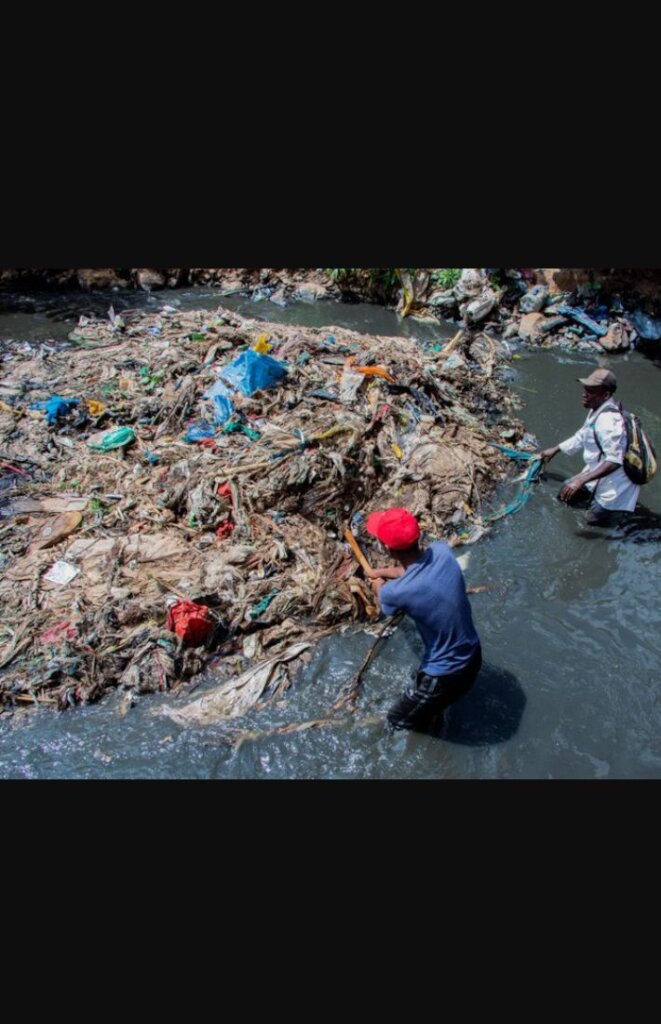
The Blue Revival Project successfully utilized a grant of USD 10,500 to remove plastic waste and other pollutants from targeted coastal and marine ecosystems. The project mobilized community volunteers, environmental experts, youth groups, and fishermen to restore marine habitats while raising awareness about ocean conservation.

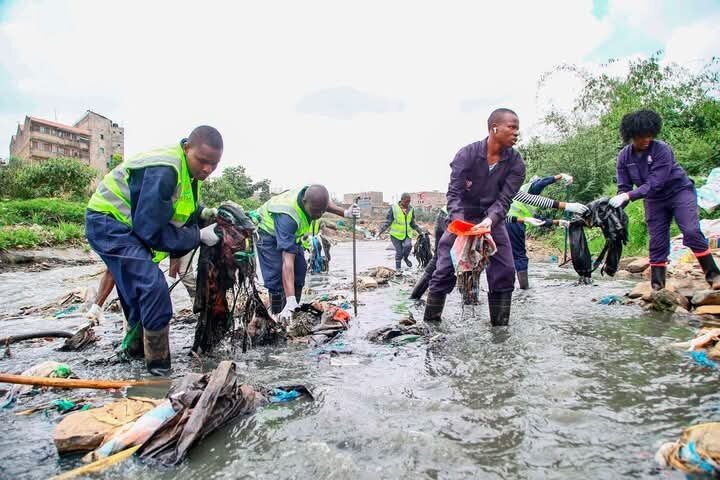
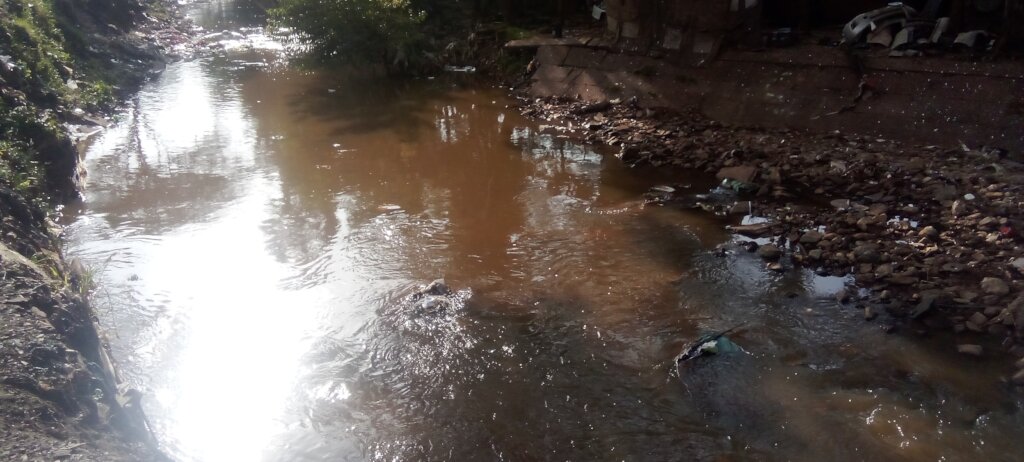
During the implementation period, the project removed an estimated 28 metric tons of plastic waste, fishing nets, bottles, and other debris from beaches, mangrove areas, and nearshore waters. More than 800 community members participated in environmental education activities, and over 1,500 indigenous mangrove seedlings were planted to restore degraded coastal ecosystems.

Project Objectives

  • Remove marine plastic pollution from targeted coastal areas.
  • Restore marine ecosystems and biodiversity.
  • Improve environmental awareness among local communities.
  • Strengthen community participation in ocean conservation.
  • Promote sustainable waste management practices.

Activities Implemented1. Community Mobilization

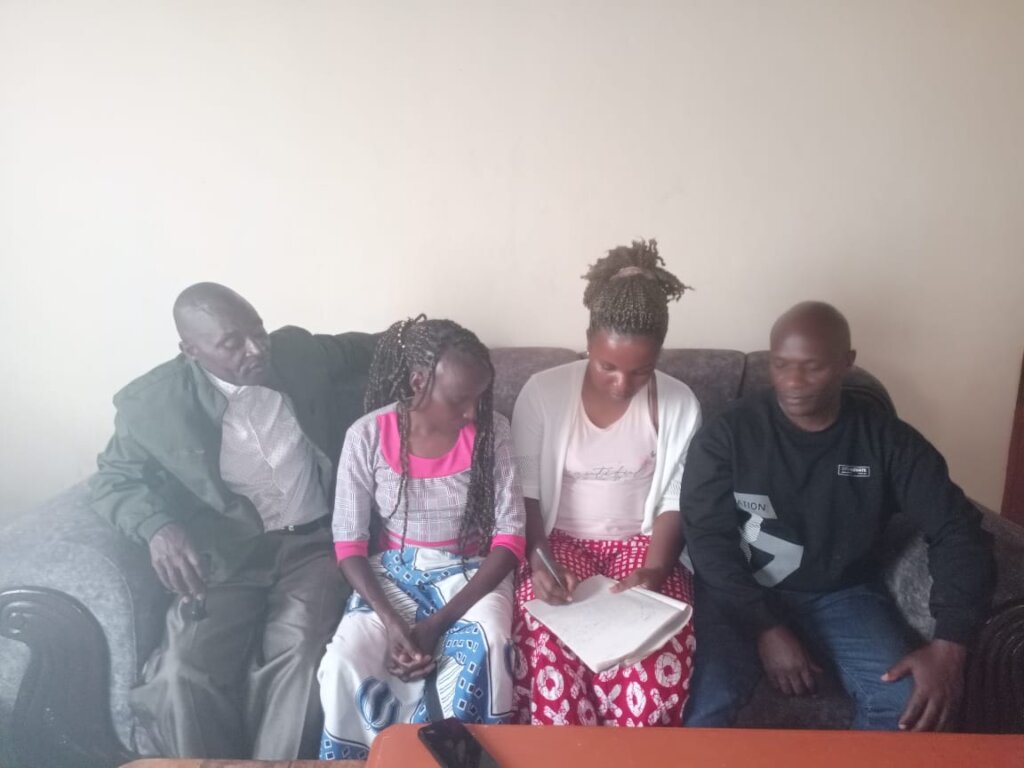
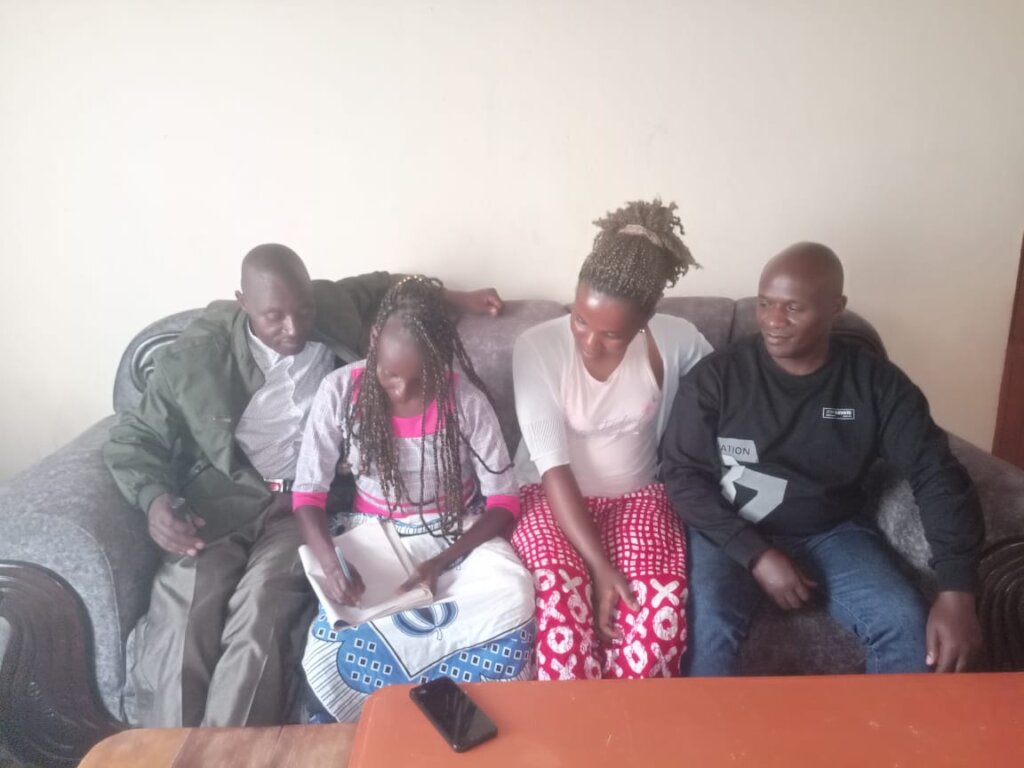
  • Conducted stakeholder meetings.
  • Recruited local volunteers.
  • Partnered with fishermen and youth groups.

Participants: 220 volunteers

2. Ocean and Beach Clean-up

Activities included:

  • Beach clean-up campaigns
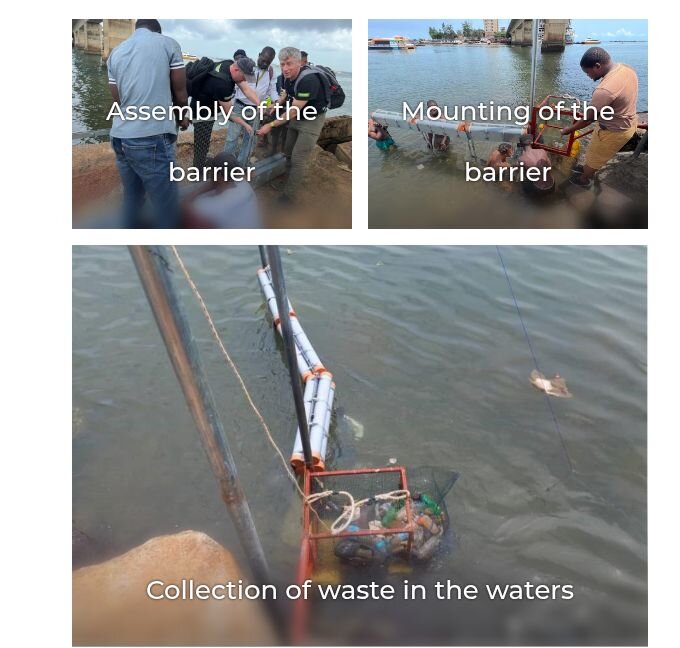
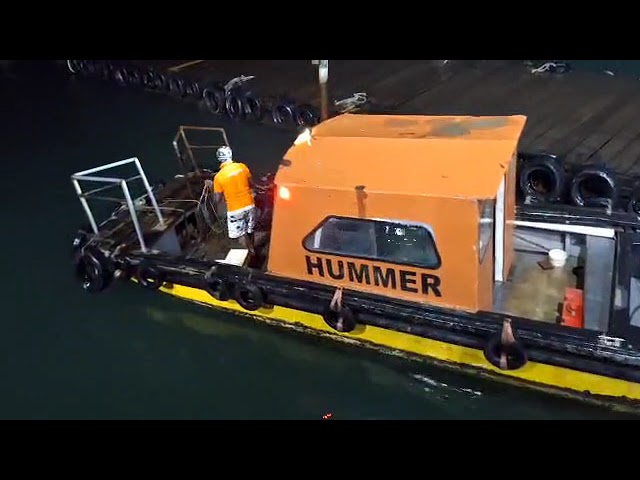
  • Removal of ghost fishing nets
  • Collection of plastic bottles
  • Removal of tyres and metal waste
  • Waste sorting

Outputs

  • 28 metric tons of waste removed
  • 7 clean-up events completed
  • 18 km of coastline restored

3. Waste Management

Collected waste was sorted into:

  • Plastic recycling
  • Metal recycling
  • Glass recycling
  • Organic waste disposal

Over 75% of collected plastic was delivered to recycling facilities.

4. Environmental Education

The project conducted:

  • School awareness sessions
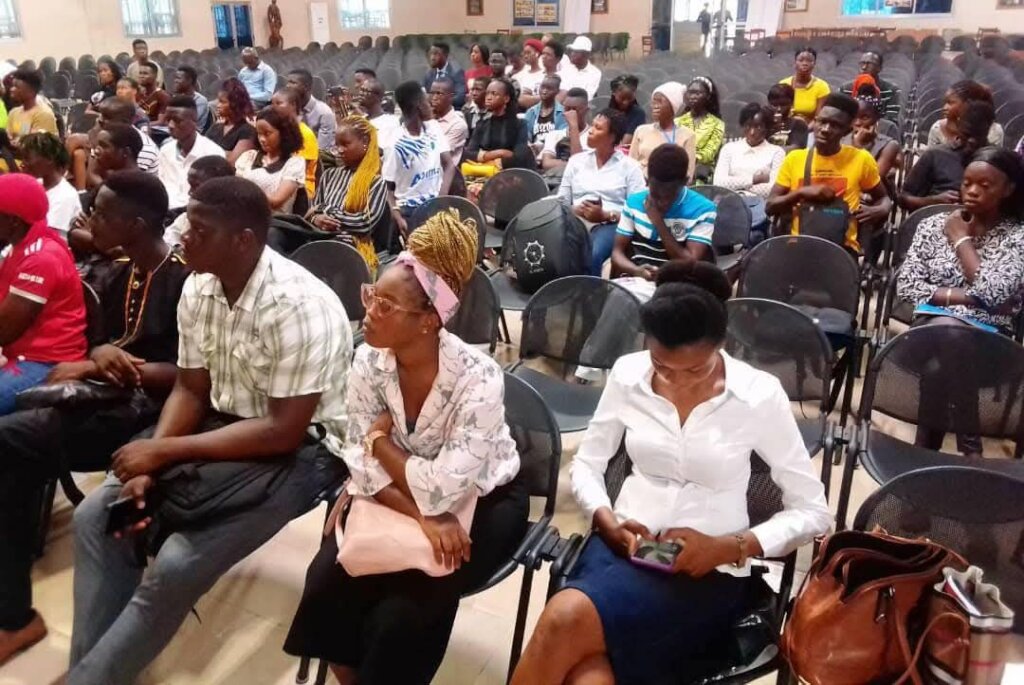
  • Community workshops
  • Beach conservation campaigns

People reached: 800+

5. Mangrove Restoration

  • 1,500 mangrove seedlings planted
  • Community monitoring committees established

Project Results

Indicator

Achievement

Coastline cleaned

18 km

Waste collected

28 metric tons

Volunteers engaged

220

Community members trained

800

Mangrove seedlings planted

1,500

Schools reached

6

Youth groups involved

10

Budget Utilization

Budget Item

Amount (USD)

Clean-up equipment (gloves, boots, litter pickers, bags)

1,850

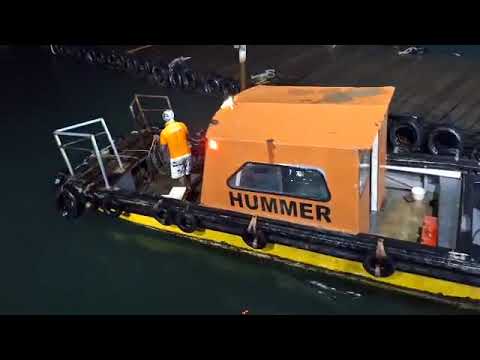
Boats and fuel

1,650

Volunteer meals and refreshments

1,150

Transport and logistics

1,200

Waste collection and recycling

950

Community awareness campaigns

900

Mangrove seedlings and restoration

850

Staff coordination and field supervision

1,250

Monitoring and evaluation

450

Administration and communication

250

Total

10,500

Challenges Encountered

  • Heavy rains delayed some clean-up activities.
  • Difficult access to floating marine debris.
  • High transportation costs.
  • Limited recycling facilities for some waste materials.

Lessons Learned

  • Community ownership significantly improved project sustainability.
  • Youth volunteers increased public awareness through peer education.
  • Partnerships with local authorities improved waste disposal efficiency.
  • Continuous environmental education is essential to prevent future pollution.

Sustainability Plan

The project will continue through:

  • Monthly volunteer clean-up events.
  • School environmental clubs.
  • Partnerships with local governments.
  • Expansion of recycling initiatives.
  • Annual mangrove restoration campaigns.

Beneficiary Impact

The project directly benefited:

  • Coastal fishing communities.
  • Women and youth groups.
  • Local schools.
  • Marine wildlife through improved habitat quality.
  • Tourism businesses through cleaner beaches.

Financial Accountability Statement

All USD 10,500 received for the Blue Revival Project was used exclusively for approved project activities. Expenditures were documented through invoices, receipts, attendance registers, procurement records, and activity reports in accordance with donor financial accountability requirements.

Conclusion

The Blue Revival Project achieved its planned objectives by restoring coastal environments, reducing marine pollution, and strengthening community stewardship of ocean resources. The grant enabled measurable environmental improvements and increased local participation in conservation efforts. Continued support will allow the project to expand its impact to additional coastal communities and further contribute to healthier marine ecosystems.


Share on Twitter Share on Facebook

About Project Reports

Project reports on GlobalGiving are posted directly to globalgiving.org by Project Leaders as they are completed, generally every 3-4 months. To protect the integrity of these documents, GlobalGiving does not alter them; therefore you may find some language or formatting issues.

If you donate to this project or have donated to this project, you can receive an email when this project posts a report. You can also subscribe for reports without donating.


Sign up for updates

Organization Information

Progress Yetu Group

Location: Nairobi, Eastern - Kenya
Facebook: Facebook Page
Project Leader:
Progress Yetu Group
Nairobi , Eastern Kenya
$45 raised of $75,000 goal
 
2 donations
$74,955 to go
Donate Now
lock
Donating through GlobalGiving is safe, secure, and easy with many payment options to choose from. View other ways to donate

Progress Yetu Group has earned this recognition on GlobalGiving:

Help raise money!

Support this important cause by creating a personalized fundraising page.

Start a Fundraiser

Learn more about GlobalGiving

Teenage Science Students
Vetting +
Due Diligence

Snorkeler
Our
Impact

Woman Holding a Gift Card
Give
Gift Cards

Young Girl with a Bicycle
GlobalGiving
Guarantee

Get incredible stories, promotions, and matching offers in your inbox

WARNING: Javascript is currently disabled or is not available in your browser. GlobalGiving makes extensive use of Javascript and will not function properly with Javascript disabled. Please enable Javascript and refresh this page.