By Kellen Mbungu | Project leader
PROJECT REPORT
River and Ocean Pollution Clean-Up Project – Sierra Leone
Reporting Period: may – September 2025
Implementing Organization: progress Yetu Group
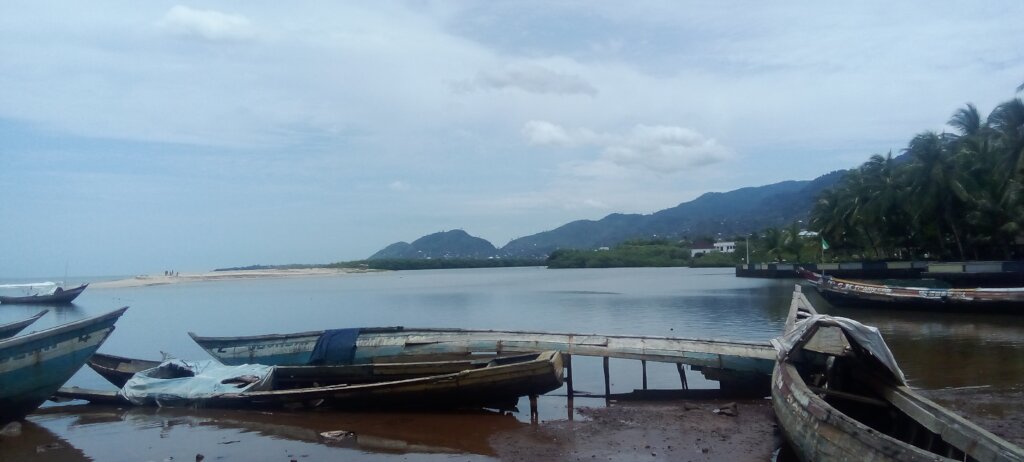
Project Location: Freetown, Sierra Leone and surrounding coastal/riverside communities
Prepared By: Kellen Mbungu
Date:19/09/2025
1. Executive Summary
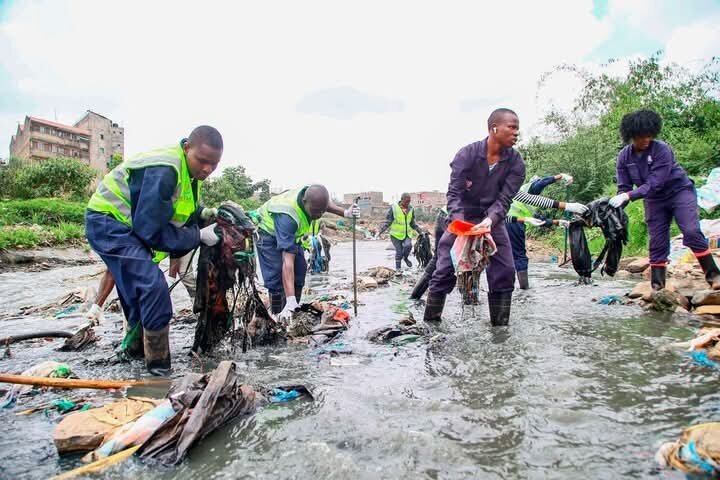
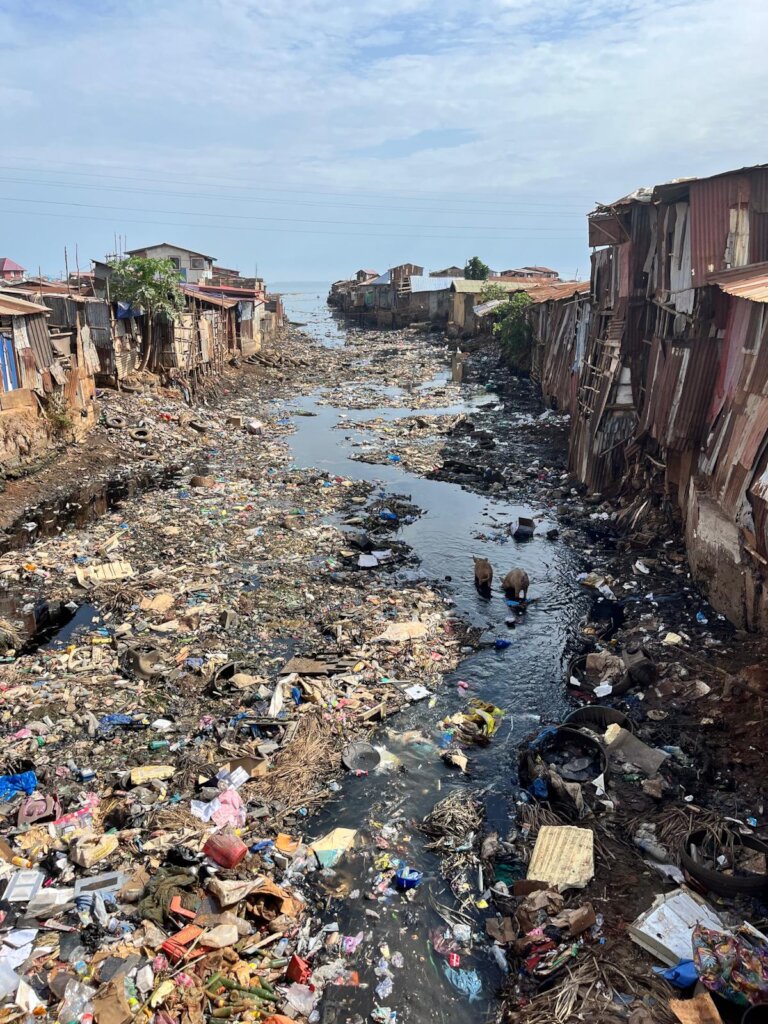
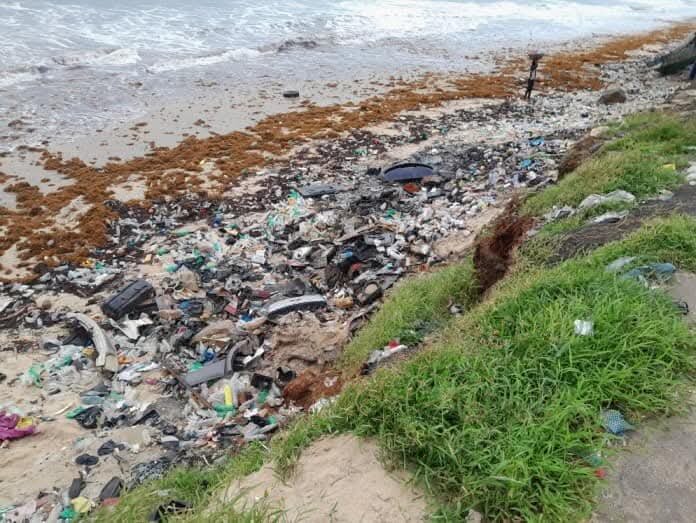
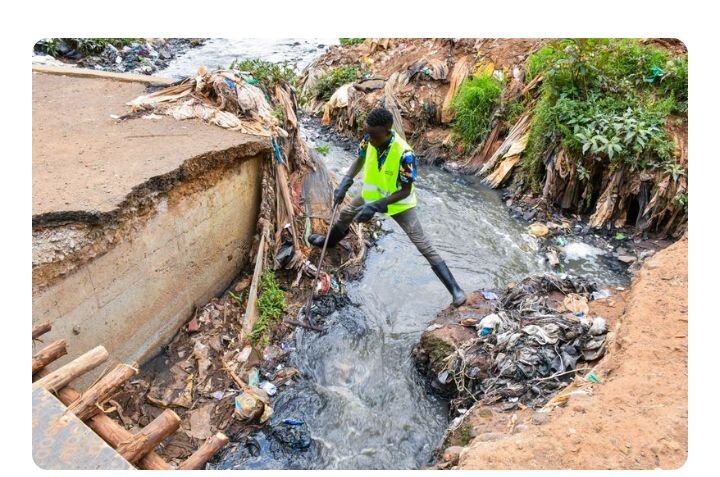
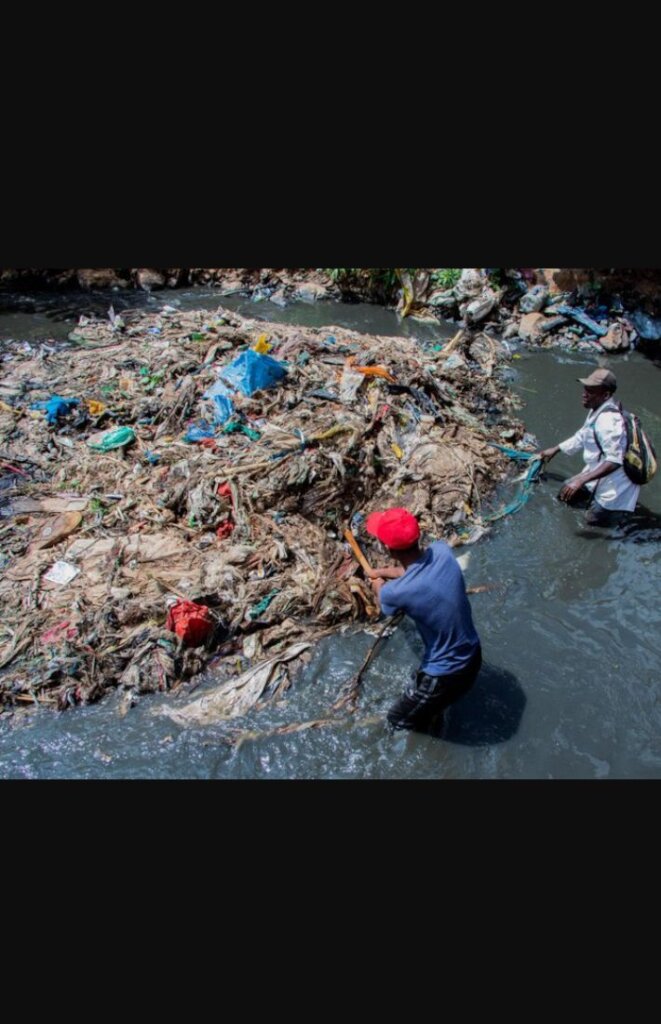
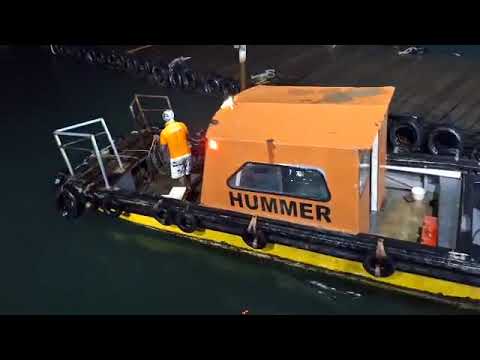
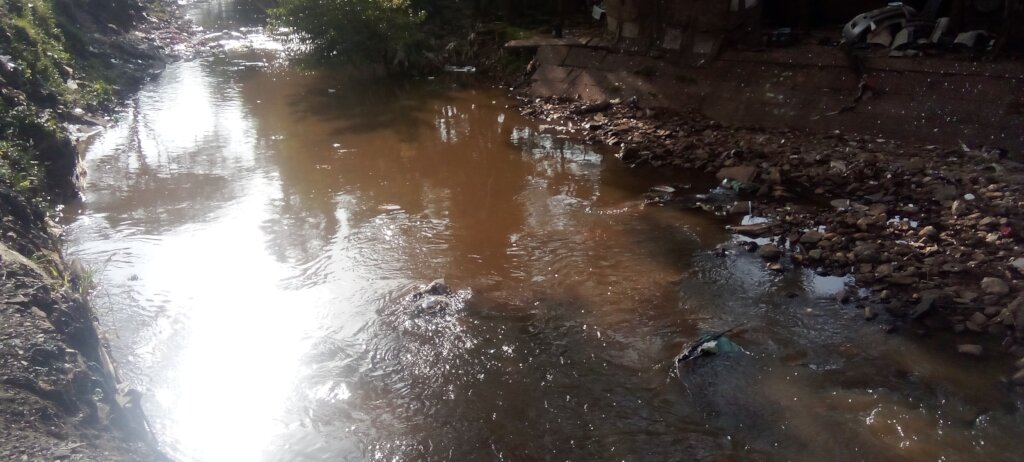
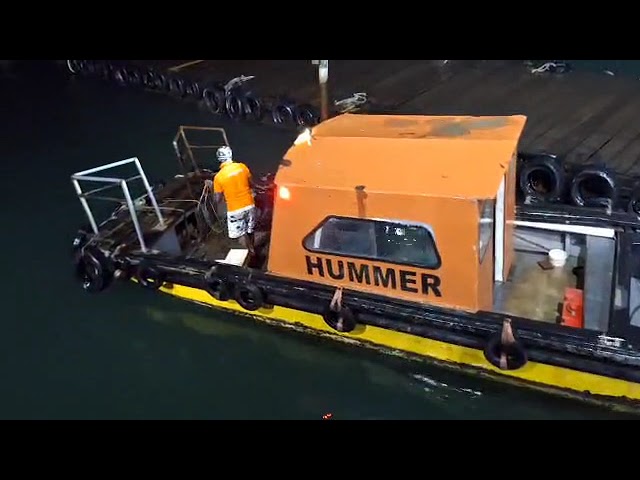
The River and Ocean Pollution Clean-Up Project aimed to restore the ecological health of selected rivers and oceanfront areas in Sierra Leone while engaging local youth and communities. During the reporting period, we successfully removed over 120 tons of plastic waste, improved community awareness about waste management, and deployed two mechanized cleaning boats to enhance efficiency.
This report highlights the activities carried out, the results achieved, challenges faced, and recommendations for the next phase.
2. Project Objectives
Objective 1: Reduce water pollution levels in targeted rivers and coastal areas by 50% within 12 months.
Objective 2: Engage and empower local youth to participate in environmental conservation.
Objective 3: Promote sustainable waste management practices through education and advocacy.
3. Key Activities Undertaken
Activity Description Results
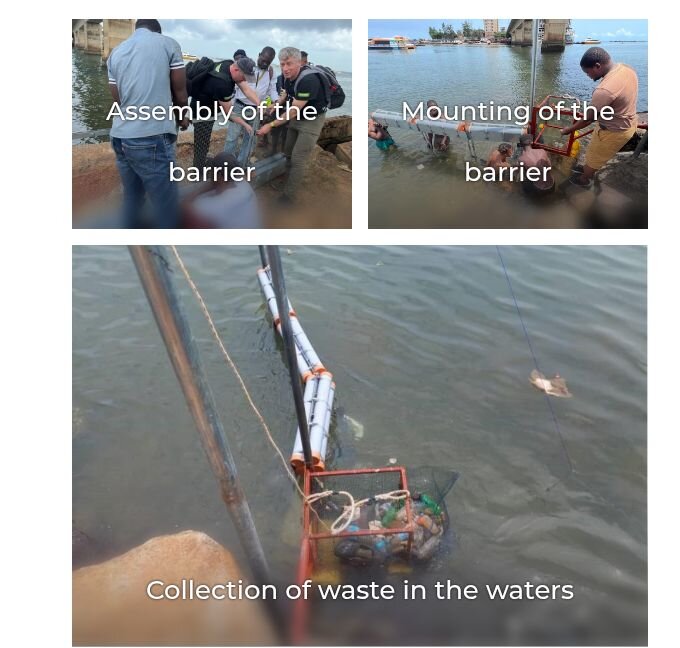
River & Ocean Clean-Up Deployed cleaning machines, boats, and manual teams to collect waste. 120 tons of waste removed; 6 km of rivers cleared.
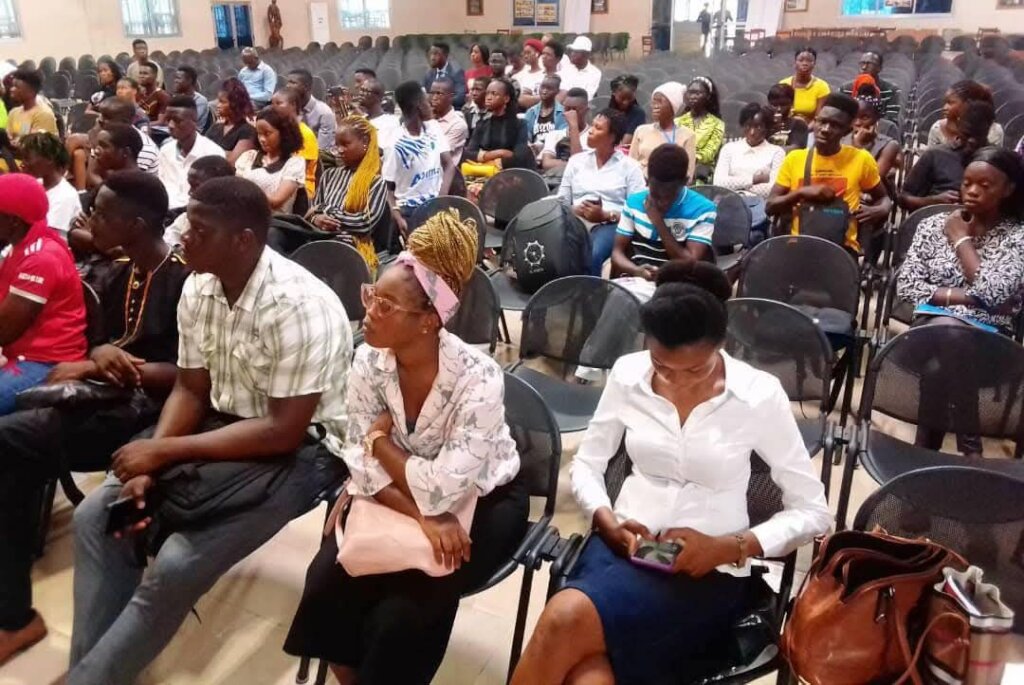
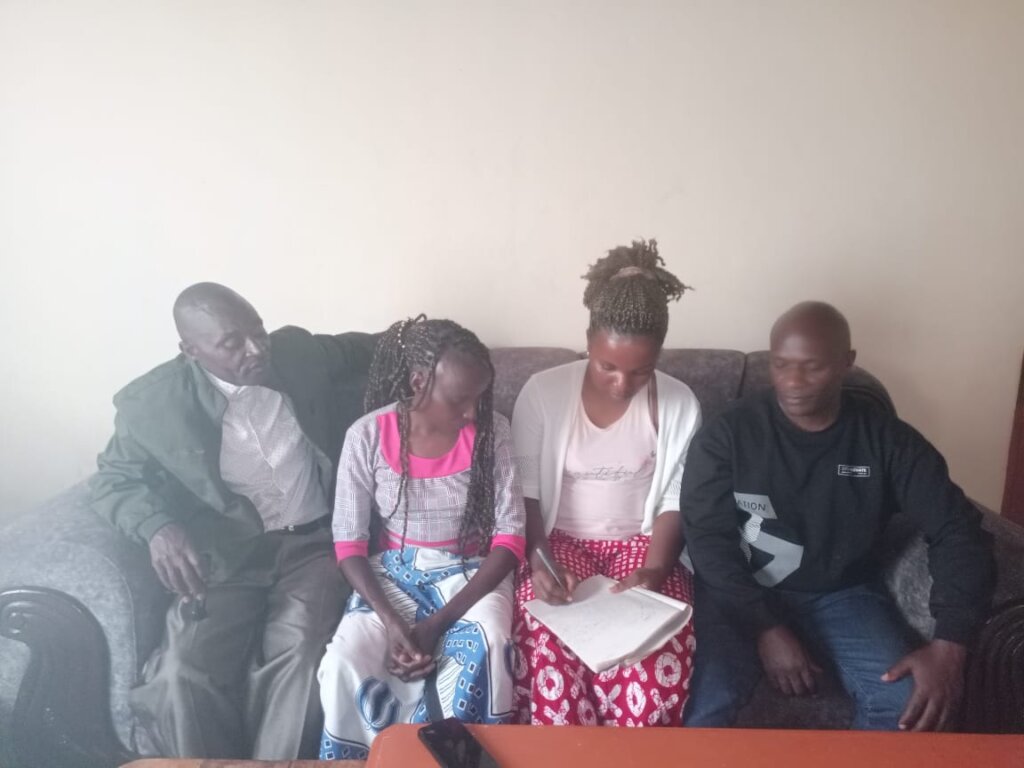
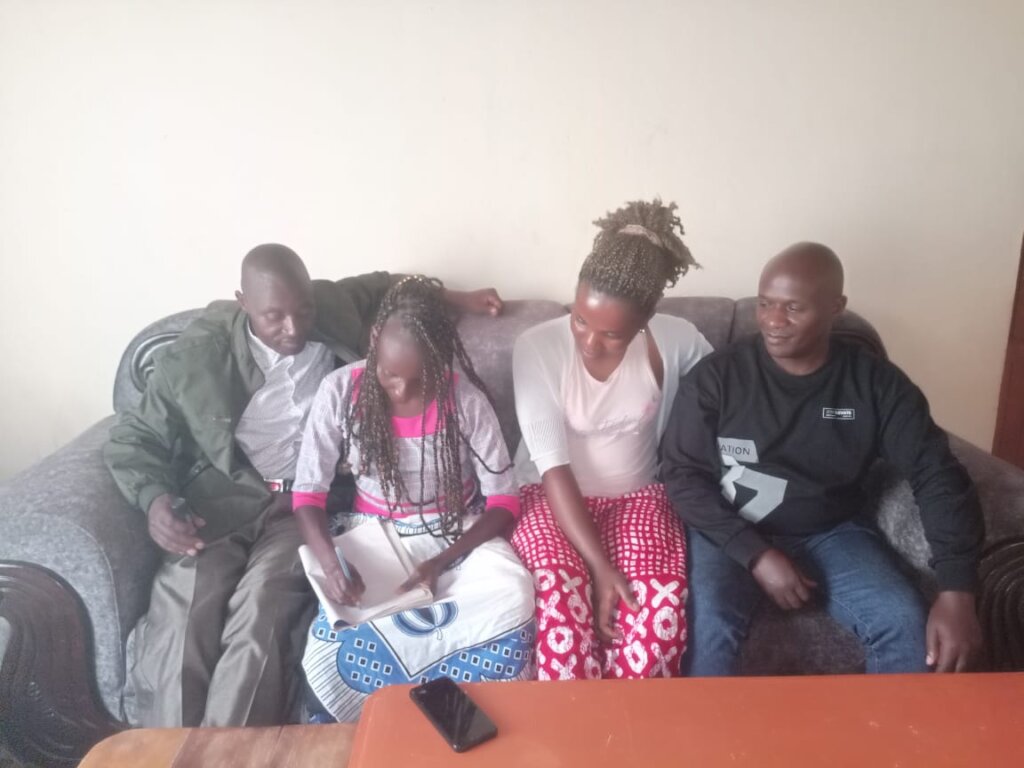
Youth Engagement Program Recruited and trained 50 local youth in waste management techniques. 90% of participants actively engaged in operations.
Community Sensitization Conducted awareness campaigns in 10 communities about plastic pollution. 2,500 people reached, 65% reporting behavior change.
Partnership Building Collaborated with local authorities, fishermen associations, and schools. Three MOUs signed for ongoing collaboration.
4. Outcomes and Impact
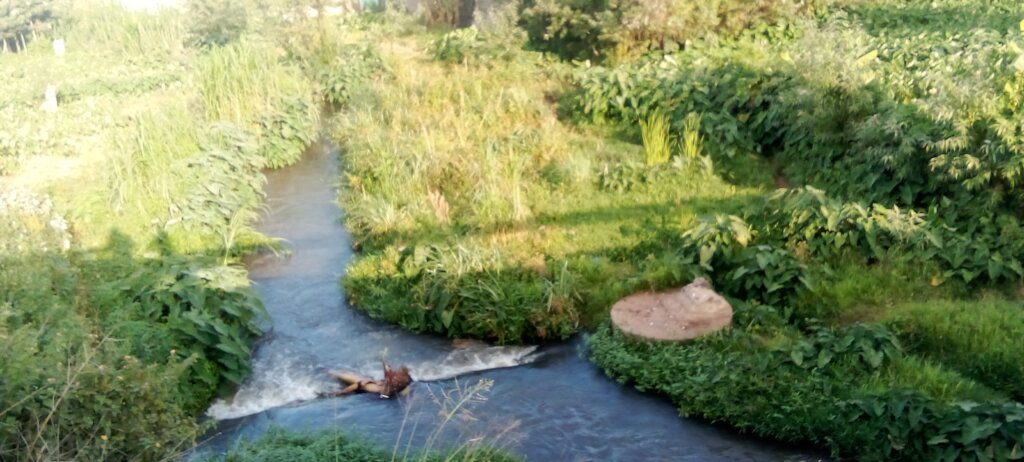
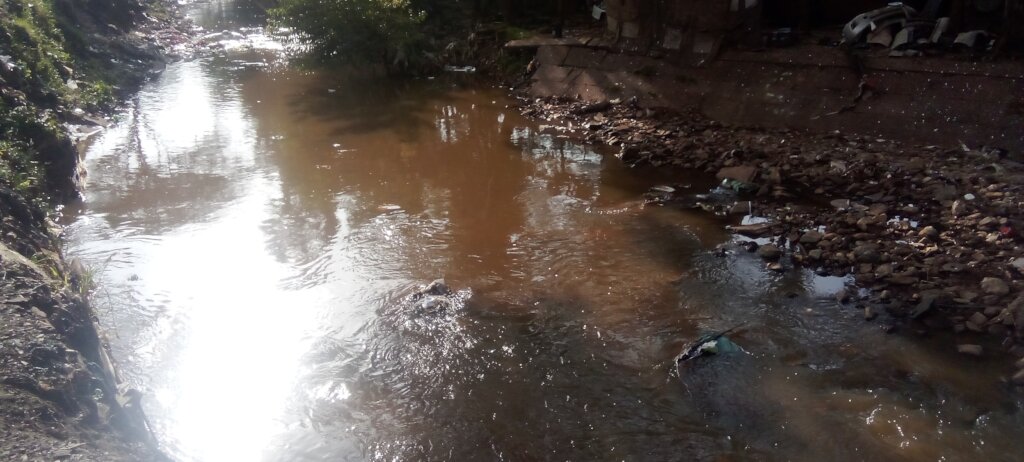
Environmental Impact: Noticeable improvement in water quality; reduced foul odor in rivers.
Community Impact: Increased community ownership; youth reported improved livelihood opportunities through stipends and recycling initiatives.
Economic Impact: Local fishers reported a 20% increase in fish catch due to cleaner waters.
5. Challenges
Limited funding to cover fuel and maintenance costs for machines.
Continued illegal dumping by some industries despite sensitization efforts.
Heavy rainfall in May caused delays and re-pollution of cleared areas.
6. Lessons Learned
Community participation is key to project sustainability.
Continuous monitoring is necessary to prevent re-pollution.
Partnerships with local councils and private sector improve project efficiency.
7. Financial Summary
Budget Item Budget (USD) Actual Spent (USD)
Purchase of Cleaning Machines & Boats 40,000 39,500
Youth Training & Stipends 20,000 19,200
Waste Disposal & Recycling 15,000 14,700
Community Sensitization Campaigns 8,000 7,500
Project Management & Admin 6,000 5,800
Total 89,000 86,700
8. Recommendations & Next Steps
Expand project coverage to additional rivers and coastal areas.
Seek funding to procure more boats and waste compactors.
Work with government agencies to enforce anti-dumping regulations.
Continue youth training and integrate recycling entrepreneurship opportunities.
9. Annexes
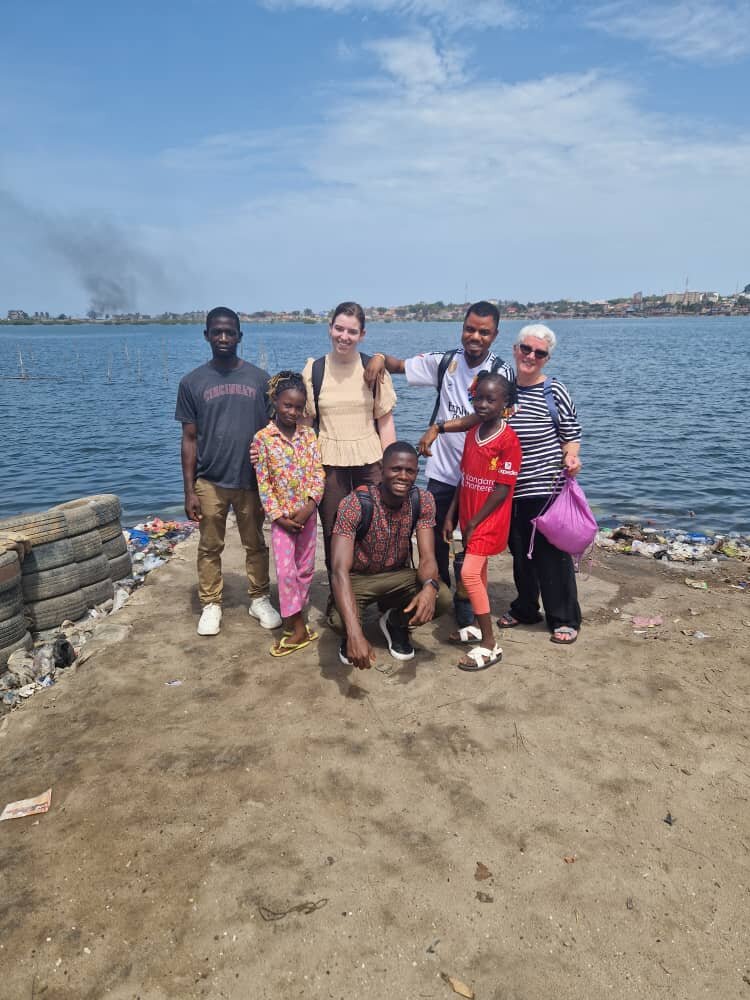
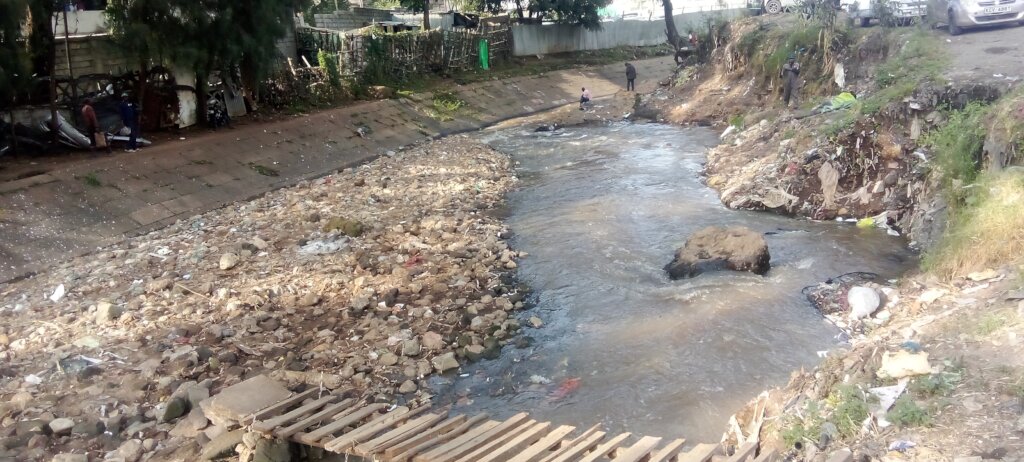
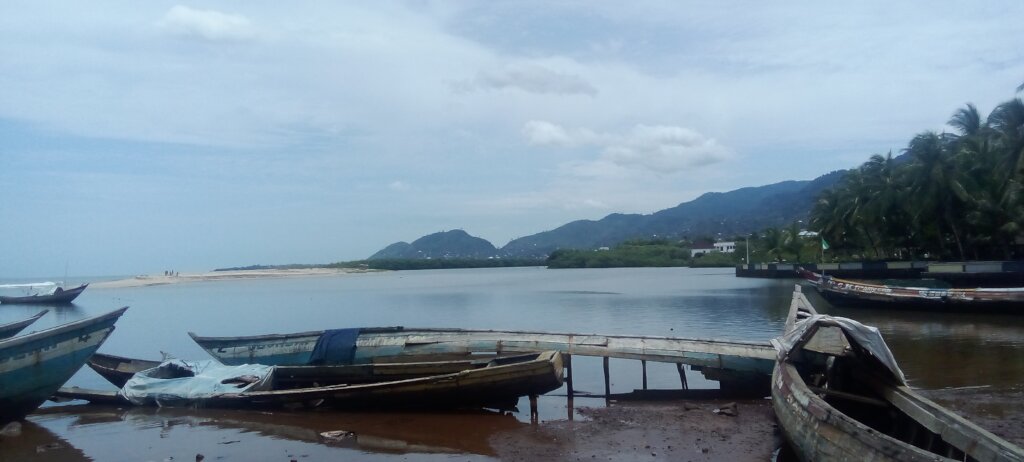
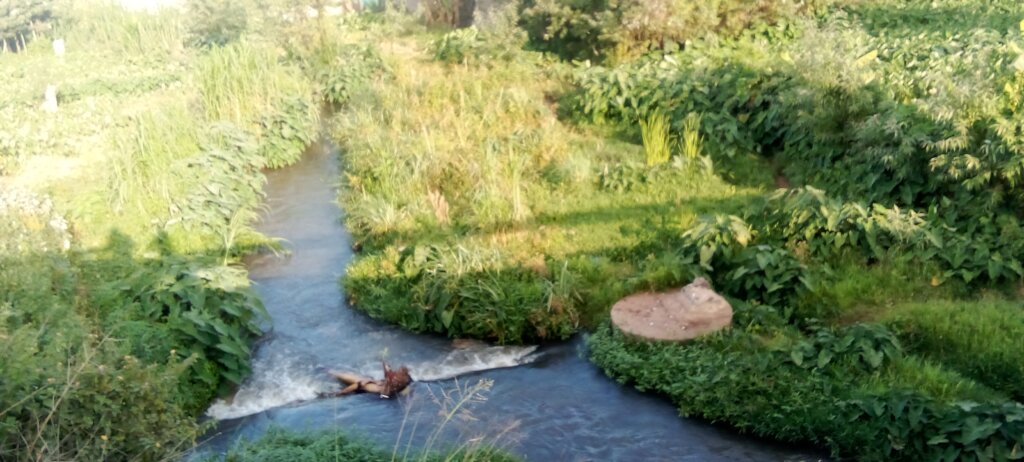
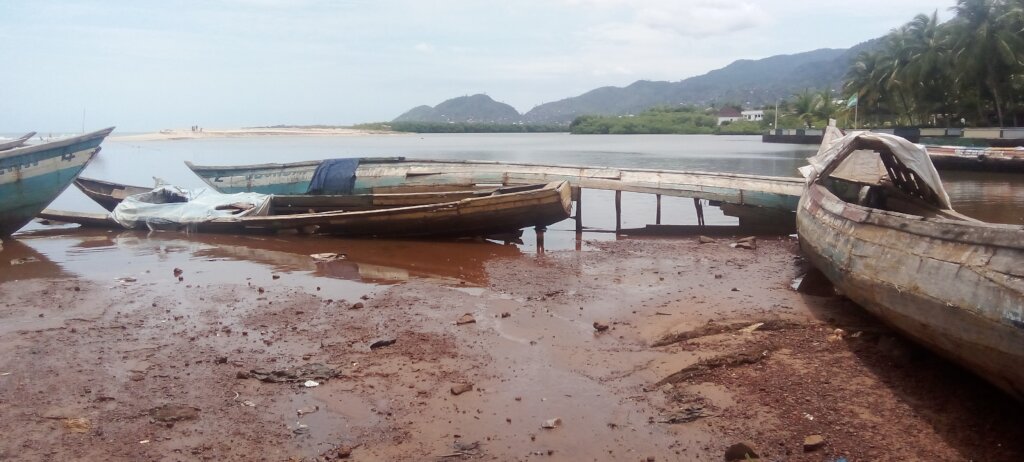
Annex 1: Photos of clean-up activities before and after
Annex 2: Attendance list of youth participants
Annex 3: Waste composition analysis.
Project reports on GlobalGiving are posted directly to globalgiving.org by Project Leaders as they are completed, generally every 3-4 months. To protect the integrity of these documents, GlobalGiving does not alter them; therefore you may find some language or formatting issues.
If you donate to this project or have donated to this project, you can receive an email when this project posts a report. You can also subscribe for reports without donating.


Support this important cause by creating a personalized fundraising page.
Start a Fundraiser