By Hannah O'Riordan | Project Leader
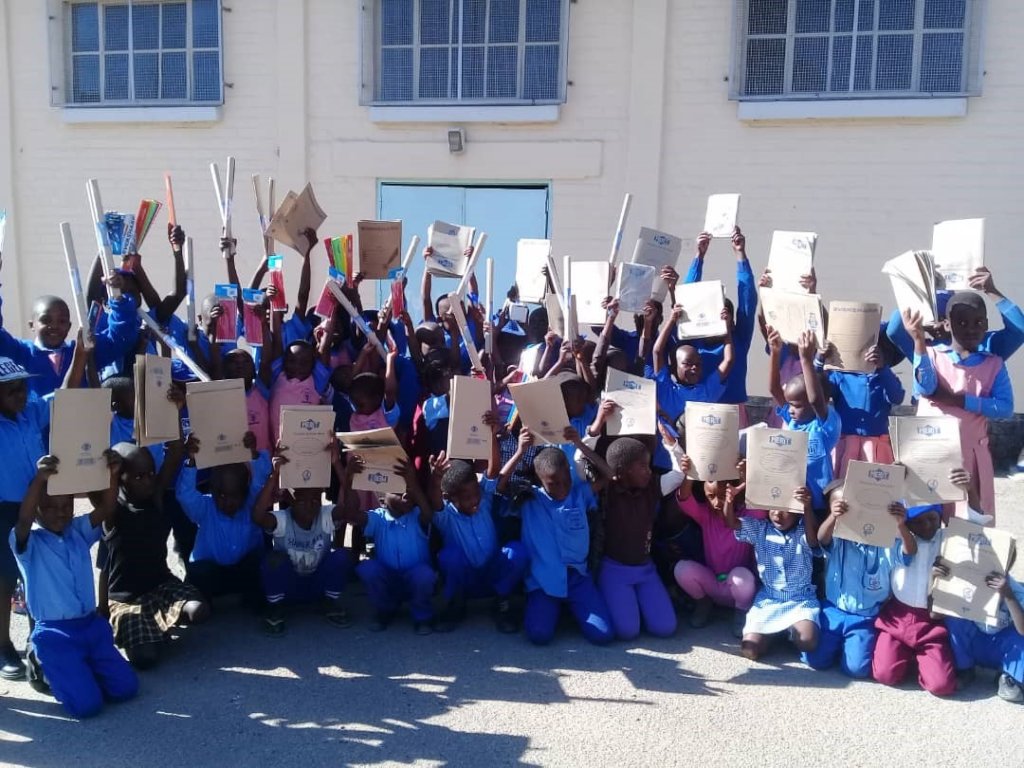
Trinity Project is a sustainable non-profit initiative and a grassroots organization set up by a team of professionals from legal, paralegal, health, education and the faith-based sectors in Zimbabwe advocating for social justice. The major goal of the organization is to promote child education rights through early birth registration, access to parental death certificates, inheritance and property rights, nutritional support, economic strengthening, girl child empowerment, and the prevention and mitigation of HIV/AIDS.
It has been an extremely busy quarter for Trinity Project, who were forced to diversify their activities in response to the humanitarian crisis caused by extreme weather conditions, to include supporting individuals to source loans and financial support, and establishing nutritional gardens and conservation farming. This shelters the local community against the impact of food shortages, economic downturn and the varied, multiple problems caused by natural disasters.
Trinity’s work for the past three months has focused on providing nutritional support and food security for vulnerable communities across Matabaleland, promote community development and economic strengthening through infrastructure and economic security programmes, and to increase awareness about the spread and management of HIV/AIDS through workshops and campaigns. Families clearly need these basic securities before they can embark on legal registration or funding and enrolling their children’s education. In addition to these projects, Trinity has run its ordinary work of supporting individuals and households to obtain legal documents, awareness-raising work on birth registration and outreach with local communities, and advocacy with key institutions and authorities to make birth registration more accessible in the future.
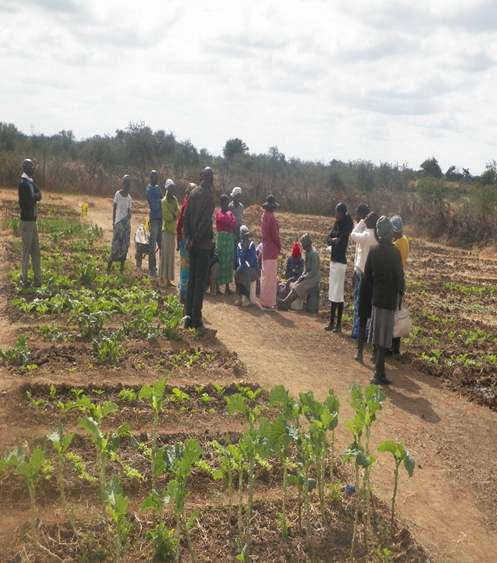
Trinity has tackled food shortages and insecurity by empowering local communities to farm and feed themselves. Nutritional gardens have been cultivated in poorer areas as a source of food and income for these communities, particularly to subsidise individuals living with HIV, disabilities, or those caring for orphans and vulnerable children. For these marginalised groups, these gardens often provide their only source of income or food, and importantly offer a varied diet, including vegetables, which improves their nutrition.
Some gardens had been harmed by the adverse weather conditions in Zimbabwe earlier this year, so this quarter has been spent working on and resuscitating these gardens to ensure they continue to yield food for the local community. This has proved a challenge. However, these gardens continue to provide food for nearly 100 households across the district.
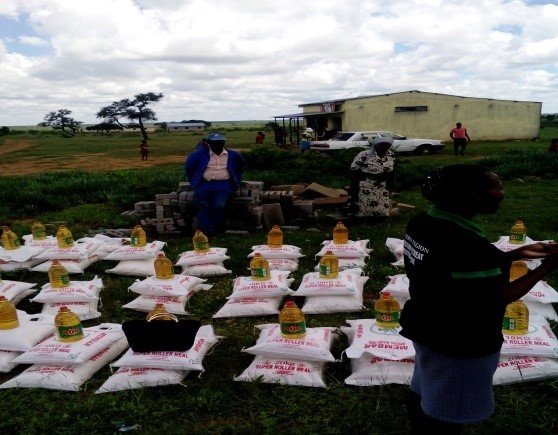
Where circumstances are worse, and families need direct help, Trinity has been able to step in and provide life-changing support. This quarter, Trinity has given out food aid to 68 vulnerable families. This reduced hunger-related diseases and malnutrition. Beneficiaries of this programme told the team that this work was essential for their prosperity and provided their main source of food. Through this and establishing a Village Savings and Loans scheme, Trinity managed to take the pressure off poorer families struggling to recover from droughts and flooding, and enabled them to meet the education expenses of their children. With food on the table and money in the bank, children were able to go to and stay in school, and education rates have been improving in these communities this year.
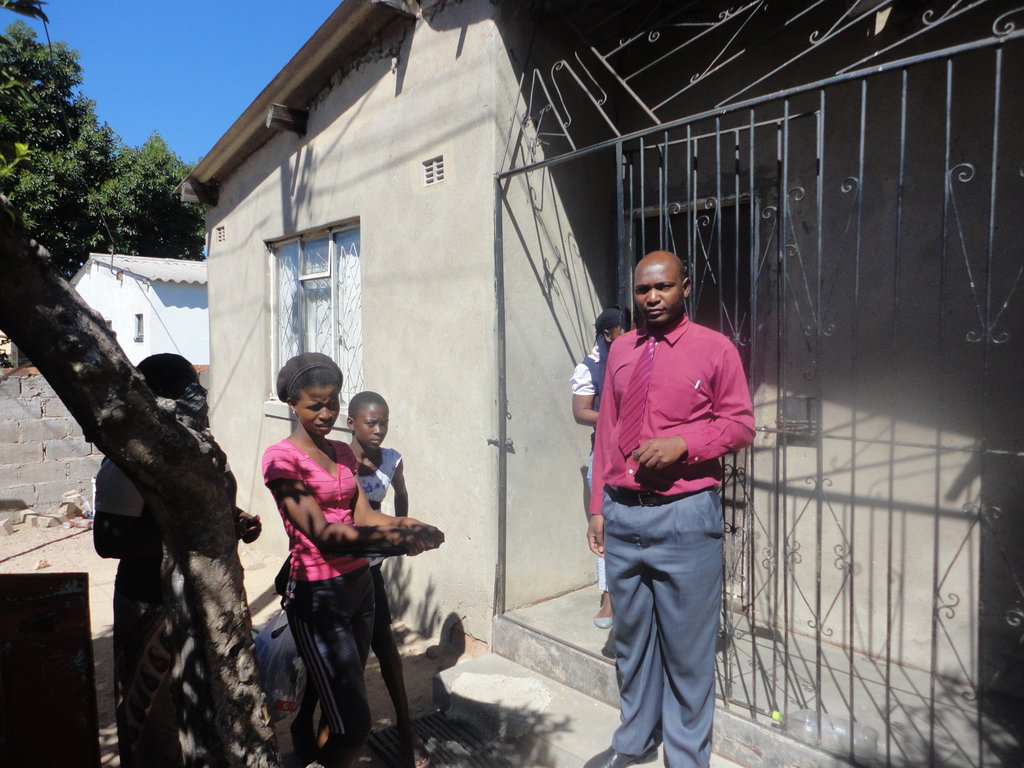
Beyond this vital work, Trinity also continued its work to tackle the birth registration crisis. The organisation supported individuals with free support to complete registration, including free legal advice to parents, and transporting carers to registrars and health centres to complete registration. During this period, 73 children were supported to obtain legal documents, with a further 330 ongoing cases.
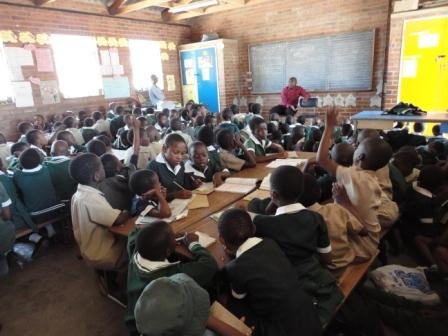
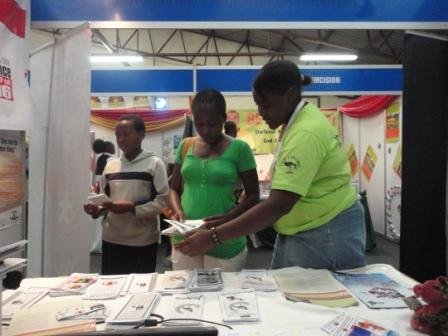
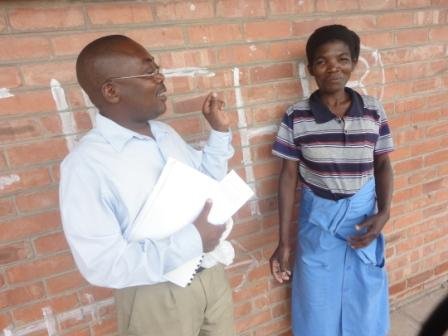
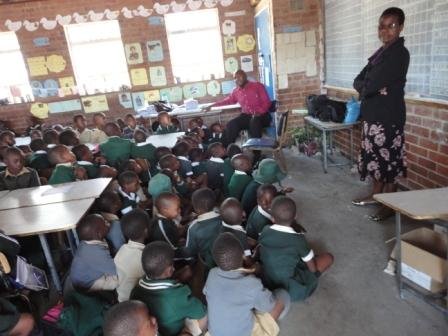
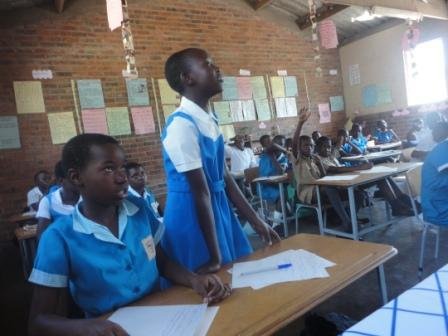
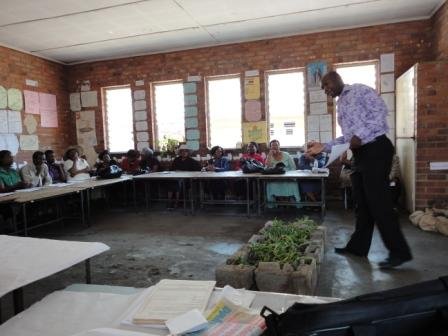
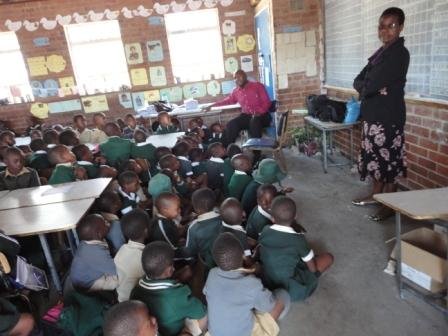
Trinity ran over 500 community outreach and awareness raising sessions, to make individuals more aware of their rights and duties, the services available to them including health and education, and practical advice on how to complete birth registration. This was implemented through legal advice clinics and localized office drop ins for adults, and afterschool clubs for children. During this quarter, Trinity has also used awareness raising sessions to discuss early marriage and pregnancies, aiming to reduce the prevalence of this in the communities they work in. Trinity also ran community capacity-building, by facilitating community dialogues between community leaders and stakeholders, to review social norms and institutional bottlenecks which may hinder birth registration practices, and develop concrete action plans and positive steps to address these.
Your donations have enabled ZET to support Trinity across all these activities, funding project staff to be able to go out into local communities, engaging in outreach and vital community support. This enables families to have the basic provisions and securities they need to keep children safe, secure and in school. Zimbabwe is beginning to recover from the devastating weather conditions at the start of the year, but grassroots organisations like Trinity Project still need your support to get communities back on their feet; only then can they continue the vital work of supporting children to obtain legal documents and enroll in school.
Project reports on GlobalGiving are posted directly to globalgiving.org by Project Leaders as they are completed, generally every 3-4 months. To protect the integrity of these documents, GlobalGiving does not alter them; therefore you may find some language or formatting issues.
If you donate to this project or have donated to this project, you can receive an email when this project posts a report. You can also subscribe for reports without donating.



Support this important cause by creating a personalized fundraising page.
Start a Fundraiser