By Ricardo Salles Hermanny | Project Leader
Dear friends and collaborators,
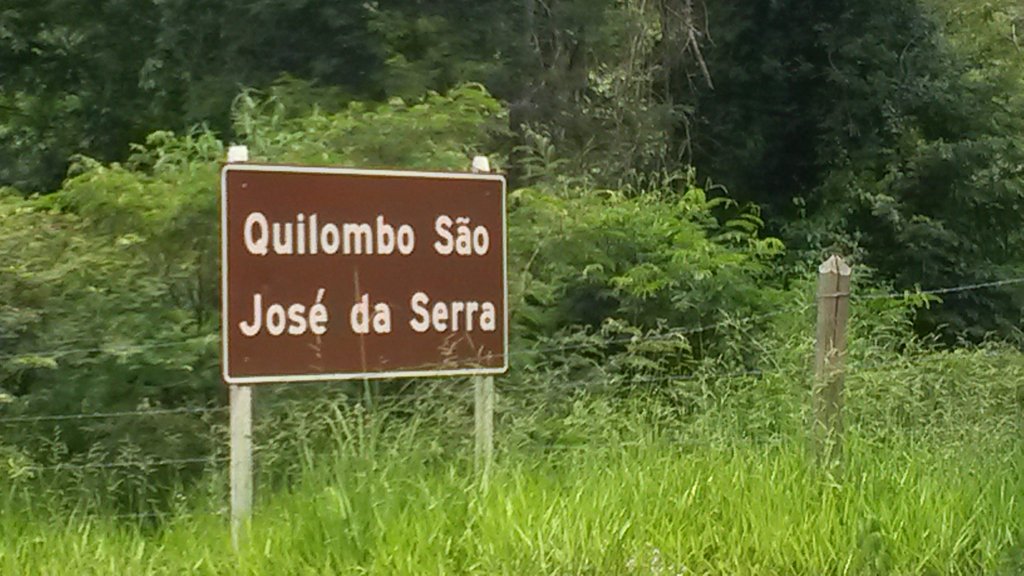
The IDDEIA Institute is working to improve sanitation and food security of the population descendant of slaves living in the Quilombo São José da Serra in Valença, State of Rio de Janeiro, Brazil.
The Quilombo São José da Serra is made up of descendants of slaves who came from the Congo, Guinea and Angola and lived mainly on the grounds of the Fazenda São José da Serra.
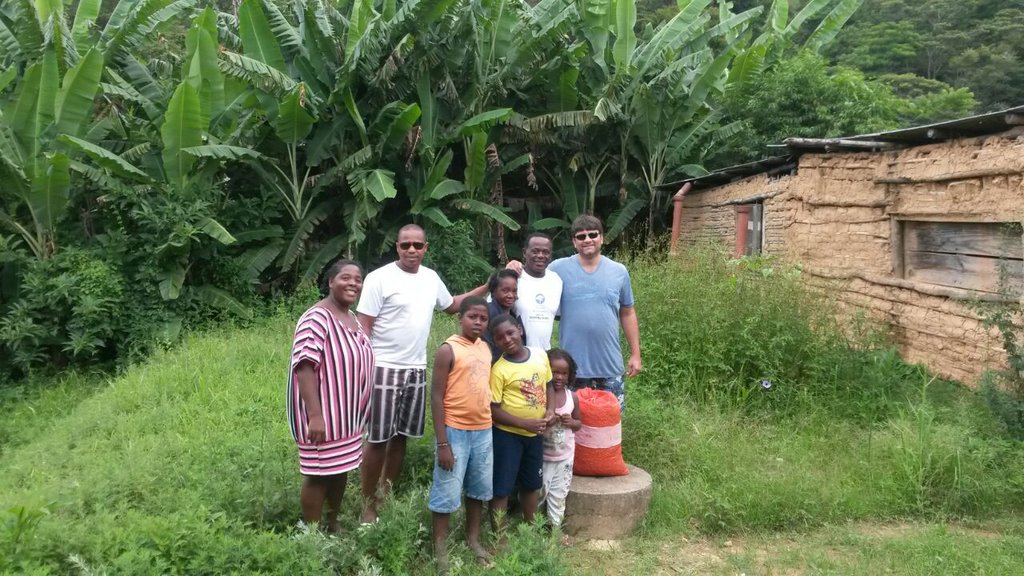
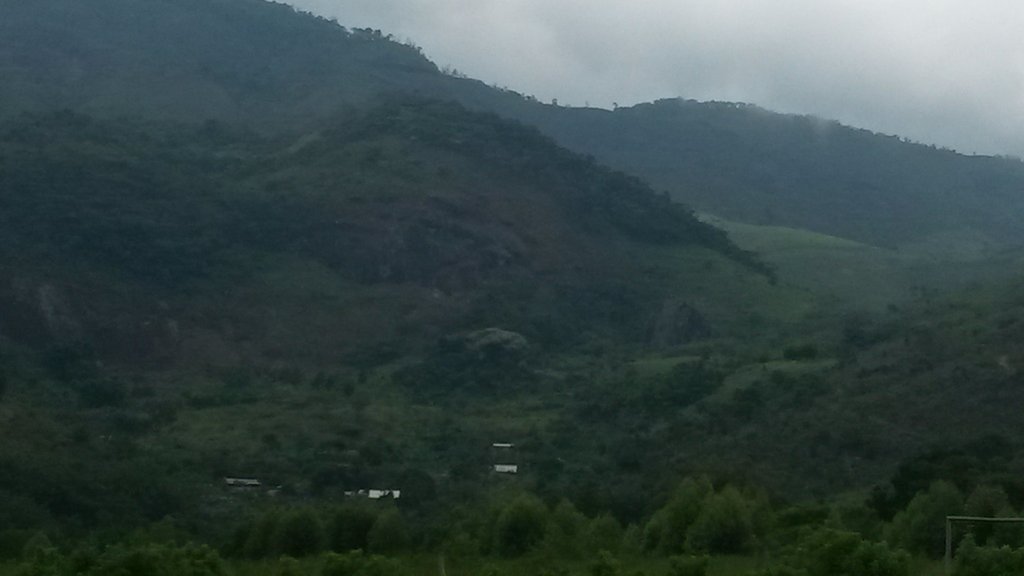
It is the oldest Quilombo Rio de Janeiro State, formed around 1850. Located in an area of 476 hectares in Serra da Beleza, after the Conservatória district, it houses about 150 quilombolas, keeping African traditions.
The place seems to belong to another time. But still residents feel nostalgia of the past, before reaching the low current structure.
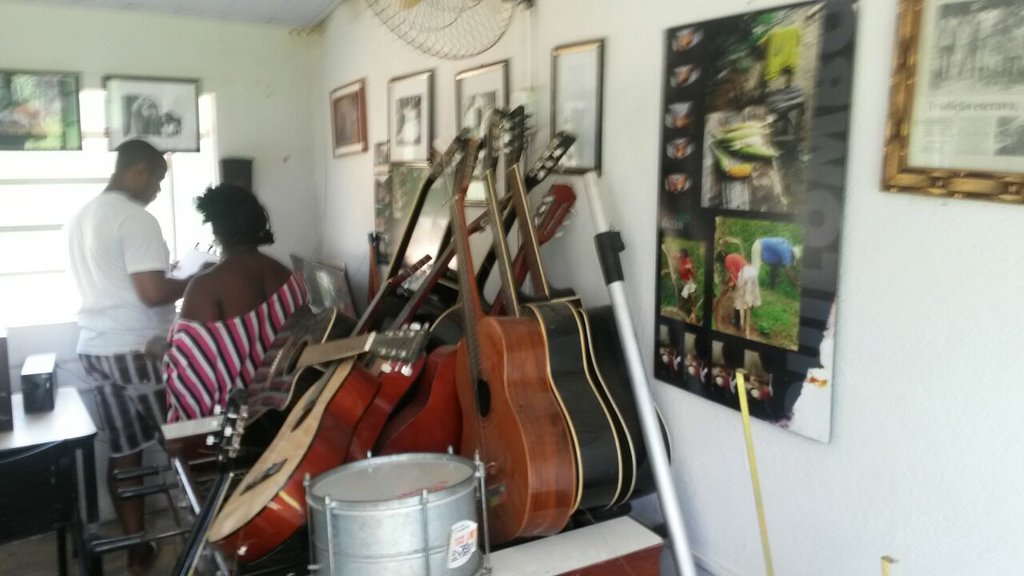
The electricity only arrived there some 10 years ago. Says miss the dark he did see beyond. "I grew up with kerosene, gas lantern. He had no TV, my mother and my grandparents told stories, we played ball, played wheel, and always saw the Mother of Gold ", she says, and then explain. "It was dark and we saw a ball of fire coming out of the stone, loosened spark and cleared the yard, before entering another stone or cave. Every hour spent with a different color: yellow, red and green, which was the bravest, " she said, who heads the Umbanda yard inherited from Mother Firina, whose fame attracts up to foreign visitors.
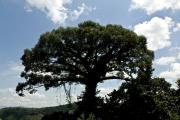
Another focus of spirituality in Quilombo is the quarry where he lives a century and gigantic tree jequitibá. The place was used as a refuge by the ancestors of the residents. 'It's like our matriarch, a haven of strength: when someone has a disease, come to pray and is attended' attests Maria, 67, a resident of the Quilombo. Under the tree canopy there are caves, bones and apparent roots. There also lived Indians before them. "We see their picture on it," says Maria.
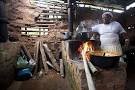
Residents living on corn fields, potato, cassava, beans, guava, orange, banana, jackfruit, passion fruit, coconut, peach. Many children were born at the hands of Florentina, 87. She is the aunt of Mother Tetê and his grandfather was African slave brought from the Congo, who did not speak Portuguese. She has made more than 50 successful births. "The recipe is to warm milk with cinnamon drink for pregnant and then take a bath in it tear account with St John's wort."
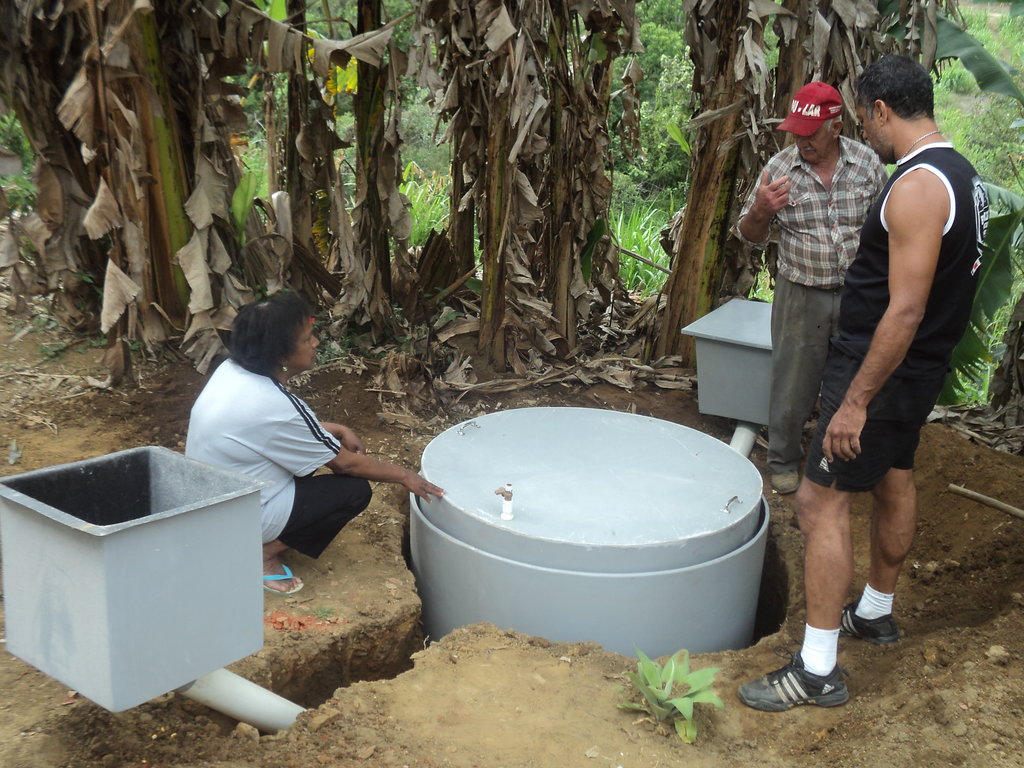
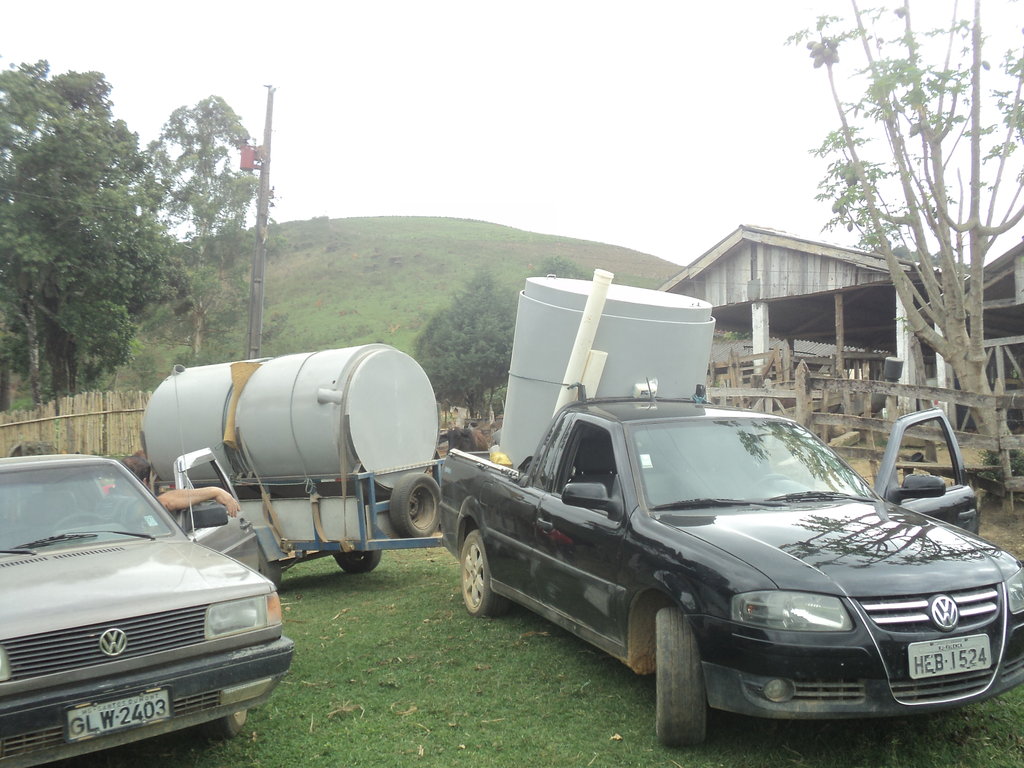
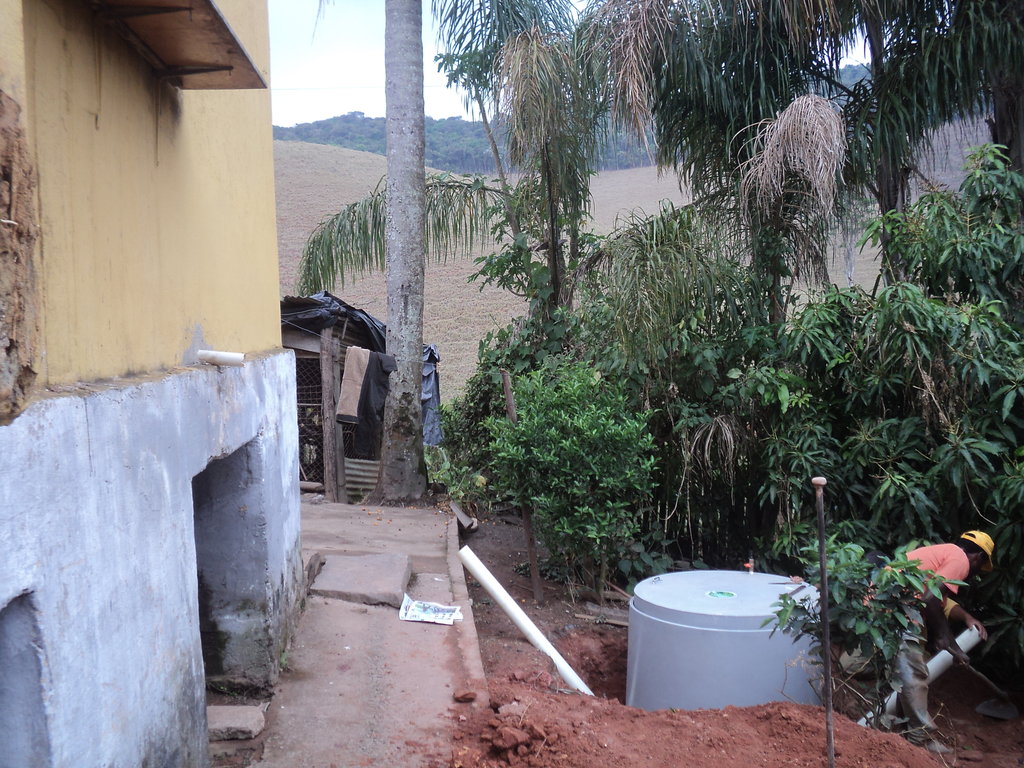
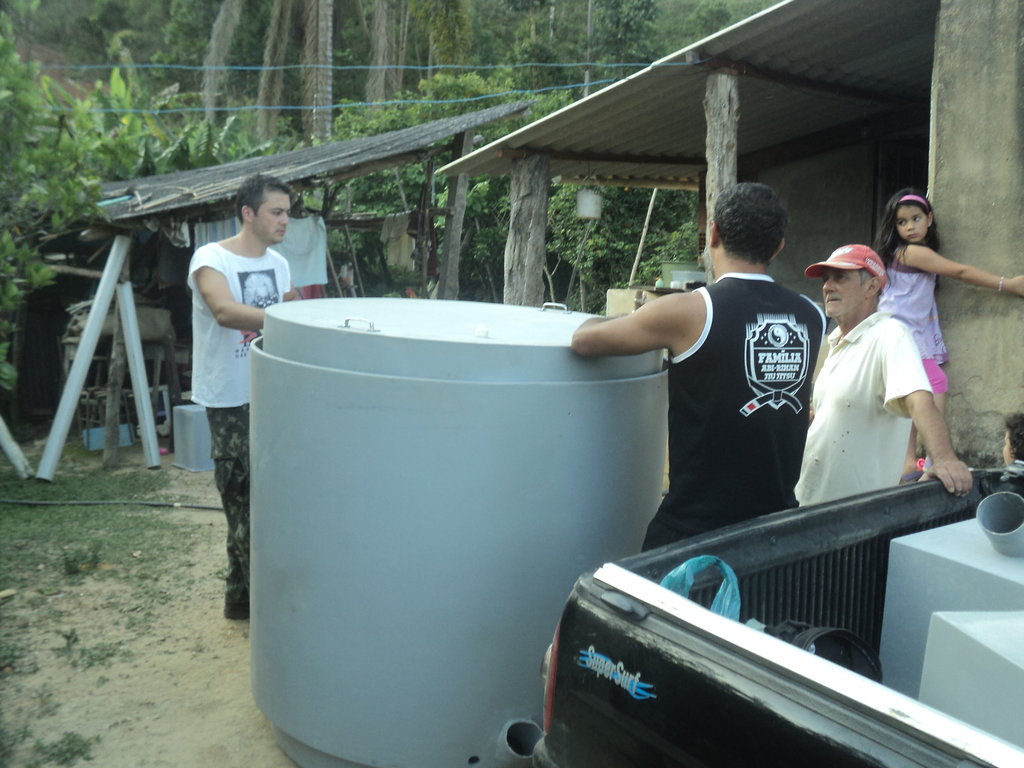
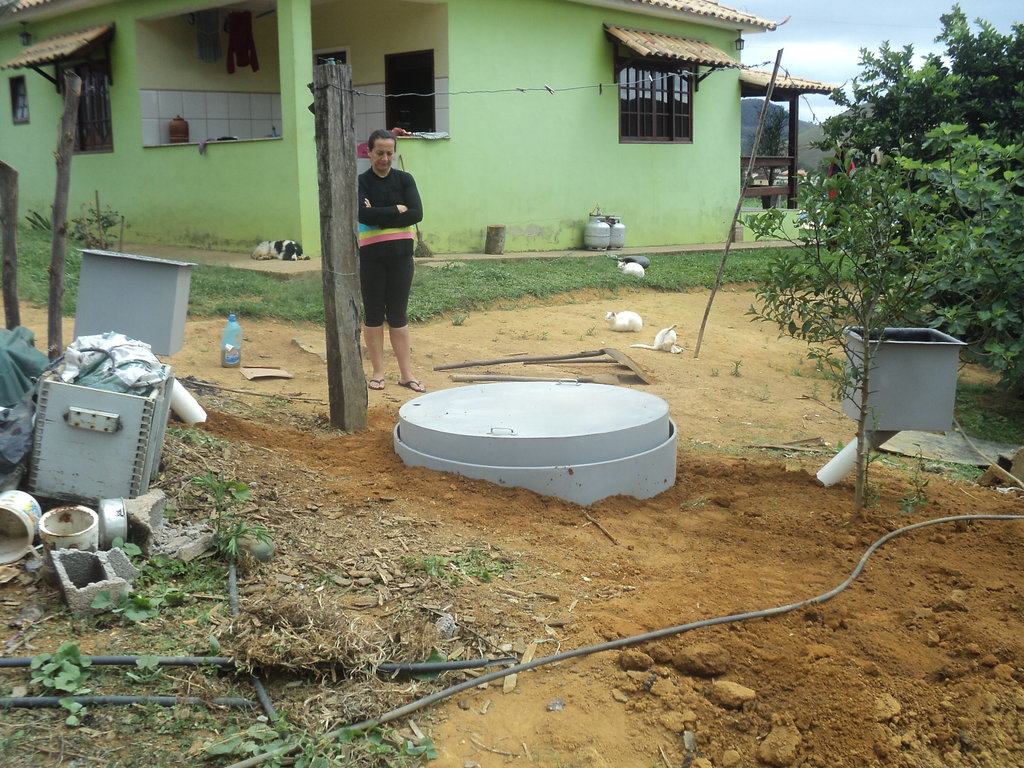
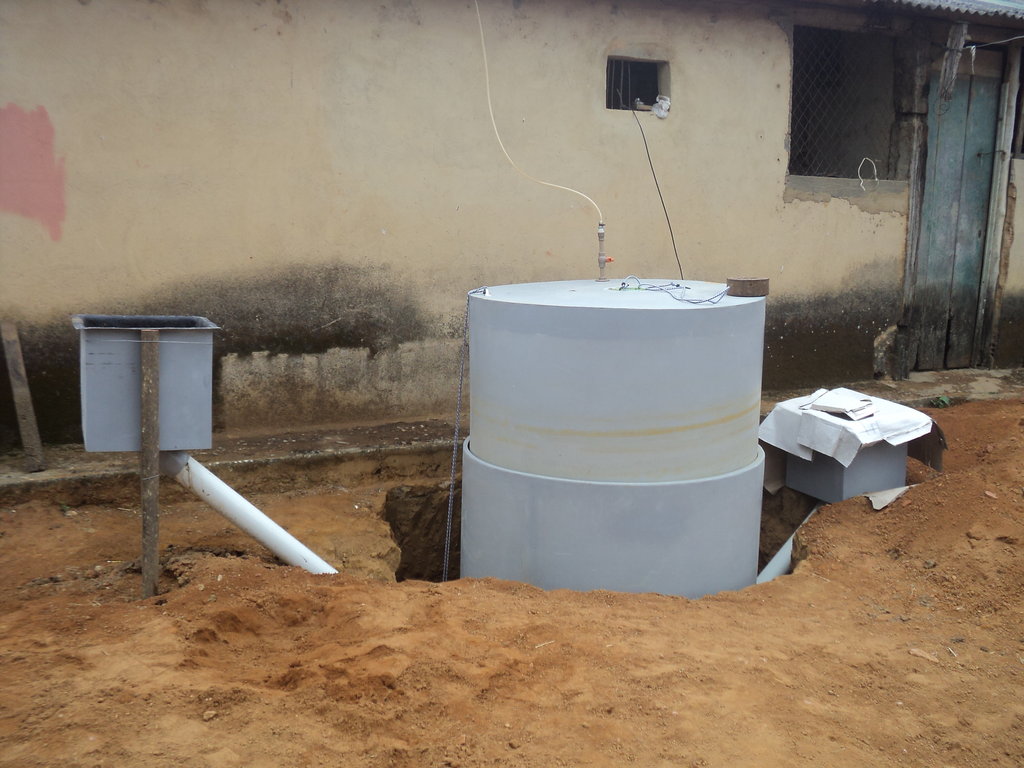
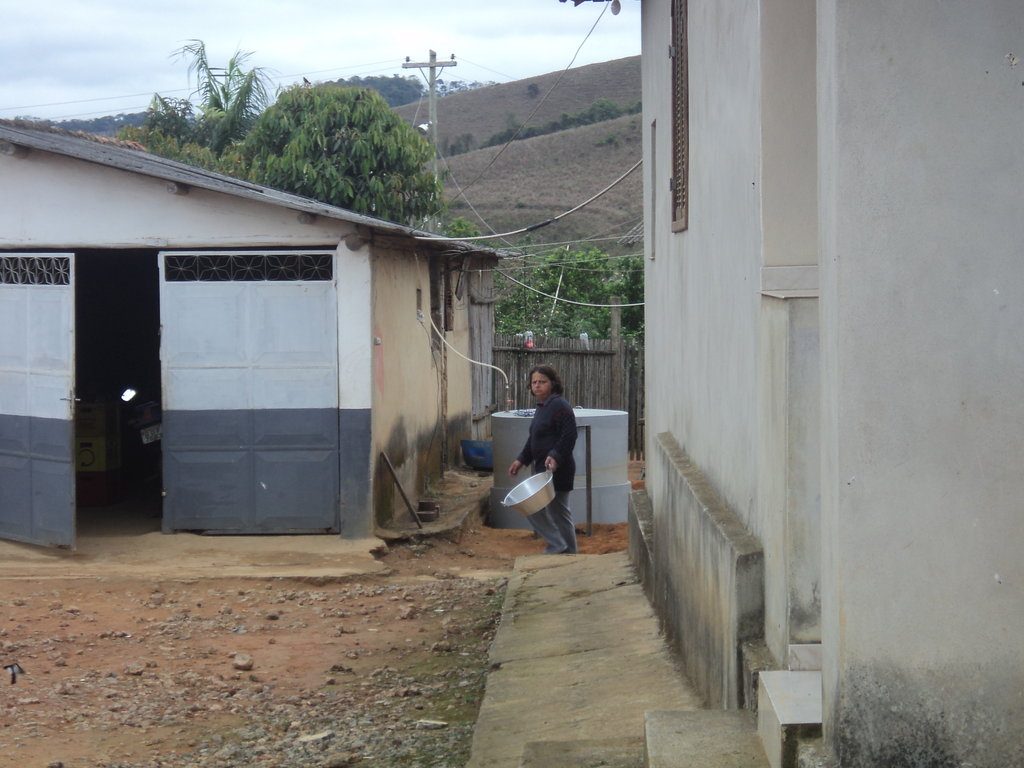
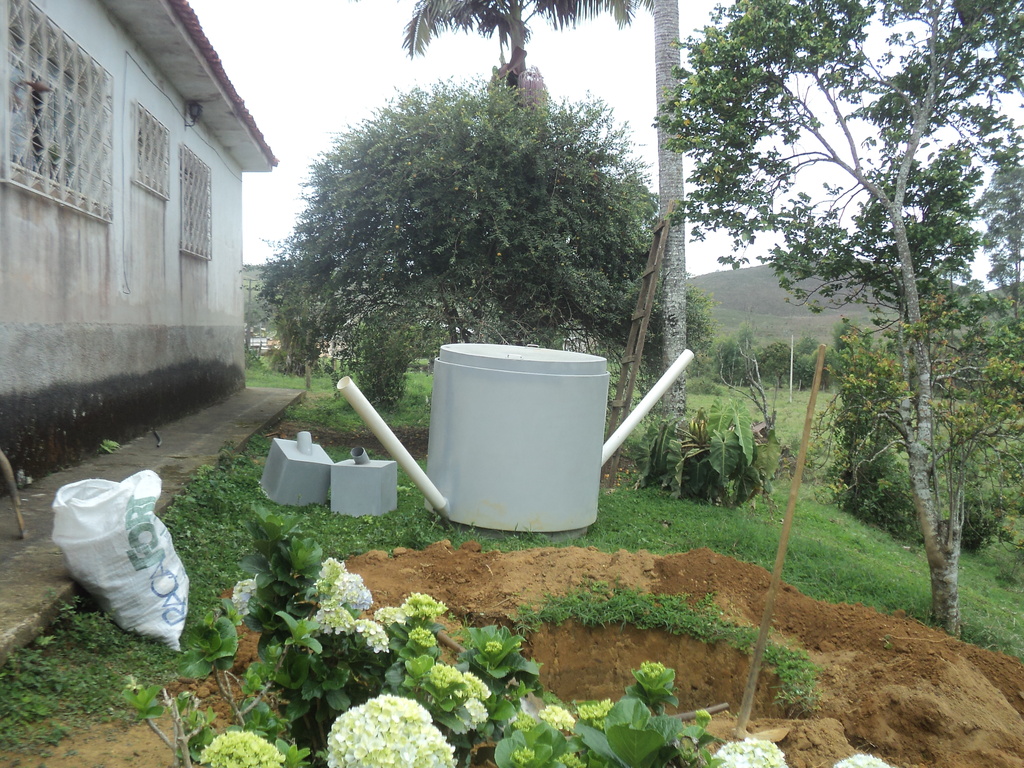
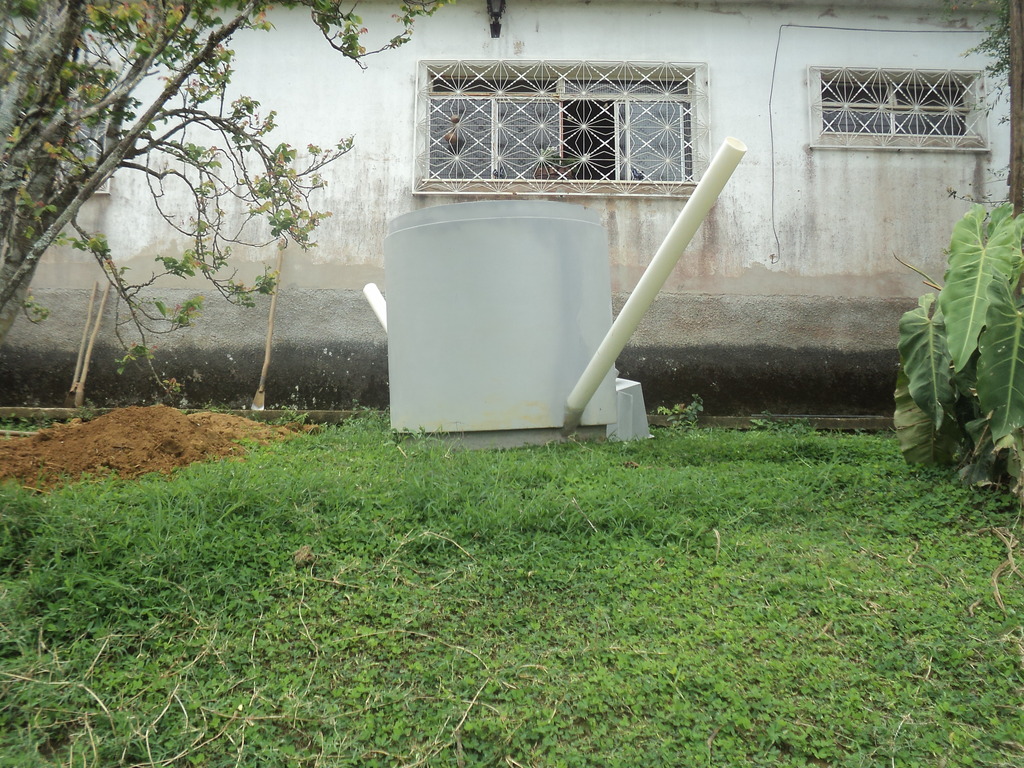
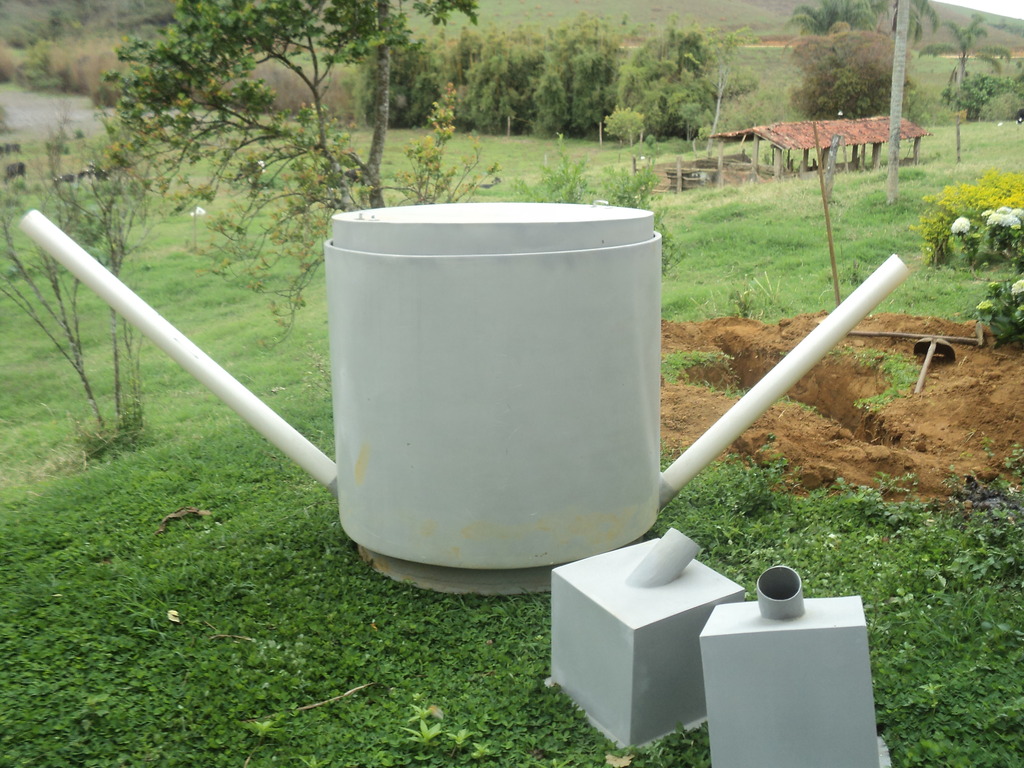
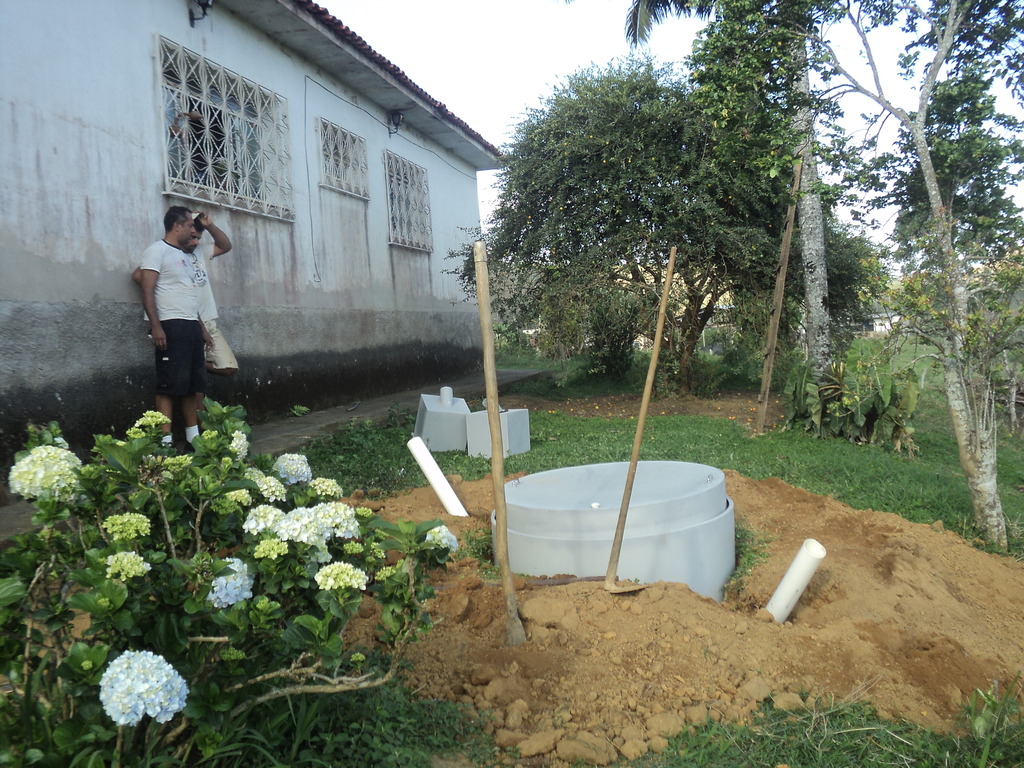
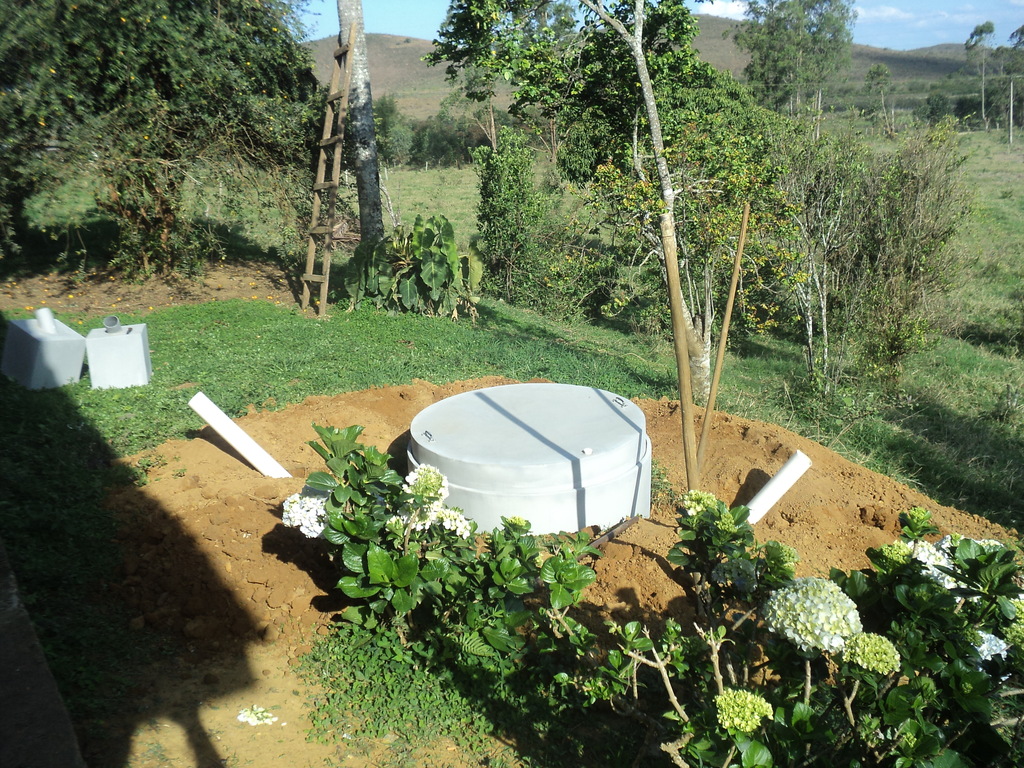
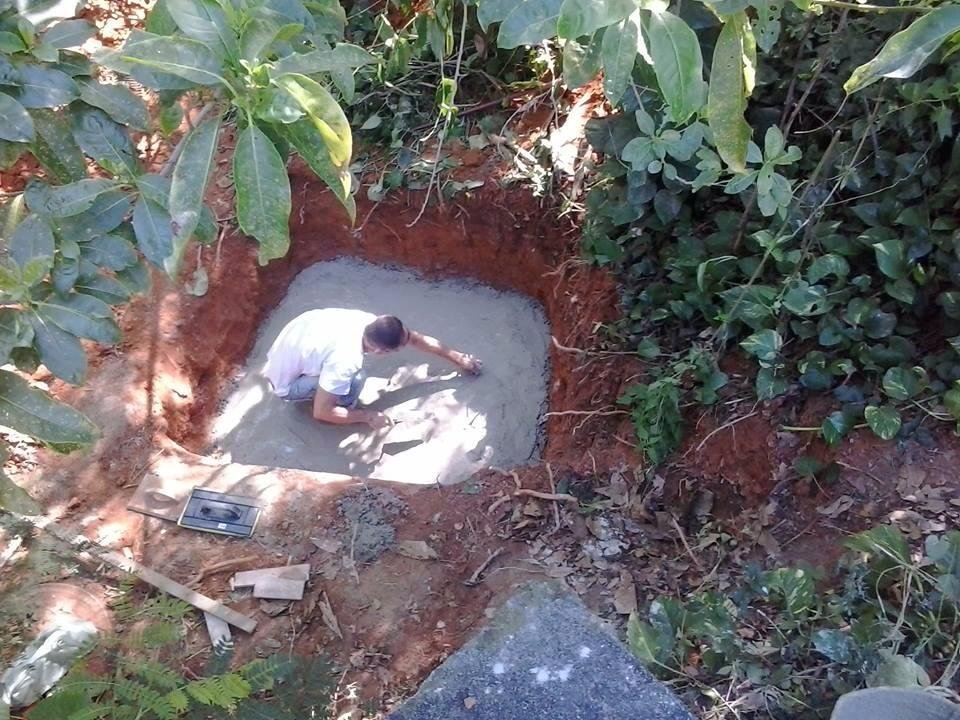
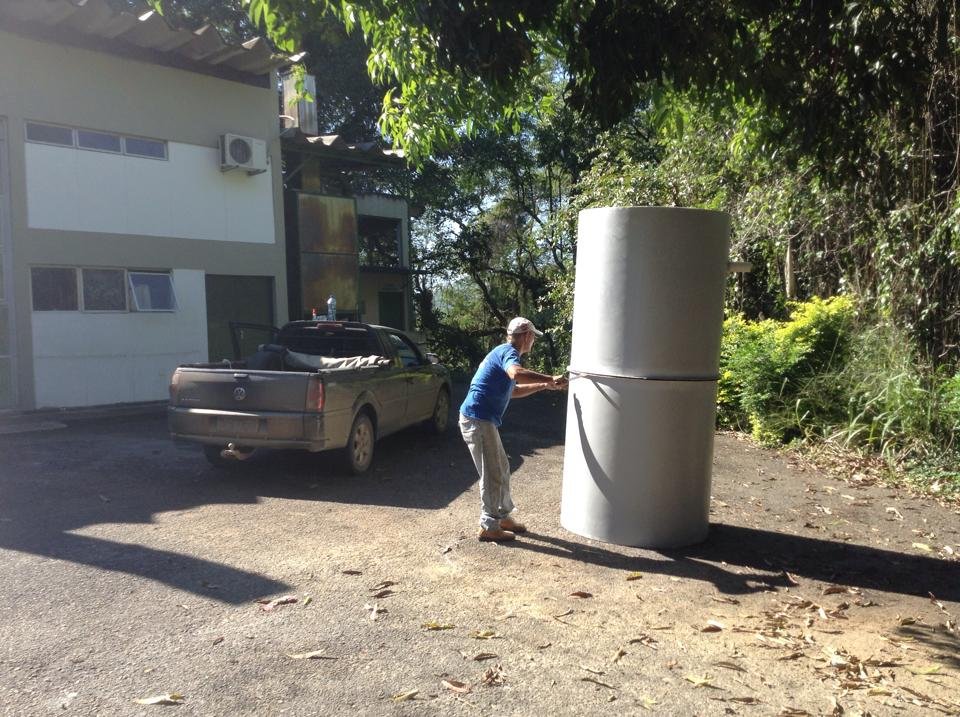
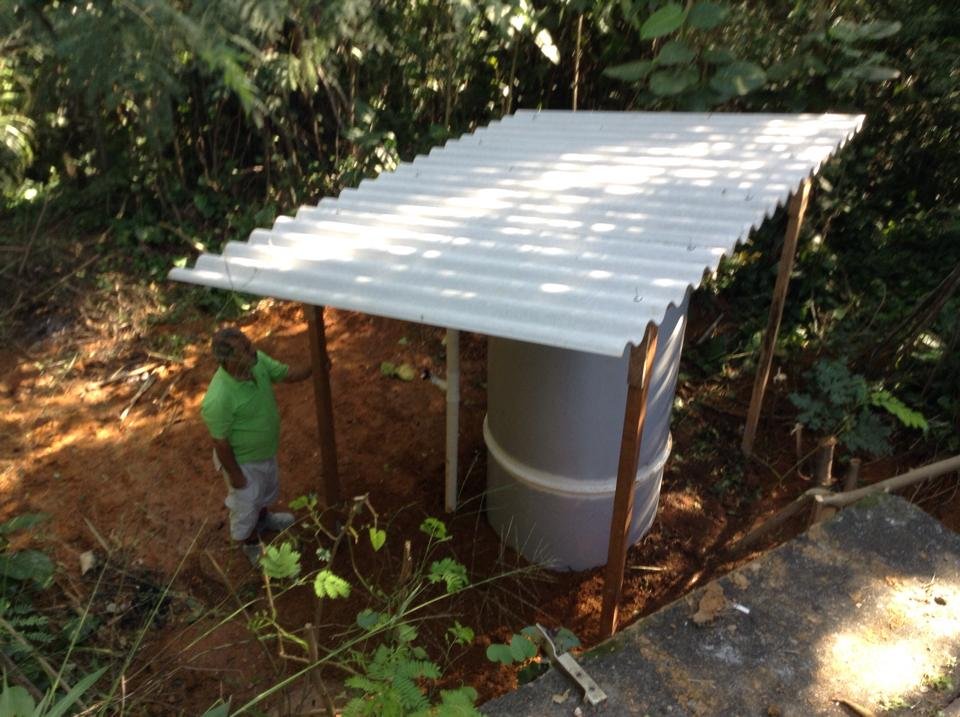
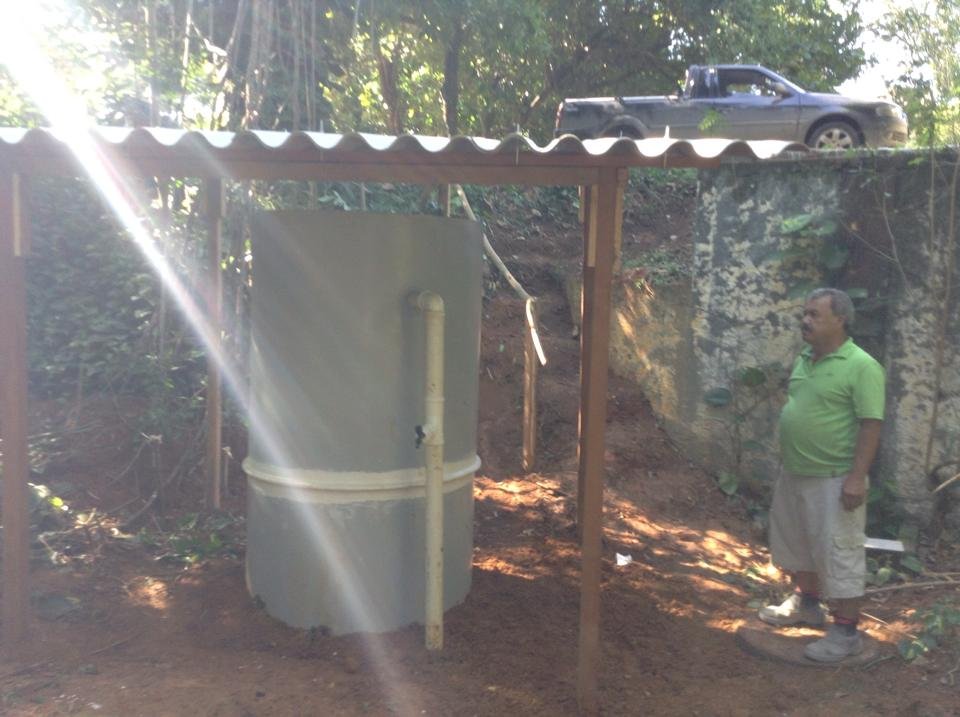
The biodigester installation in such an environment ensures with direct benefits for the quilombolas and indirect benefits for the environment and climate systems in general.
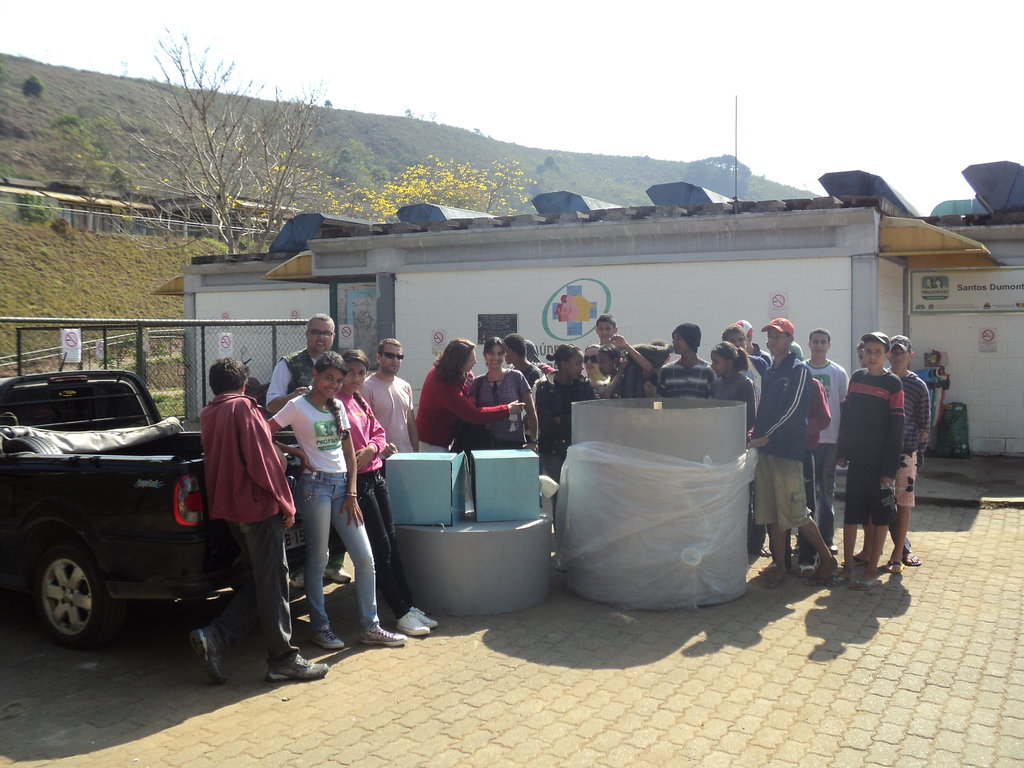
With the current partnership between the GlobalGiving, the IDDEIA Institute and the Amavel Program - Sustainable Atlantic Forest, the quilombolas may have basic sanitation, thermal energy to organic food production for consumption and to market, and abundant material for artesanal production.
In other words, this action encourages the sustainable production of organic food, energy and income for participants.
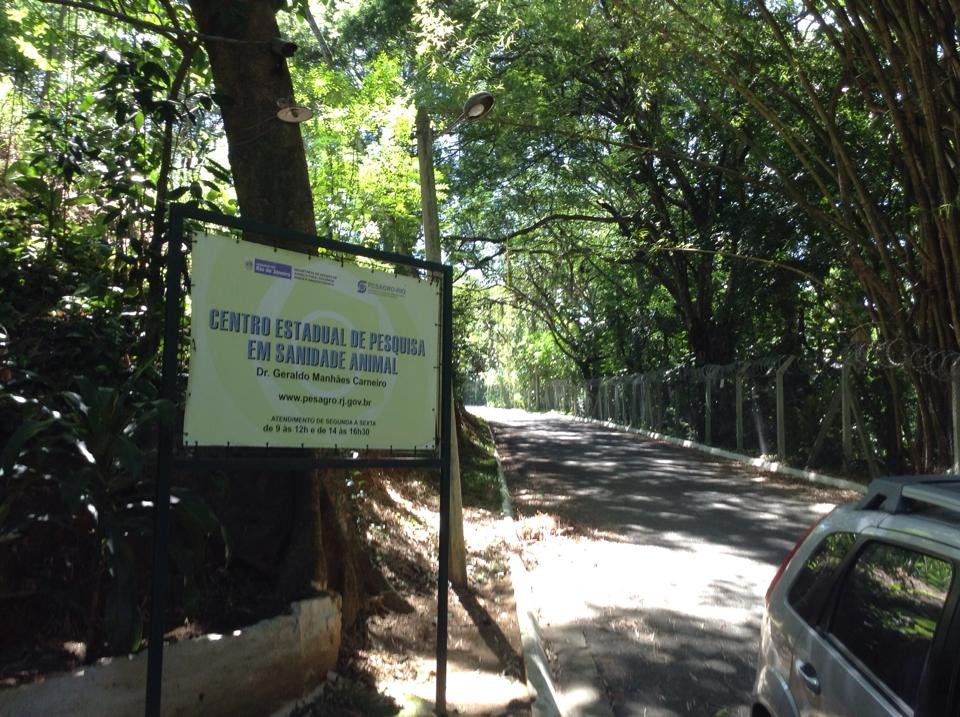
We also have the participation of EMATER, a state institution that work taking free rural technical services to farmers.
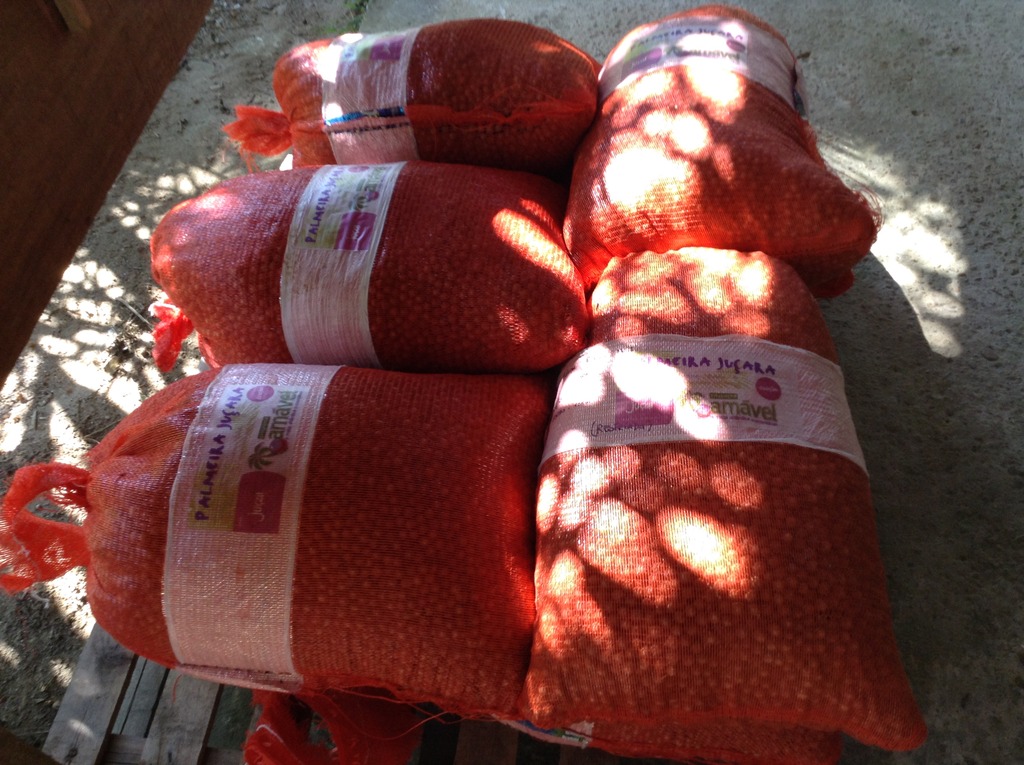
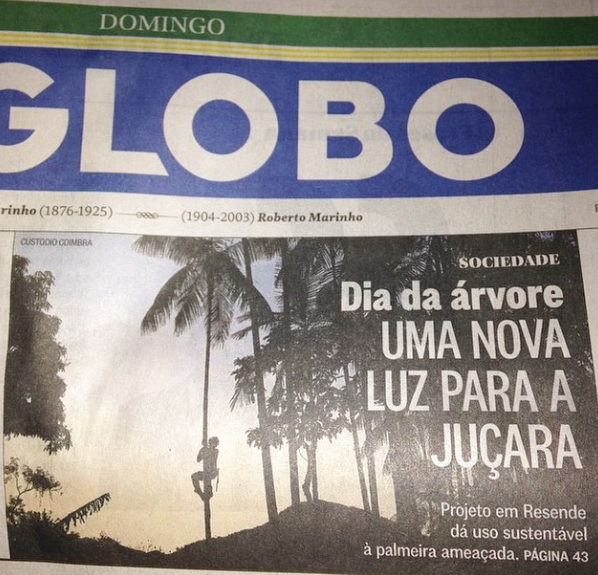
In December 2014 we started planting palm hearts, so we have the raining weather of the 2015 year beginning to fix the plants in the ground.
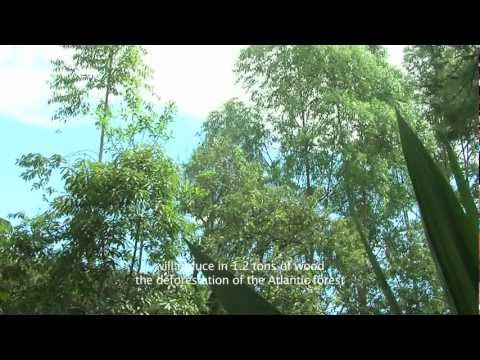
Our goal is to install at least three digesters in that quilombo and plant three acres of juçara palm Mixed with banana.
And we need you to do it together.
Thank you everybody!
Links:
By Ricardo Salles Hermanny | Project Leader
By Ricardo Salles Hermanny | Project Leader
Project reports on GlobalGiving are posted directly to globalgiving.org by Project Leaders as they are completed, generally every 3-4 months. To protect the integrity of these documents, GlobalGiving does not alter them; therefore you may find some language or formatting issues.
If you donate to this project or have donated to this project, you can receive an email when this project posts a report. You can also subscribe for reports without donating.