By beth duncan | Program Manager
Dear Donor,
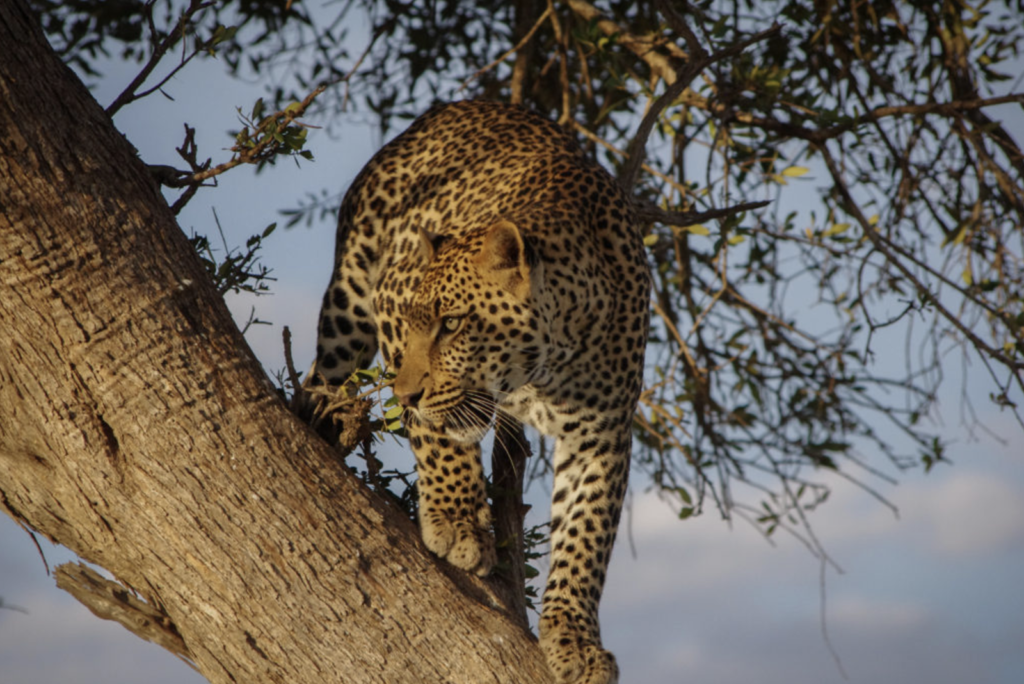
As always we are immensely grateful to each of you who have supported our work, which is guided by the ancestors and the spirit of the Big Cats.
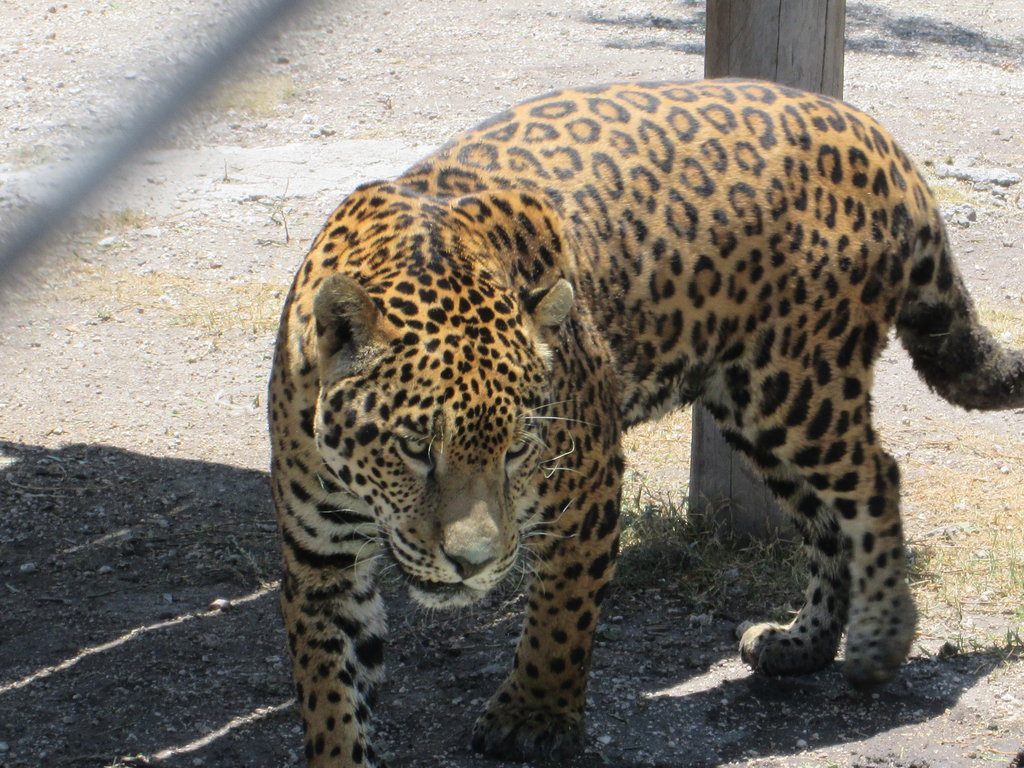
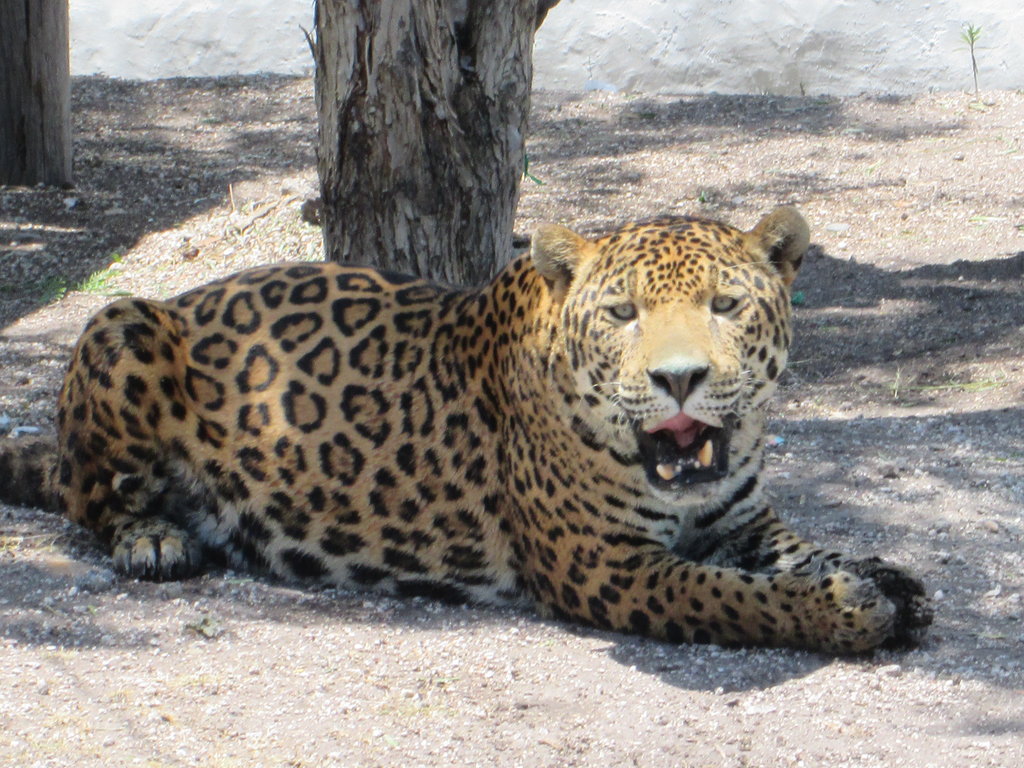
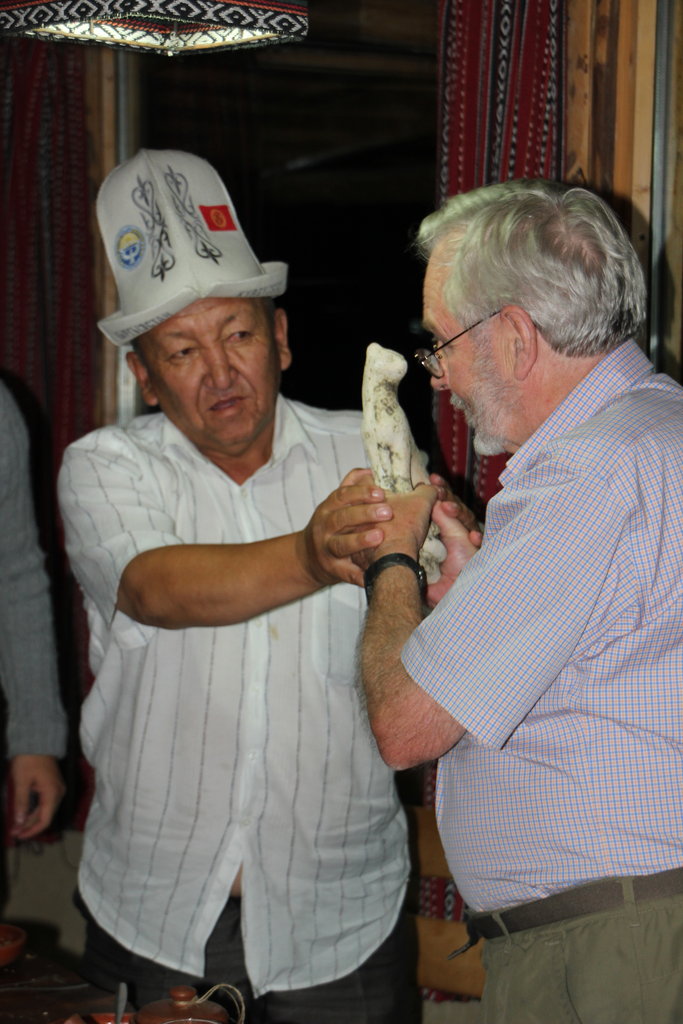
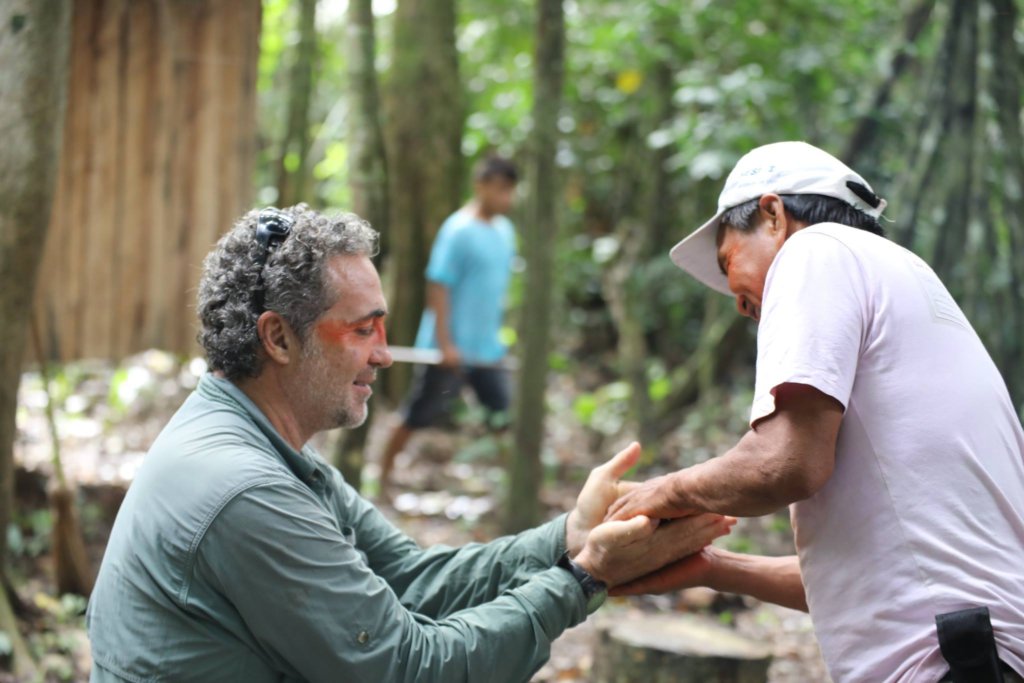
The Yawanawans of Brazil is an intact indigenous community that still practices sacred ancestral jaguar ceremonies. Though the land and climate where their communities are located are not an ideal terrain for jaguars, they have among the highest populations of jaguars in Brazil. They have lived in balance with the rainforest and jaguars for thousands of years, but because of modernization, poaching, and land grabs in recent years, jaguars, the immense biodiversity around them, and even the Yawanawans themselves--all intrinsically connected--are under severe threat.
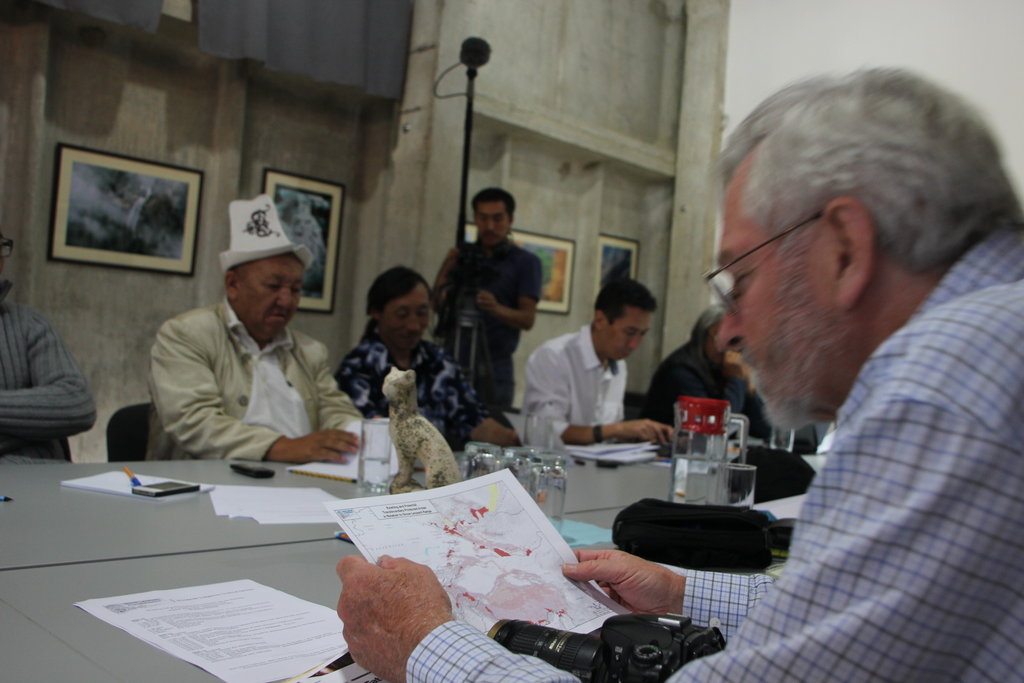
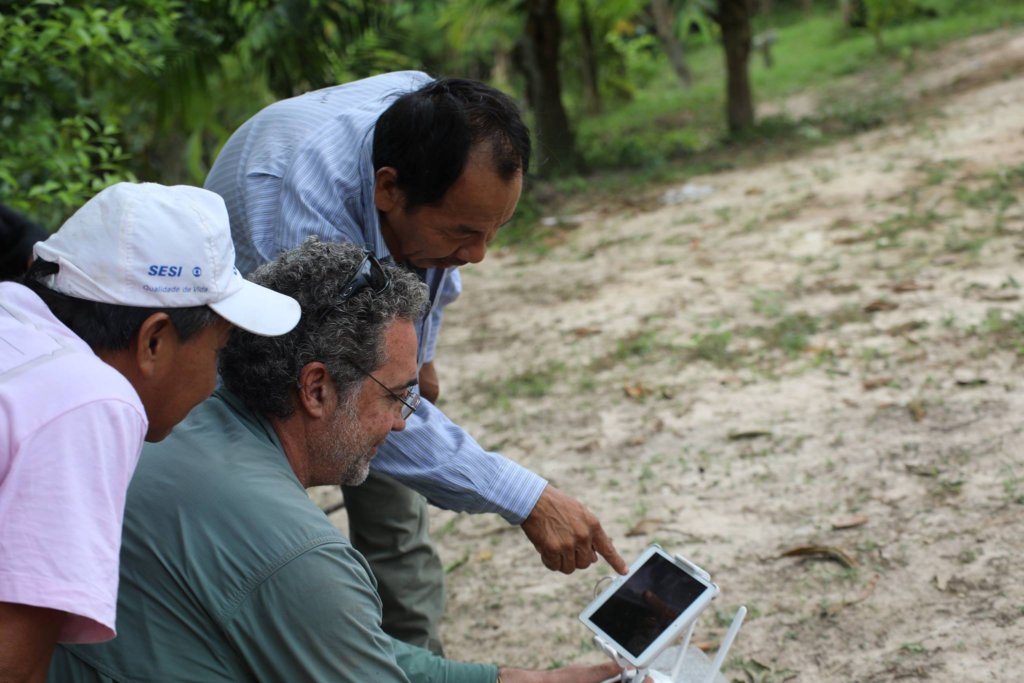
Last month, WISN sent an international security and anti-poaching expert to Yawanawan territories to work with the community, learn from them, and develop a strategy for best practices to help create a corridor of protection for Jaguars that would ultimately extend up through the rest of South and Central America. The meetings went well and the security expert has been able to prepare a plan for anti-poaching measures that would include patrol boats, a central anti-poaching station, and the training of community members for anti-poaching procedures.
The plan will require additional funding, so every bit helps. The security expert will be traveling back to Brazil in June to continue Phase I of the plan and will continue to meet with the Yawanawan tribal leaders to discuss more ways in which Western and Indigenous science can work together to preserve the sacred jaguar as well as the sacred lands on which they live.
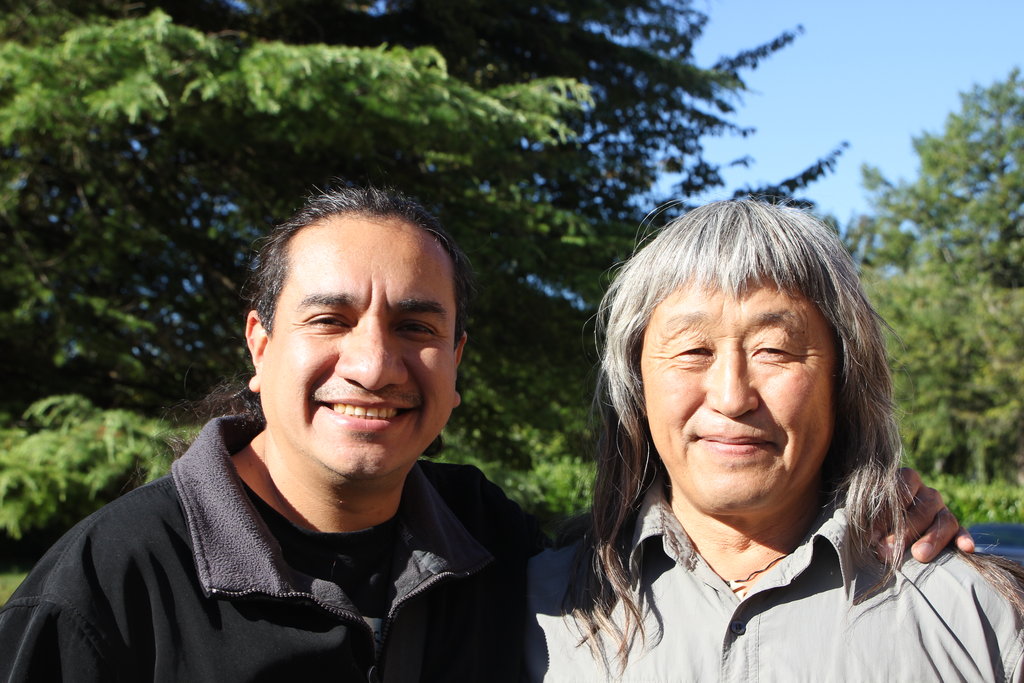
This past quarter, WISN has also been working with Yawanawan Chief and Indigenous Cultural Practitioner Tashka Yawanawa and his wife Laura to network during a recent trip to Washington, D.C. We have been networking with conservation contacts at the Smithsonian Institute as well as with potential funders, including an organization that has a large conservation area for desert jaguars in the Sonoran Desert region of Mexico, and an organization with a conservation facility in Costa Rica. If the momentum continues, the Yawanawan dream to create a corridor of jaguar protection that extends from the rainforests of Brazil through Mexico and the SW United States may, in fact, become a reality.
We will continue to raise funds for this effort as well as our work with the other big cats, and report back to you on some of our other developments in our next report.
As always, we are immensely grateful to you, our donors, for all you have done to make this possible. Thank you!
Project reports on GlobalGiving are posted directly to globalgiving.org by Project Leaders as they are completed, generally every 3-4 months. To protect the integrity of these documents, GlobalGiving does not alter them; therefore you may find some language or formatting issues.
If you donate to this project or have donated to this project, you can receive an email when this project posts a report. You can also subscribe for reports without donating.