By Charles Githu & Brian Odira | Fundraising and Communication Department
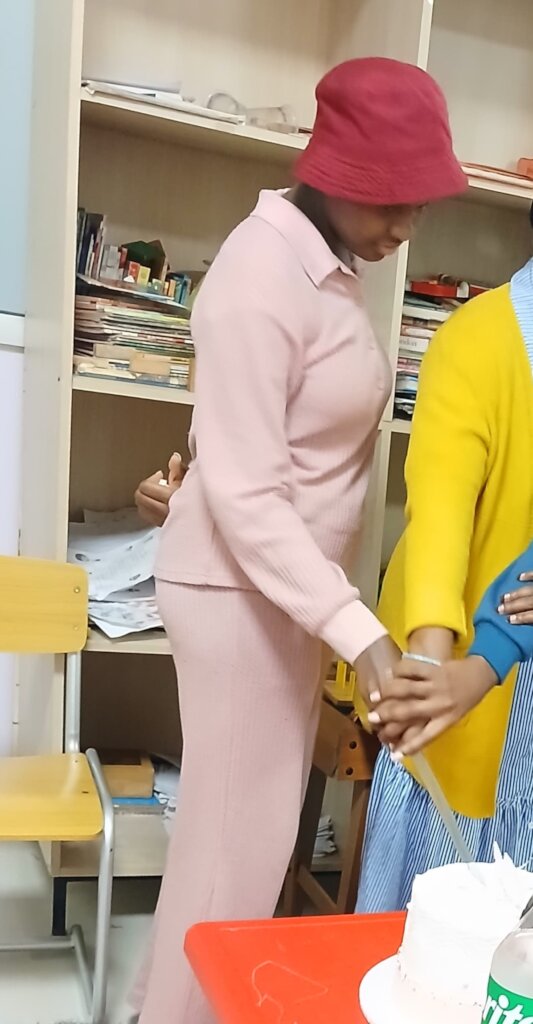
When fourteen-year-old Nicole arrived at Kenyatta University Teaching, Referral and Research Hospital (KUTRRH) in February, she wasn’t thinking about school or spending time with her friends. She was beginning the fight of her life. What her family hoped would be a hospital visit soon became months of chemotherapy, uncertainty, and learning to find hope in the smallest of victories.
Her mother, Julia, hoped that they would finally get answers after months of uncertainty. It had all begun with what seemed like severe anaemia. Nicole had become weak, and a visit to a local clinic revealed something alarming. Her haemoglobin level had dropped to just four. Doctors immediately arranged a blood transfusion. For a moment, it seemed things would improve. But only two weeks later, her blood levels had fallen again.
More tests followed. Then a bone marrow aspirate. Then, the diagnosis no parent is ever prepared to hear.
Leukaemia.
Still hoping there had been a mistake, the family sought a second opinion at Aga Khan Hospital before being referred to Kenyatta University Teaching, Referral and Research Hospital (KUTRRH).
The diagnosis was confirmed. Treatment had to begin immediately.
For Julia, the hardest part wasn’t only hearing that her daughter had cancer. It was about figuring out how they would afford to fight it.
Without medical insurance, the family sold possessions, relied on well-wishers, and gathered every shilling they could.
“It wasn’t easy,” Julia recalls. “But we had no choice.”
Since February, the hospital ward has been their home. Five months…Five months of chemotherapy. Five months of watching Nicole battle infections as her immune system weakened. Five months of celebrating small victories while praying for the next one.
The days often blurred together. Hospital routines replaced ordinary teenage life. School uniforms gave way to hospital gowns. Classrooms became treatment rooms.
Then, during one of the ward activities, Julia noticed a group of people moving from bed to bed.
At first, she thought it was simply another hospital programme. It wasn’t. It was Faraja.
“They asked how we were coping.”
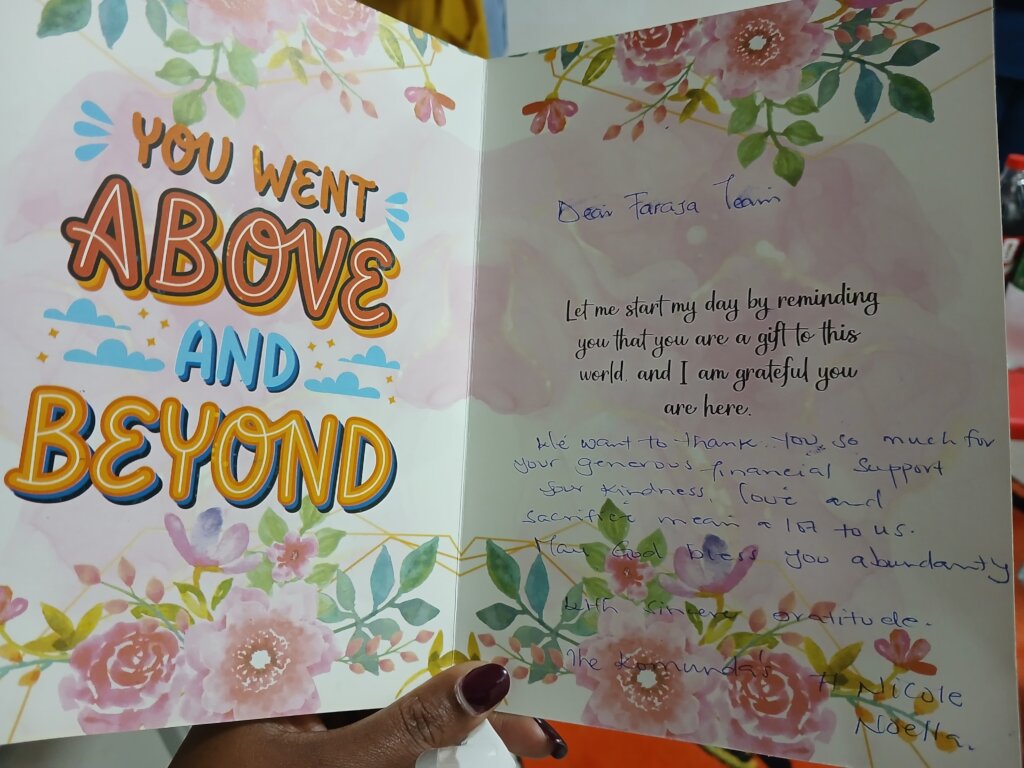
“When Julia explained that they had travelled far from home, had no medical insurance, and were paying for treatment themselves, Faraja stepped in.”The financial support came at exactly the moment it was needed most. “It was timely.”
But what surprised Julia most wasn’t the financial assistance. It was everything else.
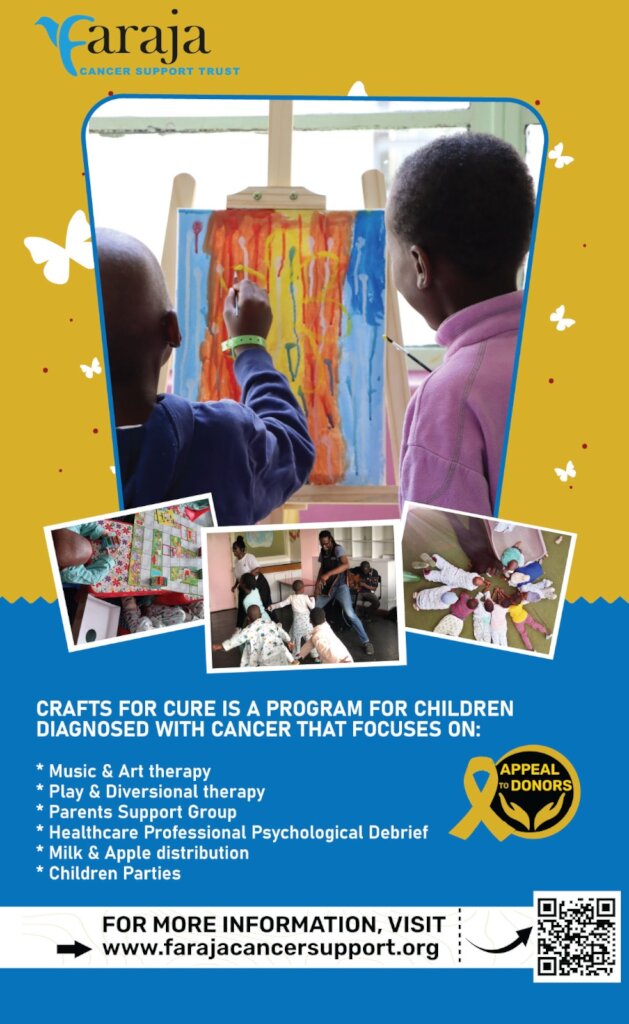
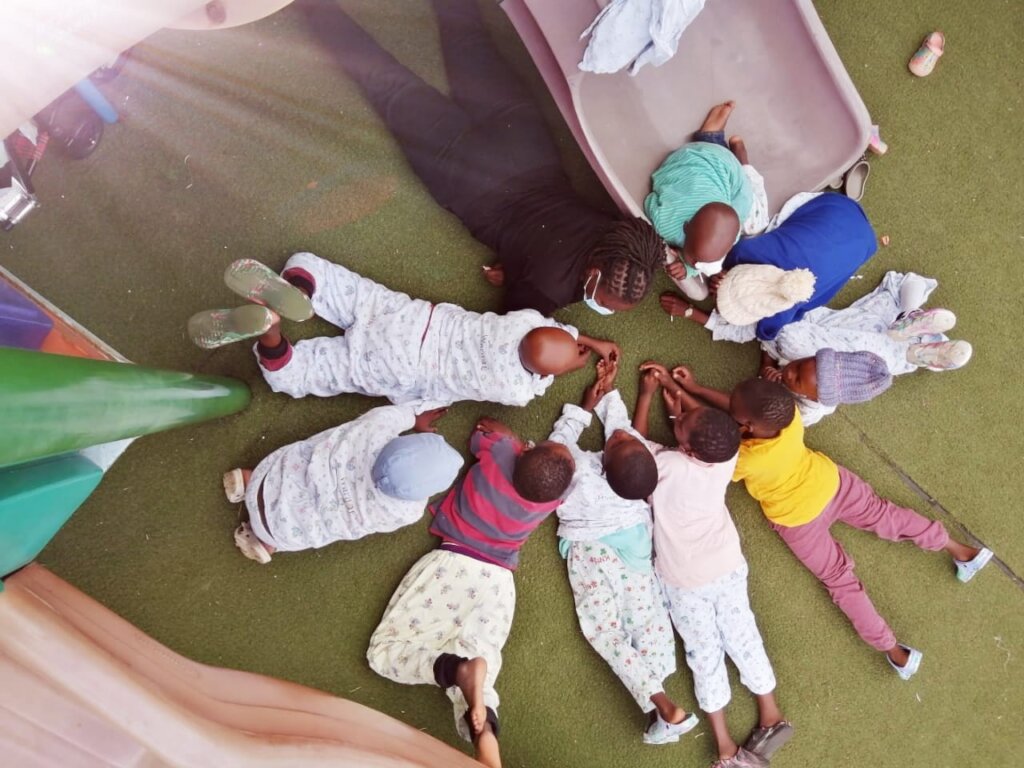
Week after week, Faraja returned. With other activities such as the diversional therapy, where we knitted, crocheted, and did beadwork. Furthermore, the conversations, the encouragement. Nobody prepares you for the loneliness that looms in these wards, and seeing the team from Faraja visit us really gave us comfort.
“Those activities helped us psychologically,” Julia says. “Instead of thinking about treatment and side effects all day, they kept our minds busy.”
A reminder that life was still happening beyond chemotherapy schedules and blood counts.
Now, after months away from home, Julia is preparing for something she once wondered would ever happen. She is taking Nicole home.
More than that… Nicole is preparing to start her secondary education and join Form 1.
A milestone that, only months ago, seemed impossibly far away. There will still be hospital reviews. There will still be follow-up appointments. However, now, there will also be classrooms, friends, homework, and dreams.
The ordinary life every fourteen-year-old deserves.
Looking back, Julia says this journey has taught her one lesson above all else.
Never lose hope. “Have patience. Trust the doctors, take the medication, and trust God. The doctors treat, but God heals.”
She also encourages families not to carry the burden alone.
“There are organisations like Faraja willing to help. Don’t be afraid to ask.”
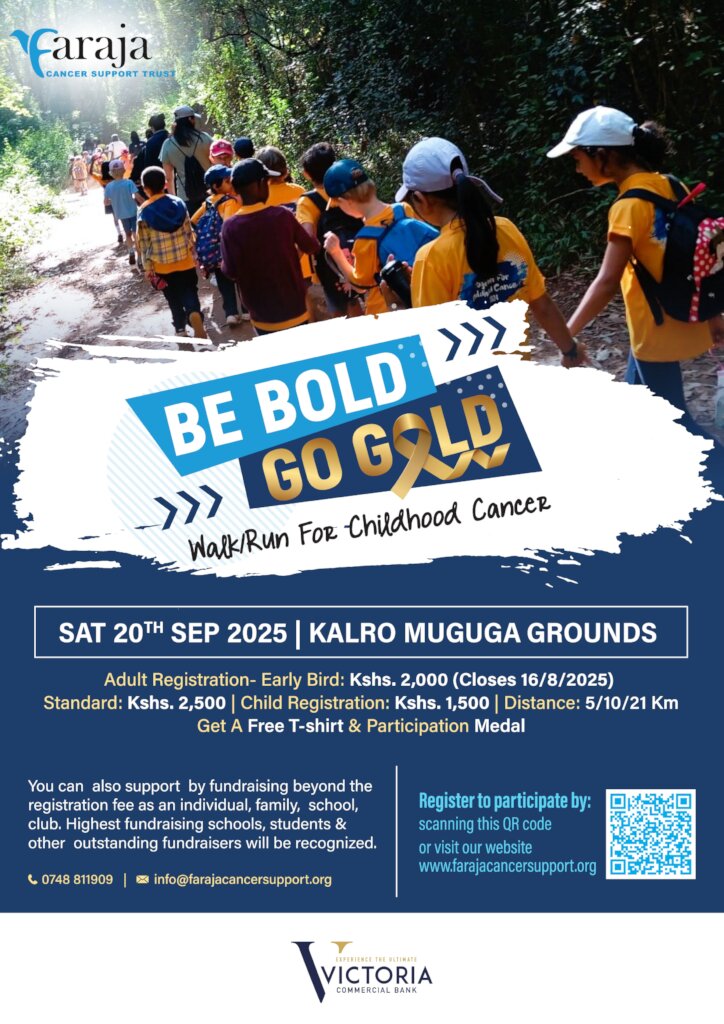
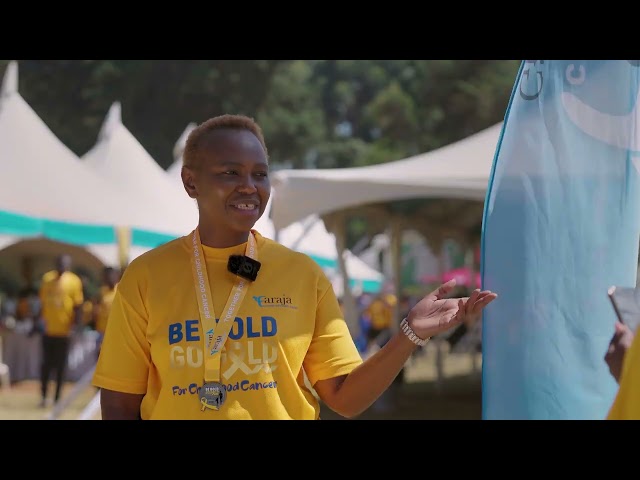
Why Be Bold Go Gold Matters
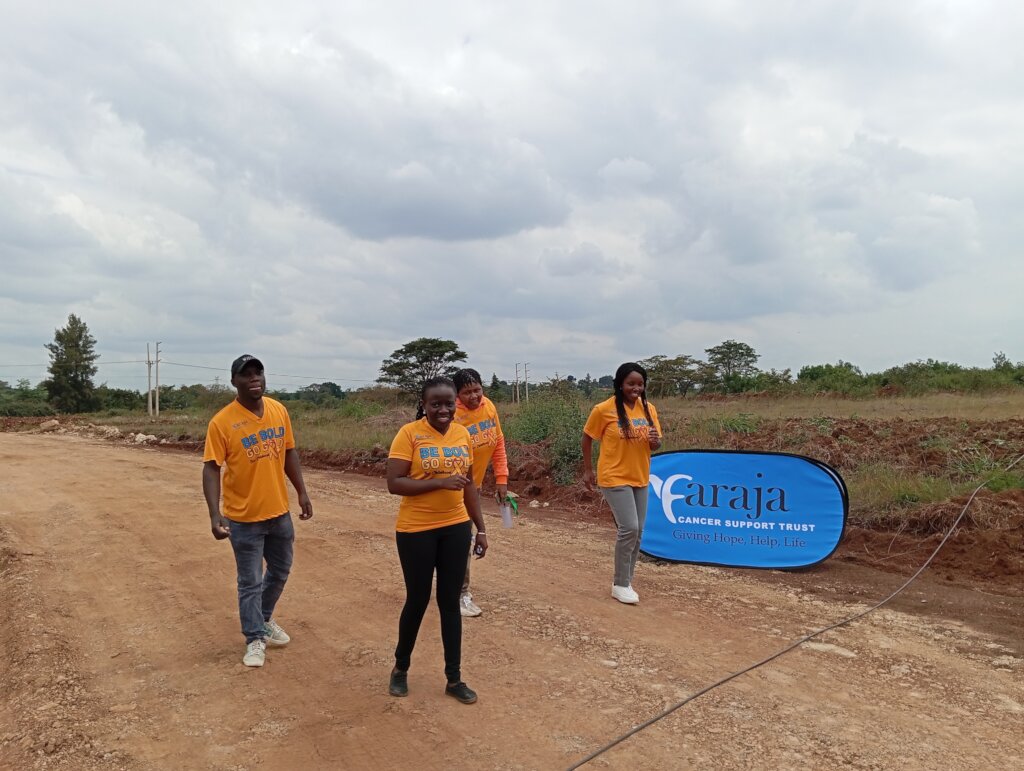
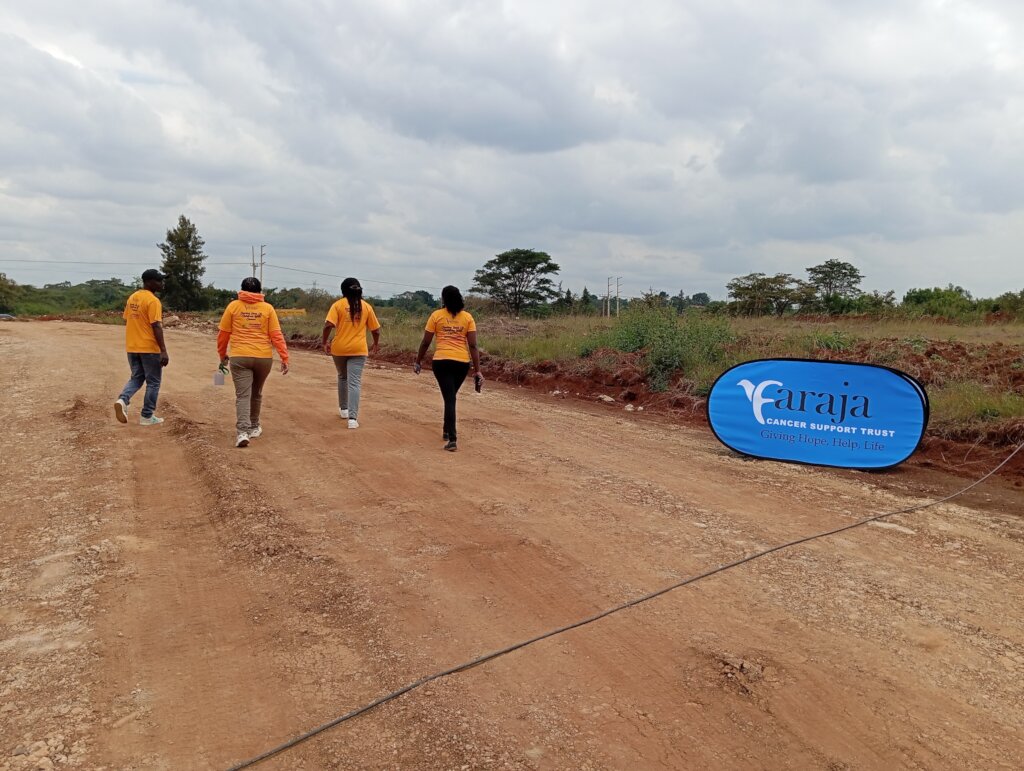
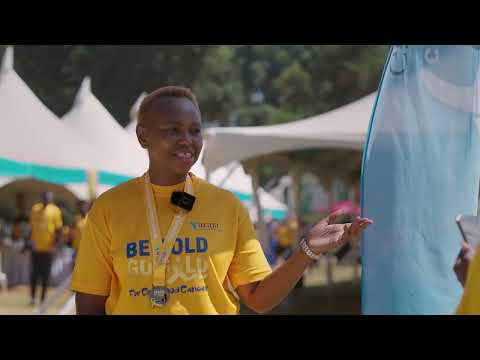
Every registration, sponsorship, and donation made through the Be Bold Go Gold Walk/Run helps families like Nicole’s continue fighting childhood cancer with hope.
Through financial assistance, psychosocial support, patient empowerment, and programmes like Crafts for Cure, Faraja walks alongside children and caregivers during some of the most difficult days of their lives, reminding them that even when they are hundreds of kilometres from home, they are never alone.
Sometimes, hope looks like a helping hand or even like learning to crochet beside a hospital bed.
And sometimes…
It looks like a fourteen-year-old girl is finally packing her bags, not for another hospital, but for school.
Links:
Project reports on GlobalGiving are posted directly to globalgiving.org by Project Leaders as they are completed, generally every 3-4 months. To protect the integrity of these documents, GlobalGiving does not alter them; therefore you may find some language or formatting issues.
If you donate to this project or have donated to this project, you can receive an email when this project posts a report. You can also subscribe for reports without donating.



Support this important cause by creating a personalized fundraising page.
Start a Fundraiser