By Maria Fernanda Polanco | Project Leader
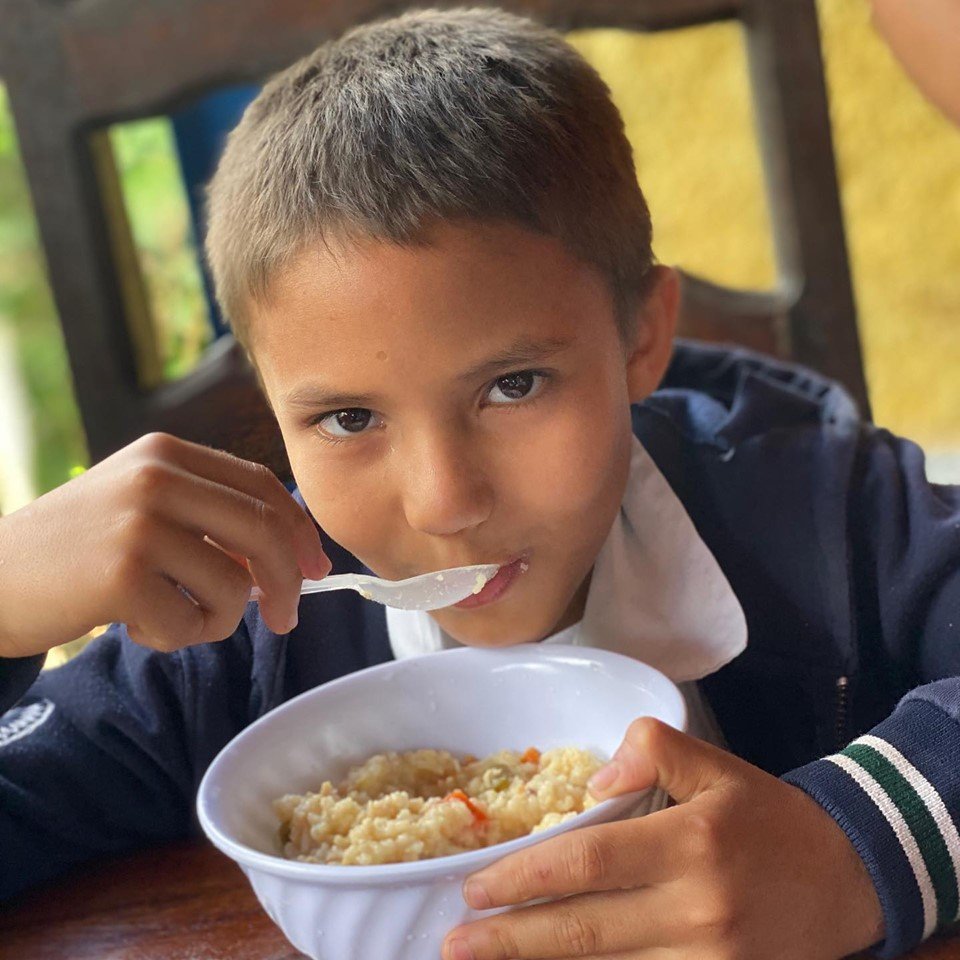
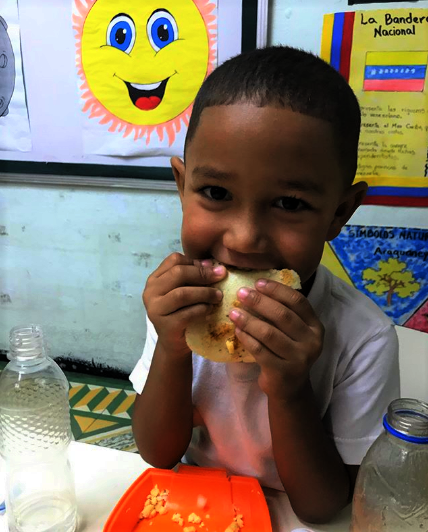
The purchasing power of the general population limits access to basic food, thereby negatively impacting the ability to meet required nutritional needs.
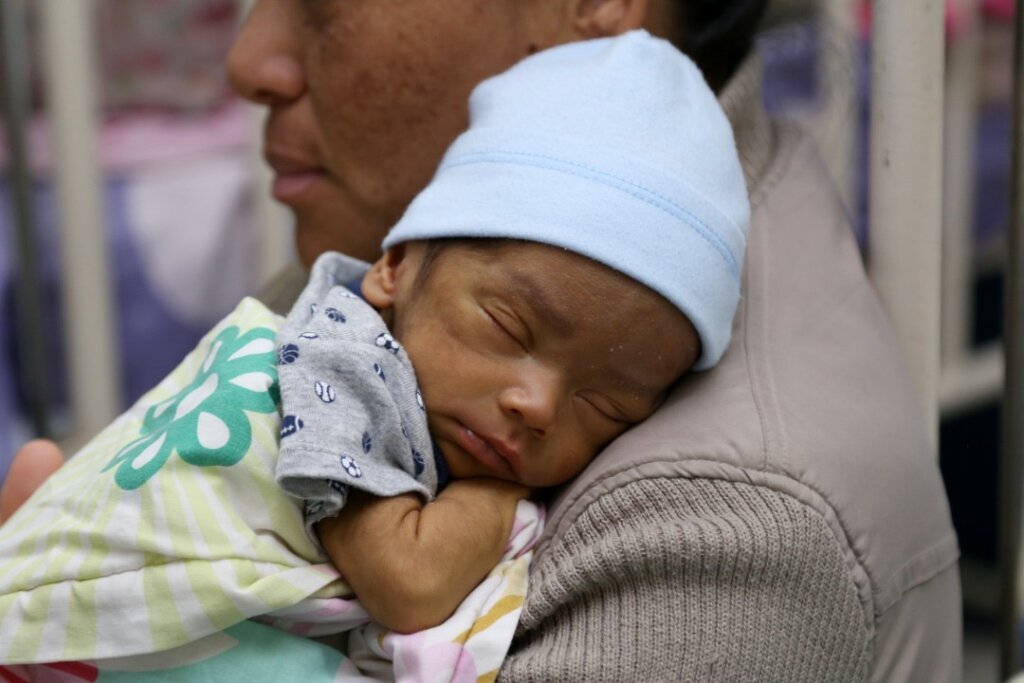
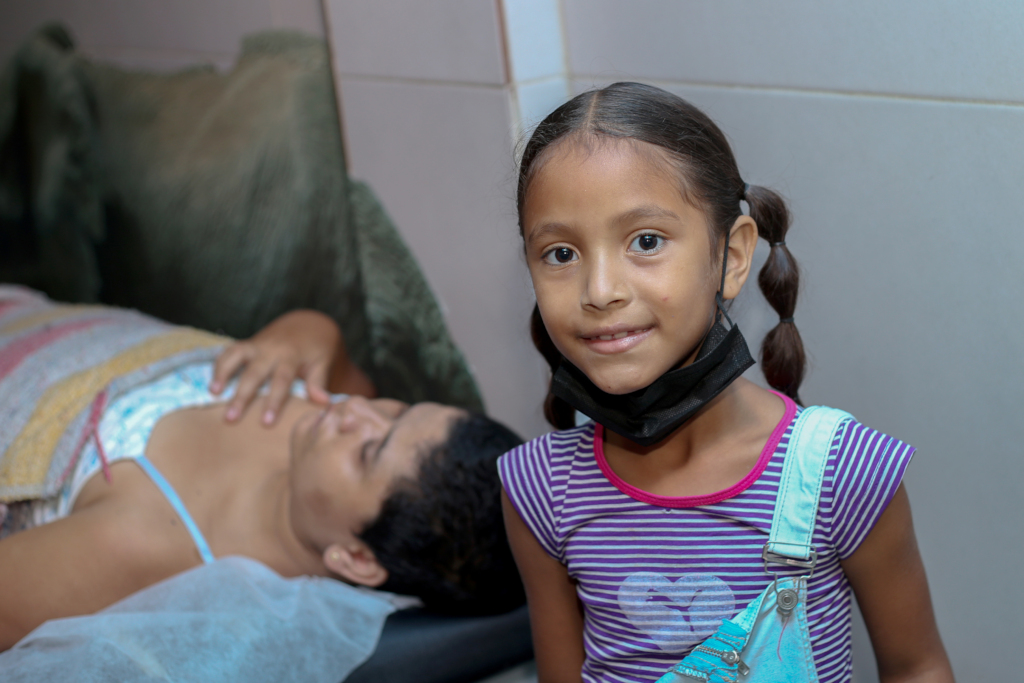
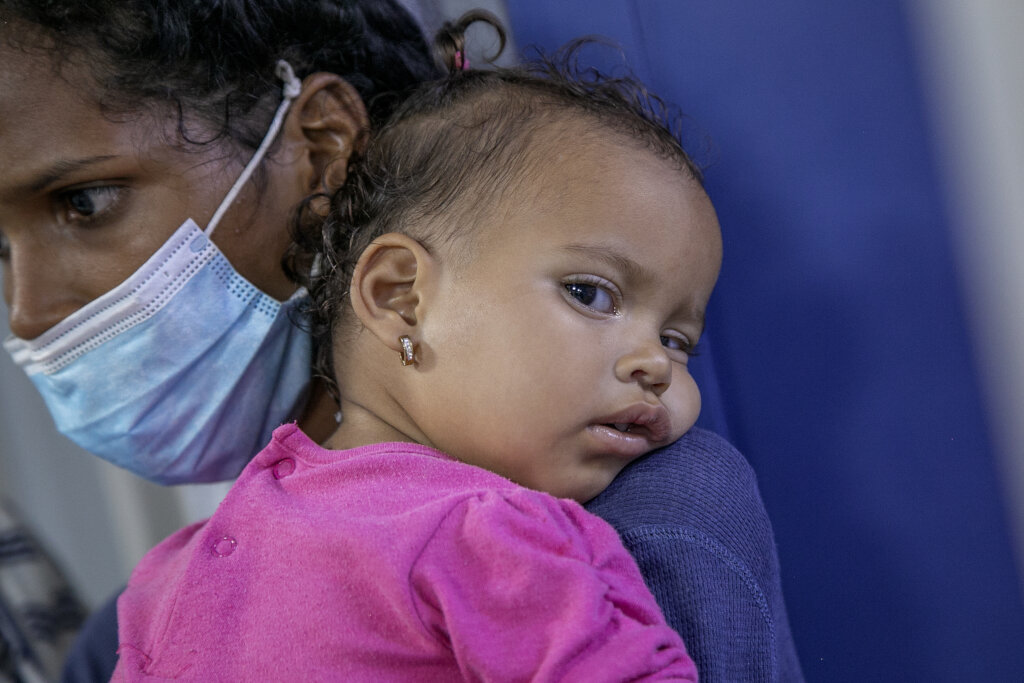
A public health system with notable deficiencies exacerbates the weaknesses for a vulnerable population (from newborns to adolescents), where the impact of an inadequate nutrition scheme adds to the inadequacy of the public health system, which fails to meet the minimum needs of the population.
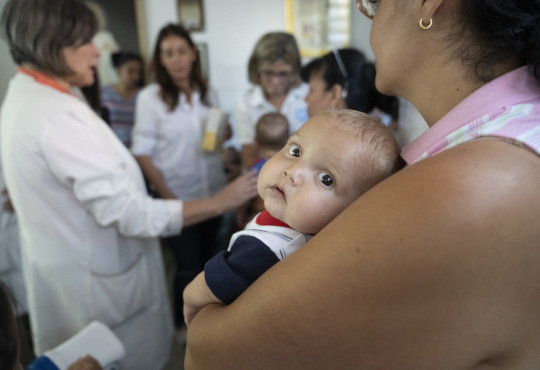
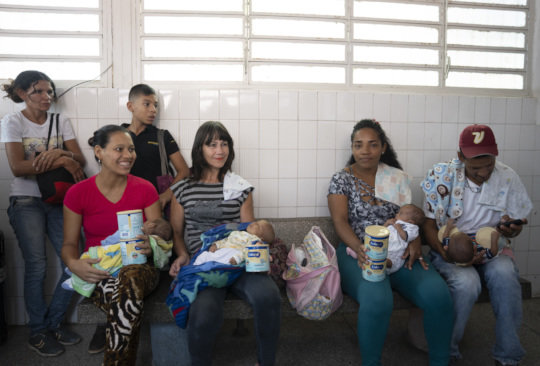
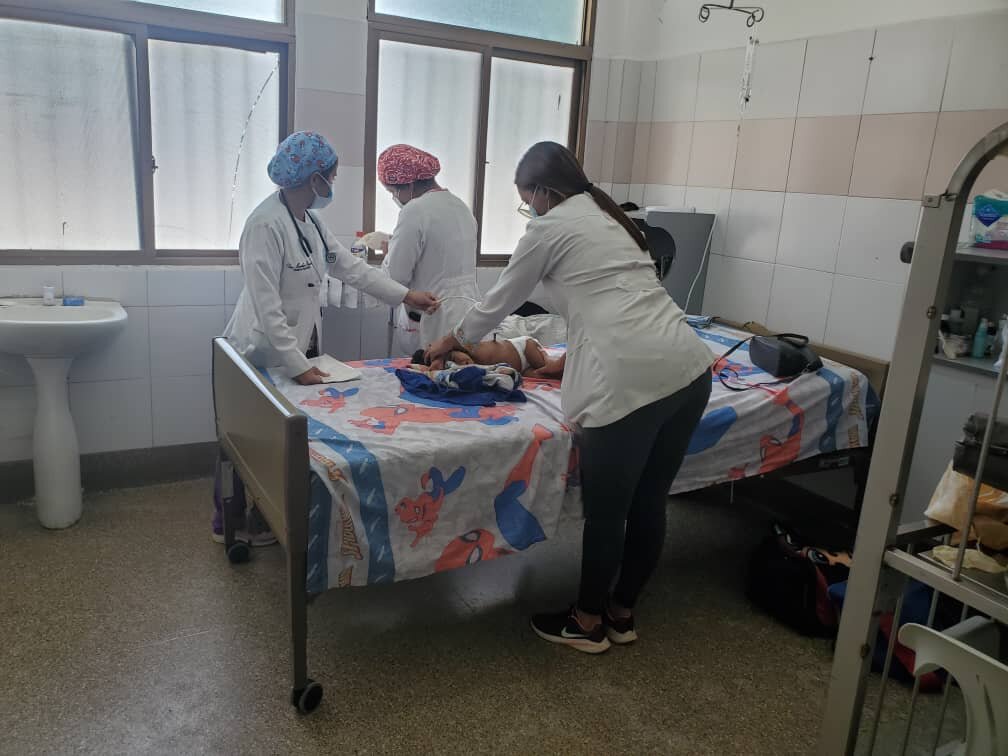
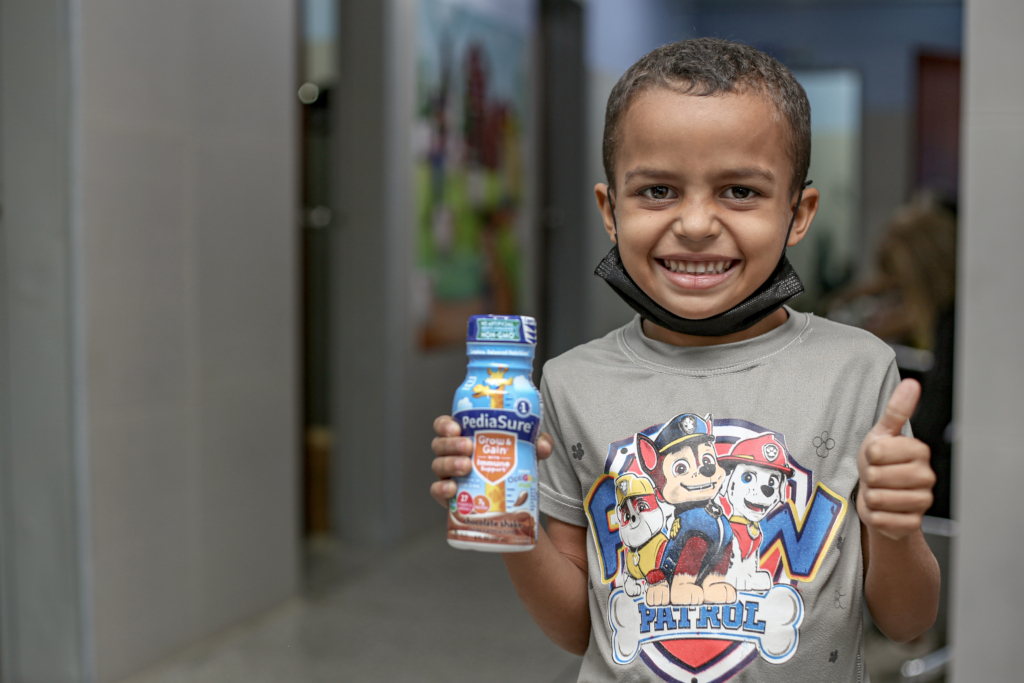
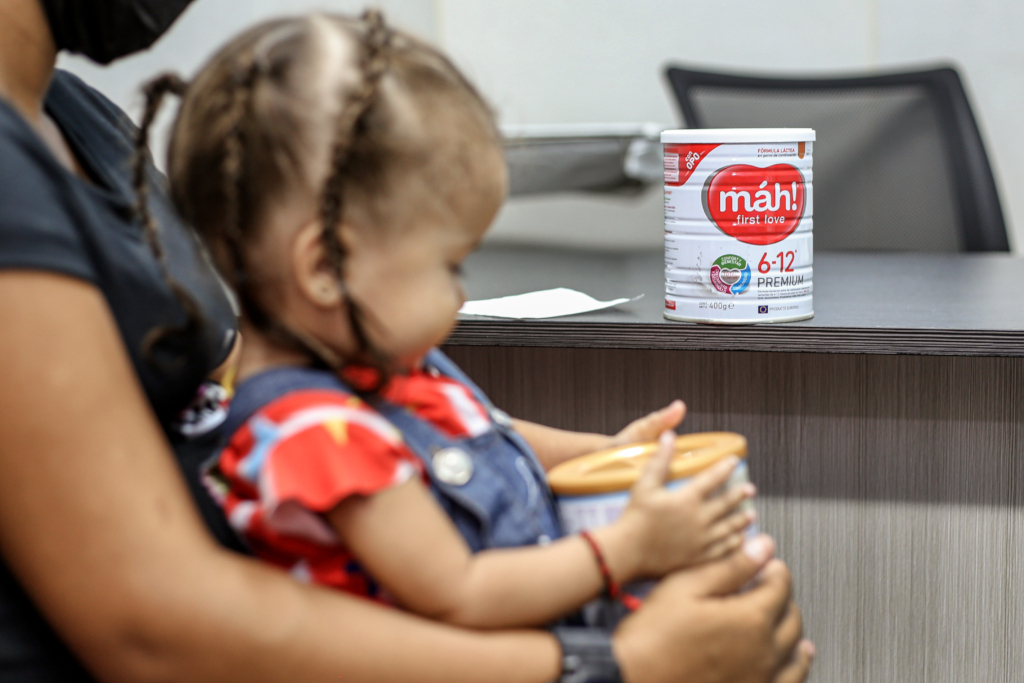
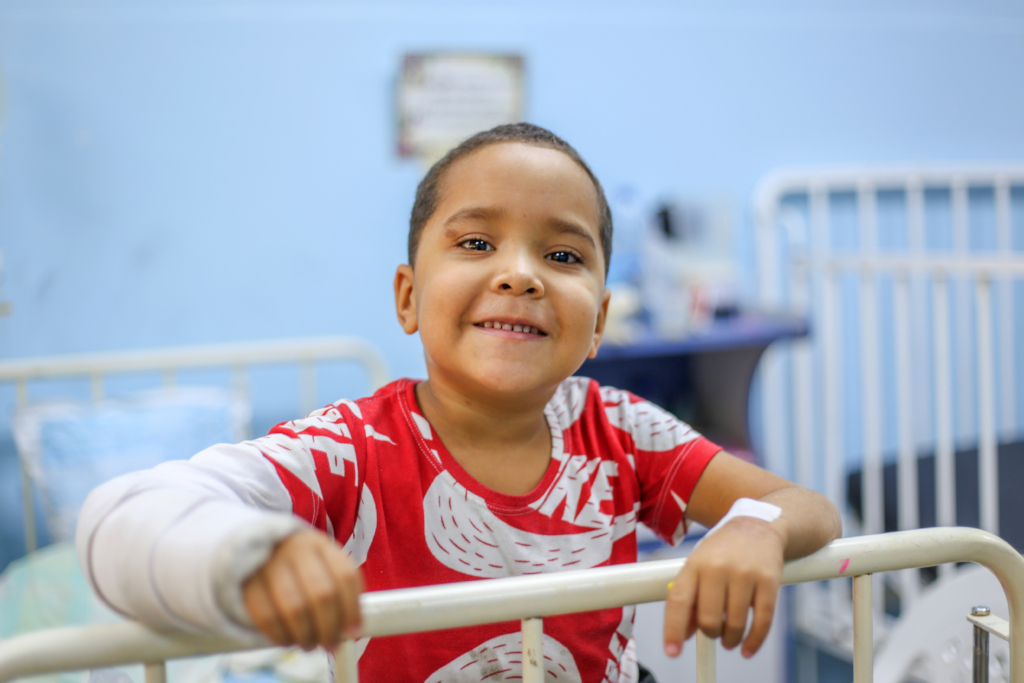
The attention to the needs of the patients approaching the Children's Hospital has taken on a more significant role for Friends. This has expanded their operational capacity within the hospital, strengthening the training of healthcare personnel, providing high-demand medicines and medical supplies, as well as significant support with vitamins, infant formulas, and nutritional supplements, benefiting boys, girls, and adolescents in their health conditions.
Through interactions with different services, prioritized requirements were identified, these include items such as 0.9% saline solution, cotton, surgical gowns, burettes, suction catheters #5, glucose meter strips, shoe covers, surgical caps, disposable gloves, nebulizer masks, surgical gowns, feces collectors, urine collectors, transfusion sets, sutures, plaster bandages, laparotomy kits, among others.
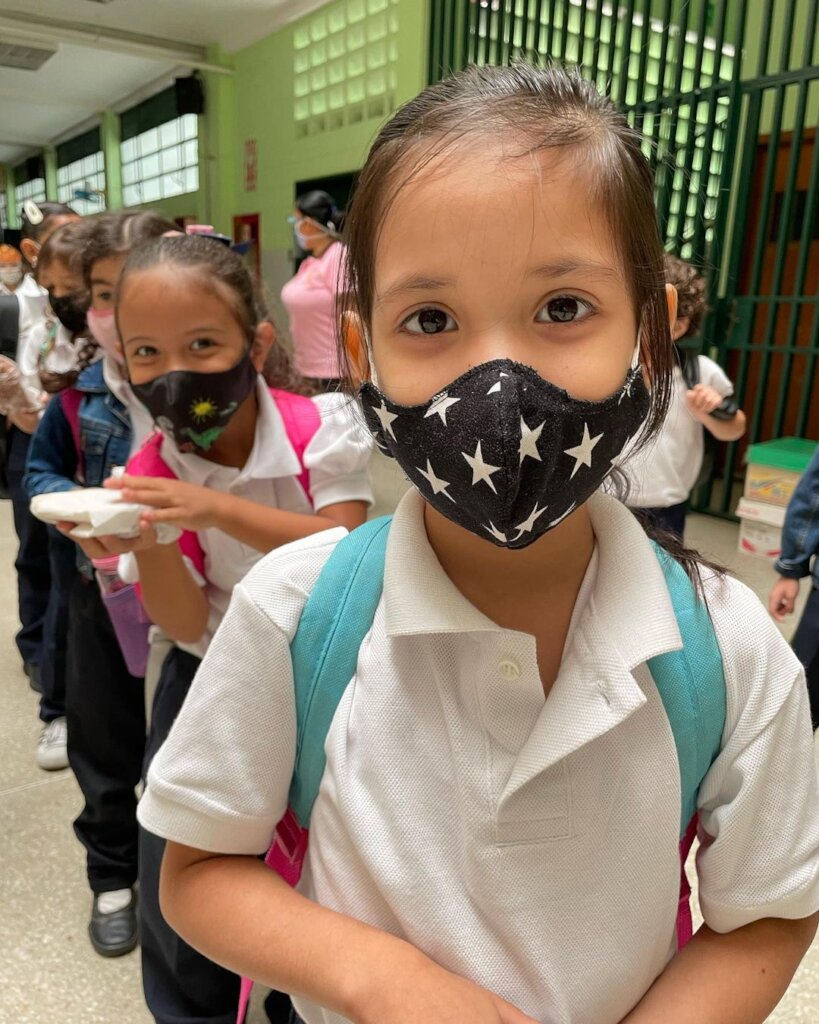
Vitamin distribution was provided to patients in various services as well as to the children of healthcare personnel at HDNJL. Similarly, organized communities were attended to in the delivery of this essential support for children between 1 and 14 years old.
During the last quarter, Communication and Information Campaigns were initiated in both the Emergency Room and the Pediatric Hospitalization Rooms. Patients and their caregivers receive information in a engaging format about disease prevention, sexual and reproductive health, nutrition, guidelines for pediatric care in the emergency room, basic actions to take at home before going to the hospital, infant care, mental and emotional health, accident prevention, first aid, and more. The videos consist of a combination of self-developed content (covering childhood and its significance in human development, promoting care and appreciation for hospital facilities, addressing self-esteem in children, values, and triage) as well as a compilation of videos produced by organizations like UNICEF, WHO, PAHO, among others. Notably, the Emergency Room provides information about Triage and its characteristics, educating visitors about the specifics of this care modality and guiding them on probable wait times based on their classification.
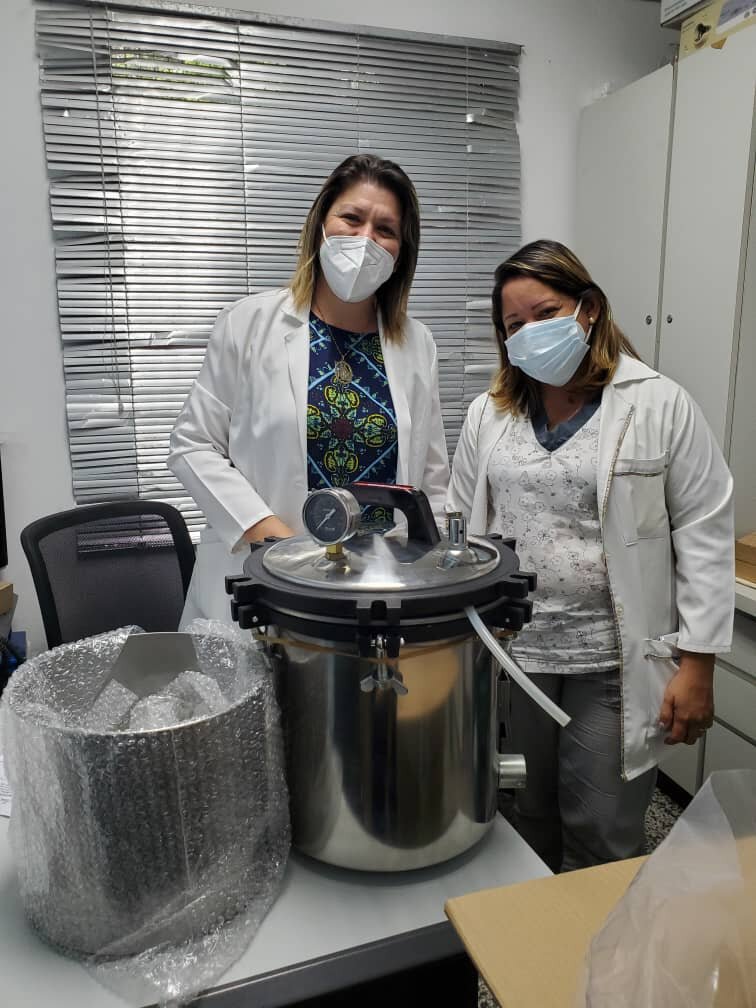
At the end of July, the Hematology, Blood Chemistry, and Coagulation Laboratory were activated. The training for each piece of equipment was completed, and the acquired reagents were delivered to sustain the laboratory's operation for an estimated one year. It's important to emphasize that this laboratory serves not only the Emergency Room patients but the entire Children's Hospital, expanding its positive impact and reach. Additionally, it's worth noting that the purchase of reagents was complemented with supplies related to the Bacteriology area: the acquisition of Petri dishes and special applicators for sample processing, supporting needs in this area for an estimated six months.
Project reports on GlobalGiving are posted directly to globalgiving.org by Project Leaders as they are completed, generally every 3-4 months. To protect the integrity of these documents, GlobalGiving does not alter them; therefore you may find some language or formatting issues.
If you donate to this project or have donated to this project, you can receive an email when this project posts a report. You can also subscribe for reports without donating.



Support this important cause by creating a personalized fundraising page.
Start a Fundraiser