Project Report
| Aug 14, 2023
The BASIZANA PROJECT 2ND QUARTER REPORT 2023
![]()
THE BASIZANA PROJECT 2nd QUARTER REPORT 2023
Table of Contents
Executive Summary………………………………………………………………………......................................….3
Highlights of the 2nd Quarter………………………………………………………………….....................................4
Work…………………………………………………………………………………………..........................................5
Activities……………………………………………………………………………………............................................5
Executive Summary
The Basizana project is an initiative that was established in September 2021 by the Bupilo Foundation to focus on female reproductive health. On average, Zambian rural girls miss about 10% of school days annually due to a lack of menstrual supplies, often missing exams or performing poorly as a result of their absenteeism during their period. In response to this, our mission is to provide long-term, sustainable solutions to fulfill our goal of reducing period poverty and menstrual absenteeism.
We believe adopting the following principles will help us accomplish this:
- Integrity: Our integrity is an integral part of our campaign to bring an end to menstrual absenteeism and period poverty. As such, we commit ourselves to operating in an accountable and transparent manner to comply with the international guidelines for philanthropy.
- Sustainability: Our efforts are driven by the pursuit of sustainable solutions to completely address the challenges surrounding period poverty. These include providing reusable menstrual supplies with high durability that reduce menstrual absenteeism to 0% with little cost to the environment.
- Health and Safety: The health and safety of our stakeholders and beneficiaries is important to us. Hence, we are committed to adhering to the appropriate national and international guidelines for health and safety.
This document reports activities of the 2nd quarter of 2023
HIGHLIGHTS OF THE 2ND QUARTER
- The team visited Sitoya Secondary School to get feedback on the progress made since the implementation of the project.
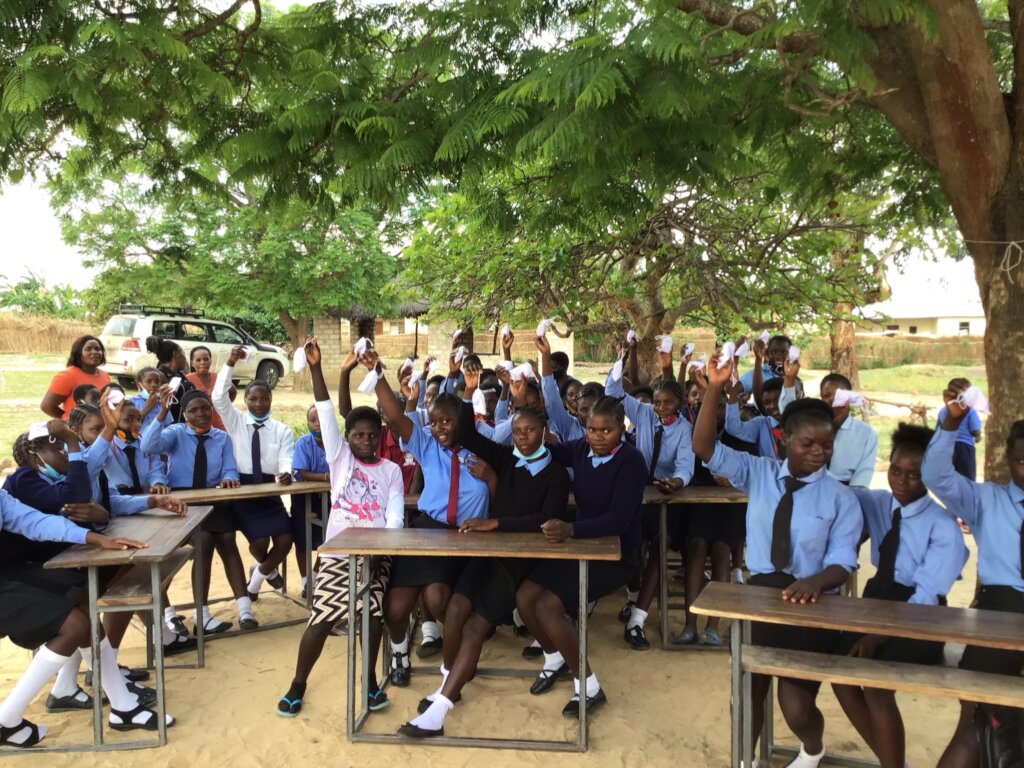
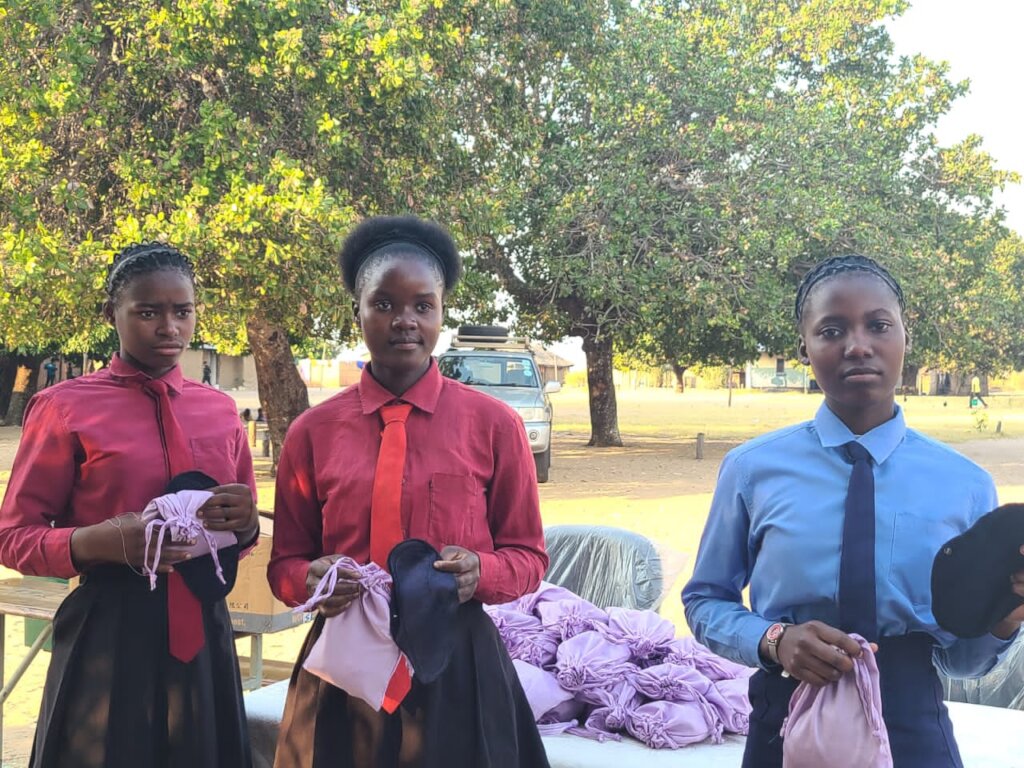
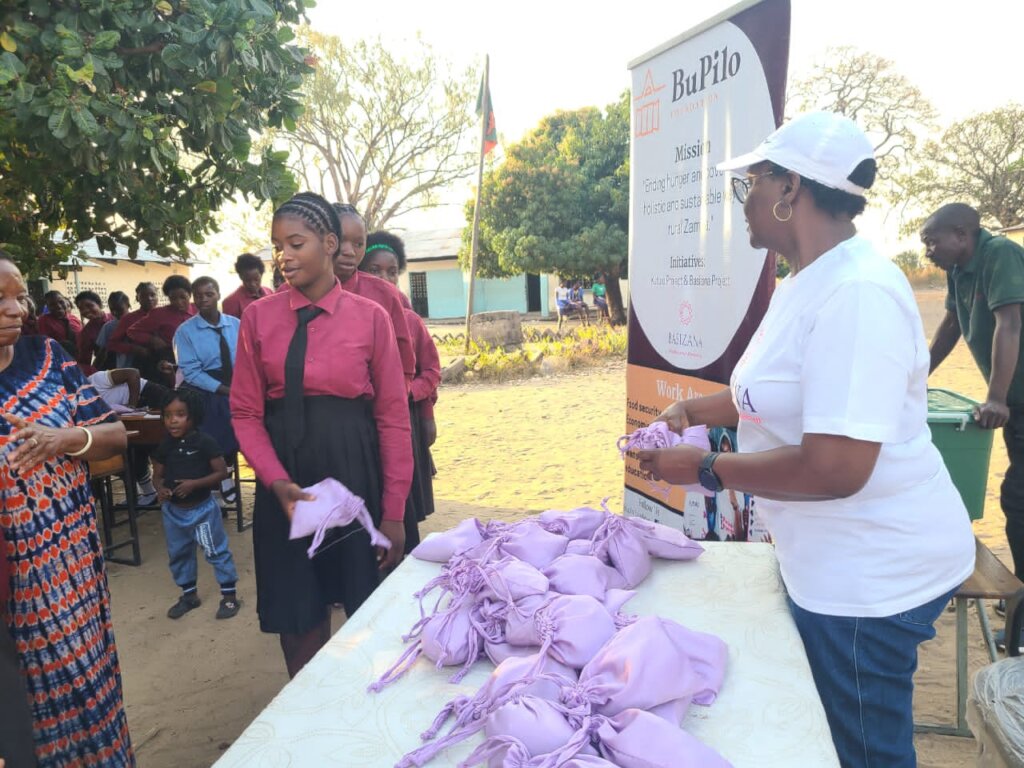
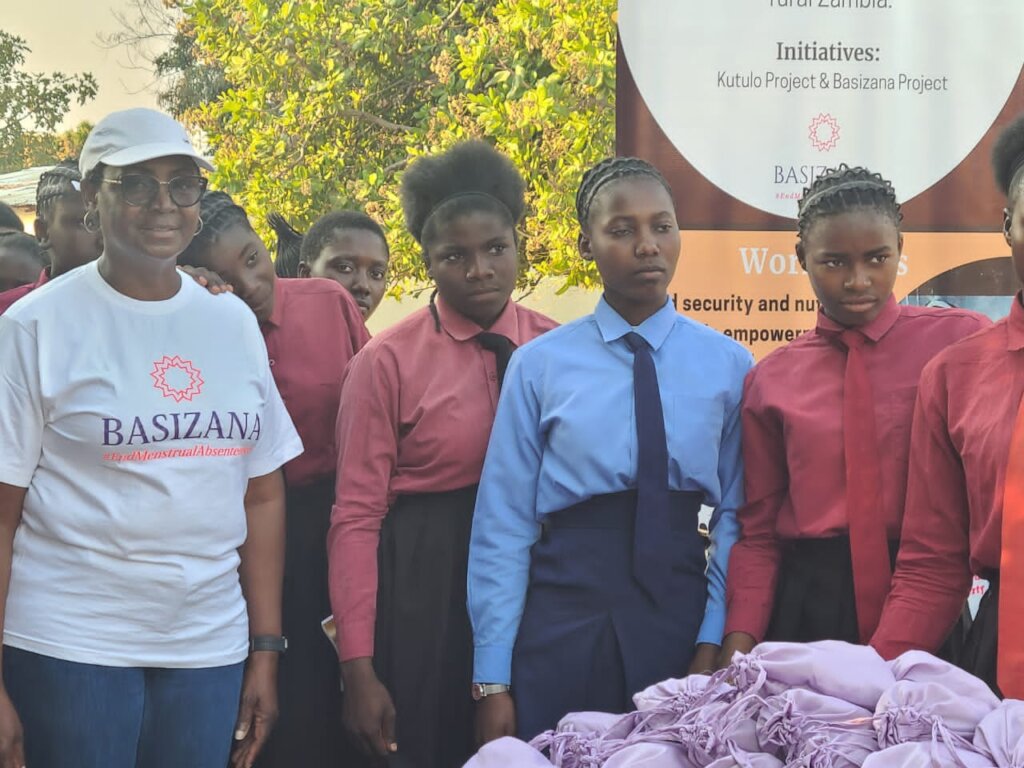
- 816 reusable sanitary pads were distributed to 204 girls.
- Introduction of matron.
WORK
SITOYA SECONDARY SCHOOL TRIP
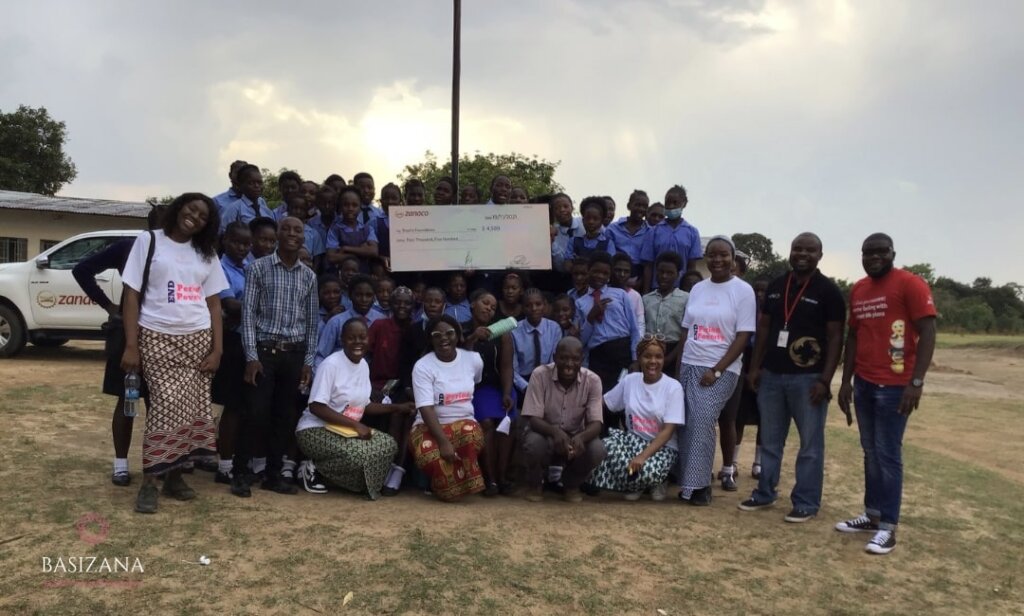
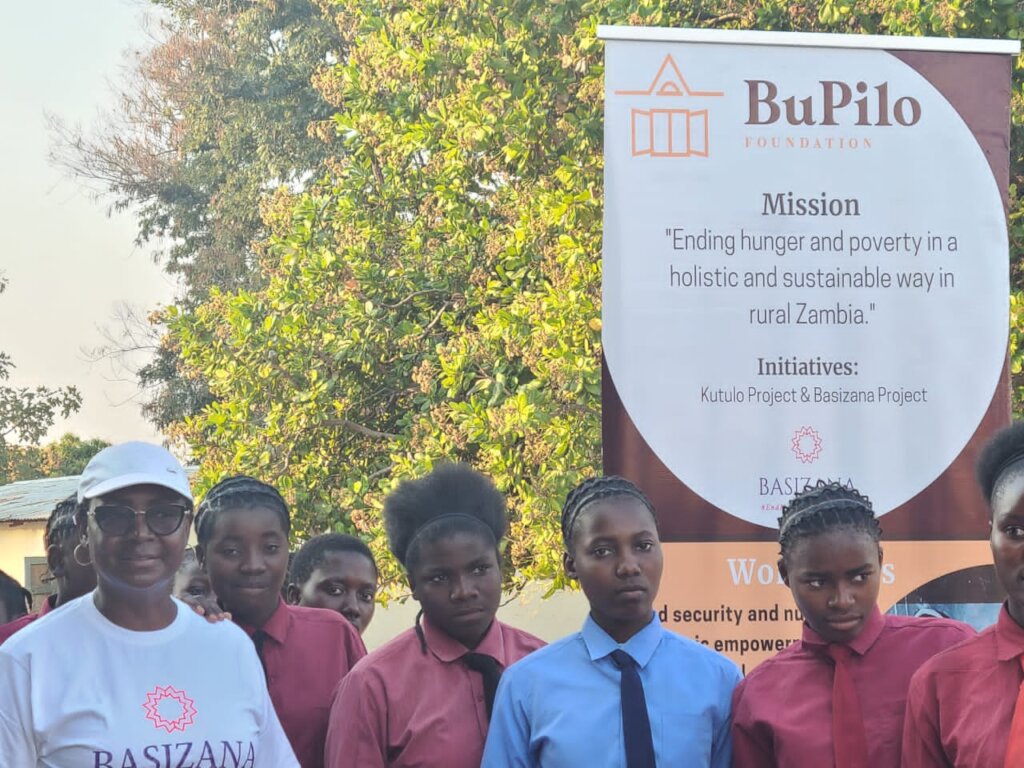
On June 29, 2023, the Basizana team, together with the chairperson of the Bupilo Foundation, Mrs. Mate Musokotwane, visited Sitoya Secondary School. The first order of the day was a Feedback Session on the reusable sanitary pads. The purpose of this session was to find out the impact of the reusable sanitary pad on menstrual absenteeism thus far.
- To start with, it was generally reported that menstrual absenteeism is dropping to zero because the girls can now attend classes while on their period and change their pads when necessary. It was further stated that the thickness of the reusable pads enables the girls to change them at break time. This implies that four (4) pads are sufficient for the day and can be washed and ready to use the next morning.
- Due to the increased menstrual hygiene awareness of the Basizana Project, there is a decrease inthe stigma surrounding menstruation. As a result, it was stated that the girls have become more confident in class and are more comfortable holding conversations about menstrual hygiene as well as the use of the reusable sanitary pads that they have been introduced to by the project.
- In order to ensure the sustainability of this project, the team introduced the girls to a matron. The matron has been assigned to handle sensitive matters concerning the reusable pads. The girls were then encouraged to talk to the matron whenever they had concerns regarding the project, such as training on how to use the pads.
ACTIVITIES
- A total of 204 girls at Sitoya Secondary School (The same beneficiaries as the previous year) received reusable sanitary pads. Each girl received a pack containing four (4) reusable pads with a lifespan of two years.
- During every visit, the Basizana team conducts a menstrual management session. The purpose of this session is to train and inform girls on how to use reusable pads sustainably. However, the session did not take place this time around, as previous beneficiaries are now capable of training new beneficiaries. In this sense, the sharing of knowledge is improving as well as raising awareness of menstrual issues within rural communities.
![]()
![]()
![]()
![Share on Twitter]()
![Share on Facebook]()