By Shoaib Saboory | Project Leader
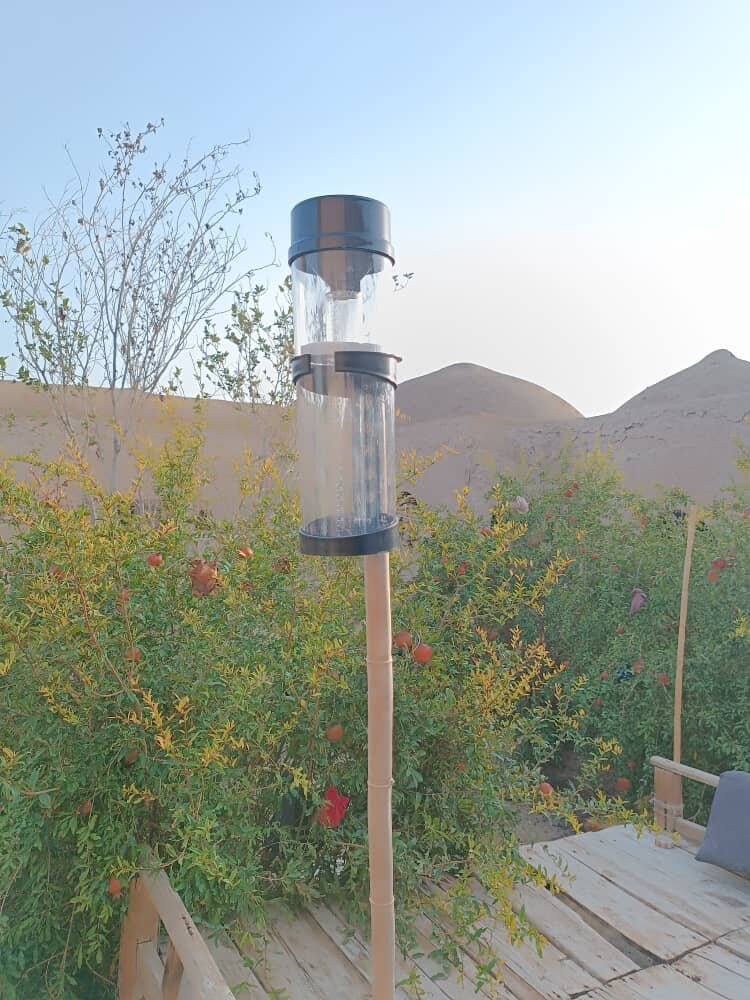
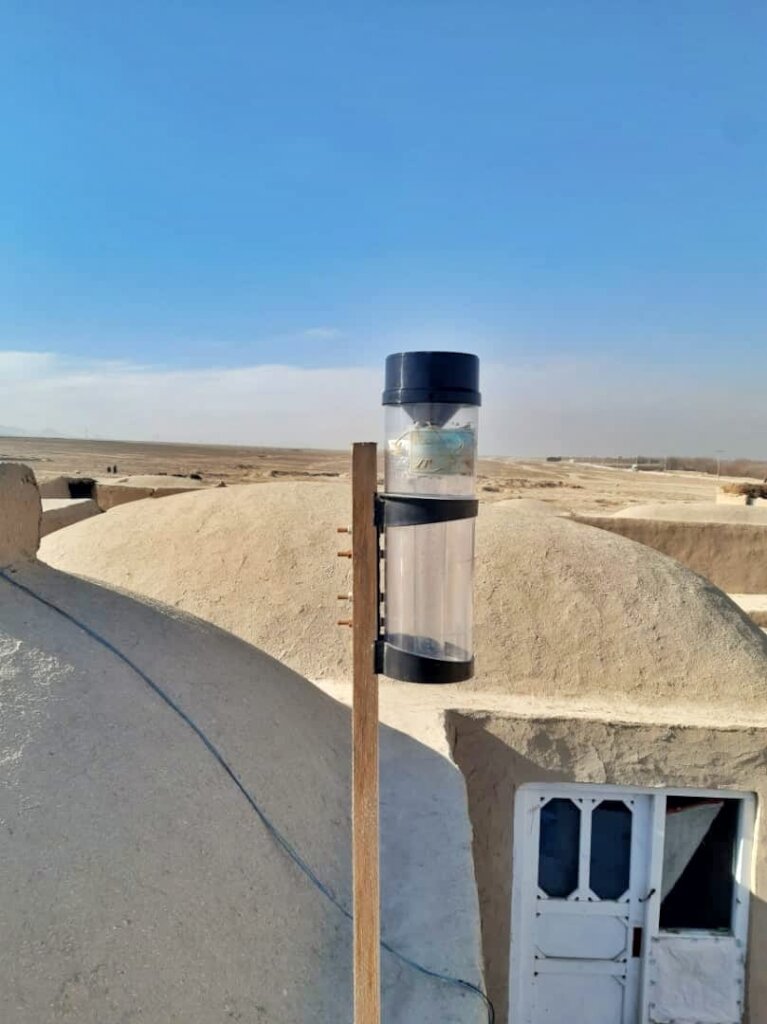
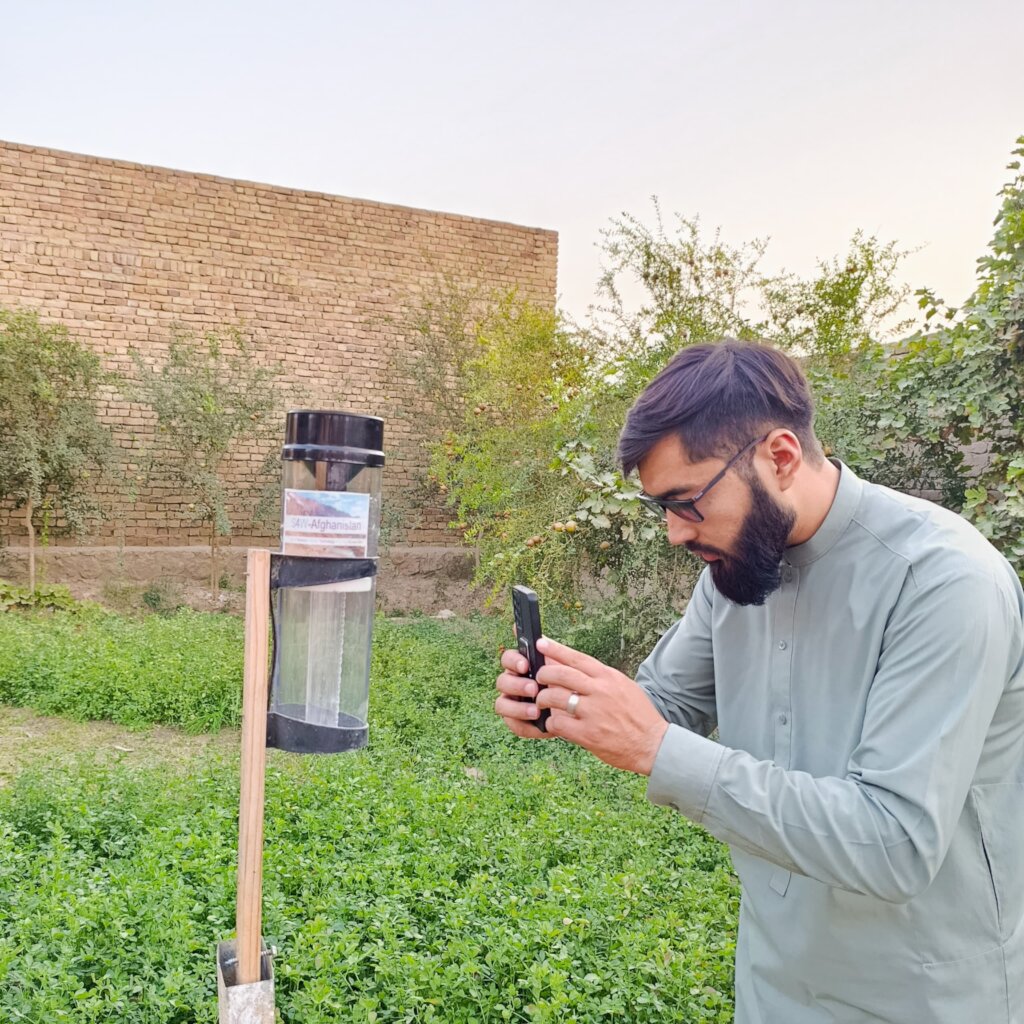
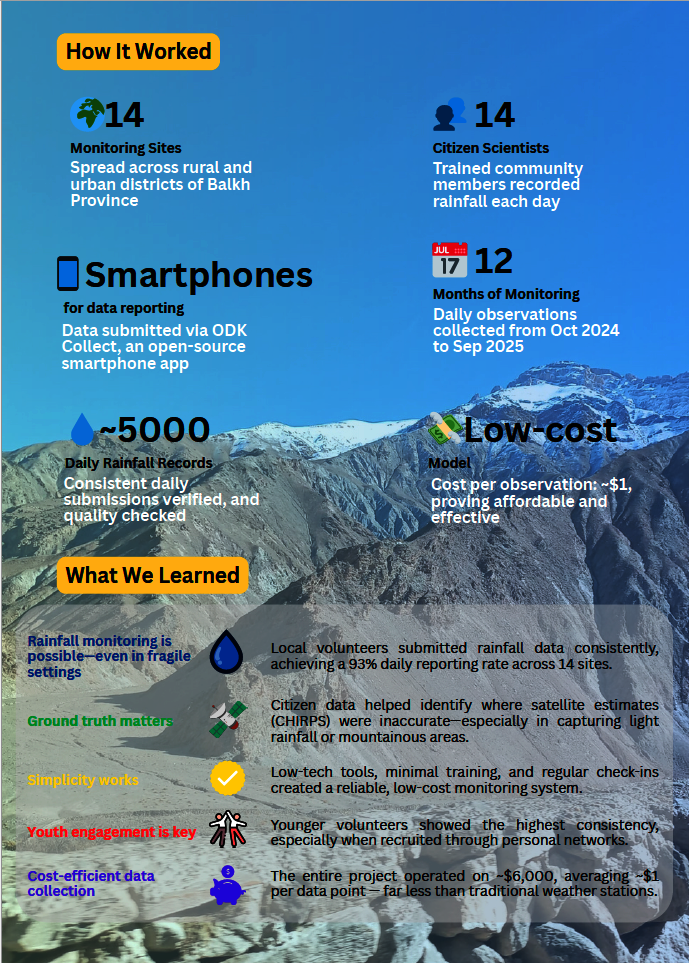
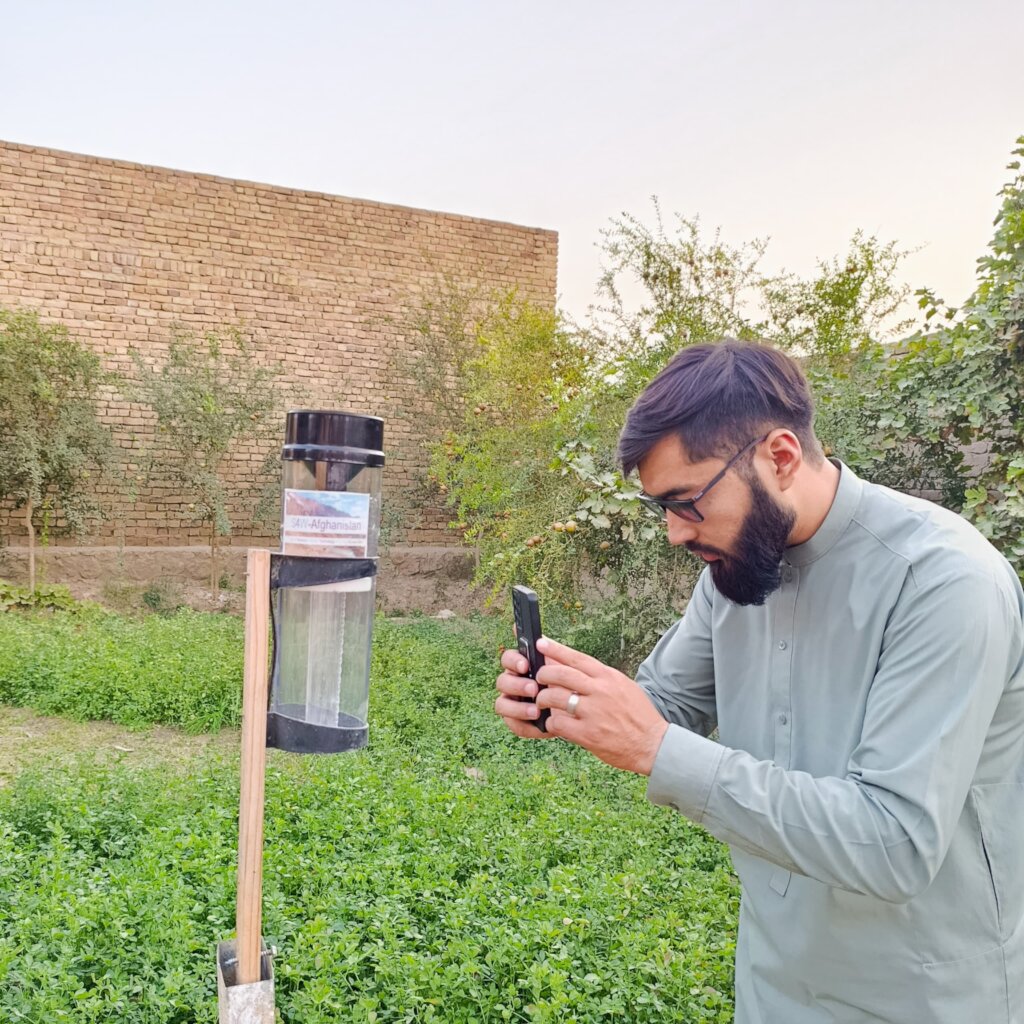
In northern Afghanistan, where reliable weather data has been largely absent for decades, a small network of local volunteers is quietly helping to change that reality. Through the BARAN (Balkh Rain Network) project, citizen scientists continue to record daily rainfall using simple tools—rain gauges and smartphones—rebuilding critical climate knowledge from the ground up.
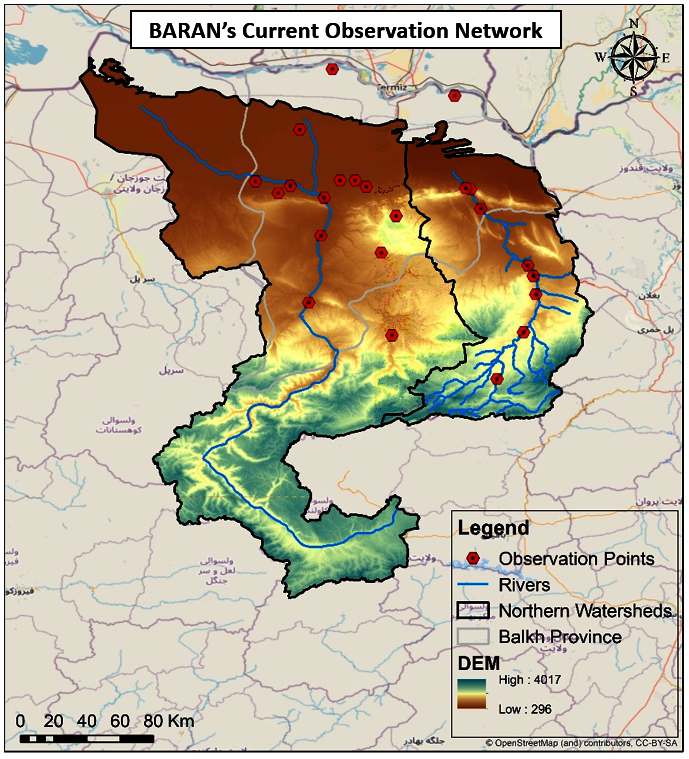
Over the past few months, our network has remained active across multiple monitoring sites in Balkh Province. Despite limited infrastructure and a challenging operating environment, observers have consistently submitted rainfall data, contributing to a growing dataset that supports a better understanding of local weather patterns. This information is vital for farmers, water management, and early warning of droughts and extreme events.
What makes this effort especially powerful is the people behind the data.
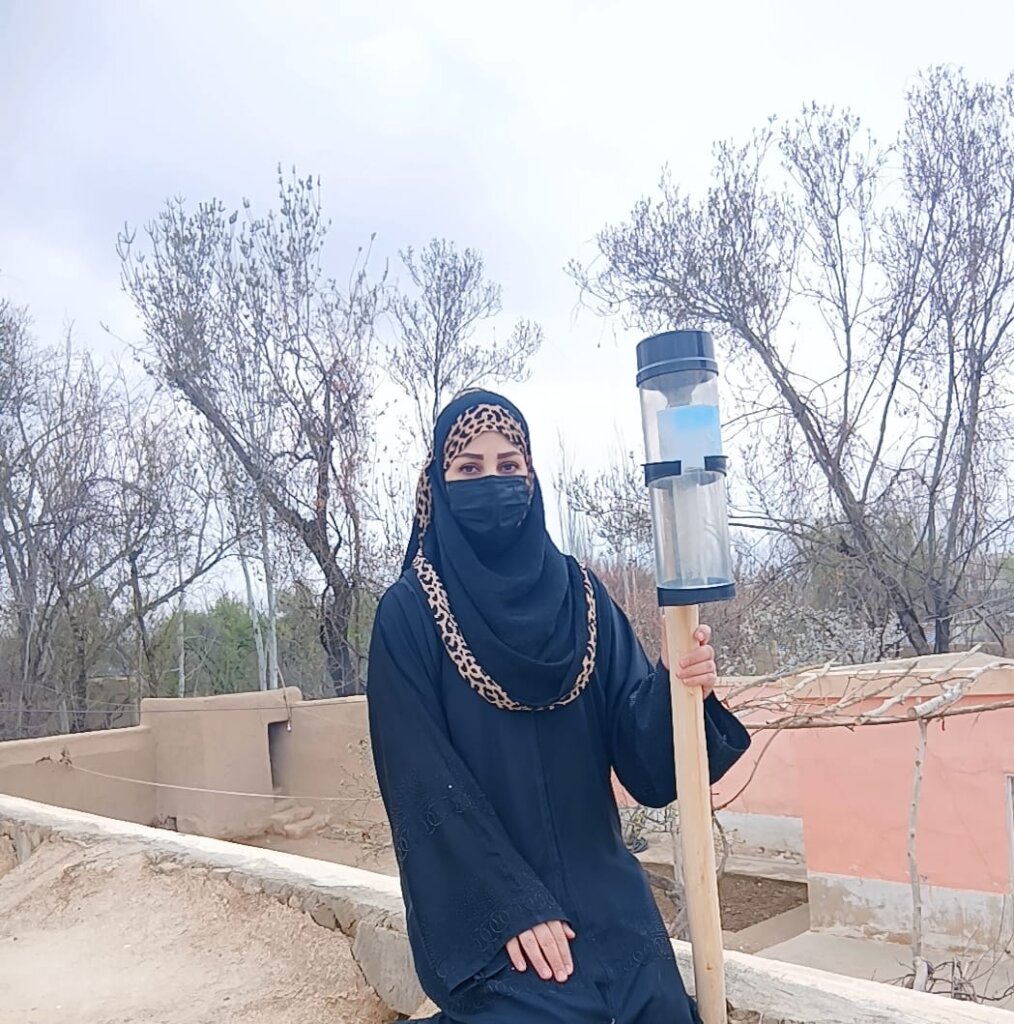
Some of our observers are women who, despite significant restrictions on their participation in public and professional life, are contributing as citizen scientists from within their homes. Their work is often unseen—but deeply impactful. By measuring and reporting rainfall each day, they are helping generate knowledge that benefits entire communities.
This participation highlights an important truth: even in difficult contexts, community-driven science can remain inclusive, adaptable, and resilient.
At the same time, challenges persist. Expanding the network to new areas remains difficult due to limited funding, connectivity constraints, and logistical barriers. Many communities still lack access to even the most basic monitoring tools, leaving critical gaps in rainfall data.
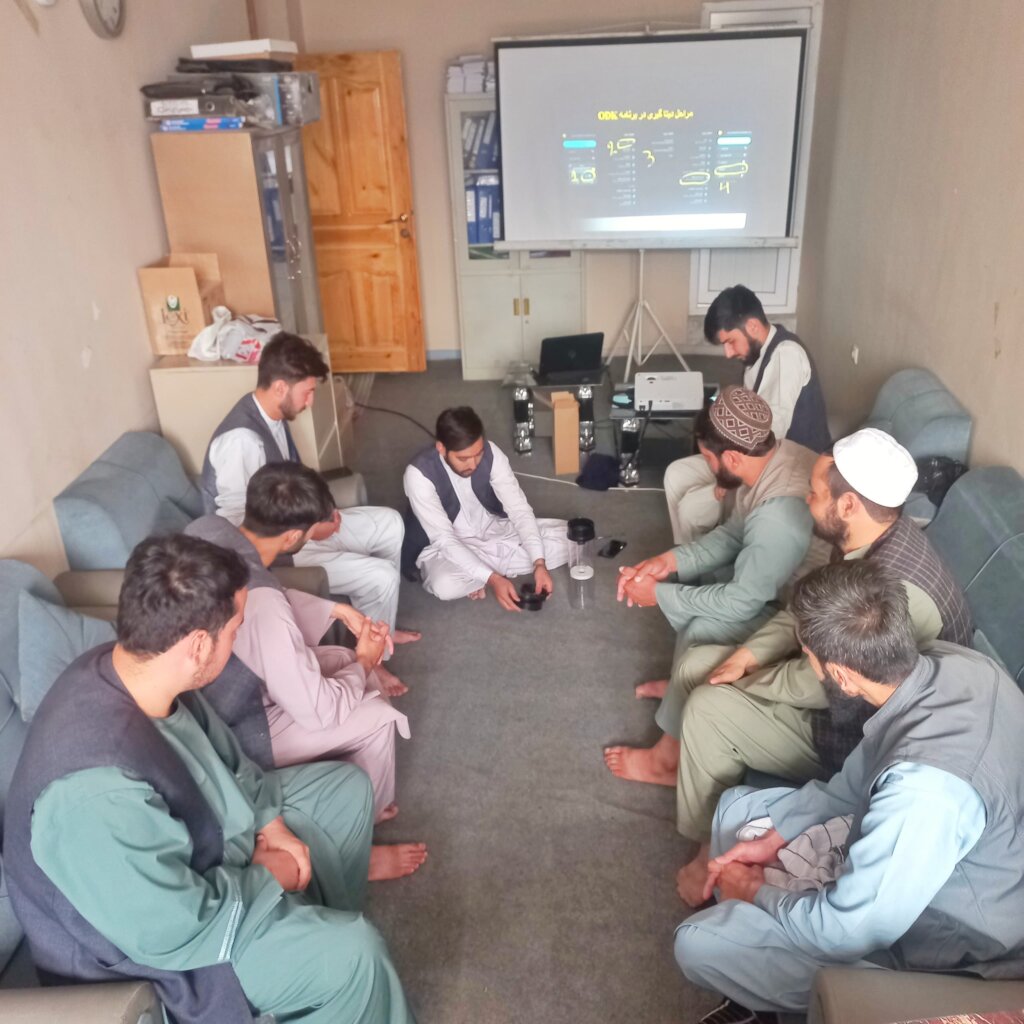
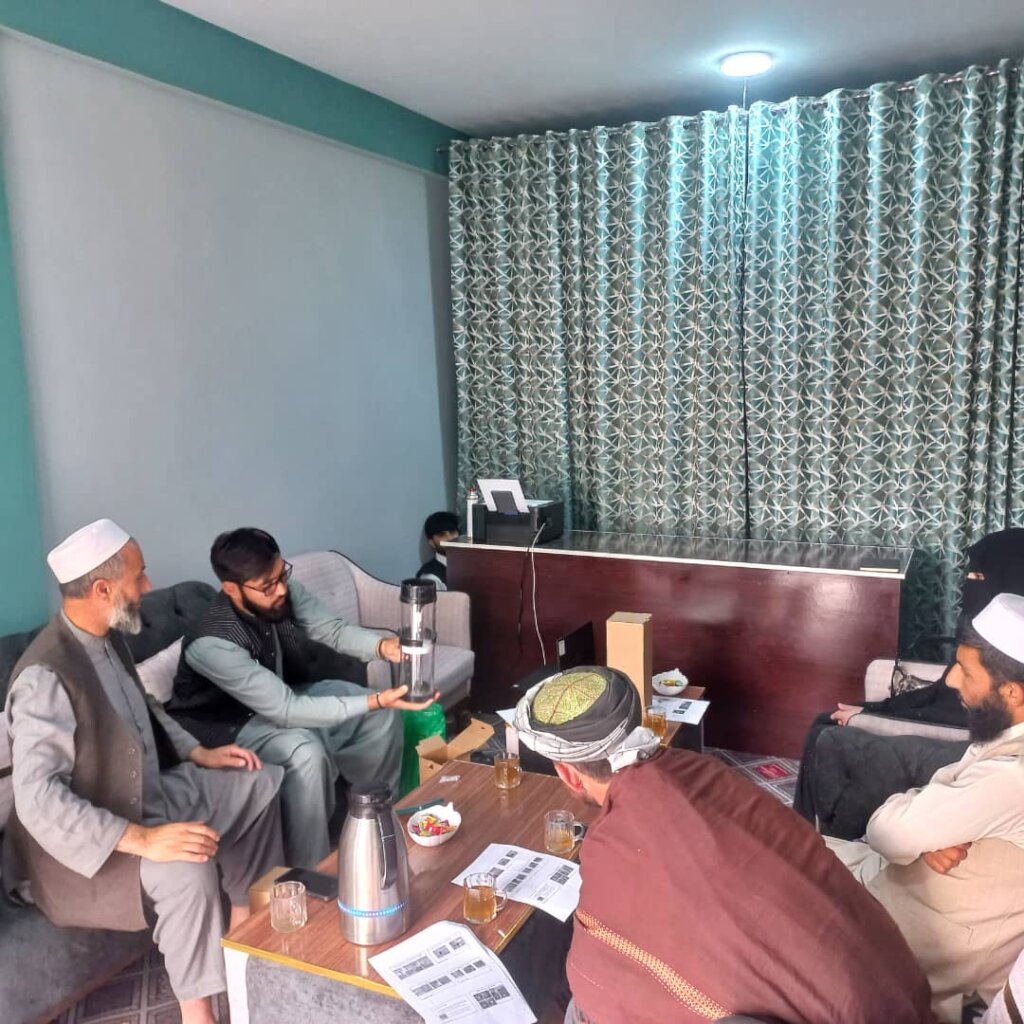
With additional support, we aim to expand this network across northern Afghanistan—reaching more underserved communities, training new citizen scientists, and safely enabling greater participation of women in environmental monitoring. Each new station and each new observer strengthens the system and brings us closer to reliable, locally-driven climate data.
We are grateful to our supporters for making this work possible. Your contributions are helping ensure that even in the most fragile settings, communities are not left without the data they need to understand and manage their water resources.
Project reports on GlobalGiving are posted directly to globalgiving.org by Project Leaders as they are completed, generally every 3-4 months. To protect the integrity of these documents, GlobalGiving does not alter them; therefore you may find some language or formatting issues.
If you donate to this project or have donated to this project, you can receive an email when this project posts a report. You can also subscribe for reports without donating.
Support this important cause by creating a personalized fundraising page.
Start a Fundraiser