By David Sowerwine | Project Leader
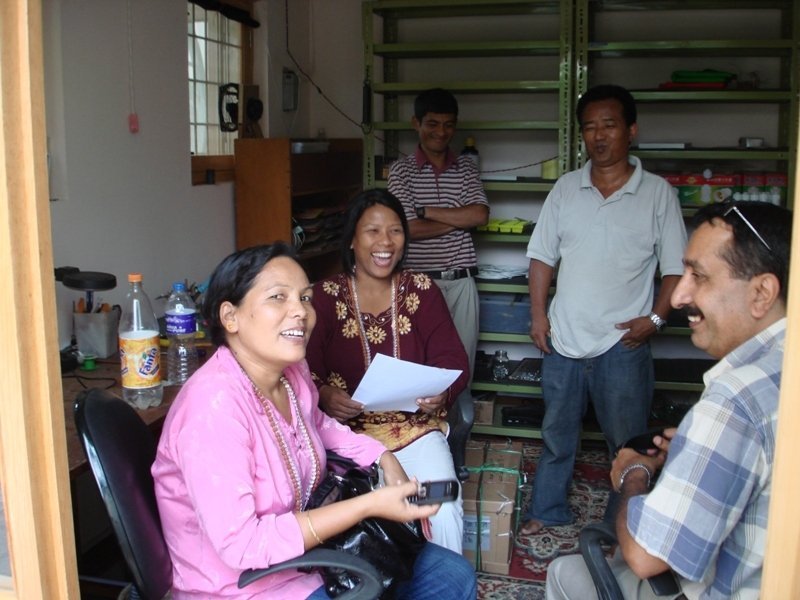
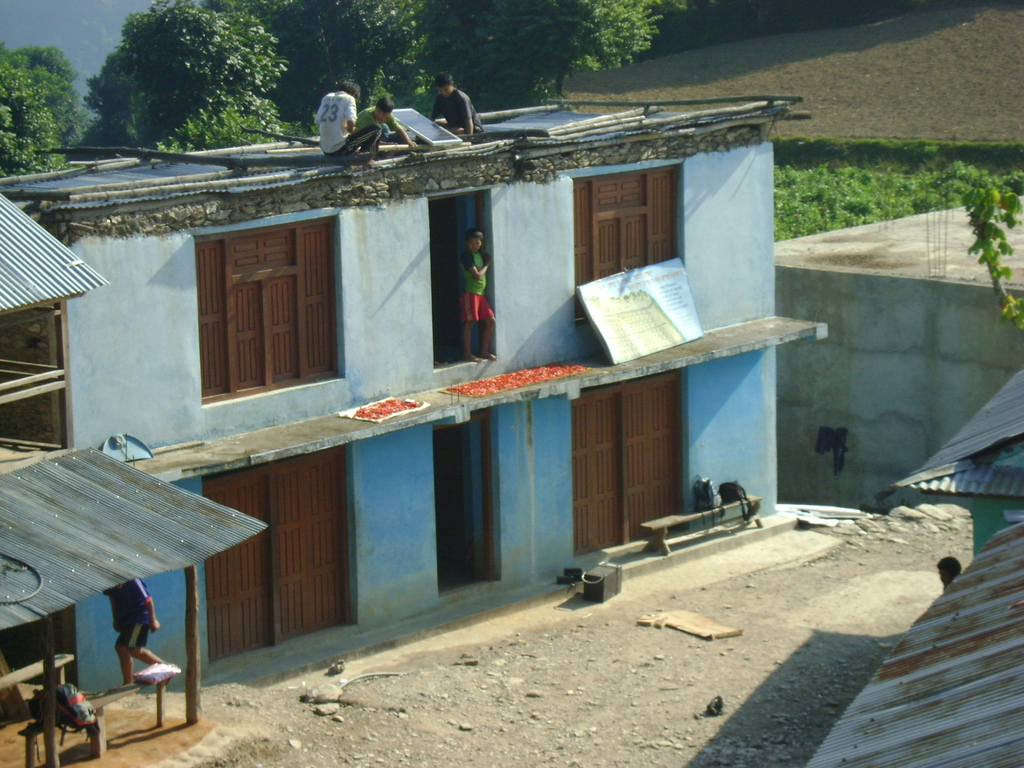
Scores of households became part of a power & light network in two villages of Palpa District in October. This welcome change was made possible by VTS' many donors and volunteers, and by the good will and determination of the VillageSolutions (VS) team in Nepal.
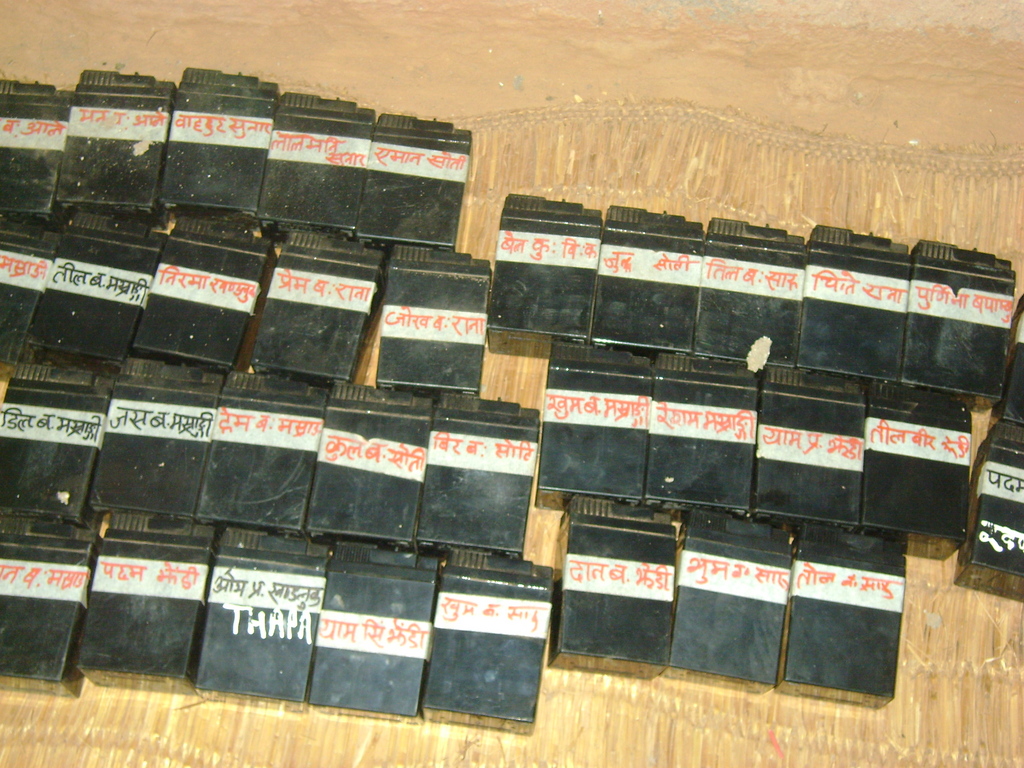
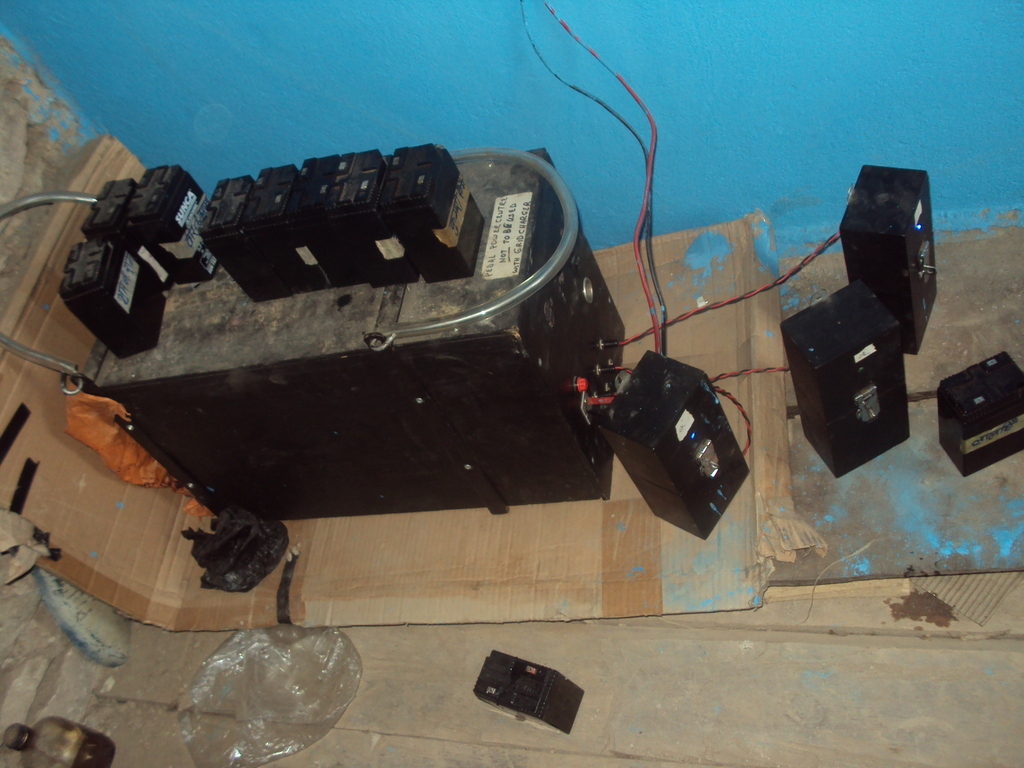
To bring light into some of Nepal's dark villages, we first aimed to build a simple pedal generator that would serve as a central power source for a village, plus a system using small 6 volt batteries to shuttle energy to individual homes. This was intended to help those villages which lacked renewable hydro or wind resources, and where it is impractical and prohibitively expensive to distribute small amounts of power by wires.
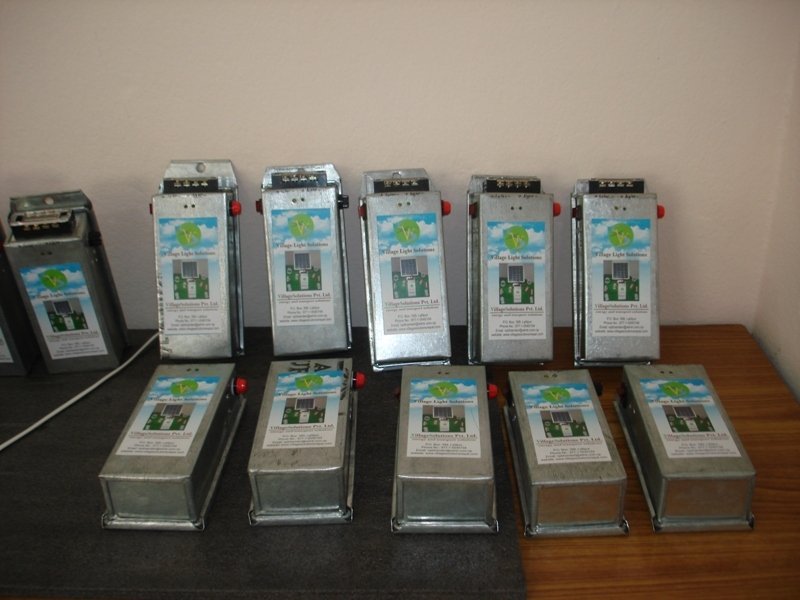
A key part of the development was to design a very effective "charge controller", which is the electronics system that protects and thus prolongs the life of the battery. Many lighting products do not protect the battery, and thus lead to premature system failure and the cost of replacing the battery.
Pedaling proved unacceptable for social reasons, so a "large" (100 watt) solar panel in each village became the power source. Having a communally shared system which supplies individual home lighting, especially with this shuttle arrangement, is unusual. As with 'municipal' systems elsewhere, it can be sustained only by a high degree of public cooperation. We will continue to monitor the progress of these installations to understand whether and how this form of community infrastructure can be scaled.
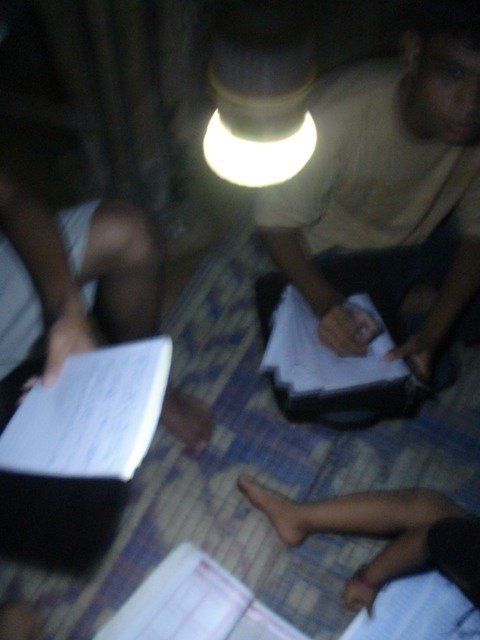
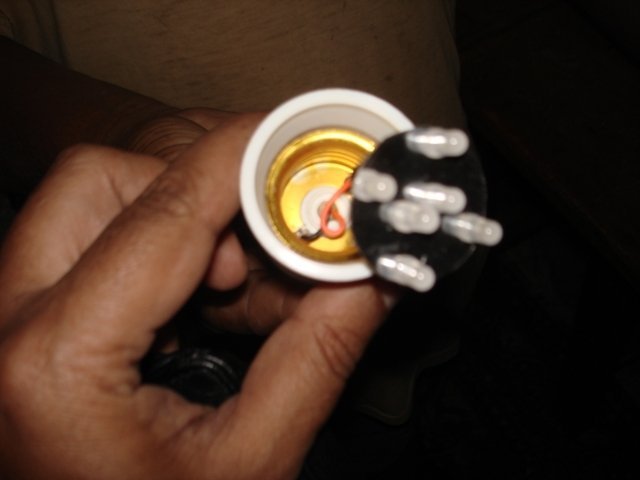
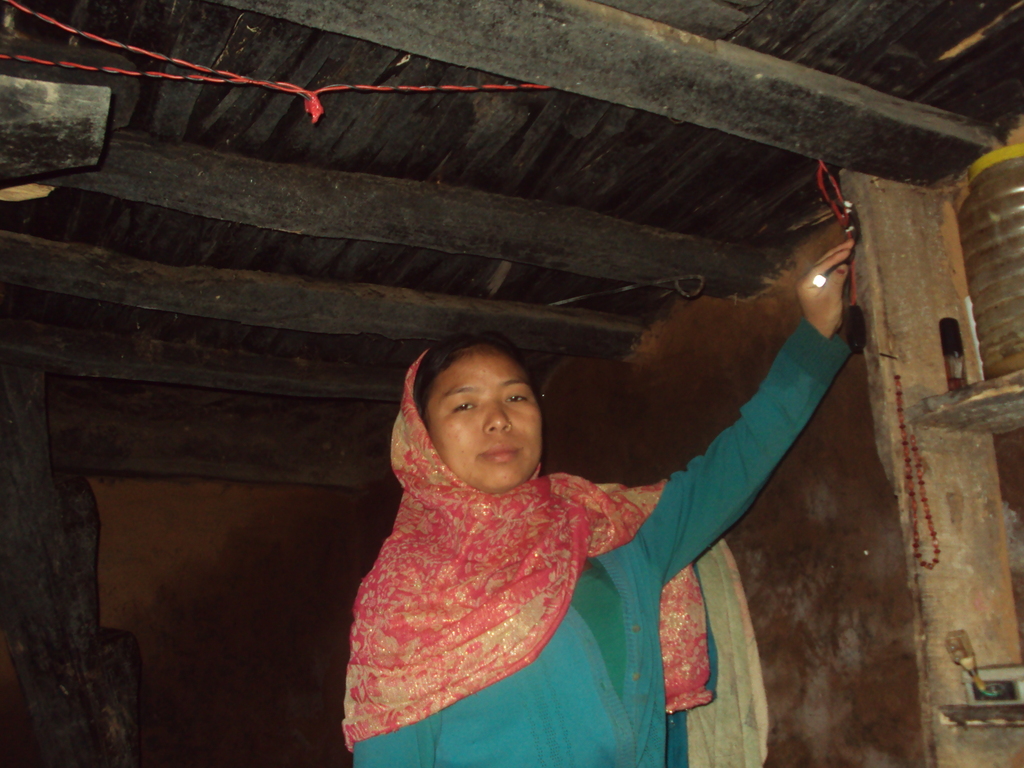
Each home can operate four LED lamps every night/morning from the battery for a number of days before needing a recharged battery.
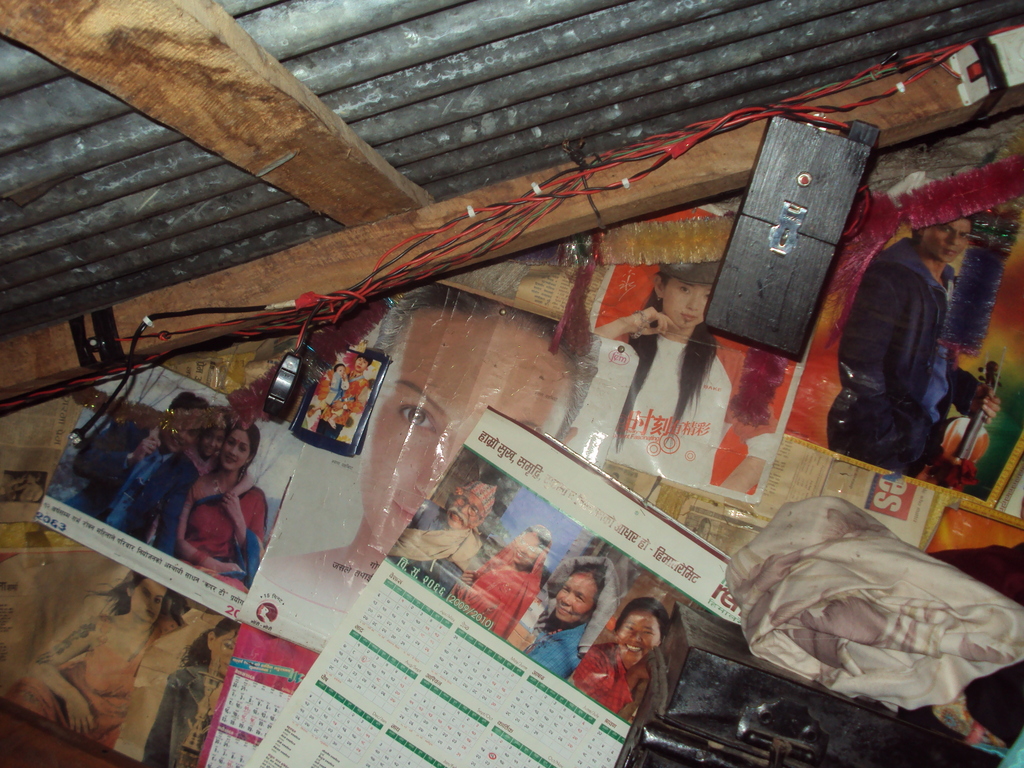
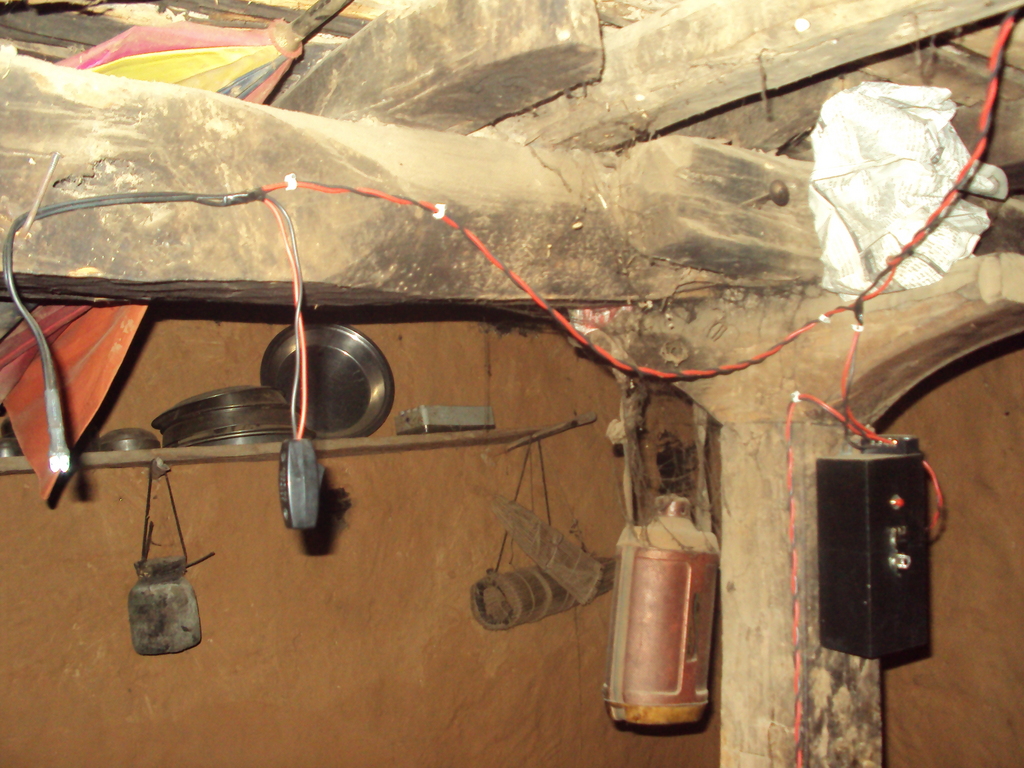
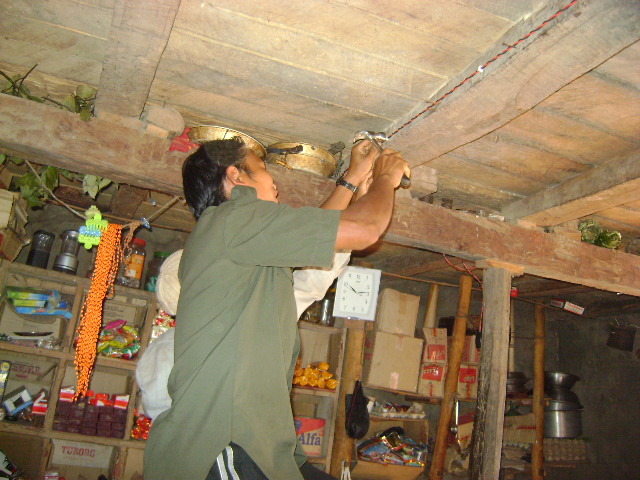
Further R&D has now produced two new products for individual homes: a 1 watt system, and a 10 watt system, both with their own small solar panels. As shown in the photos below, the storage battery is attached to a wall, and wires run to the locations where the family want their lamps.
VTS now plans to develop a 200 watt system that can provide enough reliable power for example to a small school, or for a home with a laptop computer.
By David Sowerwine | Project Leader for VillageTech Solutions
Project reports on GlobalGiving are posted directly to globalgiving.org by Project Leaders as they are completed, generally every 3-4 months. To protect the integrity of these documents, GlobalGiving does not alter them; therefore you may find some language or formatting issues.
If you donate to this project or have donated to this project, you can receive an email when this project posts a report. You can also subscribe for reports without donating.