By Mark Riley | Senior Programmes Lead
Right now, 5.4 million children are locked away in orphanages around the world. Most of them are not there because they have no one - 80% of children in orphanages are not orphans. They have parents, brothers and sisters, grandmothers, aunts. What they don't have is a system that knows how to get them home. And every day they wait, the risk grows: orphanages expose children to abuse and trafficking, and physical and psychological trauma that can last a lifetime.
Over the past three months in India, your support has gone into the most powerful part of this work - changing the systems to prioritise and support family care and reducing, and ending, institutional care.
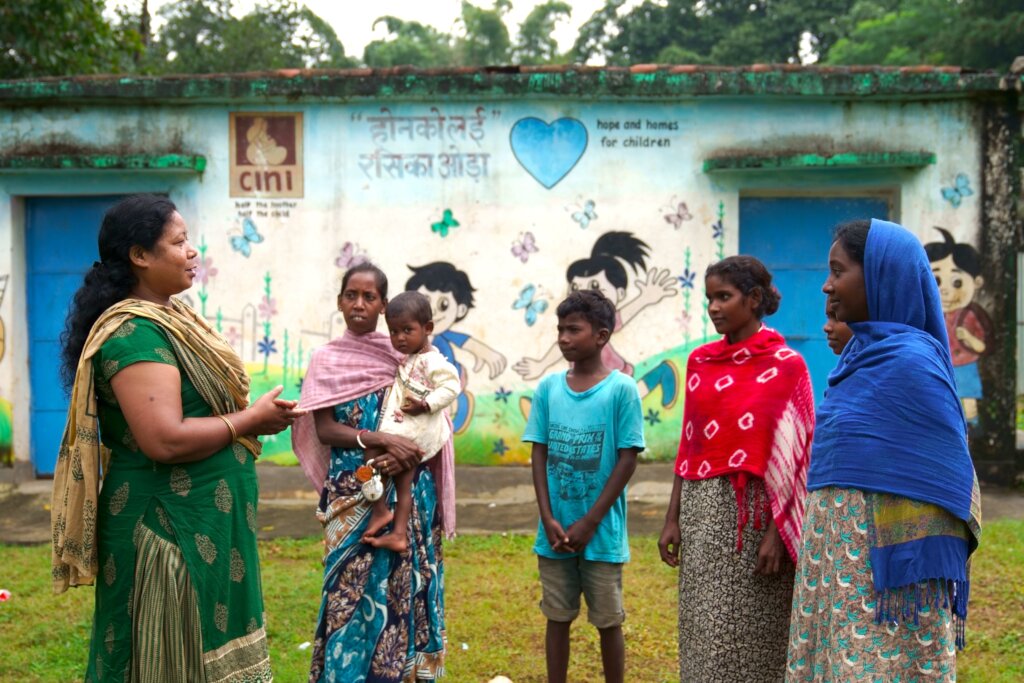
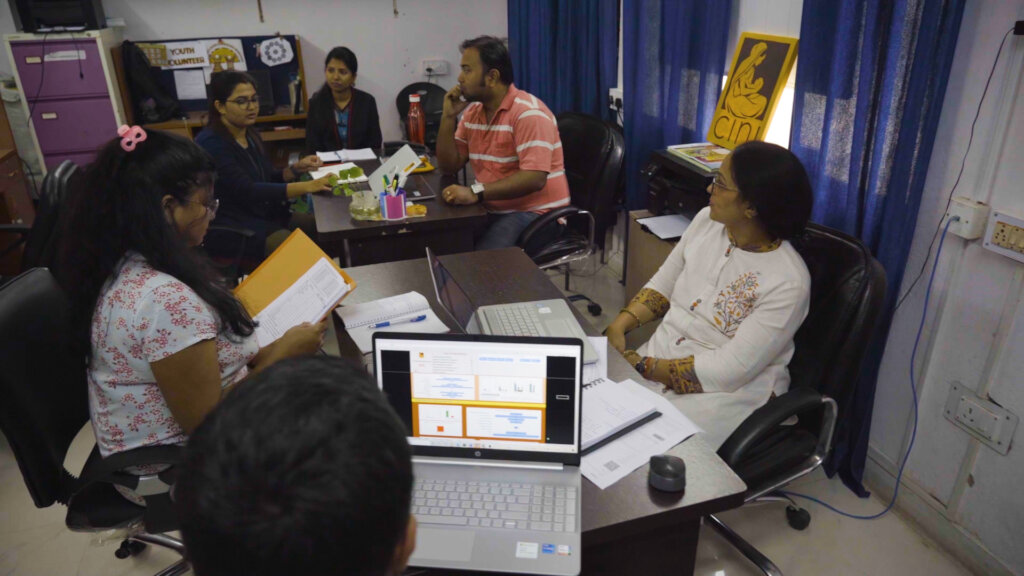
A new alliance in Jharkhand. In June we brought five organisations around one table in Ranchi for the first meeting of the State Care Reform Reference Group: CINI, Keystone Human Services, Miracle Foundation, Terre des Hommes Foundation and ourselves. Everyone agreed the group's terms of reference and built a shared three-month plan of action. The group will meet every quarter as a technical and advisory platform for the Government of Jharkhand, with us chairing for the first year before handing the reins over. It's the kind of quiet structure that outlasts any single project - and if it works here, it can be repeated in other states.
Alongside it, we developed a state engagement plan built on four pillars: keeping families together in the first place, helping children move out of orphanages and back to family, supporting young people leaving care, and growing foster care, kinship care and sponsorship. A concept note is now going to the state government.
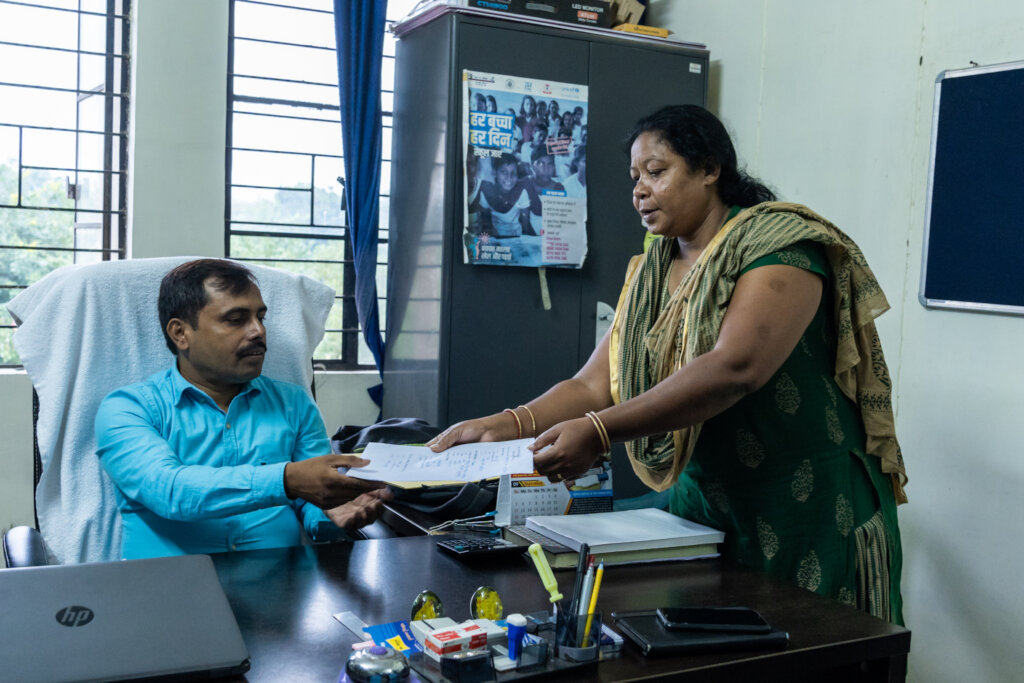
Checking on children who are still in orphanages. In April we joined district inspection visits to seven Child Care Institutions in Ranchi - the formal term in India for orphanages and other residential facilities - looking at legal compliance, standards of care and how each place is run. In June we took part in assessments of six more. That's 13 institutions in one quarter, and 13 sets of findings that district authorities can act on.
We also met five District Child Protection Unit members to push forward district-level training on India's national child protection scheme, Mission Vatsalya, so the people making day-to-day decisions about children have the skills to make better ones.
A state strategy taking shape in Odisha. With UNICEF and the Odisha State Commission for Protection of Child Rights, we agreed the framework for a State Care Reform Strategy grounded in real data, the strategy document agreed and finalised in June, with a full draft expected around October or November. Nine regional consultations and one state-level consultation are being planned, and we'll facilitate sessions with frontline workers. There's a shared insistence that this document has to be usable by a social worker in a district office, not just readable by a policymaker in a capital city.
Young people with care experience, leading. In April we joined more than 35 care leavers from across India at the National Care Leavers Meet in New Delhi, helping shape the action plan for their national network, Saarthi. In June we convened the Jharkhand Care Leavers Network with CINI, Aide-et-Action and Udayan Care to strengthen the plan for a state-level network. Nobody understands what needs to change better than the people who have lived it.
None of this happens without you. Thank you for standing with children in India as they find their way Back to Family.
Project reports on GlobalGiving are posted directly to globalgiving.org by Project Leaders as they are completed, generally every 3-4 months. To protect the integrity of these documents, GlobalGiving does not alter them; therefore you may find some language or formatting issues.
If you donate to this project or have donated to this project, you can receive an email when this project posts a report. You can also subscribe for reports without donating.



Support this important cause by creating a personalized fundraising page.
Start a Fundraiser