By Dr. Tarah Hadley | Executive Director
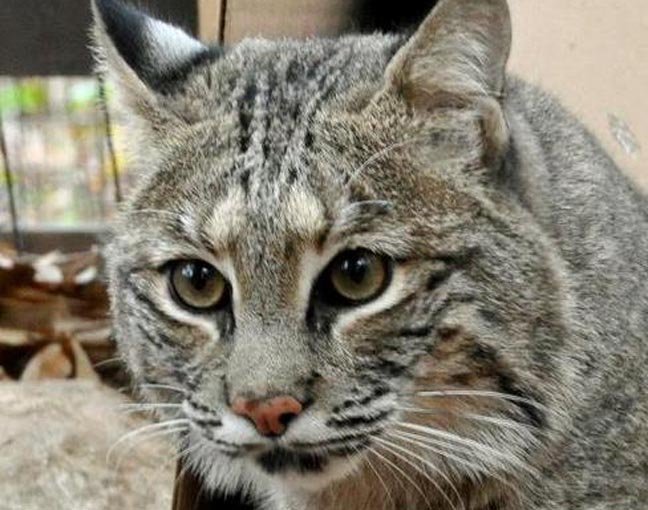
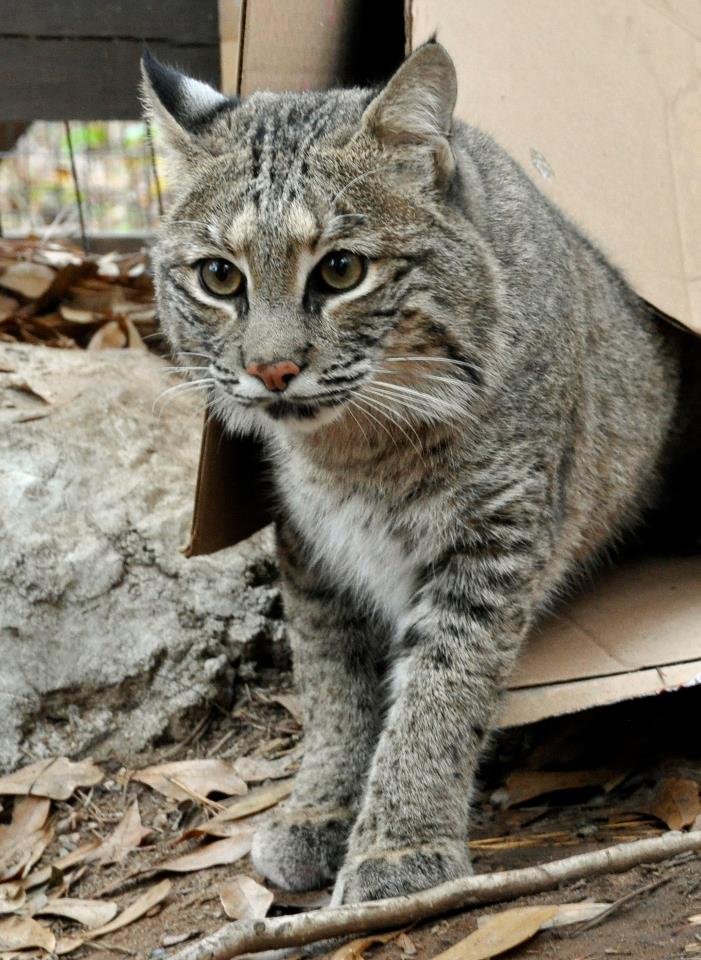
Before she came to AWARE several years ago, Cat Ballou went to see her neighborhood veterinarian for care. The owner told the veterinarian that the cat needed to be vaccinated and scheduled for a declaw surgery. The veterinarian was quite surprised to see that the "cat" was actually a bobcat (Lynx rufus) and one of Georgia's native, wild carnivores--not really the same as your average, domestic house cat.
The veterinarian gave an ultimatum: either surrender the bobcat to AWARE or the veterinarian would report them to the authorities. Although Ballou's health had not been severely compromised, she had become habituated to humans. She was destined to be humanely euthanized or to spend the rest of her life in captivity. She was fortunate to find placement at an educational institution like AWARE.
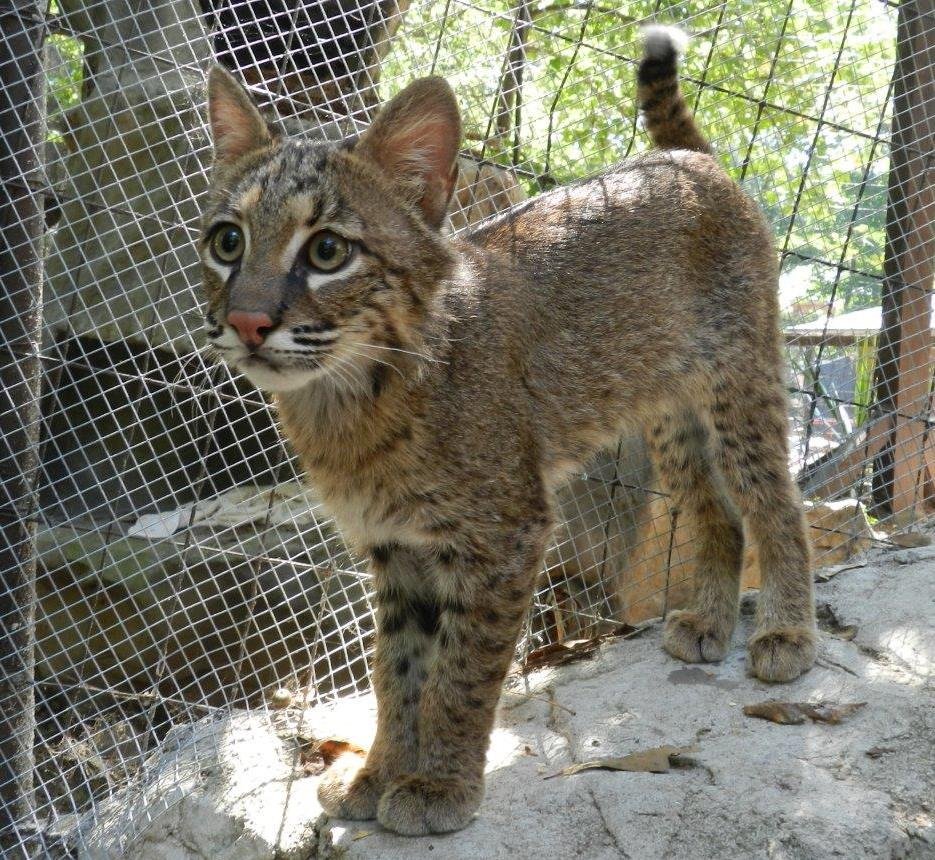
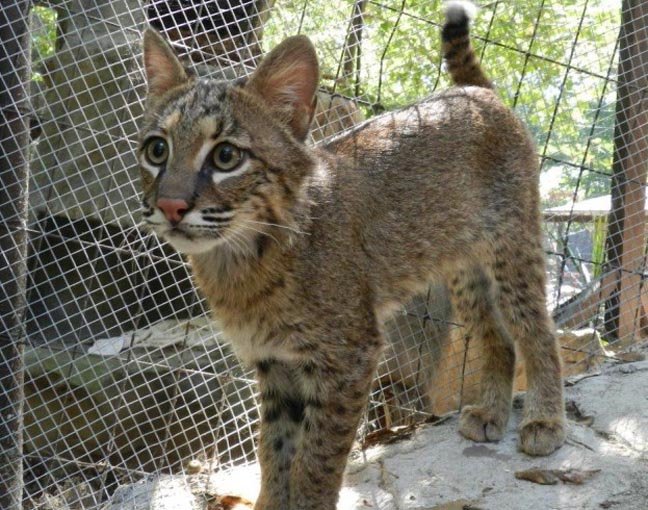
Savannah, also a bobcat, faced a similar situation. Humans accidentally discovered the den where the youngster lived with her mother and a sibling in an area undergoing construction. Unfortunately, the sibling was killed and the mother ran off. Savannah was taken to become another household pet. She slept with the people and the family children and pets played with her. She soon become ill with diarrhea due to the inappropriate foods she was fed and one of the family members stepped on her and broke her leg.
Savannah came to AWARE by way of a concerned rehabilitator. By then her leg was all but healed and we finished treating her diarrhea with medications and a bobcat-appropriate diet. We healed the wounds that could be healed. Despite tremendous effort on AWARE's part there would be no return to the wild for Savannah who now sought more attention from humans than she did her wild bobcat cage mate.
At AWARE, while we offer the human attention that all of our habituated wild education animals desire we also encourage that fierce wild streak that we know lives within all of them. We encourage independent play (Cat Ballou enjoying catnip) and behaviors that promote foraging for food (Savannah "getting fishy" about something in her pool). We know that we have been successful as we occasionally find them with deceased wild animals that have wandered too closely to their enclosure. This is what the circle of life is partly about.
And, we take every opportunity to encourage the public to become our partners in educating others about the pitfalls of keeping wildlife as pets. Ethical issues aside for a moment, why would you want to declaw a wild bobcat? Their claws are just one tool that they use to hunt prey in the wild. Do we consider that an animal that operates primarily on instinct may not understand why that tool is no longer available? When you consider the overall issue of keeping wild animals as pets, perhaps we should ask ourselves what purpose does domestication serve for us? Although so many pet options already exist, consider that many of those options are available because of the human desire to possess. If we can better understand the human need that domestication fulfills perhaps we can do a better job of preventing it from happening in the first place?
Links:
Project reports on GlobalGiving are posted directly to globalgiving.org by Project Leaders as they are completed, generally every 3-4 months. To protect the integrity of these documents, GlobalGiving does not alter them; therefore you may find some language or formatting issues.
If you donate to this project or have donated to this project, you can receive an email when this project posts a report. You can also subscribe for reports without donating.



Support this important cause by creating a personalized fundraising page.
Start a Fundraiser