![Lolita, Argos, and Mom.]()
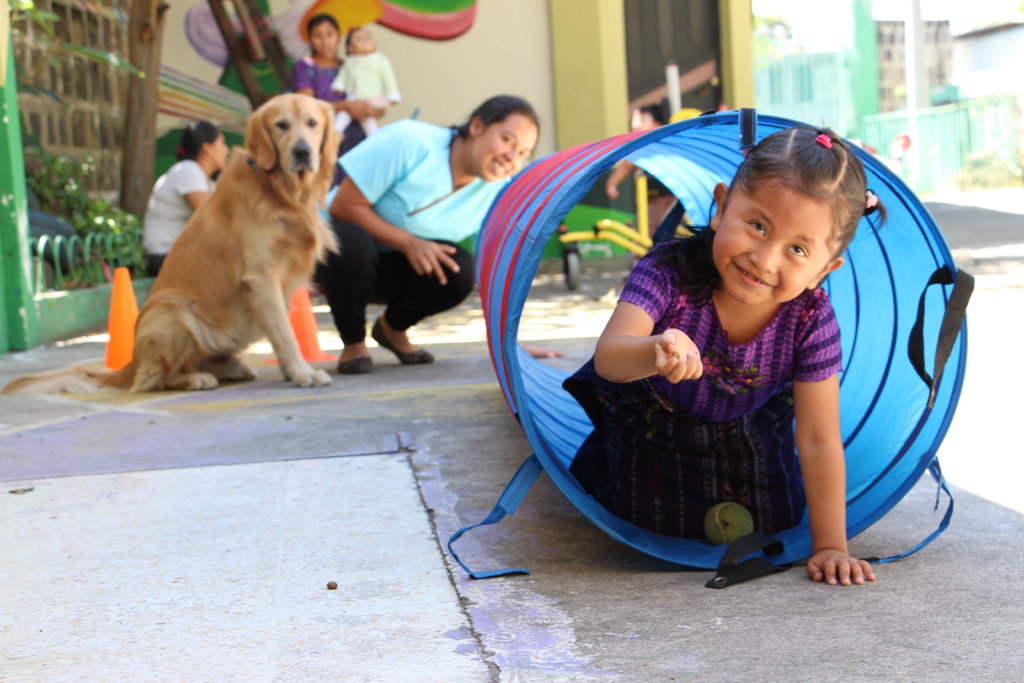
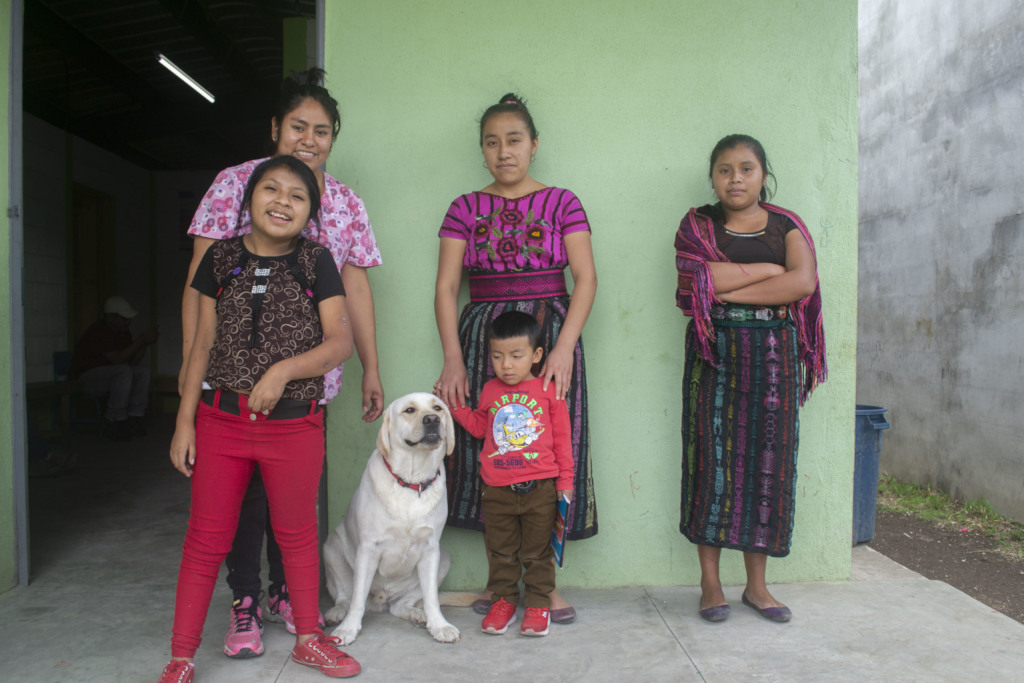
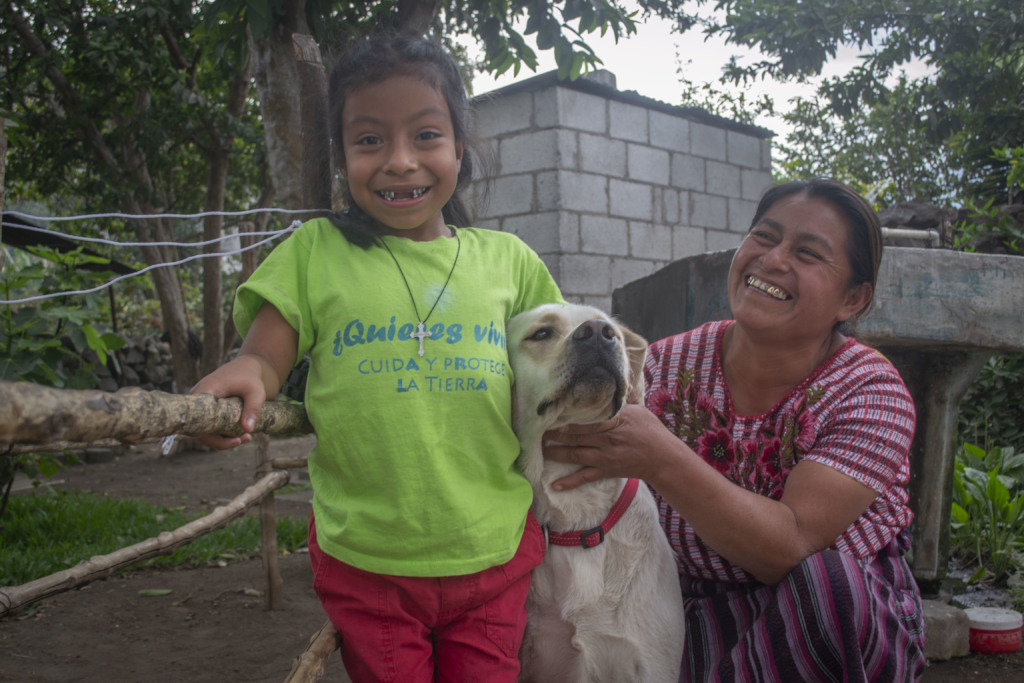
Lolita, Argos, and Mom.
Argos at Work:
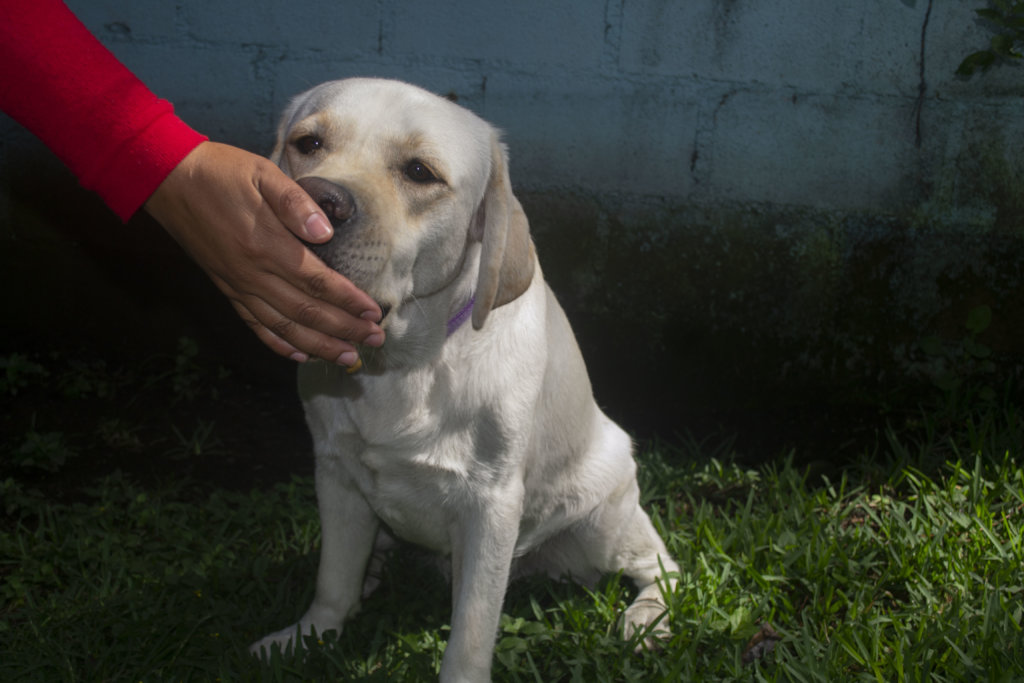
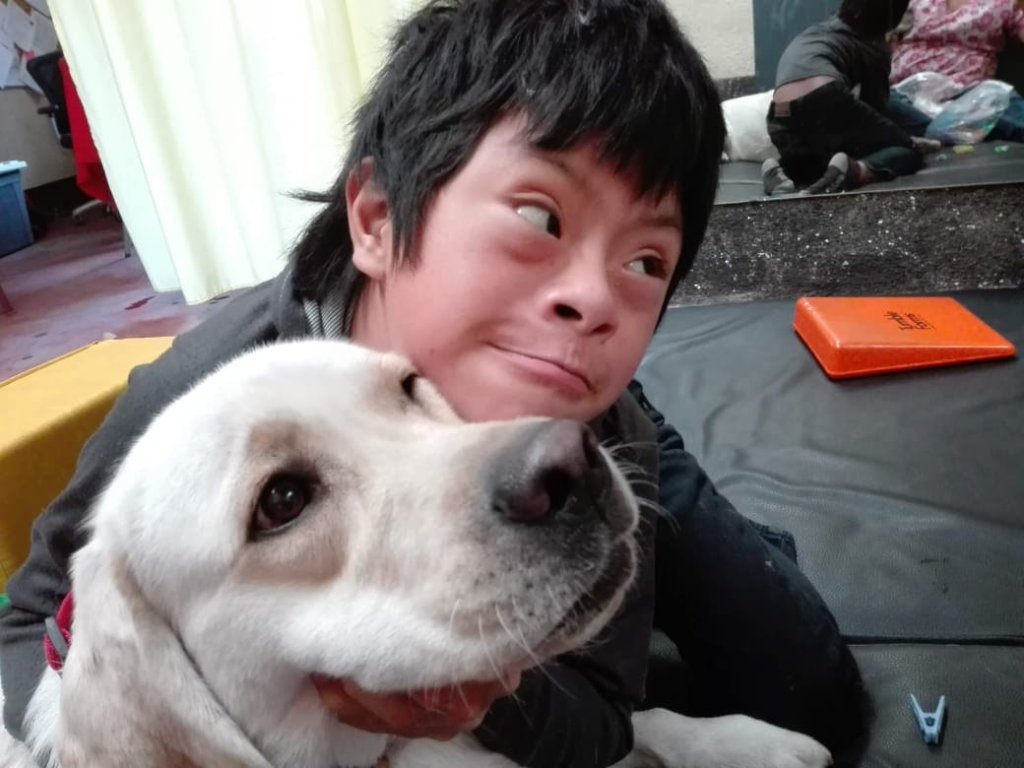
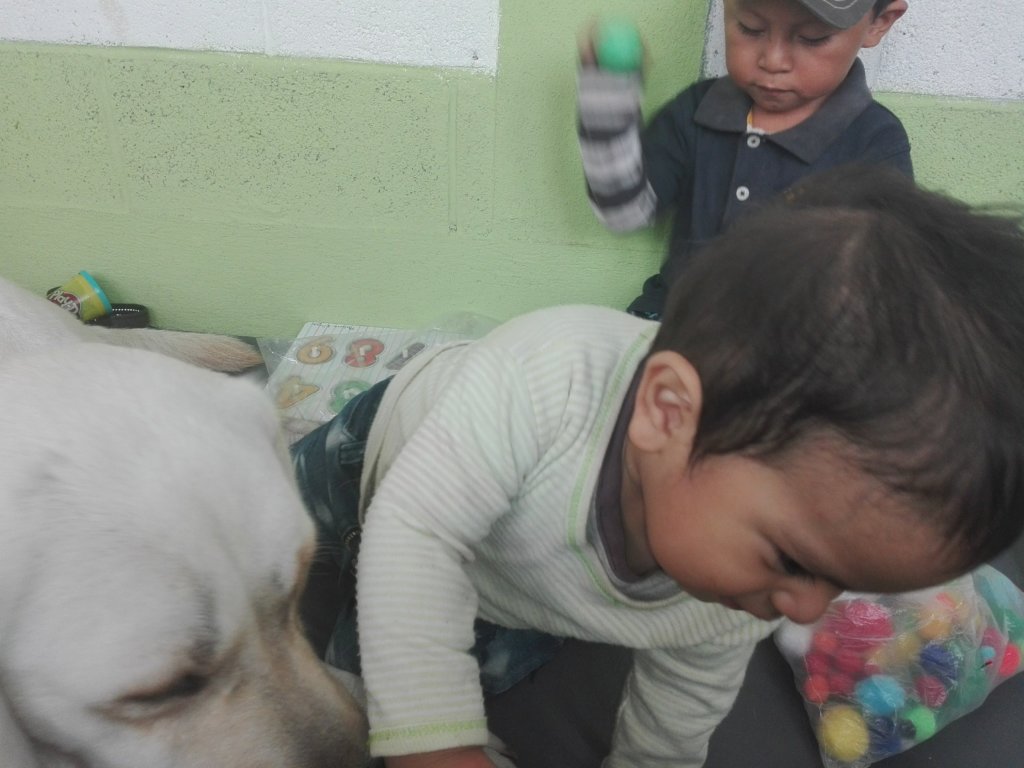
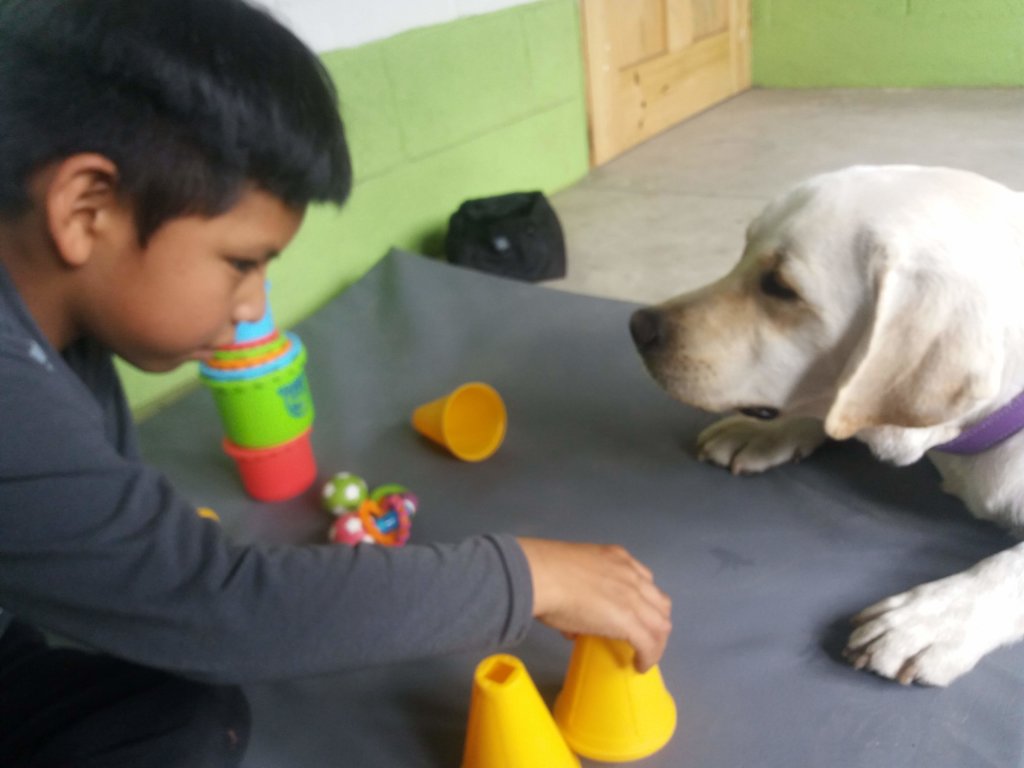
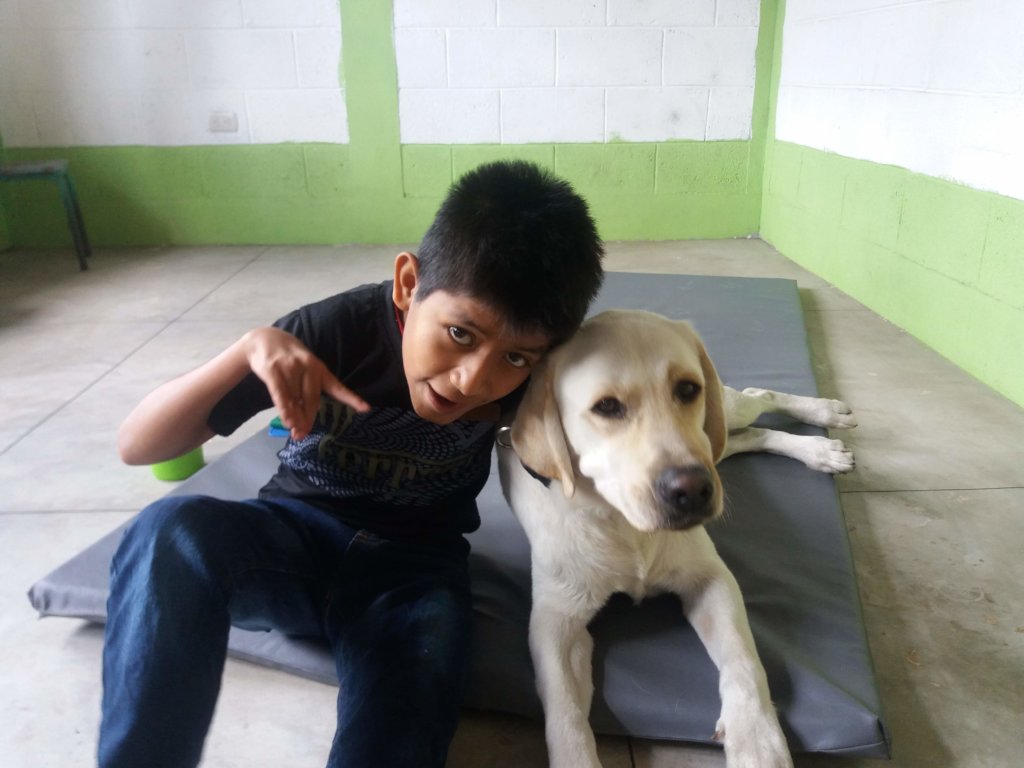
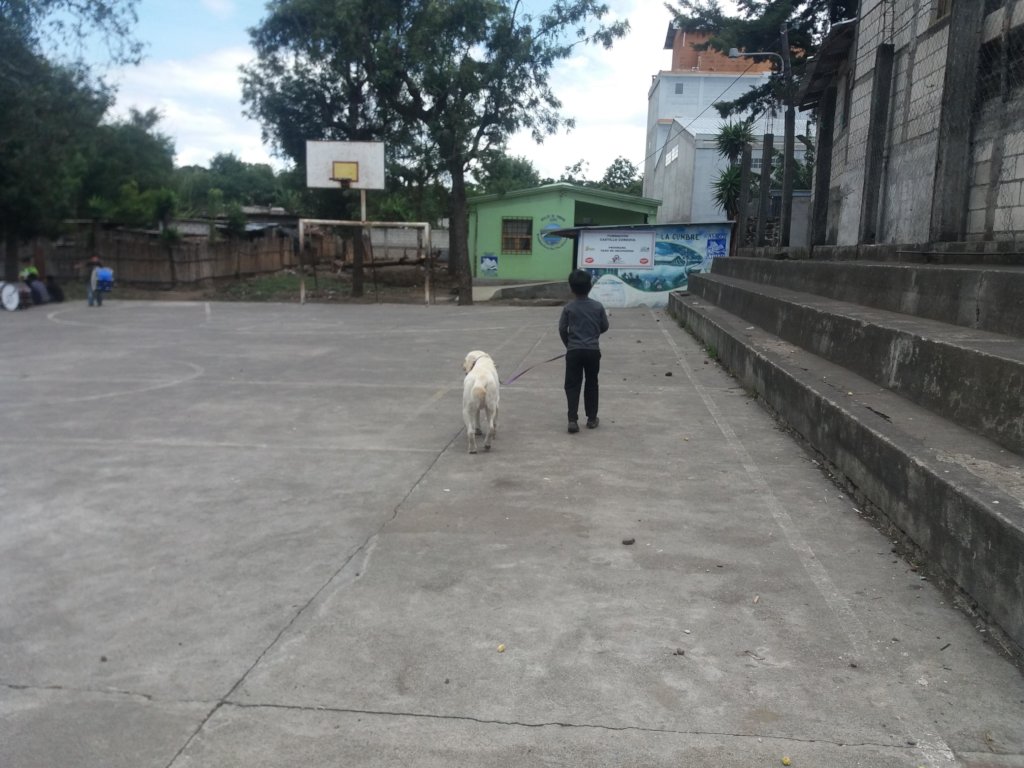
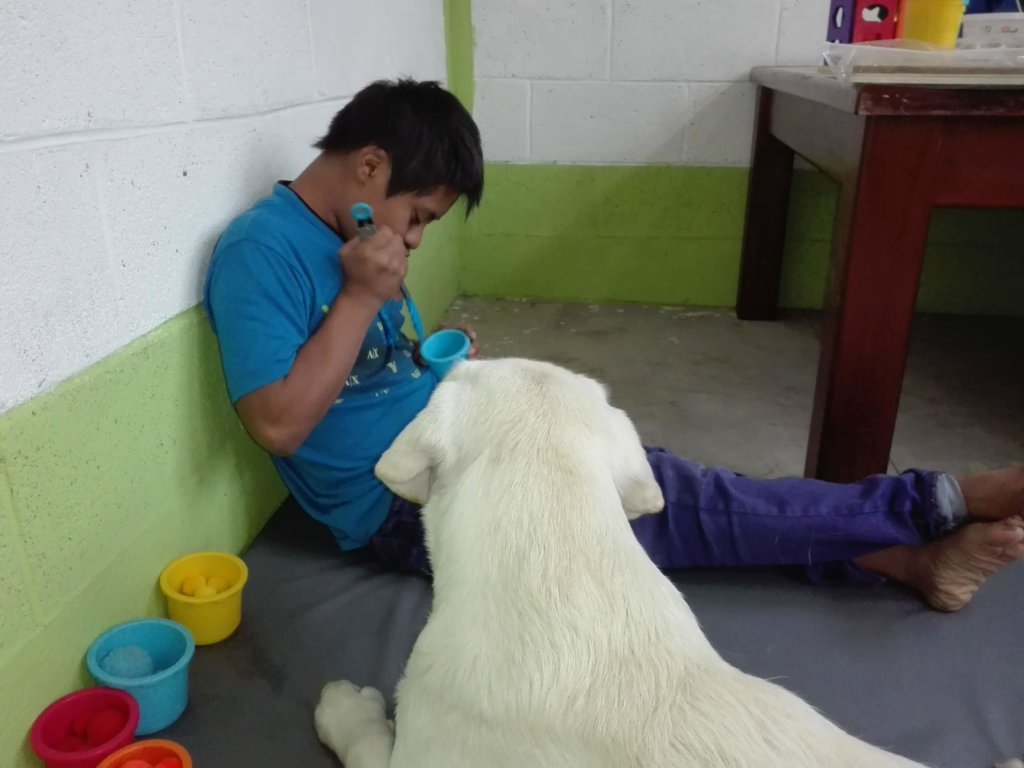
The children have easily accepted Argos and have quickly grown very fond of him. They search for him to play and are excited to arrive at therapy to work with him, oftentimes not wanting to leave. A lot of the mothers have a hard time convincing their children to leave therapy because they often cry, asking to stay and play with Argos a little while longer. In some instances, Argos has accompanied the children to the street until they get into the tuk tuk to go home.
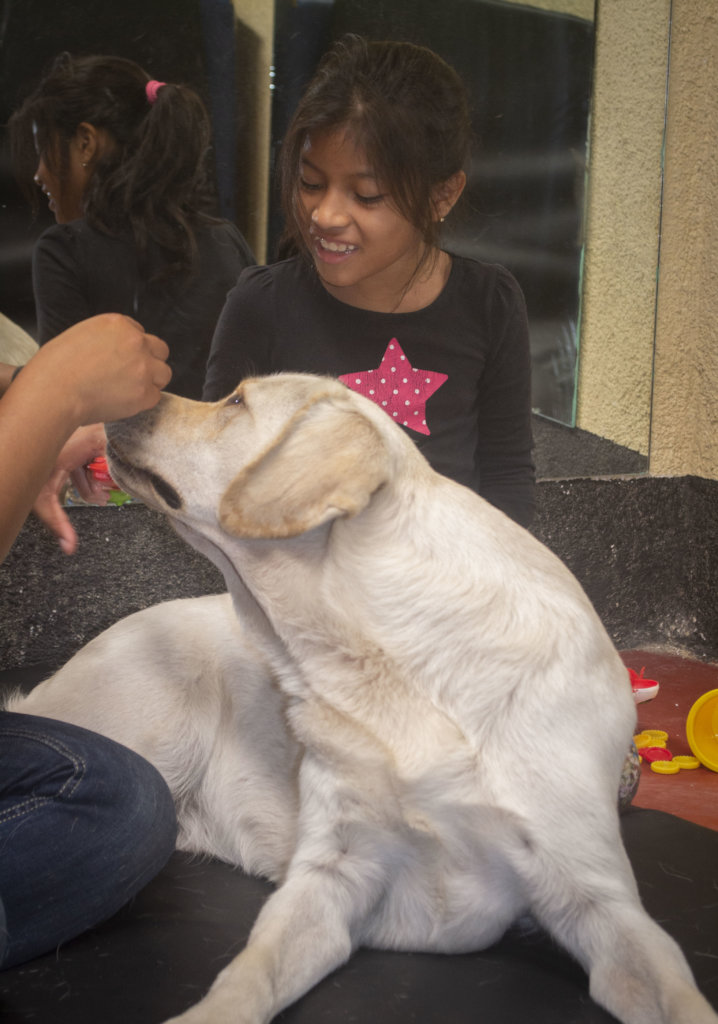
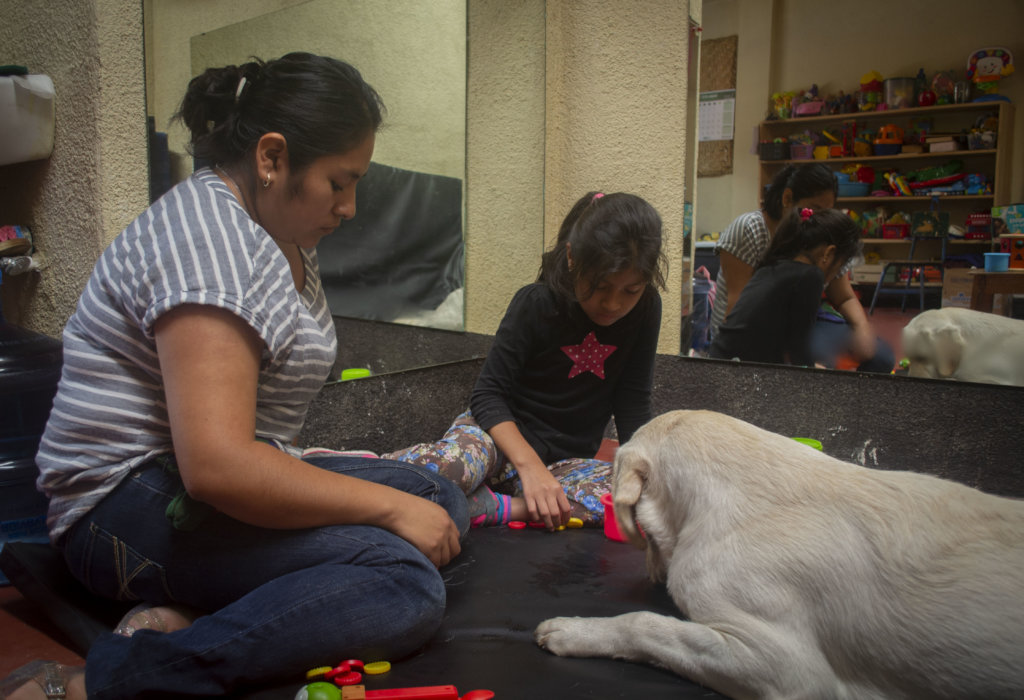
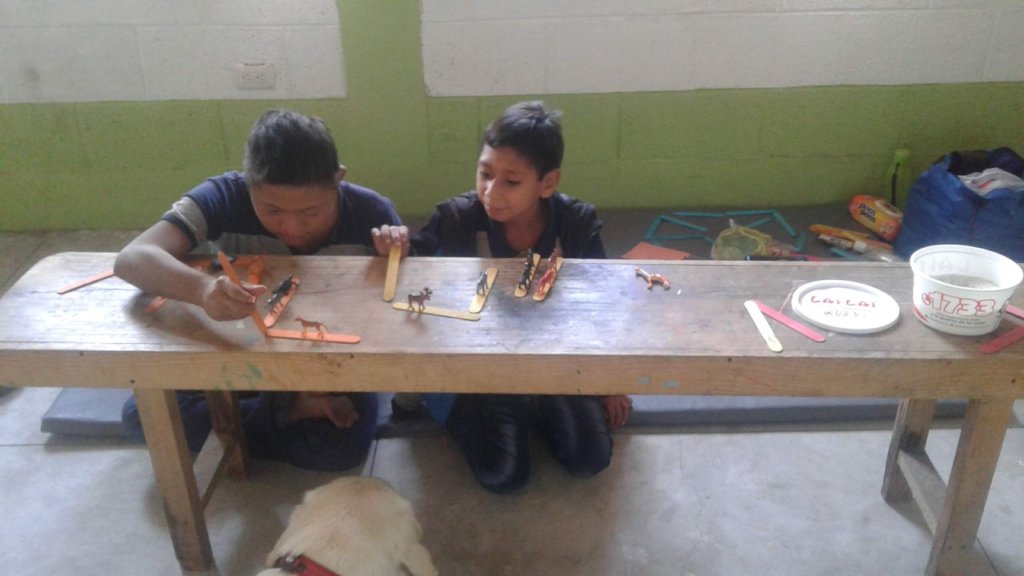
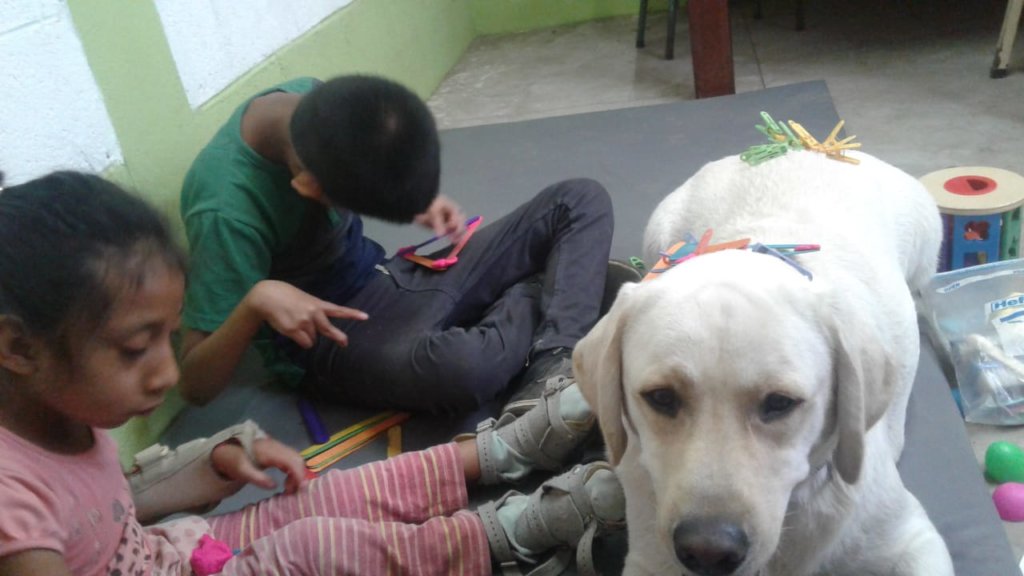
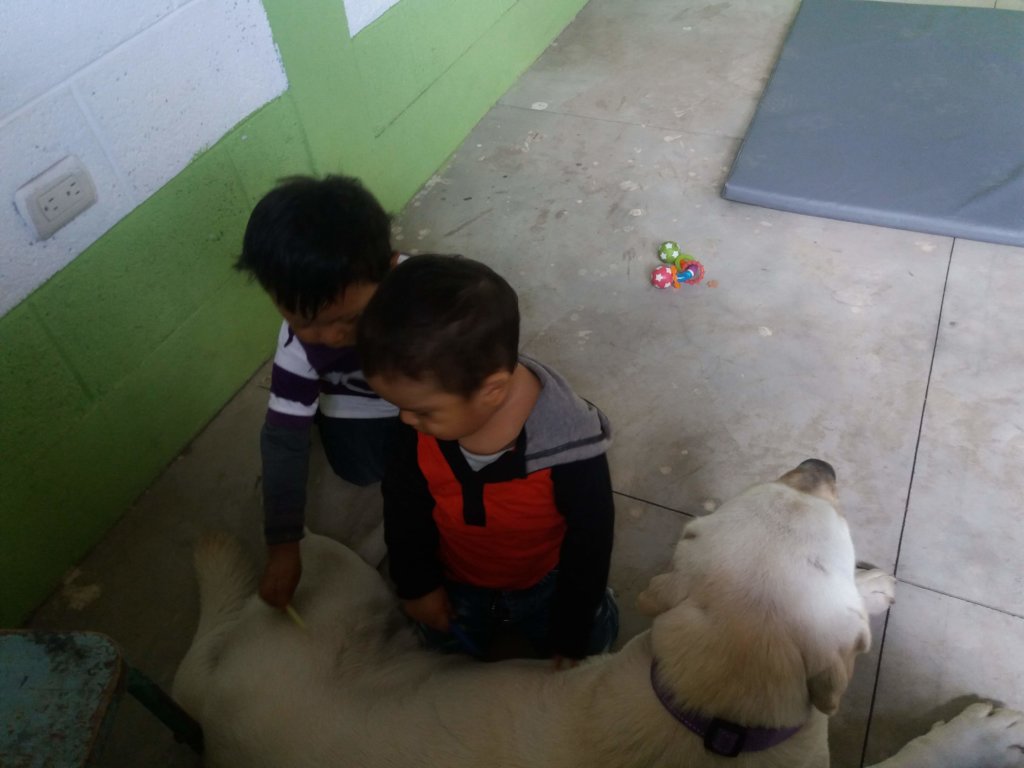
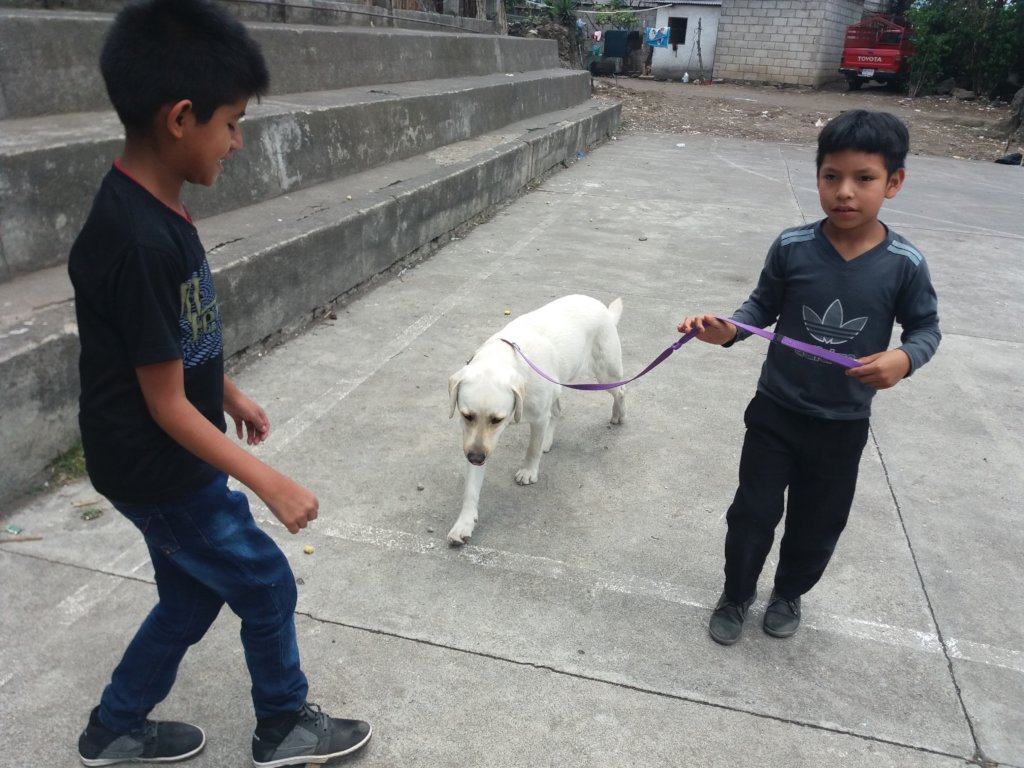
In Cerro de Oro, we made the decision to work in pairs with Argos, each week the children working with a different partner, in part to allow for Argos to attend to all ten children in Cerro de Oro on the same day. However, this decision was also made knowing that this strategy promotes socialization and teamwork. Animal Assisted Therapy with Argos has created a sense of acceptance and belonging among the children, regardless of their age or gender. As a result, these children have begun participating in new activities.
This quarter we also began performing home visits for two families, where it is difficult for the mothers to carry their now heavy children to therapy. These two children have responded well to this change and are always ready and waiting for Argos to arrive. In both cases, their siblings, cousins, and neighbors also participate in the activities and exercises with Argos.
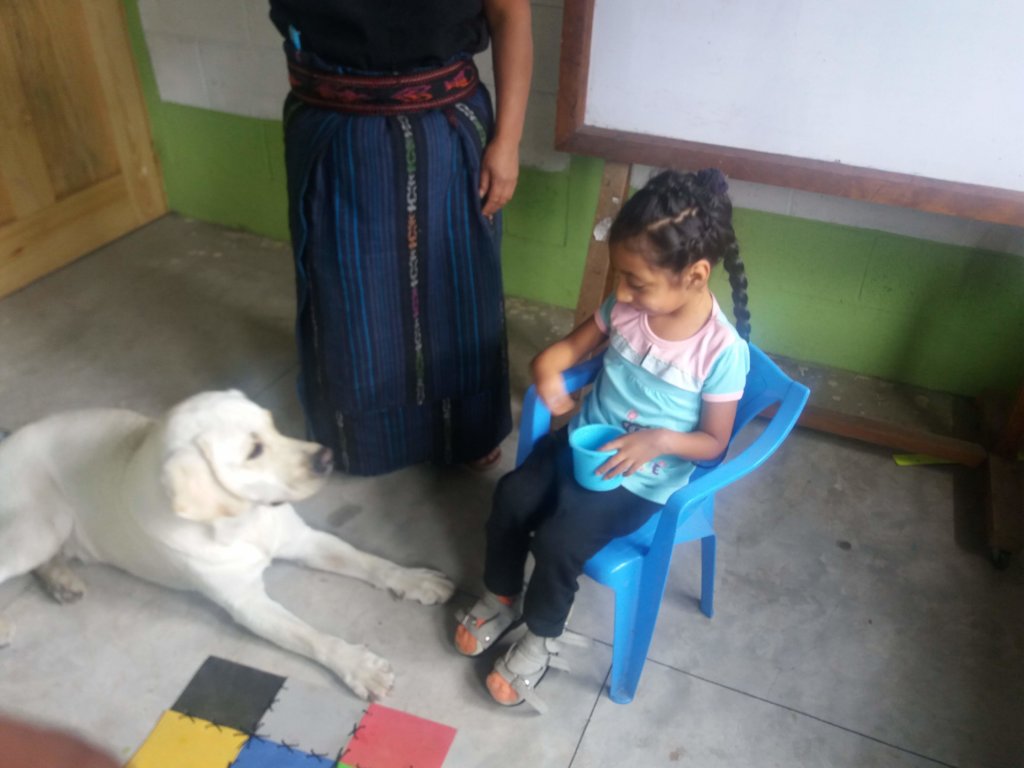
One child that receives therapy at home, Dolores, or Lolita as she prefers to be called, is a very smiley, seven-year-old girl. She has a lot of fun playing with balls, dolls, her older brother, her cousins, and her family’s chickens. Her mother, Cruz, adds that she also likes to help around the house, washing dishes.
Six days after she was born, Lolita was transferred to the Regional Hospital in Quetzaltenango for a Meningocele repair and subsequently, a peritoneal shunt to treat her hydrocephalus. Shortly thereafter, she arrived at ADISA.
When Lolita began her therapies, she was a very serious and shy girl, scared when strangers greeted her and crying often. At first, she only wanted to work with Andrea and always needed her mother by her side, helping her with all activities.
Therefore, during her first animal-assisted therapy sessions, Anelvi involved Argos little by little so that Lolita would be comfortable and build trust with Argos. Over time, Lolita began to allow people to get closer with her and work with her and she started to smile and engage more with her therapists, letting go of her mother.
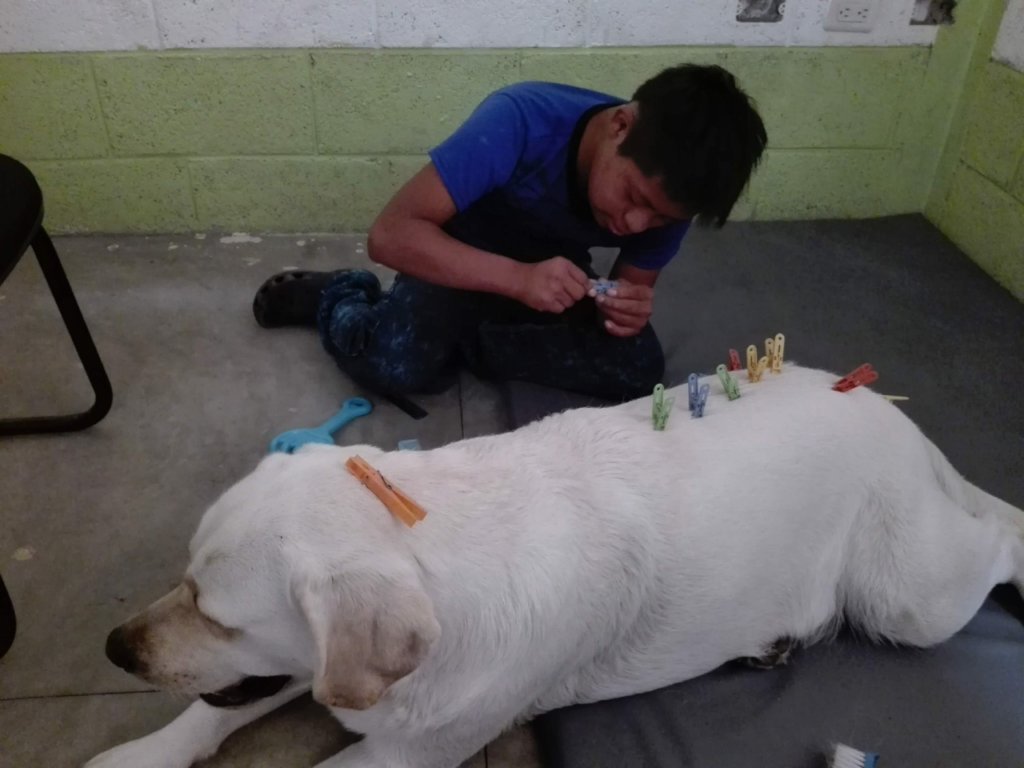
Now, during therapy with Argos, she is working on her balance, crouching down on one side, holding objects, or stepping over obstacles in her pathway.
Oftentimes, Argos is in her pathway and Lolita must move from one side to the other. Argos typically performs the activity first, providing an example for Lolita. She loves watching Argos do the activity, and is always smiling.
Through these therapies, she has gained confidence in herself. Her mom is always there, observing her and congratulating her, but Lolita no longer needs her mother to participate in therapies.
Before, she did not like to stand up much, but now she can stand up for longer stints of time, combing Argos’ fur.
We have observed many advances with respect to socialization. Now Lolita maintains short conversations, she is no longer frightened by visitors, and she loves to hug Argos. We practice mathematics, doing small sums and differences with Argos’ food before she feeds him.
Currently, in addition to animal-assisted therapy with Argos, Lolita receives physical therapy, inclusive education, and medical checkups with the neurologist every six months. She is also enrolled in first grade in a public school, near her house.
Her mom says, “I am very happy that Lolita can take small steps now. When she was four, she was crawling and now she can walk with the parallel walking bars.”
Argos at Play:
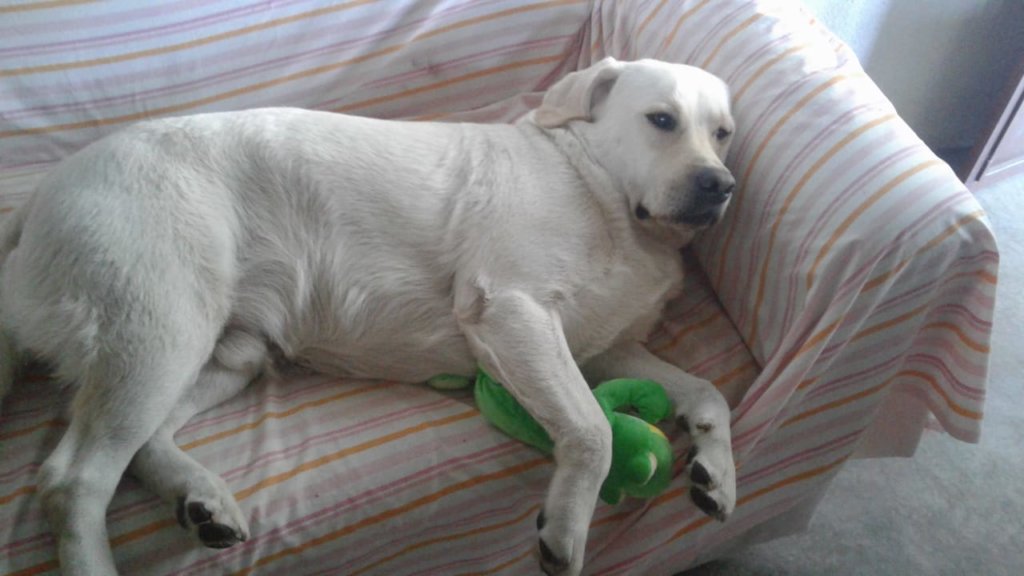
When Argos’ workday comes to a close, he heads home, where he is first greeted by his caretaker Anelvi’s pet bunny and parrot, and he then drinks water and looks for his stuffed animals to play. He will wander inside and outside with his stuffed animal hanging from his mouth. When he tires from playing with his stuffed animal, he climbs up onto the couch and he falls asleep.
On the weekends, Argos sleeps in, goes outdoors to bask in the sun, plays with his stuffed animals, walks around the shores of the lake, or plays with his ball. Argos is both curious and observant and he enjoys exploring new places.
Veterinarian:
Since exams have discarded that Argos is suffering Hypothyroidism, we are only keeping an eye on hormonal changes. Argos went in for a check-up with the veterinarian this quarter and he has another check-up scheduled for this month, in which he will receive follow-up vaccines.
Difficulties:
- As a young dog, he likes to explore. It is a team effort to make sure he doesn't wander off.
Lessons:
- The children’s participation in activities has increased.
- Some parents have become involved in activities.
- A stronger bond has been formed between the children and Argos.
- Some children have begun to communicate more during activities.
- Argos is very noble, sympathizing with the people he meets.
Conclusions:
- The obtained achievements and results (i.e. the integration of non-active children in the activities and parent participation) are very satisfactory.
- Conduct changes of children working with Argos.
- The socialization and acceptance of the children that work in pairs with Argos.
- Argos is very playful and especially enjoys playing with the stuffed animals that make sounds.
![Working in Pairs.]()
Working in Pairs.
![Results.]()
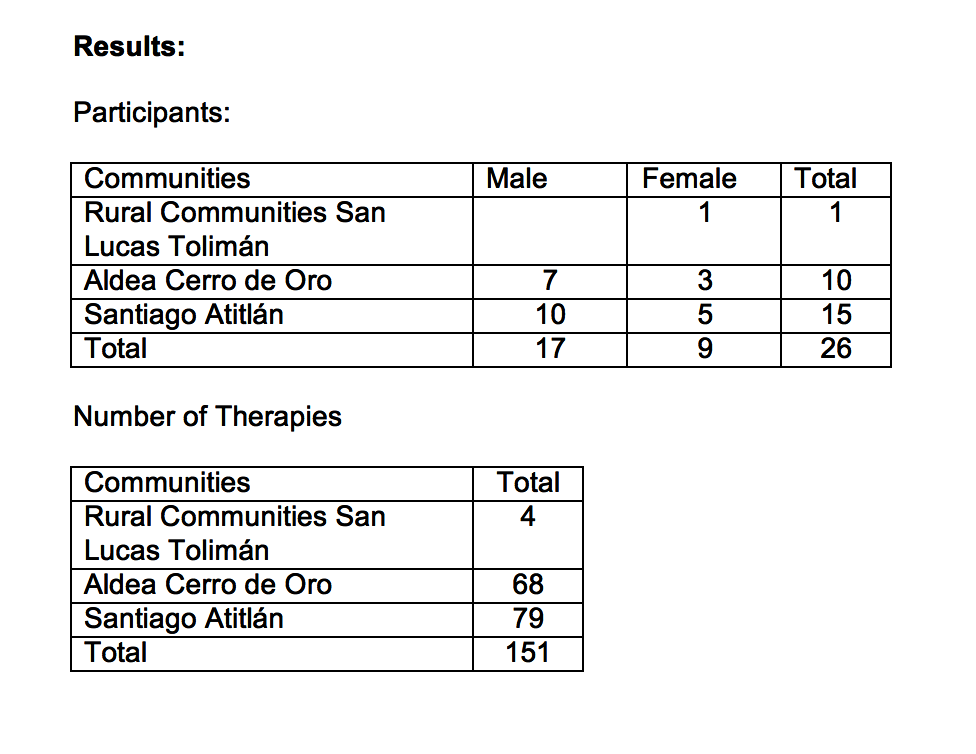
Results.
![Argos at Play with his Stuffed Animal.]()
Argos at Play with his Stuffed Animal.
![Argos with Gaspar.]()
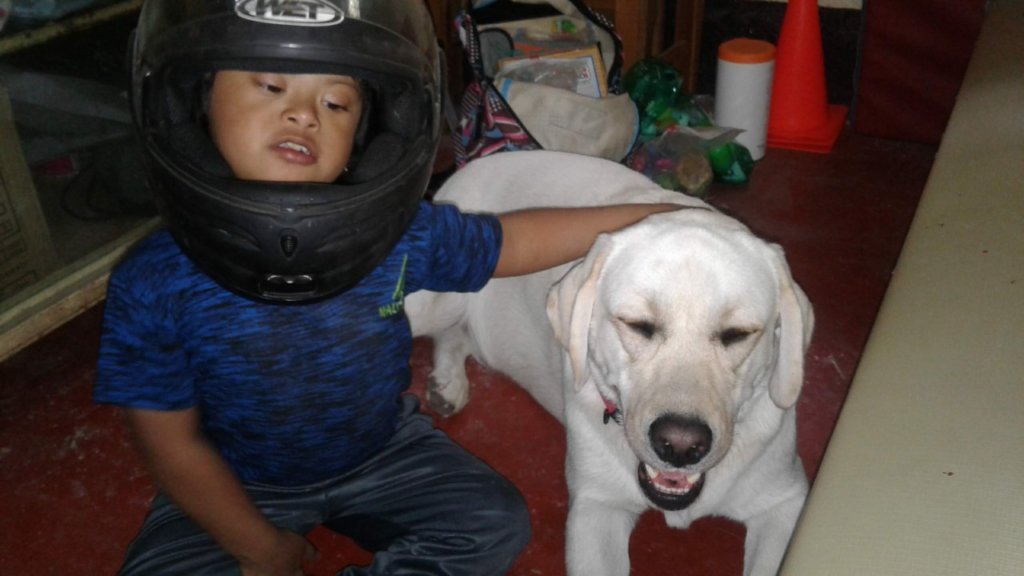
Argos with Gaspar.
![Share on Twitter]()
![Share on Facebook]()