By Rebecca Frommer | Project Leader
Lacey S. has worked with animals for more than half of her life, starting at age 11 as an animal shelter volunteer. Today, she is a veterinary technician at Clay County Animal Care & Control in Green Cove Springs, Florida.
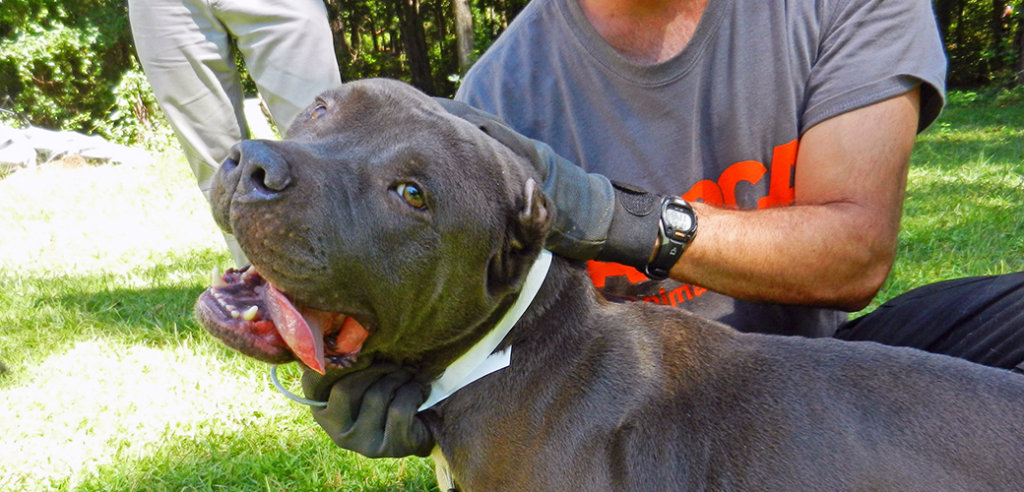
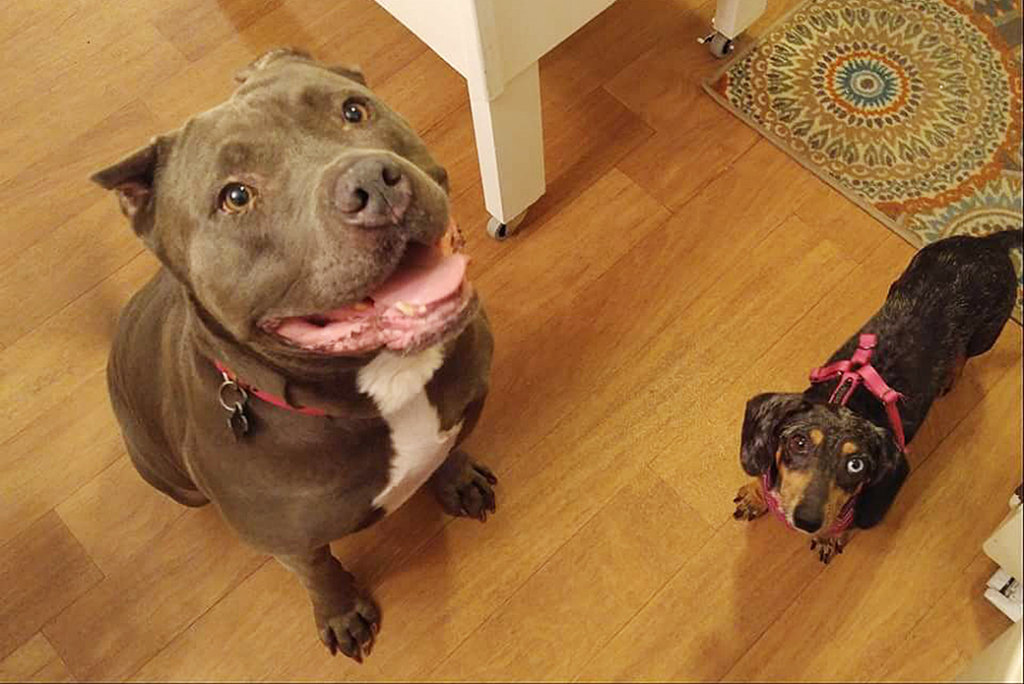
In August 2013, the ASPCA participated in the second-largest dog fighting case in U.S. history, a case that spanned four states and resulted in 10 arrests. Lacey got involved in the case through her association with Plenty of Pit Bulls, a volunteer-run organization in Gainesville that rescues and rehabilitates dogs who are at risk of euthanasia due to shelter overcrowding. Owing to her expertise with the breed, Lacey was assisting us with behavior evaluations of the seized dogs at a temporary, emergency shelter where they were being housed. That’s where she met a three-year-old pit bull named Bam.
Like many of the other dogs from this case, Bam was underweight. He tested positive for heartworm and Babesia, a blood parasite not uncommon in fighting dogs. He had likely spent his life on a chain, just out of reach of other dogs and exposed to the elements.
“I was terrified [the dog fighters] were going to somehow get him back,” says Lacey, who used easygoing Bam in dog-on-dog evaluations to test other dogs for aggression. Bam was sheltered for four months before Lacey was able to bring him home as a foster pet, and he was in legal limbo for an additional eight months before she could legally adopt him.*
Due to the traumas they suffer through the cruelties of dog fighting, dogs like Bam can often require extensive rehabilitation. It is a common and unfortunate misconception that these dogs are never able to become beloved family pets.
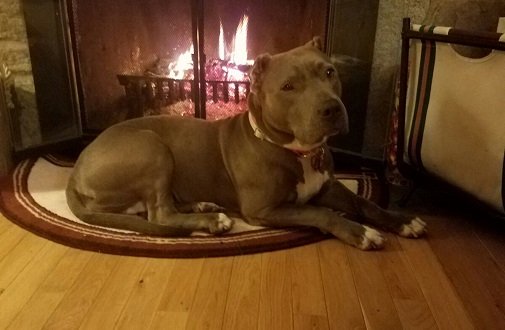
Bam is a dog who easily proves that theory wrong. The large pit bull was always calm, lovable and friendly—however, once in foster care, Bam’s traumas did begin to catch up with him, and severe separation anxiety surfaced. Luckily, Lacey was well equipped to help Bam adjust to being alone. With medication and training, she managed and decreased his anxiety, and Bam slowly became more comfortable being alone.
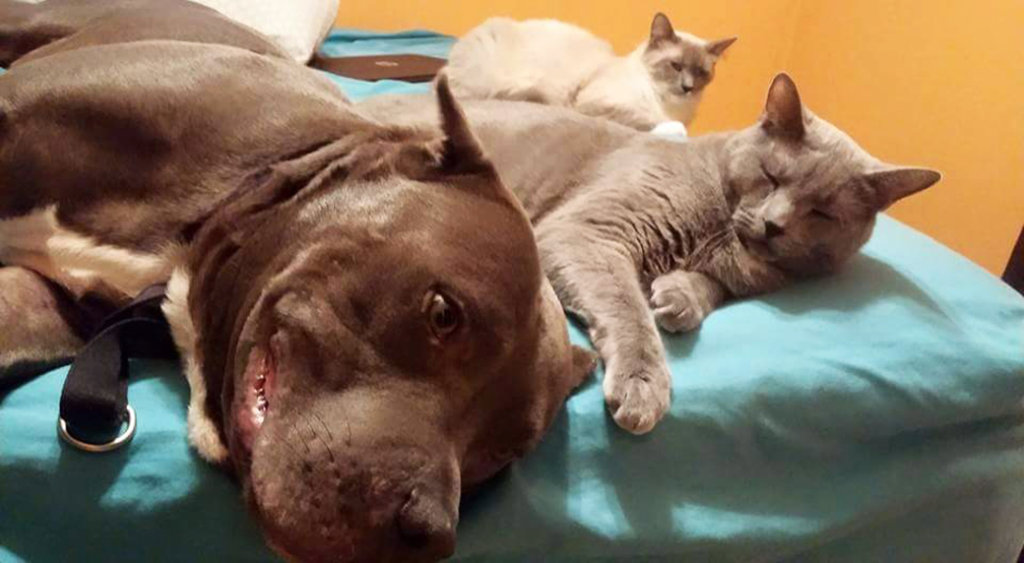
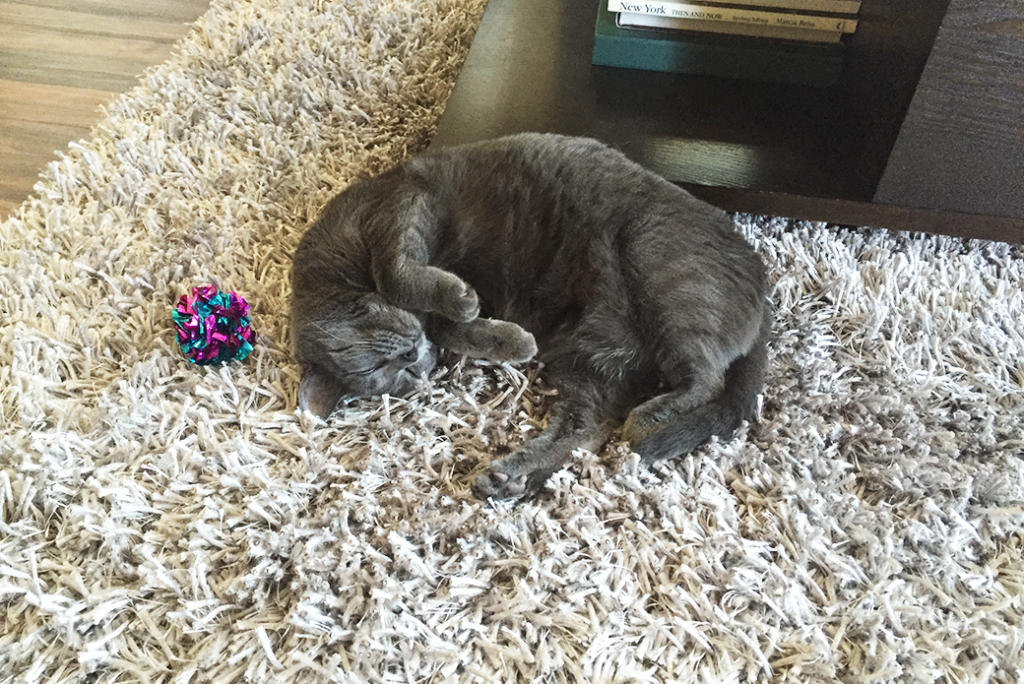
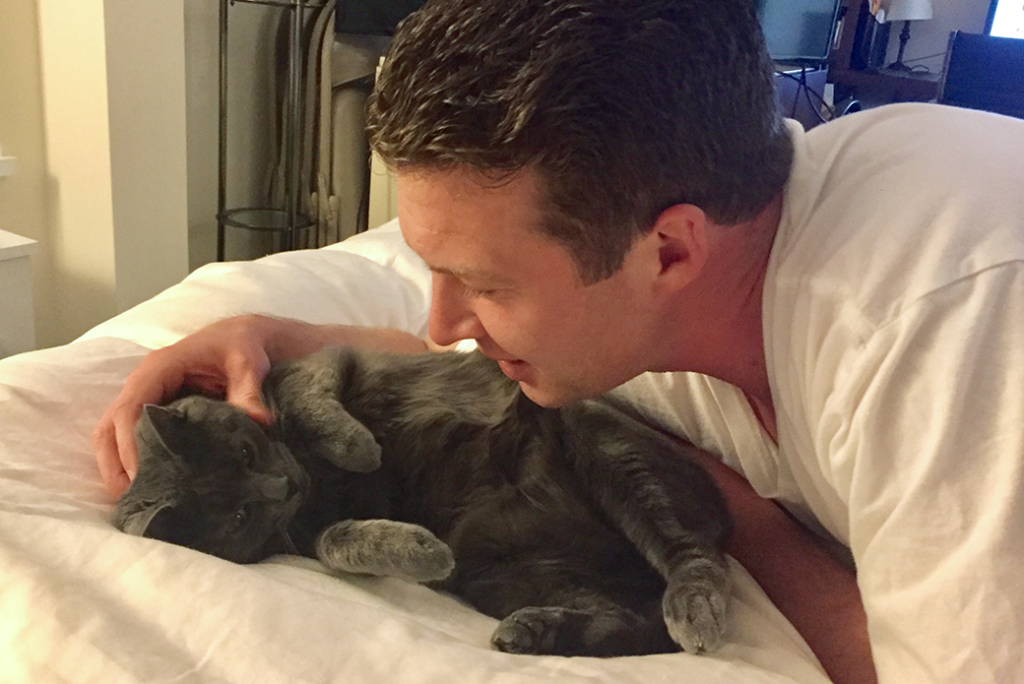
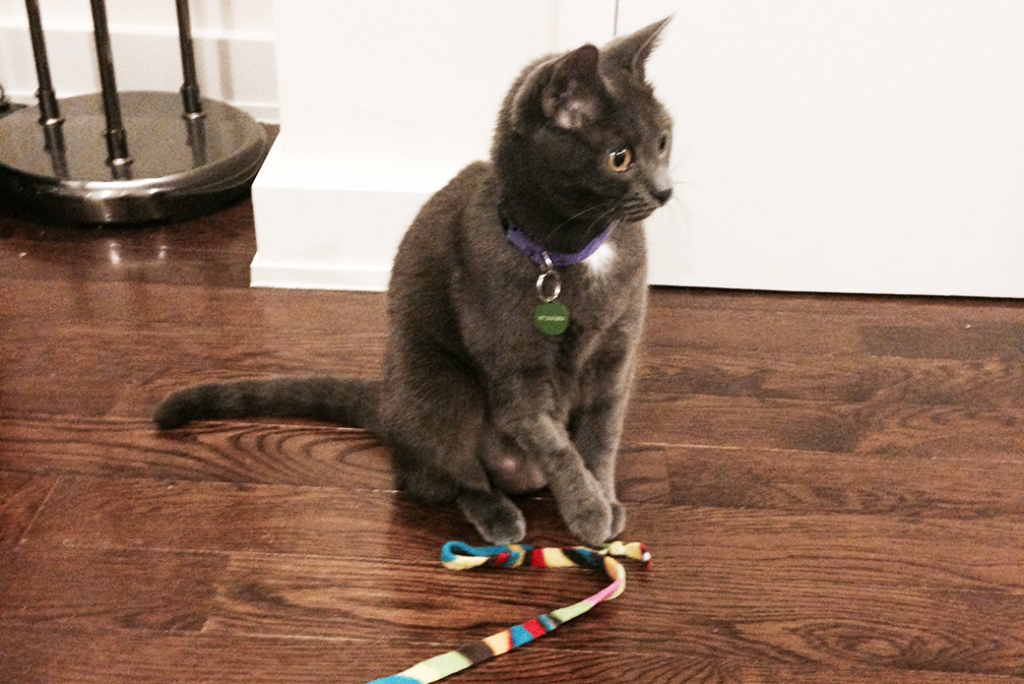
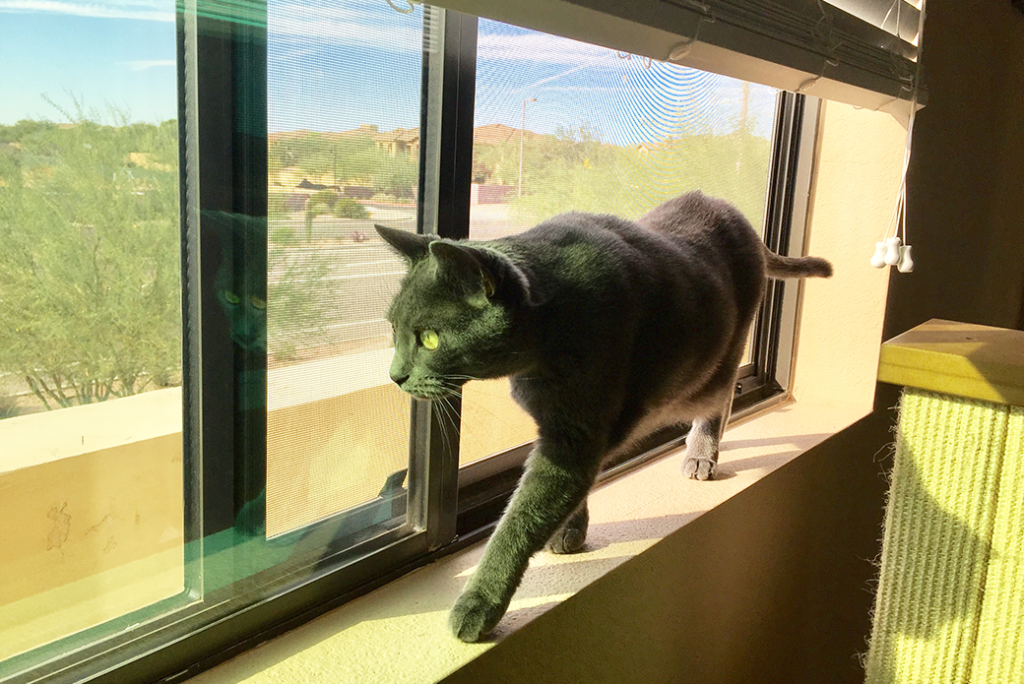
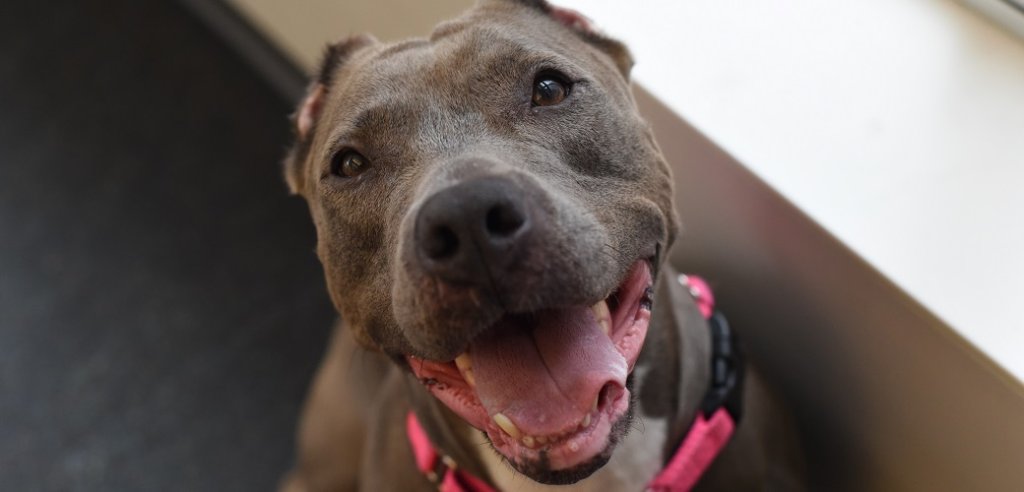
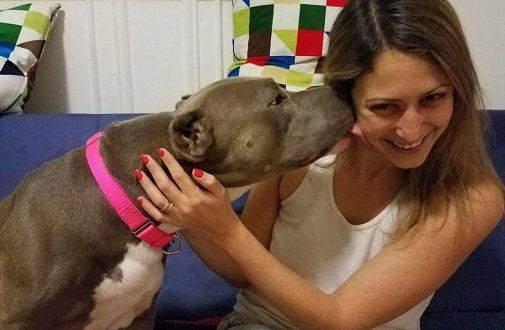
We recently caught up with Lacey and Bam, who’s now seven years old. Lacey and her fiancé, Jacob, have a new baby daughter and a 17-month-old son, Jackson, with whom Bam has been “absolutely amazing,” according to Lacey. “They are the best of friends,” she says, and adds that Bam also gets along well with Butch, the family cat, as well as with other dogs and even rabbits!
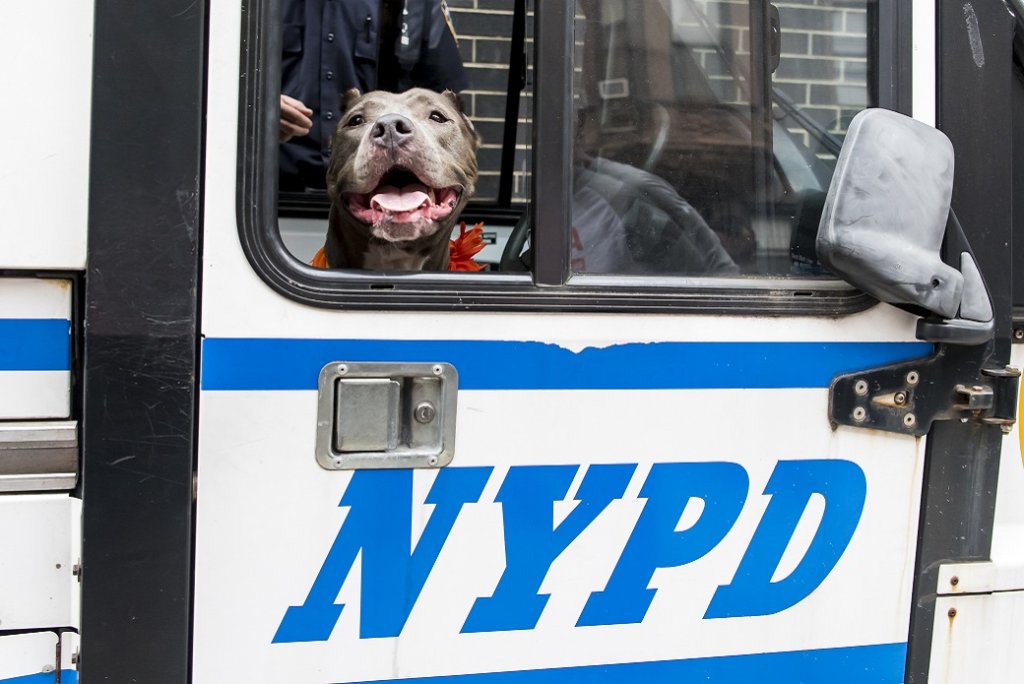
Nearly four years since his rescue, Bam helps Lacey evaluate dogs at the Clay County shelter and is frequently a “conversation starter” when she takes him to local parks.
“Either people want to run up to him and hug him, or they want to run away from him,” says Lacey. “But most of time we get a good reaction. I use him to educate as much as I can; he’s a great ambassador for the breed.” In his role as a breed ambassador, Bam also frequents a local nursing home that encourages pet visits—proving that the dog who could have been automatically labeled “aggressive,” given his origins, is anything but.
Links:
By Rebecca Frommer | Project Leader
By Rebecca Frommer | Project Leader
Project reports on GlobalGiving are posted directly to globalgiving.org by Project Leaders as they are completed, generally every 3-4 months. To protect the integrity of these documents, GlobalGiving does not alter them; therefore you may find some language or formatting issues.
If you donate to this project or have donated to this project, you can receive an email when this project posts a report. You can also subscribe for reports without donating.