By Carrie Herbert | Director of Arts Therapy Services
Vital Care - Arts Therapy Supervision for Staff Supporting Children in Crisis
In Ragamuffin it is essential that Arts Therapists and social workers are supported through supervision as they work with complex and challenging situations of trauma and crisis.
"Cambodia is full of sadness because of armed conflict and social problems. It is very valuable to have Arts Therapy supervision…it can help reveal and begin to heal hearts that are hurt or broken. My feelings became much easier and lighter. I found strength and insight to care for the children and my own children. I made sense of the past and what I face now" (Social worker/counsellor)
Professional supervision is as important as programme delivery. The opportunity to reflect and process the impact of the work on our organisations, and ourselves is critical in sustaining caregivers in their work. The human resource on the frontline of care is an organisation’s most vital asset and the wellbeing of this resource when dealing with daily trauma and crisis in their work must be carefully considered.
According to Nelson (2014) for persons who work with trauma or crisis, the most important part of coping with the intensity of the work is acknowledging that it will affect you. Recognising that it is ‘normal’ to be affected by this type of work is the most important coping skill that we can give to ourselves. Understanding that we are not alone and that feelings of outrage, horror, shock, sadness, or vulnerability are normal, is important.
Through regular clinical supervision we enable therapists to feel safe enough to express the true impact of working with clients. For example, when a child has been sexually abused or is subject to violence, the first priority is safety for the client and emergency care. Therapists work in partnership with social workers and organisations in providing a specific component of their care. The supervision process become a place within which the therapist can bring a case, discuss and reflect on it in depth, consider appropriate action and also to consider the emotional impact on themselves.
"It’s so important that we are able to do this - it our chance to journey through the impact of what we are holding with our clients and our organisations, the terrible stories we are hearing and how to care for and protect ourselves and each other and express how we truly feel" (Therapist)
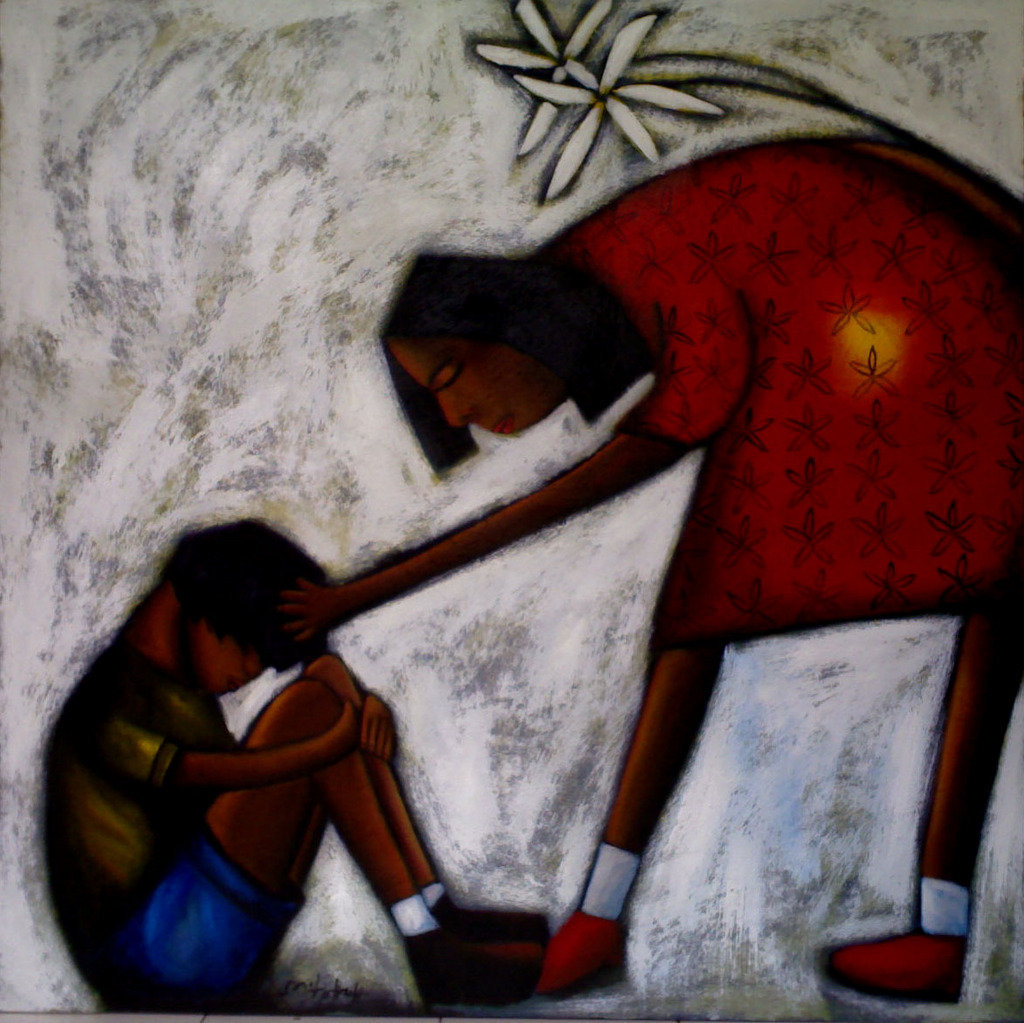
Therapists use themselves as instruments of care, compassion and response to those who suffer. This use of humanity engages the body, heart, mind and soul of a therapist as they journey alongside some of the most traumatised and troubled children and young people. The creative arts serve as powerful vehicles to enable a therapist to express such an impact and consider how this touches their own experience and story. This reflective creative process enables a greater degree of awareness and skill then in managing the work with the client, equipping them with a navigation map that is embodied and conscious. It can make all the difference in sustaining someone in their work.
In January, over 130 practitioners came together in the conference Nourish - Cambodia's 1st Arts Therapy and Wellbeing Conference in partnership with Partners for Social Justice and Naropa University (USA). This provided an opportunity to learn and explore this vital theme of support and wellbeing for frontline staff at an individual, organisational, country and broader global perspectives. Whilst supervision is a priority in many countries, in the developing and humanitarian sector it is often not prioritised or funded. Coming together with therapists, social workers and leaders of organisations enabled there to be a collective voice articulated and raised for the critical need of this service to enable sustainability in the psychosocial sector.
We are looking forward to continuing to both research and provide supervision and also raise awareness and advocate for the need for supervision through our clinic and also at a national and donor level to re-address the vital imperative that staff care is a foundational pillar of ethical and moral humanitarian practice.
Thanks for your support in encouraging and enabling us to be able to now stand on the base of experience and practice that also enables us to advocate for change and policy development. Please do not hesitate to contact us if you would like to know more about this area of our work and its impacts. Thanks for reading!
Reference:
Nelson, T.S. (2014), ‘Vicarious Trauma: Bearing Witness To Another’s Trauma’ http://www.azcadv.org/azcadv2014wp/wp-content/uploads/2014/06/VICARIOUS-TRAUMA.pdf
Project reports on GlobalGiving are posted directly to globalgiving.org by Project Leaders as they are completed, generally every 3-4 months. To protect the integrity of these documents, GlobalGiving does not alter them; therefore you may find some language or formatting issues.
If you donate to this project or have donated to this project, you can receive an email when this project posts a report. You can also subscribe for reports without donating.